Zhuyeqing Green Tea Caffeine vs Coffee: The Real Difference
No, Zhuyeqing green tea does not contain more caffeine than coffee in a typical cup. Brewed coffee usually supplies around 95 mg of caffeine per 8-ounce serving, while brewed green tea supplies about 28 mg in the same volume [1][2]. Zhuyeqing is a premium Chinese green tea, so its caffeine falls within the normal green tea range, not the higher coffee range. The steady lift people get from Zhuyeqing comes from moderate caffeine working alongside L-theanine and other tea compounds, not from a higher caffeine load. That difference shapes whether the tea suits you as a replacement for coffee or as a softer alternative.
How Much Caffeine Is in Zhuyeqing Green Tea Compared with Coffee?
Reference caffeine values are helpful when comparing standard servings. The table below uses USDA FoodData Central figures for brewed coffee and generic brewed green tea; it is not a lab report for one Zhuyeqing lot.
| Beverage | Typical serving | Approximate caffeine | What to note |
|---|---|---|---|
| Brewed coffee | 8 oz | 80 to 100 mg; reference around 95 mg | Bean type, roast, grind and brew method shift the total |
| Zhuyeqing green tea | 8 oz | 15 to 40 mg; green tea reference about 28 mg | Leaf grade, water temperature and steep time move it within the green tea range |
| Espresso | 1 oz | 60 to 70 mg | Stronger per ounce, but less total than a full coffee cup |
Per ounce, espresso is the most concentrated option, but a standard serving comparison still favors coffee for total caffeine. Zhuyeqing green tea is not a high-caffeine replacement for a strong coffee habit.
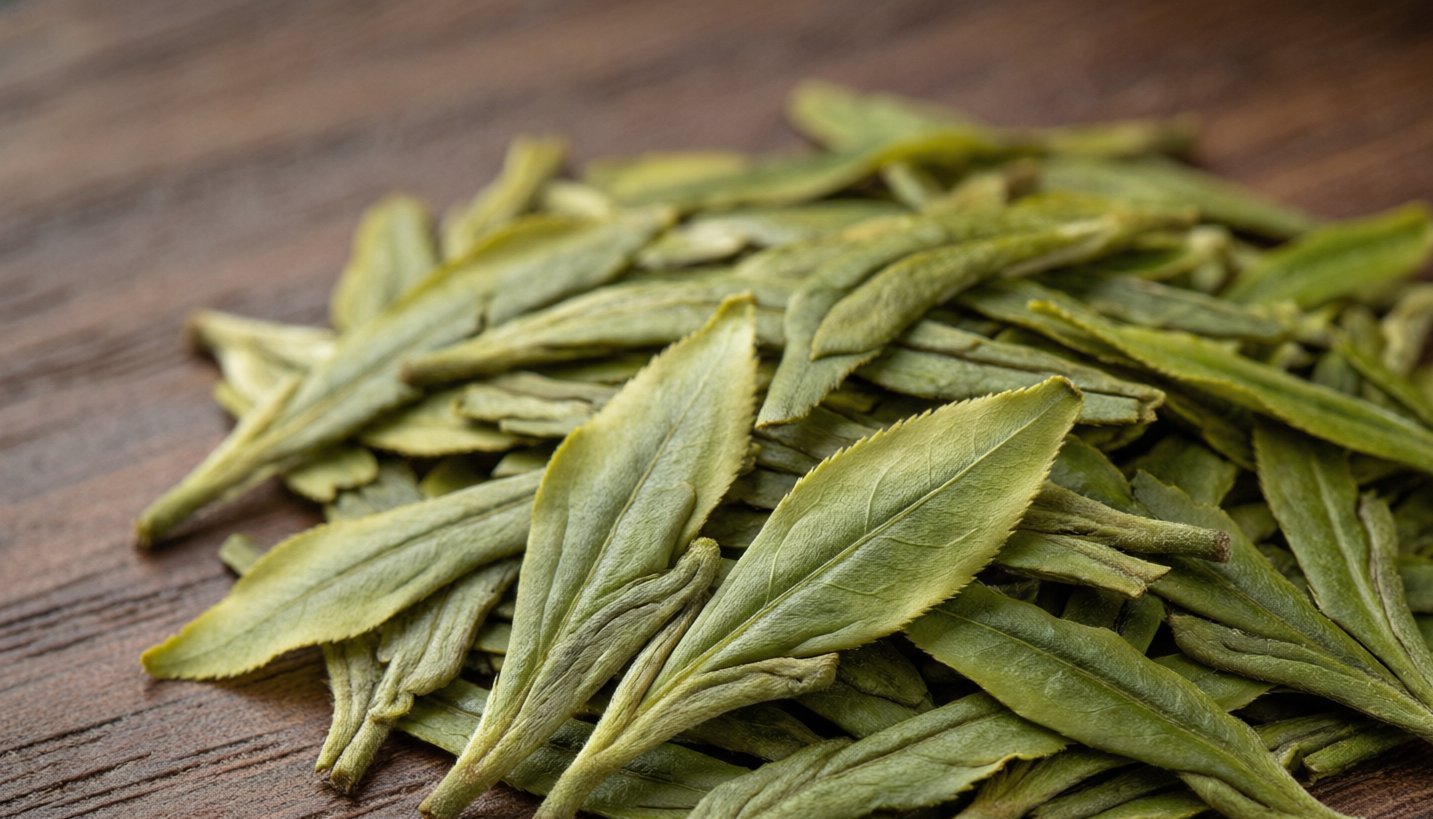
Why Zhuyeqing Green Tea Feels Milder Than Coffee
Even when the caffeine difference is significant, the experience differs because tea contains L-theanine. L-theanine is an amino acid that can slow the perception of caffeine's onset for many people. Coffee delivers caffeine without this balancing compound, so the stimulant effect often arrives faster and feels sharper.
Zhuyeqing green tea therefore tends to produce a smoother, longer, less jittery alertness, which some drinkers mistake for lower caffeine. The caffeine is still present, but the surrounding tea chemistry changes the subjective effect.
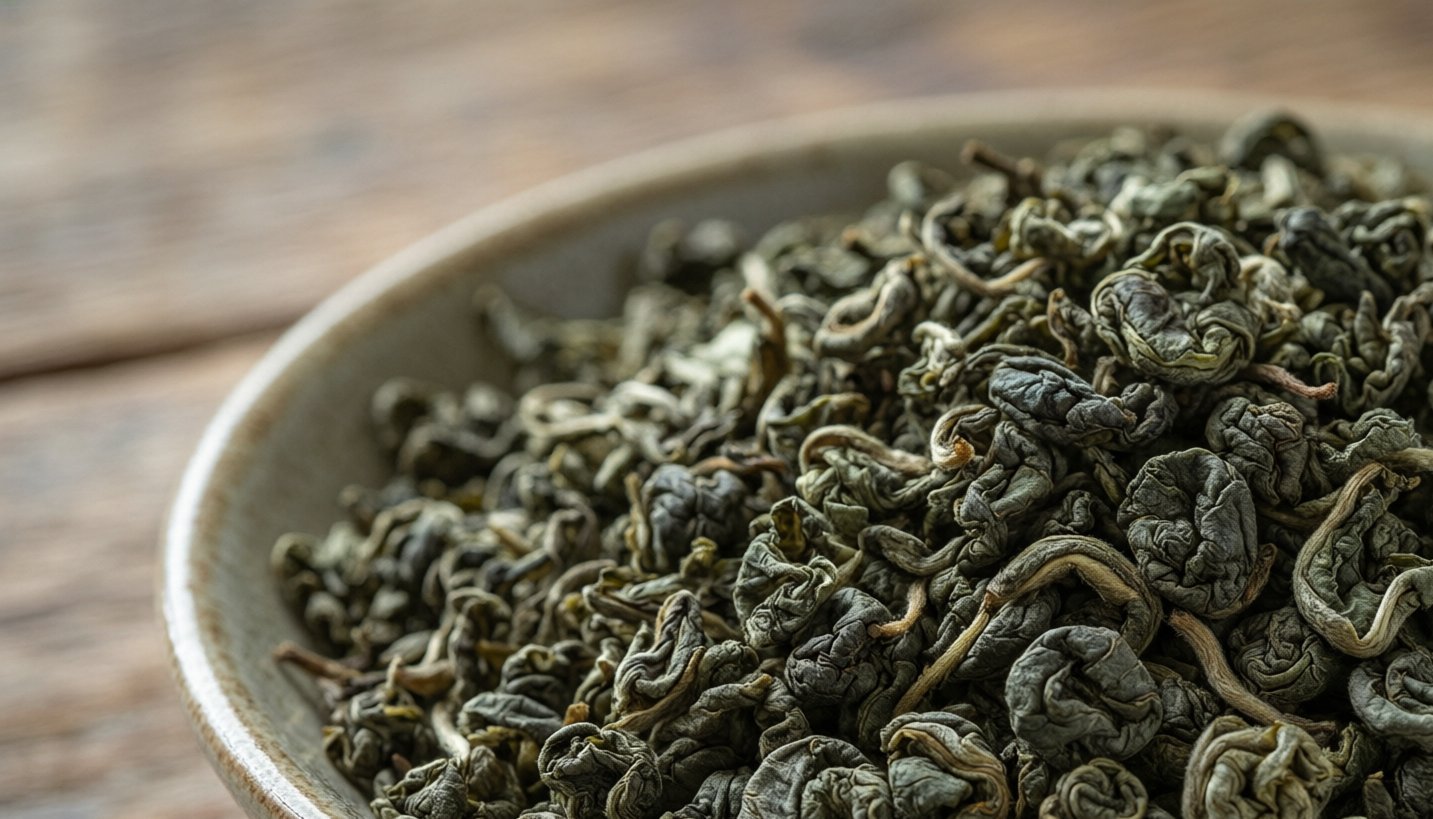
What Actually Changes the Caffeine in Your Cup
The number in a general table is a starting point, not a fixed amount. Three brewing factors move caffeine extraction most.
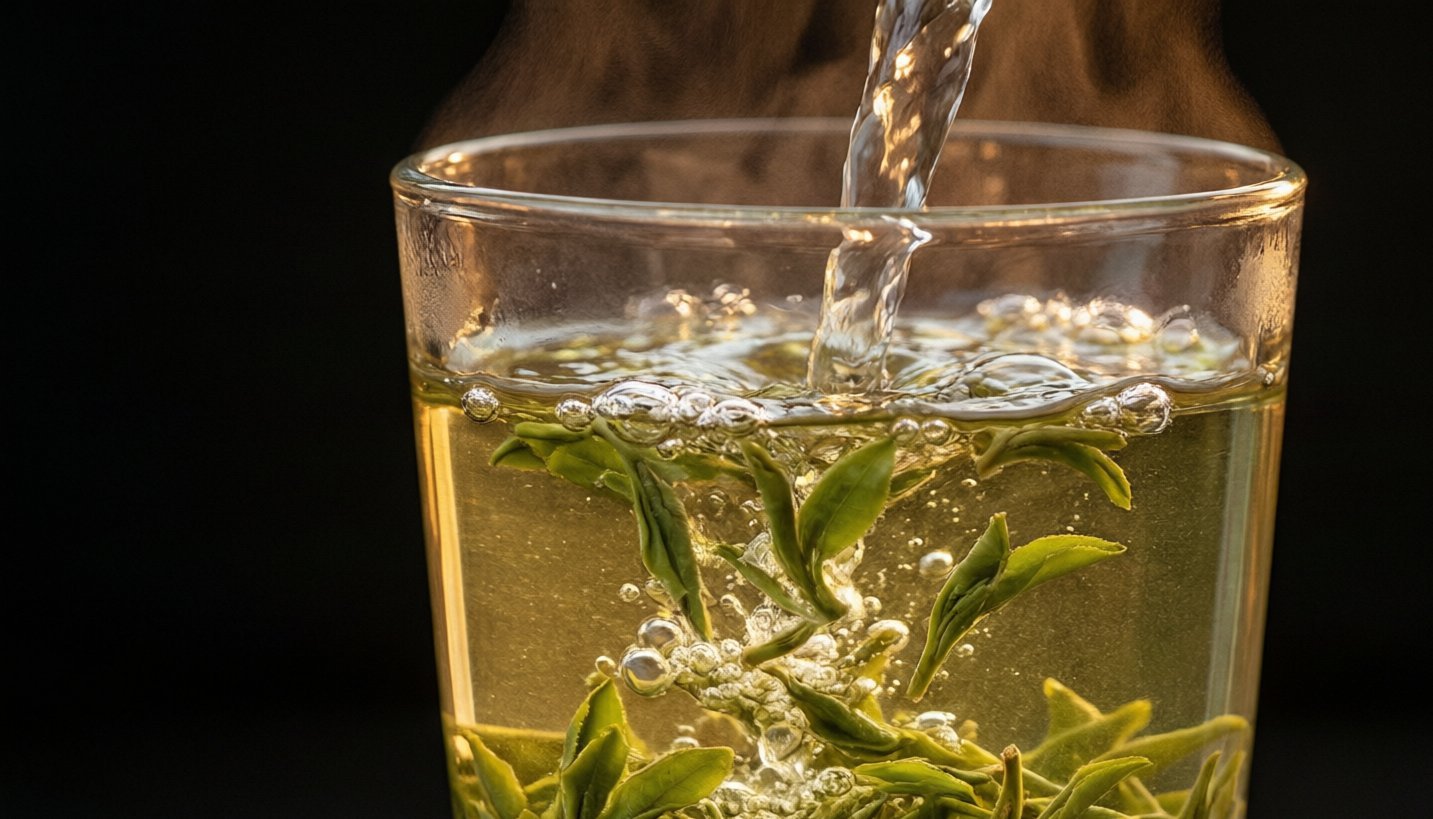
First, leaf-to-water ratio matters because more leaf increases total caffeine available. Second, water temperature matters because hotter water extracts caffeine more quickly. Third, steep time matters because longer contact increases extraction until the leaf becomes exhausted.
Zhuyeqing green tea made with a high leaf dose, near-boiling water and a long steep can reach the upper end of the green tea range, but it still rarely matches a standard coffee cup. The leaf material itself also matters: tender buds and young leaves, common in Zhuyeqing, tend to carry more caffeine by weight than older, larger leaves, but the serving weight remains much lower than the coffee dose.
Choosing Between Zhuyeqing Green Tea and Coffee for Your Routine
Choose coffee when the goal is a strong, quick stimulant effect and the total caffeine does not cause problems. Coffee also offers a more concentrated form when serving size needs to stay small, as with espresso shots.
Choose Zhuyeqing green tea when the goal is a moderate rise in alertness, a smoother come-down, or a lower-caffeine daily rhythm. It is not caffeine free, but its usual serving contains substantially less caffeine than a typical coffee. If you are switching from several cups of coffee per day, reduce gradually rather than assuming green tea will fully replace the previous caffeine load.
For buyers, the relevant specification is not only the tea name. The target serving size, leaf grade and brewing method determine what the drinker actually receives.
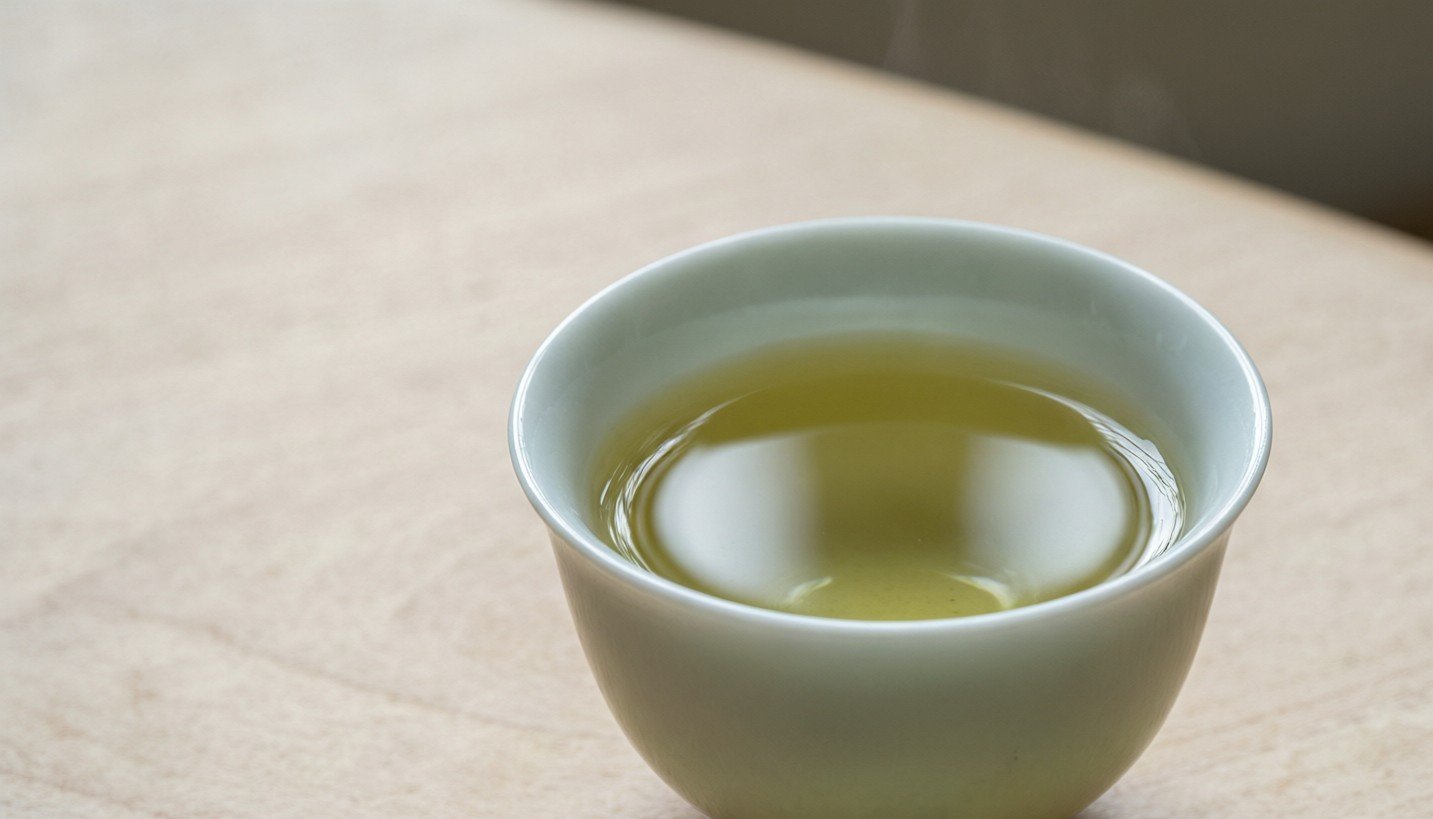
How to Brew Zhuyeqing Green Tea for a Predictable Caffeine Dose
Use a consistent method if you want repeatable caffeine. Start with about 3 grams of leaf for a 150 ml serving, or roughly 1 gram per 50 ml of water. Use water around 80°C (175°F) and steep for 2 to 3 minutes.
For a lighter cup, reduce leaf, lower the temperature to about 75°C, or shorten the steep to 1 to 2 minutes. For a stronger cup, add a little more leaf rather than scalding the tea with boiling water. High heat extracts more bitterness and still does not turn green tea into coffee.
Record the leaf weight, water volume, temperature and time you prefer, then keep those values for every batch. This approach gives a more stable caffeine range than guessing by color or intensity.
Need a Zhuyeqing Green Tea Selected for Your Caffeine Target?
Tell us the serving size you plan to offer, the caffeine range you expect per cup, and whether you need loose leaf, pouches, or another retail format. Contact Chinese tea suppliers at 427728483@qq.com.
Frequently Asked Questions
Does Zhuyeqing green tea have more caffeine than a shot of espresso?
No. A single shot of espresso has less total caffeine than a full cup of coffee, but it is more concentrated per ounce. Per serving, regular Zhuyeqing green tea is still much lower than a full coffee cup and usually lower than a double shot. If the comparison is made ounce for ounce, espresso delivers far more caffeine than green tea.
Will I consume less caffeine if I switch from coffee to Zhuyeqing green tea?
Usually yes, but the reduction depends on the coffee size and the tea brew. An 8-ounce coffee often delivers more caffeine than an 8-ounce green tea. If you currently drink two or three strong coffees daily and replace each with a lightly brewed tea, the drop will be noticeable. If the tea is brewed very strong and the previous coffee was small, the gap narrows.
Can I make Zhuyeqing green tea as strong as coffee?
Only to a limited point. More leaf, hotter water, and longer steeping raise caffeine, but they also raise bitterness and astringency. Because tea leaf is used in smaller total amounts than ground coffee for a typical serving, it is not practical to make Zhuyeqing green tea match a strong coffee cup without harming flavor.
Is Zhuyeqing green tea safe for people who are caffeine sensitive?
It is a moderate-caffeine beverage, not a caffeine-free one. People who react strongly to caffeine should start with a small cup, use cooler water, and keep the steep short. If you have a medical condition or a strict caffeine limit, ask a qualified health provider rather than relying on general tea comparisons.
Does cold brewing Zhuyeqing green tea remove caffeine?
Cold brewing does not remove caffeine. Caffeine extracts more slowly in cold water, but a long cold steep can still produce a moderate caffeine content. If you want a lower-caffeine cold tea, use less leaf and a shorter cold brew time instead of assuming the method makes it caffeine-free.
References
[1] U.S. Department of Agriculture, "FoodData Central: Coffee, brewed," fdc.nal.usda.gov. [Online]. Available: https://fdc.nal.usda.gov
[2] U.S. Department of Agriculture, "FoodData Central: Tea, green, brewed," fdc.nal.usda.gov. [Online]. Available: https://fdc.nal.usda.gov
No author description available.

白玉京