Wild Aged White Tea Storage: Mistakes That Kill Flavor
Wild aged white tea does not improve by waiting alone. Its soft honeyed aroma, dried fruit notes, and smooth body develop only when the leaves are kept dry enough to age slowly, cool enough to avoid cooking, and isolated from strong odors. Most flavor loss in stored white tea comes from a short list of storage mistakes: trapping it in dead-dry airtight packages, letting it sit in warm or humid air, and opening the main storage container too often. The difference between a tired flat cake and a lively aged white tea is usually not the original leaf grade, it is what happened between purchase and brewing.
What Wild Aged White Tea Needs From Storage
Wild aged white tea is a low intervention product, but low intervention does not mean no control. The leaf's residual moisture, enzyme activity, and volatile aroma compounds continue to respond to temperature, humidity, airflow, and nearby odors. A useful storage environment keeps the tea in a slow, even transition. It should be dark, cool without being refrigerated, and dry but not desiccated. The air should not be completely sealed off, because white tea aging benefits from very slow oxidation and gradual moisture exchange, but the air also must not be damp or odorous. When those conditions drift, the same cake can taste honey sweet after three years or turn flat and stewed after eighteen months.
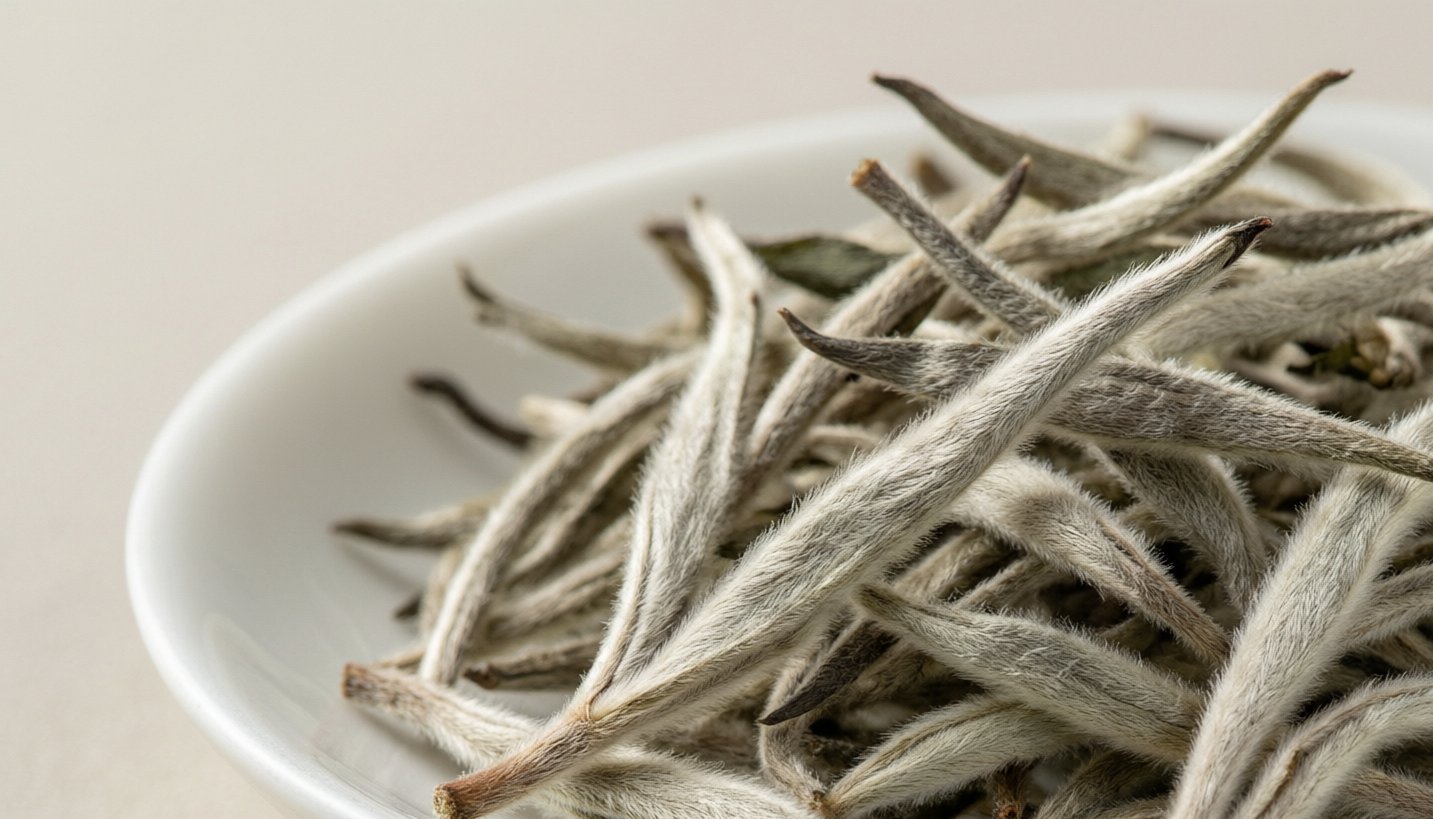
Mistake 1 Treating Wild Aged White Tea Like Green Tea
Green tea logic is the wrong model. Many buyers transfer a delicate fresh green tea into a foil pouch, press out the air, and chill it, assuming the same method protects white tea. Wild aged white tea is not trying to stay fresh in the same way. It is trying to mature, so a highly airtight single-use pouch can stall the aging changes that produce depth while trapping any residual moisture tightly around the leaf. The result is not freshness; it is an aroma that stays closed, sometimes with a sour edge if moisture was sealed in. In a dry climate, an odor-neutral paper wrap or a breathable inner carton is often more useful than a metalized vacuum bag. In a humid climate, a barrier layer is still needed, but the pack should not be treated as an oxygen-free vault.
Mistake 2 Letting the Leaf Absorb Moisture
Moisture is the fastest flavor killer. White tea can look dry while its interior is slowly taking up water from a damp storage room, a concrete wall, or repeated opening in humid weather. As the moisture content rises, the tea loses its clean dry fragrance and begins to smell musty, sour, or stewed. In the worst case, mold develops and the lot becomes unsaleable rather than merely tired. The useful check is not a quick glance at the surface. Feel a few leaves or a broken edge; properly stored aged white tea should still have a dry springy or crisp quality, not a soft damp cling. A storage room that smells musty is already communicating a problem, even if no visible condensation is present.
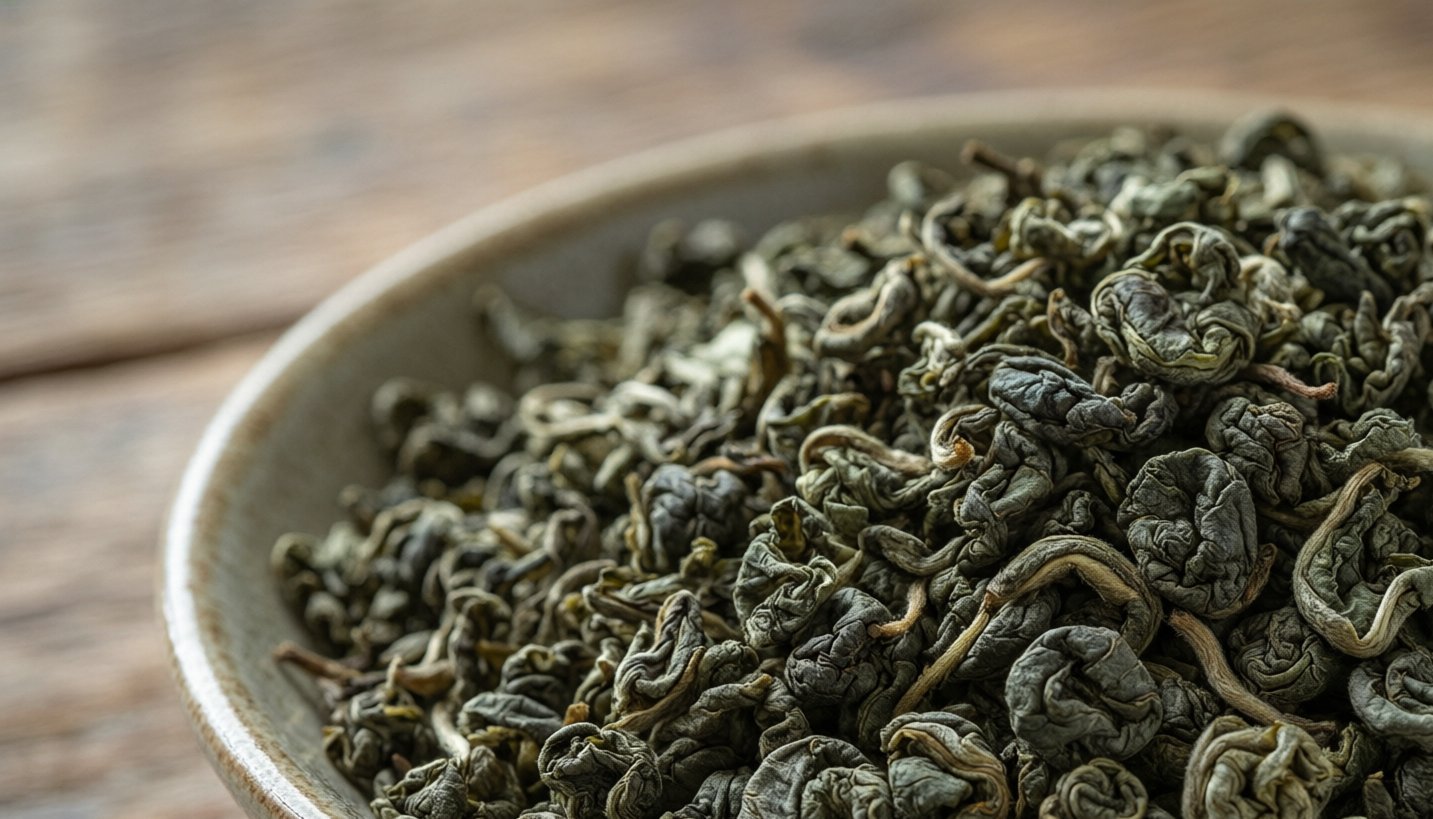
Mistake 3 Storing Near Heat Sunlight and Strong Odors
Heat, light, and fragrance taint damage white tea in different ways. A shelf near a window, an oven wall, a radiator, or a warm kitchen cabinet can push the leaf's remaining oils toward stale hay and cooked vegetable notes. Sunlight is particularly efficient at fading pale leaf and driving off the high floral aromas that buyers expect from aged white tea. Odor is easier to underestimate because white tea absorbs surrounding smells without looking different. Spices, coffee, cleaning agents, scented candles, and strong packaging materials can all press their aroma into an open or lightly wrapped tea. Store white tea in a dark, temperature-stable place and keep it away from the kitchen and from any material with a noticeable smell.
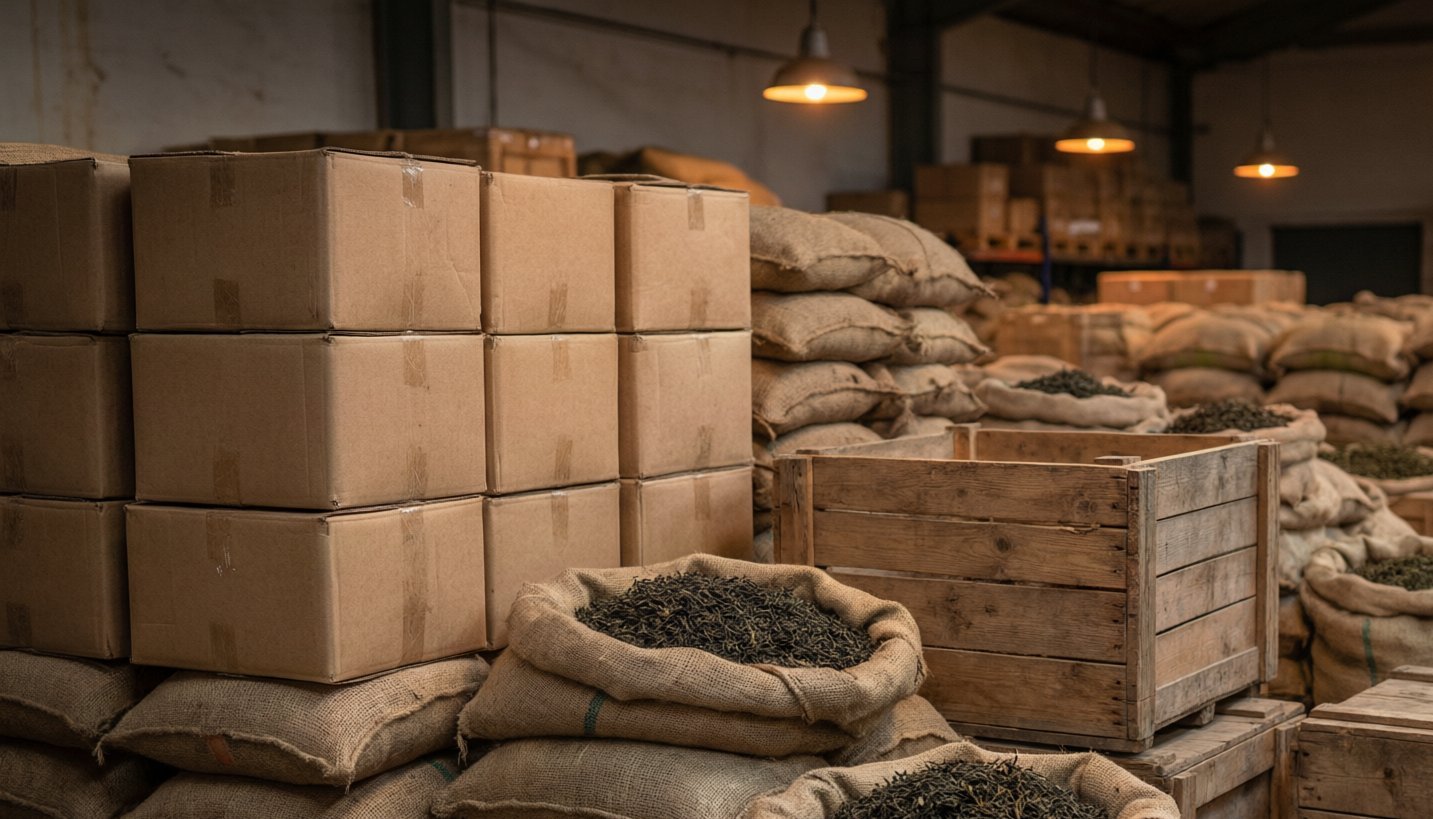
Mistake 4 Sampling From the Main Storage Cake
Opening a sealed master container to take a few grams creates a bigger effect than the small amount removed. Each opening lets in a new pulse of air and humidity, and the tea left behind experiences repeated short-term changes in its immediate environment. Over a year, frequent sampling can make the outer layers develop faster than the center, so the last brews taste different from the first. A more stable method is to keep a small working sample jar or pouch for daily use while the main cake or bulk lot stays closed for long stretches. When the working sample runs low, break off and transfer enough tea for the next several weeks in one quick session rather than opening the main container every day.
A Practical Storage Setup You Can Check
Start with the environment before the packaging. Choose a dark, cool, dry area away from direct sunlight, heat sources, and strong odors. Use a hygrometer or at least watch for condensation, musty smells, and any softening of the leaf. In humid regions, keep the tea inside a sealed but not vacuum-packed odor-neutral container and avoid storing it directly against an exterior wall. In dry regions, leave a little gentle air exchange so the tea does not become brittle and stalled. For larger lots, keep master containers closed and use a separate working sample for tea you will brew within a month. The table below summarizes the common failures and the more useful habit.
| Mistake | What it does to flavor | More useful habit |
|---|---|---|
| Sealing green-tea style | Stalls aging and traps moisture near the leaf | Let aged white tea breathe slowly in an odor-neutral wrap |
| Damp room or wet wall contact | Turns the leaf musty, sour, or moldy | Keep storage dry and away from exterior walls |
| Heat and direct sun | Cooks oils into stale hay notes | Use a dark, temperature-stable cabinet |
| Strong neighboring smells | Presses spice, coffee, or cleaning odor into the tea | Isolate white tea from aromatic goods |
| Frequent opening of master stock | Creates uneven aging and aroma loss | Use a small separate working sample |
Sourcing and Storage Support
Before committing a wild aged white tea lot to long-term storage, confirm how the supplier dried the leaf, how much residual moisture the current batch carries, and what packaging the tea has already experienced. A short conversation at these points can prevent a storage mistake from being locked in before the tea reaches your shelf. For lot-specific advice and sourcing options, contact Chinese tea suppliers at 427728483@qq.com.
FAQ
Does wild aged white tea stop changing once it is stored?
No. It continues to mature, but the direction of that change depends on the environment. In a cool, dark, moderately dry space, the tea can gradually soften and sweeten. In a damp or warm space, the same lot can become flat, sour, or musty. Storage is not a pause button, it is part of the processing.
Can I store wild aged white tea in the refrigerator?
Refrigeration is usually a poor choice for aged white tea. The cold air does not stop flavor loss, and the repeated move between a cold fridge and a warm room can create condensation on the leaf. White tea ages best in stable, low-intervention conditions rather than extreme temperature shifts.
What is the first sign that storage is going wrong?
The dry leaf aroma often changes before visible mold appears. Watch for a loss of clean fragrance, a sour or stewed edge, or a musty note when the container is opened. If the leaves feel soft, cling together, or no longer have a crisp dry quality, moisture is moving in the wrong direction.
Should I break a full cake before storing it?
Leave a full cake whole when possible. Breaking increases the surface area exposed to air and makes the outer pieces age faster than the interior. If you need tea for regular drinking, keep a separate working sample and leave the main cake undisturbed.
No author description available.

白玉京