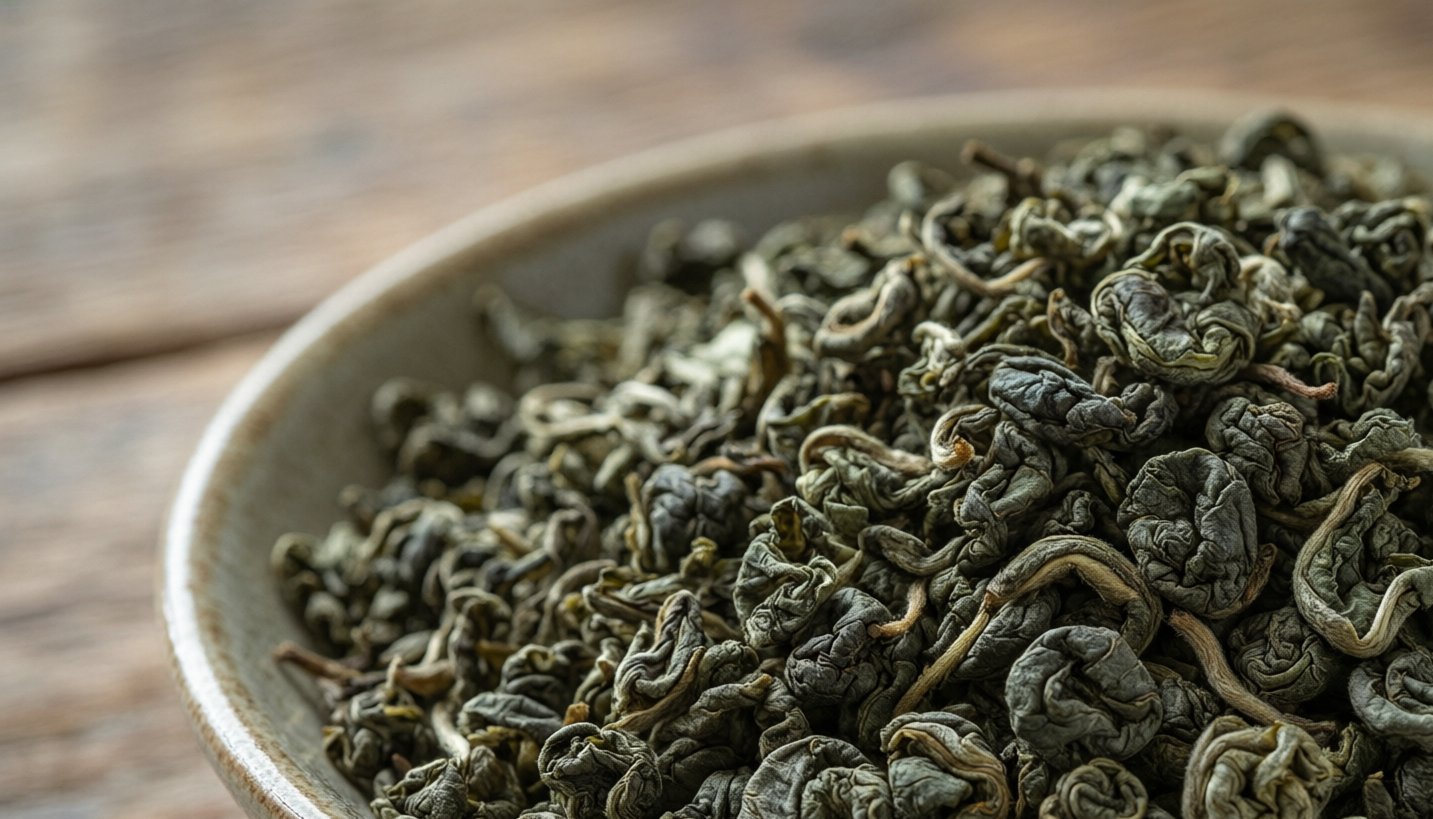
Chinese Dark Tea Types and Quality
Chinese Dark Tea includes multiple regional traditions, cultivars, leaf standards and processing styles. Dark tea is post-fermented and may be loose, basket-packed or compressed into bricks and logs. Microbial transformation, pile processing, drying, compression and storage contribute to its deep, mellow character.
This category currently maps 13 representative varieties and regional products. Buyers can use it to compare origin, flavor, grade, packaging and supply requirements before requesting samples.
How to Compare Dark Tea
Dark tea evaluation should consider origin, material grade, fermentation cleanliness, compression, production date, storage and intended use. Mature or aged character should never be confused with mold or contaminated storage.
Typical Quality Direction
Review dry-leaf appearance, aroma, liquor clarity, taste balance, infused leaf and lot documentation together. A familiar regional name is useful for navigation, but the approved sample and written specification define the supplied product.
Explore Chinese Dark Tea Varieties
- Anhua Dark Tea — Hunan; mellow woody notes, gentle sweetness and a smooth fermented character.
- Fu Brick Tea — Hunan and Shaanxi; compressed tea with warm grain, woody notes and characteristic golden flowers.
- Gongjian Dark Tea — Hunan; robust leaf style, warm woody aroma and a smooth fermented cup.
- Hubei Laoqing Tea — Hubei; mature leaf material, woody aroma and a full fermented character.
- Jinjian Tea — Sichuan; compressed dark tea with a mellow woody profile and durable infusion.
- Kang Brick Tea — Sichuan; firm compressed tea, woody sweetness and a strong smooth liquor.
- Liu Bao Tea — Guangxi; betel-nut, wood and earthy notes with a smooth, warming finish.
- Mifu Brick Tea — Hubei; finely compressed tea, deep red liquor and a smooth robust taste.
- Qianliang Tea — Hunan; traditionally compressed dark tea with deep woody sweetness and aging potential.
- Qing Brick Tea — Hubei; firm compressed leaves, woody aroma and a clean, robust liquor.
- Shengjian Dark Tea — Hunan; mature leaves, deep earthy notes and a clean mellow finish.
- Tianjian Dark Tea — Hunan; loose dark tea with pine, wood and a mellow sweet finish.
- Tibetan Tea — Sichuan; deep amber liquor, mellow woody character and a smooth finish.
Dark Tea Sourcing & Supply
Provide the target origin, flavor, grade, quantity, packaging and destination market. Our supply-chain process covers suitable source matching, samples, specification approval, quality coordination, packaging and export delivery.
Building a Dark Tea Range
A practical range can combine a recognizable premium origin, a dependable everyday grade and a format suited to private label or foodservice. The right mix depends on consumer knowledge, target price, expected brewing method and available shelf space. Buyers should avoid selecting several teas with nearly identical flavor and instead build clear differences in origin, appearance, cup profile and use occasion.
Specifications and Documentation
Before confirmation, record the agreed leaf standard, sensory reference, moisture or other relevant quality limits, packaging barrier, net weight, labeling language, testing requirements and acceptable lot variation. Available certificates and test reports depend on the selected producer and destination market, so documentation requirements should be stated during sample selection rather than after production.
Brewing for Sample Evaluation
Use boiling or near-boiling water. Start with 5–7 grams per 100–120 milliliters for repeated short infusions, or about 3–4 grams per 200 milliliters for a longer cup.
Storage
Keep dark tea in a clean, dry and odor-free environment with stable airflow and humidity. Avoid sealed damp conditions, direct sunlight, heat and contact with foreign aromas.
Dark Tea FAQ
How many Dark Tea varieties are listed here?
This category currently maps 13 representative varieties and regional products. Additional supply may be evaluated according to the buyer brief.
How should a buyer compare samples?
Use the same water, leaf ratio, temperature and steep time for each sample, then record appearance, aroma, liquor, taste, finish and infused leaf.
Can grades and packaging be customized?
Grade matching and packaging coordination are available subject to the selected tea, quantity, specifications and current supply.
Contact China Tea Supply to discuss Dark Tea sourcing and samples.