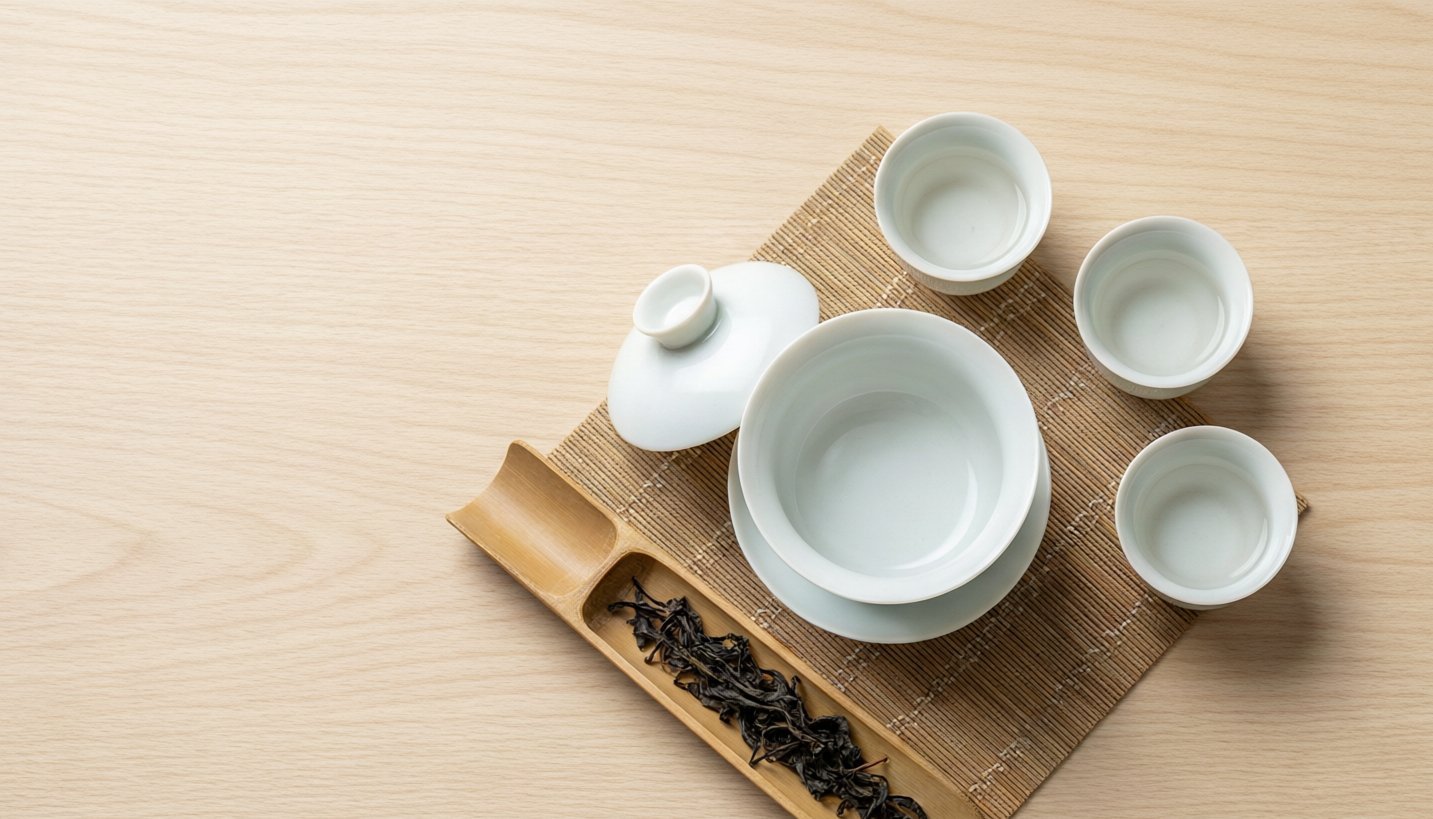
Eight Major Chinese Tea Types
Chinese tea is not a single product category. Processing method, cultivar, origin, harvest, leaf standard and storage create distinct families and regional styles. This guide organizes the catalog into eight practical groups for professional buyers.
How to Use This Tea Classification
Start with the tea family, then compare the specific regional varieties beneath it. Each variety page explains the expected profile, grade factors, quality indicators, brewing, storage, packaging and supply requirements. Final procurement should always be based on an approved sample and specification.
What Changes Tea Quality and Price?
Origin is only one factor. Harvest period, cultivar, bud-to-leaf ratio, processing skill, sorting, moisture, storage and order specification all influence quality and value. A famous name can cover several commercial grades, so buyers should compare representative samples and confirm the exact lot rather than purchasing from the category label alone.
Choosing Tea for a Market
Premium specialty retail may prioritize origin, appearance and layered flavor. Everyday retail often needs a dependable cup and consistent replenishment. Foodservice buyers may focus on extraction, ease of preparation and cost per serving, while private label projects also require suitable packaging, labeling and repeatable specifications.
-

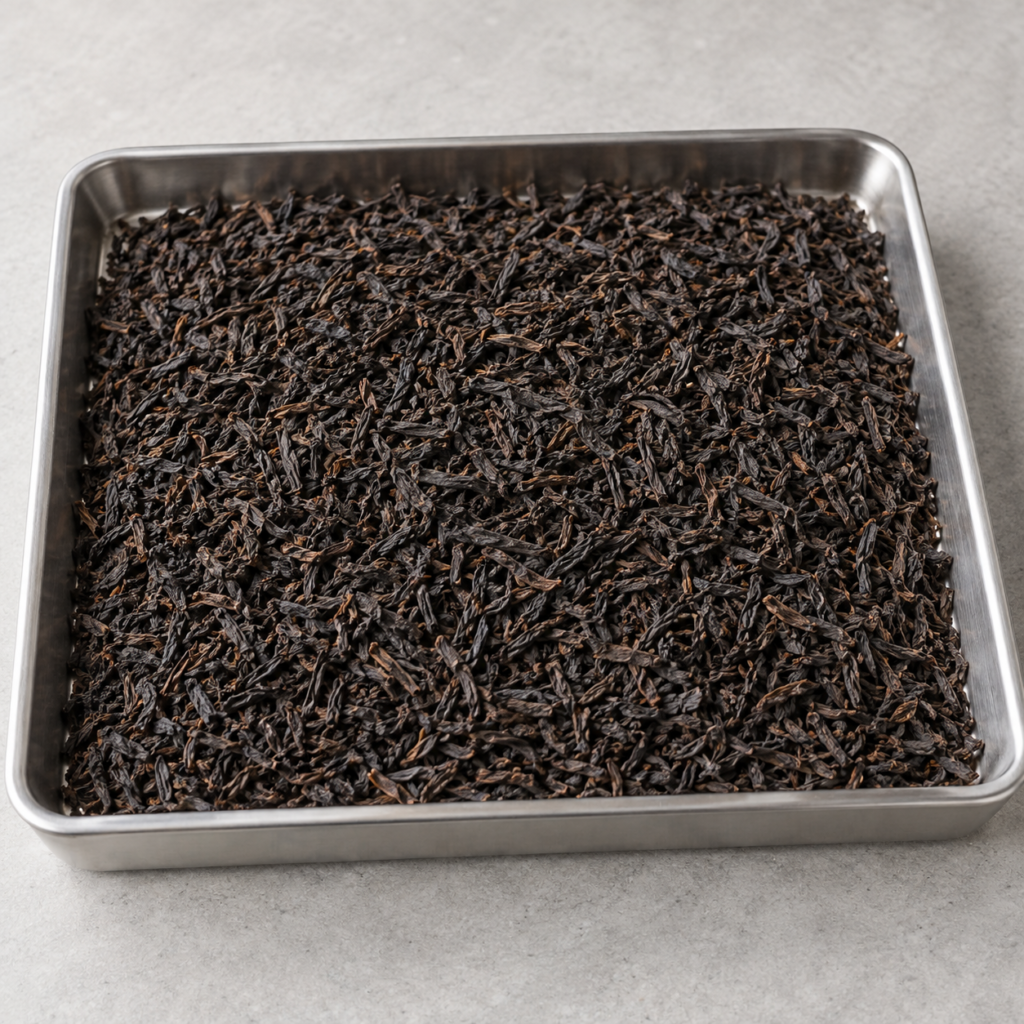
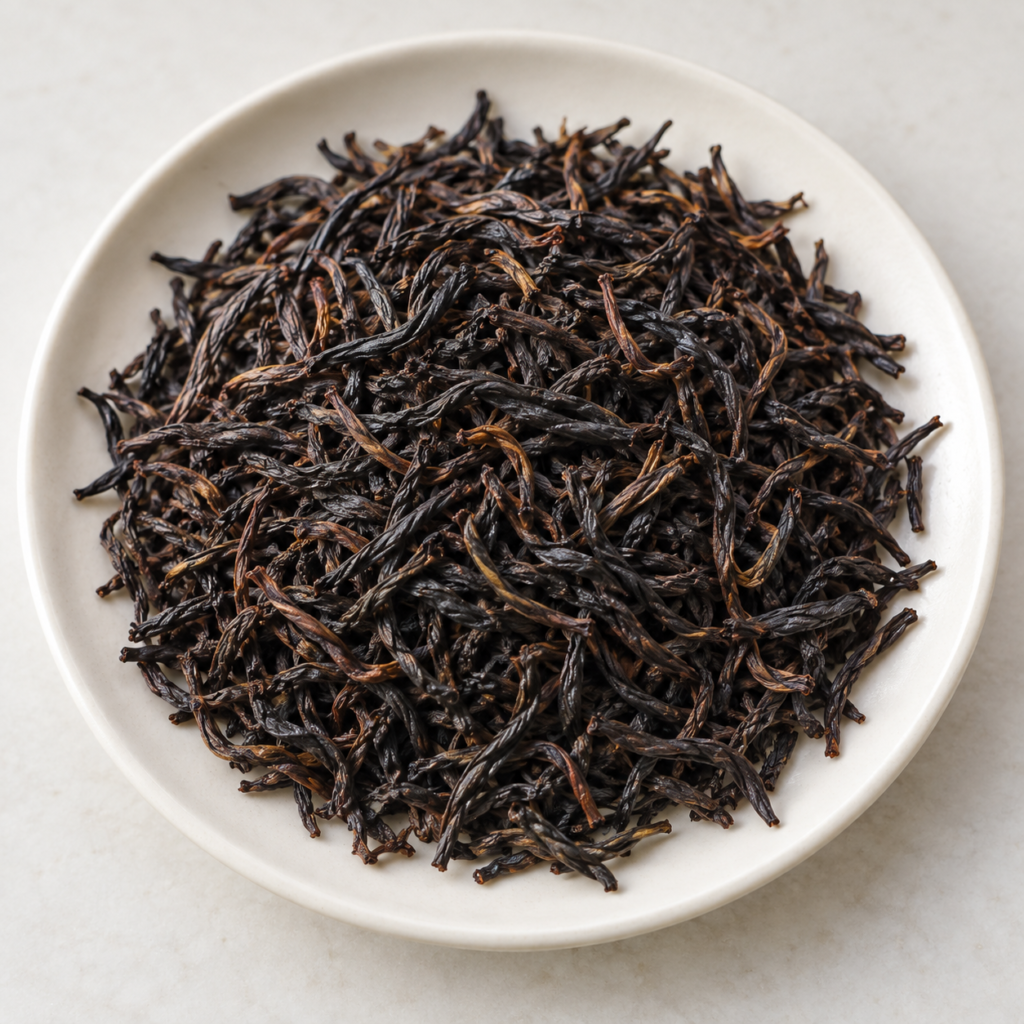
Lapsang Souchong for Blending
Lapsang Souchong for Blending supplied through our coordinated China tea supply chain, with sample approval, written specifications, flexible packaging and confirmed lot availability.
Learn More -
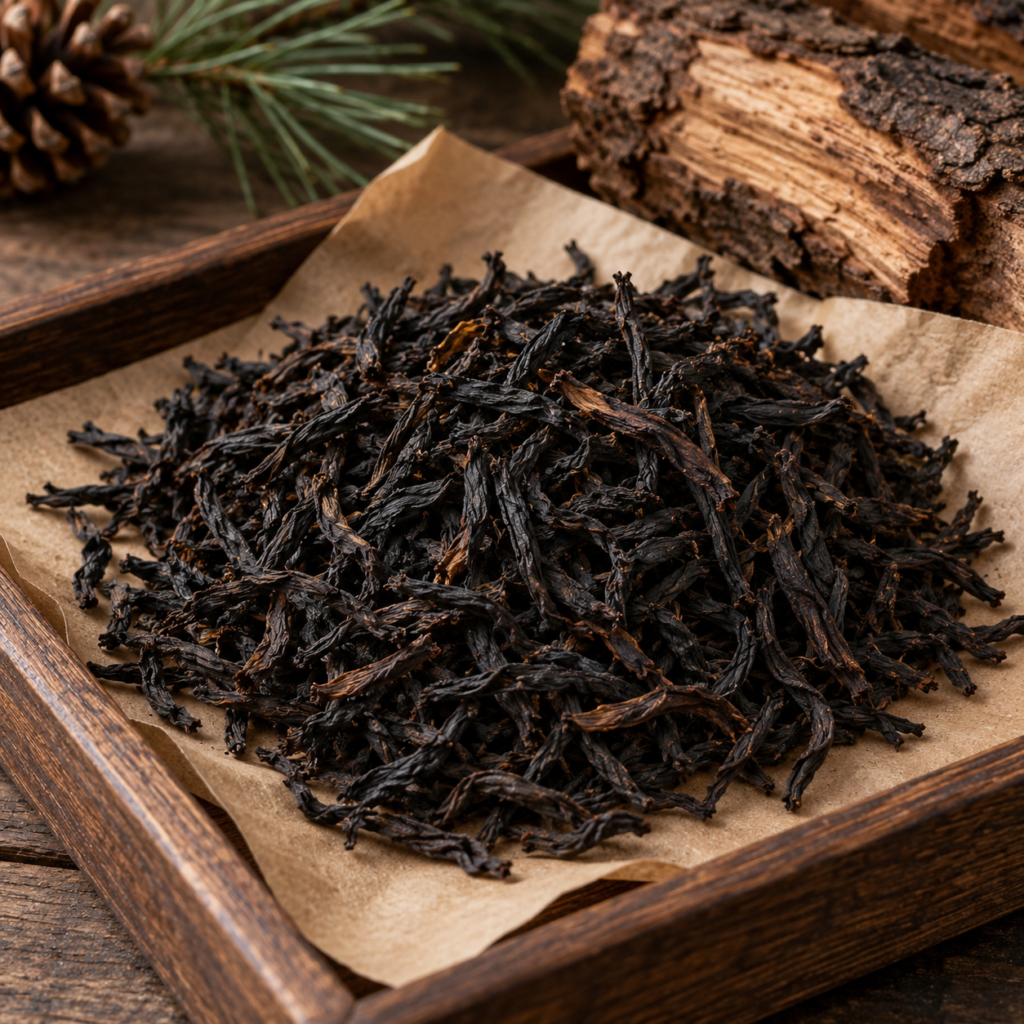
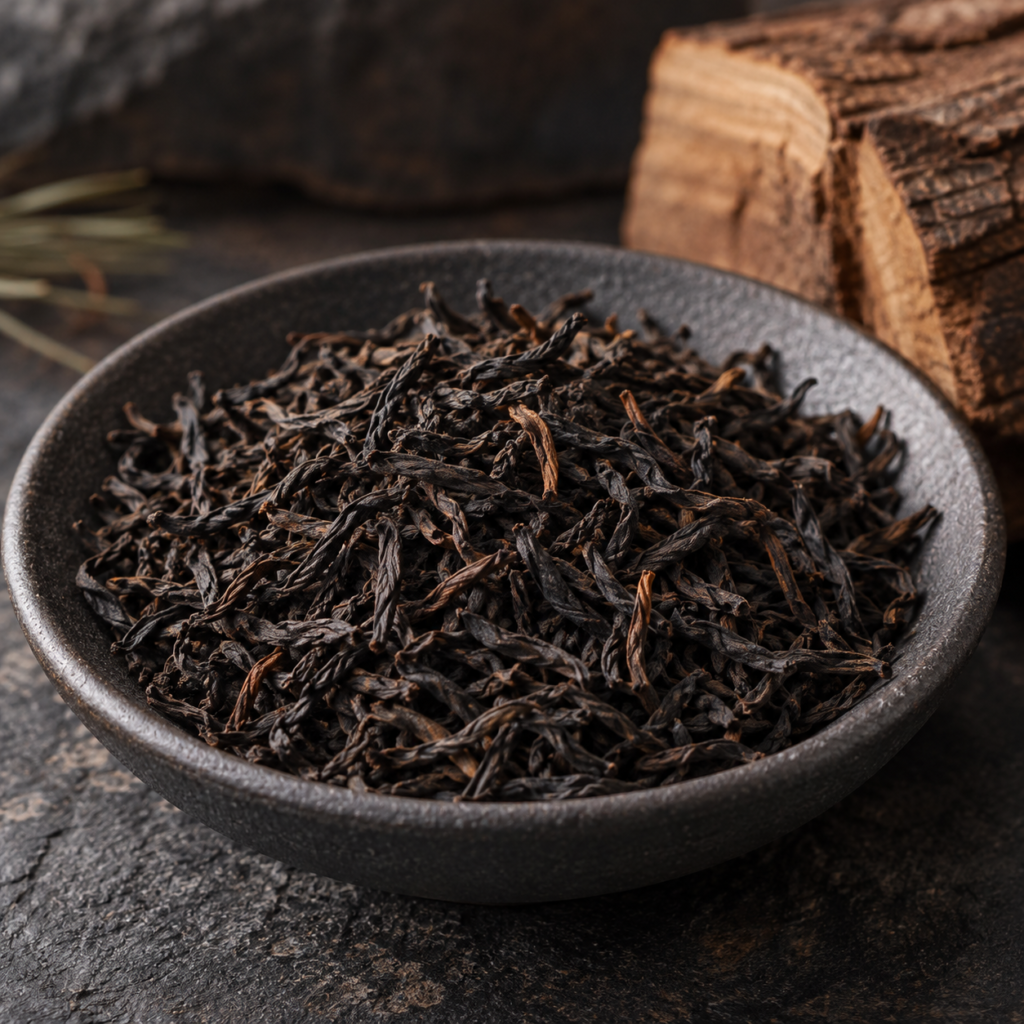
Pine-Smoked Lapsang Souchong
Pine-Smoked Lapsang Souchong supplied through our coordinated China tea supply chain, with sample approval, written specifications, flexible packaging and confirmed lot availability.
Learn More -
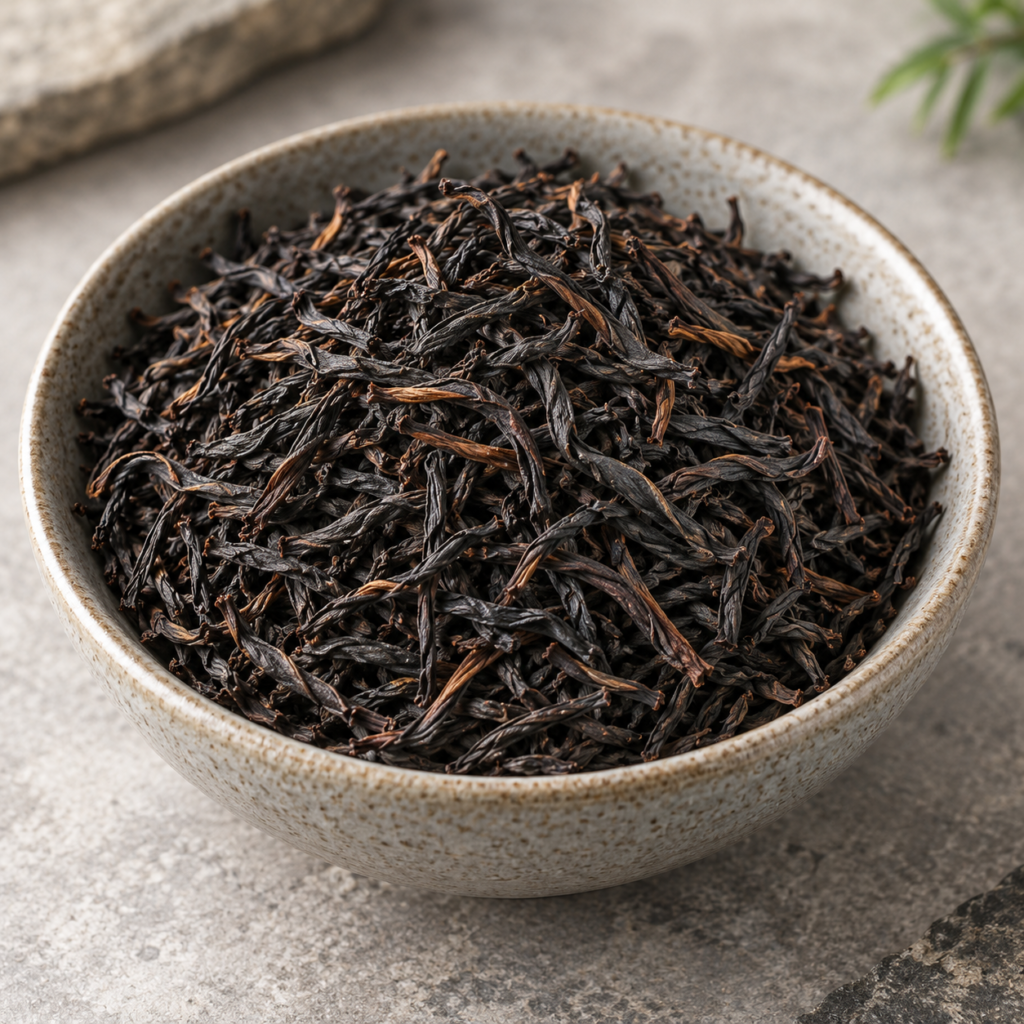
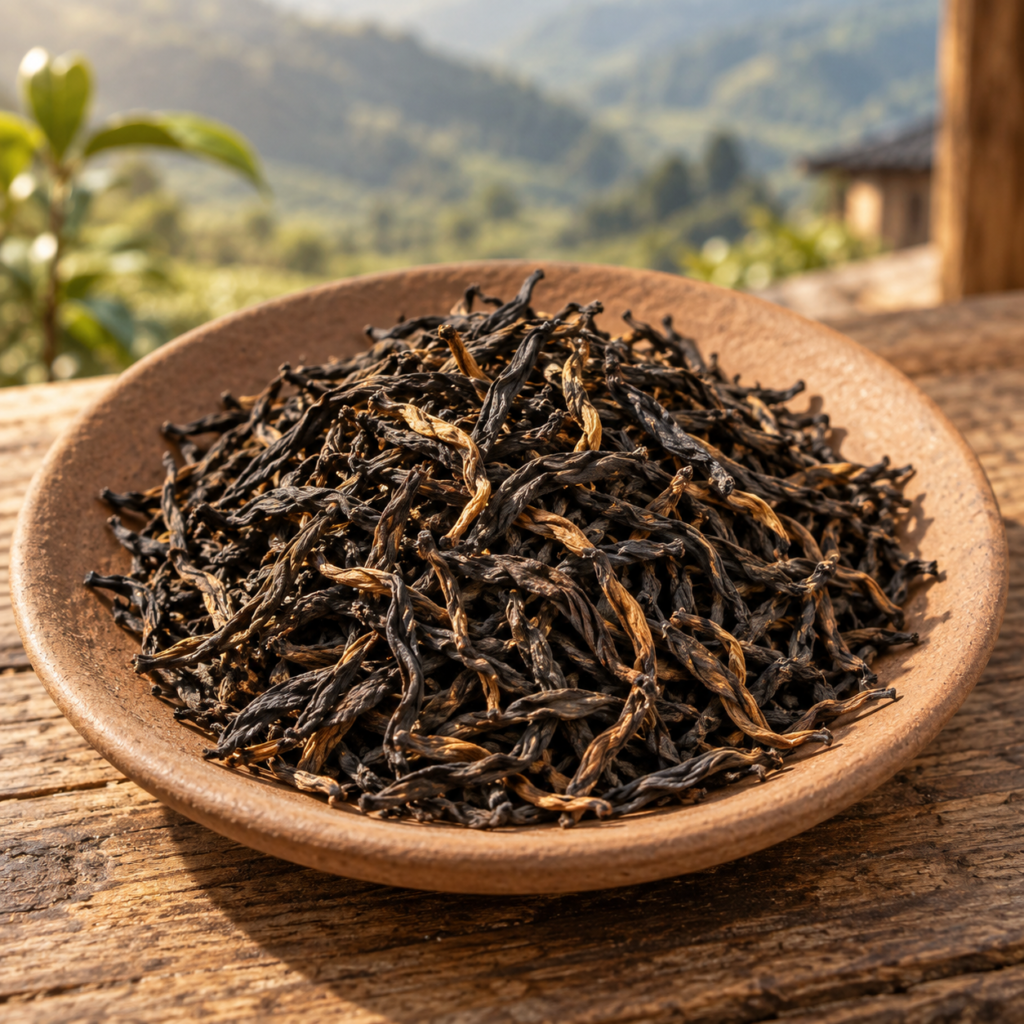
Premium Lapsang Souchong
Premium Lapsang Souchong supplied through our coordinated China tea supply chain, with sample approval, written specifications, flexible packaging and confirmed lot availability.
Learn More -
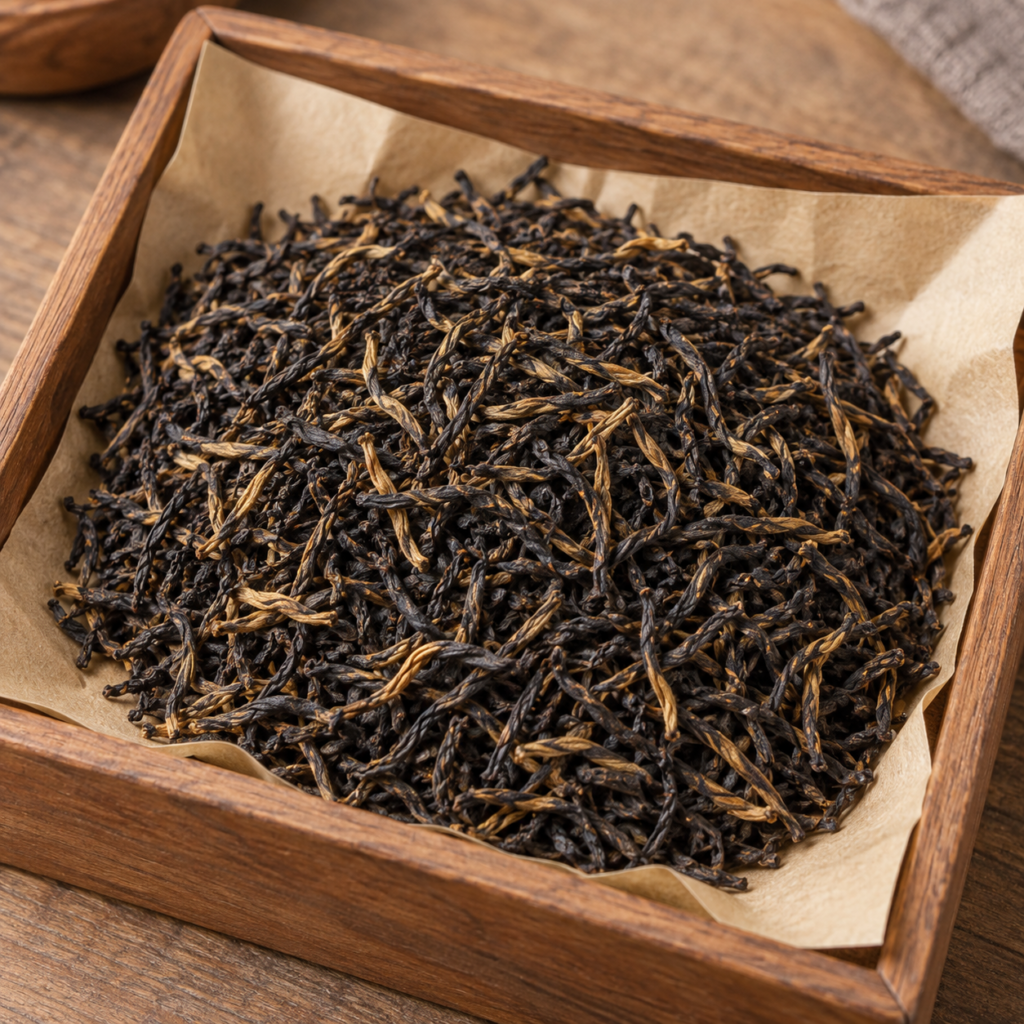
Unsmoked Lapsang Souchong
Unsmoked Lapsang Souchong supplied through our coordinated China tea supply chain, with sample approval, written specifications, flexible packaging and confirmed lot availability.
Learn More -
Traditional Smoked Lapsang Souchong
Traditional Smoked Lapsang Souchong supplied through our coordinated China tea supply chain, with sample approval, written specifications, flexible packaging and confirmed lot availability.
Learn More -
Yunnan Sun-Dried Black Tea
Yunnan Sun-Dried Black Tea supplied through our coordinated China tea supply chain, with sample approval, written specifications, flexible packaging and confirmed lot availability.
Learn More -
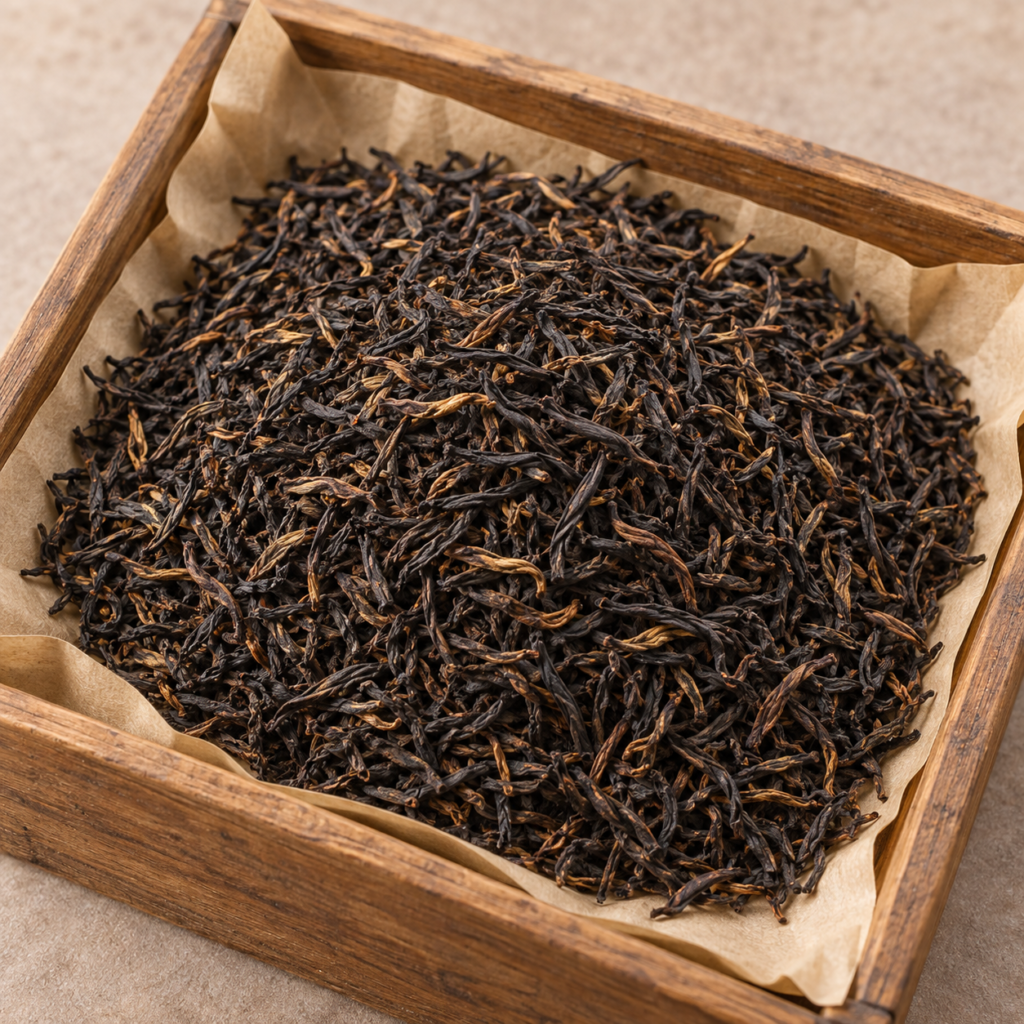
Dianhong Gongfu Black Tea
Dianhong Gongfu Black Tea supplied through our coordinated China tea supply chain, with sample approval, written specifications, flexible packaging and confirmed lot availability.
Learn More -
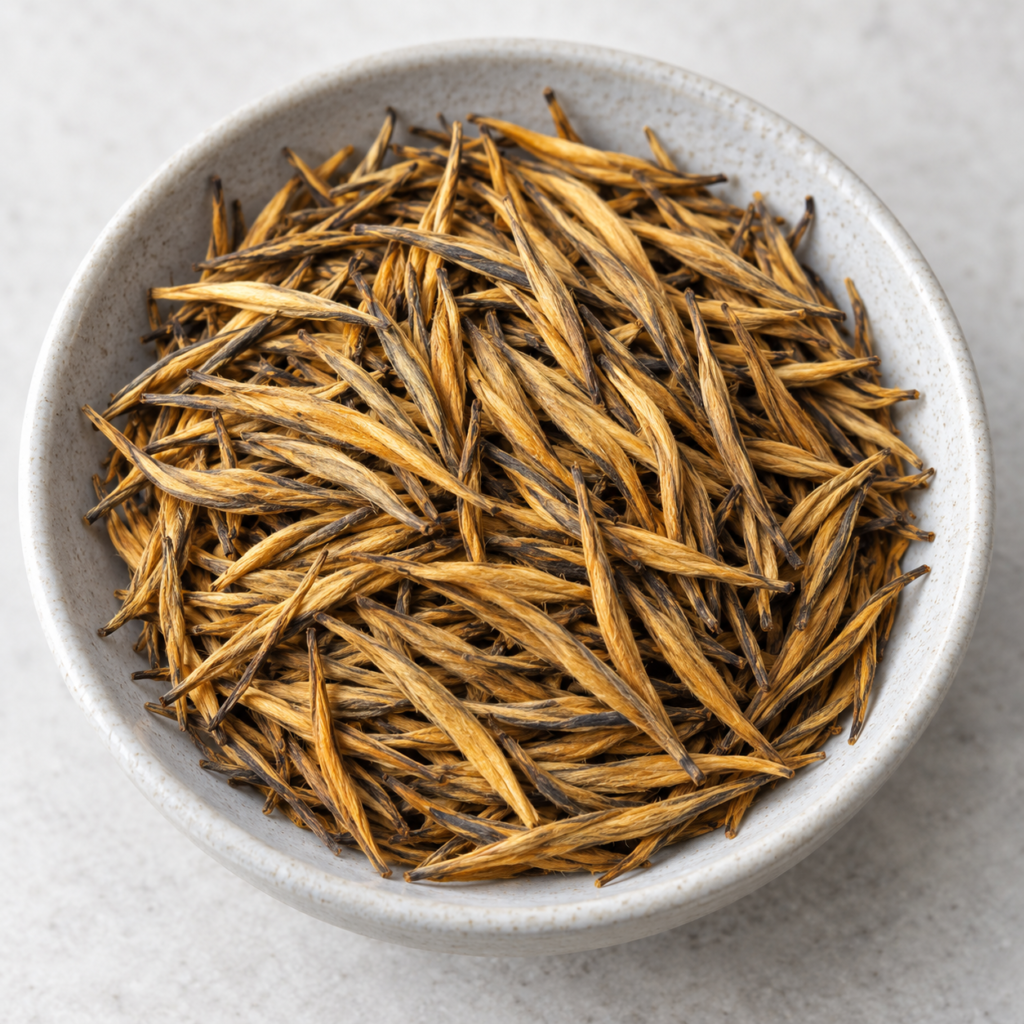
Dianhong Golden Needle Tea
Dianhong Golden Needle Tea supplied through our coordinated China tea supply chain, with sample approval, written specifications, flexible packaging and confirmed lot availability.
Learn More -
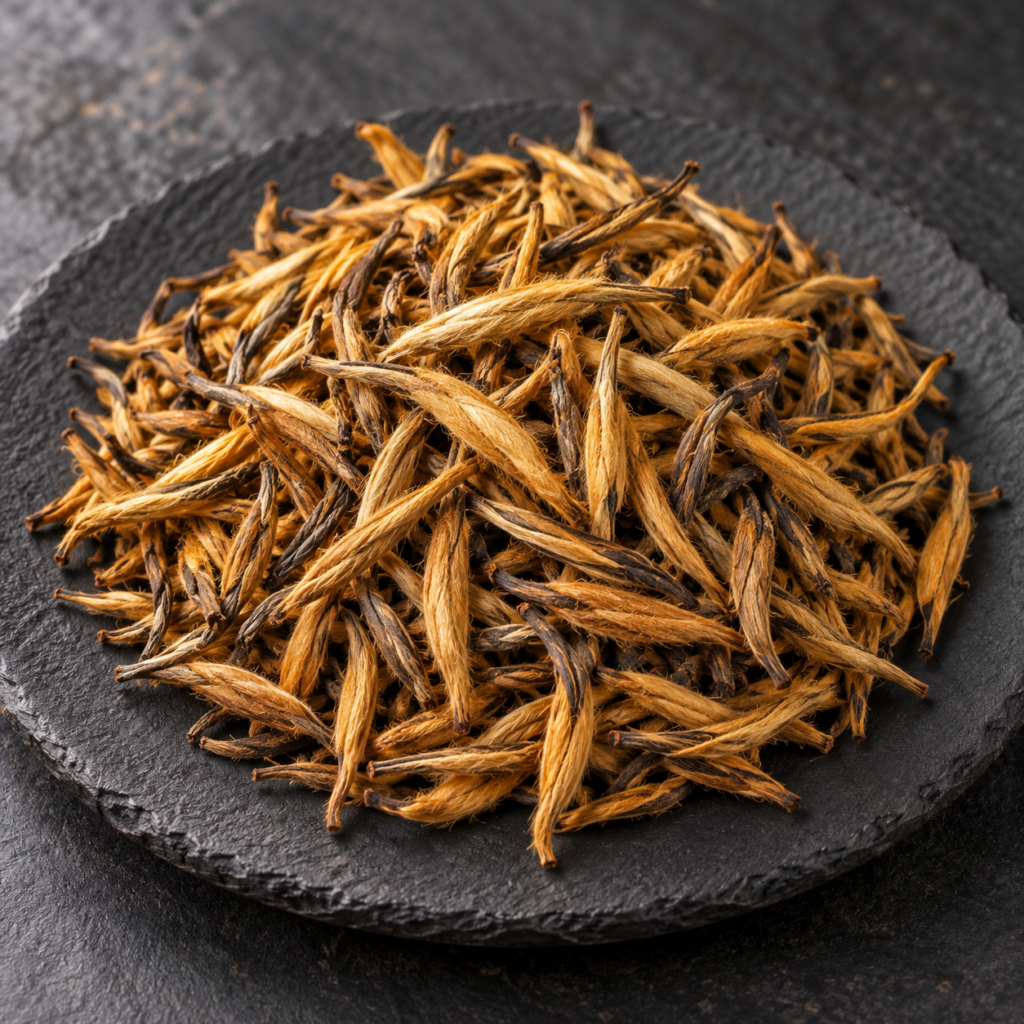
Dianhong Golden Buds
Dianhong Golden Buds supplied through our coordinated China tea supply chain, with sample approval, written specifications, flexible packaging and confirmed lot availability.
Learn More -
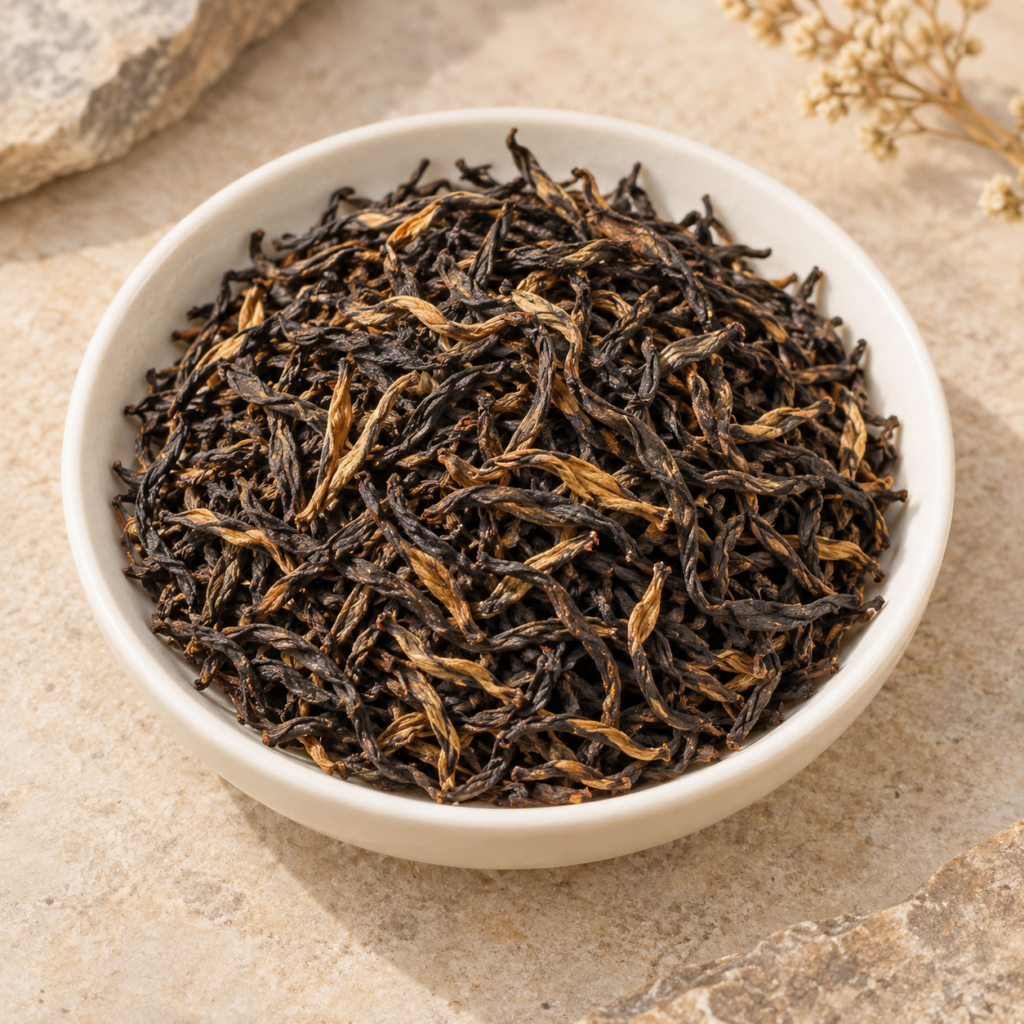
Premium Dianhong Black Tea
Premium Dianhong Black Tea supplied through our coordinated China tea supply chain, with sample approval, written specifications, flexible packaging and confirmed lot availability.
Learn More -
Keemun Gongfu Black Tea
Keemun Gongfu Black Tea supplied through our coordinated China tea supply chain, with sample approval, written specifications, flexible packaging and confirmed lot availability.
Learn More -
Keemun Mao Feng Black Tea
Keemun Mao Feng Black Tea supplied through our coordinated China tea supply chain, with sample approval, written specifications, flexible packaging and confirmed lot availability.
Learn More
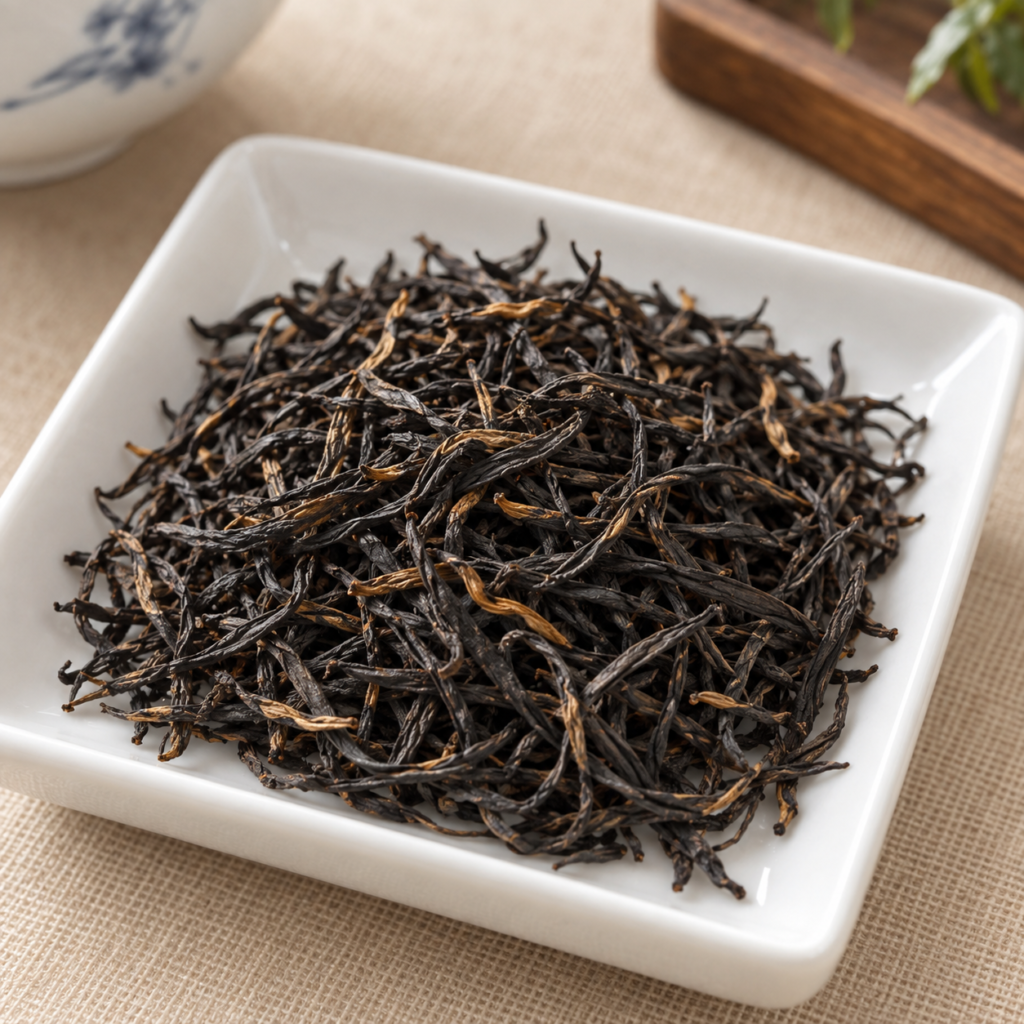
Browse Tea by Type
- Green Tea — compare regional varieties, grades, flavor profiles and supply options.
- Black Tea — compare regional varieties, grades, flavor profiles and supply options.
- White Tea — compare regional varieties, grades, flavor profiles and supply options.
- Oolong Tea — compare regional varieties, grades, flavor profiles and supply options.
- Pu-erh Tea — compare regional varieties, grades, flavor profiles and supply options.
- Jasmine Tea — compare regional varieties, grades, flavor profiles and supply options.
- Yellow Tea — compare regional varieties, grades, flavor profiles and supply options.
- Dark Tea — compare regional varieties, grades, flavor profiles and supply options.
Building a Chinese Tea Supply Program
A balanced tea program may combine premium origin teas, reliable everyday grades, foodservice options and private label products. Define the target consumer, price position, flavor, quantity, packaging and destination market before sample selection.
Quality Control Across Tea Types
Evaluation methods vary by family, but every approval should record dry-leaf appearance, aroma, brewing method, liquor clarity, taste, finish and infused leaf. Production or shipment samples should be compared with the approved reference. Moisture, food-safety testing and documentation requirements must be agreed according to the product and destination market.
Packaging and Storage Planning
Green and jasmine teas generally need strong protection from oxygen, heat and light. Roasted oolong and black tea are more stable but still require sealed, dry storage. Pu-erh and dark tea need clean conditions suited to their format and intended holding period. Packaging should therefore be selected for the tea family, pack size, shelf-life target and destination climate.
Our Supply-Chain Process
- Buyer brief and target specification
- Origin and supplier matching
- Representative sample comparison
- Specification and quality approval
- Packaging and labeling coordination
- Production follow-up and export delivery
Chinese Tea Categories FAQ
Which tea type is best for a new range?
Start with the target consumer and use occasion. A compact range often combines a familiar green or black tea, one aromatic tea such as jasmine or oolong, and a distinctive origin tea for differentiation.
Can several tea types use the same packaging?
Sometimes, but barrier requirements and pack sizes may differ. Packaging should be checked against aroma sensitivity, oxidation risk, leaf volume and shelf-life expectations.
How are samples organized?
Provide the desired tea family, flavor, grade, quantity, price position and destination. Samples can then be selected for meaningful side-by-side comparison.
Contact China Tea Supply to build a tea sourcing and supply plan.