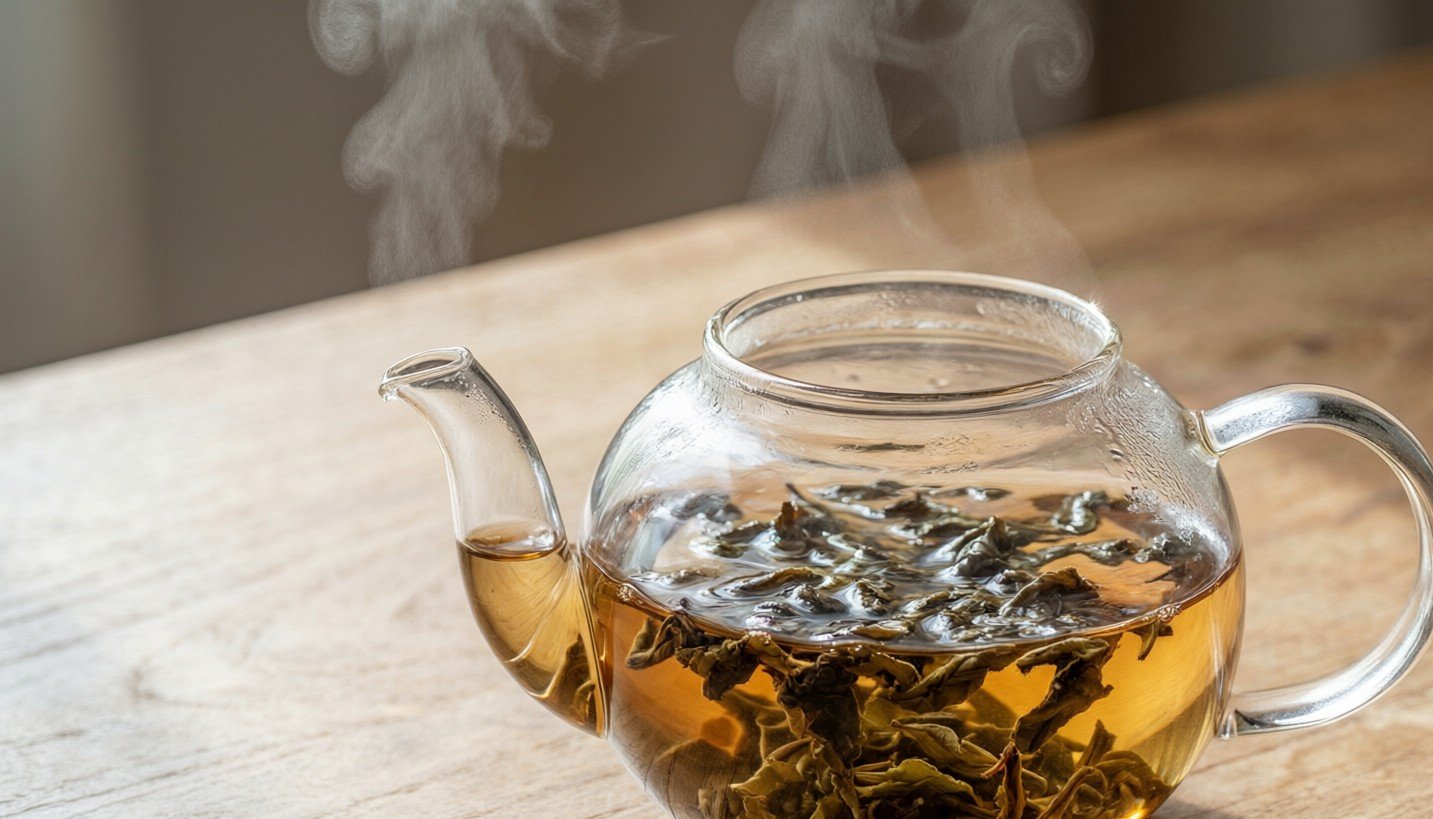
Chinese Oolong Tea Types and Quality
Chinese Oolong Tea includes multiple regional traditions, cultivars, leaf standards and processing styles. Oolong tea is partially oxidized and may be lightly baked, heavily roasted, tightly rolled or left in twisted strips. Cultivar, oxidation, bruising and roasting decisions create a broad spectrum from floral and creamy to mineral, fruity and deeply roasted.
This category currently maps 16 representative varieties and regional products. Buyers can use it to compare origin, flavor, grade, packaging and supply requirements before requesting samples.
How to Compare Oolong Tea
Oolong evaluation should consider cultivar authenticity, leaf integrity, oxidation balance, roast condition, aroma persistence and the number of satisfying infusions. Regional names alone do not guarantee quality.
Typical Quality Direction
Review dry-leaf appearance, aroma, liquor clarity, taste balance, infused leaf and lot documentation together. A familiar regional name is useful for navigation, but the approved sample and written specification define the supplied product.
Explore Chinese Oolong Tea Varieties
- Bai Ji Guan — Fujian; light-colored leaves, delicate fruit notes and a refined mineral cup.
- Baiya Qilan — Fujian; orchid fragrance, soft fruit notes and a clean rounded body.
- Baozhong Tea — Taiwan; light oxidation, gardenia fragrance and a fresh silky cup.
- Da Hong Pao — Fujian; roasted mineral notes, ripe fruit aroma and a deep, structured cup.
- Dong Ding Oolong — Taiwan; roasted floral aroma, creamy body and a warm sweet finish.
- Oriental Beauty Tea — Taiwan; honeyed fruit aroma, amber liquor and a naturally sweet finish.
- Phoenix Dan Cong — Guangdong; intense floral and fruit aromas with a clear, persistent finish.
- Shui Jin Gui — Fujian; floral fruit aroma, smooth roast and a bright mineral finish.
- Taiwan High Mountain — Taiwan; creamy floral aroma, bright liquor and a clean, sweet aftertaste.
- Tie Luo Han — Fujian; deep roast, ripe fruit and a firm mineral aftertaste.
- Tieguanyin Tea — Fujian; orchid fragrance, creamy texture and a bright, lingering finish.
- Wuyi Rock Tea — Fujian; roasted fruit, mineral structure and a long rock-rhyme finish.
- Wuyi Rougui — Fujian; cinnamon-like spice, roasted fruit and a strong mineral finish.
- Wuyi Shuixian — Fujian; woody floral aroma, smooth roast and a lasting mineral aftertaste.
- Yongchun Fo Shou — Fujian; large leaves, citrus-like aroma and a mellow full-bodied cup.
- Zhangping Shui Xian — Fujian; small compressed cakes, floral aroma and a soft sweet liquor.
Oolong Tea Sourcing & Supply
Provide the target origin, flavor, grade, quantity, packaging and destination market. Our supply-chain process covers suitable source matching, samples, specification approval, quality coordination, packaging and export delivery.
Building a Oolong Tea Range
A practical range can combine a recognizable premium origin, a dependable everyday grade and a format suited to private label or foodservice. The right mix depends on consumer knowledge, target price, expected brewing method and available shelf space. Buyers should avoid selecting several teas with nearly identical flavor and instead build clear differences in origin, appearance, cup profile and use occasion.
Specifications and Documentation
Before confirmation, record the agreed leaf standard, sensory reference, moisture or other relevant quality limits, packaging barrier, net weight, labeling language, testing requirements and acceptable lot variation. Available certificates and test reports depend on the selected producer and destination market, so documentation requirements should be stated during sample selection rather than after production.
Brewing for Sample Evaluation
For focused tasting, start with 5–7 grams per 100–120 milliliters at 90–100°C and use several short infusions. For a larger cup, use about 3 grams per 200 milliliters for 2–3 minutes.
Storage
Protect oolong from moisture, oxygen, light and foreign odors. Light aromatic styles benefit from cool, high-barrier storage; roasted styles are generally more stable but still require sealed food-safe packaging.
Oolong Tea FAQ
How many Oolong Tea varieties are listed here?
This category currently maps 16 representative varieties and regional products. Additional supply may be evaluated according to the buyer brief.
How should a buyer compare samples?
Use the same water, leaf ratio, temperature and steep time for each sample, then record appearance, aroma, liquor, taste, finish and infused leaf.
Can grades and packaging be customized?
Grade matching and packaging coordination are available subject to the selected tea, quantity, specifications and current supply.
Contact China Tea Supply to discuss Oolong Tea sourcing and samples.