When Should You Buy Yunnan Green Tea? A Seasonal Guide
Buy Yunnan green tea in early spring if you want the highest aroma and the softest fresh character. The practical window runs from late February through late April, with earlier lots usually costing more and later lots offering better value for daily use. Yunnan’s harvest calendar is not the same as the better-known Zhejiang or Anhui spring greens, because the province’s low latitude and warm valley gardens push the first flush earlier. The buying date matters most when it is connected to a clear plan for freshness, grade and shelf turnover. Without that plan, an early purchase can simply become expensive tea that fades before it sells.
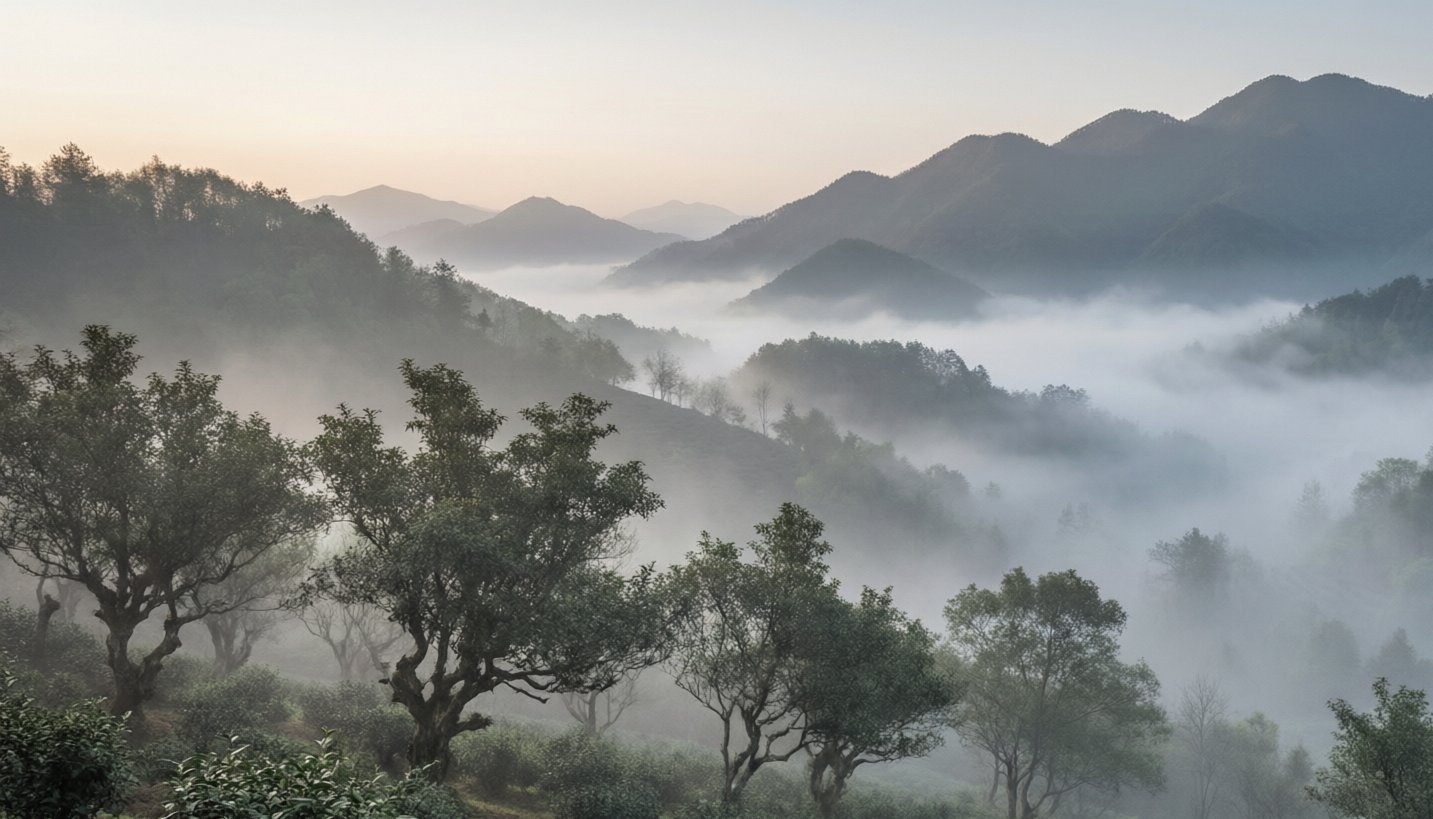
Why Yunnan Green Tea Harvests Earlier Than Many Buyers Expect
Yunnan green tea comes from gardens spread across very different elevations, so there is no single harvest date for the whole province. Low-altitude gardens in warm southern areas can produce the first spring leaf in late February, while higher mountain gardens may not be ready until late March or April. This spread is useful for buyers because it stretches the buying season and creates distinct quality levels within the same spring.
The earlier gardens rely on mild temperatures and early bud set, which gives the leaf a delicate texture but also limits the size of the early flush. High-altitude lots often arrive later with slightly thicker leaves and a more persistent taste. Both can be good purchases, but they suit different price points and different menus. A buyer should ask where the leaf was grown and at what altitude, not just what month the invoice says.
The Main Spring Buying Windows
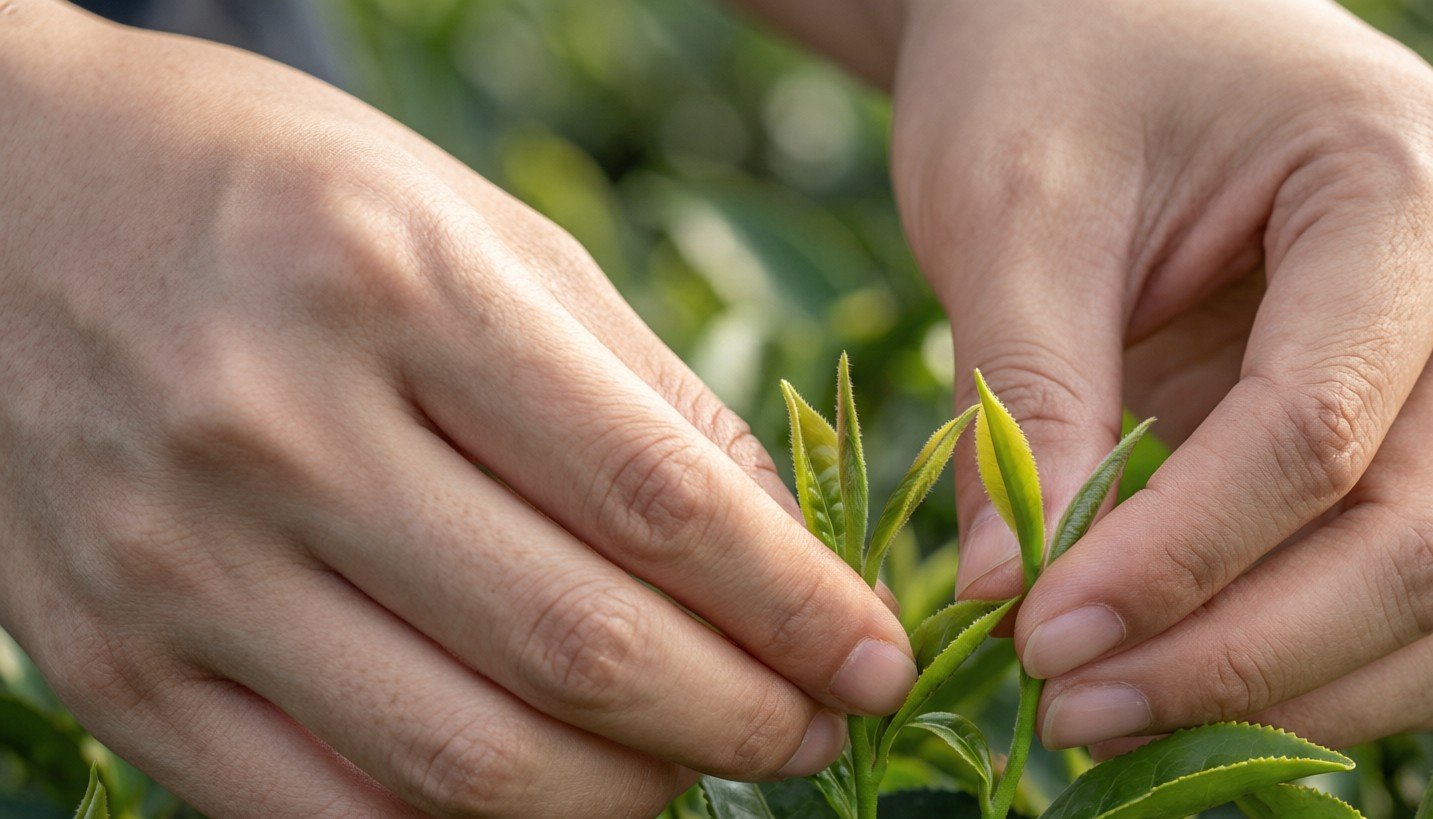
Yunnan spring green tea is best understood as three overlapping windows rather than one fixed date. The first window covers the earliest plucking, roughly from late February to mid-March. These lots are often the most tender and aromatic, but they are also the least available and the most susceptible to price pressure.
The second window, from late March to late April, is the main spring flush. This is usually the most practical buying period because the tea has clearer body, more consistent supply and a better balance between freshness and cost. The third window, from late April into May, produces more mature leaf. It can still be clean and pleasant, but it may taste fuller and less floral than the early lots.
| Buying window | Harvest stage | Typical character | Best use |
|---|---|---|---|
| Late February to mid-March | Early spring tips | Soft texture, high aroma, limited volume | Premium retail and gifting |
| Late March to late April | Main spring flush | Balanced freshness and body | Cafes, tea programs and steady stock |
| Late April to May | Late spring leaf | Fuller taste, less floral, better price | Everyday blends and high-turnover menus |
| June to August | Summer growth | Heavier texture, lower aroma | Generally not the priority for green tea buying |
| September to October | Autumn growth | Milder character, uneven freshness | Only when a supplier confirms aroma and moisture |
Buyers who want a reproducible product often split their order across the second and third windows. That approach secures some high-quality spring lots while keeping a lower-cost green tea in the rotation for everyday use.
The Real Trade-Off Between Price, Quality and Shelf Life
Early spring Yunnan green tea is expensive partly because the raw leaf is scarce and partly because the tender buds require careful handling. The price premium does not automatically mean the tea is better for every application. A later lot with a clean, fresh aroma can be the smarter purchase for a cafe or a retail blend, especially if it moves within a few months.
Freshness is the more important risk. Green tea loses its bright scent and some of its sweetness over time, even in sealed packaging. Buying a large amount of premium early tea at once only makes sense if the buyer has confirmed cold storage or can sell through quickly. Smaller, more frequent green tea orders usually protect both aroma and cash flow better than one oversized spring purchase.
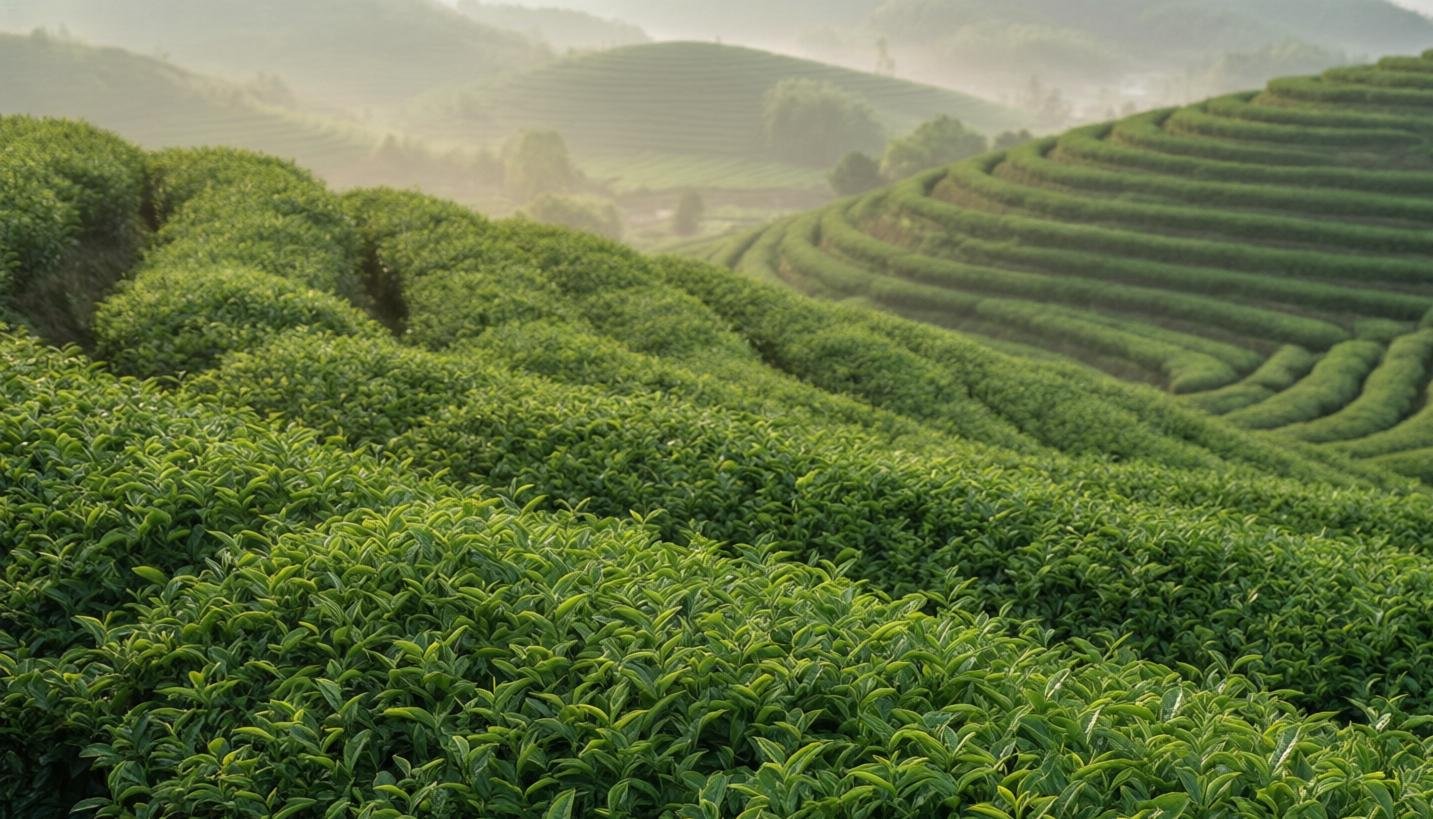
A Simple Freshness Check Before You Buy Yunnan Green Tea
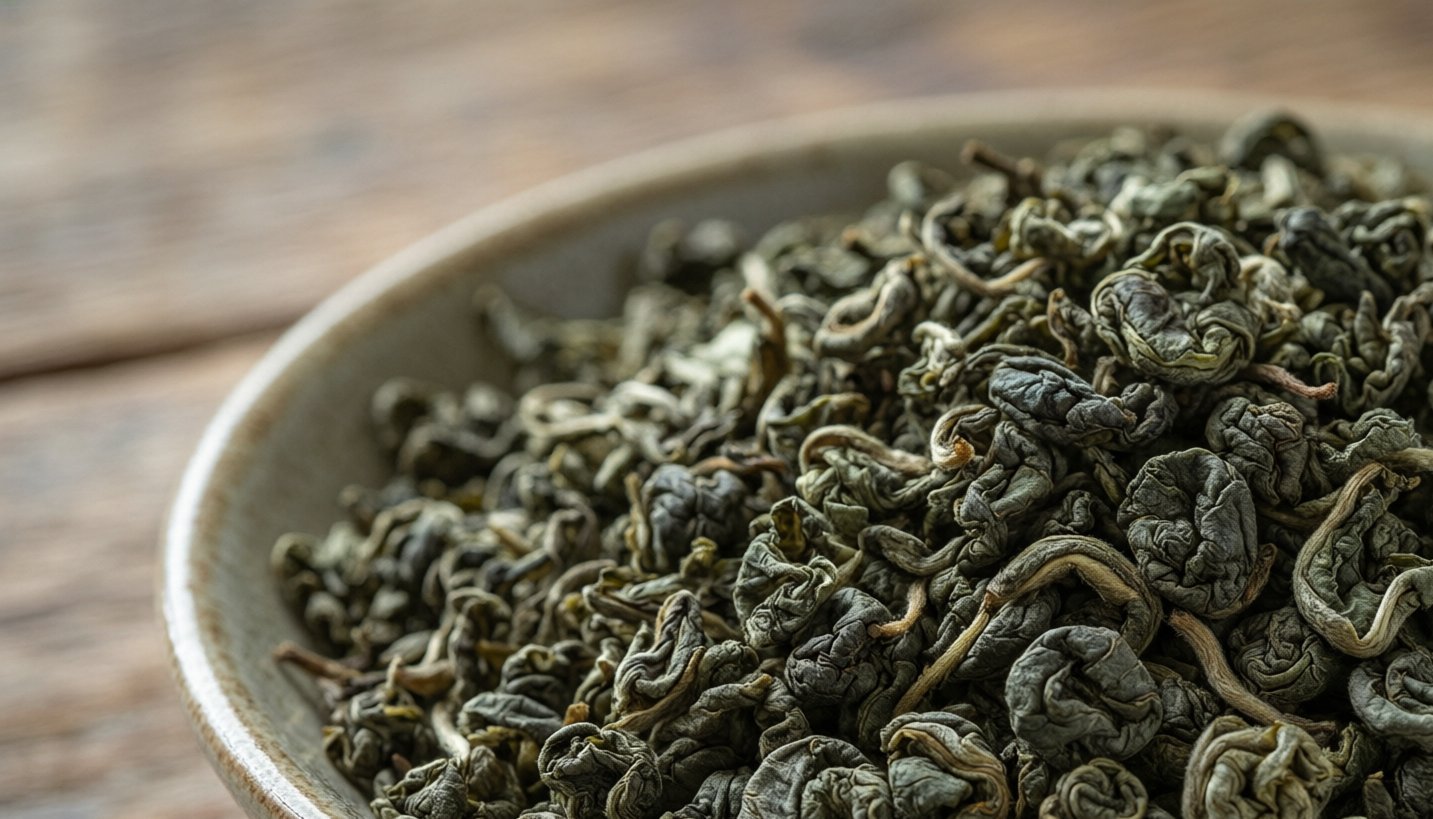
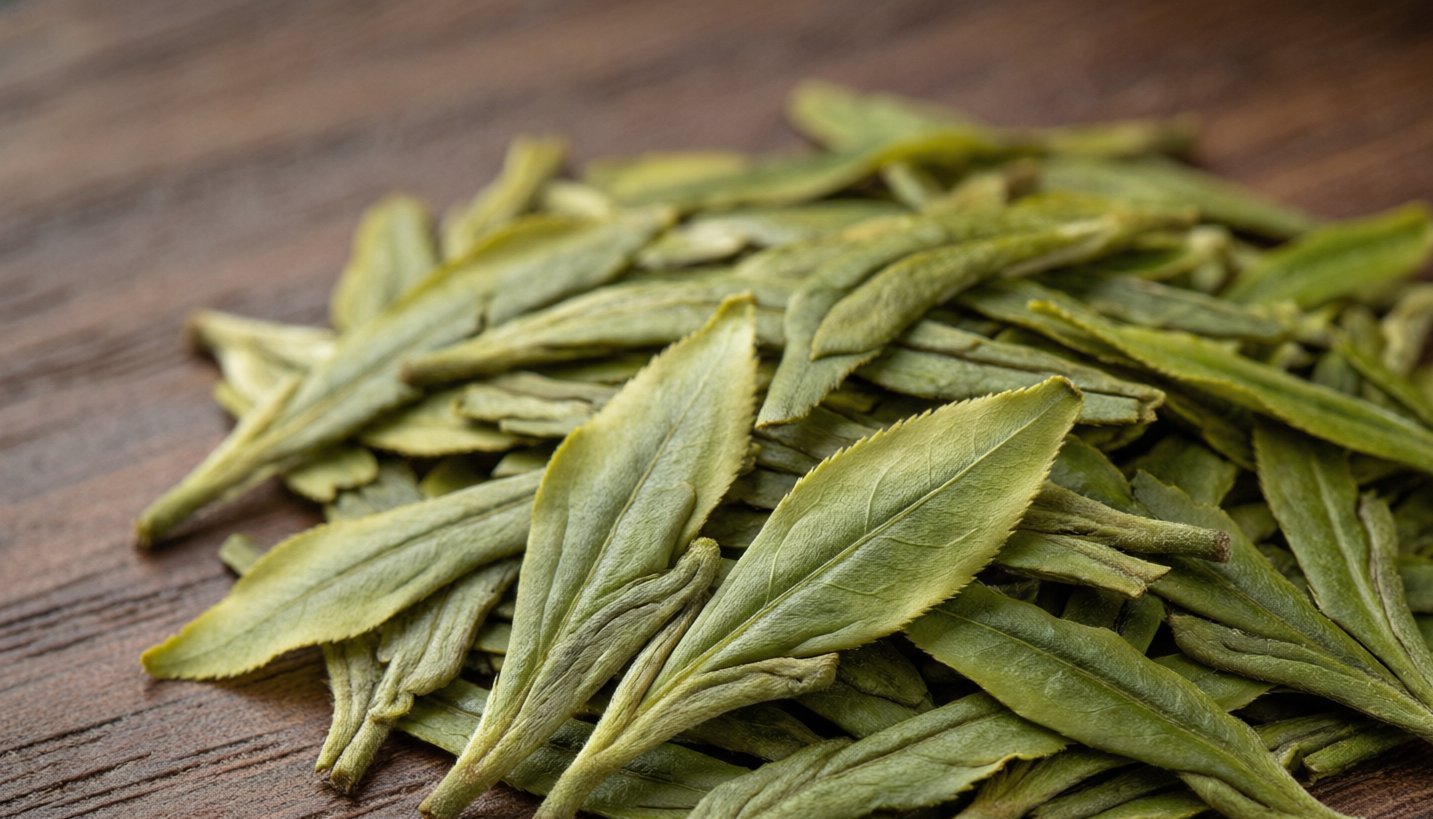
The best seasonal timing still needs a physical quality check before the order is confirmed. Dry leaf should be dry, whole and reasonably uniform, with a fresh smell rather than a stale or papery note. The color should appear bright for the style, not dull or yellowed beyond its intended appearance.
Ask the supplier to brew a small sample before shipment. The wet leaf should smell clean and fresh, not sour or musty. The liquor should be clear and lively, and the taste should remain pleasant after the cup cools. Moisture control matters, because a higher-moisture green tea can look acceptable in a photo and then fade rapidly in storage.
After the tasting, record the lot season, the garden location if available, and the date of production. These details help the buyer compare later arrivals and avoid relying on a vendor’s broad description of spring fresh tea.
A useful buying checklist includes five questions. Where was the tea grown and at what altitude? When was it plucked and finished? What is the moisture result? What does the brewed sample taste like? And how long will the purchased volume sit before use? If any of those answers are vague, the seasonal label alone is not enough to justify the price.
How to Turn the Season into a Buying Plan
The safest approach is to buy the main spring flush for dependable stock, add a small amount of early spring tea for featured or gift lines, and then reorder a late spring lot only if the sample stays fresh. This plan works without high-volume guessing and keeps the inventory aligned with actual demand.
For long-term storage or large wholesale orders, confirm the storage conditions and delivery lead time before the spring rush begins. Many suppliers accept advance inquiries, even if the tea is not finished yet. That allows the buyer to reserve early lots without paying for tea that has not been properly dried and tasted.
Plan Your Yunnan Green Tea Order
Tell us the target lot season, grade, pack size and expected volume. Chinese tea suppliers can confirm the current Yunnan spring inventory, supply a brewed sample reference and recommend a shipment date that matches your shelf plan. Email 427728483@qq.com with those details before committing to a large order.
FAQ
Does the first harvest always taste better than a later one?
Not always. The first harvest often has more delicate aroma and a softer finish, but a well-handled main spring lot can be more balanced and easier to use in food service. The best choice depends on the application and how quickly the tea will be used.
How much Yunnan green tea should I buy at once?
Buy what you can sell or consume within a few months unless cold storage is confirmed. Green tea freshness is not indefinite, so smaller and more frequent orders usually protect the aroma better than one large purchase.
Is Yunnan green tea cheaper after the spring peak?
Late spring and early summer lots are often less expensive, but the quality direction changes as well. The tea may taste fuller and less floral, so the lower price is only a benefit if the sample matches the menu or retail position.
Can I buy Yunnan green tea outside the spring season?
Yes, but the purchase rationale changes. Autumn production exists in some areas, yet freshness and aroma vary widely. Outside the spring season, request a brewed sample and production date before buying, rather than relying on the season name alone.
No author description available.

白玉京