How to Brew Lu’an Guapian Tea: Temperature, Ratio, and Timing
Lu'an Guapian is a green tea from Anhui that rewards a gentler brewing hand. It is made from mature leaves, processed without buds or stems, so the liquor becomes sweet, clean, and softly floral with a light chestnut note. The right method matters because high heat or a long steep pulls out bitter catechins before the aromas open. A water temperature around 80 to 85 °C, a measured leaf-to-water ratio, and short separate infusions usually give the most balanced cup. Once you control those three variables, the tea is forgiving across a gaiwan, glass, or small teapot.
What Makes Lu'an Guapian Different?
Lu'an Guapian is produced in the Dabie Mountains area of Lu'an, Anhui. Unlike many green teas that use a bud set, this tea uses the fleshy leaf after the bud has opened. The traditional processing includes pan firing and a separate baking step that pulls moisture out slowly. That gives the dry leaf a dark green, slightly glossy look and helps the finished cup taste round rather than raw. Because the leaf is more developed, it can tolerate a little more heat than a bud-only tea, but it still turns harsh under boiling water.
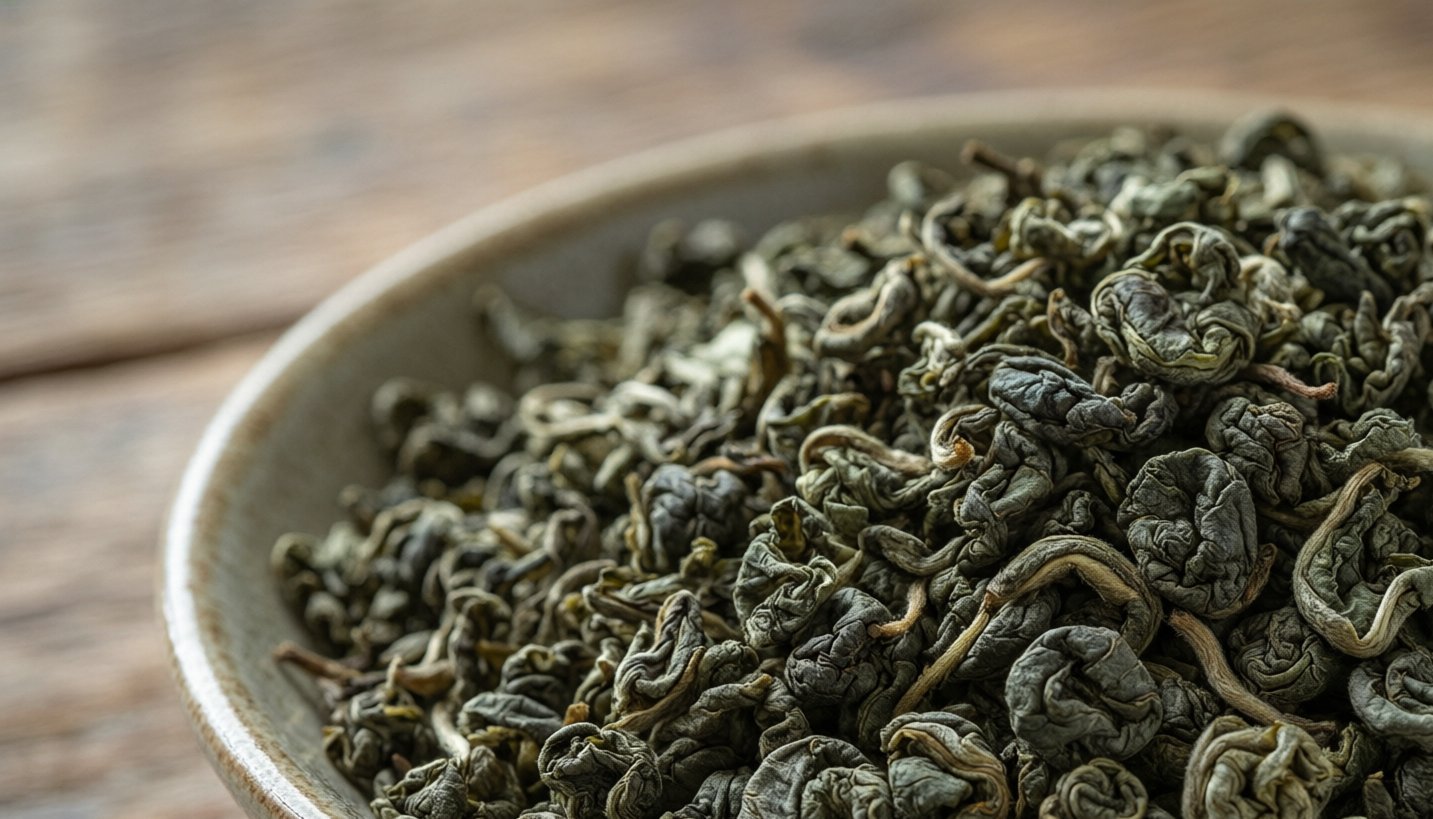
A good dry leaf should look complete, with little powder and no broken stem material. The color should be deep green rather than yellowed or brown. If the leaves smell sweet, fresh, and faintly roasted, the tea has been kept reasonably well.
Water Temperature and Quality
Water is the first ingredient. Use soft, neutral-tasting water. Hard water with a heavy mineral content can flatten the sweetness and make the tea taste chalky. If the tap water is strongly chlorinated, filter it or use bottled spring water.
Bring the water to a full boil, then let it rest for about one to two minutes until it falls to roughly 80 to 85 °C. A glass or open kettle helps the temperature drop more predictably. Boiling water poured directly onto the leaf produces a sharper, more astringent cup because it extracts the bitter polyphenols faster than the sugars and amino acids. If the water is too cool, the tea may taste thin and the chestnut-like aroma will not open.
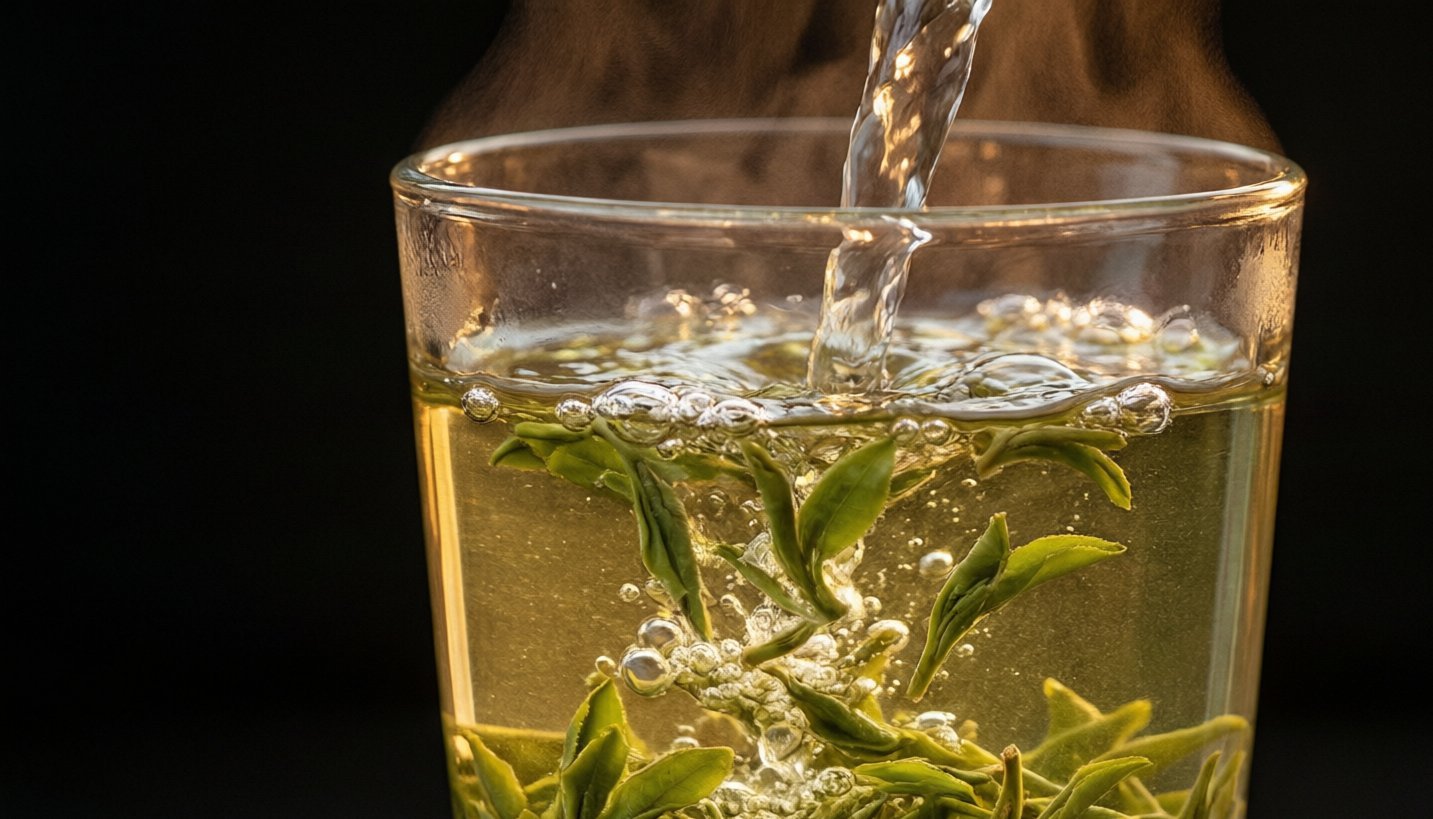
For a more delicate first cup, stay closer to 80 °C. For a fuller body, use water near 85 °C, but do not let it climb higher unless you plan to shorten the steep.
Leaf-to-Water Ratio and Steeping Time
For a 150 ml gaiwan, start with 3 g of leaf. For a larger 300 ml glass, use 4 to 5 g. For a 500 ml teapot, use 6 to 7 g. A lower ratio gives a lighter, sweeter brew for drinking plain. A higher ratio gives more body and makes the differences between grades easier to taste.
Keep the first steeps short. A practical starting point is 20 to 30 seconds in a gaiwan when using 85 °C water, then add 10 to 15 seconds for each following steep.
| Vessel | Leaf weight | Water volume | First steep | Later steeps |
|---|---|---|---|---|
| 150 ml gaiwan | 3 g | 150 ml | 20 to 30 sec | Add 10 to 15 sec each time |
| 300 ml glass | 4 to 5 g | 300 ml | 45 to 60 sec | 60 to 90 sec |
| 500 ml teapot | 6 to 7 g | 500 ml | 60 sec | 90 to 120 sec |
These times are starting points. The correct number is the one that tastes clean to you.
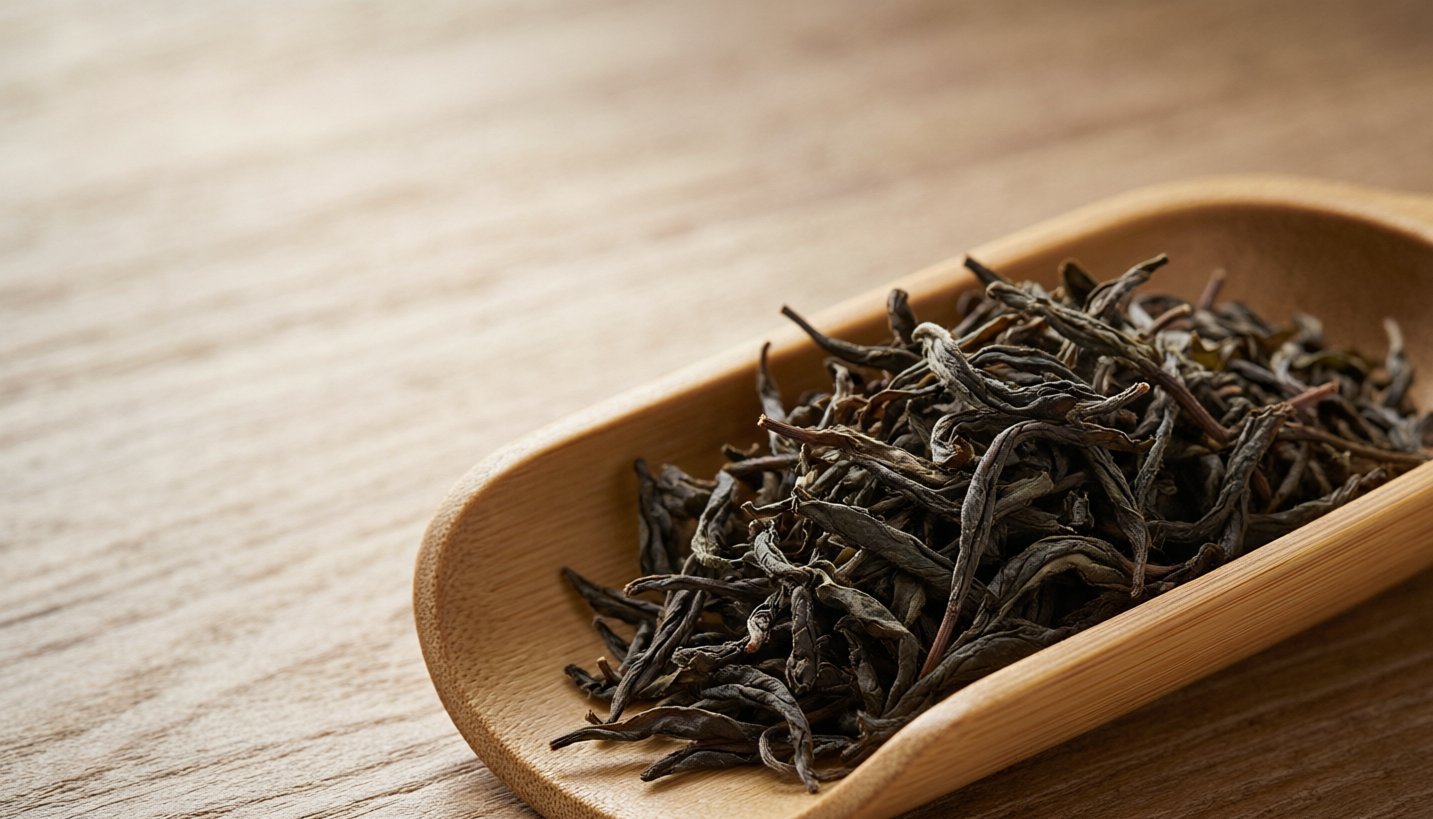
If the tea becomes bitter at the back of the tongue, shorten the next steep by 10 seconds. If the cup is weak and watery, add 0.5 g of leaf or extend the steep by 10 seconds before changing the temperature.
Step-by-Step Brewing Method
A consistent method gives you a stable base for adjustment.
- Bring water to a full boil, then let it cool to 80 to 85 °C.
- Warm the gaiwan, glass, or teapot with hot water, then pour it out.
- Add the weighed tea leaves to the warm vessel.
- Pour water along the side of the vessel rather than directly onto the leaves.
- Start the first steep for 20 to 30 seconds in a small gaiwan.
- Pour out all the liquor. Do not leave water standing in the vessel between steeps.
- For each later steep, raise the water temperature slightly or add 10 to 15 seconds.
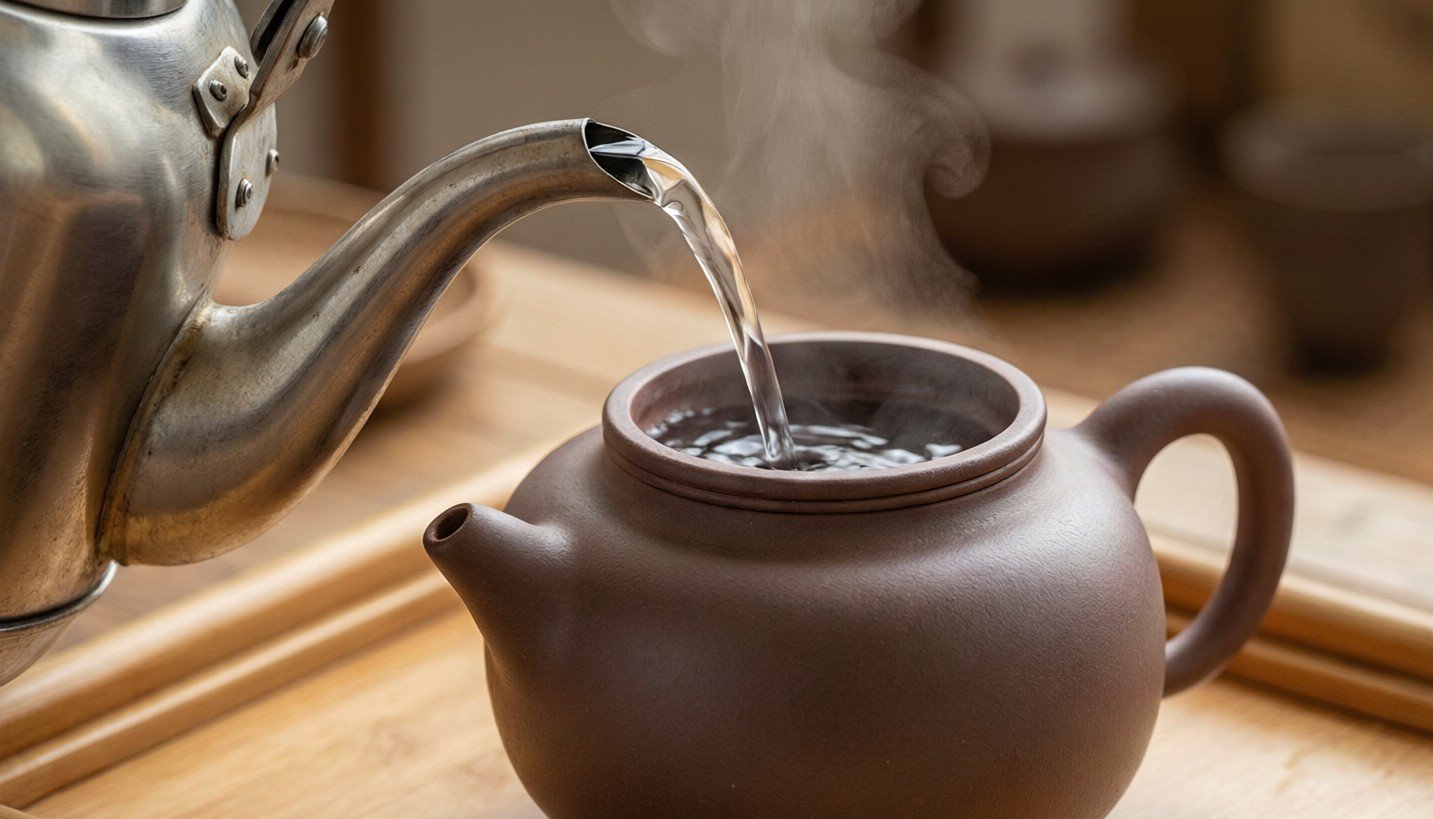
A quick rinse is optional. It can wake the leaves, but it also removes some of the early sweetness. For fresh Lu'an Guapian, skipping the rinse usually gives a more aromatic first cup.
Adjusting Strength and Avoiding Common Faults
If the cup is bitter, lower the temperature or shorten the time. If it is thin, add leaf or increase the steeping time slightly. Bitterness that appears at the back of the tongue after swallowing usually means over-extraction. A dry, rough finish often comes from water that is too hot or too hard.
If the tea tastes flat, the water may be too cool, the leaf may be stale, or the ratio may be too low. Do not try to fix a weak cup by letting the leaves sit until the water cools. That produces both bitterness and emptiness. Instead, increase the amount of leaf and keep the steep short.
A pale, clear liquor is a good sign. Cloudiness or a cooked, over-steamed smell usually means the water was too hot or the leaves sat too long.
How to Judge a Good Cup
A well-brewed cup of Lu'an Guapian is clear, pale jade or light yellow-green, with a fresh, slightly floral, and chestnut-like aroma. The taste should be sweet first, with a mild astringency that turns into a clean aftertaste. It should not coat the mouth with a harsh, dry film.
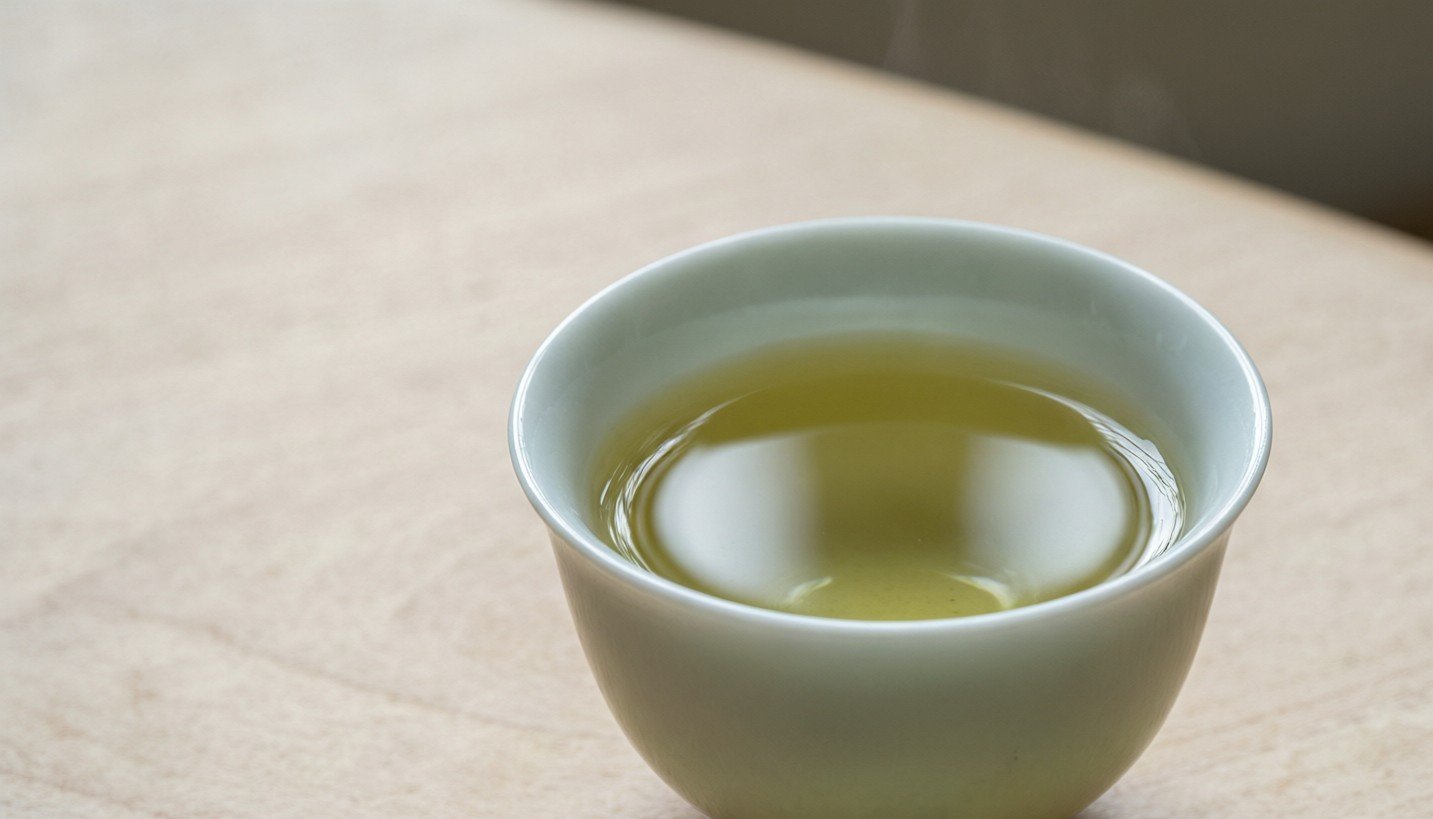
The aftertaste should stay in the throat and make the next sip easier. If the tea smells green and lively, the temperature was right. If it smells flat or cooked, adjust the water down by a few degrees on the next attempt.
Source Lu'an Guapian With the Right Grade
The brewing result depends on the leaf grade as well as the method. If you are comparing Lu'an Guapian batches, ask for the harvest date, leaf grade, and whether the lot contains buds or mature leaves. A clean, complete dry leaf with a fresh aroma is a more useful signal than a deep green color alone. For help comparing grades or requesting a sample, email Chinese tea suppliers at 427728483@qq.com.
FAQ
Does Lu'an Guapian need a rinse?
A rinse is optional. A quick hot-water rinse can wake the leaves, but it also removes some of the early sweetness and aroma. For fresh green tea, skip the rinse unless the leaves are tightly compressed or you specifically want a longer session.
Can I use boiling water if I brew quickly?
Not recommended. Even a short flash pour with boiling water can scorch the leaf edges and bring out bitterness. Let the water rest for one to two minutes until it reaches about 80 to 85 °C before pouring.
How many infusions can I get?
With a normal 3 g dose in a 150 ml gaiwan, you can usually expect two to four balanced infusions. The first steep is often the most aromatic, the second is fuller, and later steeps become softer and sweeter.
What vessel is best for Lu'an Guapian?
A glass vessel or white porcelain gaiwan works well. Glass lets you watch the flat leaves open, while porcelain gives predictable heat control. Heavy unglazed clay can absorb aroma, so it is less useful for tasting a fresh green tea.
How should I store unused Lu'an Guapian?
Keep the tea sealed in an airtight, opaque bag or container away from heat, light, moisture, and strong odors. If you refrigerate it, let the sealed package return to room temperature before opening so the leaves do not pick up condensation.
No author description available.

白玉京