Tea Social Media Strategy for Chinese Wholesale Suppliers
A tea social media strategy creates wholesale value only when it aligns content with the way importers, distributors, and tea buyers actually evaluate suppliers. Most tea content is written for consumers: tasting notes, wellness claims, and lifestyle moments. A B2B tea account needs to make the supply chain visible. It should help a buyer answer one practical question: can this supplier send the right tea, at the right grade, in the right format, with the documentation my market requires? This guide explains how to build that system without turning social media into a second full-time job.
What Should a Tea Social Media Strategy Actually Do?
For a Chinese tea supplier, social media is not a retail storefront. It is a pre-screening and memory tool. A wholesale buyer usually finds suppliers through trade data, referrals, sourcing platforms, or trade fairs, then checks the supplier's online presence before sending an inquiry. The social profile should answer the questions that matter at that stage.
The first job is recognition. A buyer sees a tea name, region, or packaging style and remembers the account when a matching request arrives. The second job is trust. Posts showing lot numbers, laboratory reports, packing lines, and loading conditions demonstrate control. The third job is qualification. Calls to action should separate retail researchers from wholesale buyers.
Visual consistency matters here. A buyer scrolling through a profile should quickly understand that the account belongs to a supplier, not a tea lifestyle page. The profile should state product categories, target markets, and minimum order expectations clearly.
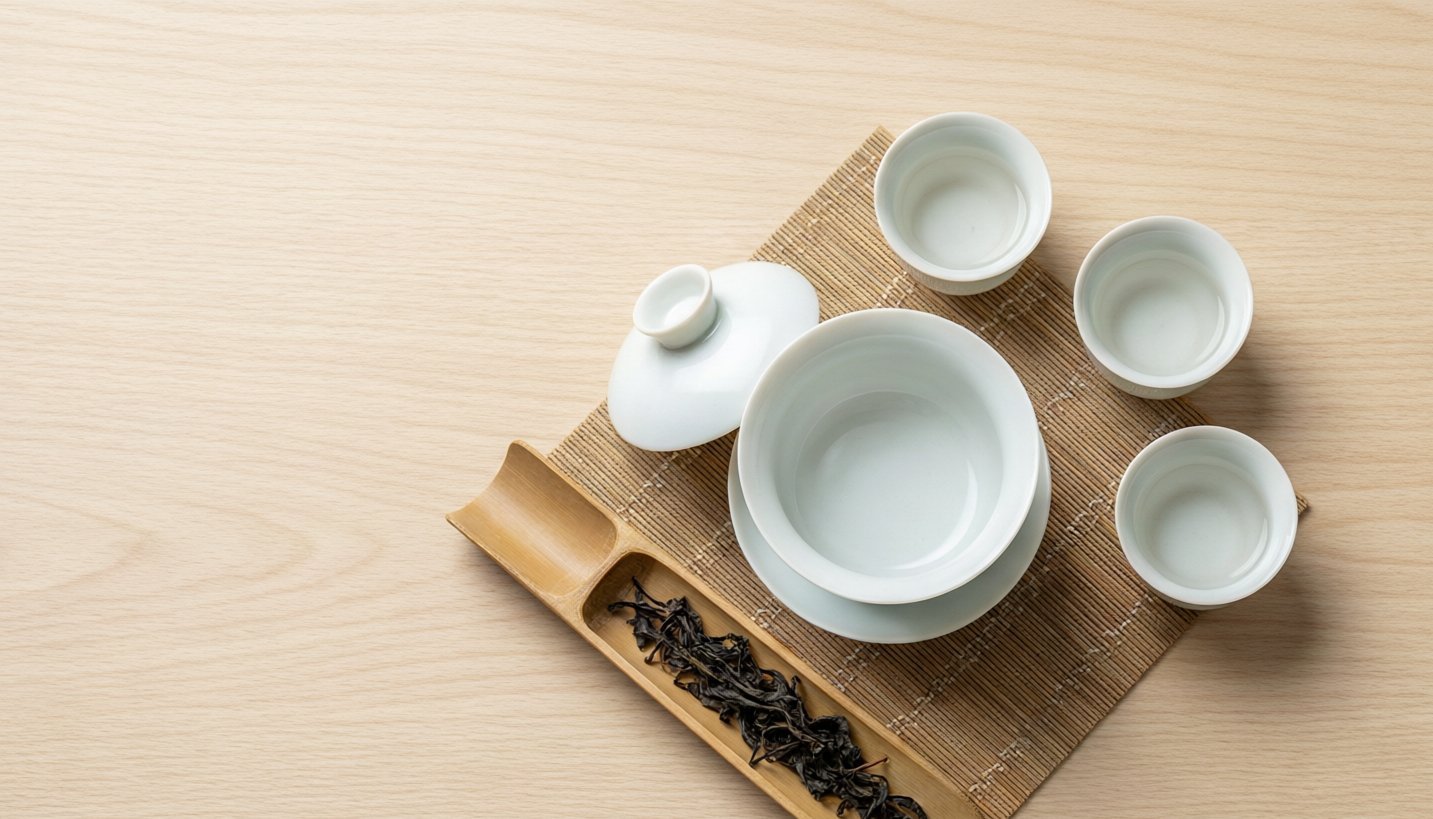
A useful tea social media strategy therefore has three content jobs: prove the tea is real, show the production and packing conditions, and make the next sourcing step obvious. Content that does not support one of those jobs is optional.
Which Platforms Work Best for Wholesale Tea?
Platform choice should follow buyer behavior, not a desire to be everywhere. A tea supplier can maintain a small number of platforms well and still build wholesale recognition.
| Platform | Best role | Content that works | Natural next step | Watch-out |
|---|---|---|---|---|
| Procurement relationships | Supplier updates, certification summaries, export notes | Direct message or sample request | Low reach if posts are overtly promotional | |
| Visual proof and brand memory | Origin videos, lot photos, packing lines, cupping clips | Direct message or catalog request | Audience skews retail if content is too lifestyle-driven | |
| YouTube | Searchable education | Tea type guides, factory audits, packing explainers | Link to a wholesale inquiry page | Requires more production time |
| TikTok | Fast discovery | Short origin stories, harvest clips, defect checks | Comment or direct message, then move to email | Harder to qualify leads |
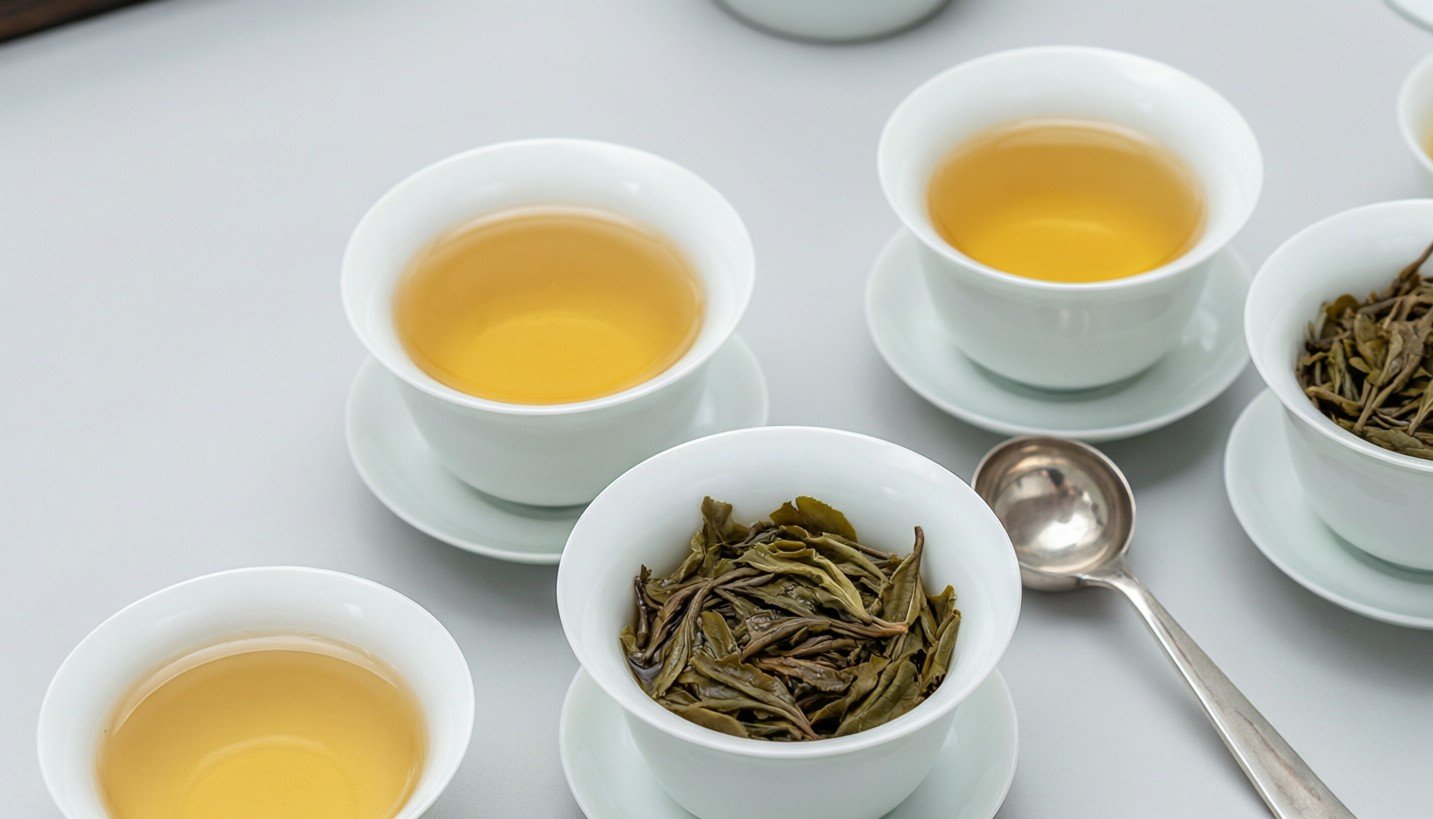
Short video is useful for discovery, but B2B tea conversion usually happens when a platform supports a stable profile and a written conversation. LinkedIn and Instagram can both work for a supplier profile, provided the bio states product range, target markets, and a clear contact route. YouTube is valuable when the supplier can produce searchable explainer content about tea types, grades, and quality checks.
A common mistake is treating all platforms as the same broadcast channel. A LinkedIn update should read like a supplier note. An Instagram post should show the tea or packing process. A YouTube video can explain how a specific tea type is graded. The same asset can be reused, but the framing should change.
How to Build a Tea Content System You Can Maintain
Do not rely on inspiration. Build a repeatable content library around the supply chain. The tea business already has natural content events: harvest, processing, cupping, packing, shipping, and customer questions. Organize those events into four content groups.
Origin and Harvest Content
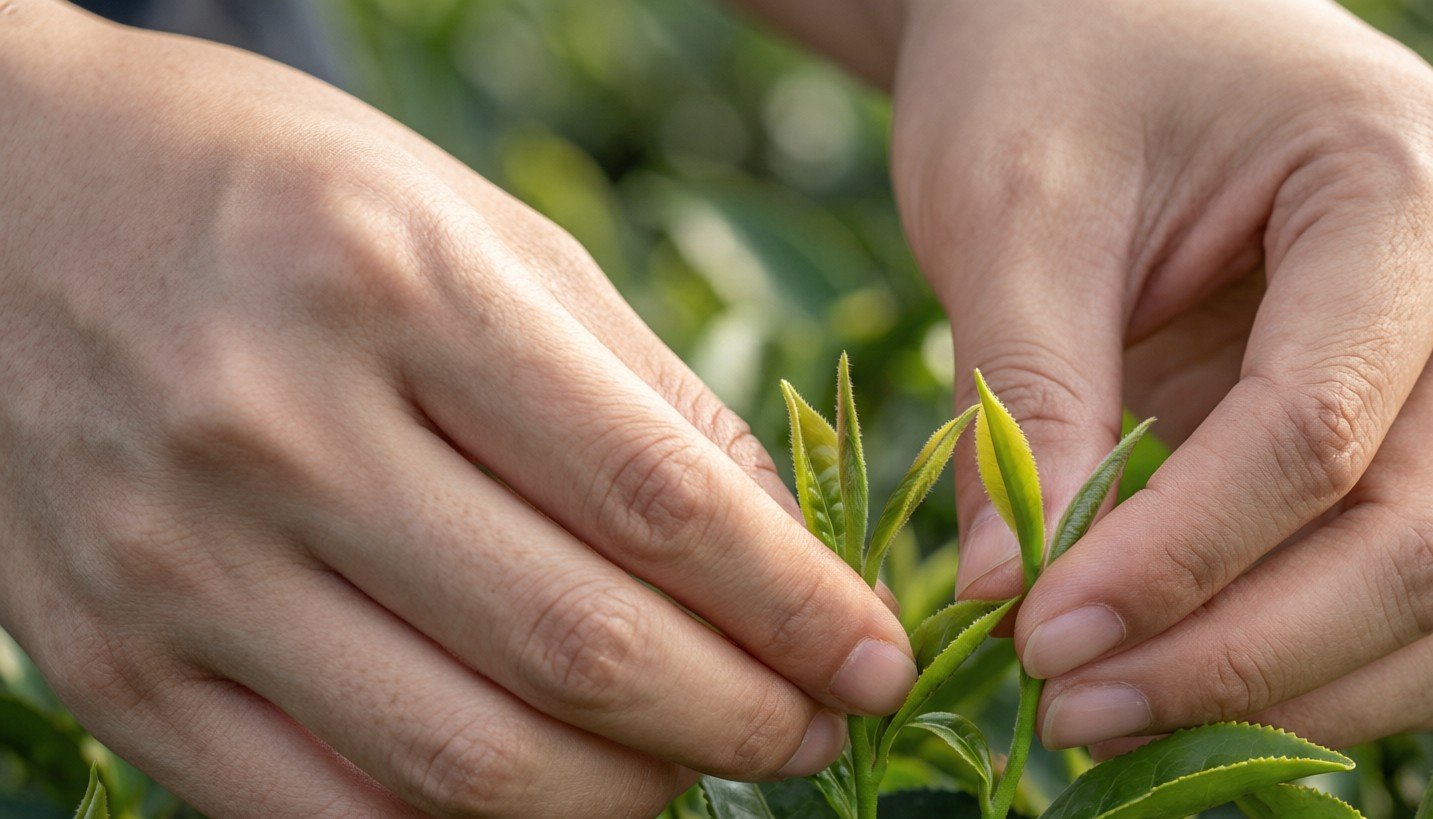
Show the tea garden, picking standard, altitude, weather conditions, and harvest date. Explain what the harvest window means for grade and price. A buyer who understands why spring material differs from autumn material can make a more specific sourcing request.
Production and Quality Content
Document withering, fixing, rolling, oxidation, drying, sorting, and cupping. Show how the factory checks moisture, leaf shape, aroma, and brewed color. Use a cupping clip to connect appearance to taste. This content demonstrates that the supplier can describe quality in trade language.
Commercial and Logistics Content
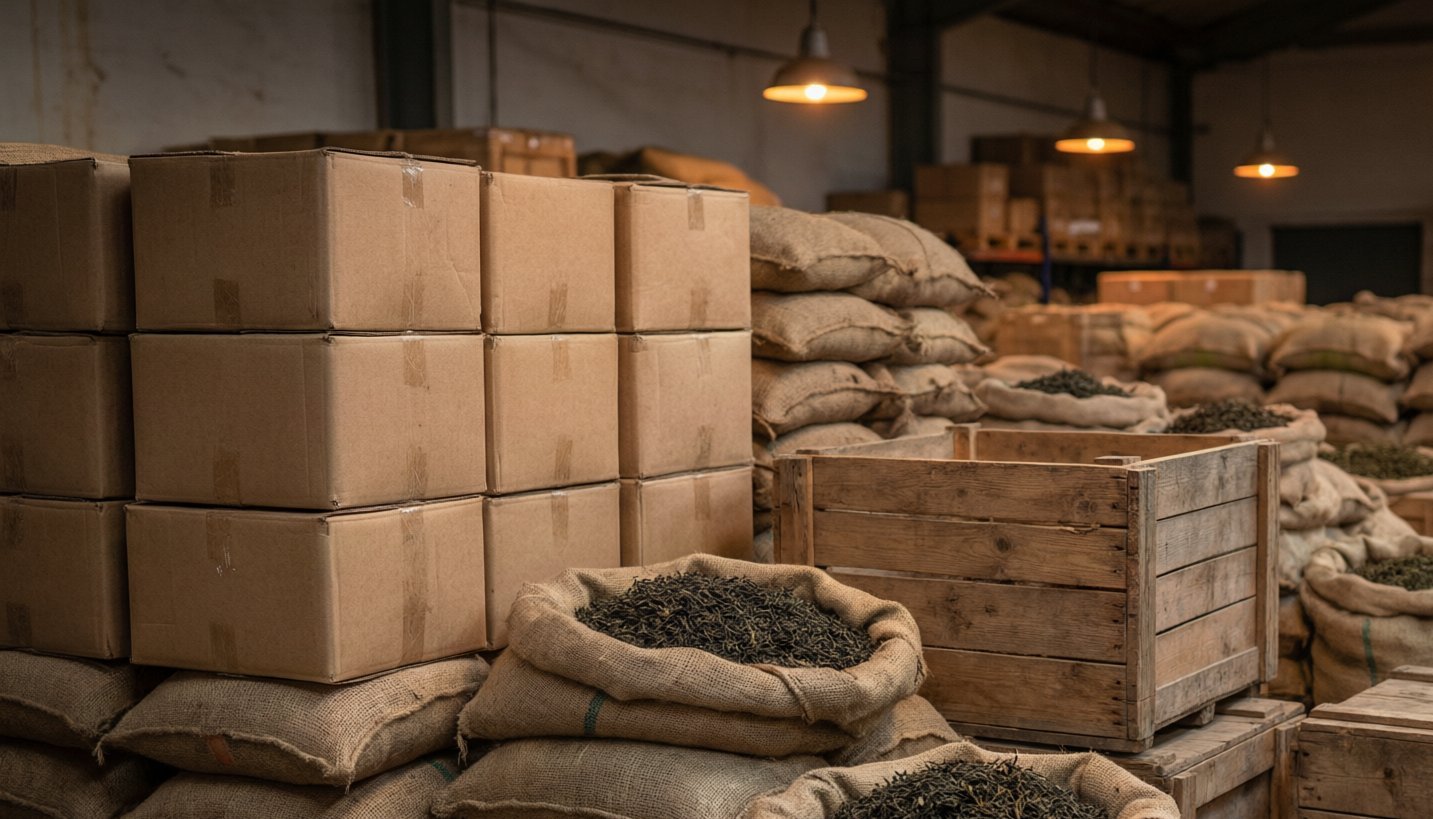
Post packing formats, carton dimensions, pallet loading, sample boxes, and shipment conditions. Explain lot numbers, batch separation, and export documentation. These posts are less emotional, but they are precisely what reduces buyer risk. A warehouse photo with visible lot labeling tells more than a generic tea image.
Application and Account Content
Show how a tea works in a cafe menu, retail pack, tea bag, or gift box. When appropriate, explain how the same lot can be offered in different formats for different markets. This helps buyers imagine the tea inside their own business rather than as a standalone product.
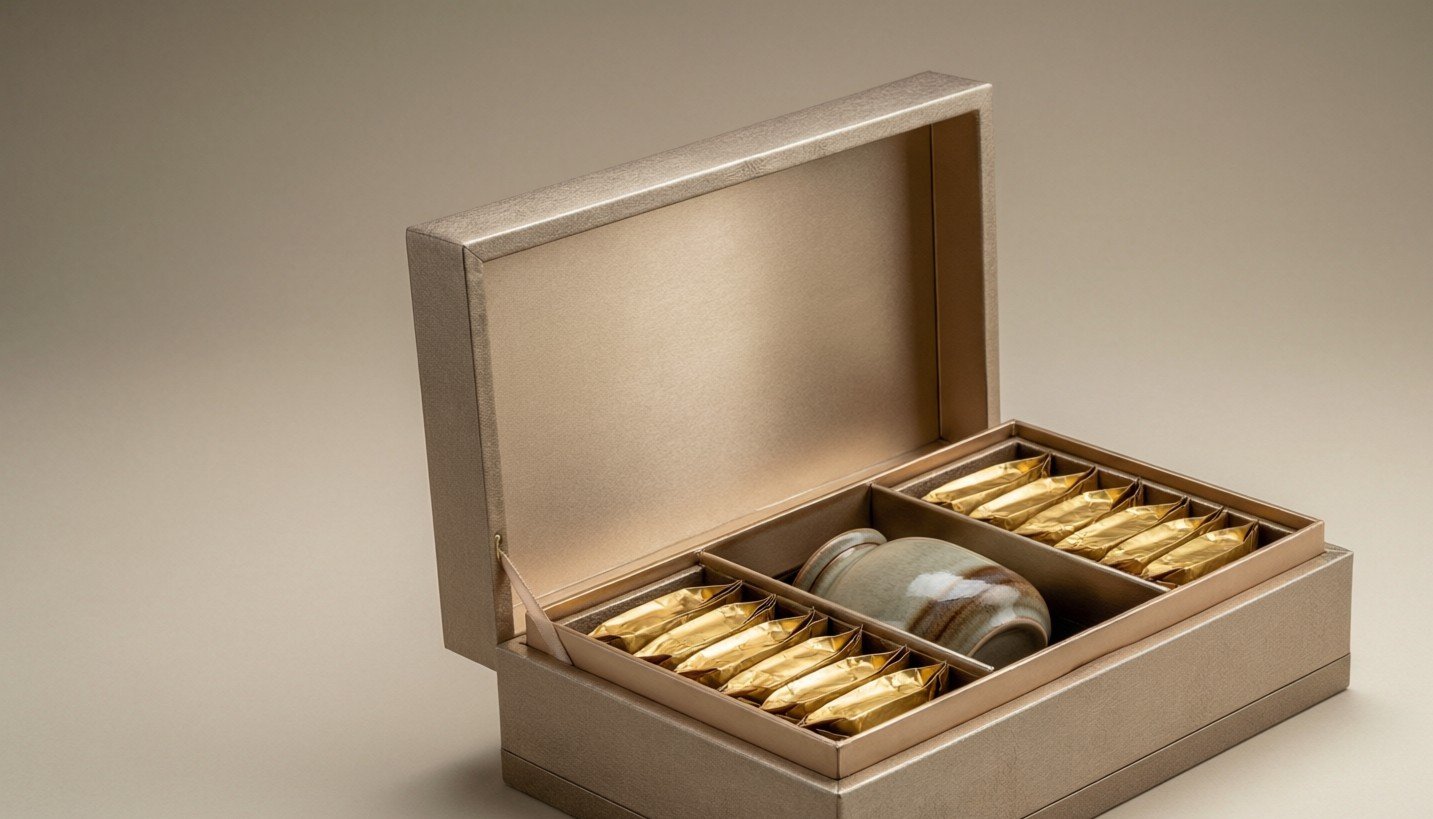
A sustainable posting schedule can be created by rotating these four groups. The goal is not to post daily. The goal is to collect enough visible proof that a buyer can trust the supplier before the first email.
How to Turn Tea Followers Into Wholesale Inquiries
Every post should lead somewhere, but not every post should push a sale. The account should use a three-step sequence: educate, demonstrate, then qualify.
First, provide a useful piece of information. It may be a harvest note, a packing detail, or a quality check. Second, show the supplier's process or lot behind that information. Third, invite a specific action: save the post, comment with a tea type, or send a sample request.
When a buyer comments or messages, move the conversation toward a structured request. A good first response asks for tea type, grade, target market, monthly volume, packaging format, certification needs, and destination port. This filters retail consumers and shows the supplier understands import requirements.
| Content signal | Likely buyer state | Useful next step |
|---|---|---|
| Comment asking about MOQ or certification | Active sourcing | Request tea type, volume, and destination port |
| Direct message asking for a price list | Comparing suppliers | Send a catalog with grades and packing options |
| Save or repeat profile visit | Early research | Post more lot, grading, and documentation content |
| Comment about taste only | Consumer interest | Route to retail options or keep watching |
The sample request is the central wholesale conversion point. The social account should make it easy to submit an inquiry without promising that every request will become an order. A clear, filtered inquiry saves time on both sides.
Which Metrics Matter for B2B Tea Marketing?
Vanity metrics can mislead tea suppliers because consumer reach does not equal wholesale demand. A viral video viewed by retail drinkers in markets the supplier cannot serve has little sourcing value.
More useful signals include direct messages, profile visits from target regions, saves on technical posts, sample requests, and follow-up conversations that mention a specific tea type or lot. When a buyer references a cupping clip or a packing format in an email, the social content is doing its job.
Measure the path from post to sample request. If a post about shipment documentation produces qualified inquiries, create more of that format. If a lifestyle video produces only likes and no buyer questions, treat it as brand awareness rather than lead generation. The practical rule is to compare content types by the quality of inquiry they create, not by reach alone.
Which Tea Social Media Mistakes Waste Budget?
Several mistakes repeat across tea supplier accounts.
First, posting only consumer storytelling. Beautiful teapots and wellness phrases attract attention, but they do not show grade, lot number, packing, or certification. A wholesale buyer still has to ask basic sourcing questions.
Second, making claims that production records cannot support. If a post says a tea is hand-picked, organic, or high-mountain, the supplier must be able to support that claim with picking records, certification, or origin documentation.
Third, hiding origin and process. The origin is part of the product. A tea account that never shows the garden, factory, or cupping table looks like a reseller rather than a supplier.
Fourth, changing product names or translations between posts. A tea called Tieguanyin should not become Iron Goddess in one post and a vague "oolong" in the next. Consistent naming helps buyers compare and remember.
Fifth, collecting comments without a next step. If a buyer asks about MOQ and the account replies slowly or sends only a consumer link, the inquiry is lost.
Sixth, spending on video production before the core profile is complete. Paid reach is more effective when the account already has visible lot, origin, and documentation content.
Tell Us What You Need to Source
If you are building a tea program and need content-ready lots, packing formats, or compliance documents, send the tea types, grades, target market, monthly volume, packaging, and certification requirements you are working with. Email: 427728483@qq.com
FAQ
Should every tea supplier be active on every platform?
No. Choose one primary platform for written relationships, usually LinkedIn, and one visual platform, usually Instagram or YouTube, depending on production capacity. Running five platforms with shallow content is less useful than maintaining two with consistent lot, origin, and packaging proof. A supplier without video capacity can still run LinkedIn text and photo updates effectively.
How often should I post tea content?
Consistency is more important than volume. A simple schedule might be two or three posts per week per active platform, planned around current supply chain activity. If the team can produce only one post each week, make that post useful for buyer screening rather than forcing daily lifestyle content.
Can social media replace trade shows and sourcing agents?
It rarely replaces them, but it can reduce the cost of first contact. A social profile helps buyers verify that a supplier is active, consistent, and familiar with export documentation before they request samples. Trade shows and sourcing agents still provide physical cupping, negotiation, and relationship coverage that social media cannot.
What should I do with a viral video that brings retail buyers but not wholesale leads?
Use the attention to filter and redirect. Pin a comment or add a profile link that states: "Wholesale buyers, please send tea type, grade, target market, monthly volume, packaging, and certification requirements." That converts consumer attention into a qualification step without blocking retail interest.
How long before social media produces a wholesale inquiry?
Do not expect a fixed time. A supplier with a complete profile and consistent origin, lot, and packaging content may receive inquiries within weeks; others may need months. The practical goal is to make every future buyer touchpoint easier by having visible proof already collected.
No author description available.

白玉京