Storing Yueguangbai White Tea: Mistakes That Kill Flavor
Storing Yueguangbai white tea well is less about preserving a static product than slowing down a tea that keeps changing. Poor storage usually does not produce an obvious spoiled smell. The honeyed, melon-like top notes fade first, and the dry leaf can go from floral and creamy to papery and flat before a buyer notices. Yueguangbai is a Yunnan white tea often made from large-leaf material and finished through slow air drying, which leaves it more porous and more responsive to moisture, oxygen, light, and surrounding odors than many tightly rolled teas. Storage therefore has one practical job: keep the leaf dry, dark, cool, and isolated from strong smells until the next brew.
How Yueguangbai Changes Before You Notice
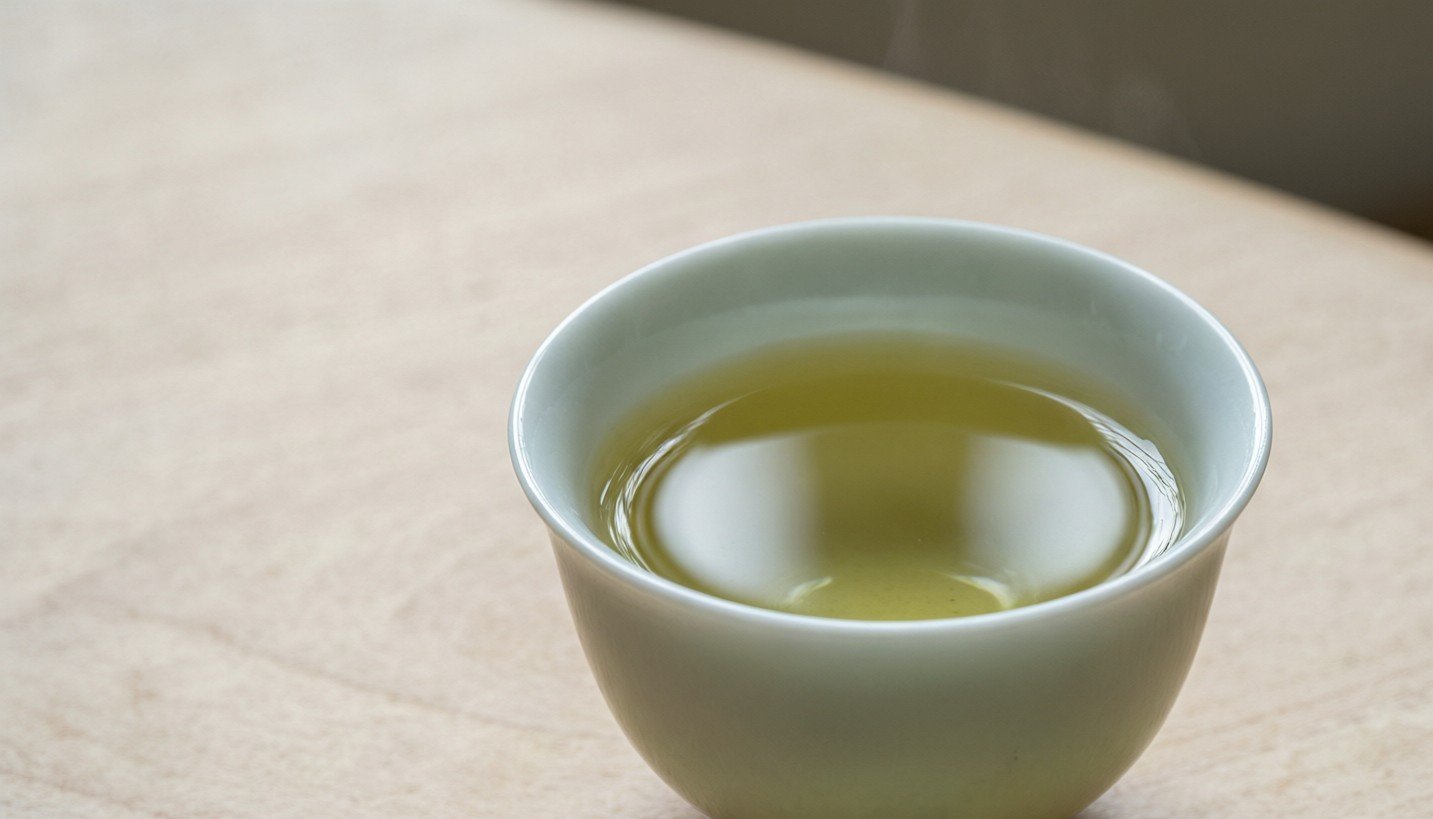
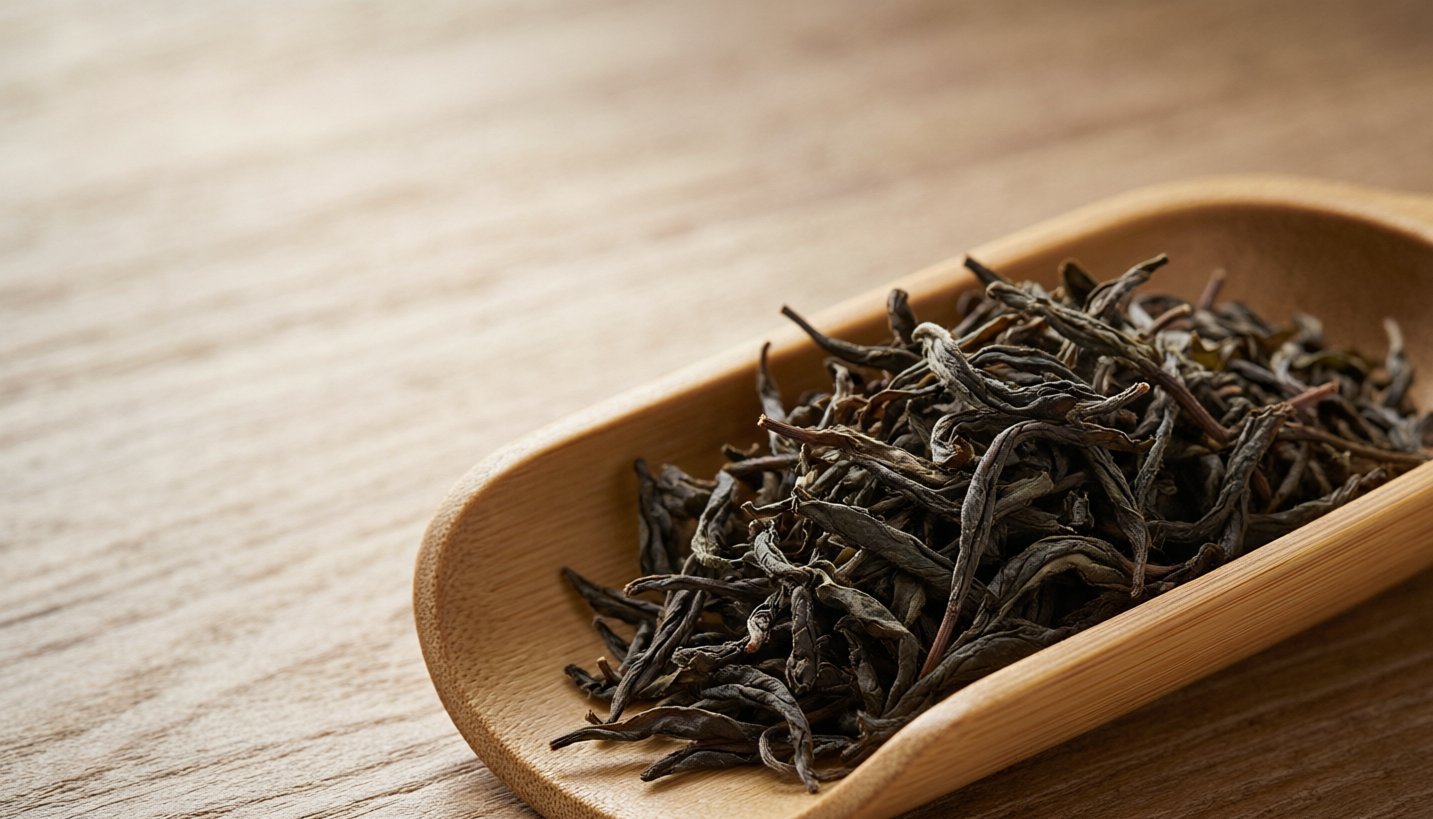
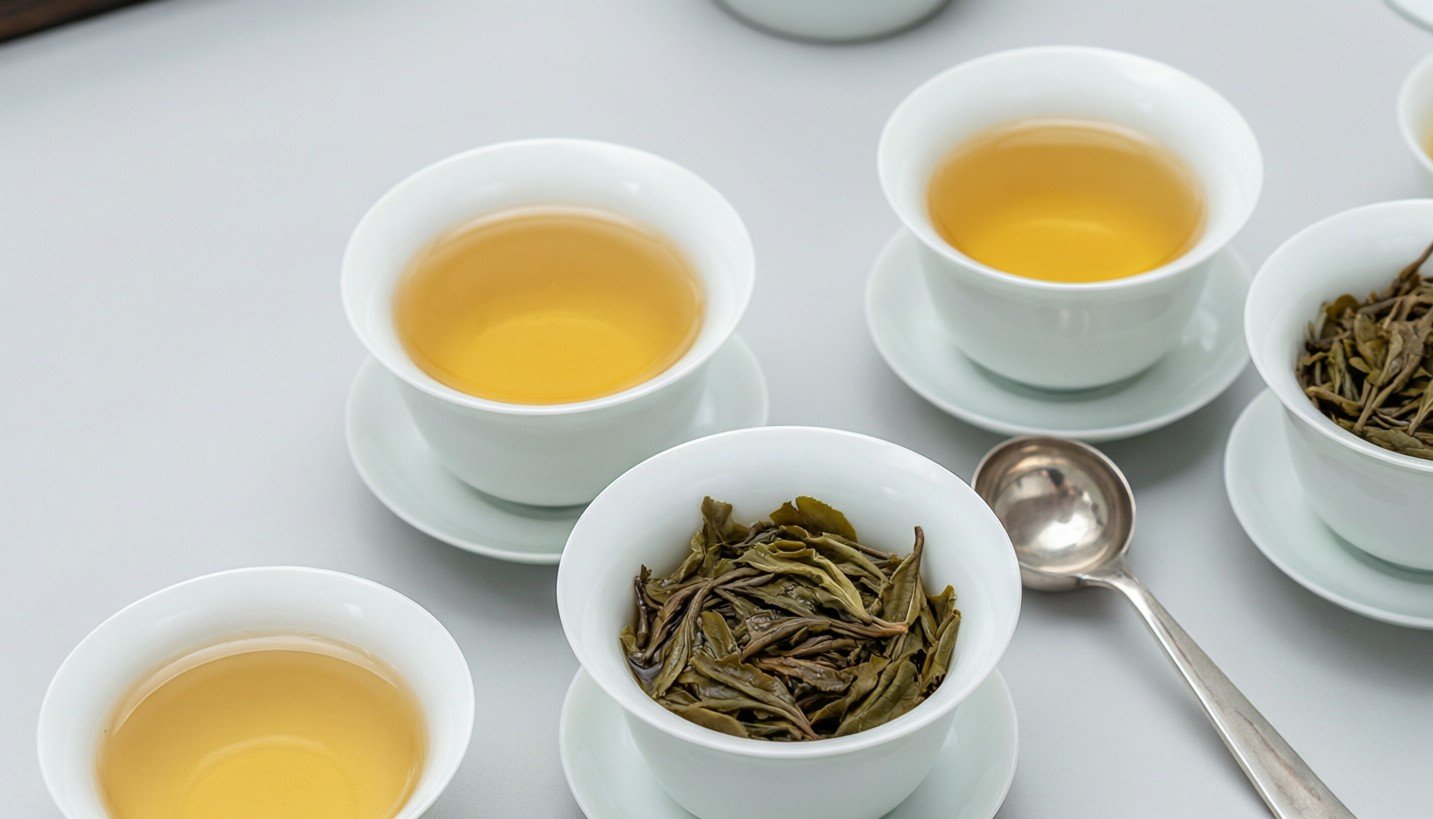
Fresh Yueguangbai often combines a dark, olive-brown leaf with silver or gray bud tips, and the liquor can range from pale apricot to a deeper golden honey as it develops. That progression makes early damage easy to miss. The first warning sign is usually the dry aroma: fruit, cream, and wildflower notes lower into warm paper, stale grain, or a tired hay smell. The liquor can still taste smooth for a while because the heavier sweet base outlasts the delicate top notes. Buyers should therefore smell the dry leaf first, then check the aftertaste and mouthfeel, because a tea that merely lacks the top notes may already have lost much of what made it worth buying.
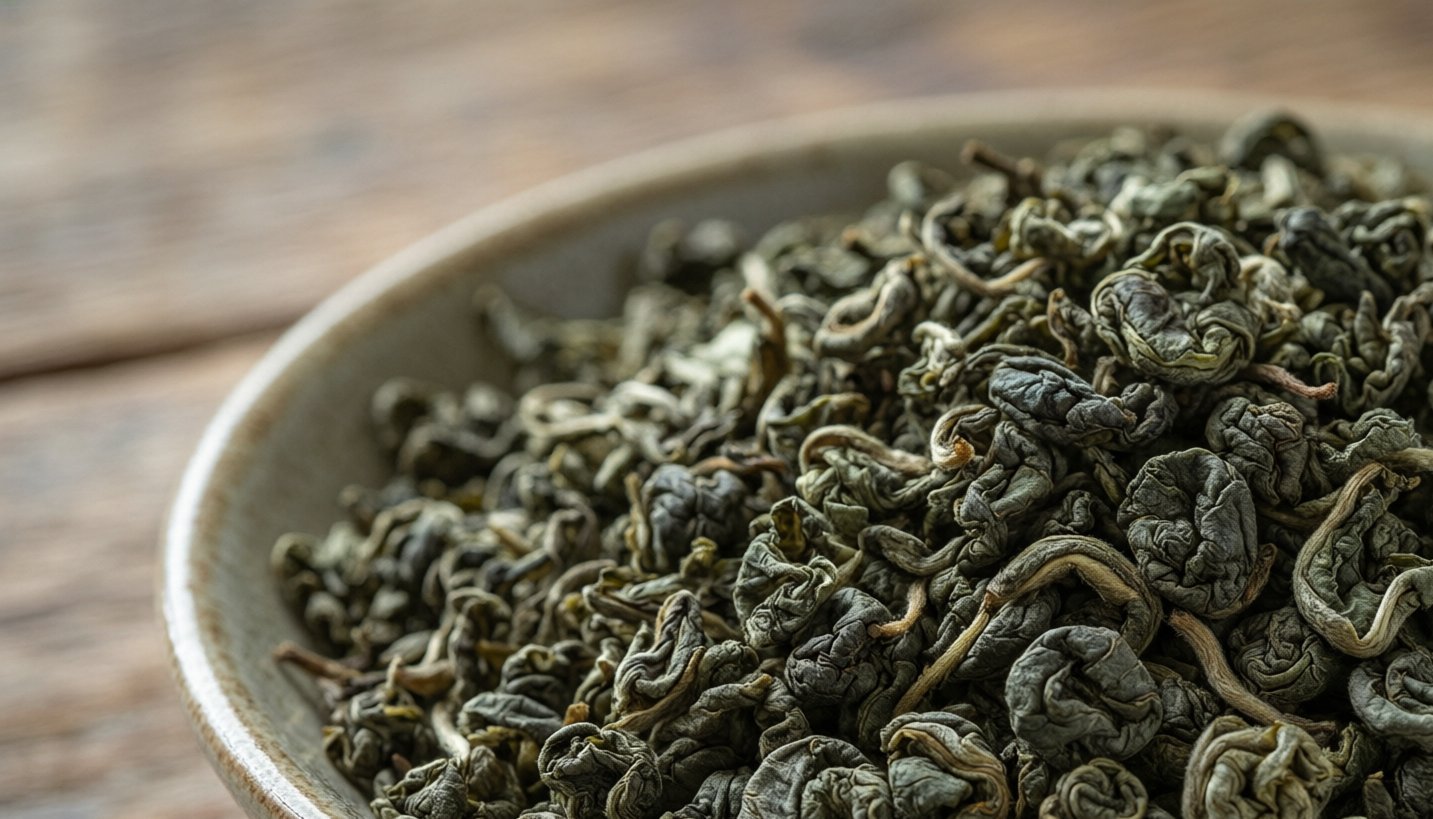
In the cup, storage damage often shows up as a thin finish and a flat midpalate rather than a single off flavor. A fresh pour coats the mouth and leaves a soft, fruity aftertaste. A poorly stored sample ends more quickly and can taste dry or papery, even when the color still looks acceptable.
The Clear Pouch Is Not Long-Term Storage
Many lots ship in clear or lightly tinted pouches, and those are transport packaging rather than storage. Light reaches the leaf through the film and accelerates the fading of aromatic compounds. The zipper is useful for daily access, but after repeated opening it rarely gives a complete seal, so air exchange continues. Keep the pouch if the tea will be finished within two or three weeks. For longer holding, transfer the leaf to a double-layer bag with a light-blocking outer layer, then place that bag inside an opaque tin, glazed ceramic jar, or similar clean container with a tight lid.
Oversized Jars Turn Fresh Aroma into Stale Air
Leaving a small amount of tea in a large container is a subtle problem. Every opening refills the empty space with fresh air, and the leaf only has a limited amount of surface aroma to give up before it goes tired. It is better to match the container volume to the batch or split the lot into smaller, sealed portions. Whatever tool is used, the opening should be dry and clean. A damp scoop transfers moisture directly into the leaf, and a spoon that still carries last week's coffee or spice will transfer that smell.
| Storage choice | Common result | More protective option |
|---|---|---|
| Clear pouch with zipper | Aroma fades as light and air reach the leaf | Light-blocking bag inside an opaque tin |
| Large jar with air space | Top notes tire from repeated oxygen exposure | Match jar size to batch or split portions |
| Damp kitchen or basement | Musty or sour development | Dry, stable room plus sealed container |
| Shelf near spices or stove | Absorbed odors flatten the aroma | Low-odor cabinet away from food smells |
| Refrigerator door | Condensation and odor pickup | Cool, dark cupboard for daily stock |
Humidity Turns a Slow Tea into a Damaged One
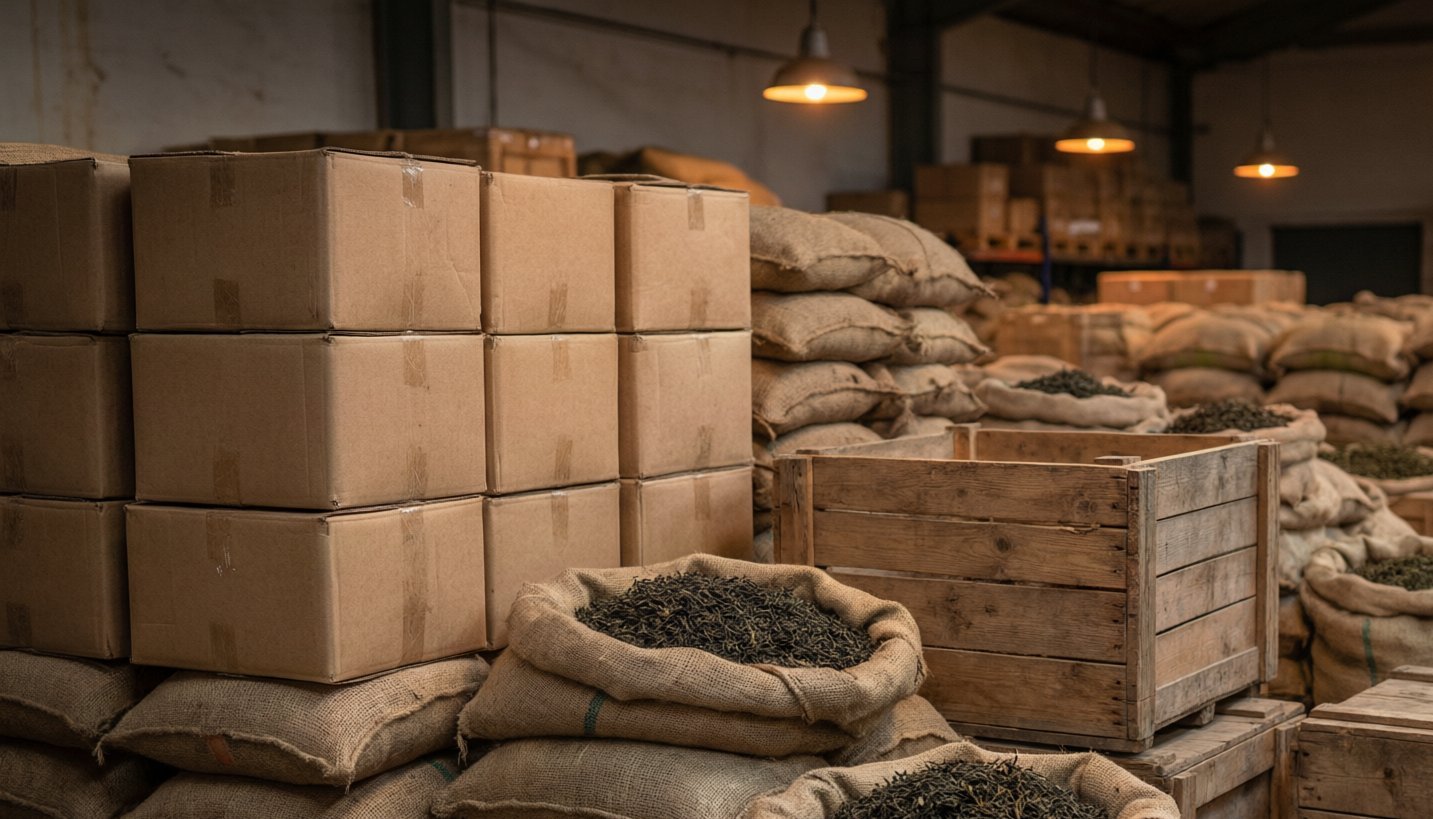
Yueguangbai is not a fully inert dry good. It retains a small amount of moisture, and its slow air-dried character leaves it open to the surrounding environment. In a damp kitchen, basement, or warehouse, the leaf can pick up water, and the result is not the pleasant deepening of age. It is mustiness, sourness, or a heavy, stale mouthfeel. Keep storage humidity low and steady. Sealed containers with food-grade desiccant or oxygen absorbers can help, but only if the leaf is dry when it enters. Do not place a warm or recently opened bag into a cold container where condensation can form.
Strong Smells Are a Flavor Killer You Cannot Reverse
Dry tea is an excellent odor absorber, and Yueguangbai's airy leaf structure makes it especially vulnerable. Spice cabinets, kitchen shelves above the stove, cleaning cupboards, and garages are unsuitable, even when the tea is sealed in a zipper pouch. A sealed container reduces the risk but does not override a heavily scented environment. Keep the tea away from coffee, spices, essential oils, packaging ink, and fresh paint. If you store several teas together, separate white tea from heavily roasted or smoked teas, because charcoal, roast, and smoke aromas migrate over time.
Cold Storage Can Create Condensation, Not Protection
Refrigeration is not automatically safer for Yueguangbai. A refrigerator is humid and full of food smells, and the biggest risk comes when a cold pack is opened in warm air. Moisture condenses on the inside surfaces and can enter the leaf. If cold holding is necessary for a long-term or high-value lot, use multiple moisture-proof layers, vacuum sealing where appropriate, and allow the sealed pack to return fully to room temperature before opening. For most daily drinking or short-term stock, a cool, dark, dry cupboard is more reliable than the refrigerator door.
A Storage Routine That Preserves the Tea
Keep the process simple: smaller sealed portions, opaque containers, stable room temperature, and a low-odor storage area. Label each container with the tea name, purchase date, and lot number if available, and open only the container you intend to drink from. Before storing a new lot, smell the dry leaf when it arrives, then taste a small sample after it has rested for a day. Write down the purchase condition rather than relying on memory, because storage damage is easier to detect when there is a baseline. For older stock, compare the dry leaf, liquor color, and mouthfeel against that earlier note, not against an idealized version of the tea.
Storing Yueguangbai Without Guesswork
Before a large order ships, ask for the lot's harvest period, packaging date, and current moisture level. For premium or aged material, also ask whether the supplier recommends a rest period after transport. If you are not sure which storage conditions a particular lot has experienced, start with a small test pack and taste it after one day, one week, and one month under your own storage conditions. Contact Chinese tea suppliers at 427728483@qq.com with the pack size, vessel type, and storage environment you use, and we can help you choose suitable packaging or adjust the order format before the tea leaves the warehouse.
FAQ
Does Yueguangbai need to be refrigerated?
For most drinkable stock, no. A cool, dark, dry cupboard is better than the refrigerator door. Cold storage is only worth considering for a sealed, long-term, high-value lot, and the pack must stay moisture-proof and be brought fully to room temperature before opening to avoid condensation.
How long can unopened Yueguangbai stay fresh?
It depends on the initial moisture, storage temperature, and seal. A well-sealed, light-blocked pack kept cool and dry can hold its fresh aroma for months, while a loose or clear pouch may start to flatten within weeks. Use the dry leaf aroma and the mouthfeel as the practical check, not a fixed date.
Should I use oxygen absorbers or desiccants?
Only after confirming the leaf is already dry and the packaging is appropriate. Desiccants can help in humid regions, and oxygen absorbers slow oxidation, but both are ineffective if the tea is packed damp or if the container is opened often. For daily packs, a tight seal and small portions are usually enough.
What is the first sign that storage has damaged the tea?
The dry leaf usually smells flat, papery, or stale before the liquor is obviously ruined. The tea may still look normal, but fruit and honey notes are already weaker. Taste a small sample with attention to the aftertaste; a shortened or drying finish is an early warning.
No author description available.

白玉京