Dark Tea Bailiang Tea: An Honest Buyer’s Ranking Framework
Dark tea Bailiang tea is easier to rank once you stop treating the brand name as the product. Buyers compare pressed weight, leaf grade, Anhua origin, aging condition, and the producer's handling record. A famous label can still hide dry storage, broken leaf, or a blend pressed for gift packaging rather than long-term aging. This guide ranks supplier types and verification points, not marketing slogans, so you can build a shortlist that fits your order.
What Bailiang Dark Tea Actually Is
Bailiang dark tea is a traditional Hunan dark tea form. The name refers to an old weight measure rather than a processing method, and the style is strongly associated with Anhua County in Hunan. It is usually pressed into a cylindrical log or cut portions, and the outside is often wrapped in traditional bamboo or woven material. The inside should not be treated as a mystery. A clean cut surface should show layered leaf, not a compressed mass of dust and broken stems.
Buyers sometimes expect golden flower on every dark tea, but that is mainly associated with fu zhuan. Some Bailiang lots show little or no visible golden flower, and that alone does not mean the tea is defective. Ranking should instead focus on leaf integrity, compression quality, origin evidence, and how the lot was stored.
What Separates a Strong Bailiang Lot
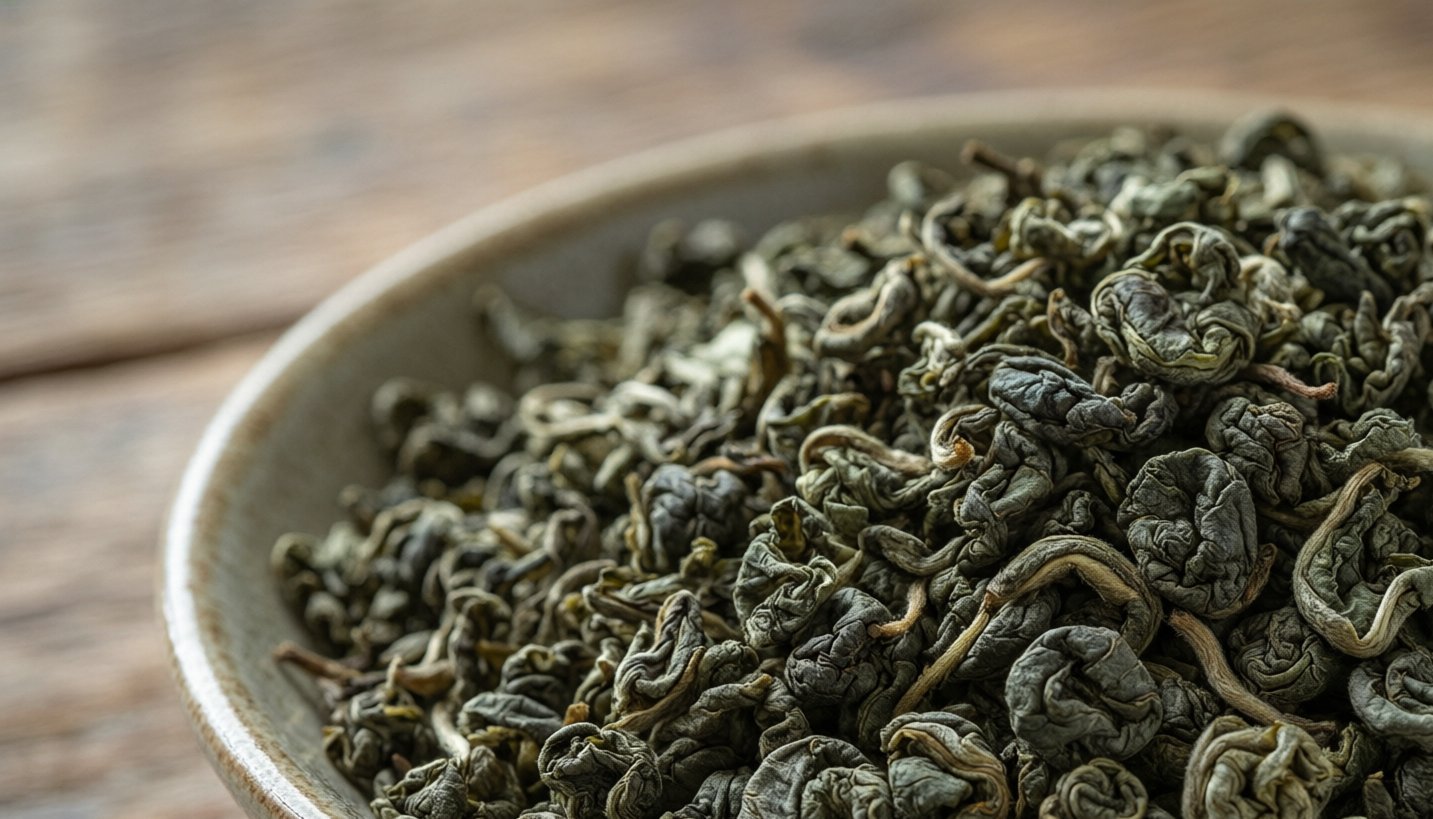
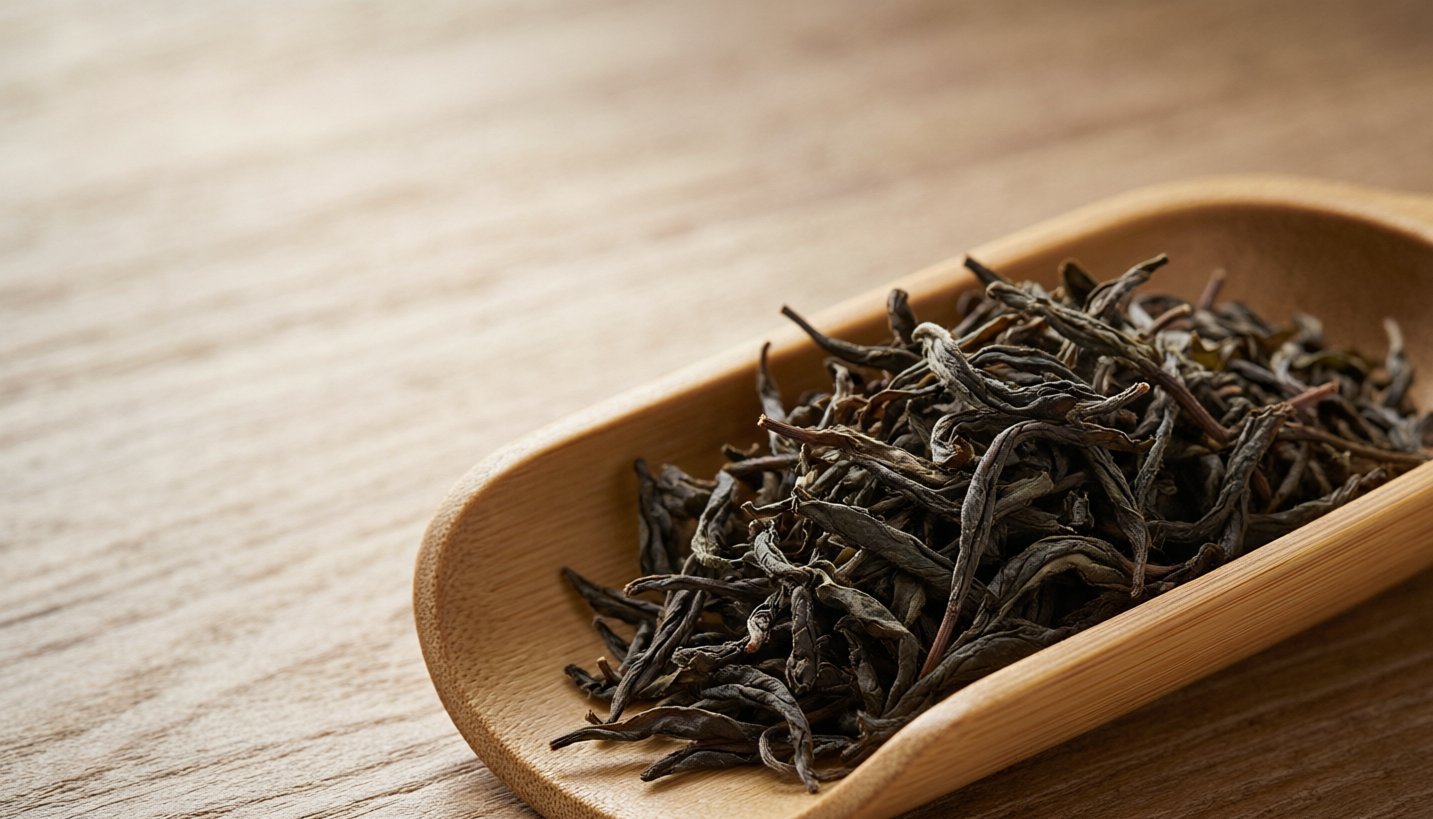
The most useful ranking signals are visible before you taste the tea. First, check the leaf grade. A stronger lot tends to show whole or partially broken leaves rather than a high proportion of powder and stalk. Some stalk is normal in traditional dark tea, but it should not dominate the cut surface.
Second, check the compression. The log should be firm but not rock-hard, and the outer layer should be evenly pressed without soft spots or bulges that can signal uneven moisture. Third, check the wrapper and batch marks. A clear pressing date, factory or workshop code, and storage location give you something to verify later. A wrapper with only a brand name and no batch detail is weaker evidence than it looks.
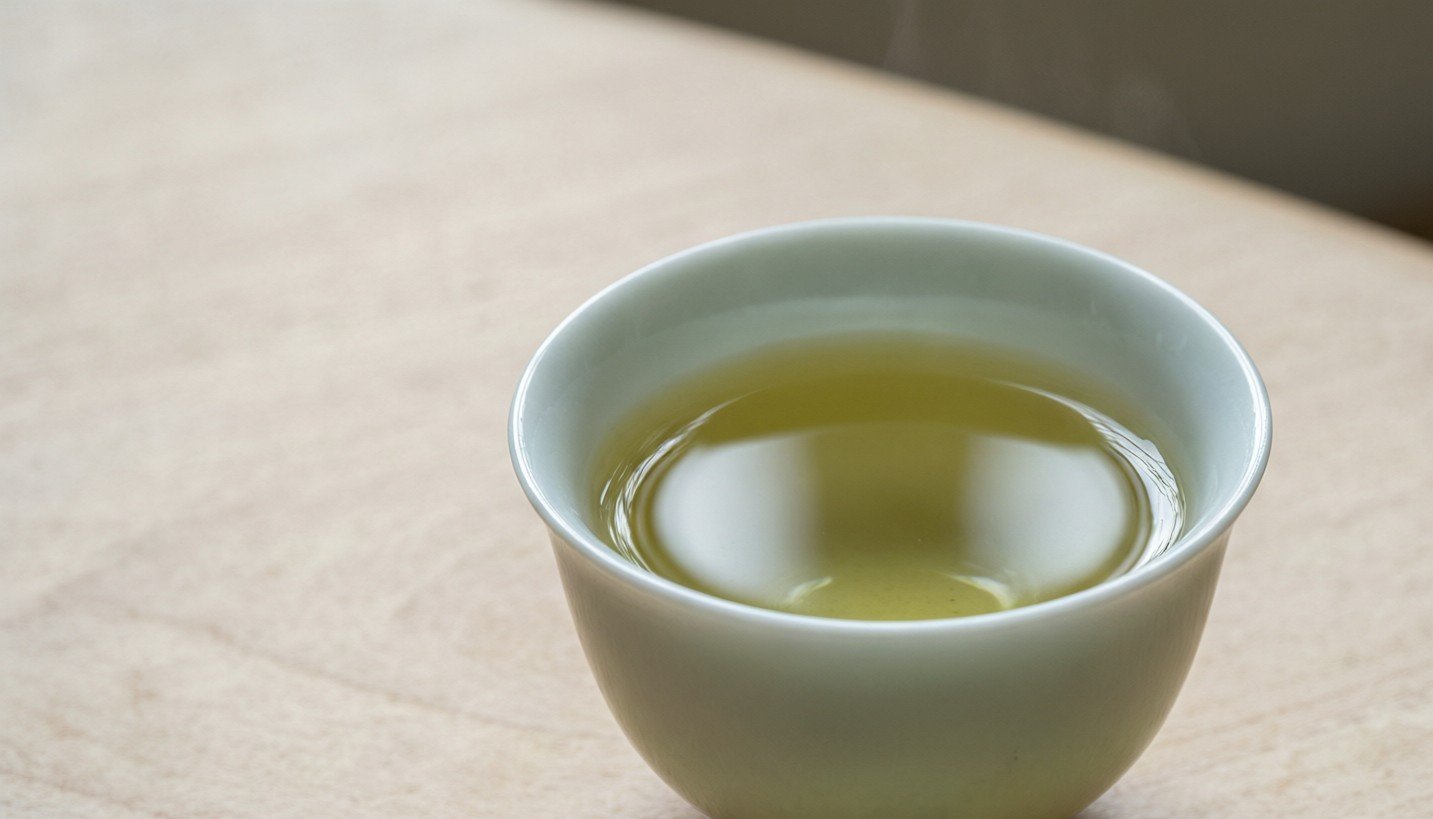
The liquor is the next test. A well-stored Bailiang usually gives a clear amber to deep red infusion, with an earthy, woody, or lightly sweet profile. A persistently sour, flat, or sharply astringent cup should carry more weight in your ranking than any label or gift box.
Ranking Supplier Types Instead of Famous Names
The most honest ranking is by supplier type and lot evidence, not by brand recognition alone. A traditional label such as Baishaxi has value because buyers can often trace the general style and pressing tradition, but the lot date, grade, and storage record still decide whether that particular purchase is good.
| Supplier type | What to expect | Best for | Main caution |
|---|---|---|---|
| Traditional Anhua factory pressing | Consistent shape, documented recipe, repeatable batch style | Buyers who need wholesale stock they can reorder | Old labels can be counterfeited; check pressing date and seals |
| Private commissioned pressing | Custom leaf grade, size, and wrapping controlled by order | Private label importers and brand builders | Quality depends on the commissioner's leaf purchase; sample first |
| White-label or blended lot | Lower price, flexible packaging, uniform taste profile | Tea bags, RTD bases, and blended retail lines | Origin and leaf age may be blended away; request a lot sheet |
| Aged private-collection resale | Already aged, often smaller quantity, premium positioning | Collectors and high-end gift programs | Provenance is easy to invent; demand storage photos and purchase chain |
A brand name can shorten the initial search, but it does not replace the ranking work. The same label can contain excellent current pressings and very ordinary retail gift stock.
A Practical Ranking Sequence for Buyers
Start with the cut surface and wrapper, then move to the sample. Request a representative sample from the exact lot being offered, not a display piece from another batch. Compare three things side by side: dry leaf aroma, the first few infusions, and the aftertaste. Use near-boiling water and a short rinse for traditional dark tea, then taste through several infusions to see whether the tea becomes clearer or collapses.
A simple scoring method works better than trying to pick one best brand. Give one point each for clear batch information, clean cut surface, intact leaf structure, balanced liquor, and stable flavor across infusions. A lot that scores four or five is a stronger purchase than a famous label that only scores two. This also makes it easier to compare multiple suppliers without relying on sales language.
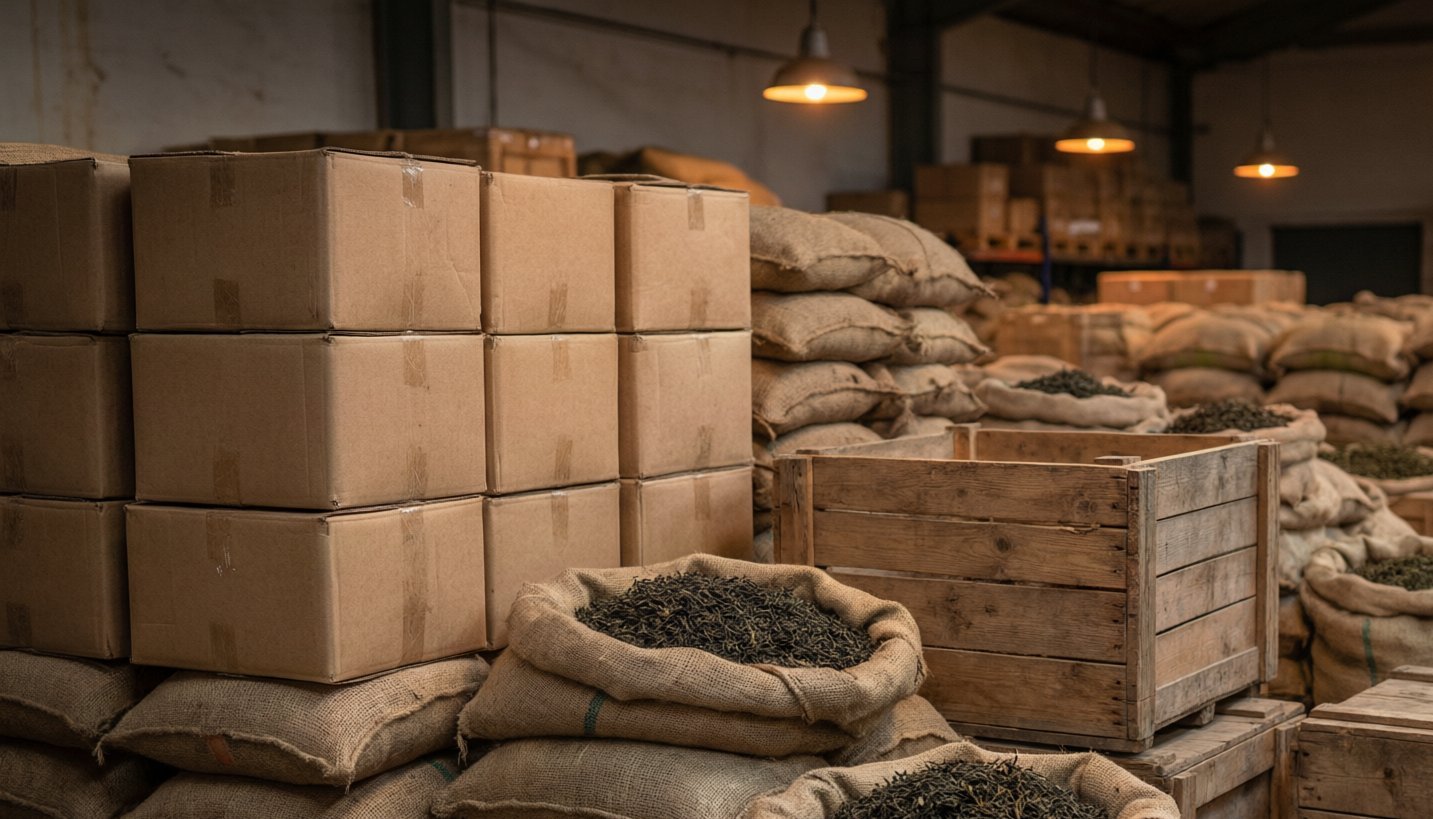
After the first sample passes, ask whether the supplier can repeat the same grade across a full order. That answer matters more than the brand story because wholesale quality depends on consistency from carton to carton.
Red Flags That Should Remove a Lot from the Ranking
Some lots should be removed from the shortlist quickly. Watch for visible mold on the cut surface, especially white, green, or fuzzy patches that are not part of the normal aged appearance. A musty or sharply sour smell should also stop the ranking process.
Be careful with vague storage answers. If the seller cannot say where the tea was stored, how humidity was controlled, or when it was last inspected, the age claim is weaker than the price suggests. Likewise, an unusually low price for a claimed aged lot is usually a warning, not a bargain.
Also check the wrapper and cut face against the sample. If the sample is clean but the log surface you receive later is different, or if the lot number changes without explanation, rank that supplier lower. The best Bailiang brands are consistent, traceable, and willing to show the same evidence you would ask from any serious dark tea supplier.

What to Send a Bailiang Supplier
A useful inquiry is specific. Tell the supplier your target pressing size, required leaf grade, preferred wrapping style, order quantity, and whether you plan to age the tea or sell it as current stock. Ask for the lot sheet, pressing date, storage location, and a sample from the exact batch being quoted. If you are importing for private label, also state your packaging and labeling needs.
Send those details to 427728483@qq.com and we can quote comparable Anhua dark tea pressings against your requested grade and order size.
FAQ
Is Bailiang dark tea the same as pu-erh?
No. Bailiang belongs to the Hunan dark tea tradition, while pu-erh comes from Yunnan. They share a post-fermented or aged character in some products, but the leaf source, pressing culture, and expected flavor profile are different. Buyers should not treat them as interchangeable.
How long should Bailiang dark tea age before buying?
There is no single correct answer. A clean current pressing can be a better daily drinking or retail item than a poorly stored older log. Age only improves the tea if the leaf grade and storage were good from the start. Judge the sample rather than buying years alone.
Can I trust a brand name on the wrapper?
Not by itself. Wrappers can be copied, and a well-known label may still cover a weak lot. The batch mark, cut surface, storage record, and sample comparison are more reliable than brand recognition. Use the name as a starting point, not as proof.
What is the best Bailiang brand for a first wholesale order?
For a first order, choose a factory-pressed current batch with clear documentation rather than expensive aged private stock. That gives you a repeatable benchmark for quality and price. After you know the style you can consider older or custom pressings.
No author description available.

白玉京