Yunnan Pu-erh Tea Price Guide: How to Compare Real Quotes
Yunnan Pu-erh prices are not a single market number. They are a comparison of leaf origin, material grade, harvest season, age, storage condition, and processing method. A plantation cake, a dry-stored named village pressing, and a wet-stored loose leaf lot can sit in completely different price bands even when all three wrappers say Pu-erh. The practical question is not what Pu-erh costs in general, but what a specific lot can support, and what you should require from a supplier before you accept its price.
What Actually Moves Yunnan Pu-erh Prices
The largest price driver is origin specificity. A broad Yunnan label tells you almost nothing. A named county, mountain, or village narrows supply, but also raises the risk that the name is being used loosely. Material grade matters next, including bud and leaf ratio, stem content, whether picking was hand or machine work, and whether the lot is whole leaf or broken material.
Season also changes value. Spring material usually carries a higher asking price than summer or autumn material because the leaf is denser and more aromatic after the dormant period. Processing method matters too. Raw Pu-erh, or sheng, preserves the leaf character of the source material, while ripe Pu-erh, or shou, goes through wet piling and depends heavily on clean fermentation control. Format completes the picture. Loose leaf, cake, brick, tuo, and mini portions carry different labor, pressing, and packaging costs.

Raw and Ripe Pu-erh Sit on Different Price Tracks
Raw and ripe Pu-erh should not be compared as if one is always the premium version of the other. Raw Pu-erh pricing follows the source material more directly. A named single-village raw cake can be expensive because buyers are paying for origin, harvest quality, and aging potential. A lower-grade raw lot may be inexpensive, but rough material and aggressive processing can limit its appeal.
Ripe Pu-erh pricing follows a different chain. Wet piling adds processing time, space, and fermentation risk, so a clean, consistent ripe tea is not simply a cheaper version of raw tea. Its value depends on material quality before fermentation, blend consistency, and whether the fermentation produced clean, sweet, earthy notes without off-odors. Buyers should request a tasting sample and ask whether the ripe lot contains summer material, older unsold raw material, or a specific season blend.
Village, Plantation, and Ancient Tree Claims
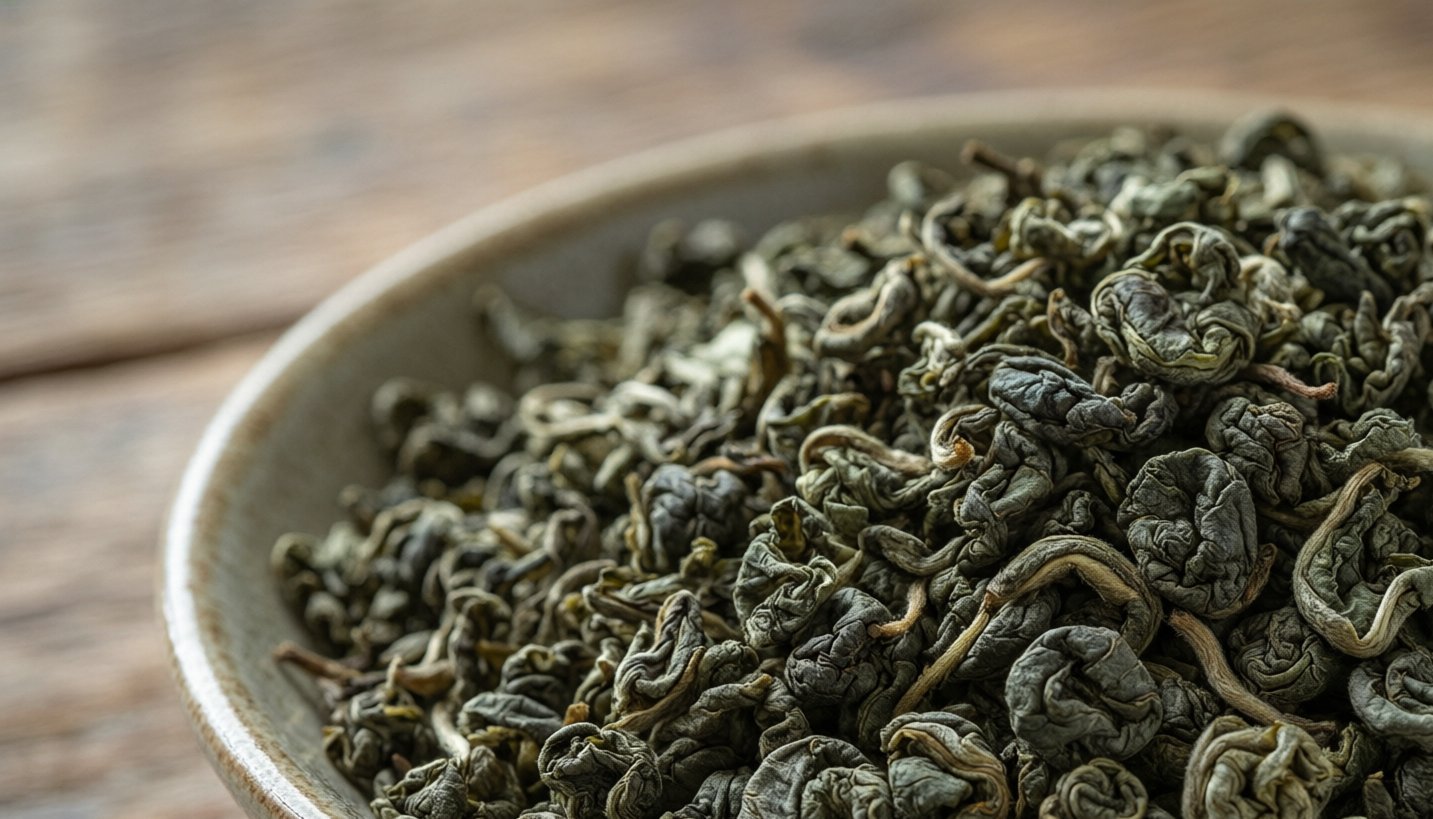
Many Pu-erh price gaps come from tree age and source claims. The same words can mean different things. Ancient tree, old tree, big tree, and plantation are not standardized legal definitions across every supplier. A lot labeled as ancient tree may be from old tea gardens, from scattered wild trees, or from younger trees presented with a generous description.
The table below shows what to request when a claim is used to justify a higher price.
| Claim | What to request | What it can reasonably support |
|---|---|---|
| Ancient tree or old tree | Estimated tree age, picking area, and leaf photos | A higher material claim, but not automatic premium value |
| Single village | Village or mountain lot record | Narrow origin, but not proof of no blending |
| Single tree | Harvest date, batch size, and matching sample | Very limited quantity, but requires stronger proof |
| Spring material | Picking date and leaf condition | Seasonal quality, but not a complete price guarantee |
| Dry storage | Storage city, warehouse type, and age history | Cleaner age claim, but not proof of flavor quality |
A famous wrapper name is the easiest part to copy. The harder part is showing that the leaf, lot size, and tasting quality match the requested price.
How Age and Storage Change Price Expectations
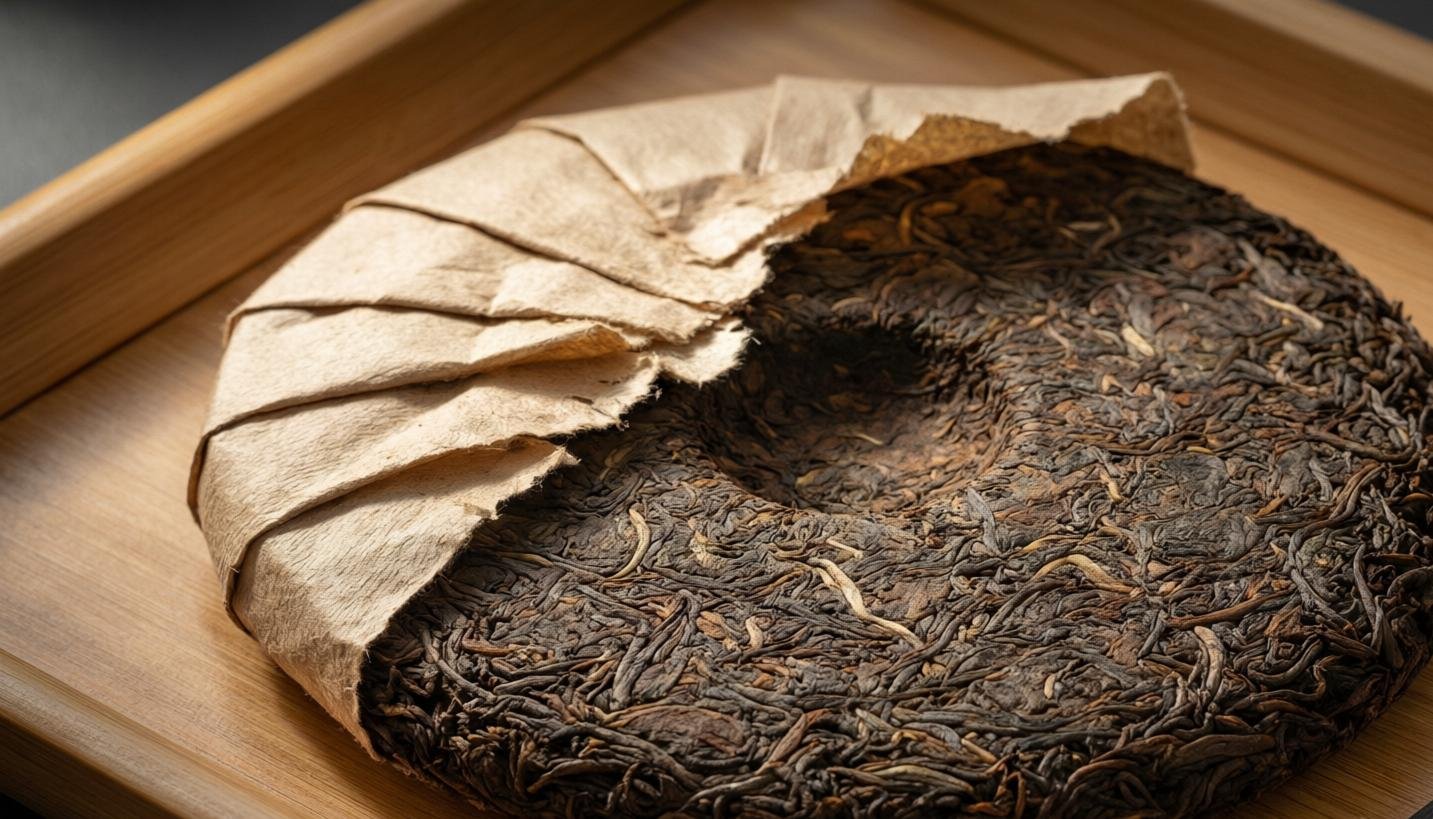
Older Pu-erh does not automatically deserve a higher price. Age adds value only when the storage record is clean, identifiable, and consistent. A cake stored in humid conditions may look older, but it can also develop musty notes, thin mouthfeel, or hidden mold. Such lots should not command the same price as carefully stored tea of the same age.
Before paying an age premium, ask where the tea was stored, whether the storage was wet or dry, and whether the cake shows loose wrapper movement, broken edges, off-colors, or an unexpected smell. Ask if the tea was re-wrapped or if the lot has changed hands without storage records. The price should reflect condition, not the year printed on the wrapper.
Compare Supplier Quotes Without Guessing
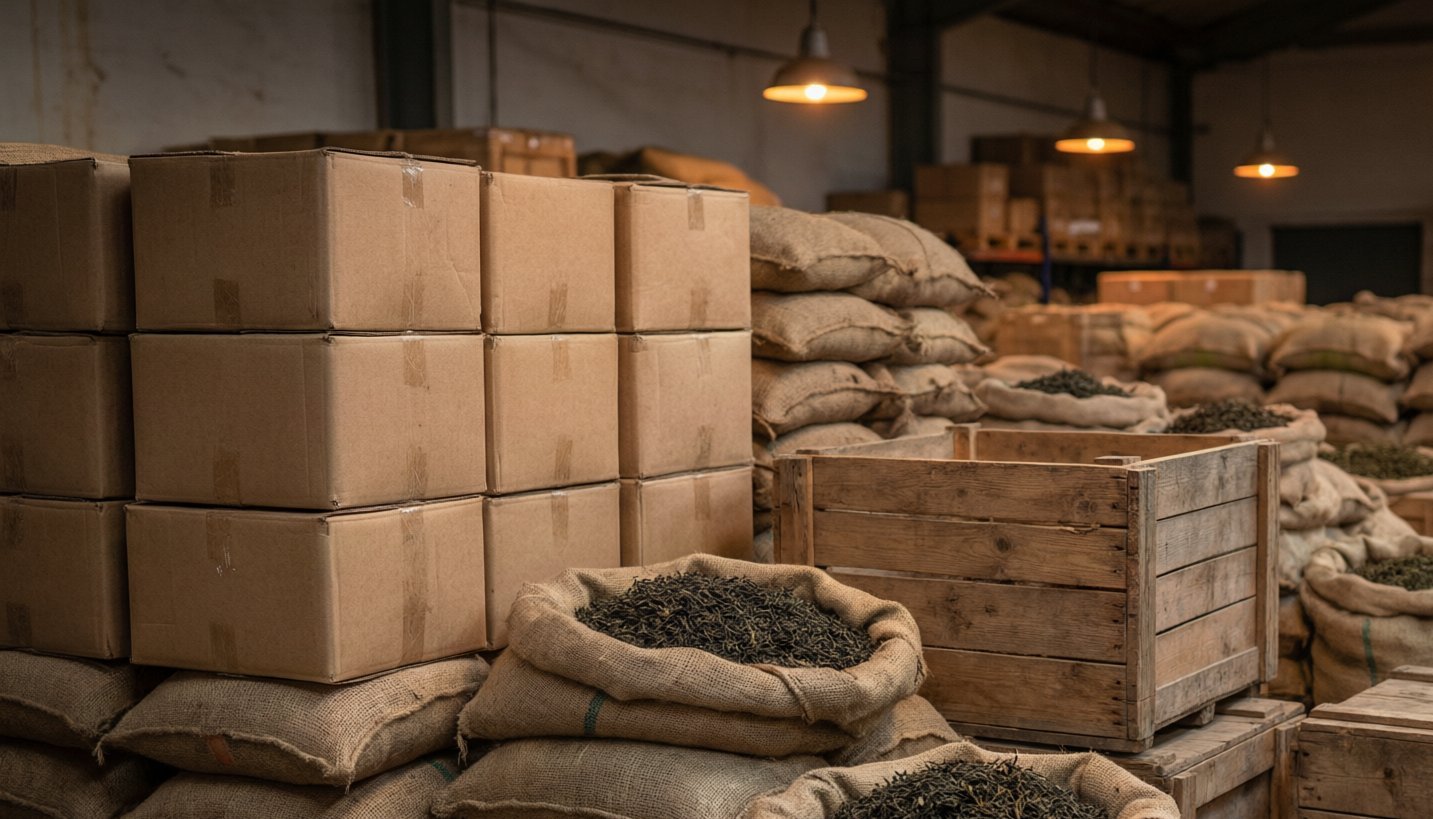
Two suppliers can quote the same tea name at very different prices and both be quoting real lots. The difference is usually hidden in the unit, the grade, the sample basis, or the shipment terms. Work from a landed cost per kilogram rather than a bold sticker price.
A simple comparison formula is:
Landed cost per kg equals the tea price multiplied by quantity, plus freight, duties, and fees, divided by the net weight after deducting packaging and extra tare.
If the quote is not based on net tea weight, the price is not yet comparable. The table below shows the line items that matter most.
| Line item | What to accept | Why it matters |
|---|---|---|
| Tea price | Price per kilogram or per cake with clear weight | Hidden packaging weight can inflate the real unit price |
| Storage | Named region and condition history | Age claims without storage history are weak evidence |
| Sample | Pre-shipment sample from the production lot | A website photo does not represent a bulk lot |
| Certificates | Applicable food safety or testing documents | Safety is separate from a wrapper claim |
| Defect terms | Moisture, mold, or damage replacement terms | Dispute handling should be agreed before payment |
A quote that only lists a cake count and total price gives you little to compare. Ask the supplier to break the price into weight, grade, and condition.
Price Traps That Make Cheap Pu-erh Expensive
The lowest quote is not usually the best deal. Very cheap Pu-erh often signals summer material, heavy chop, broken leaf, recompressed leftover material, or a mislabeled origin. Some lots are pressed tightly to hide thin leaf or blended with older, unsold material. If the leaf breaks into dust easily or the cake has an unexplained earthy or sour smell, the discount may create a much higher cost later.
High prices can be just as risky. A famous village name without lot proof, an ancient tree claim without picking records, or an old tea claim without storage trace can all be used to justify a premium the lot does not support. In some cases, the gift box, book, or display packaging costs more than the tea inside. Buyers should separate packaging value from tea value.
What To Check Before You Pay
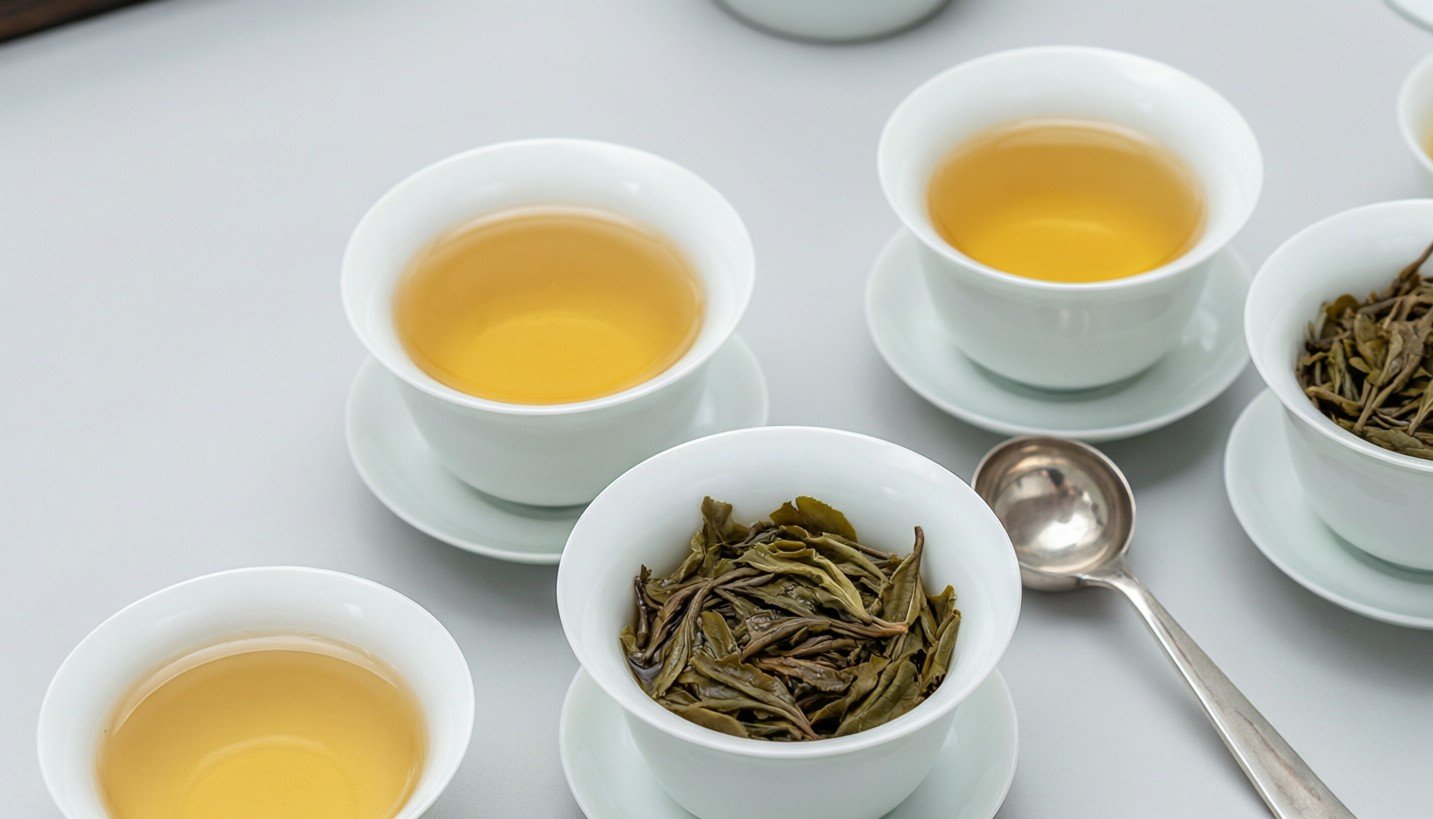
Before committing to a large order, request a pre-shipment sample from the same production lot and compare it with the quote. Check the leaf size and stem content, the color and clarity of the liquor, the finish after several infusions, and whether the tea leaves any harsh aftertaste. Ask for a second sample if the first seems too polished or if the supplier asks you to judge only by photos.
Confirm the shipment packaging, the moisture protection, and the claim process for defects discovered on arrival. A smaller trial order is a reasonable first step for a new supplier, because it limits exposure while you verify that the bulk lot matches the sample. This is a standard sourcing control, not a reason to accept a higher price.
Get a Comparable Yunnan Pu-erh Quote
If you already have an offer, send the line details to Chinese tea suppliers for a direct comparison. Include the origin, year, raw or ripe type, cake size or loose leaf form, target quantity, storage history, and the price per kilogram. The clearer the quote, the easier it is to see whether you are paying for tea or for a wrapper claim. Contact 427728483@qq.com with the lot details and the current price you are comparing.
Frequently Asked Questions
What is a reasonable price for Yunnan Pu-erh tea?
There is no single reasonable price. The acceptable number depends on origin, harvest season, leaf grade, age, storage condition, and whether the lot is raw or ripe. Compare net price per kilogram and require the supplier to explain what supports the asking price.
Is raw Pu-erh always more expensive than ripe Pu-erh?
No. Famous raw Pu-erh can be expensive, but ripe Pu-erh also carries fermentation, blending, and clean storage costs. A well-made ripe tea is not automatically a lower-class product, and a rough raw tea is not automatically valuable.
Does older Pu-erh always justify a higher price?
No. Age is only valuable when the storage is clean and the provenance is clear. Wet-stored, re-wrapped, or damaged tea should not receive the same age premium as a dry-stored lot with a known storage record.
How can buyers avoid paying for a famous village name?
Request lot-specific proof, including origin, harvest date, and batch size. Order a pre-shipment sample from the same lot, compare leaf and liquor quality, and keep the first order small until the bulk material matches the approved sample.
No author description available.

白玉京