How to Verify Authentic Pu-erh White Tea Before You Buy
Authentic Pu-erh white tea is not a single standardized grade, so the first step is to clarify what the name means. In most trade use, it refers to white tea from Yunnan, often Yueguangbai or a large-leaf white tea pressed into cakes and stored like pu-erh, so it can darken and soften with age. None of those production details can be confirmed by the label alone. A reliable authenticity check combines dry leaf appearance, brewed liquor, processing records, and a careful look at the claims the seller makes.
Clarify What Pu-erh White Tea Means Before You Inspect
If a supplier uses the term without explaining processing, ask whether the material is white tea or fermented pu-erh. Genuine white tea goes through withering and drying instead of kill-green, rolling, and pile fermentation. Yunnan versions can be pressed into cakes, but pressing and aging do not change the tea into pu-erh. The distinction matters because those two paths produce different colors, aromas, and price logic. If the seller cannot say which path the lot followed, treat that as an unresolved red flag rather than proof of a fake.
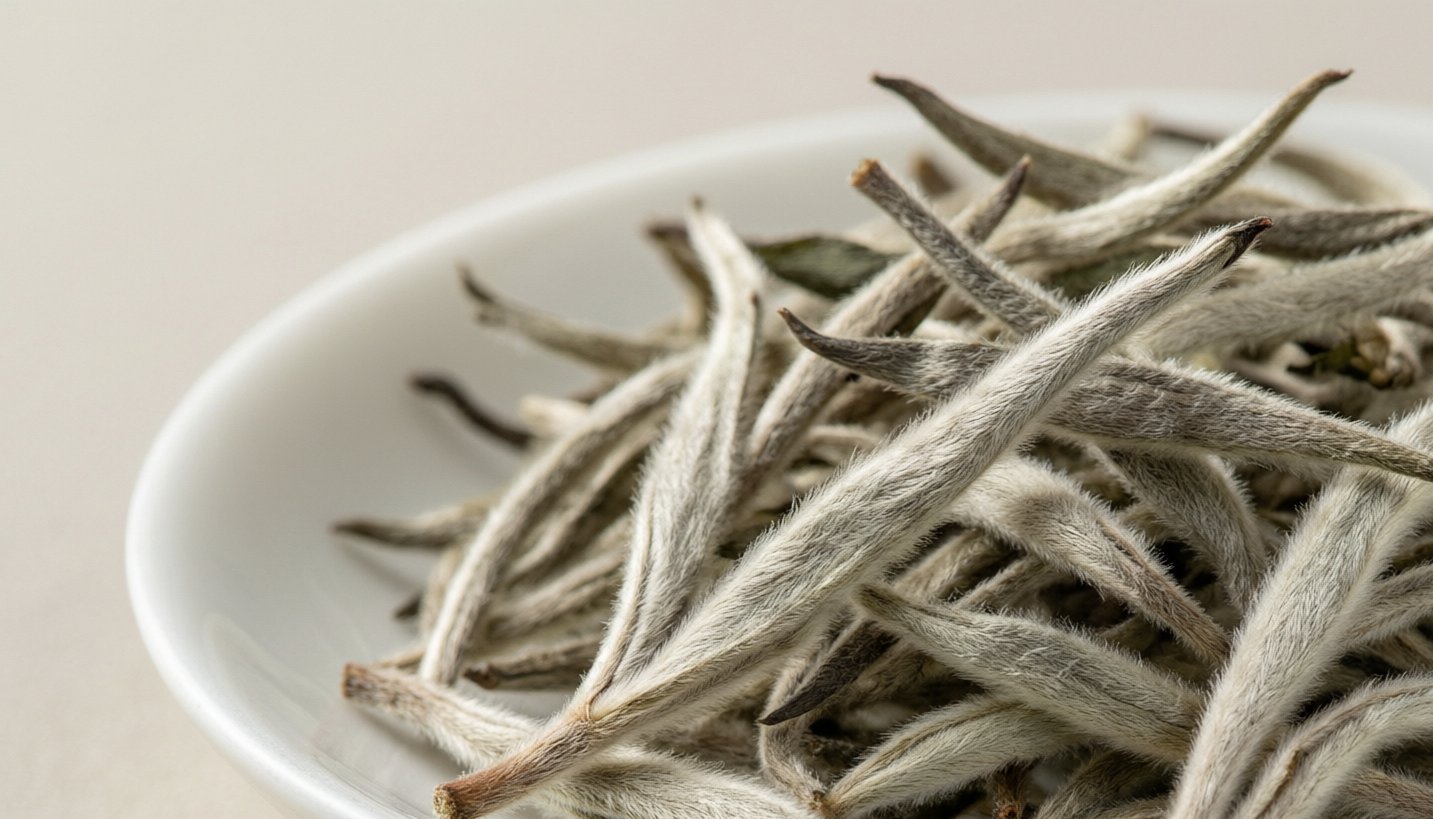
Check the Dry Leaf for Uniformity, Color, and Markings
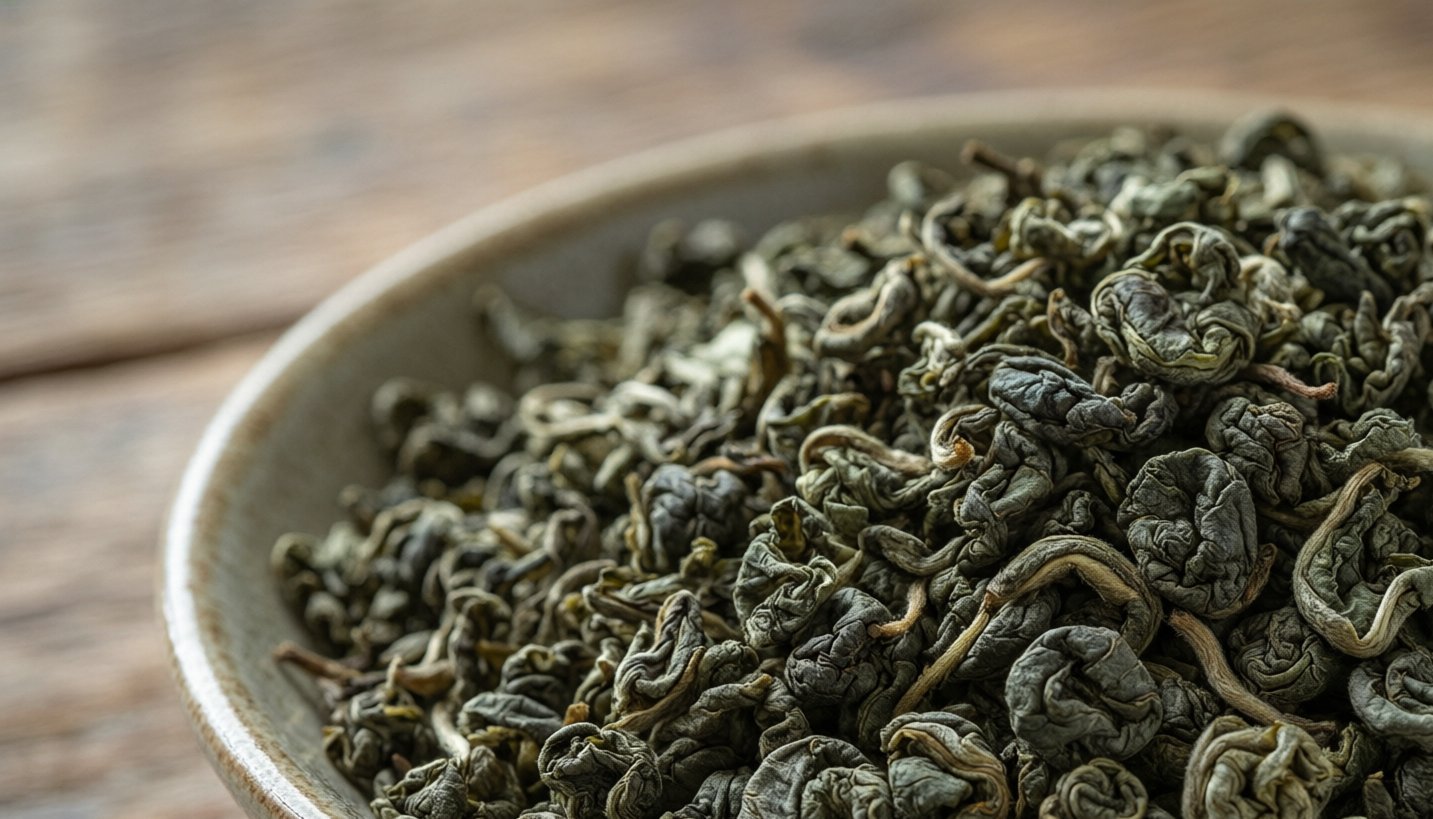
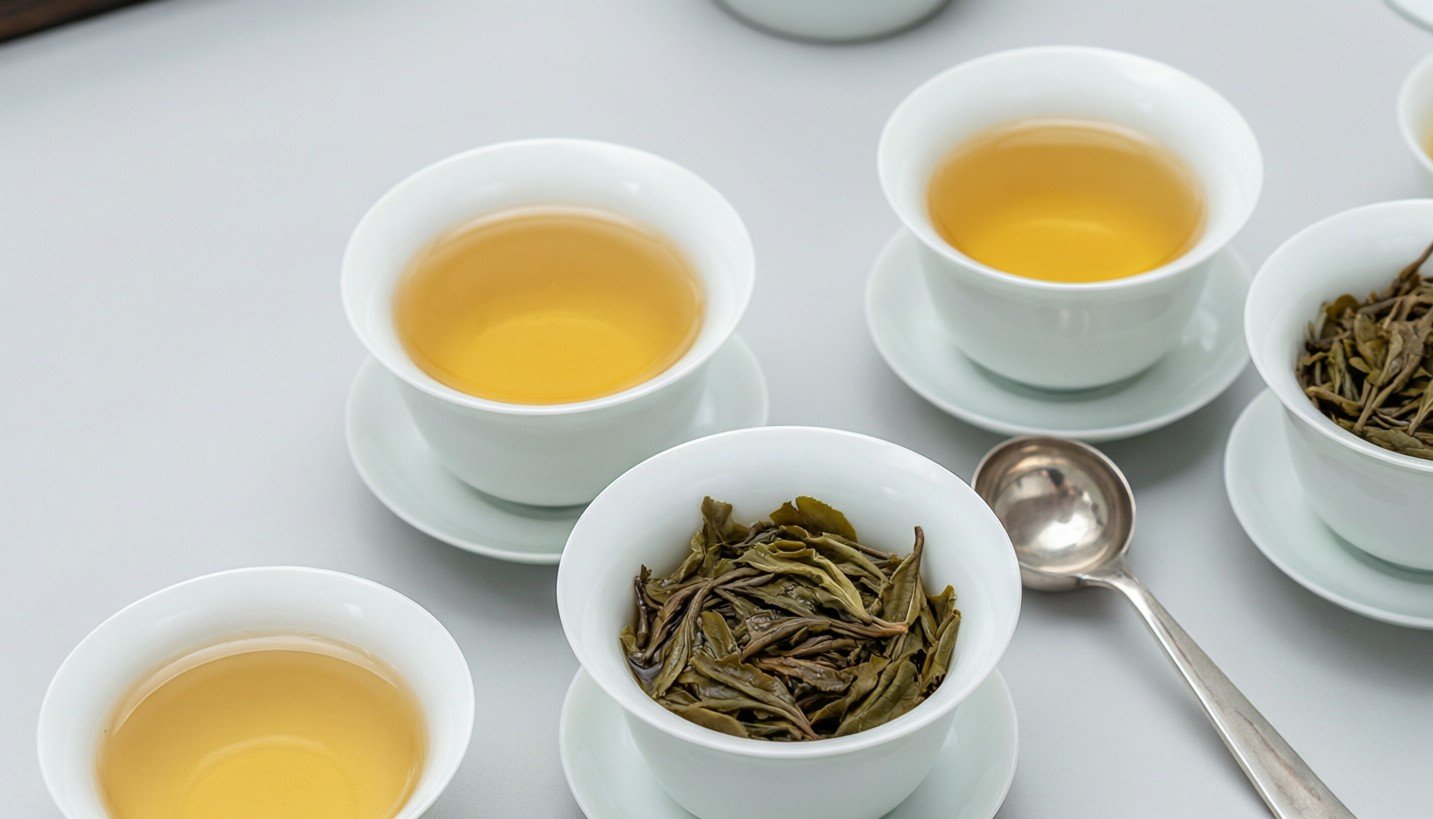
Spread the leaf or break a small piece from the cake. A genuine large-leaf white tea usually shows a mix of silver tips and grey-green or brown leaf, depending on age. Older material can turn reddish brown, but it should still look like leaf tissue rather than bark, dust, or plastic-like flakes. The color should not be perfectly uniform black, bright green, or orange all the way through. Check for musty black spots, white mold threads, or an oily sheen that suggests coating. None of these appearance points works alone, but several mismatches together should stop the purchase.
| Observation | What it can support | What it cannot prove |
|---|---|---|
| Silver tips with grey-green or brown leaf | Large-leaf white tea with some age | That the lot came from a specific village |
| Uniform black-brown pieces | Heavy oxidation or possible imitation | Authenticity or absence of flavoring |
| Bright green, rolled pellets | Green tea or oolong processing | Age or warehouse history |
| White fuzz on the surface | Natural bud down on some leaf | That mold is absent |
| Musty black spots or sour smell | Poor storage or contamination | That the entire cake is safe |
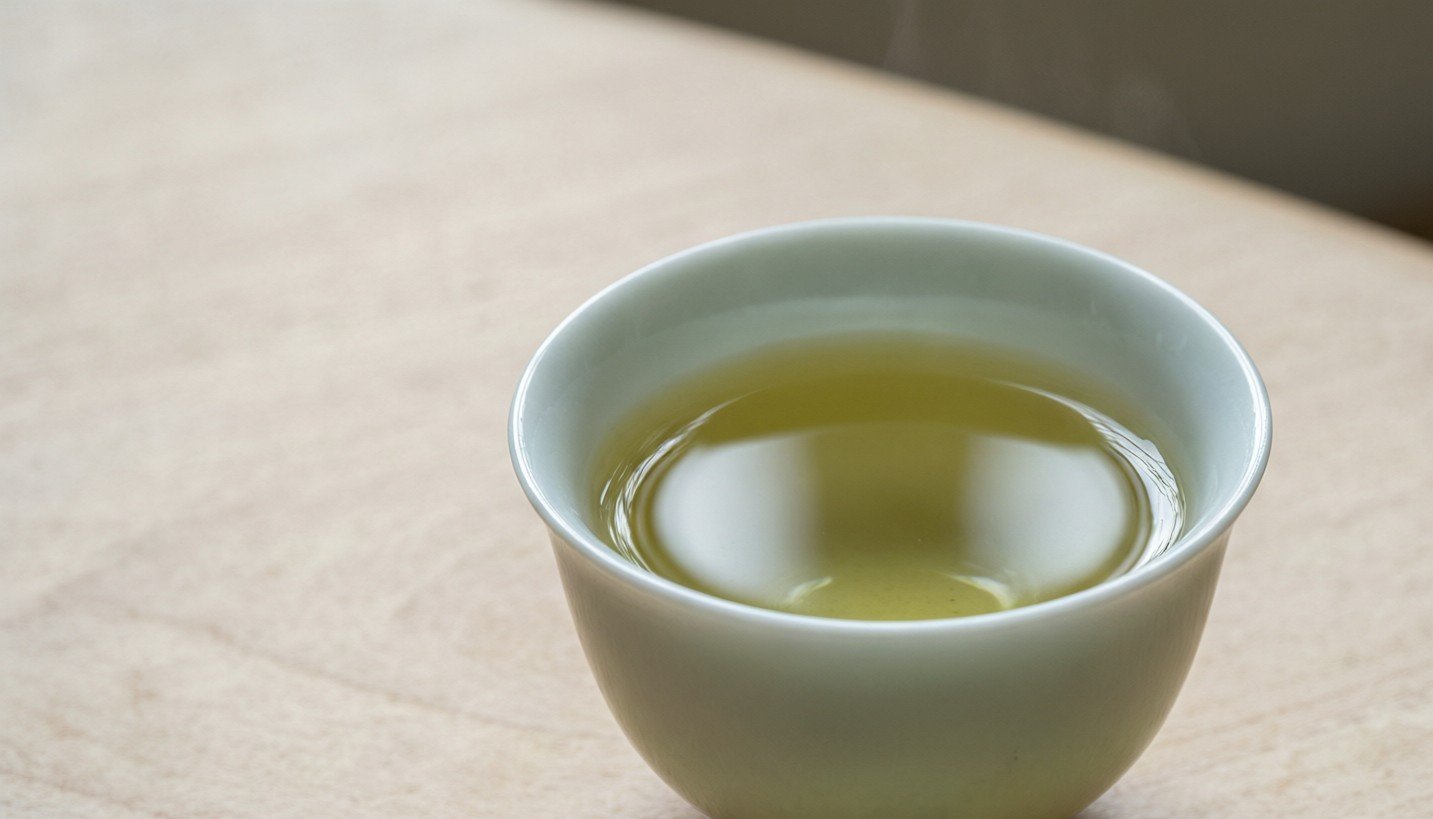
Brew a Small Sample and Read the Liquor
Use a neutral white porcelain cup and about 5 grams of leaf for 100 ml of water just off the boil. A young, dry-stored white tea should give a pale yellow or light gold liquor with a soft, sweet, melon-like or herbal finish. Wet-stored or older cakes may give amber or honey color with a smooth, earthy sweetness. Reject a liquor that is muddy grey, sharply sour, bitter without a returning sweet finish, or smells of damp cloth, plastic, or perfume. Wet-storage aroma can be legitimate in some aged teas, so compare it with the claimed storage history before calling it fake.
Ask for the Processing and Storage Record
The most useful paperwork is not a generic certificate. Ask for the harvest year, harvest season if relevant, garden or prefecture, cultivar, processing method, pressing date, and storage location. A lot number should connect the invoice to the cake and any sample. If the seller claims long natural aging, request at least a short note on warehouse type and any turning or inspection dates. This record does not make a cake authentic by itself, but it gives you something to compare with the leaf, liquor, and price. If the vendor refuses to share basic lot information, the safer choice is to move on.
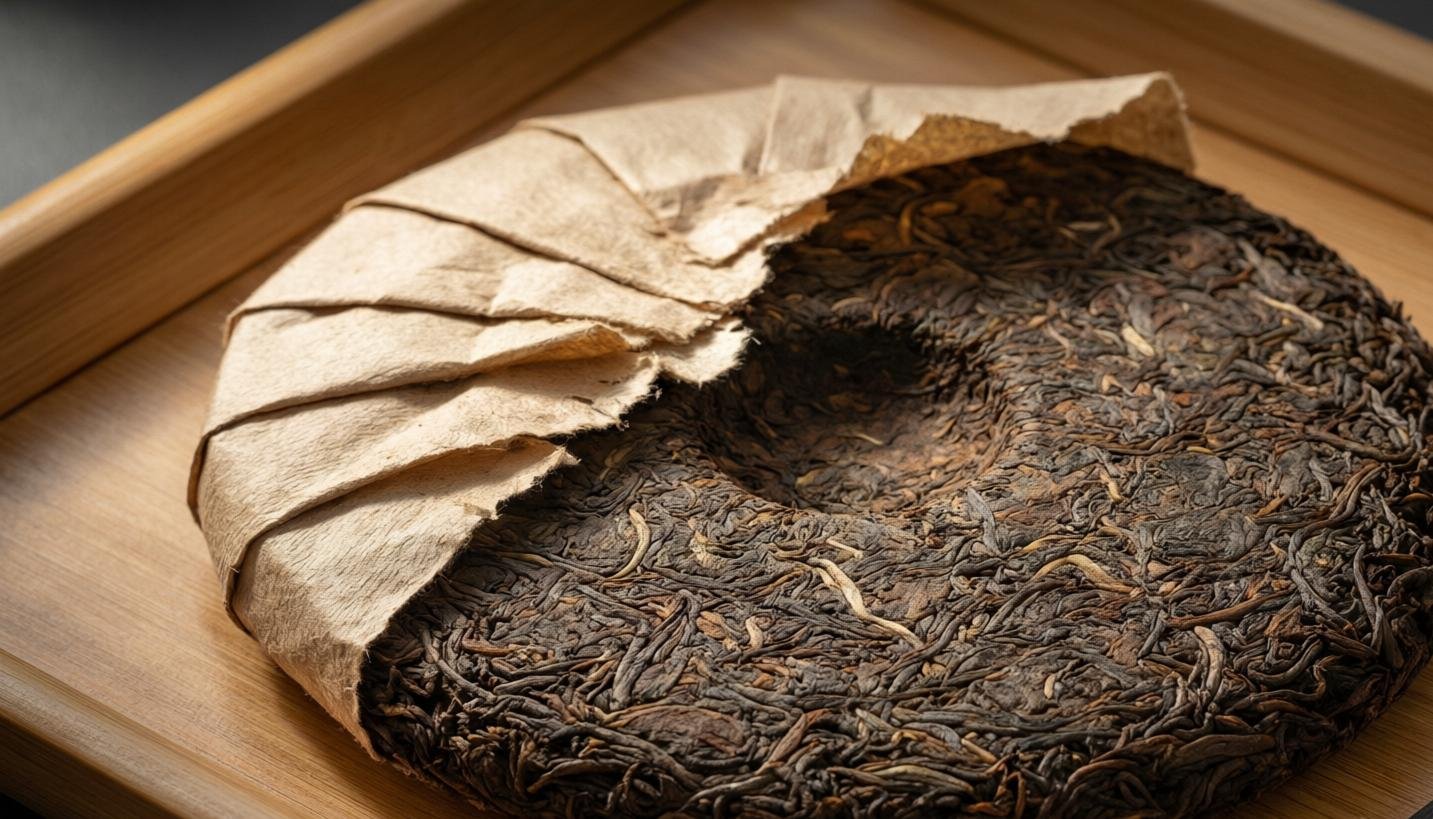
Separate Real Product from the Most Common False Claims
Price is a useful filter. Very old, wild-tree, or famous-village white tea at an entry-level price is more likely a story than a finding. Be cautious with labels that mention famous Yunnan villages but do not name a garden, lot, or harvest year. The same applies to terms like ancient tree, wild, or factory aged when they are used as decoration. A wrapper can be reprinted, so compare whether the claimed age matches the dry leaf and liquor. One inconsistent point may have an innocent explanation, but a pattern of vague origin, no lot data, and a too-good price is enough to pass.
Confirm the Lot Before You Commit
Before you buy, send the dry leaf photo, the brewed liquor color, the wrapper, and any lot or storage note to Chinese tea suppliers at 427728483@qq.com. Include the harvest year and processing description if the seller supplied them. A quick check against the lot's stated origin and age can help you decide whether the tea matches its price. If the offering is bulk or wholesale, ask for a representative sample first rather than committing to a full case.
FAQ
Is pu-erh white tea the same as pu-erh tea?
No. Authentic white tea is not pile fermented. It may be pressed and aged like pu-erh, but the processing path is withering and drying. The label can be confusing, so ask the supplier to explain whether the leaf was fermented or simply aged as white tea.
Can a wrapper prove the lot is authentic?
No. Wrappers and packaging can be replaced or reprinted. Use the wrapper only as one reference. Match its claimed year, factory, or storage against the dry leaf color, brewed aroma, and any lot number or invoice.
What are the most common fake red flags?
Look for uniform black-brown leaf, an oily or plastic-like surface, sour or musty smell, muddy liquor, a very low price for old or famous-village tea, and no lot data. One flag does not prove a fake, but several flags in the same lot justify walking away.
Does an aged white tea always taste darker and smoother?
Often, but storage conditions change the result. Dry-stored white tea can stay light and sweet. Wet-stored white tea can become earthy and amber. Use the storage record to decide whether the taste matches the age claim.
No author description available.

白玉京