Tieguanyin Fresh Tea vs Similar Oolongs: A Buyer’s Guide
Tieguanyin fresh tea is best understood as a style, not a single fixed flavor. A lightly oxidized Anxi oolong can taste like orchid, cream, and fresh leaf, while a more traditional roast can lean nutty, warm, and mineral. That split matters before you compare it with other teas, because the comparison changes depending on which Tieguanyin you are holding. When buyers ask how it compares, the useful answer starts with oxidation, cultivar, and whether the tea was finished light or roasted.
What Fresh Tieguanyin Actually Is
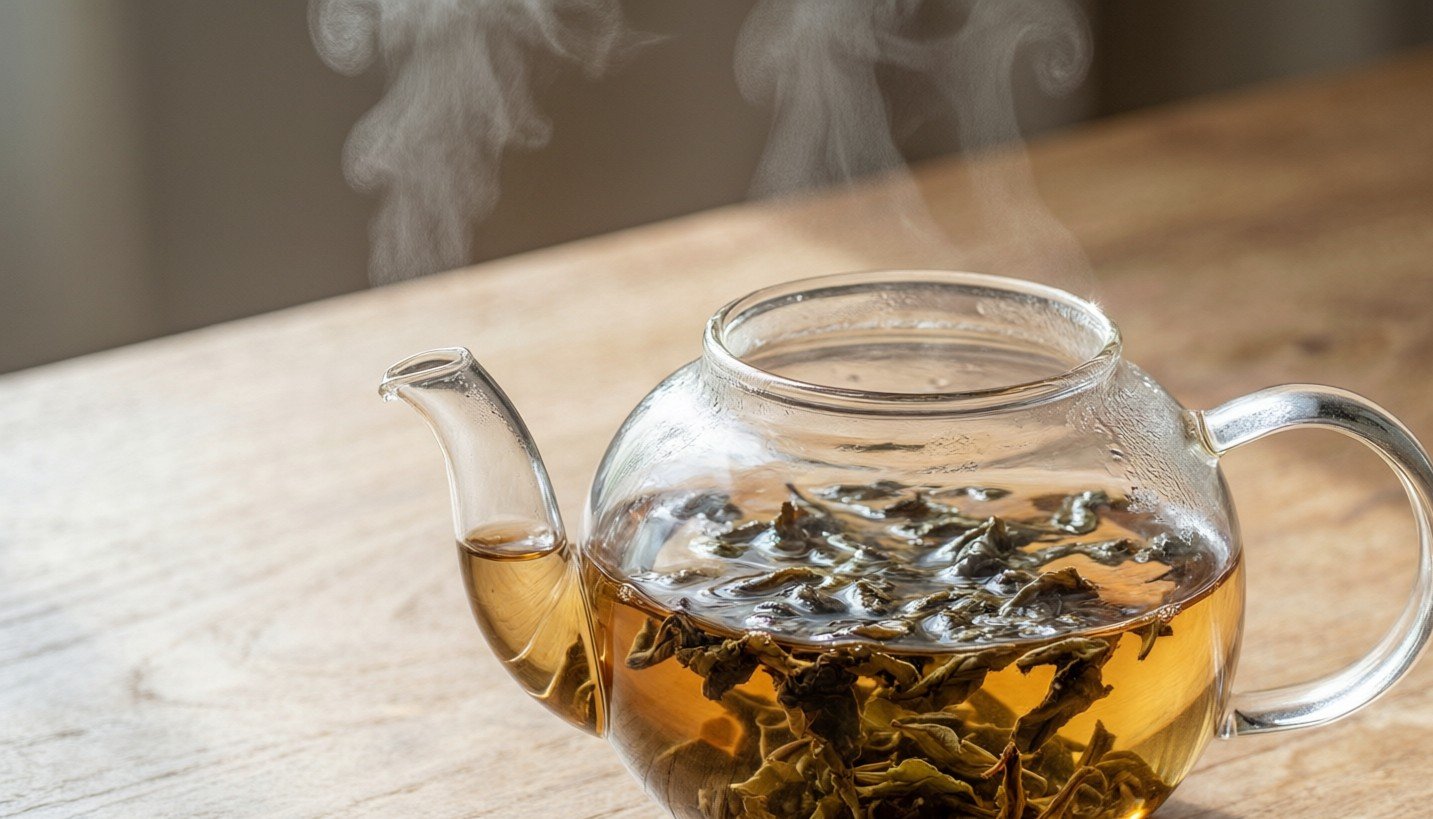
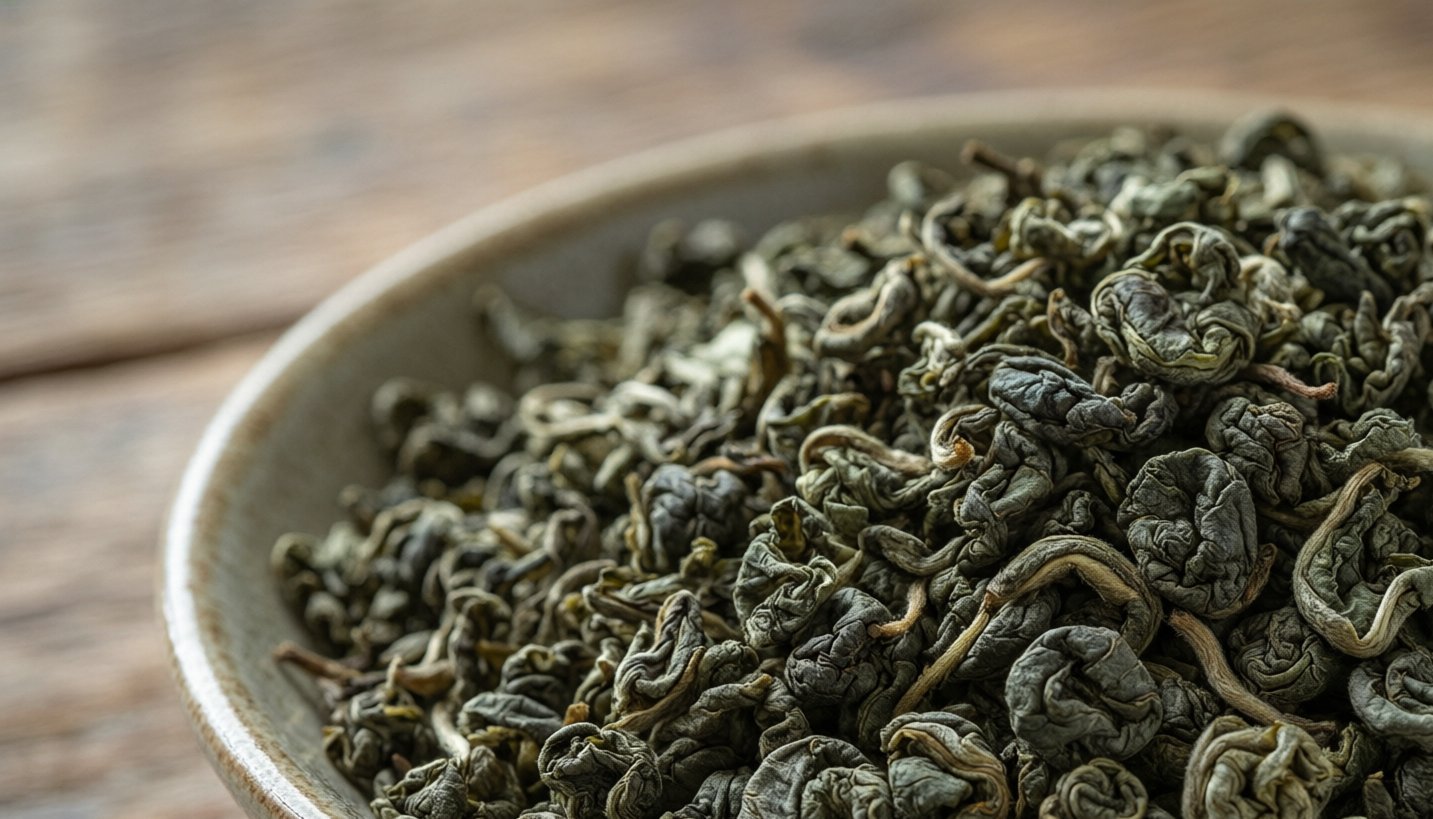
Anxi Tieguanyin is an oolong, not a green tea, but the fresh or qingxiang style is often finished light enough to look and feel close to a green tea. The leaves are tightly rolled into small green beads that open across several infusions. The characteristic aroma is bright and floral, often described as orchid, with a smooth but lively mouthfeel and a short, clean finish. A traditional roasted Tieguanyin, by contrast, can taste darker and warmer, with a biscuit-like or nutty character and a longer aftertaste. That is the first checkpoint for any comparison: identify whether the sample is light, medium, or heavily roasted before comparing it with another oolong.
Tieguanyin vs Other Anxi Oolongs
Anxi produces several oolongs that can be mistaken for Tieguanyin. Benshan and Maoxie are close relatives in the same county, while Huangjin Gui has a louder floral character. They are useful comparison points because they often share the same tight-rolled shape, tea region, or naming habit, but they are not identical in cup performance.
| Tea | Common profile | Where it differs from fresh Tieguanyin |
| Tieguanyin fresh | Orchid, cream, clean floral finish | The baseline for comparison |
| Huangjin Gui | High floral, sharper, sometimes lemony | More forward aroma, less creamy and round |
| Maoxie | Fresh green, slightly vegetal, lighter body | Thinner depth and a more delicate structure |
| Benshan | Similar floral direction, softer structure | Can be more subtle and harder to separate |
None of these names by itself is a quality grade. The dry leaf color, twist tightness, and brewed texture tell you more than the label. Ask for a cupping sample of each if the supplier positions them as alternatives.
Tieguanyin vs Fenghuang Dancong
Both are famous aromatic oolongs, but they come from different leaf shapes and processing traditions. Fenghuang Dancong is usually a twisted strip-style leaf, not a tight bead. Its aroma can range from honey and peach to almond, gardenia, and orchid depending on the cultivar, while fresh Tieguanyin tends to stay on a cleaner orchid-and-cream line. In the cup, Dancong can feel more perfumed and mineral, with a quicker bitterness when oversteeped. Tieguanyin is often softer and more forgiving at the table. For a tea menu, they are not direct substitutes; they create different aromatic effects.

Tieguanyin vs Taiwan High Mountain Oolong
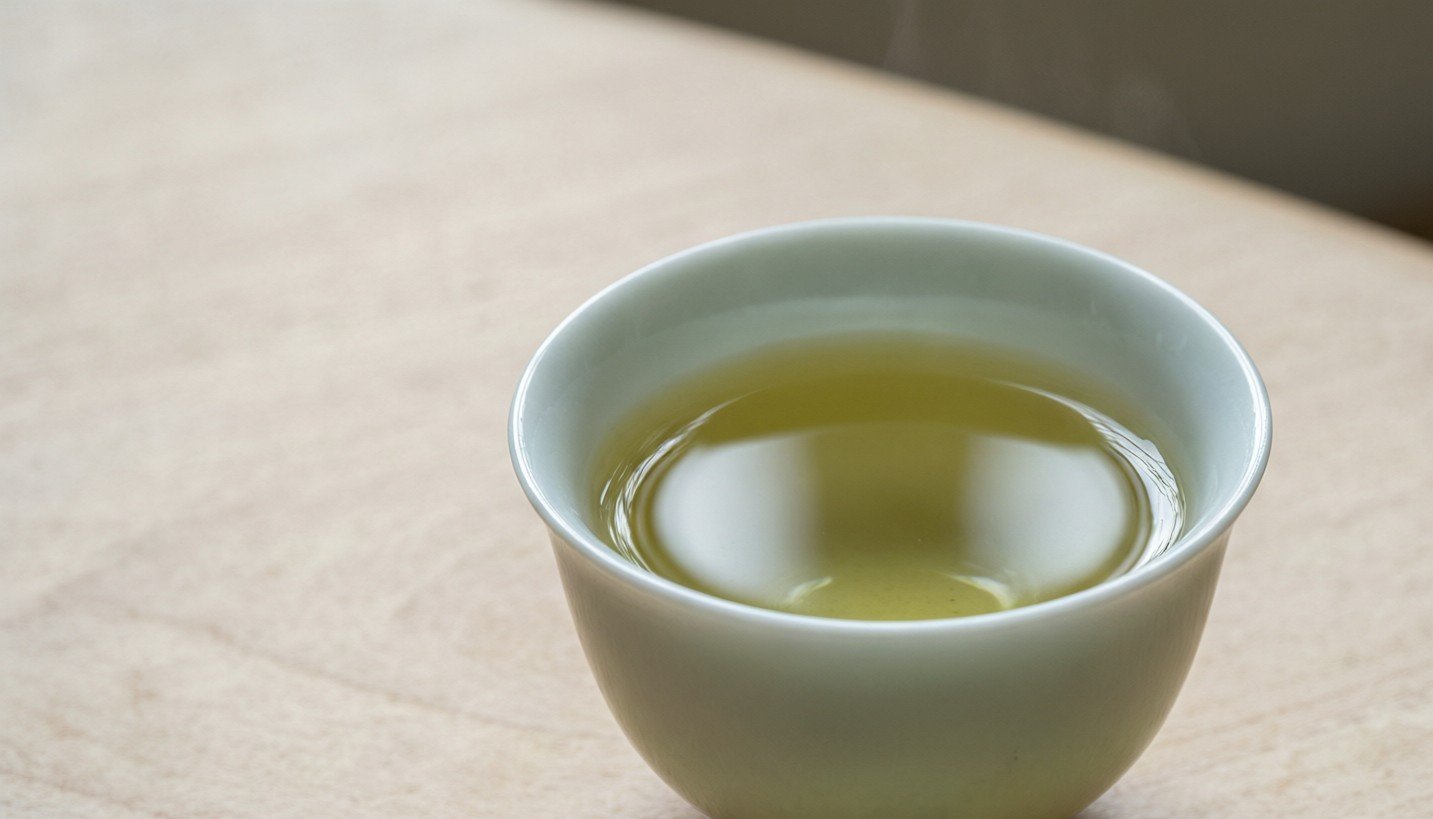
Taiwan high mountain oolong shares the bright floral and creamy qualities that make fresh Tieguanyin popular. Alishan, Lishan, and other high-elevation lots tend to be tightly rolled, with a cooler, greener, more viscous texture. Tieguanyin can be just as floral, but the aroma is often warmer and more direct, and the finish is crisper. In the cup, fresh Tieguanyin usually shows a bright yellow or greenish-yellow liquor, while high mountain oolong can be slightly greener with a thicker mouthfeel. For wholesale positioning, high mountain Taiwan teas often carry elevation and production premiums, while Anxi Tieguanyin can be found across a broader price ladder. The choice is not about which tea is more aromatic; it is about which texture and price position fit the customer.
How Brewing Changes the Comparison
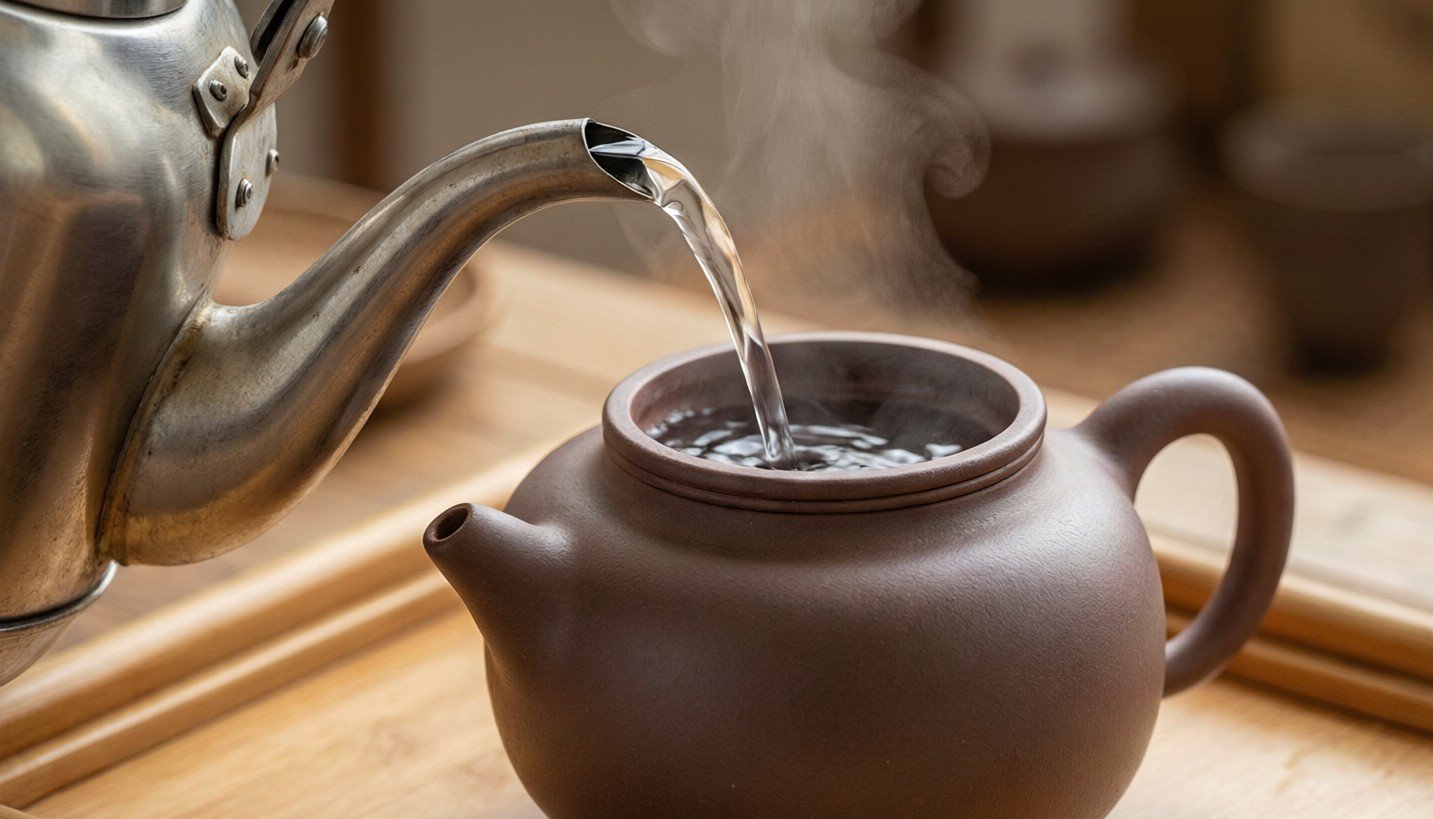
Brewing is where many comparisons collapse. Fresh Tieguanyin gives its best aroma in a gaiwan or small pot, with water near 90°C and short first infusions. Dancong needs equally short steeps and often rewards a slightly higher leaf-to-water ratio. Taiwan high mountain oolong can take slightly hotter water well. If all three are brewed the same way, the more roasted or tightly rolled sample may look flat simply because it was not given enough time to open. When tasting to compare, use the same vessel, leaf weight, water volume, and pour timing, then note the empty-cup aroma after the liquor is drained.
What to Check Before Buying
- Ask for the oxidation and roasting style, not just "Tieguanyin." Fresh and roasted lots should be bought differently.
- Ask for harvest season. Autumn Anxi Tieguanyin is often more fragrant and structured than spring in the light style, but both can be excellent.
- Confirm leaf shape and cultivar if the price looks unusually low; Benshan and Maoxie are legitimate teas but should be labeled accurately.
- For fresh Tieguanyin, check vacuum packaging and storage temperature. The light aroma fades faster than a roasted oolong's aroma.
- Request a brewed sample, not only dry leaf. The comparison should include liquor color, aroma, mouthfeel, and aftertaste.
Tell Us Which Teas You Are Comparing
Use the same tasting structure if you are choosing between Tieguanyin and another oolong. Send our sourcing team your target oxidation style, harvest season, packaging size, price range, and the specific tea you want to benchmark. We can prepare a short cupping set with matching leaf weight and brewing notes. Contact Chinese tea suppliers at 427728483@qq.com.
FAQ
Is fresh Tieguanyin the same as green tea?
No. It is a lightly oxidized oolong. Green tea is fixed earlier to keep a more vegetal profile, while Tieguanyin goes through bruising and light oxidation that develop its orchid and cream notes. If a sample tastes only grassy, compare it with green tea rather than a light oolong.
What is the closest tea to fresh Tieguanyin?
The closest common alternatives are Benshan and Maoxie from Anxi, plus some light Taiwan jade oolongs. Benshan is close in aroma but softer and thinner; Maoxie is more vegetal; Taiwan jade oolongs are creamier. A side-by-side cupping is the most reliable way to separate them.
Why does one Tieguanyin taste floral and another roasted?
The difference is mainly oxidation and roasting. Fresh or qingxiang Tieguanyin is finished lighter and keeps a green, floral character. Traditional nongxiang Tieguanyin is roasted longer, which shifts the taste toward toasted grain, nuts, or caramel. A clear label should state which style it is.
What should buyers look for in fresh Tieguanyin?
Look for tight, uniform dry leaves and a fresh, clean floral aroma. The brewed leaf should open fully without muddiness, and the liquor should be bright yellow or greenish yellow. Proper vacuum packaging and cool storage matter because the light style loses aroma faster than roasted Tieguanyin.
No author description available.

白玉京