Storing Jinjian Tea: 5 Mistakes That Kill Flavor
Storing Jinjian tea well comes down to controlling five things: moisture, light, odor, heat, and air contact. Most flat or sour cups are not caused by old leaves. They come from one of these storage failures working on the tea after it leaves the supplier. Jinjian tea is a compressed dark tea from Sichuan, and its pressed form is an advantage because the inner leaves are partly protected from outside air. The job of storage is to keep the outside environment stable enough for that protection to do its work.
| Storage factor | What goes wrong | Better practice |
|---|---|---|
| Moisture | Trapped humidity makes the tea sour, musty, or moldy | Check the wrapper and leaf before closing the container |
| Light | Ultraviolet light fades aroma and speeds surface oxidation | Use an opaque jar or a closed cabinet |
| Odor | The leaves absorb coffee, spice, and cleaning smells | Store tea away from food and chemical storage |
| Heat | Warmth accelerates chemical change and flattens the cup | Keep the tea at a cool, steady room temperature |
| Air contact | Too much airflow dries the outer leaves and loses top notes | Keep the brick whole and open it only when needed |
The table shows the failure, but a good cabinet will not rescue tea that is already damp. Check the wrapper and the exposed leaf before you put the brick away.
What Moisture Does to a Jinjian Brick
Jinjian tea is hygroscopic, meaning the leaves take up moisture from the air around them. When the brick is sealed in plastic while it is even slightly damp, the trapped humidity moves back into the outer leaves. That is when the tea begins to smell sour or musty instead of earthy and clean.
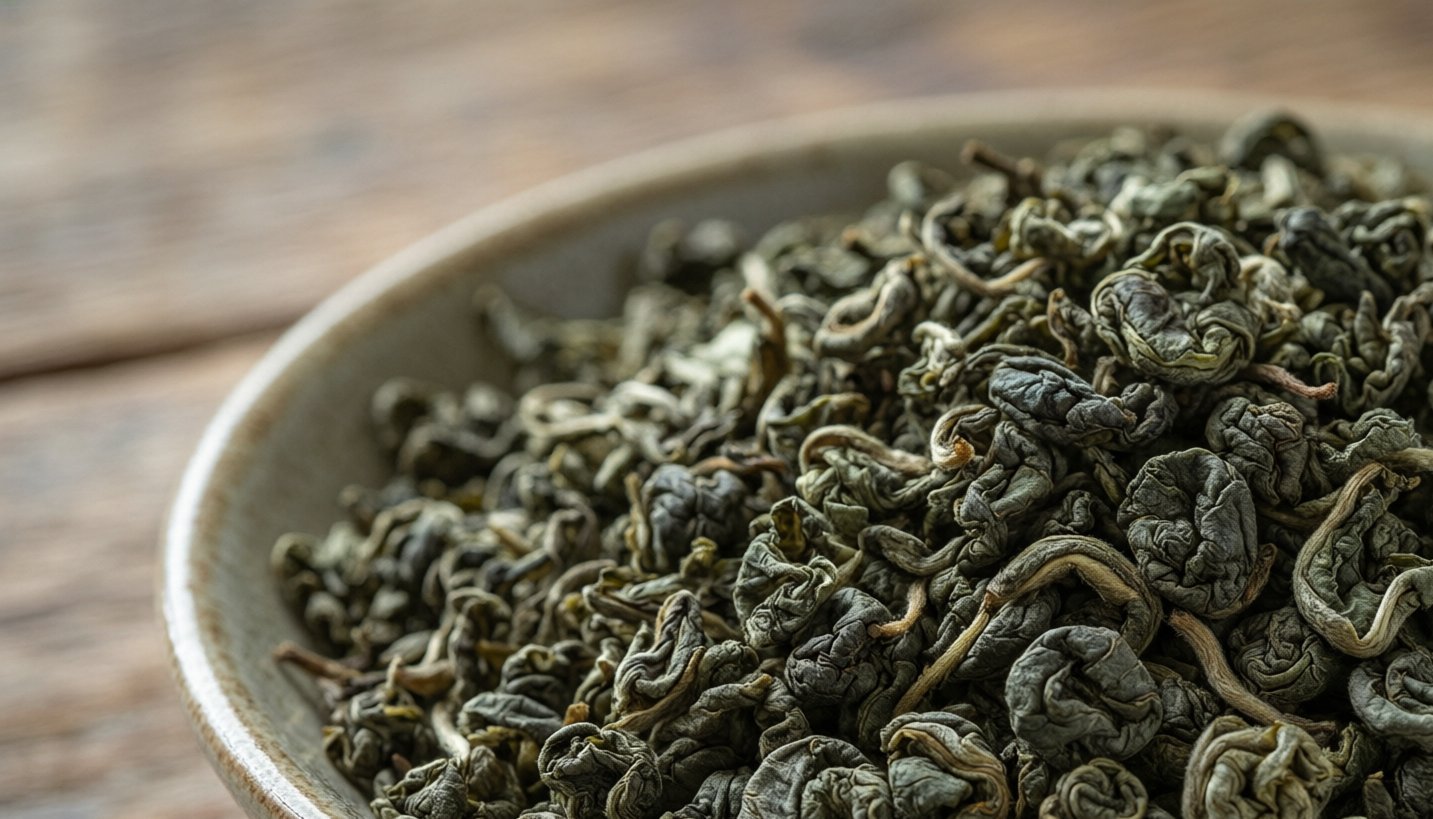
Before storing, feel the paper wrapper. If it feels soft or cool against the brick, let the tea rest in a clean, shaded, odor-free space for a day before you pack it away. The inner part of a compressed brick can also lag behind the outside after shipping. If the brick arrived in a hot container or moved through humid weather, a short conditioning rest is more useful than immediately sealing it.
How to Check Before You Put It Away
Break off a small corner, if you bought the brick for drinking rather than long holding, and smell it. A clean Jinjian tea should smell dry, slightly sweet, and earthy. A sharp sour note, a flat cardboard smell, or any visible white or gray growth means the tea needs to be separated from the rest of your stock. One damaged brick can pass moisture and odor to nearby tea.
Why Light and Heat Flatten the Aroma
Direct light does not just warm the tea. It breaks down aroma compounds and pushes oxidation at the surface of the leaves. A Jinjian brick stored on an open shelf near a window often loses its top notes first, leaving a heavier but duller cup.
Heat makes the problem faster. A hot cabinet, a shelf above a refrigerator, or a room that warms during the day changes the tea's chemistry too quickly. The change is not the same as slow aging. Slow aging in a stable environment can round out a compressed dark tea. Heat stress tends to make the tea taste flat, roasty, or empty.
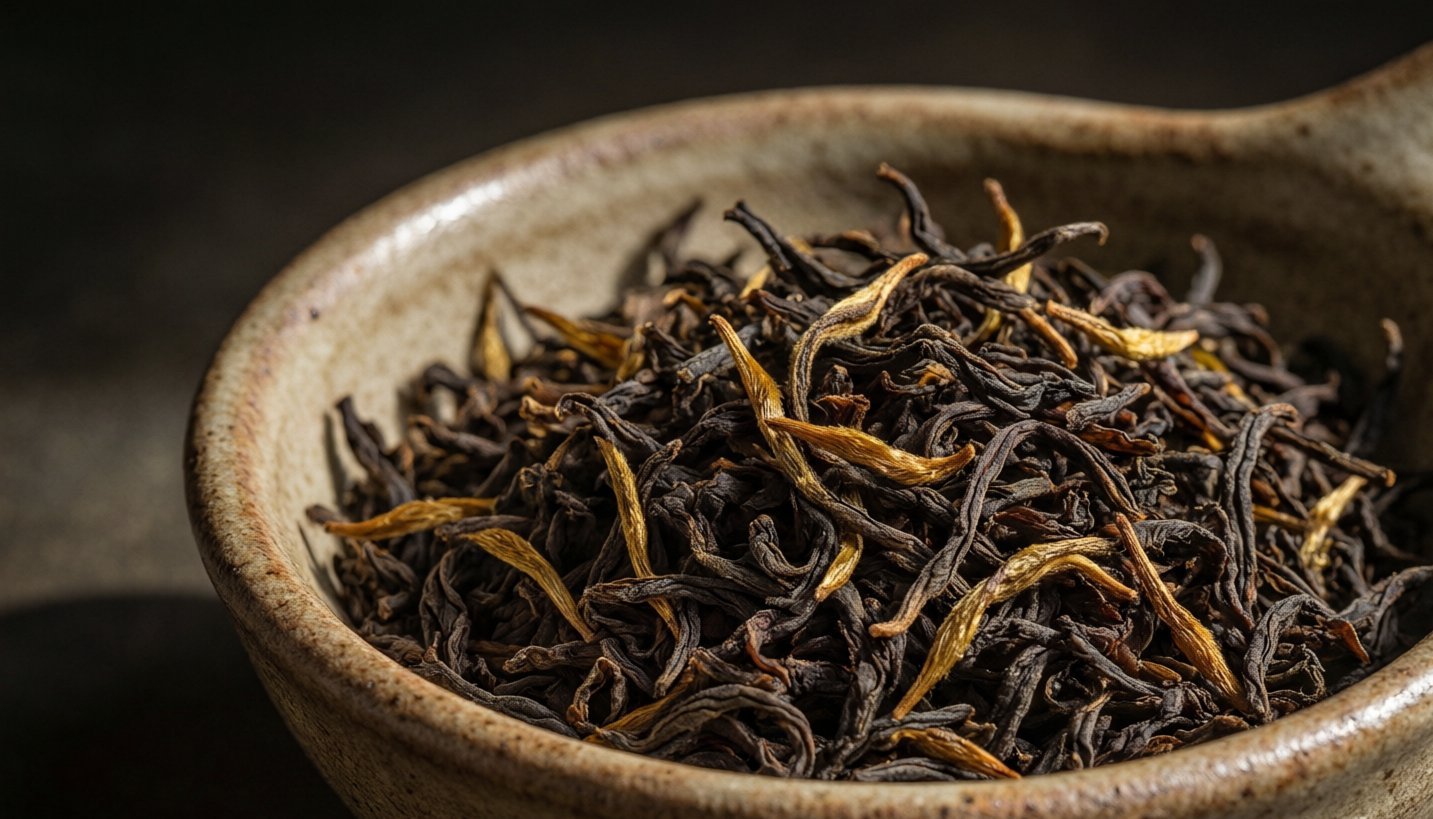
The practical rule is to keep the tea where the temperature does not swing sharply. A cool, dark, dry cabinet away from appliances is usually better than a specialized setup in a room that heats and cools with the weather. Doors and upper shelves can be dramatically warmer than the lower part of a room, so choose the spot with the most stable temperature rather than the most convenient shelf.
How Odor Contamination Changes the Cup
Tea leaves are porous, and Jinjian tea is no exception. The brick will pick up smells from coffee, spices, wooden cabinets with strong lacquer, cleaning products, and even other teas if they are stored loosely together. The damage is usually not immediate. It appears later as a background note that does not belong in the tea.
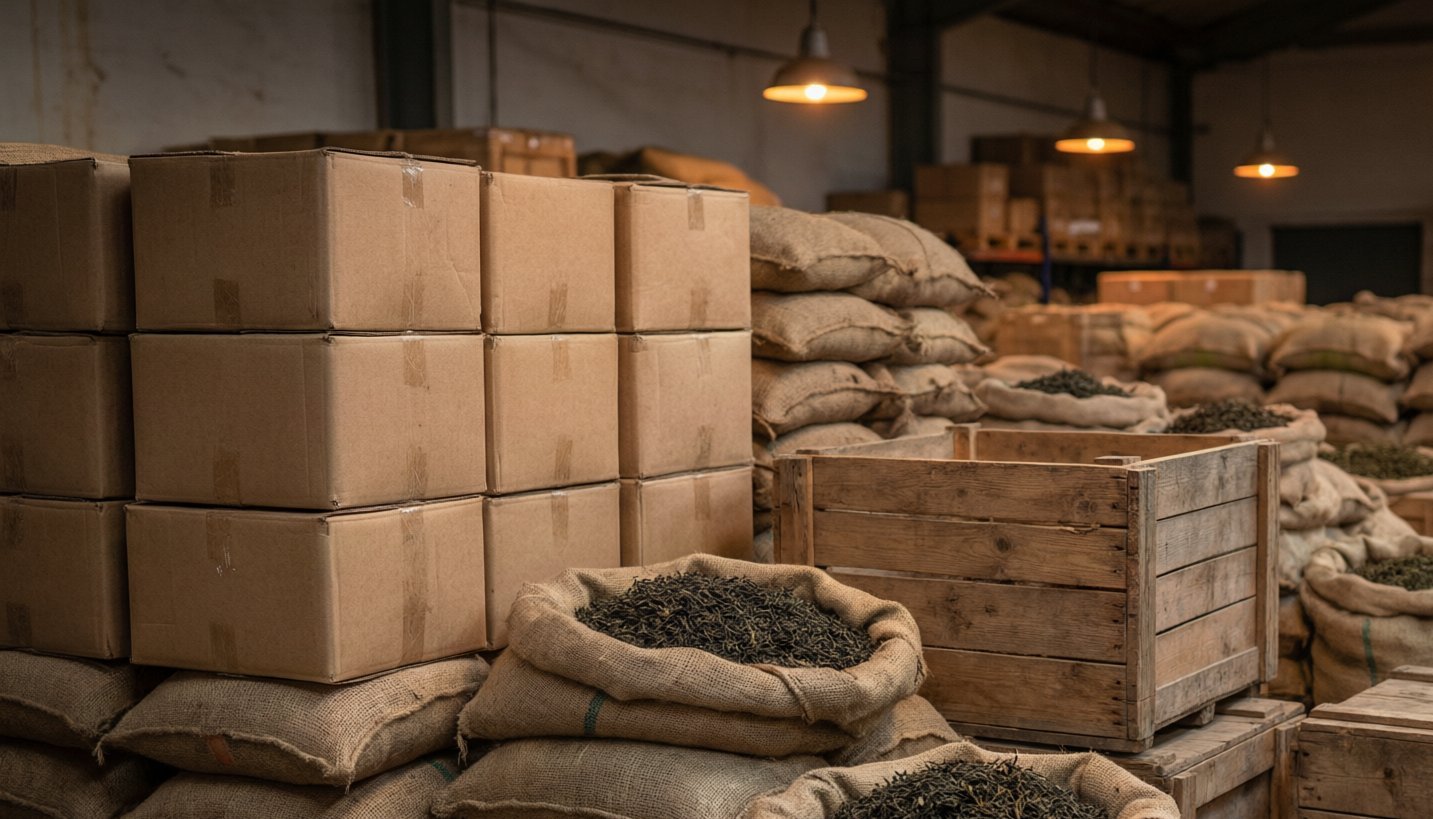
Store Jinjian tea in a food-safe, odor-neutral container. A ceramic jar, a dark glass jar, or a clean food-grade carton can all work. If you keep the brick in its original paper wrapper, that is usually a good base layer, but do not rely on it as a barrier against kitchen smells. Keep the container out of the spice cabinet and away from anything with a strong scent.
Why Too Much Air Is Also a Problem
There is a common assumption that aged tea should be left to breathe. Some air exchange is useful because it lets trapped moisture escape and allows slow change. Too much air, however, dries the surface of the leaves and strips away the volatile compounds that give the tea its high notes.
The safest approach for most buyers is to keep the brick whole and break off only what you plan to drink soon. A whole brick protects its inner leaves from constant air movement. If you break the entire brick into small pieces for convenience, transfer the pieces to an opaque, odor-free jar and use them within a shorter window. Frequent opening of that jar has the same effect as an open basket, because each opening exchanges the air around the leaves.
A Simple Storage Sequence for One Brick
Start with the brick as it arrives. Let it rest if the wrapper feels damp or the tea has just traveled through heat. Remove any non-tea materials that carry smell, including glossy promotional cards or foam packing inside the bag.
Next, put the brick in its container with the original paper wrapper intact. Place the container in a cool, dark, stable cabinet. Do not put it on the floor, under a sink, beside a window, or on top of an appliance.
Check the tea once a month when the season changes or when your storage room becomes humid. Look at the wrapper, smell the container, and break off a small amount to taste if you are storing it for regular drinking. If the cup has become sour, dry, or noticeably weaker, move the tea to a drier, cooler, more isolated spot.

If you are holding multiple bricks, do not stack them in sealed plastic bags against a warm wall. Separate the bricks by batch and label the container with the purchase date, supplier, and any pressing date. That record helps you learn which batch is maturing well and which one is losing aroma.
Source Jinjian Tea You Can Store With Confidence
Before you commit to a larger Jinjian tea order, ask the supplier how the tea was pressed, how it was wrapped, and what moisture control was used before dispatch. If you plan to hold the tea for months before selling or drinking it, request a sample brick first and store it using the sequence above. Then taste it after a few weeks in your own environment.
For a sample or a bulk quote, contact Chinese tea suppliers at 427728483@qq.com. Include the form you want, whether you plan to store the tea long-term, the climate in your destination warehouse, and the volume you expect to hold.
Jinjian Storage FAQ
Can Jinjian tea be stored in the refrigerator?
Refrigeration is not useful for daily Jinjian tea storage. Cold storage creates condensation when the tea is removed, and the leaves can pick up food odors inside the refrigerator. A cool, dry, dark cabinet is more stable and easier to manage.
How long will Jinjian tea keep?
A compressed Jinjian brick can remain drinkable for years when it is kept dry, dark, cool, and isolated from strong smells. The flavor may slowly mellow. Loose Jinjian tea exposes more leaf surface to air, so it is usually better enjoyed sooner.
Should I break the whole brick into smaller pieces for storage?
Keep the brick whole when possible and break off only what you will drink soon. The compression protects the inner leaves. If you do break the whole brick, store the pieces in an opaque, odor-free jar and try to use them faster than you would use the intact brick.
Can I keep Jinjian tea on a shelf next to coffee or spices?
No. The leaves absorb surrounding odors, even through paper wrapping and thin bag material. Give Jinjian tea its own cabinet, shelf, or sealed container away from coffee, spices, cleaning supplies, and strongly scented wood or packaging.
No author description available.

白玉京