How to Cup Tea Like a Professional Buyer in 5 Steps
Cupping is the most reliable way to compare tea lots under identical conditions, and professional buyers use it to separate clean, structured material from lots that look impressive dry but lose shape in the cup. The goal is not to find a tea you personally like; it is to repeat the same brewing conditions so that differences in leaf quality, processing, and storage appear as recordable differences in aroma, liquor, taste, and finish. This 5-step method is a practical screen for importers, private-label buyers, and wholesale teams working from samples. It will not replace pesticide residue testing, moisture checks, or a separate customer-style brew test, but it gives you a consistent, defensible first decision point.
Start With a Fixed Cupping Set and Brewing Ratio
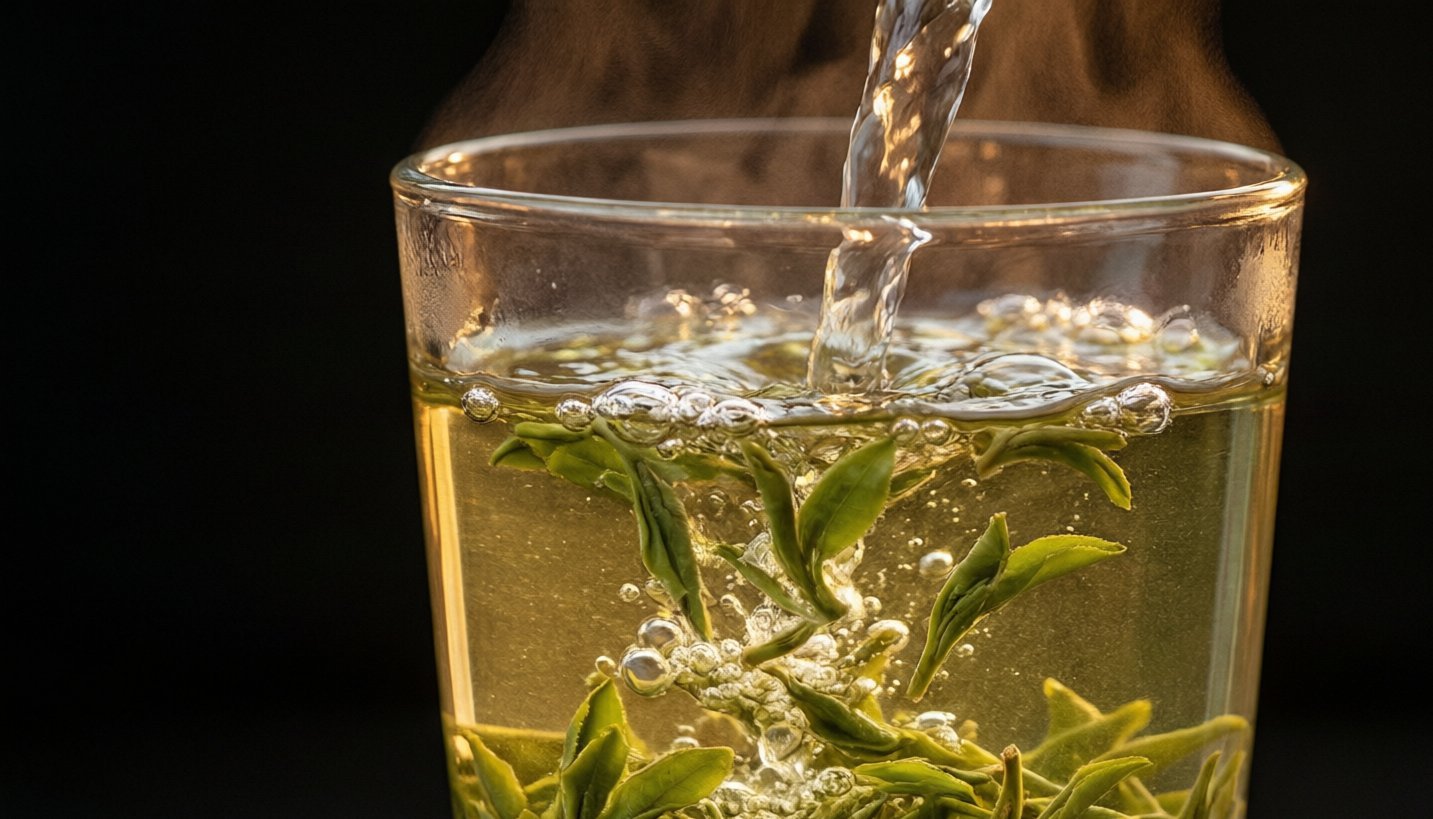
Professional cupping works only when every sample gets the same treatment. Use a white cupping bowl or clean 150 mL lidded vessel, a gram scale, a timer, and freshly boiled water poured at a consistent temperature for the whole session. Choose one leaf-to-water ratio and hold it from the first cup to the last. A common field starting point is 3 g of leaf to 150 mL of water, but the selected ratio matters less than consistency; if you change strength between samples, you are tasting strength, not tea. Avoid glass or heavily seasoned vessels because retained heat and previous aroma can interfere with the next sample. Flash-rinse each bowl with hot water, drain it completely, and only then add the dry leaf.
Evaluate the Dry Leaf Before Water Touches It
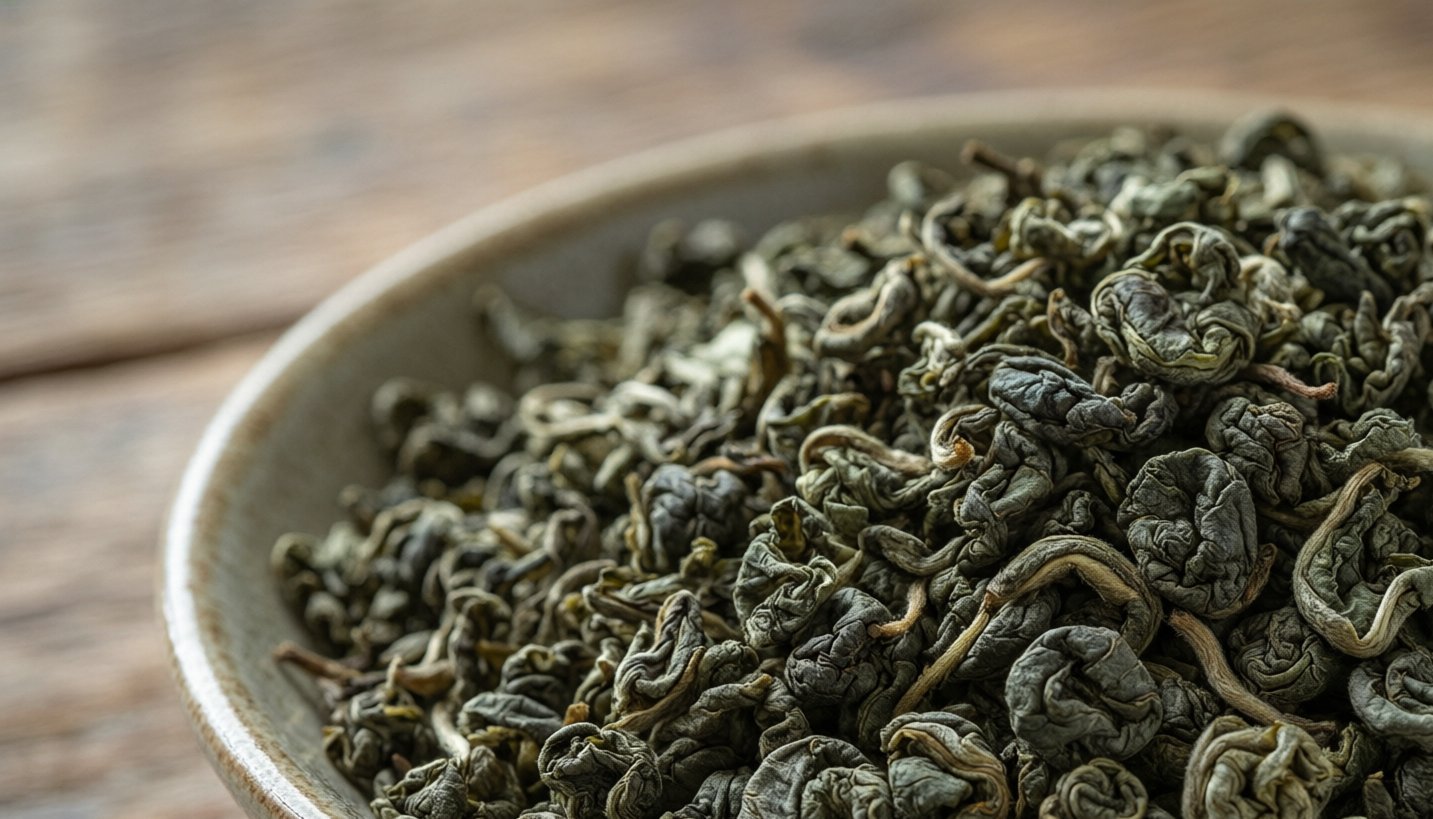
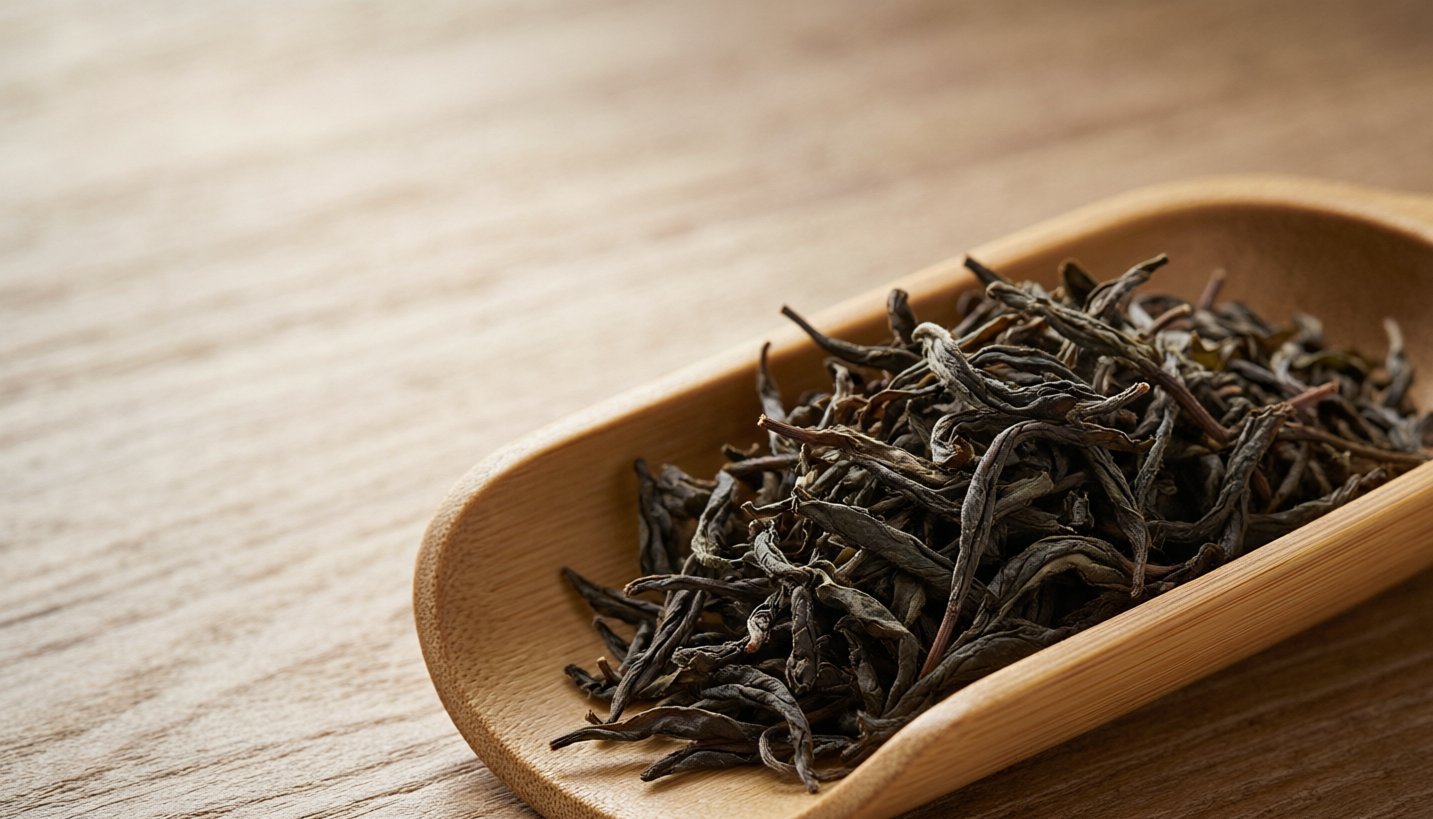
Spread a small spoon of dry leaf on a white plate. Check uniformity first: consistent twist, color, and leaf size usually signal a well-sorted lot, while mixed grades, broken tips, or uneven color can indicate poor sorting, re-roasting, or blending across batches. Smell the dry leaf at room temperature. A fresh lot should have a clean aroma that matches its tea category; stale, musty, sour, or smoky notes that do not belong to the category deserve attention. Record color and tip presence without treating them as quality grades by themselves, because a dark roast or long storage can make ordinary leaf look more expensive than it is.
Smell the Wet Leaf and Liquor in Sequence
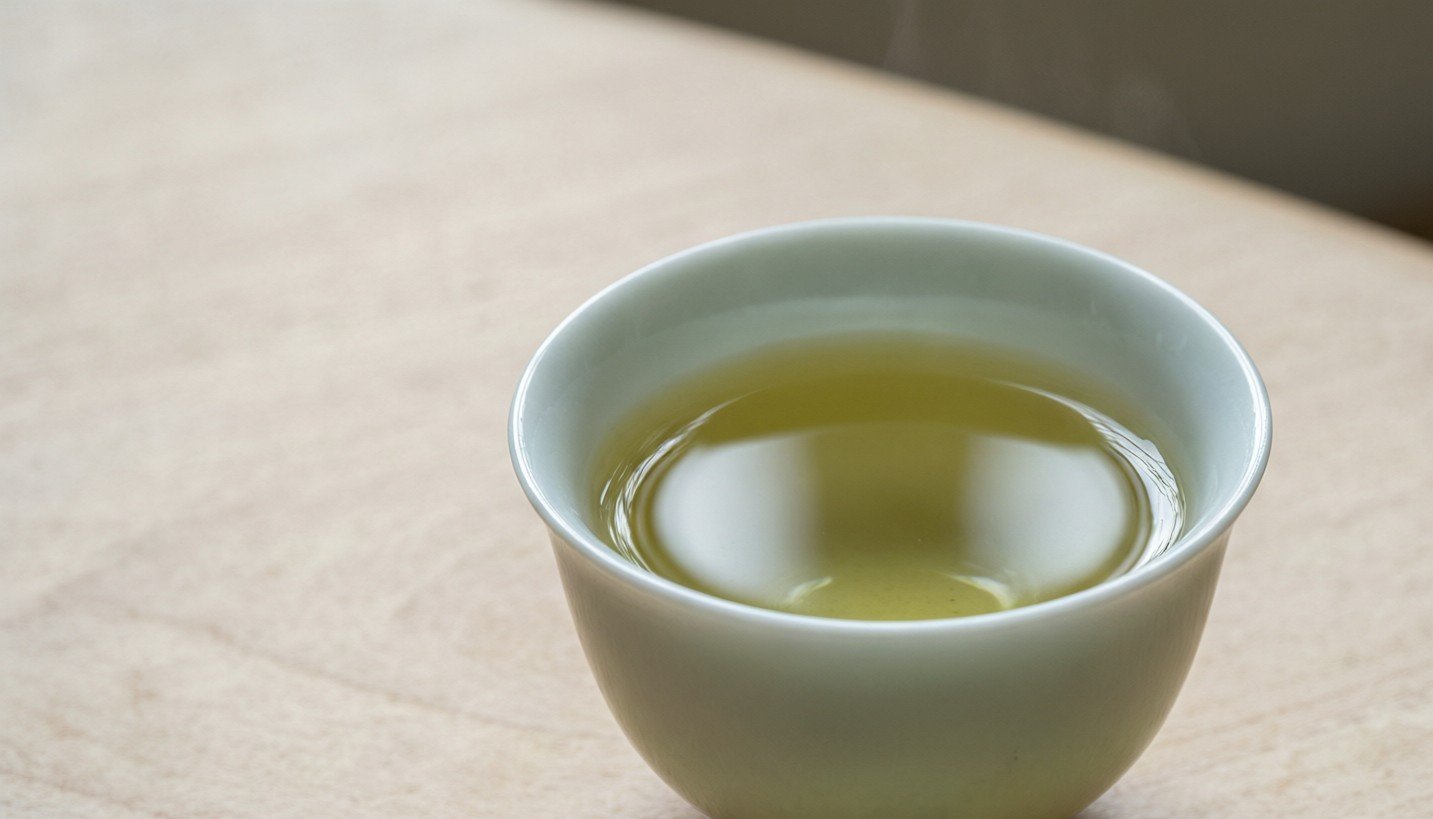
After the first pour, lift the lid and smell the wet leaf immediately, then again after the leaves open. The first impression often exposes storage, roast, or fermentation faults; the second reveals the tea’s varietal and processing character. Then smell the liquor before tasting. Do not judge a tea from a single sniff because stale water, a warm bowl, or residual aroma from the previous sample can mask the actual lot. Rinse spoons and cups between samples, and keep a neutral reference such as hot water or a clean empty bowl to reset the nose when samples begin to smell alike.
Taste With a Scoring Sheet, Not a Preference
When buyers cup without a sheet, they tend to remember the first and the loudest sample. A simple sheet keeps the comparison honest. Score dry leaf, wet leaf, aroma, liquor, taste, and mouthfeel on the same scale, and write one concrete note for each area. The table below is a practical field sheet for wholesale buying.
| Scoring area | What to record | Why it matters for buying |
|---|---|---|
| Dry leaf | Uniformity, color, tip, breakage | Predicts consistency and grade honesty |
| Wet leaf | Evenness of color, leaf opening, fermentation | Reveals processing faults and batch blending |
| Aroma | Dry leaf, wet leaf, cup, empty cup | Connects cultivar, processing, and storage |
| Liquor | Clarity, color depth, brightness | Signals oxidation, firing, and storage condition |
| Taste | Entry, body, aftertaste, bitterness, astringency | Separates clean structured lots from flat or harsh ones |
| Mouthfeel | Weight, texture, salivation, dryness | Catches roast, moisture, and heavy processing defects |
Pay attention to body and aftertaste more than initial sweetness. A lot with bright front sweetness but a short, flat finish may disappoint in brewed form, while a cleaner lot with moderate entry and a long mineral or floral finish often performs better in repeat sales. Note any astringency, bitterness, sourness, or dry grip and whether it dissipates or locks onto the tongue. Buyers do not need to like every tea; they need to know whether a lot matches the target profile and whether any defects will repeat.
Compare Against a Reference Lot Every Time
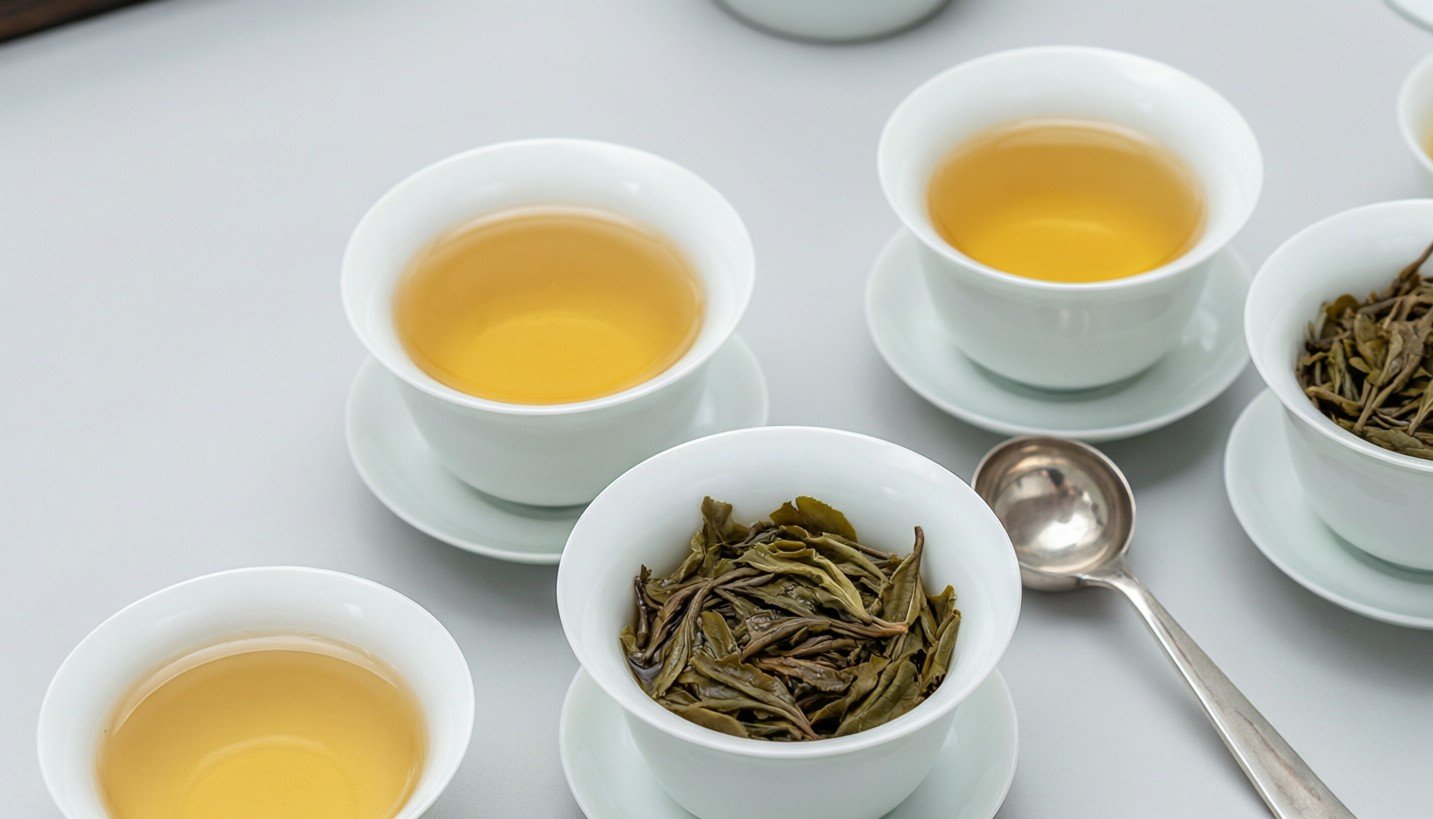
Tasting a new sample in isolation is the quickest way to overpay for ordinary material. Always put a reference lot, the approved current product or a target market sample, into the same session under a coded cup. Compare the sample and reference side by side: does the new lot match or exceed the reference in aroma, body, clean finish, and aftertaste? If it scores higher but sits in a different flavor profile, it may be a good tea for another SKU rather than a drop-in replacement. A reference lot also protects buyers from session drift, because the palate becomes less sensitive after many samples and later scores can inflate.
Use the Cupping Result as a Buying Screen, Not Final Approval
A strong cupping score tells you the tea is worth further checks; it does not prove the lot is food-safe, consistent across cartons, or stable after shipping. Send the best cups for moisture, pesticide residue, heavy metals, or other tests relevant to your destination market before committing to a container. Keep a portion of the approved cup and a record of the exact leaf weight, water volume, steep time, and cup code, so you can retest arrival samples against the same method. If the supplier later sends a new batch, cup it against your retained reference before accepting it. This is how professional buyers turn a 5-step tasting method into a repeatable supply decision.
Get Help Running a Consistent Cupping Session
Professional cupping matters only when it is repeated the same way, sample after sample. If you want support building a target profile, comparing reference lots, or sourcing the tea types your buyers are testing, contact Chinese tea suppliers at 427728483@qq.com. Include your market, tea type, and the sample lot numbers you are cupping, and request current wholesale cupping sample options.
FAQ
How many samples should I cup in one session?
Limit a session to six to ten samples, and anchor the set with a reference lot in the middle. More than that usually inflates late scores because the palate slows. Clean the palate with warm water or plain food between samples, and set aside any sample that smells strongly off.
Does a high cupping score mean my customers will like it?
Not automatically. Cupping under a fixed brewing method often exposes teas more aggressively than a customer’s gentler teapot or gongfu brew. Use the score to identify clean, structured lots and confirm the target profile, then run a separate brewed-style tasting for final market fit.
Can I cup green, black, oolong, and pu-erh with the same method?
You can use the same structure, but adjust water temperature and steep time to the category. Green and yellow teas need cooler water and shorter steeps than rolled oolong, black tea, or aged pu-erh. The important rule is that all samples within one category use the same parameters.
What should I do when two lots look identical dry but cup differently?
Trust the cup and record where they separate. If the wet leaf color, aroma, body, or finish differ, the lots likely differ in processing, storage, or blend. Ask the supplier for batch information and retain samples so the next arrival can be checked against this result.
No author description available.

白玉京