How Yingde Black Tea Compares to Similar Chinese Black Teas
Yingde black tea often gets grouped with Yunnan Dianhong because both can be malty and tippy, but they are not the same product. Yingde’s cup is usually a little leaner and more mineral, with cocoa, honey, and a firm finish, while Dianhong is rounder and sweeter. Those differences matter for black tea blends, milk tea bases, and single-origin retail lines. The choice is less about which tea is better and more about which cup profile and margin structure fit the buyer’s catalog.
What Yingde Black Tea Brings to a Black Tea Lineup
Yingde black tea comes from Guangdong and is often made from large-leaf cultivars, producing wiry, dark leaves with golden tips. The dry leaf usually has a cocoa and honey aroma. In the cup, the liquor is red-brown, medium to full bodied, with a malty sweetness that is cleaner and quicker on the finish than many Yunnan blacks. That brisk edge can make it more versatile in blends because it holds its shape under milk without becoming flat.
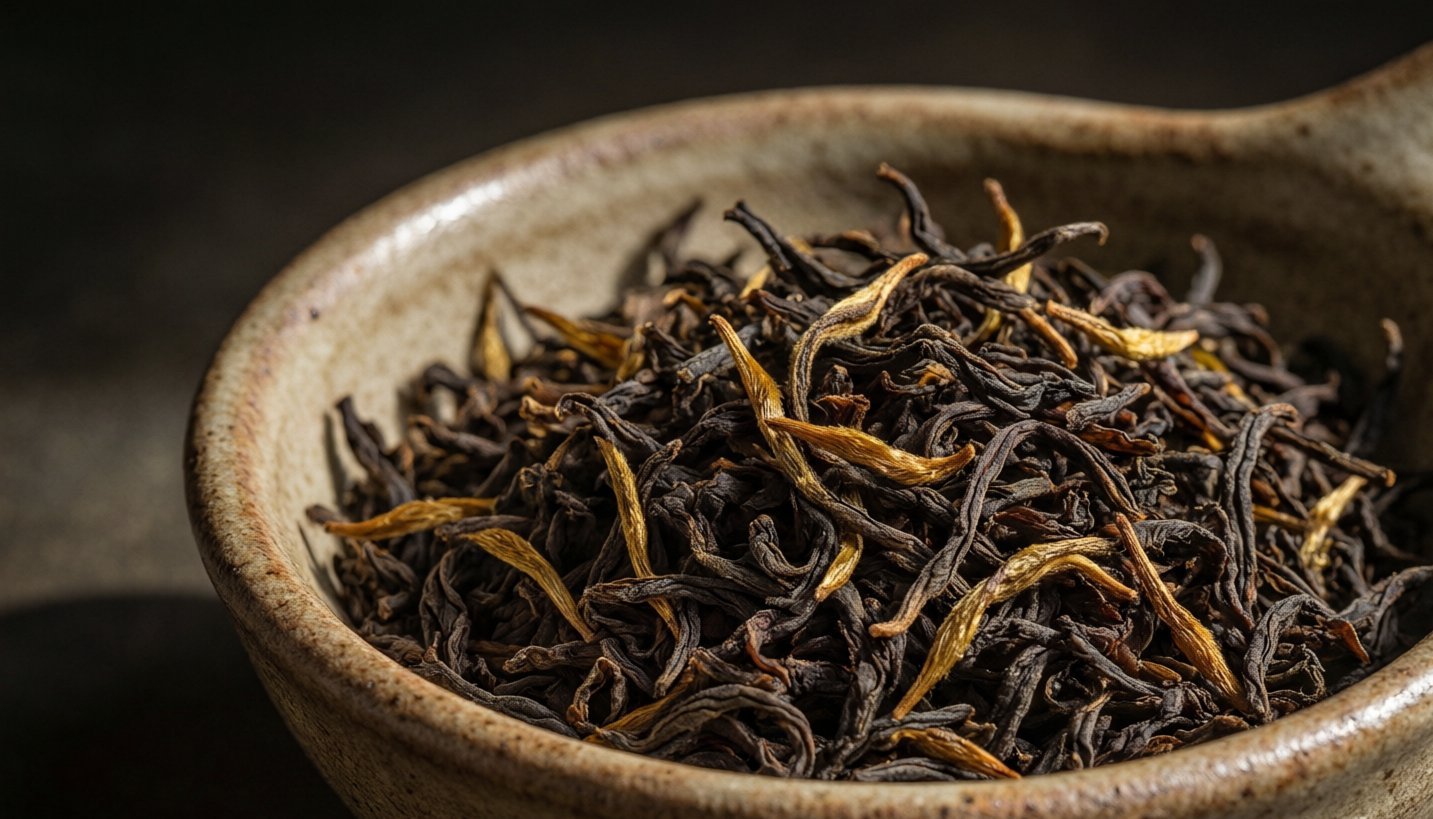
For wholesale buyers, Yingde black tea is useful when a customer wants a recognizable black tea but not the heavy sweet-potato note of some Dianhong lots. It also works in tea bags and RTD bases because its flavor remains identifiable after dilution. The limitation is aroma: it is usually more restrained than high-bud Fujian styles such as Jinjunmei, so it is less likely to anchor a luxury gift line on fragrance alone.
Yingde Black Tea vs Yunnan Dianhong: Body and Sweetness
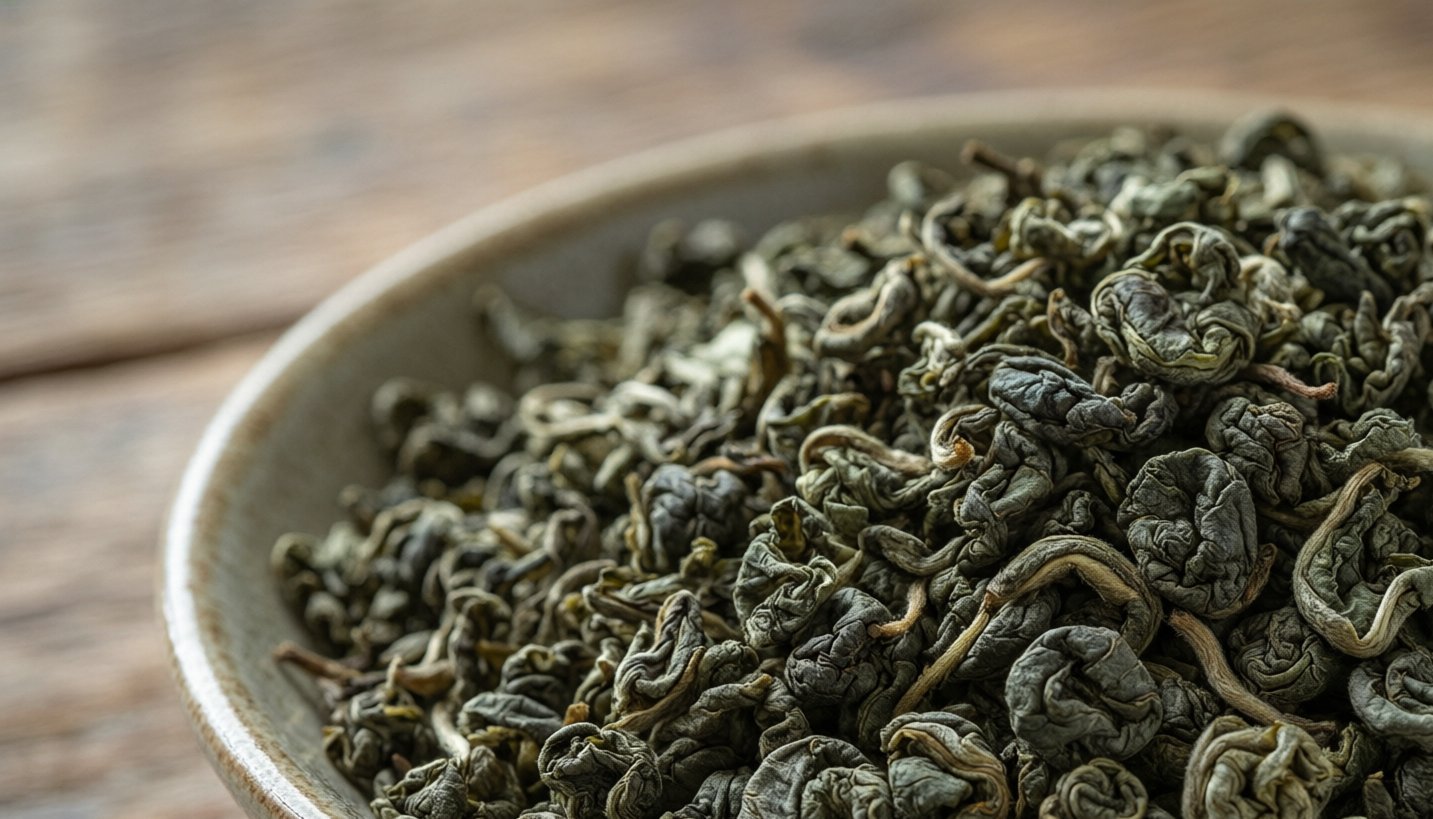
Yunnan Dianhong is usually the first comparison. Dianhong tends to be softer, rounder, and more obviously sweet, with sweet potato, honey, and sometimes a light peppery note. Yingde black tea is less sweet and more mineral, with a firmer structure and a cleaner aftertaste. Neither is universally better. If the end use is breakfast tea or a milk-heavy blend, Dianhong’s soft sweet base is easier to work with. If the product needs to stay crisp and slightly dry on the finish, Yingde is the stronger candidate.
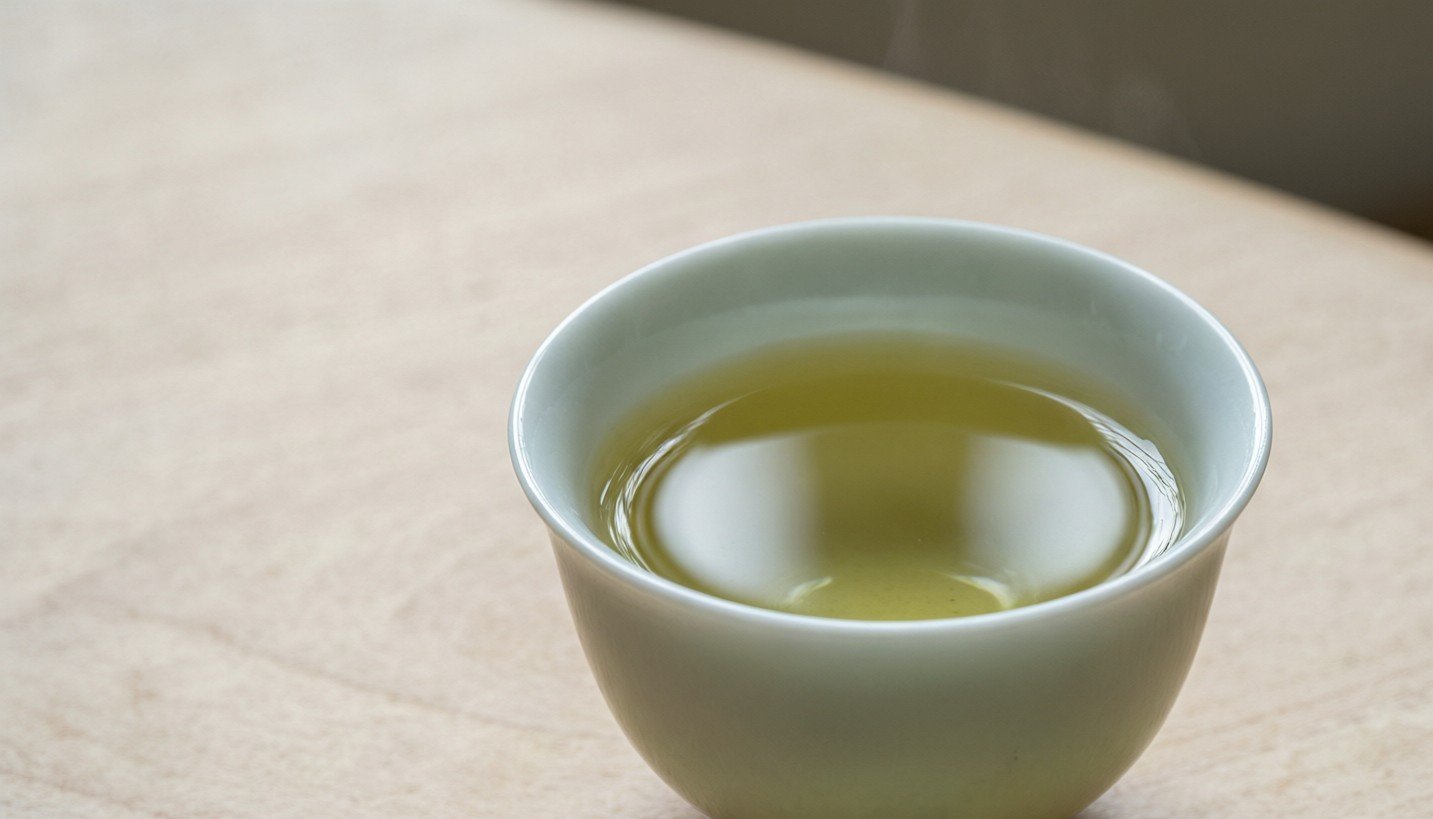
That difference also changes cupping language. When evaluating samples, pay attention to how the sweetness behaves after the liquor cools. A Dianhong may taste sweeter as it cools, while a Yingde lot often keeps its mineral line. If a supplier lists only “malty” for both teas, request a cupping note that separates finish, aroma, and mouthfeel; otherwise the two can sound identical on paper.
Yingde Black Tea vs Keemun: Aroma and Finish
Keemun, also known as Qimen black tea, is built around aroma. Good Keemun has wine-like, floral, and cocoa notes with a slightly smoky or pine edge and a lighter to medium body. Yingde black tea is more about body and malt structure than perfume. Keemun often fits classic teas and aromatic packaging claims; Yingde fits milk tea, black tea blends, and foodservice where a stronger cup is more important than nose.
When comparing these two, ask what the buyer leads with. A retail box that sells on fragrance should favor Keemun. A bulk or foodservice program that needs consistency under milk and longer hold times should favor Yingde. This is not a rule based on quality but on behavior in the cup.
Yingde Black Tea vs Jinjunmei: Bud Content and Price Position
Jinjunmei is a Fujian black tea made from buds, known for honey, fruit, and a soft, fine texture. Traditional Jinjunmei uses only buds and requires careful hand-picking, which usually places it in a premium price position. Yingde black tea may also have golden tips, but it typically contains more leaf and delivers a stronger, more robust cup at a lower price position. For a daily-drink black tea or a blend component, Yingde is often the more practical choice. For a high-margin gift or a customer specifically asking for delicate honeyed aroma, Jinjunmei makes more sense.
Choosing by End Use: A Buyer Reference Table
| Tea | Dominant cup character | Best wholesale use | Caution |
|---|---|---|---|
| Yingde black tea | Cocoa, honey, mineral, firm malt | Milk tea bases, blends, RTD, daily single-origin | Aroma is more restrained than bud-heavy styles |
| Yunnan Dianhong | Sweet potato, honey, round sweet body | Breakfast blends, soft milk teas, retail single-origin | Can read too sweet or heavy for crisp blends |
| Keemun | Wine-like, floral, cocoa, slight smoke | Aromatic classic teas, premium tea bags | Lighter body can disappear under heavy milk |
| Jinjunmei | Honey, fruit, fine bud texture | Luxury gifts, premium loose leaf, high-margin retail | Delicate cup; high price position and lower strength |
Use this table as a cupping worksheet, not a final ranking. The same category label can hide different grades and oxidation levels. When a supplier quotes a tea name without a cupping note, request the leaf grade, harvest period, and a sample against a known reference lot.

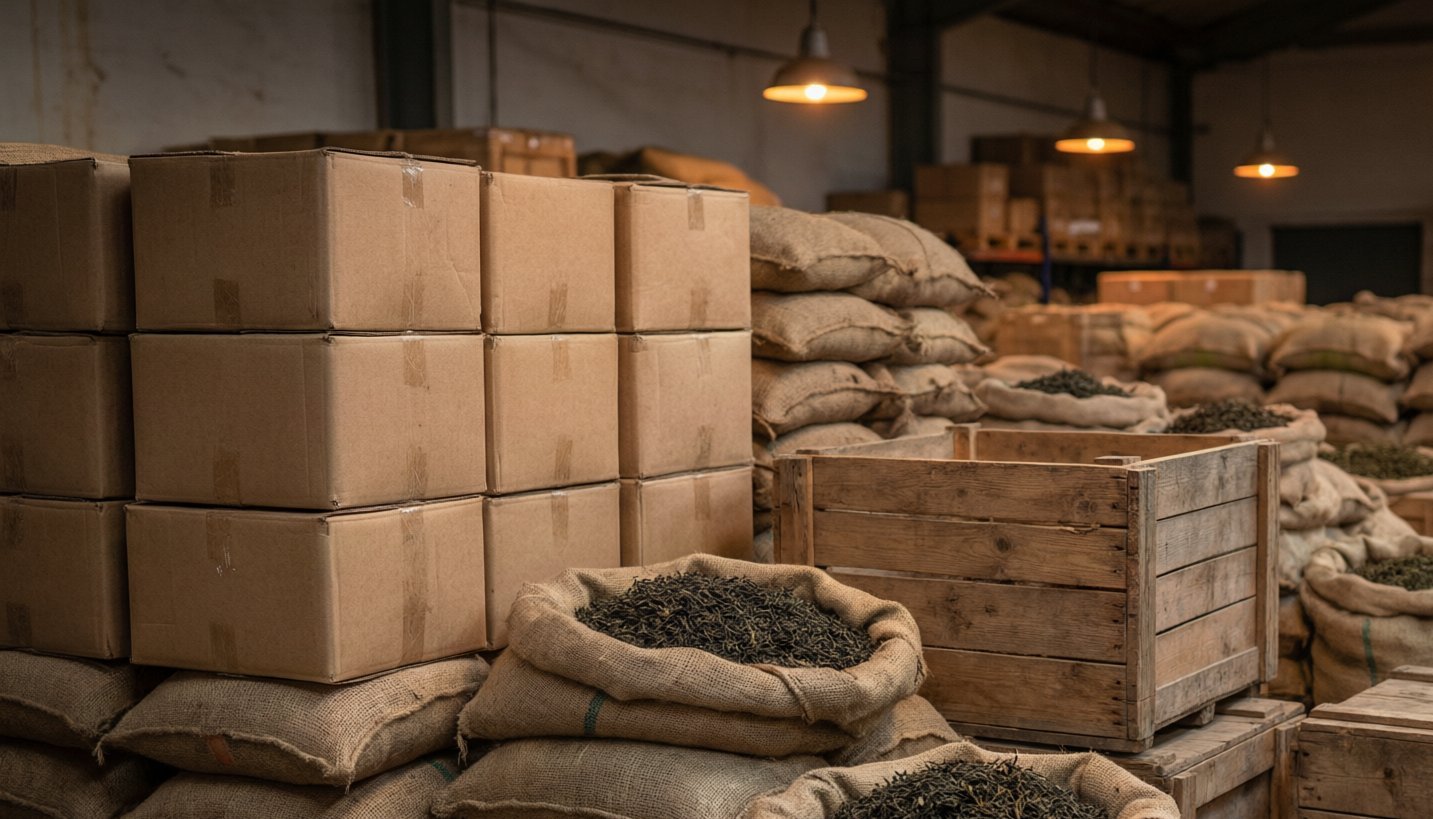
For importers, Yingde black tea can also be easier to warehouse and rotate because it is not tied to an ultra-delicate bud story. It still needs normal black tea storage: dry, odor-free, sealed, and away from heat. That makes it a stable mid-priced line for buyers who need volume without the fragility of luxury bud teas.
Request a Comparative Sample Set
Choosing between Yingde black tea and its closest competitors is easier when the samples are cupped side by side. Contact Chinese tea suppliers at 427728483@qq.com with your target format, brew strength, and volume. You can request Yingde black tea alongside Dianhong, Keemun, or Jinjunmei so the cupping notes match your actual menu or blending requirements.
FAQ
Is Yingde black tea stronger than Keemun?
In body and malt presence, Yingde black tea is usually the stronger cup. Keemun is typically lighter and more aromatic. Choose Yingde when the product needs to hold up under milk or foodservice preparation; choose Keemun when fragrance is the main selling point.
Can Yingde black tea replace Yunnan Dianhong in a breakfast blend?
Yes, but expect a cleaner, slightly drier finish and less sweet-potato sweetness. If soft sweetness is essential to the blend, keep Dianhong or use a mix of both. The best choice depends on whether the customer wants a round sweet base or a firmer, more mineral black tea.
Is Yingde black tea a premium tea like Jinjunmei?
It can be high grade and carry golden tips, but it is usually positioned as a versatile mid-priced black tea rather than a pure-bud luxury product. Grade and price depend on the tip ratio, harvest period, and processing quality. It offers a different value: strength and blending flexibility rather than delicate bud aroma.
What should I check before ordering Yingde black tea in bulk?
Ask for the leaf grade, tip ratio, harvest period, cup color, and whether the lot is whole leaf, broken, or bag cut. Compare the sample against a known reference lot under the same brewing conditions. If the supplier cannot separate aroma, body, and finish in the cupping note, request a more detailed tasting record before confirming the order.
No author description available.

白玉京