Tea Cocktails for Bars: A Practical Menu-Building Guide
Tea cocktails for bars work when the tea is treated as a base ingredient rather than a garnish or a flavor afterthought. A properly brewed tea brings tannin, aromatics, and a dry structure that can balance sweetness and alcohol, but it also oxidizes, over-extracts, and fades faster than most syrups or liqueurs. This guide gives bar managers and beverage directors a practical method for choosing tea types, brewing at cocktail strength, batching for service, building a menu, and training staff. The goal is not to turn every drink into a tea-forward novelty; it is to use tea as a repeatable ingredient that adds depth without making service more fragile.
What Makes Tea a Strong Cocktail Base
Tea contributes several qualities that are useful in mixed drinks. Tannins create a dry, slightly astringent finish that balances sugar and fat. Volatile aroma compounds carry floral, fruit, roasted, or earthy notes that survive dilution in different ways. Caffeine and amino acids add a subtle mouthfeel and perceived energy. The challenge is that these qualities are extracted under different conditions. A long, hot steep pulls more tannin and can turn bitter; a short, cooler steep keeps aromatic top notes but gives less body. In a cocktail, you usually need more tea character than you would want in a cup meant for casual drinking.
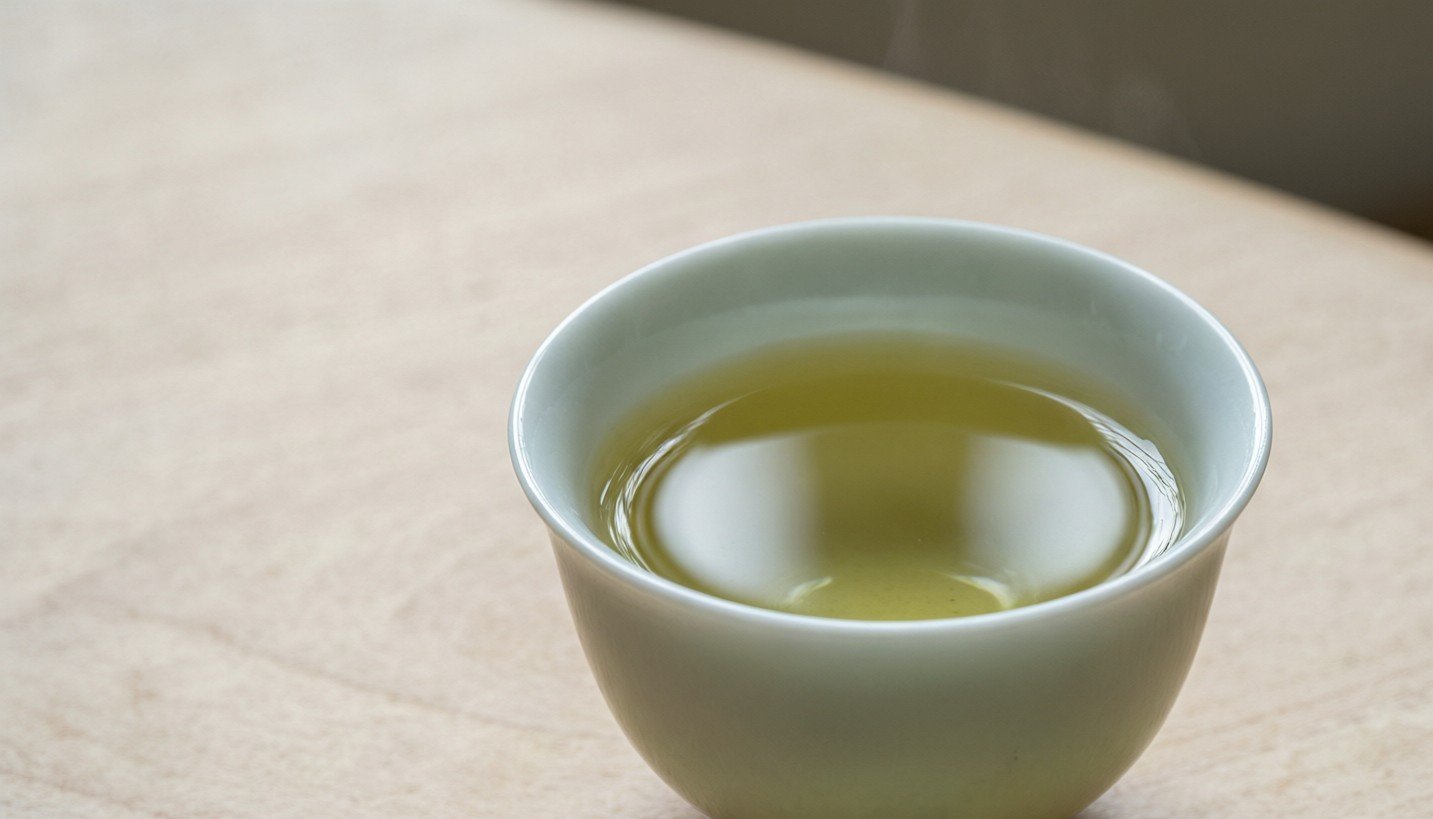
Tea also acts like a culinary bitter or an amaro in some builds. Where a cocktail calls for vermouth, cold-brewed black tea can supply a similar herbaceous dryness without adding alcohol. Where a drink needs a floral lift, a light oolong or jasmine green tea can work like an aromatic modifier. The tea chosen for this role should be strong enough to remain identifiable after ice dilution, citrus, and spirit, so the base brew is usually more concentrated than a standard cup. This is a professional judgment, not a fixed formula, because extraction changes with leaf grade, water mineral content, and batch size.
Matching Tea Types to Spirits and Cocktail Styles
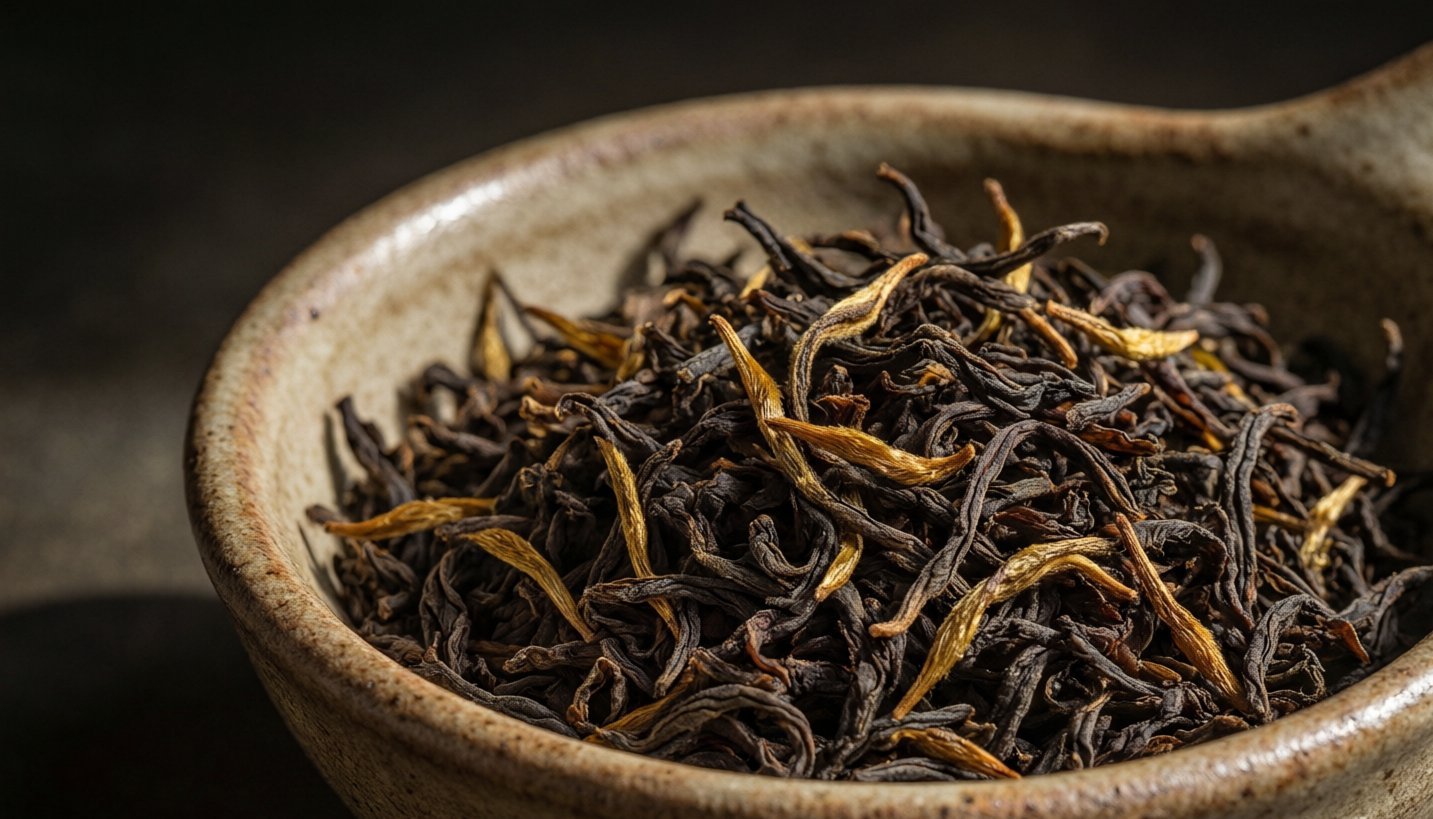
The first menu decision is which tea leads the drink. Black tea gives body, malt, and tannin; it stands up to whiskey, dark rum, and spiced syrups. Oolong sits between floral and roasted, so it works with aged spirits, stone fruit, and light amaro. Green tea adds fresh, grassy notes that disappear under heavy sweetness, so it pairs better with clear spirits and citrus. White tea is delicate and can vanish in a busy build. Dark teas such as pu-erh bring earth, smoke, and age; they work like a soft aperitif or a bitter modifier. Scented and blended teas are useful for menu recognition, but they should be treated as flavoring, not as a structural base.
| Tea type | Flavor role | Pairs well with | Best bar format |
|---|---|---|---|
| Black tea | Body, malt, tannin | Whiskey, dark rum, spiced syrup, maple | Hot brew, chilled; batch-friendly |
| Oolong | Floral to roasted middle | Aged gin, brandy, stone fruit, light amaro | Cold brew or short hot infusion |
| Green tea | Fresh, grassy, delicate | Vodka, light rum, cucumber, citrus | Cold steep; short hold |
| White tea | Soft, melon, honeyed | Delicate gin, sparkling wine, pear | Cold infusion; use quickly |
| Dark tea such as pu-erh | Earth, smoke, age | Mezcal, rye, cola, chocolate bitters | Concentrated brew or tincture |
| Jasmine or scented tea | Aromatic lift, recognition | White spirits, sparkling cocktails | Cold brew; label clearly |
These pairings are starting points, not rules. A light oolong will behave differently from a heavily roasted one, and a smoked lapsang souchong is closer to a flavoring than a neutral black tea. Taste the brewed tea before adding sweeteners or citrus, then adjust sugar and acid as you would for any other base.
Brewing Tea for Cocktails Without Losing Flavor
The brew step is where most tea cocktail programs fail. If you steep tea as if it were for a hot cup, then chill it and load it with syrup and citrus, the tea becomes a weak, slightly bitter aftertaste. The better method is to brew at a higher leaf-to-water ratio, stop the extraction while the liquor is bright, and chill it immediately. Rapid chilling preserves the volatile aromatics that make the tea interesting.
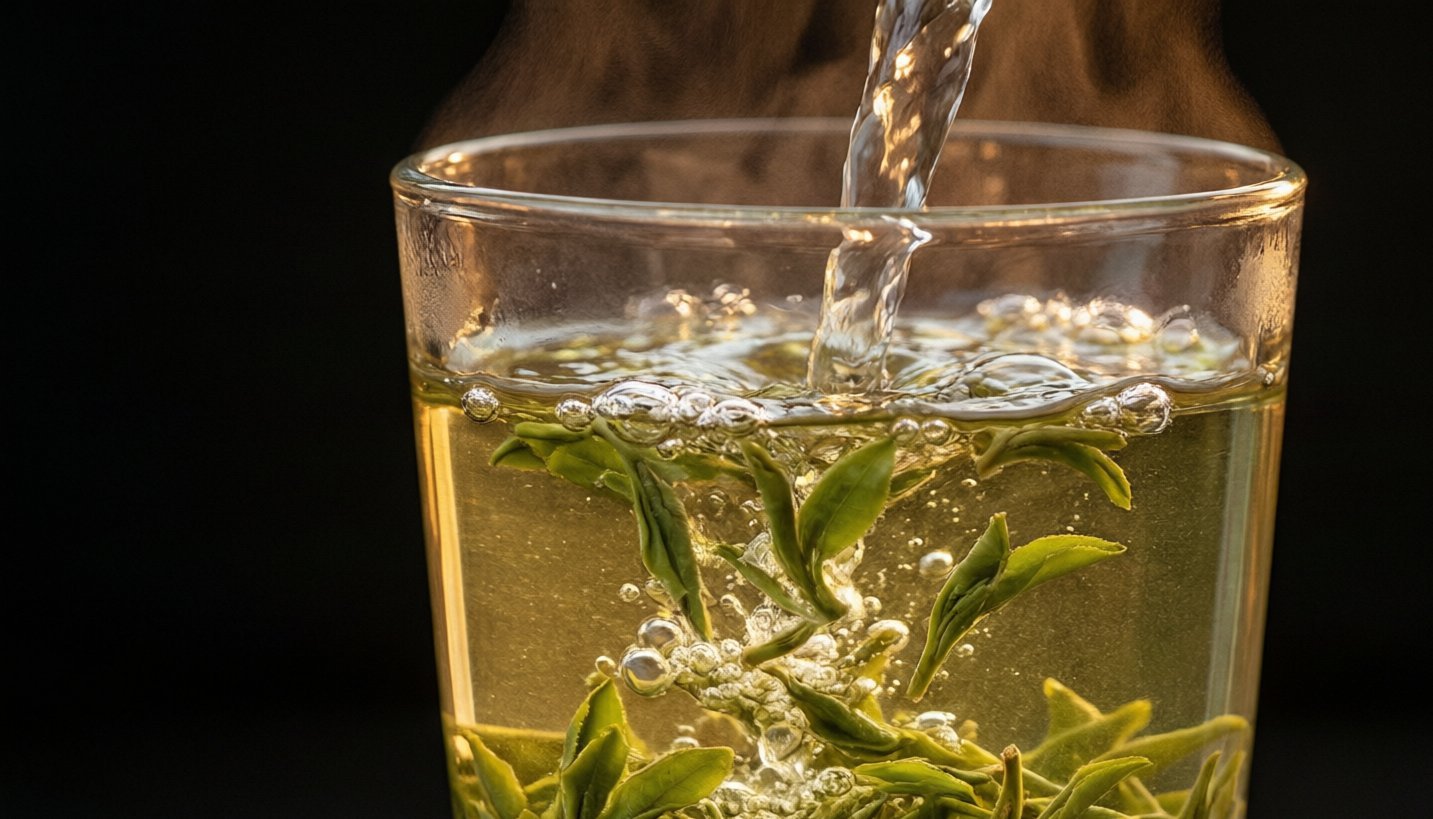
Hot water extracts faster and brings more body, but it also pulls more astringency. Cold water extracts more slowly and favors sweeter, softer aromatics, but it requires more leaf and more time. For bar service, the most practical approach is usually a strong hot infusion that is immediately diluted with ice to stop cooking, or a concentrated cold brew made overnight and kept refrigerated. If the tea becomes cloudy after chilling, it is usually caused by compounds dropping out of solution; the taste is often still fine, but the appearance matters in a clear drink, so you may need to filter or choose a different tea.
A strong brew should taste almost too concentrated before it joins the shaker, because the cocktail's dilution and sugar will soften it. Keep the method repeatable with a few direct checks.
- Brew with filtered water and a timer; record the leaf-to-water ratio and time for each batch.
- Chill immediately after the target steep, and label the batch with tea type and date.
- Taste the cooled base alone before mixing.
- If the tea base tastes dry and papery, cut the steep time before adding more sugar.
From Single Serve to Batch: Bar Formats That Hold
Tea cocktails can be built to order, batched as a tea base, or mixed into a pre-batched cocktail. Each format has different hold times and texture. Fresh tea is brightest, but it oxidizes and can lose aroma within a shift. Tea syrup is stable and fast to pour, but it tends to flatten the tea's mid-palate and emphasize sweetness. A pre-batched tea cocktail can be consistent, but the tea may continue to darken or change if it sits for too long.
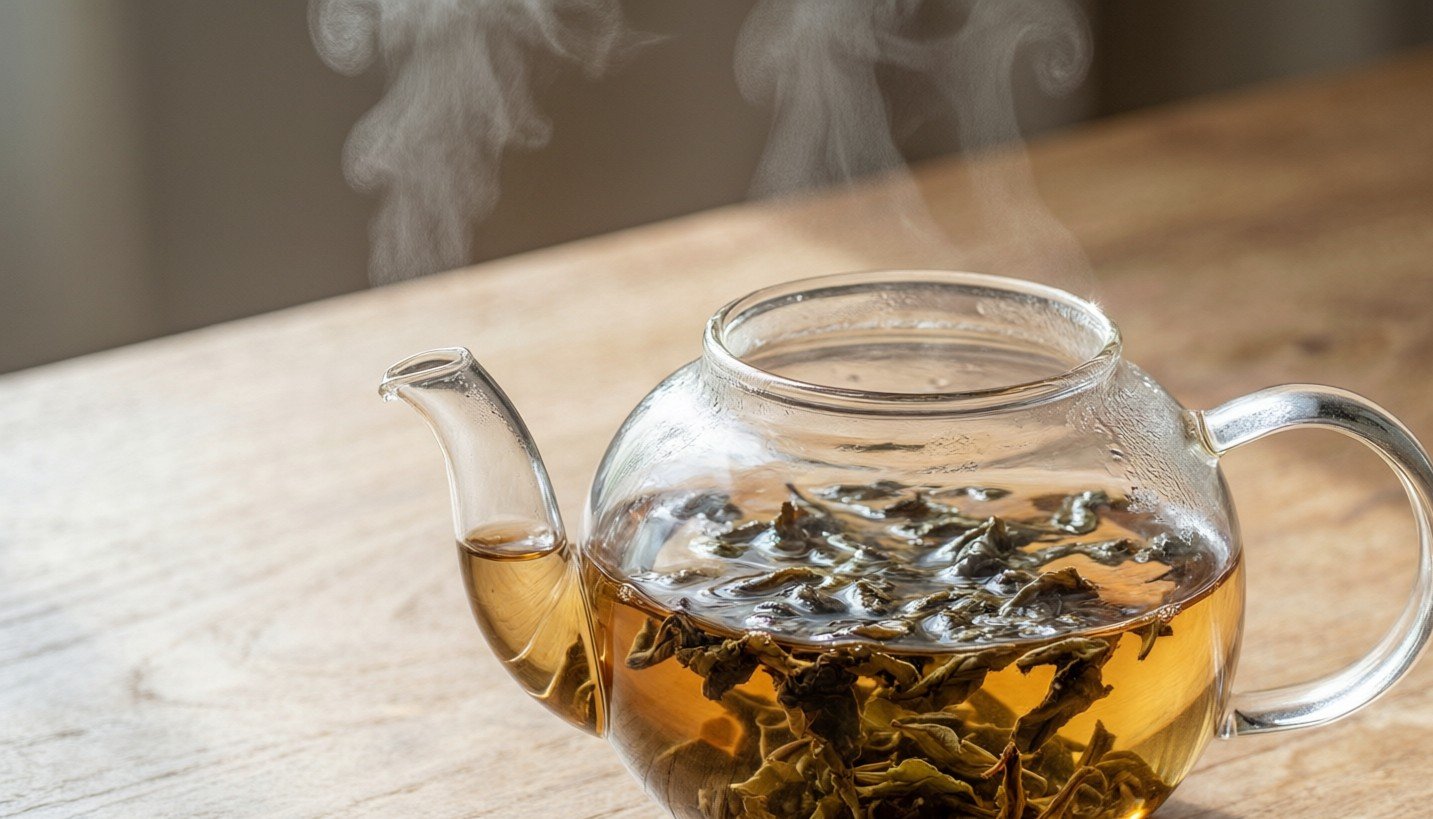
For single-serve drinks, build the tea component like a juice: prepare it once per shift, taste it at open, and refresh it when the aroma fades. For batched cocktails, add the tea base after sugar and spirits are balanced. Hold the batch chilled and stir or carbonate it only at service. If you use a tea syrup, keep it refrigerated and treat it as a flavoring rather than a full tea base. A syrup usually needs less added acid because it already carries sweetness and concentration, but it also gives up some of the tea's dry structure. Choose the format that matches the drink's role on the menu, not just the one that is easiest to pour.
Designing a Tea Cocktail Menu That Sells
Guests often order tea cocktails for the story as much as the flavor. They recognize jasmine, matcha, earl grey, or a smoky black tea before they recognize the base spirit. Use that recognition to make the menu easier to navigate, but keep the actual build clear enough for staff to execute. Name drinks around the tea or the ritual only when the flavor backs it up; a vague ancient tree tea smash creates more questions than orders if the staff cannot explain the taste.
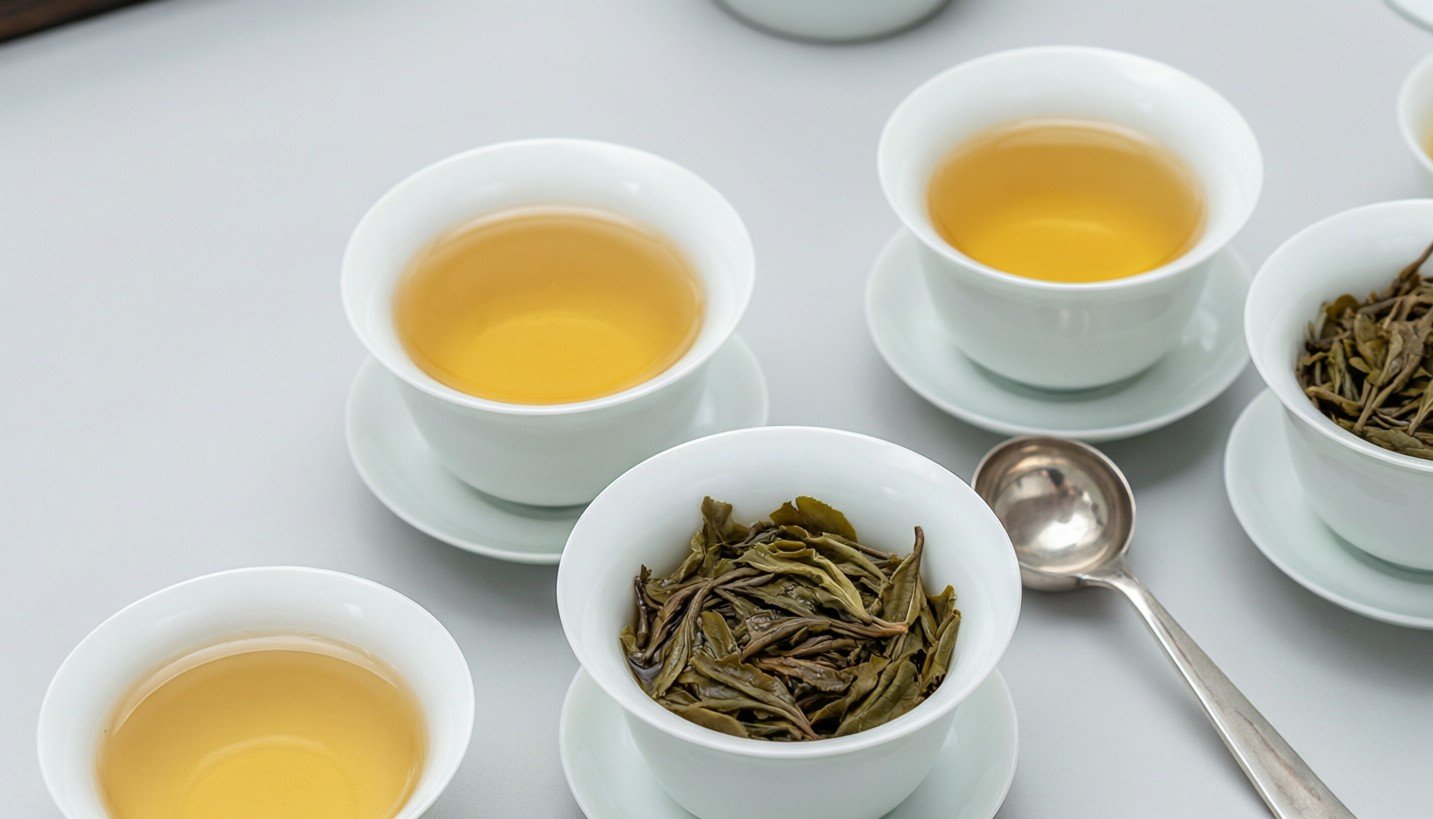
The strongest tea menus are built around a small number of well-executed bases rather than a long list of one-off infusions.
- Keep one familiar tea drink for guests who need an easy entry.
- Add one no-proof or low-proof tea highball for daytime service.
- Use a house tea base across two drinks to reduce prep and waste.
- Train staff to describe the tea's finish in plain terms: smoky, floral, dry, soft, or earthy.
- Taste the tea base at preshift, not only the finished cocktail.
For a bar program, consistent leaf grade matters more than a rare cultivar. When sourcing, work with Chinese tea suppliers that can provide harvest-specific samples and consistent leaf grades, rather than relying on flavored tea dust. This keeps the tea character stable enough to build into a repeatable cocktail.
Start Your Tea Cocktail Program with a Controlled Test
Tea cocktails are easiest to introduce when the bar treats them as a separate ingredient system rather than a one-off special. Start with five bases: black, oolong, green, white, and a dark tea, then run them against your existing spirits and citrus in a small internal tasting. Keep the winners to two or three drinks on the first menu. If you need help finding consistent tea for bar programs, email 427728483@qq.com.
FAQ
Does tea need to be brewed differently for cocktails?
Yes. A cocktail base usually needs a stronger, clearer brew than a drinking cup, with immediate chilling after extraction. If you brew at normal strength, the tea will be lost after ice, citrus, and sugar dilution.
Can I use tea bags instead of loose leaf tea in a bar?
You can, but loose leaf gives more control over strength and leaf grade, and it changes the flavor less than dusty tea-bag material. If you use tea bags, standardize the bag count, water volume, and steep time, and taste the batch before service.
How long does a brewed tea base last behind the bar?
It depends on the tea and storage. Cold-brewed and chilled tea bases are best used within a shift or a short refrigerated hold, because the aroma fades before the liquid spoils. Label batches and taste them before opening each shift.
Which spirit works with almost every tea?
There is no single spirit, but white spirits and lighter rums are the most flexible starting point. Darker spirits and amaro-style modifiers work well with black and roasted teas, while delicate spirits need a lighter tea base.
No author description available.

白玉京