Tea Tourism Partnerships: A Buyer’s Practical Guide
Tea tourism partnerships connect tour operators, hotels, tea houses, destination marketers, and training providers with Chinese tea producers, processing workshops, and tea-growing regions. A workable partnership is not only a reseller agreement or a one-time farm visit. It combines commercial terms, visitor flow, safety, product authenticity, brand use, and the partner's ability to deliver a consistent experience. The right structure depends on whether you are selling day tours, multi-day itineraries, private label retail, educational programs, or corporate hospitality. This guide walks through the models, evaluation points, revenue arrangements, and contract terms to check before you commit.
What a Tea Tourism Partnership Includes
A tea tourism partnership usually covers more than a scenic stop. It may include garden access, picking or processing demonstrations, cupping sessions, guide training, preferred wholesale pricing, co-branded materials, and the right to use images or origin stories in marketing. Some partnerships focus on selling seats to shared experiences; others are built around a private itinerary or a long-term inbound travel program. The shared requirement is a clear answer to three questions: what the partner owns or controls, what it can legally provide, and what happens when group size, harvest timing, or weather changes. Without those answers, operators often discover that the promised experience is actually a retail visit with limited access.
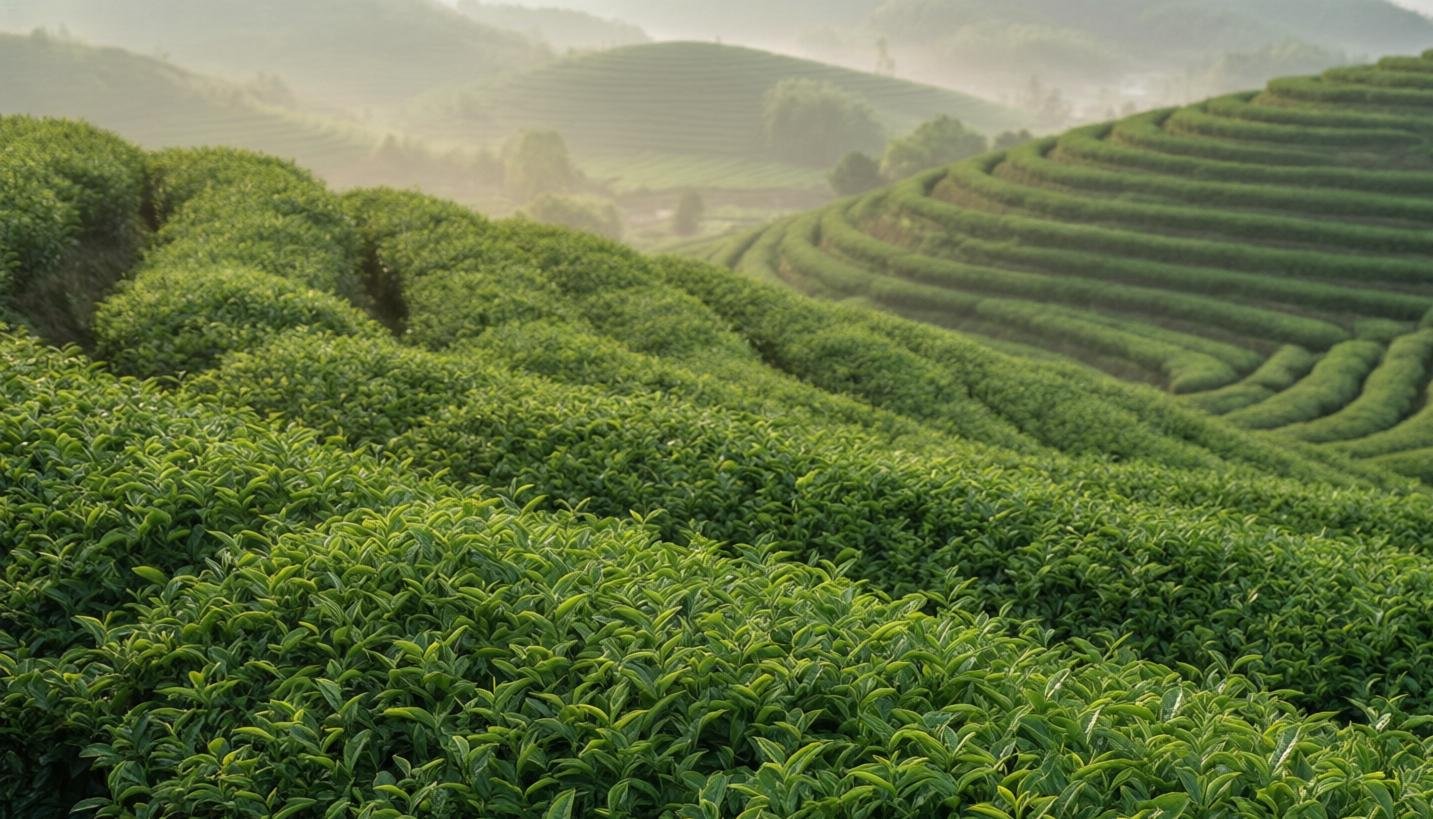
The most effective programs usually focus on one region rather than a multi-province route. Wuyi Mountain in Fujian, the Xishuangbanna or Lincang area in Yunnan, and the Longjing producing area near Hangzhou are common starting points because transport, harvest timing, and storytelling are easier to manage around a single origin.

Partnership Models to Compare
No single model fits every buyer. The table below separates the main structures by what the supplier provides and what the operator must confirm.
| Model | Best for | Supplier responsibilities | Revenue arrangement | Key risk to confirm |
|---|---|---|---|---|
| Commission-based referral | Day tours with existing visitor flow | Booking, guide, tasting session | Per-guest fee or commission | Whether the partner can handle peak groups |
| Wholesale supply plus visit | Retailers and hospitality groups | Product supply, storage support, private visit access | Margin on tea plus visit fee | Blended pricing hides visit costs |
| Co-branded experience | Hotels, resorts, premium travel | Custom content, branded materials, staff training | License or development fee | Brand approval and exclusivity boundaries |
| Destination marketing partnership | DMCs and regional tourism boards | Site access, content, local coordination | Cost-share or annual contract | Marketing rights without booking capacity |
| Training and licensing program | Tea schools and corporate programs | Curriculum, certification, instructor access | License fee per cohort | Quality control across locations |
A commission model works when you can already generate traffic but lack local partners. A co-branded model makes sense only when both sides have a clear brand strategy and can agree on approval rights. A destination marketing partnership may produce good content without generating bookings, so it needs a separate commercial path. Ask whether the arrangement creates a bookable product, not just a relationship.
How to Evaluate a Tea Supplier or Tourism Partner
A supplier that sells tea is not automatically a tourism operator. Evaluate the two capabilities separately. For the tourism side, ask who leads groups, what route visitors follow, what happens in rain or off-season, and how many guests the site can accept without degrading the visit. For the supply side, confirm lot traceability, processing date, storage conditions, food safety documentation, and the ability to provide consistent samples for retail or corporate gifts.
What to request before signing
- A written experience outline with visit duration, route, and skill level.
- Photographs or video of the actual site and visitor facilities, not only marketing images.
- A sample contract or term sheet covering fees, cancellation, insurance, liability, and intellectual property.
- References from two similar partners or group operators.
- Current food safety or quality documentation if tea will be sold or served.
- Names of the people who will manage booking, guides, and complaints.
These documents separate a structured tourism supplier from a farm that occasionally accepts visitors.
Designing an Experience That Sells
A strong tea tourism product gives visitors a sequence, not just a lecture. A half-day format might move from garden or processing hall to a cupping table and then to a small retail or private tasting area. Seasonal timing matters. Fresh leaf picking and certain processing steps are visible only for short windows, so the product description should state what guests will see in each season. Off-season programs can use stored leaf, teapot brewing, ceremony, and sensory training instead of field work. The partner should provide a written seasonal availability note, not rely on verbal promises.
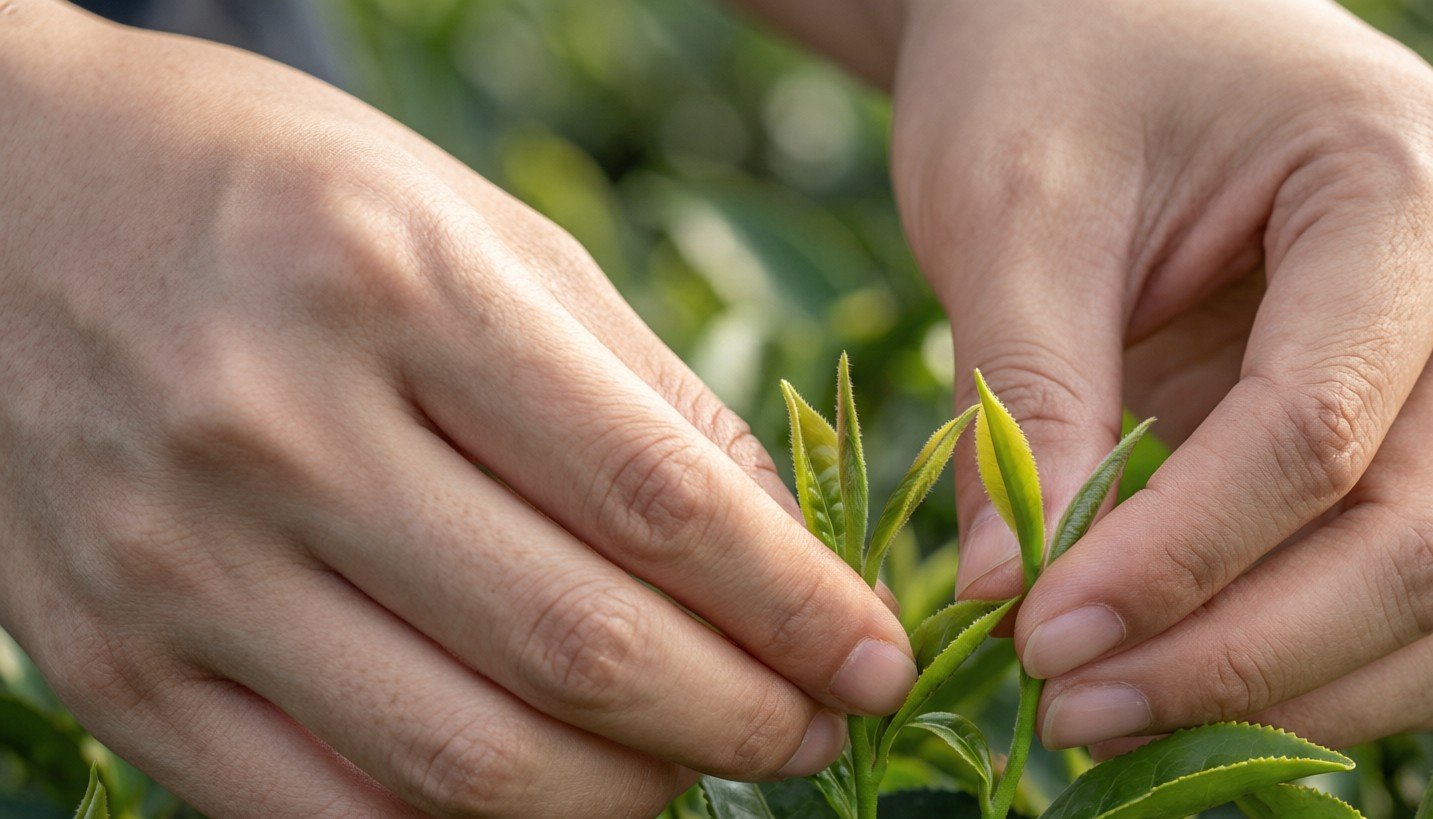
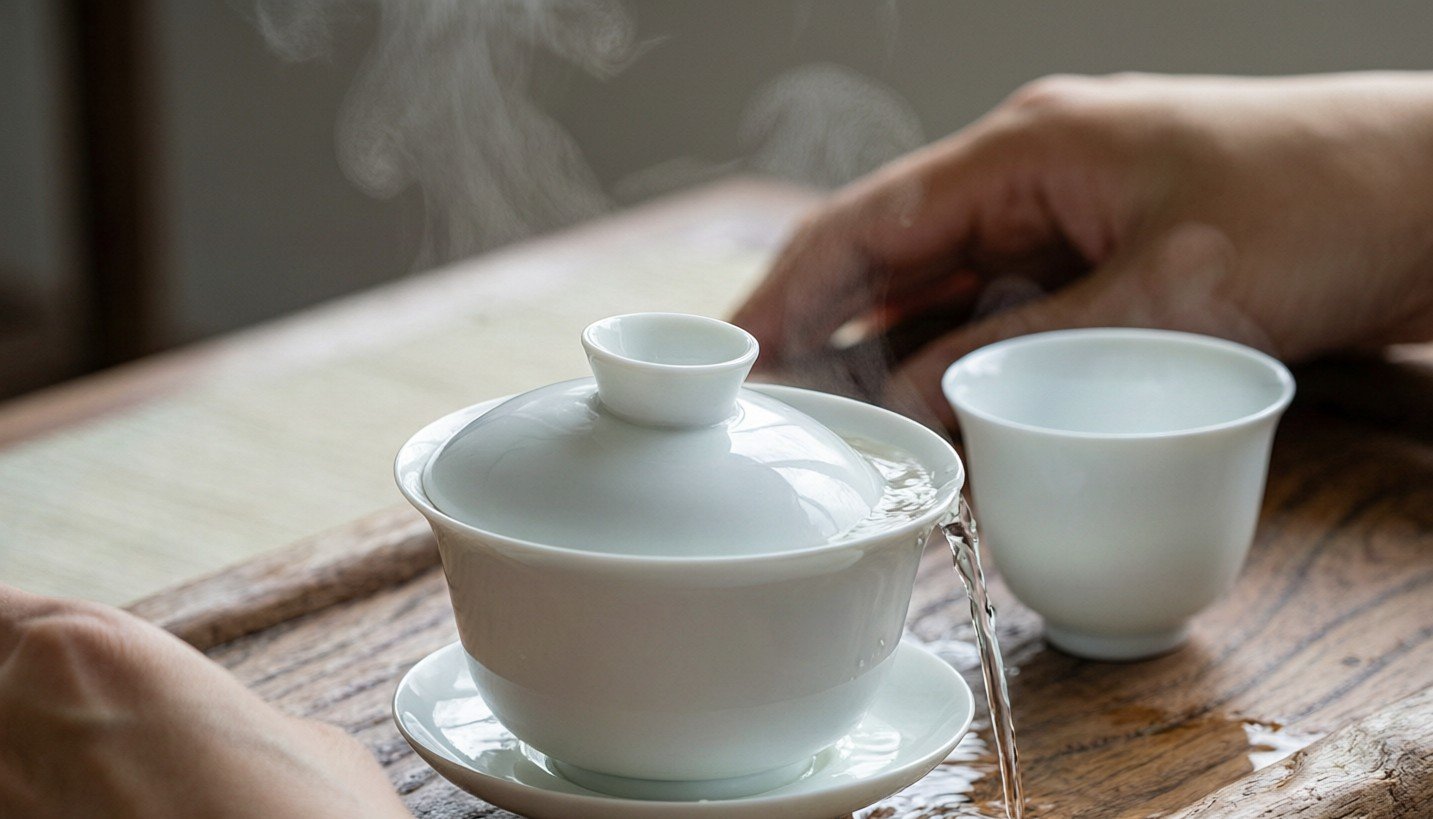
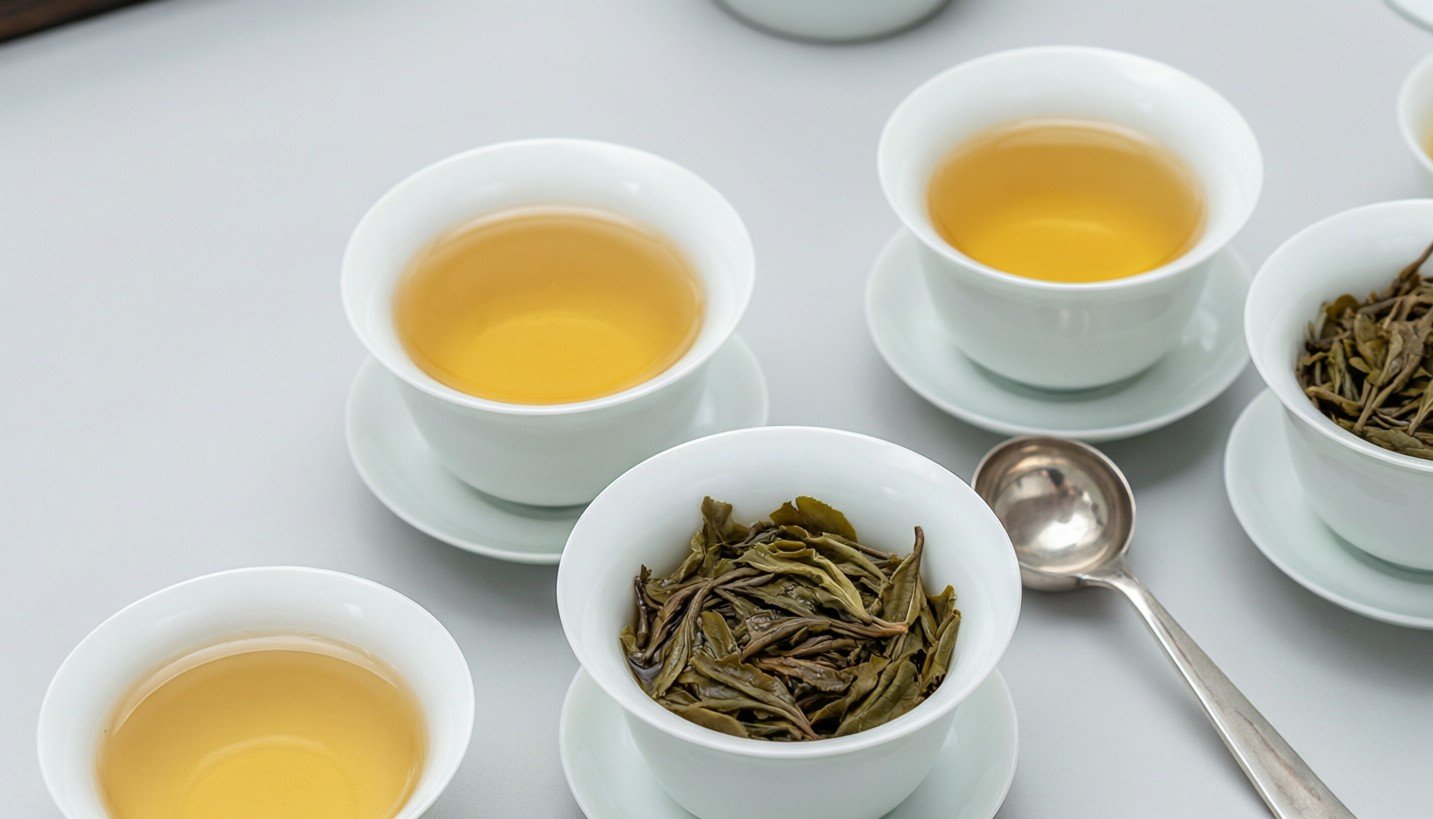
The most useful experiences include a task or comparison. Visitors might compare different grades of the same tea, brew the same leaf at different temperatures, or identify defects in a tasting set. This converts a farm visit into a decision-relevant session for buyers and a memorable activity for general visitors. A tea ceremony can be a closing layer, but it should not replace accurate product and origin information.
Contracts, Exclusivity and Quality Control
Contracts should separate the tourism experience from the tea supply agreement. Some operators want an exclusive route or private label line. Exclusivity has value only when it is defined by product, territory, channel, or date range. It should not be paid for as a vague promise. A useful contract covers booking lead time, minimum or maximum group size, fee per guest or day, deposit and cancellation terms, force majeure, insurance requirements, image and brand use, and what happens if quality slips.
Quality control for repeat visits
The partner should provide a consistent sample set, a standard cupping score or quality checklist, and a named person responsible for batch approval. For any tea sold or served, confirm whether the operator uses food-grade packaging and can provide a batch record. For tea used in ceremonies, confirm whether the experience uses the same grade promoted in the retail offer. A mismatch between the tasting room and the shipped product is a common source of disputes.
Launching and Managing the Partnership
Start with a pilot before a long-term contract. A one-day or short-run pilot should test booking, guide quality, site access, timing, and participant feedback. Use a simple scorecard with arrival and welcome, access quality, educational value, hygiene and safety, retail experience, and overall value. After the pilot, agree on a quarterly review with service metrics and a complaint log. If the partner cannot provide performance data, the review is only anecdotal. Also update the seasonal calendar at least twice a year, because harvest timing and staffing change.
Next Step for Tea Tourism Operators
If you are building a tea tourism route or need a supplier that can support structured visits, send a one-page brief with the proposed itinerary, typical group size, expected volume, and any certification, private label, or exclusivity requirements. Chinese tea suppliers can compare your needs with available garden, workshop, and cupping capacity. Email us at 427728483@qq.com.
FAQ
Do we need to bring our own guests, or can the partner provide visitor flow?
It depends on the model. A commission-based or shared tour model works best when the partner also markets to local travelers, but do not assume inbound demand. Confirm whether the partner can supply bookings or only operate the experience after you send guests. If you need predictable group flow, request a separate booking commitment or schedule fixed departures.
What is the minimum commitment for a tea tourism partnership?
Minimums vary by region, group size, and whether the visit is a simple walking tour or includes workshop staffing. Ask for a written schedule of fees for half-day, full-day, and private sessions. A pilot visit is often a lower-risk way to test interest before signing a longer annual program.
Who handles food safety and liability for tastings and workshops?
The partner should carry its own relevant public liability or local equivalent and confirm food handling practices. Your contract should assign responsibility for site safety, tasting hygiene, and incidents during the visit. If you resell tea or private label products, add product compliance, traceability, and recall responsibilities in the supply agreement.
How do we keep the experience authentic and not just a sales tour?
Set an educational sequence in the itinerary, such as at least two sensory or technical activities before any retail stop. Require accurate origin and processing information, and test whether staff can answer questions without reading from a script. A good partner separates the tour from the purchase decision and lets participants taste before being asked to buy.
No author description available.

白玉京