What Makes CNNP Pu-erh Different? An Honest Buyer’s Guide
CNNP Pu-erh is different mainly because the CNNP label identifies a historical export and distribution system rather than a single tea factory, a fixed recipe, or a consistent quality grade. The same CNNP wrapper has appeared on cakes pressed by different state-owned factories and on teas ranging from everyday ripe Pu-erh to aged raw Pu-erh with serious collector value. For a buyer, that means CNNP is a useful historical and market signal, but a weak guarantee of flavor or quality. The details that actually matter are the factory code, recipe or batch number, production date, and storage history.
What CNNP Actually Means
CNNP stands for China National Native Produce & Animal By-Products Import & Export Corporation. During the planned-economy and early reform periods, this organization coordinated much of China's tea export business. In the Pu-erh trade, CNNP did not operate as one factory making every cake under its name. It used wrappers and labels that were shared across authorized production units, including well-known factories in Kunming, Menghai, and Xiaguan. That shared labeling system created a recognizable identity, but it also means a CNNP mark alone cannot identify the actual pressing plant or the exact material in the cake.
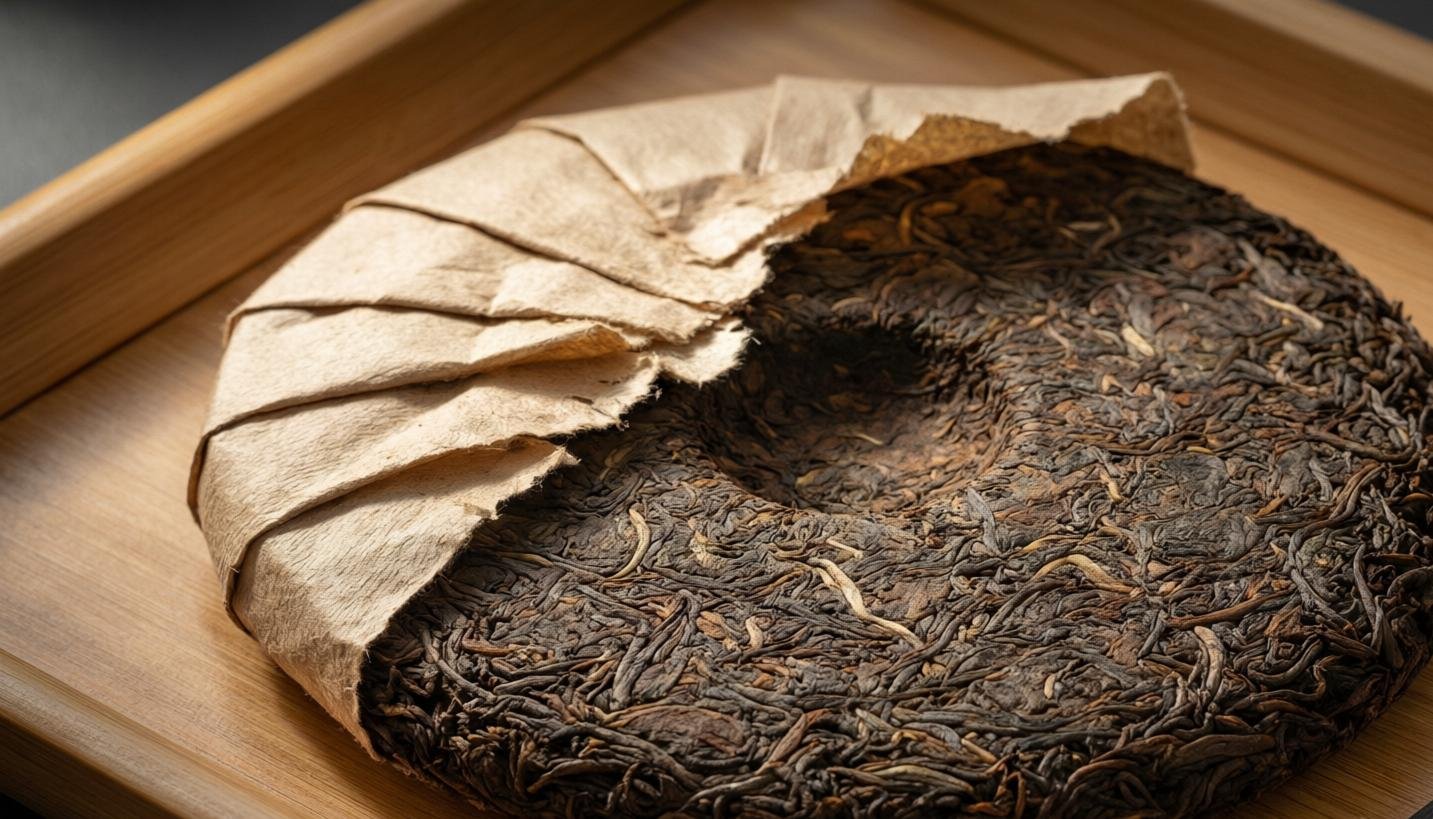
That limit is important. A CNNP wrapper is closer to a distribution or brand system than to a modern producer mark. Two cakes with similar CNNP front labels can come from different factories, different years, and different leaf grades. The label's value is historical context and recognition, not a technical specification.
Why a CNNP Wrapper Is Not a Quality Grade
Buyers often assume that CNNP means old, premium, or carefully stored tea. That assumption is the main risk. CNNP cakes span a wide quality range, including standard daily-drinking ripe Pu-erh, lightly aged raw Pu-erh, and high-priced collector pieces. The wrapper does not certify leaf grade, blend composition, or storage conditions. A clean wrapper can sit on tea with poor compression, off aromas, or damaged storage, just as a stained wrapper can protect excellent tea. Quality must be checked in the leaf and liquor rather than assumed from the label.
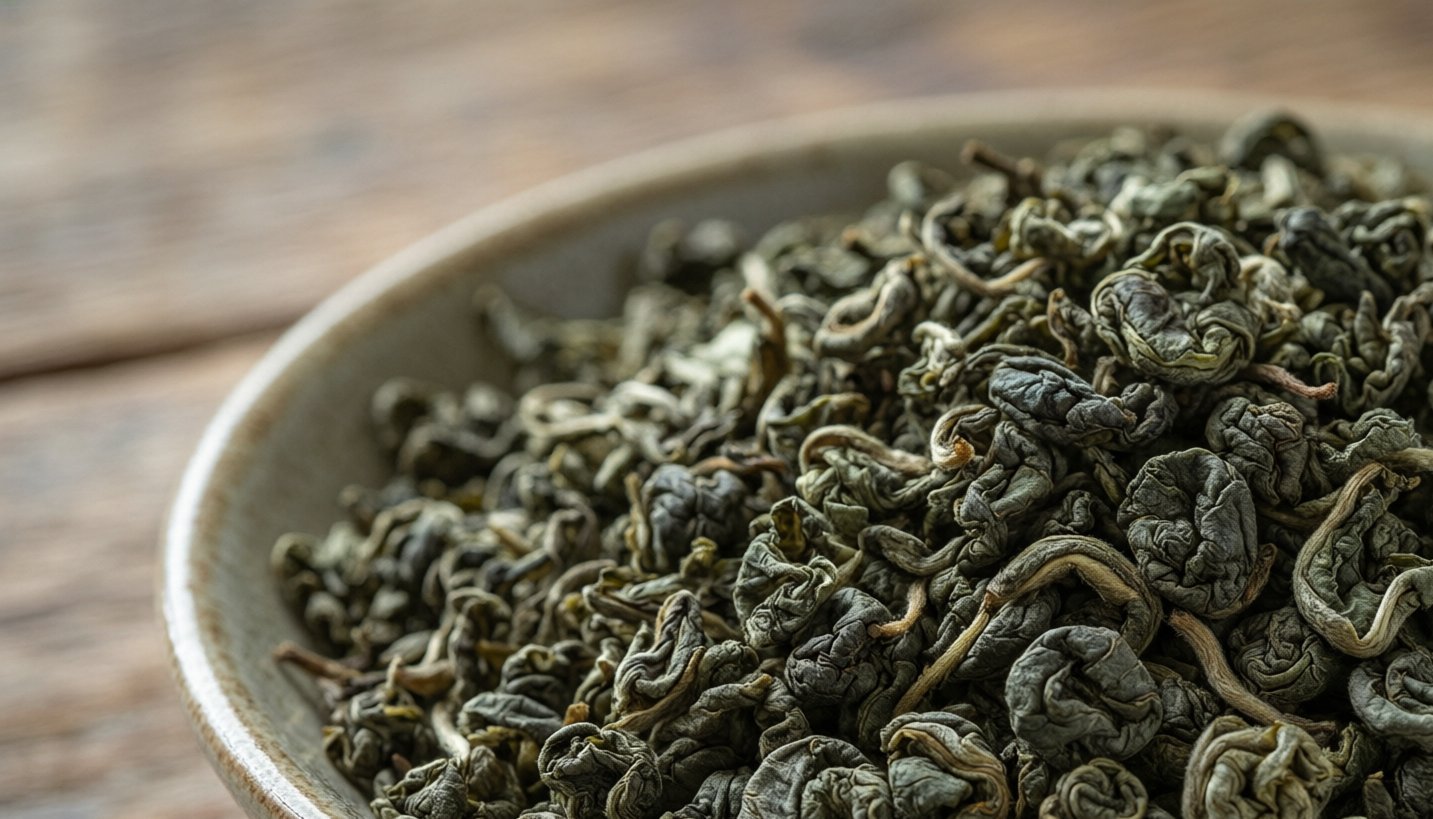
What the CNNP mark can usefully signal is period, export channel, and often a set of factory codes or recipe numbers printed on the back or inner ticket. Those details are more reliable than the front label alone.
The Main Difference From Factory-Specific Labels
| Aspect | CNNP shared label | Factory-specific label |
|---|---|---|
| Production site | May involve multiple authorized factories | Usually identifies one factory or brand |
| Grade signal | Weak; depends on recipe and batch | Often tied to a known product line |
| Age signal | Needs ticket and storage proof | Factory dates and batch systems may be clearer |
| Recipe continuity | Can vary across factories and periods | More stable for a named recipe |
| Collector value | Depends on confirmed factory and storage | Depends on brand recognition and condition |
| Main risk | Confusing lookalike wrappers | Counterfeit or mislabeled batches |
This is why experienced buyers treat CNNP as a starting point rather than a final grade. The same three letters can describe very different teas, so the supporting markings and the tea itself must do the detailed work.
How Aging, Storage, and Authenticity Change the Value
Age and storage affect CNNP Pu-erh more than the label does. A raw CNNP cake stored in a dry, clean environment can develop the smoother, darker liquor and deeper sweetness buyers look for, while the same recipe stored in damp or odorous conditions may turn sour, musty, or flat. The wrapper can help confirm the intended era, but it does not prove the tea spent those years in good storage. Buyers should judge the wrapper, the cake's compression and edge wear, and the brewed tea together.
Brewing also reveals what the label cannot. An aged raw CNNP tea should open gradually over several infusions, with clear aroma and a clean aftertaste. A ripe CNNP tea should be smooth and earthy without sharp fermentation or chemical off-notes. If the liquor is muddy, harsh, or empty, the label should not override that evidence.
What to Check Before You Buy
Start with the wrapper and ticket before paying a premium. Look for the factory code, recipe or batch number, production date, and any import or export marks. Some CNNP cakes have a back label or inner ticket that identifies the factory more precisely. Photos of the cake's front, back, edge, and broken leaf can reveal inconsistent compression, mold spots, or repaired damage.
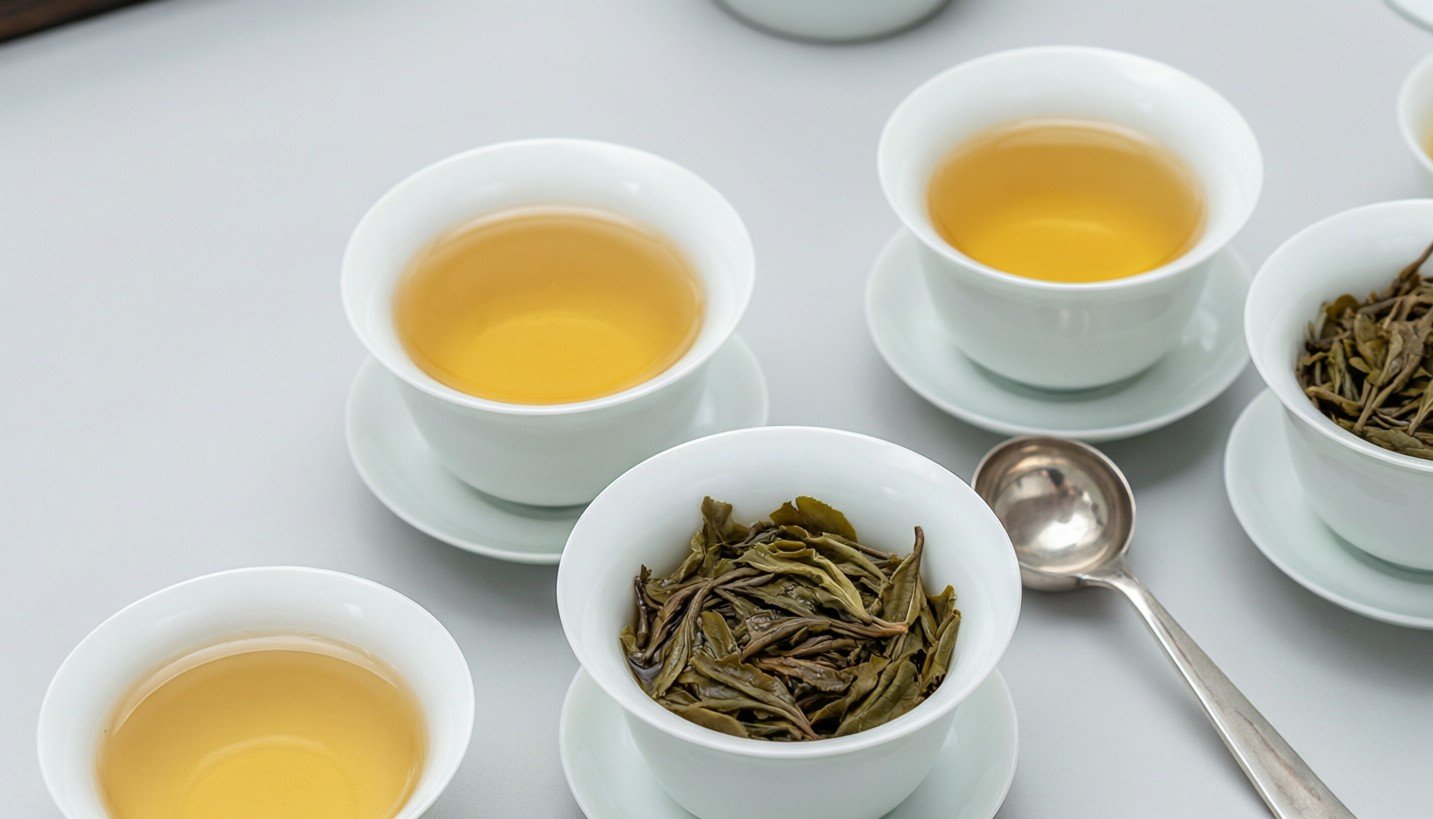
Whenever possible, sample the tea before committing to a large quantity. A short cupping session or a small sample order lets you check the dry leaf aroma, liquor clarity, mouthfeel, and how the tea behaves across two or three infusions. That is a better quality check than relying on the CNNP name alone.
Sourcing CNNP Pu-erh With Confidence
Before you buy, put the label in its proper place. CNNP can point you to a useful historical category, but the factory, batch, storage, and sample performance are what determine whether a cake is worth its price. If you are sourcing CNNP Pu-erh and want a second check on wrapper details or sample quality, send front and back photos, the batch or recipe number, and your target volume to 427728483@qq.com. Chinese tea suppliers can help you match the label to the tea behind it.
FAQ
Is CNNP a tea factory?
CNNP is not one factory. The name comes from the China National Native Produce & Animal By-Products Import & Export Corporation, which coordinated exports across multiple authorized factories. A CNNP wrapper can therefore appear on cakes from different production sites, especially in earlier export periods. Always look for the factory code or inner ticket to identify the actual producer.
Does a CNNP wrapper mean the tea is old or valuable?
No. CNNP cakes range from ordinary daily-drinking tea to aged collector pieces. Age and value depend on the factory, recipe, batch, storage, condition, and market demand. A wrapper alone cannot establish that a cake is old, well stored, or worth a premium.
Are all CNNP teas ripe or raw?
Both raw sheng and ripe shou Pu-erh have carried CNNP labels. The label does not indicate processing type. Check the cake's appearance, aroma, and liquor, and ask whether the batch is raw or ripe before buying.
How can I check a CNNP cake before buying?
Request clear front, back, edge, and broken-leaf photos, plus the factory code and batch or recipe number. Compare the wrapper and ticket with known period details, but treat those as screening signals rather than proof. A sample tasting is the most reliable check for quality.
No author description available.

白玉京