Pu-erh Loose Leaf Tea: What the Health Evidence Really Shows
Pu-erh loose leaf tea is often marketed as a tea for digestion, cholesterol, and weight control, but the evidence is not evenly strong across those claims. Some effects have a plausible mechanism and preliminary human data; others are mostly laboratory findings or long-standing tradition. This guide separates what current research can reasonably support from what remains hopeful marketing, so tea buyers and health-conscious drinkers can decide what to expect from a daily cup. Loose leaf Pu-erh also differs from compressed cakes in surface area, storage behavior, and brewing control, which matters when you compare health claims across products.
How Processing Changes the Health Profile
Pu-erh loose leaf tea starts as sun-dried green tea leaves from Yunnan that undergo microbial fermentation and aging. Raw (sheng) Pu-erh changes slowly through natural enzymatic and microbial action, while ripe (shou) Pu-erh is fermented under controlled warm, humid conditions to accelerate the same transformation. That difference matters for health claims because the fermentation process changes the tea's polyphenol mix. Catechins can decline or convert, while other compounds such as gallic acid and theabrownins become more prominent.
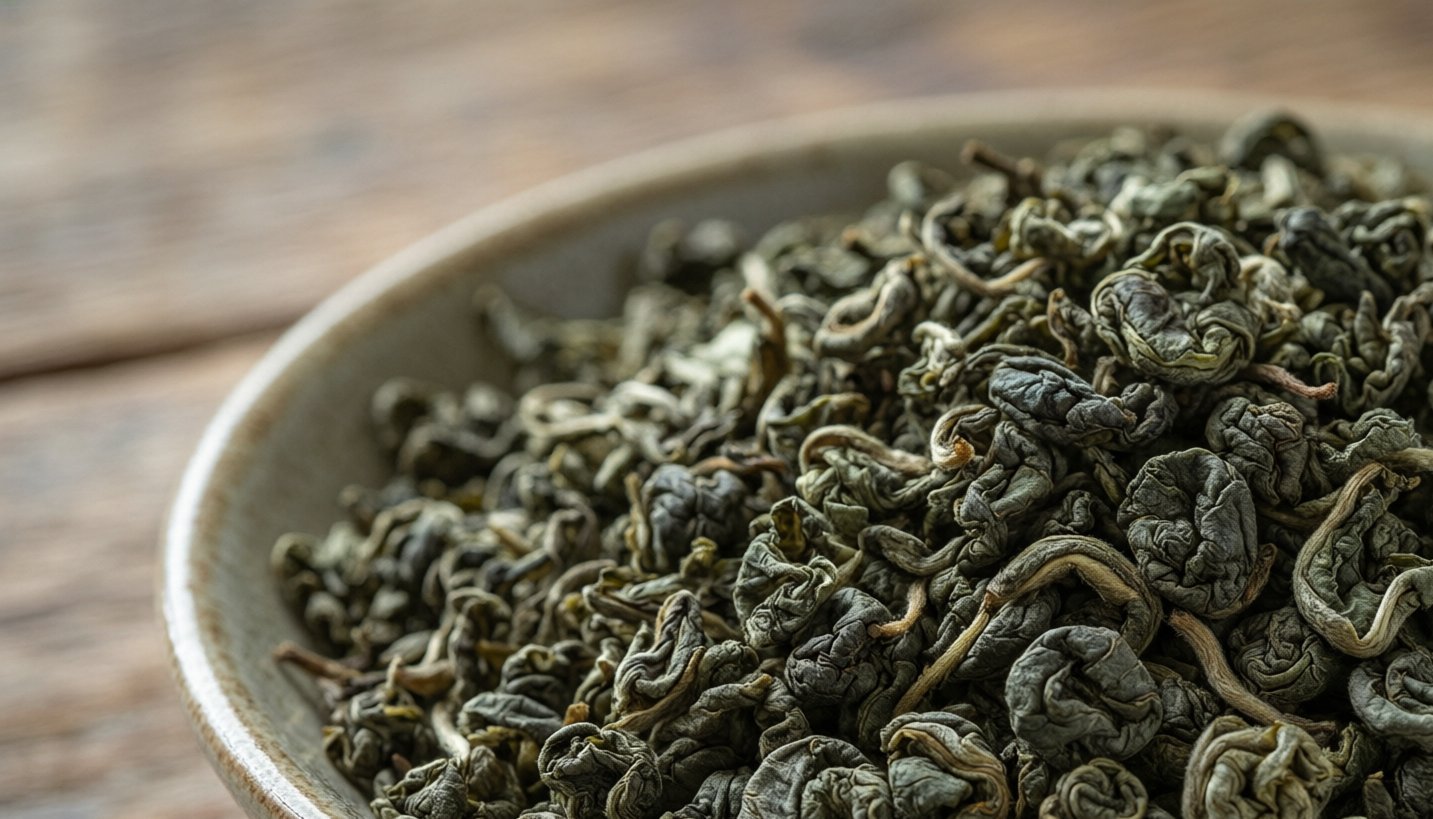
For a buyer, this means two Pu-erh batches can look similar but sit far apart in chemistry. A young raw Pu-erh is closer to a strong green tea, while a well-fermented ripe Pu-erh is darker, smoother, and contains different breakdown products. Health discussions often treat "Pu-erh tea" as one fixed thing, but the processing route, raw material, age, and storage conditions all shape what ends up in the cup.
What the Evidence Actually Supports
The most honest summary is that Pu-erh has plausible mechanisms and some preliminary human research, but few large, long-term trials. The areas with the most support are digestive comfort and markers related to lipid metabolism, although the size and consistency of the effect are still uncertain. Most claims come from tea's polyphenols, caffeine, and fermentation products. That is not the same as proving that a few cups a day will change a specific health outcome.
The table below separates claims that have at least some human support from claims that depend mainly on laboratory or animal work.
| Health claim | Where the current evidence sits | Practical take |
|---|---|---|
| Digestive comfort after rich meals | Traditional use, plus small human and mechanistic work | Worth trying as a low-risk daily habit; do not use it to manage a medical condition |
| Cholesterol and lipid support | Preliminary human studies show modest directional changes | May be a useful dietary addition, but monitoring remains essential |
| Weight or fat loss | Lab and limited human studies, often with extracts | Treat as a secondary factor, not a primary weight-loss method |
| Detox or cleanse | No meaningful human evidence for a special cleansing effect | The body already handles detoxification; tea supports fluid intake |
| Blood sugar control | Some mechanistic and preliminary human data, mixed results | Useful only as part of a broader diet and medical plan |
| Higher caffeine means more benefit | Fermentation does not reliably increase caffeine | Choose based on how you tolerate caffeine, not based on promises |
The key point is not that Pu-erh is useless. It is that the evidence strength is uneven, and the product form, dose, and personal response all matter more than a one-line health claim.
Where the Hype Beats the Evidence
Weight-loss and detox claims are the weakest. Many are based on cell studies or animal research using concentrated extracts at doses far above what a brewed cup delivers. An extract that changes a pathway in a lab dish does not automatically predict the same result in a person drinking tea with food. The same caution applies to broad immune-boosting, anti-aging, or metabolism-revving language. These phrases often describe mechanisms that have not been confirmed in well-designed human trials.
Another common overstatement is that older Pu-erh is automatically healthier. Age can change flavor and may shift certain compounds, but age alone does not guarantee a stronger or safer effect. Poor storage can introduce moisture, mold, or unwanted fermentation, which may work against the very benefits a buyer expects. This is why storage condition and lab screening often matter more for health-oriented buyers than the number of years printed on a wrapper.
Loose Leaf Versus Compressed Pu-erh
Loose leaf Pu-erh is exposed to more air and can change faster than a tightly pressed cake or tuo. That can make it convenient to brew and easy to measure, but it also means storage needs more attention. Keep it away from strong odors, direct heat, and humidity swings. Airtight, opaque, food-safe packaging is a practical choice for daily use.
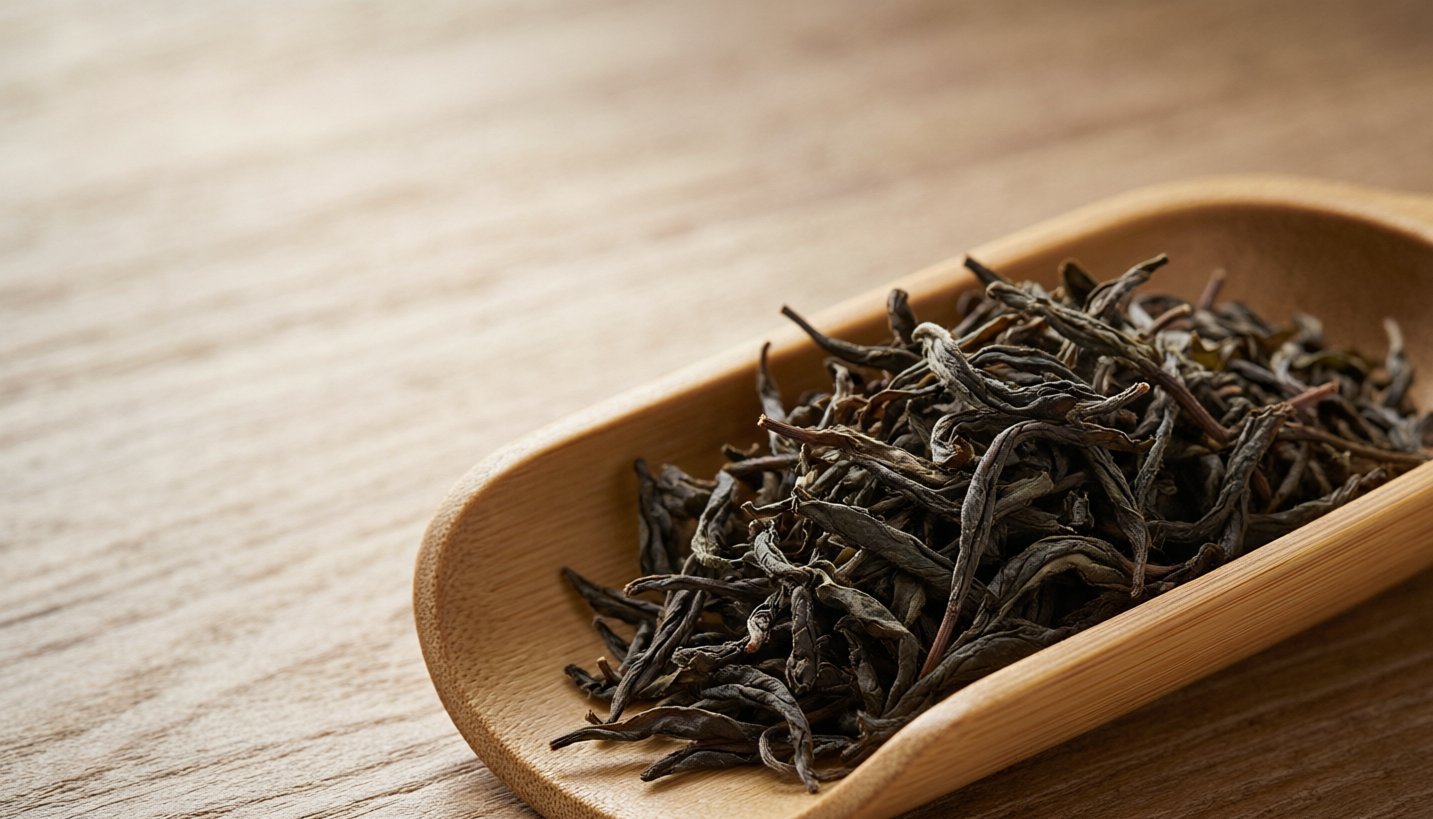
Compressed Pu-erh stores well in bulk and ages more slowly, but it needs breaking up before brewing.
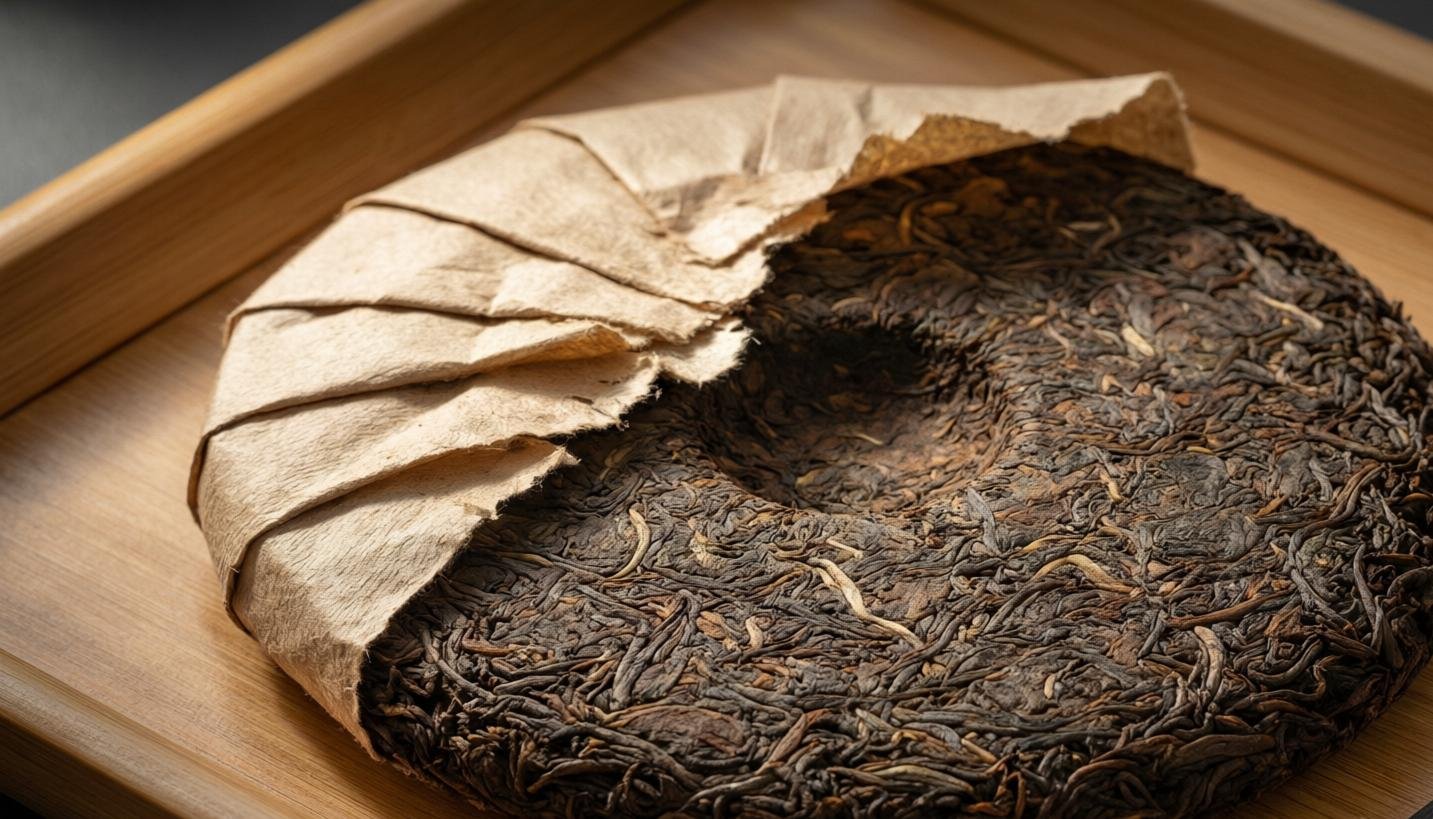
For health-focused drinking, the loose leaf format does not automatically provide more active compounds. The raw material, fermentation level, and storage condition are stronger factors. The real advantage of loose leaf is consistency and control: you can weigh the same amount each time and adjust the strength of your cup more easily.
How to Choose a Pu-erh Worth Drinking
For a tea that will be consumed regularly, choose batches with clear information about origin, year, and processing. Raw Pu-erh tends to be brighter, more astringent, and closer to green tea in its early years. Ripe Pu-erh is darker, earthier, and generally easier on the stomach. Neither is universally healthier; the right choice depends on your taste, caffeine sensitivity, and what your body tolerates.
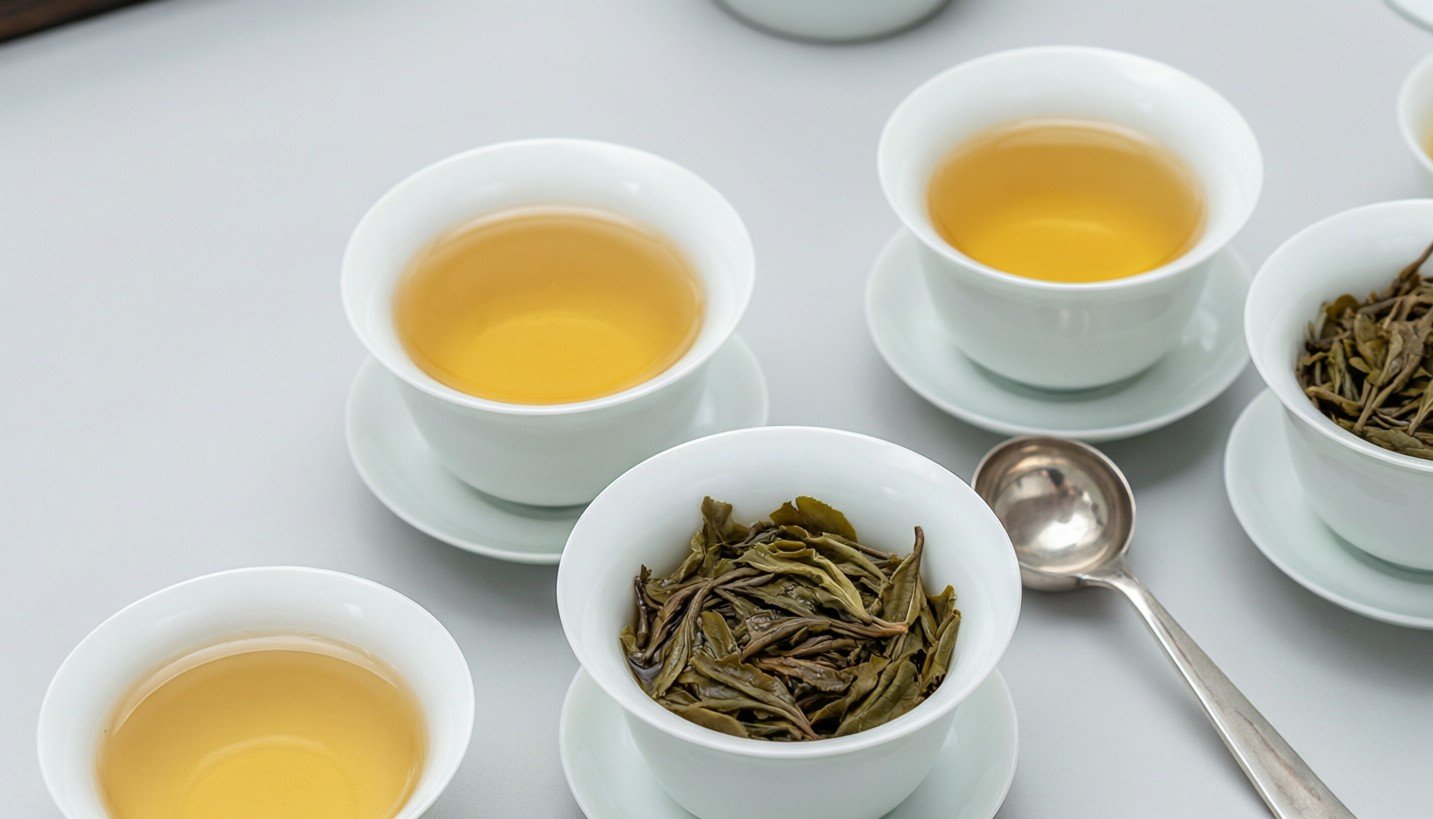
Before buying in bulk, request a sample and check the wet leaf, liquor clarity, and aftertaste. Ask whether the tea has been screened for pesticide residues, heavy metals, and mold-related markers, especially if it was wet-stored or sold as aged. A supplier who can explain the batch's storage and testing history is more useful than one who only repeats broad health slogans.
Brewing for the Realistic Benefits
Use water just off the boil for ripe Pu-erh and slightly cooler water for young raw Pu-erh if it tastes too sharp. A short rinse can open the leaf and remove surface dust, but the main goal of the first infusion is simply to prepare the leaf for even extraction. Start with about 5 grams of loose leaf for a standard gaiwan or small teapot, then adjust based on the liquor's strength.
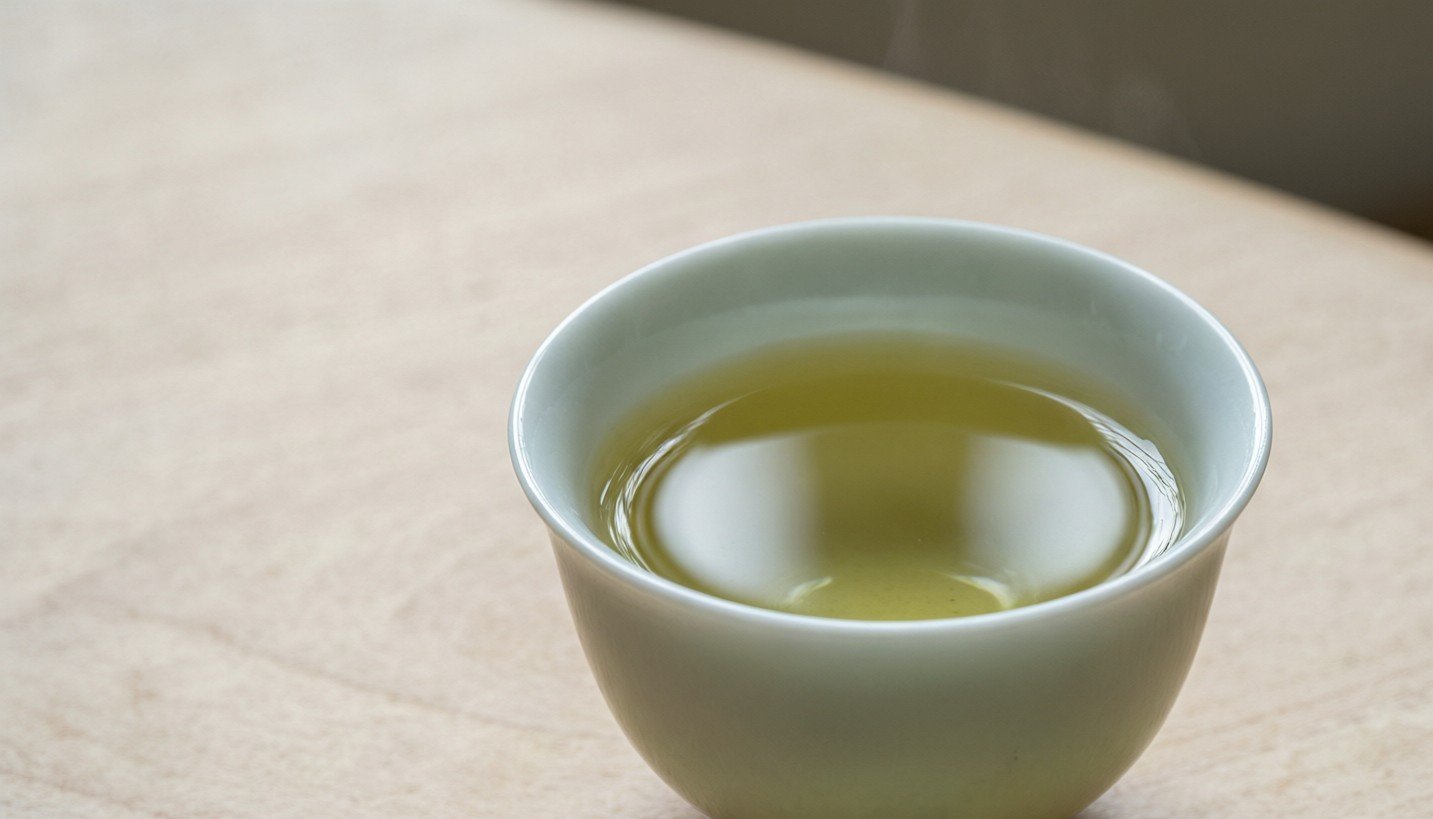
Keep the first steeps short, often 10 to 20 seconds, and add time as the leaf opens. If you are drinking Pu-erh after meals, a medium-strength infusion with food is a reasonable place to start. If caffeine keeps you awake, choose a shorter steep or a well-fermented ripe Pu-erh, and avoid drinking it late in the day.
Sourcing a Batch Worth Testing
If you are buying Pu-erh loose leaf for resale or long-term personal use, ask for the batch year, origin, processing style, and any available testing records before committing. Send those details, plus the format you want (raw or ripe, loose leaf or pressed), to 427728483@qq.com. Chinese tea suppliers can help you compare options and request samples that match your intended use.
FAQ
Is Pu-erh loose leaf tea safe to drink daily?
For most people, moderate daily drinking is considered safe. Watch for caffeine tolerance, and stop or reduce if you notice stomach discomfort, heartburn, or sleep changes. People with kidney, liver, or heart conditions, or those taking medication, should ask a doctor before using concentrated extracts or drinking large amounts.
Should I choose raw or ripe Pu-erh for health benefits?
There is no clear evidence that one form is broadly healthier. Ripe Pu-erh is often described as gentler and easier to drink after meals, while young raw Pu-erh is more astringent and may bother a sensitive stomach. Choose the one you can drink comfortably and consistently.
Does Pu-erh tea contain caffeine?
Yes. The amount varies by raw material, processing, brewing time, and leaf-to-water ratio. A longer steep or more leaf increases caffeine in the cup. If you are sensitive, use a shorter steep, a lower leaf amount, or drink earlier in the day.
Are aged Pu-erh teas automatically healthier?
No. Age can change flavor and some compounds, but it does not guarantee a stronger health effect. Poor storage can create risks that outweigh any claimed benefit. Look for clean storage and batch screening rather than relying on age alone.
No author description available.

白玉京