How to Store Loose Leaf Pu-erh Tea So It Stays Fresh
Storing loose leaf pu-erh tea well means controlling four variables: air exchange, humidity, temperature, and odor exposure. The goal is not to freeze the tea in place, but to give it a stable, clean environment where desirable aging can continue without off flavors. Loose leaf pu-erh has more exposed surface area than a compressed cake, so it reacts faster to changes in its surroundings. A good storage setup keeps the leaves fresh for daily use and prevents the damp, sour, or soapy notes that come from poor handling.
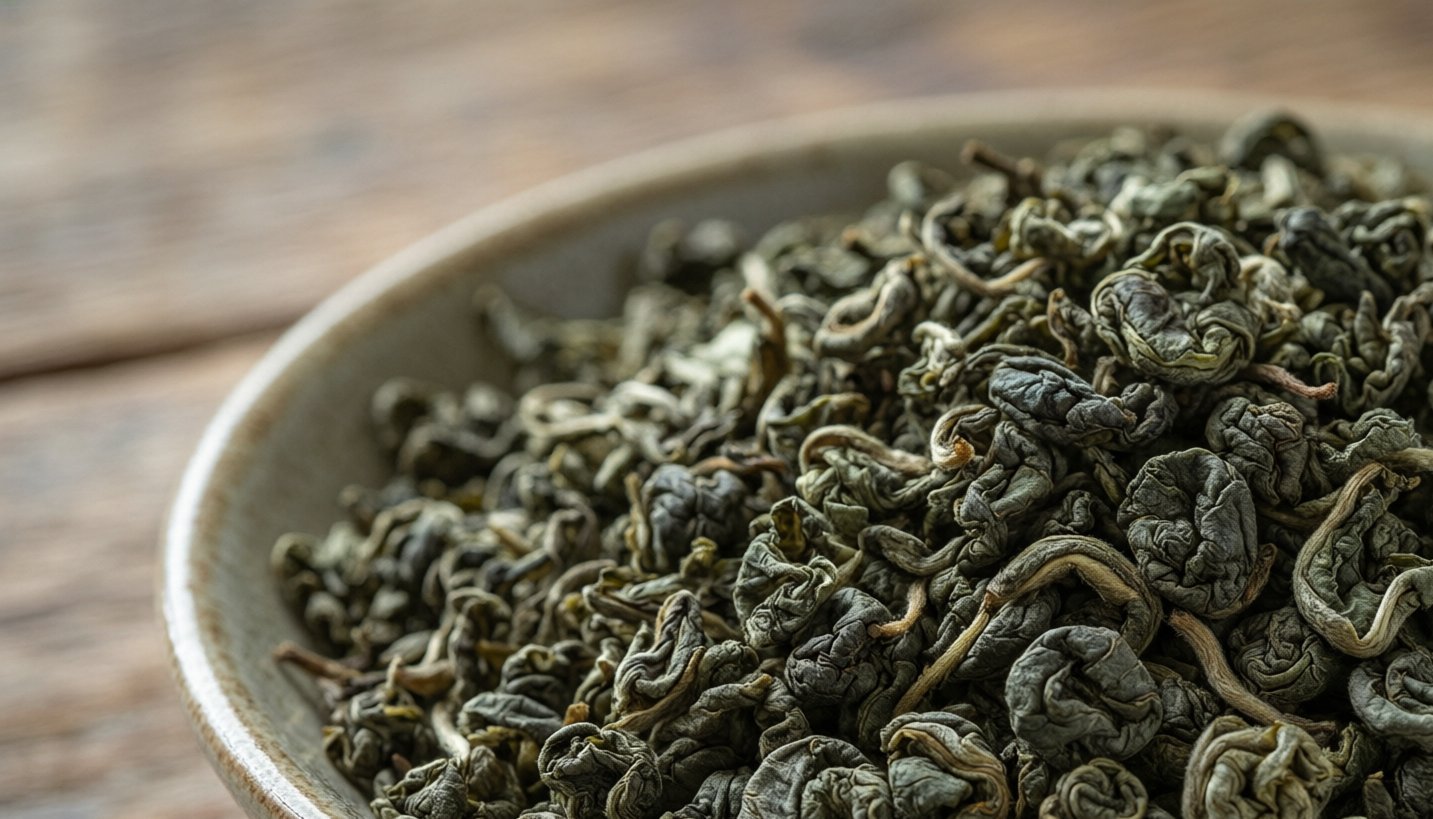
Why Loose Leaf Pu-erh Reacts to Air, Humidity, and Odor
Loose leaf pu-erh changes because it is not inert after processing. The leaves still contain natural enzymes, residual moisture, and aromatic compounds that respond to the air around them. With too much airflow, volatile aromas escape and the tea can taste flat. With too little air movement and too much moisture, the tea can develop musty or sour off flavors. The practical challenge is to allow slow, even exchange without letting the leaves sit in stale air.
Because loose leaf has many small surfaces, it also picks up nearby odors quickly. A storage area near spices, cleaning products, or strong-smelling packaging can ruin a batch within days. Keep the leaves away from anything with a noticeable scent, including the kitchen, garage, and places where cardboard or plastic packaging is stored with other goods.
Pick the Right Container Before You Store
The container sets the baseline for everything else. One container rarely suits every situation, but the table below covers the common options for loose leaf pu-erh.
| Container | Best use | Watch for |
|---|---|---|
| Food-grade ceramic jar | Daily use and medium-term storage | Clean and dry thoroughly before reuse |
| Cotton bag inside a cardboard box | Longer aging with slow air exchange | Room must be odor-free |
| Non-porous food-grade plastic bucket | Short-term transport or bulk holding | Avoid long-term aroma transfer |
| Unglazed clay jar | Controlled aging with gentle moisture exchange | Season the jar before first use |
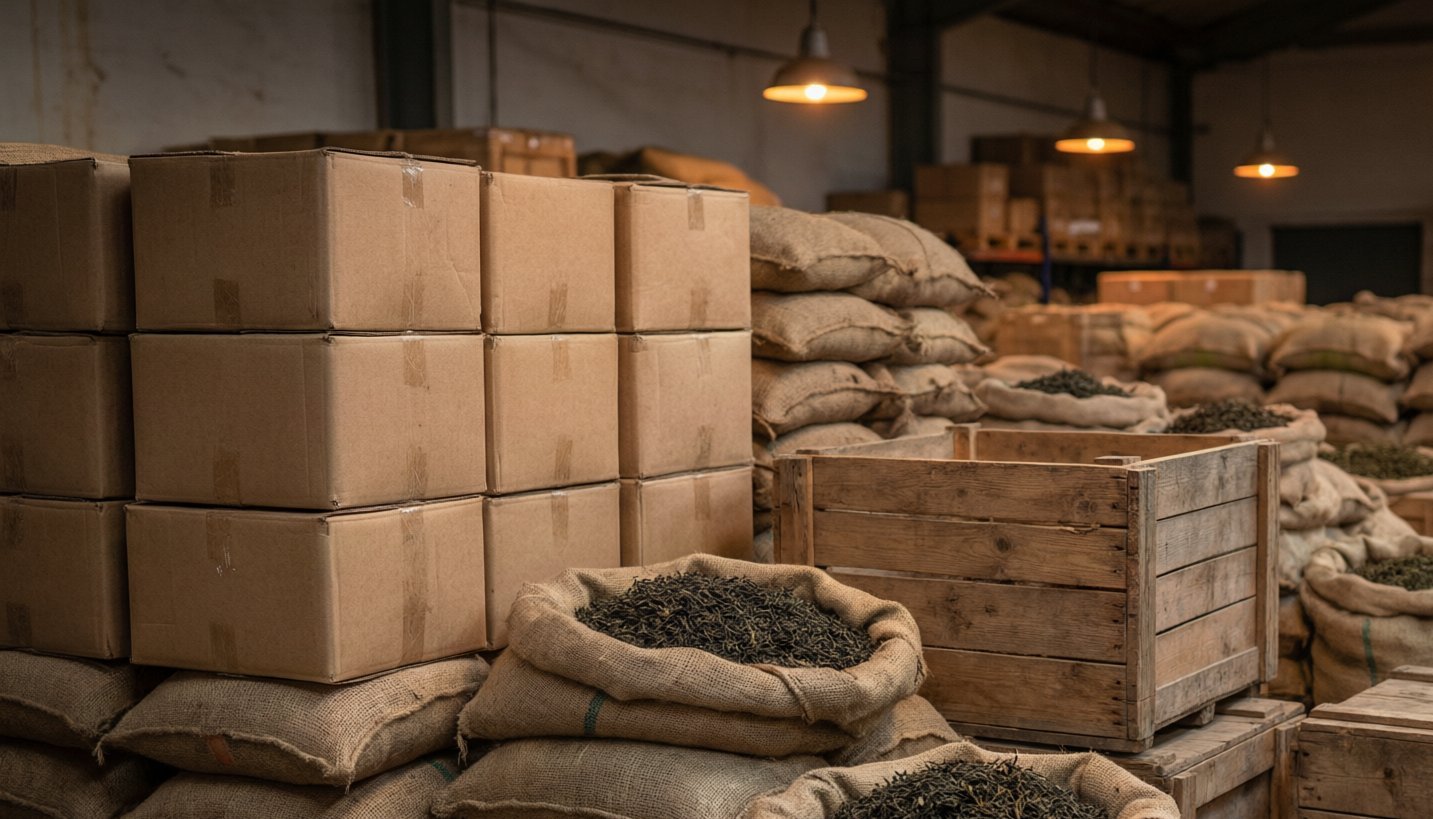
Whichever container you choose, use one main storage vessel and a smaller working jar. The main vessel should be opened only when you need to refill the working jar or check the batch. This limits the number of times the leaves are exposed to room air and your hands.
Temperature and Humidity Targets That Protect Flavor
Loose leaf pu-erh stores best in a cool, moderately humid environment. In practice, aim for a stable relative humidity between 60% and 70% and a temperature below about 25°C (77°F). More important than hitting an exact number is avoiding rapid swings. A warm day followed by a cool night can cause condensation inside the container, which encourages mold and off flavors.
Monitor the room, not just the jar. If the storage area is dry, the leaves can lose their suppleness and aroma. If it is damp, the leaves may absorb too much moisture and turn sour. A small digital hygrometer near the storage shelf is a simple way to see whether the room conditions are stable before the tea shows visible problems.
A Daily and Long-Term Storage Checklist
Use this sequence when you store loose leaf pu-erh at home, in a shop, or in a warehouse.
- Dedicate one clean, odor-free container to a single tea batch.
- Keep a small working jar separate from the main storage.
- Refill the working jar only when it is empty, then reseal the main container.
- Smell the tea before each use for sour, musty, or soapy notes.
- Check the storage area monthly for condensation, temperature swings, or new odors.
- Write the tea name, purchase date, and storage start date on the container.
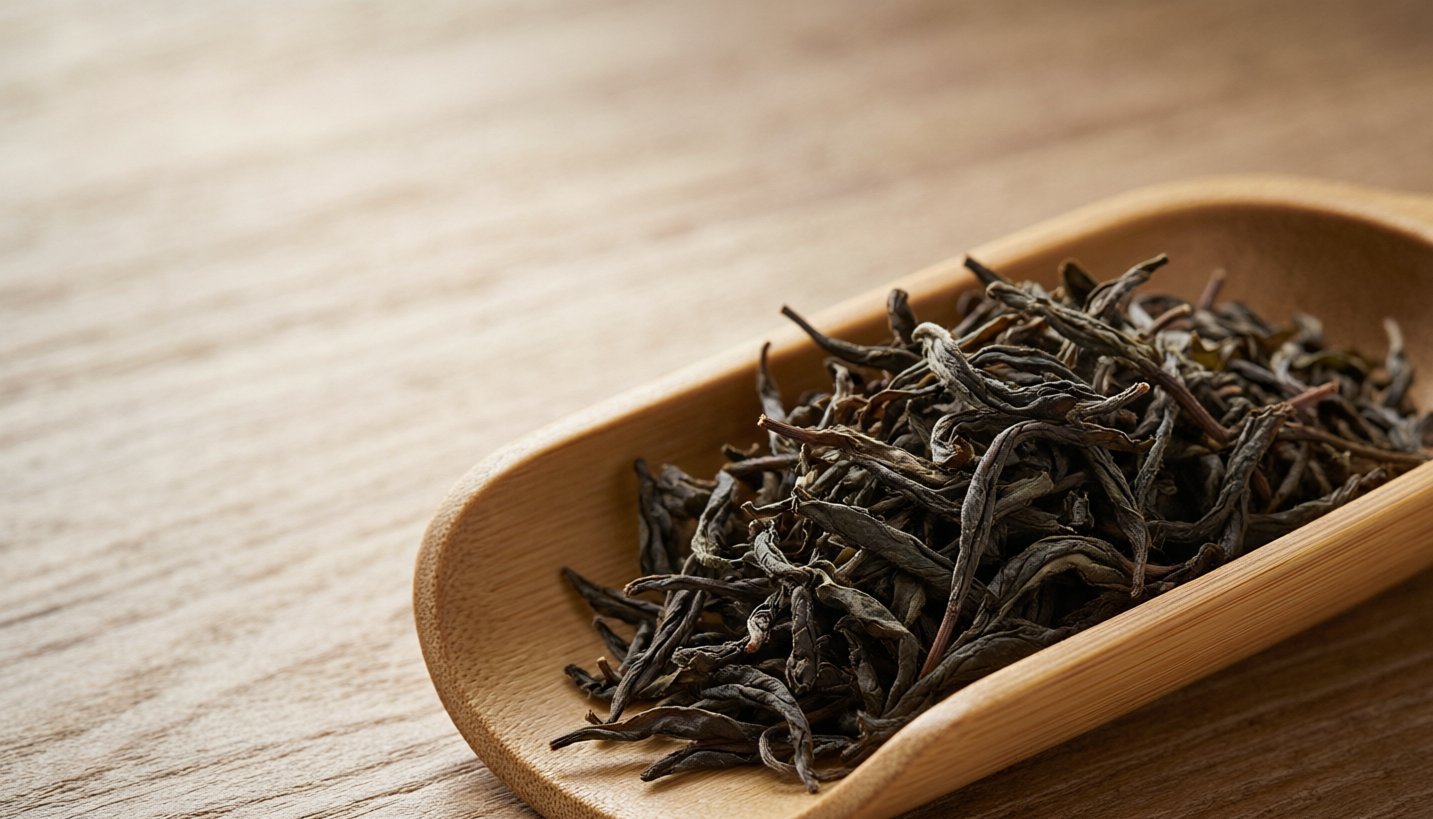
Use a clean, dry scoop instead of your fingers. Moisture and oil from skin can introduce unwanted odors and uneven moisture into the leaves. The same rule applies to the working jar: keep its opening small, clean, and covered when not in use.
What Causes Off Flavors and How to Prevent Them
Most storage failures show up as a specific off flavor. Damp or sour notes usually mean the leaves absorbed moisture or sat in a container that was not fully dry. Flat or papery notes often mean too much air movement or storage near a heat source. Soapy or perfumed notes usually come from plastic containers, cleaning residues, or heavily scented packaging.
Prevent these problems by keeping the container clean, the room stable, and the tea away from direct sunlight. Do not store loose leaf pu-erh in the refrigerator, because the repeated temperature change when the jar is opened and closed can create condensation. Do not store it near a window, stove, or radiator, where temperature changes are constant.
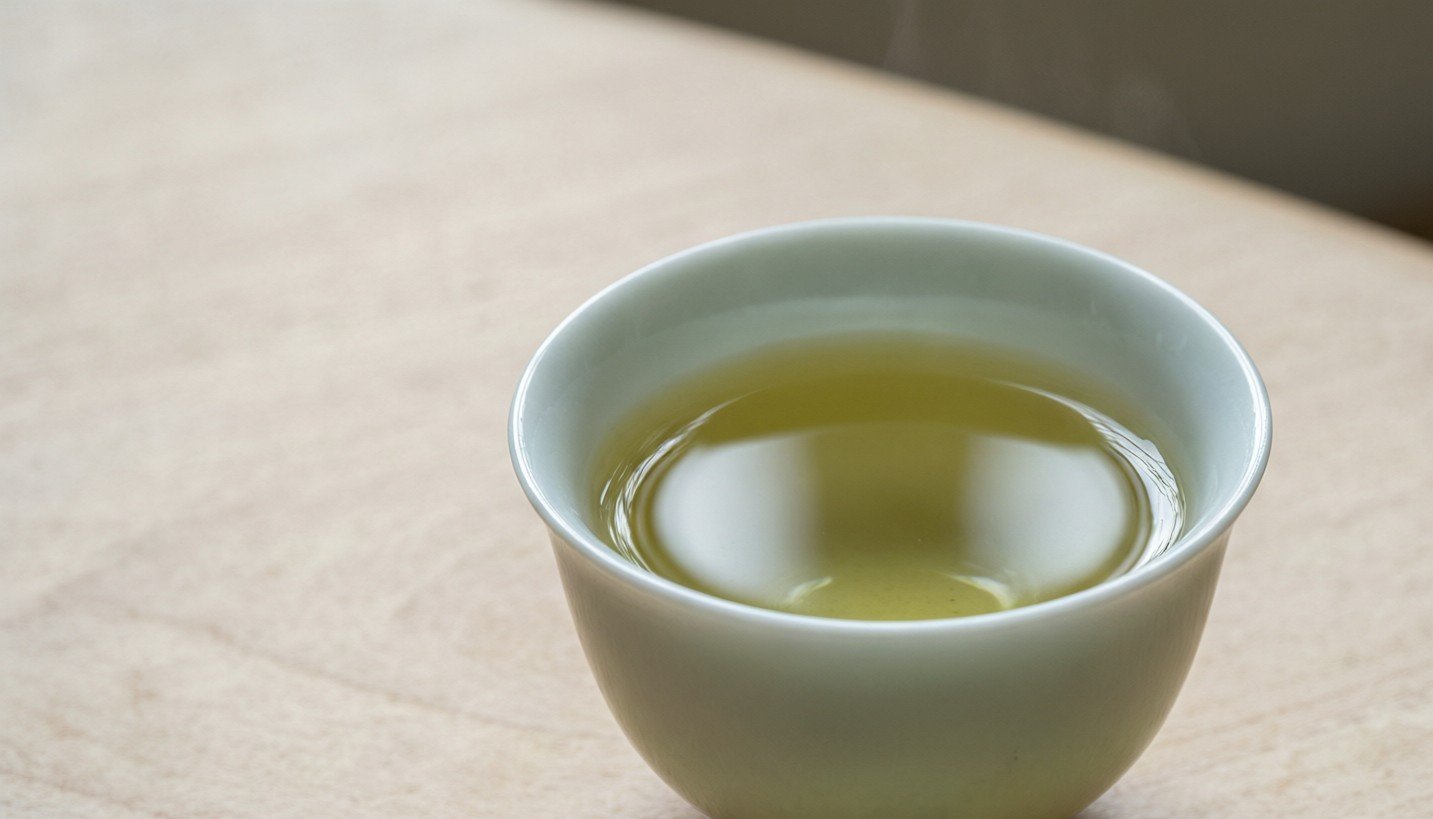
Taste is the final check. If a stored batch tastes clean and aromatic, the conditions are working. If the flavor is dull, sour, or unusually sharp, separate the affected leaves from the rest of the batch and review the container and room conditions before continuing to store.
When to Refresh, Rotate, or Sample Stored Pu-erh
Loose leaf pu-erh does not need to be opened constantly. For daily drinking tea, sample the working jar as usual and only inspect the main storage when you refill. For tea you plan to hold longer, open the main container every few months to check the aroma and look for condensation or mold. If the batch is new to you, do a small tasting before committing a large quantity to long-term storage.
Tea stored in a stable environment can remain pleasant for years, but loose leaf generally shows its best drinking window earlier than tightly compressed cakes. Rotate older lots toward the front of the shelf and label them clearly so they are used before newer stock. This is especially useful for buyers who hold multiple origins, batches, or raw and ripe pu-erh separately.
Store Your Pu-erh With a Plan
If you are storing a larger amount of loose leaf pu-erh and are unsure which container or room setup is best for your batch, tell us the tea form, approximate quantity, current packaging, storage room conditions, and whether you plan to drink it now or age it. We can help you choose a container and rotation plan that fits your stock. Contact Chinese tea suppliers at 427728483@qq.com.
Frequently Asked Questions
Does loose leaf pu-erh need to be refrigerated?
No. Refrigeration is not recommended for pu-erh because the repeated temperature change when the container is opened and closed can create condensation. A cool, stable room away from light and strong odors is better.
Can I store loose leaf pu-erh in the original bag?
Only for a short time. Original retail bags are convenient for transport, but they are rarely airtight enough for long-term storage and may carry printing or packaging odors. Transfer the tea to a clean ceramic jar, a cotton bag inside an odor-free box, or another dedicated container as soon as practical.
How long does loose leaf pu-erh stay fresh?
There is no single expiration date. When stored in a stable environment with moderate humidity, good loose leaf pu-erh can stay pleasant for years. The main risks are moisture, heat, light, and odor exposure, not age alone.
Should I keep raw and ripe pu-erh separate?
Yes. Raw and ripe pu-erh have different character and storage behavior, and they can exchange aromas if stored together in the same jar or box. Keep them in separate containers, and keep strong-smelling teas away from milder ones.
No author description available.

白玉京