What Yunnan Green Tea Can and Cannot Do for Your Health
Yunnan green tea can be a useful daily drink, but it is not medicine. Its main value comes from water, modest caffeine, L-theanine, and a family of polyphenols called catechins, especially EGCG. These compounds can support alertness and may contribute to a healthy routine, but they do not make up for poor sleep, a highly processed diet, or existing health conditions. This article separates what is reasonably supported from what is overclaimed, with attention to Yunnan's large-leaf teas and how brewing changes what reaches your cup.
What Makes Yunnan Green Tea Different
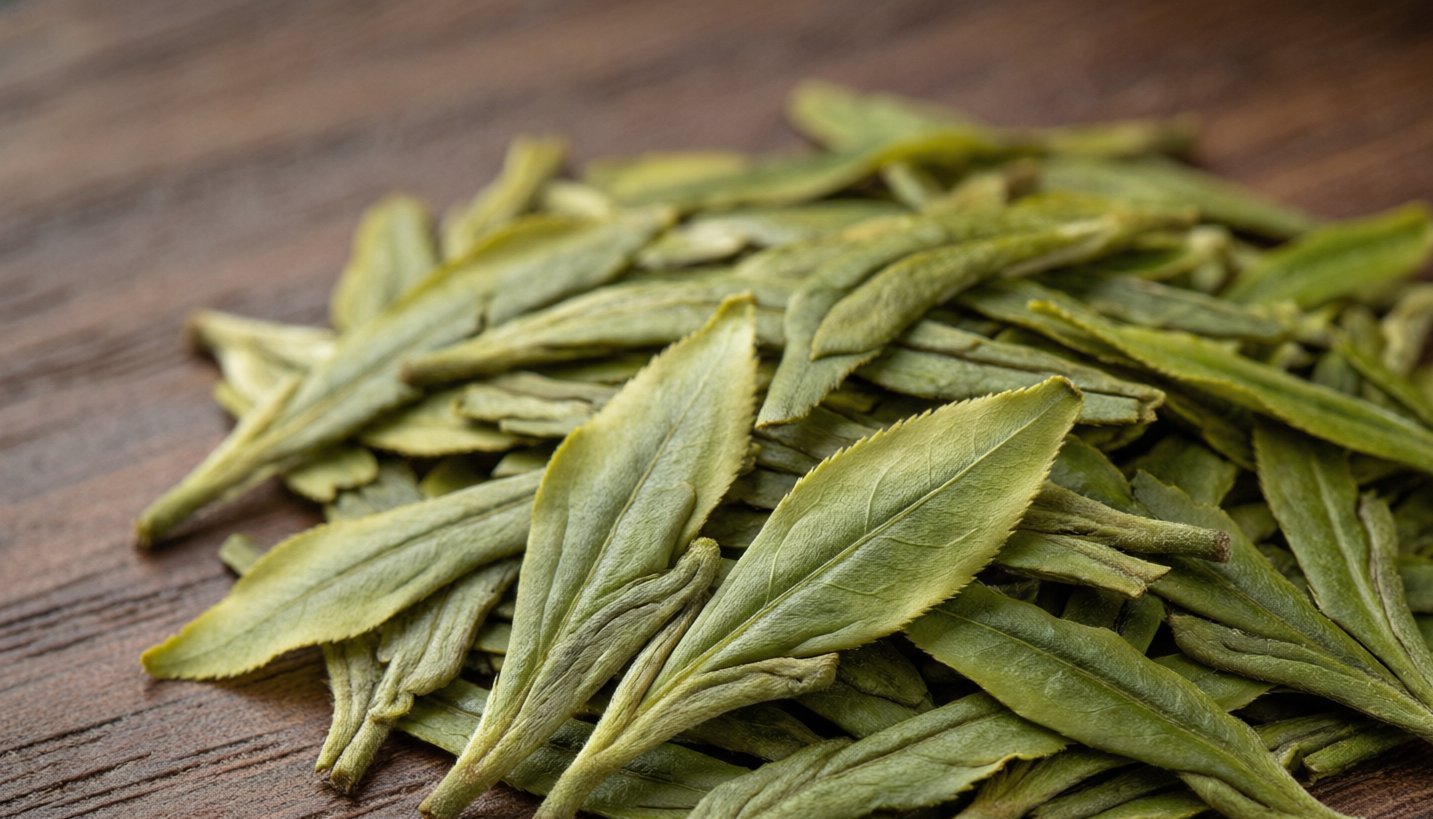
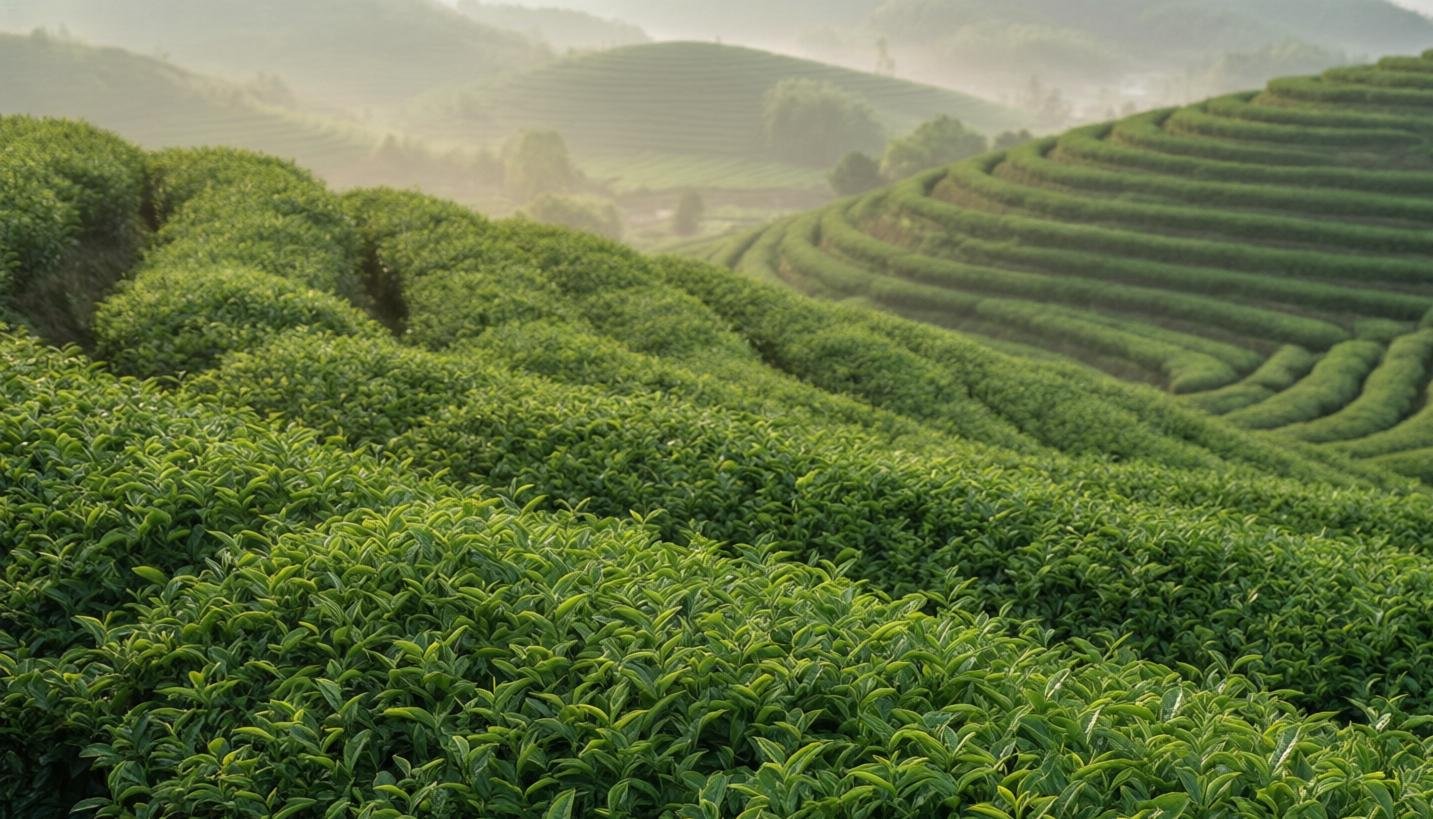
Yunnan Province grows tea across a wide range of elevations, and many local green teas use large-leaf cultivars rather than the small-leaf bushes common in eastern China. That difference does not make the tea automatically healthier. It changes the flavor, the balance of caffeine and polyphenols, and how the leaves respond to hot water. Some Yunnan green teas taste fuller, slightly malty, or more astringent, while others are soft and floral. Freshness, picking standard, and processing matter at least as much as origin.
Key Compounds and How They Act
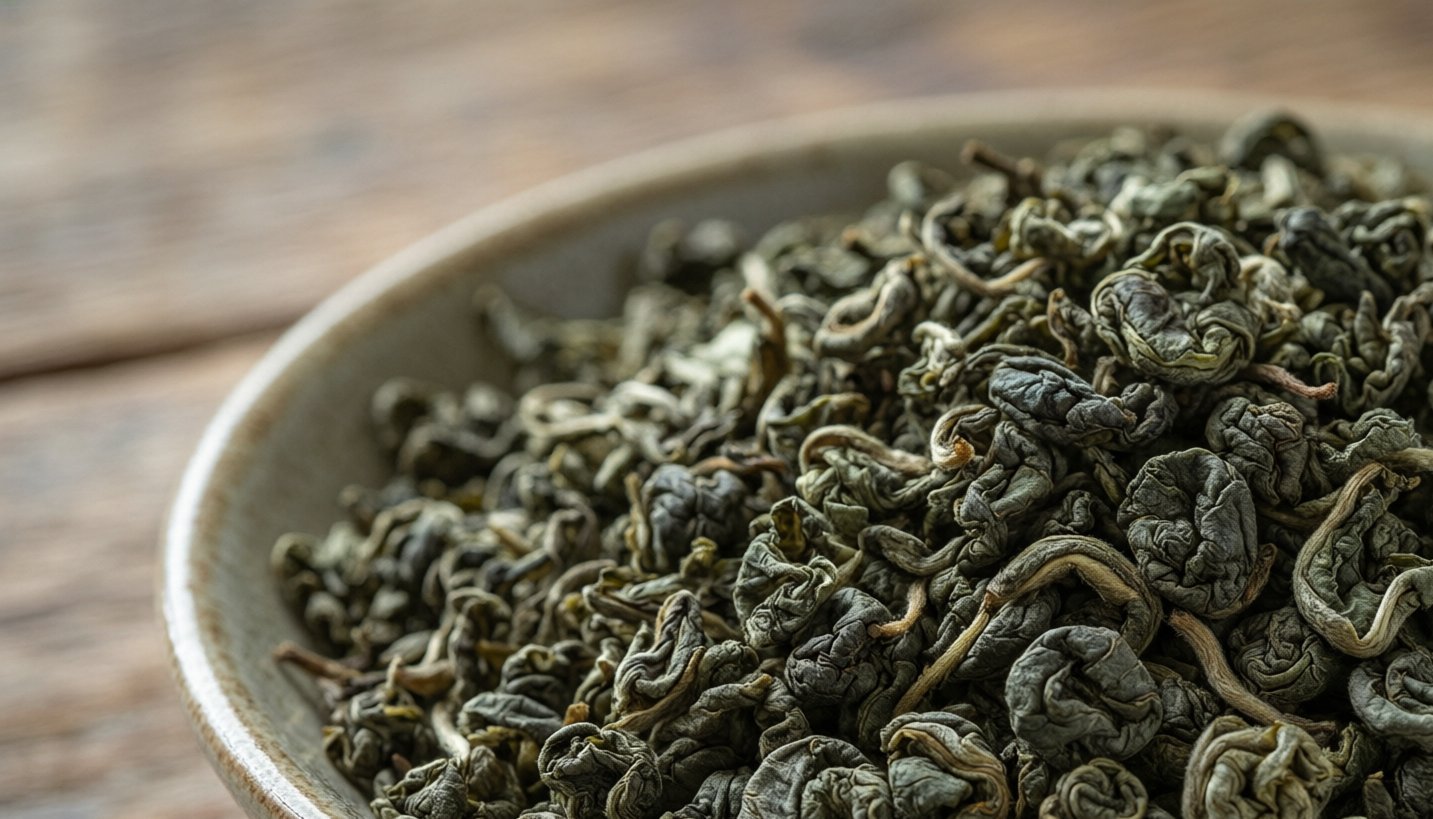
Most Yunnan green tea leaves contain catechins, caffeine, L-theanine, and small amounts of minerals. Catechins are polyphenols that show antioxidant activity in laboratory research. L-theanine is an amino acid that may support calm attention. Caffeine is a mild stimulant that can improve wakefulness in the short term. The proportion of these compounds depends on cultivar, leaf age, harvest season, processing, and brewing time. A longer steep or hotter water tends to extract more caffeine and more polyphenols, but it can also draw out more bitterness.
What the Evidence Can and Cannot Support
| Claim | What it can support | What it cannot prove |
|---|---|---|
| Antioxidant effect | Catechins show antioxidant activity in laboratory settings. | That drinking tea prevents aging or disease in a specific person. |
| Alertness | Caffeine and L-theanine can reasonably support attention and reduce drowsiness. | That tea replaces adequate sleep or eliminates caffeine tolerance. |
| Weight management | Some trials report small, inconsistent effects on energy expenditure or fat oxidation. | That green tea is a fat burner or a meaningful weight loss treatment. |
| Heart and metabolic health | Observational studies associate regular tea drinking with some healthier patterns. | Causation, or a substitute for diet, activity, and medical care. |
| Blood sugar | Some clinical work suggests modest interaction with carbohydrate metabolism. | That it controls blood sugar or replaces medication. |
The pattern is consistent: green tea is best viewed as one part of an overall diet, not a targeted treatment.
Daily Drinking: Practical Benefits and Limits
Drinking plain tea instead of sweetened drinks can reduce calorie intake, but only if it replaces them. Warm or cool unsweetened Yunnan green tea contributes fluid and can be a pleasant low-calorie routine. The caffeine content is usually moderate, but tender buds or aggressive steeping can make a stronger cup. If you are caffeine sensitive, start with one small cup in the morning and watch how your body responds.

Who Should Be More Careful
Most adults can drink moderate amounts without issue, but there are exceptions. People with iron deficiency should separate tea from iron-rich meals because tea polyphenols can reduce non-heme iron absorption. Pregnant women should follow their clinician's guidance on caffeine. People taking stimulants, blood thinners, or medications affected by caffeine should ask a pharmacist about interactions. Anyone with an existing condition should not use tea as a treatment.
Choosing and Brewing for Better Results
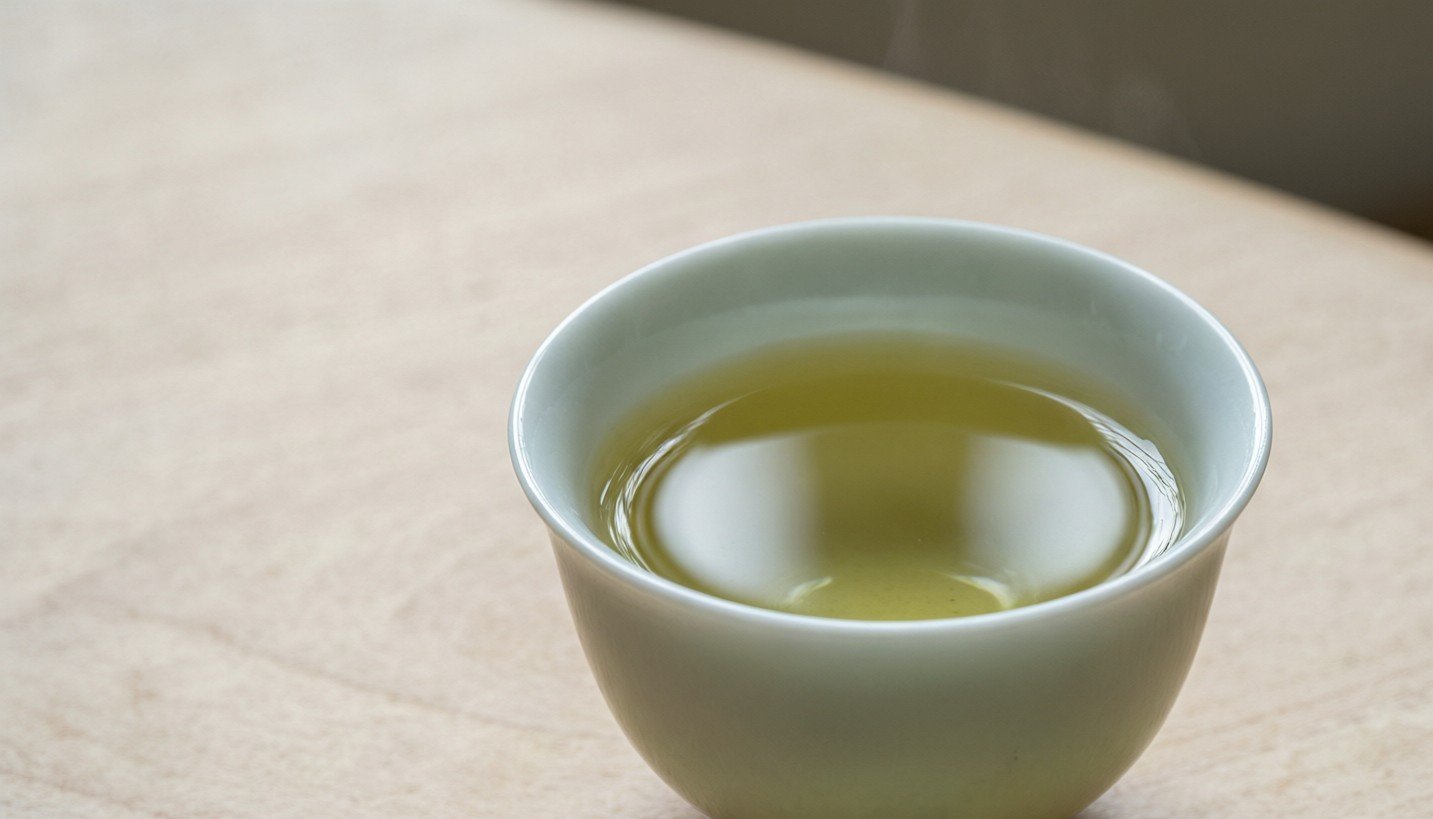
Freshness, leaf clarity, and storage matter. Buy from a supplier that can tell you the harvest season, region, and grade. Store tea in a sealed, light-protected container away from heat and strong odors. For a cleaner cup, use water around 75 to 85°C (170 to 185°F) for many delicate green teas. Large-leaf Yunnan greens can tolerate slightly hotter water. Start with about 2 to 3 grams per 200 to 250 ml and steep for 1 to 2 minutes, then adjust. If the tea turns bitter early, lower the temperature or shorten the steep.
Sourcing Yunnan Green Tea
Choosing a green tea you enjoy and can drink consistently matters more than chasing a specific health claim. If you are sourcing Yunnan green tea for a café, retail line, or private label project, contact Chinese tea suppliers at 427728483@qq.com with your target flavor profile, leaf grade, pack size, and testing requirements.
FAQ
Is Yunnan green tea healthier than other green teas?
Not automatically. Origin influences flavor, cultivar, and sometimes polyphenol content, but health benefit depends on the whole leaf, freshness, processing, and how much you drink. A fresh, well-made Yunnan green tea may offer similar compounds to other quality green teas.
How much Yunnan green tea should I drink a day?
There is no universal dose. For most adults, two to three cups as part of a normal diet is a reasonable routine, but this depends on caffeine tolerance and personal health. Start with one cup if you are sensitive or new to tea.
Does Yunnan green tea contain caffeine?
Yes. All tea leaves from Camellia sinensis contain caffeine, including green tea. The amount varies by cultivar, leaf age, and brewing. If caffeine is a concern, use a shorter steep or avoid late-afternoon cups.
Can Yunnan green tea help with weight loss?
Any effect would be small and not reliable enough to use as a treatment. Replacing sweetened drinks with unsweetened tea can reduce calorie intake, but that is different from tea actively burning fat. A balanced diet and regular activity remain the main levers.
No author description available.

白玉京