Shoumei Tea Brewing Mistakes: 5 Flavor Killers and Fixes
Shoumei tea usually survives rough treatment better than Silver Needle, but the same five brewing mistakes can still strip its natural sweetness and leave a thin, woody, or sour cup. The problems are rarely the leaves. More often, the water is too hot, the leaf-to-water ratio is off, the first steep runs too long, the brewing vessel cools too quickly, or later steeps are treated exactly like the first. Once you identify which mistake is happening, the fix is simple. This guide explains the five most common Shoumei brewing mistakes, the flavor damage each one causes, and how to adjust the brew.
Why Shoumei Tea Reacts Differently to Heat
Shoumei is built differently from Silver Needle and White Peony. Its leaves are larger, older, and often slightly twisted, with more surface area exposed to water. That structure releases sugars and woodsy aromas well, but it also releases astringent polyphenols quickly when the water is too hot. Silver Needle buds can hide behind a lighter extraction, while Shoumei pushes its character into the cup within seconds. This is why Shoumei can taste sweet and full one day, then bitter and sour the next. The difference is usually a brewing variable, not the batch.
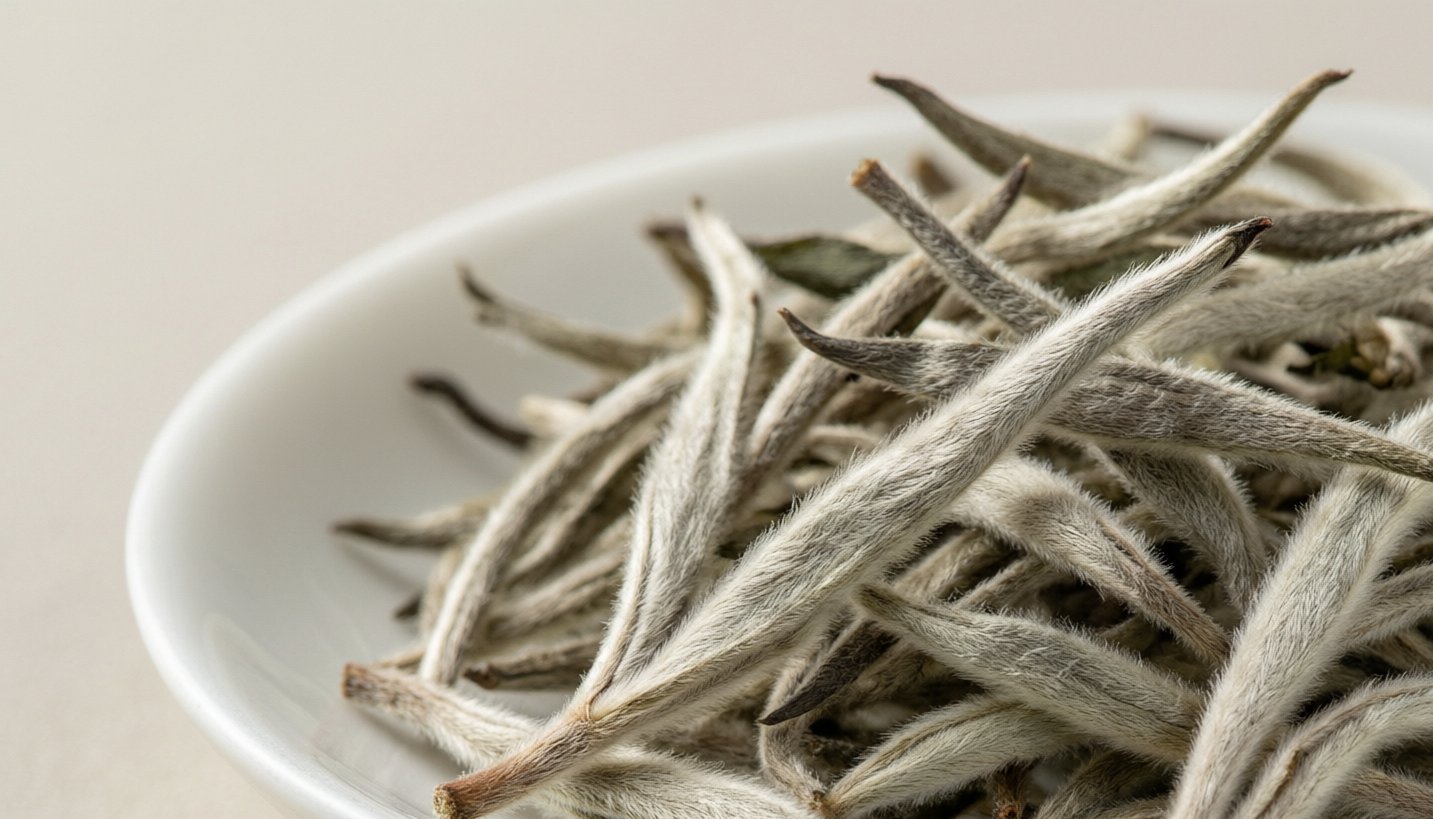
Mistake 1 Boiling Water Straight onto the Leaf
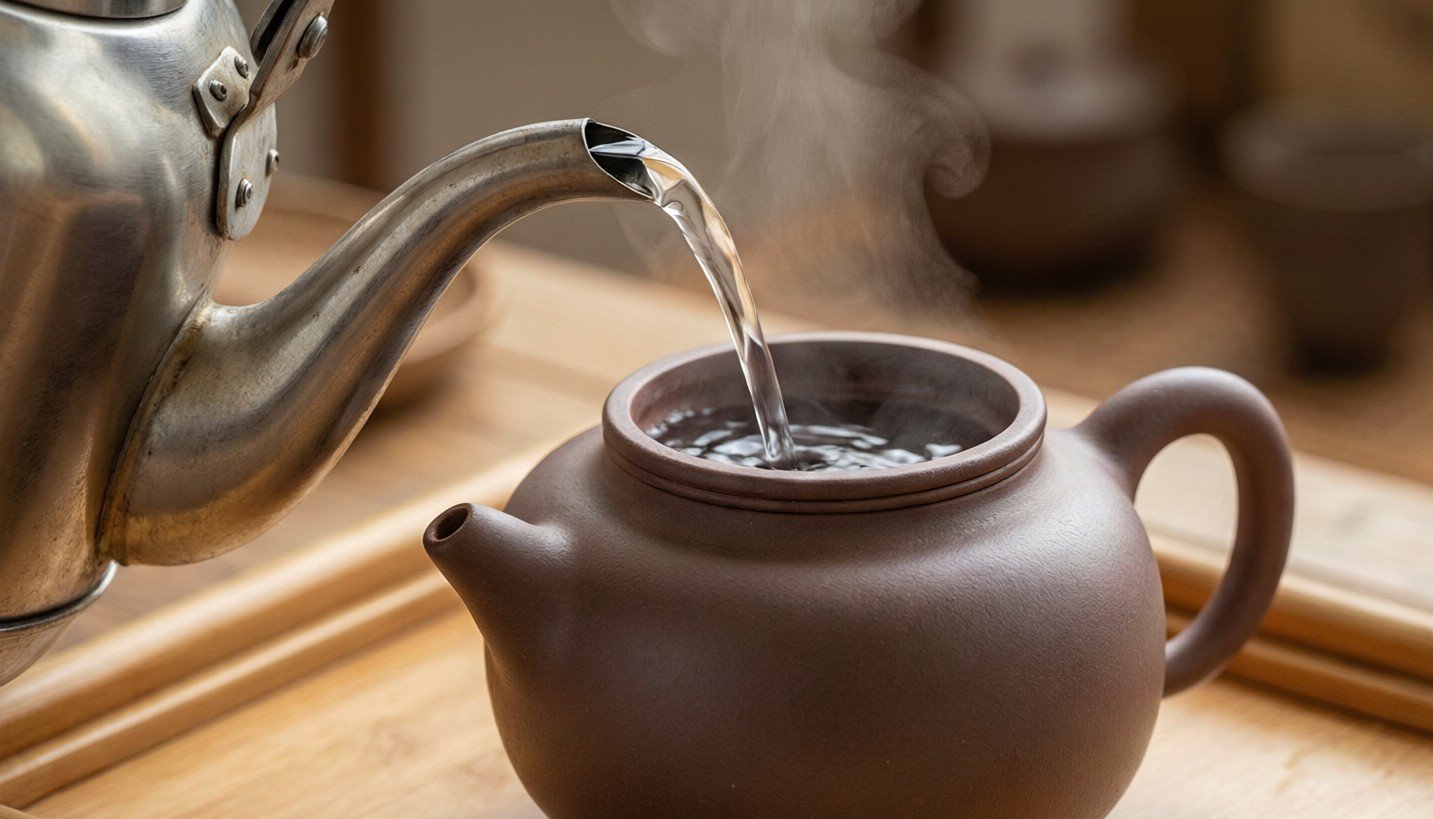
Pouring water straight from a rolling boil onto Shoumei is the fastest way to trade sweetness for bitterness. Shoumei leaves contain both pleasant sugars and the same polyphenols that make tea astringent. Boiling water extracts the less pleasant compounds first and leaves the cup tasting sharp, sour, or metallic. The better approach is to let the water settle for a short time after boiling, or to pour it into a cool pitcher first. The target is water that is still hot enough to open the leaves but no longer aggressive enough to scald the surface. This one adjustment often removes the bitterness a drinker assumed was coming from the tea itself.
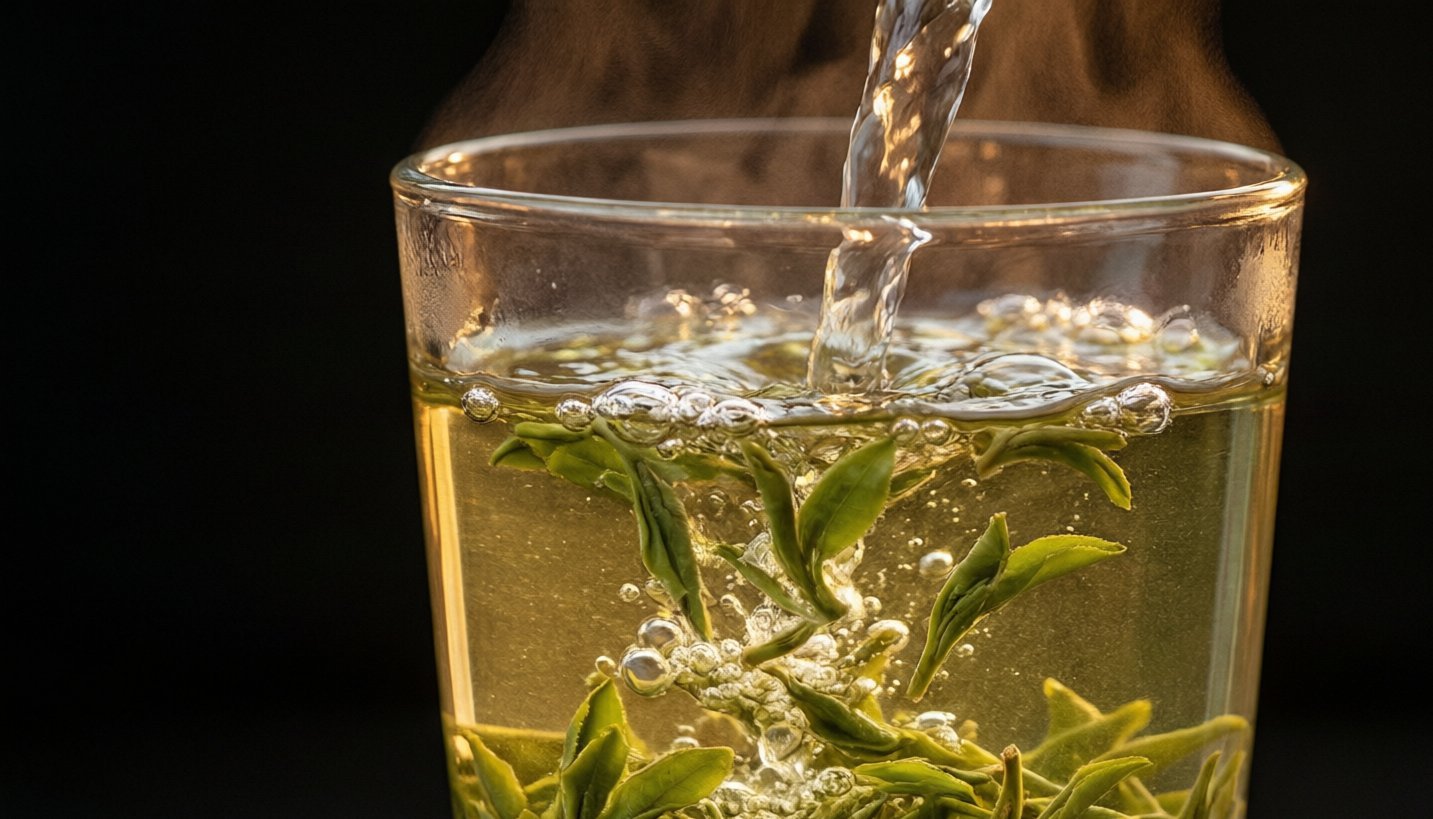
Mistake 2 Overloading the Gaiwan or Teapot
Shoumei leaves are light and fluffy, so it is easy to use too much leaf. A gaiwan that looks only one-third full may already hold enough dry leaf for a strong brew. When the leaves are packed too tightly, water cannot move around them, the outer layer oversteeps while the inner leaves stay dry and folded. The result is a cup that is bitter at the front and empty at the finish. A better starting point is a thin, even layer of dry leaf across the bottom of the vessel. Leave enough room for the leaves to expand two to three times. If the wet leaves are pressing against the lid after the first steep, reduce the leaf amount next time.
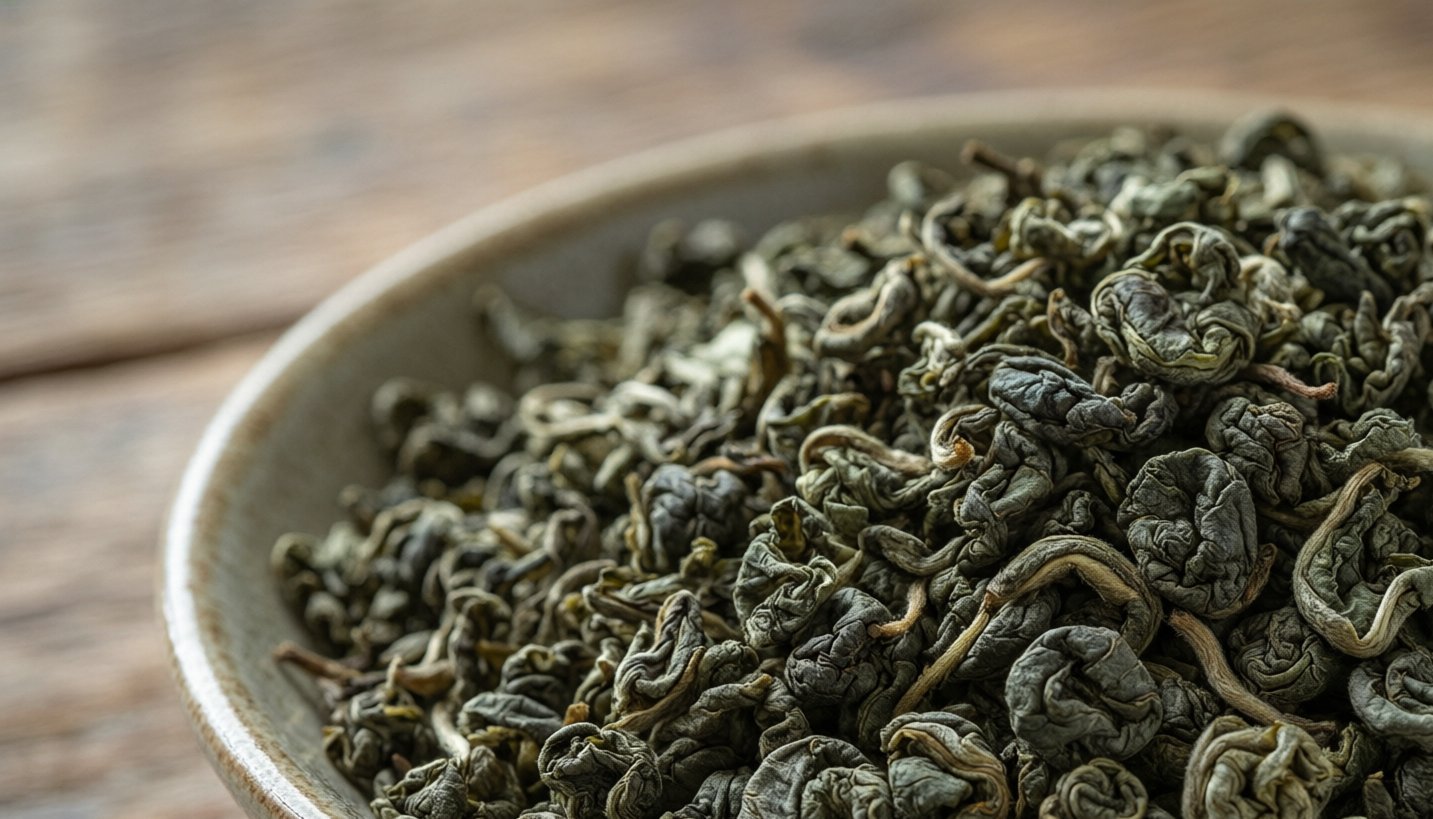
Mistake 3 Letting the First Steep Run Too Long
Shoumei does not need the long first steep that many people give black tea. Its large, mature leaves begin releasing flavor as soon as water touches them. A long first steep pulls out sugars, but it also pulls out tannins and a flat, papery taste that can dominate the later rounds. The most common sign is a first cup that tastes heavy and dry, followed by second and third cups that seem thin by comparison. The better pattern is to rinse the leaves quickly, pour that rinse away, then start with a short steep. As the leaves open, increase each following steep gradually.
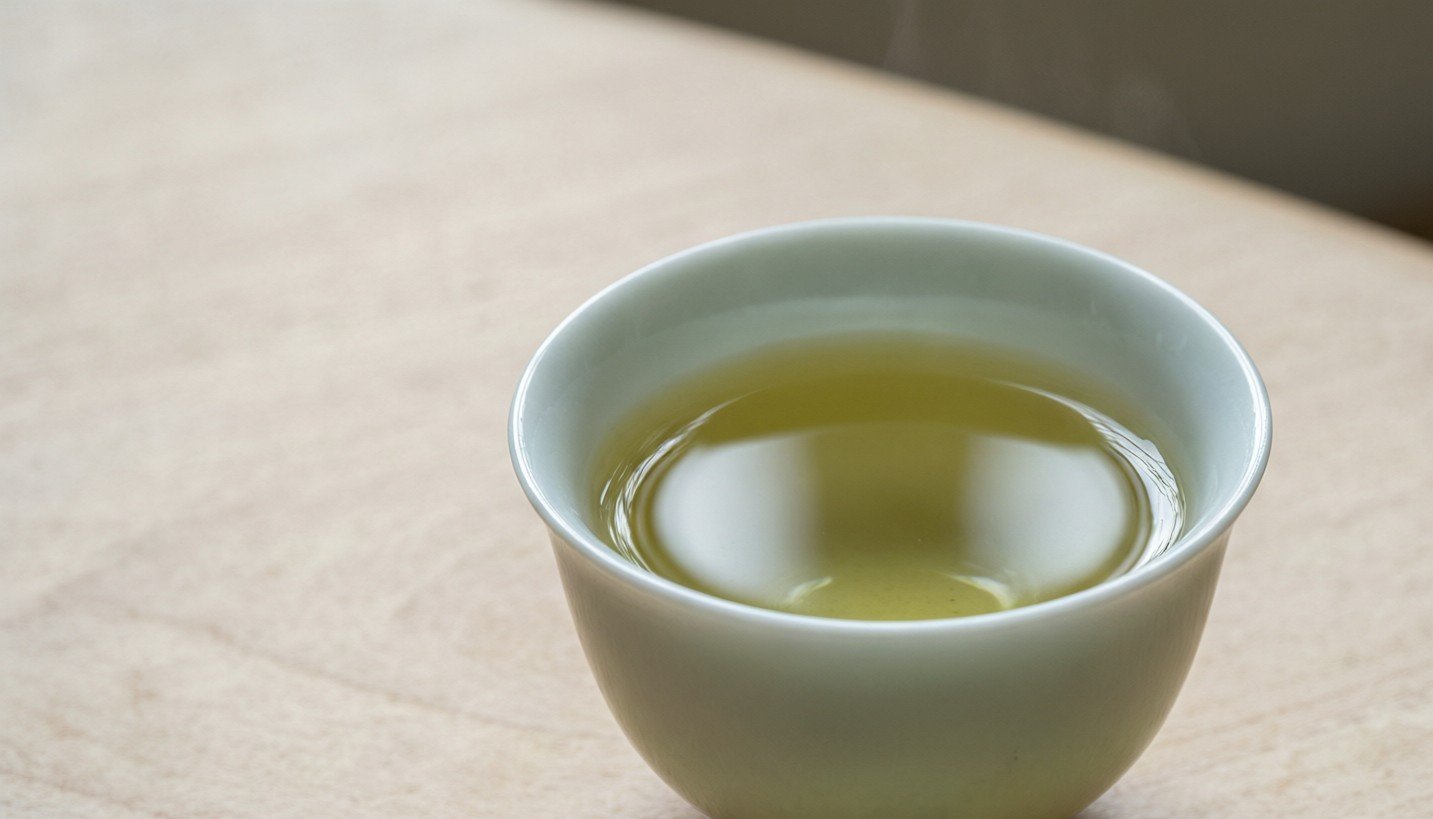
Mistake 4 Brewing in a Thin Vessel That Sheds Heat
Shoumei brews best when the temperature stays consistent during the short time the leaves are in contact with water. A thin, unheated glass or porcelain vessel can drop temperature so quickly that the outer leaves give up their flavor while the center of the leaf mass never reaches the right range. The cup then tastes weak at first and raw or green at the finish. Two small changes help. Preheat the gaiwan or teapot with hot water before adding the leaves, and choose a vessel with enough wall thickness or lid mass to hold heat for the first few steeps. This matters more for later-harvest leaves like Shoumei than for delicate bud-only teas.
Mistake 5 Treating Every Steep Like the First
Once the first steep is finished, Shoumei leaves are in a different state. They are wet, starting to open, and releasing flavor more easily. If you keep the same water volume and time for the second and third rounds, the cup can turn sour or astringent because the leaf is already saturated. A better habit is to shorten the second steep slightly if the first was strong, then gradually lengthen the later ones as the leaves lose energy. The adjustment is more important than exact timing. Watch the color and taste of each round, and change one variable at a time. This preserves the honey-like sweetness that good Shoumei should show in the middle steeps.
A Better Shoumei Brewing Sequence
The shortest way to correct most Shoumei problems is to standardize the first three steeps. Preheat the teapot or gaiwan, add a thin layer of dry leaf, rinse briefly, and then brew short rounds that gradually increase in length. The table below groups the five mistakes into a sequence you can repeat.
| Brewing step | Mistake it prevents | What to watch |
|---|---|---|
| Preheat the vessel | Heat loss thinning the brew | The vessel should feel warm before leaves go in |
| Add a thin, even leaf layer | Overpacking and uneven extraction | Wet leaves should have room to expand |
| Rinse and discard quickly | Long first steep pulling tannins | The rinse can be poured off after a few seconds |
| Use short first steeps | Boiling-hot water scalding the leaf | The cup should taste sweet, not sharp |
| Increase later steeps gradually | Treating every round like the first | Middle steeps should keep the honey sweetness |
The goal is not to brew the entire session on the first attempt. Each round is a signal: bitterness means the early steep was too long, thinness means heat was lost, and sourness usually points to too much leaf or too little water. Adjusting one variable at a time keeps the errors from compounding.
Sourcing Shoumei Tea That Brews Well
Brewing fixes most flavor problems, but it cannot turn poorly made or poorly stored Shoumei into a sweet cup. If the leaves smell dusty, look scorched, or stay flat after the sequence above, the batch may be the issue. For sourcing help or to check a sample lot, contact Chinese tea suppliers at 427728483@qq.com.
FAQ
Is Shoumei tea the same as aged white tea?
Not exactly. Shoumei is a white tea grade, usually made from more mature leaves and a few buds. Aged white tea means any white tea that has been stored for several years; aged Shoumei is simply Shoumei that has been allowed to mellow. Fresh Shoumei tends to taste greener and slightly grassy, while aged Shoumei gains a warmer, dried-fruit or honey character. The brewing mistakes in this article apply to both, but aged Shoumei usually tolerates slightly hotter water and longer steeps than fresh Shoumei.
Can I ever use boiling water for Shoumei?
You can, but it rarely improves the first steep. If the leaves are tightly compressed or heavily aged, a very short flash with hotter water can help them open, but the same water held near the leaf for too long will still pull out tannins. The safer approach is water that has stopped boiling and had a brief moment to settle. If the brew tastes sharp, lower the temperature rather than increasing the leaf.
Why does my Shoumei taste sour?
Sourness usually comes from one of three places: too much leaf for the water volume, a first or second steep that is too long, or leaf fragments that overextract while the larger leaves are still opening. Reducing the leaf amount and shortening the early steeps usually removes the sour edge. If the sourness remains, the tea may have absorbed moisture in storage, and the batch should be checked or replaced.
How many steeps should I expect from Shoumei?
Most Shoumei can handle several rounds, often more than a casual Western brew suggests, depending on the leaf grade and water temperature. Early rounds should be shorter, middle rounds should carry the fullest sweetness, and later rounds can be extended until the taste thins. The number is not a goal. Stop when the cup no longer has a clear aroma and the body drops off.
No author description available.

白玉京