What Is Hualaijian Dark Tea? A Practical Buyer’s Guide
Hualaijian dark tea is a branded product line, not a tea variety. In tea classification, it belongs to Chinese dark tea, the post-fermented family that includes Hunan dark tea, Hubei dark tea, Guangxi dark tea, and Yunnan pu-erh. The name Hualaijian is attached to products sold mainly as Anhua dark tea from Hunan Province. For a buyer, that distinction matters: you are not selecting a plant cultivar or a single origin designation. You are selecting a commercial brand whose actual quality depends on the producer, tea form, batch, and storage history.
What Hualaijian Dark Tea Actually Is
Hualaijian is best understood as a brand used in the Hunan dark tea trade. Most products under that name are sold as Anhua dark tea, but the brand itself does not guarantee a specific grade, village, or processing method. The same label can appear on different tea forms and quality levels.
| Question | Practical answer |
|---|---|
| Tea category | Dark tea, post-fermented |
| Main source region | Anhua County, Hunan, China |
| Status | Commercial brand, not a tea variety |
| Common forms | Fu zhuan brick, hei zhuan brick, qianliang cylinder, loose leaf |
| Key production feature | Microbial fermentation, sometimes with golden flowers |
This is why a buyer should not ask for Hualaijian dark tea as if it were a fixed flavor or grade. The better question is: which tea form, how old, from which batch, and what does the sample actually taste like?
Where It Comes From and How It Is Made
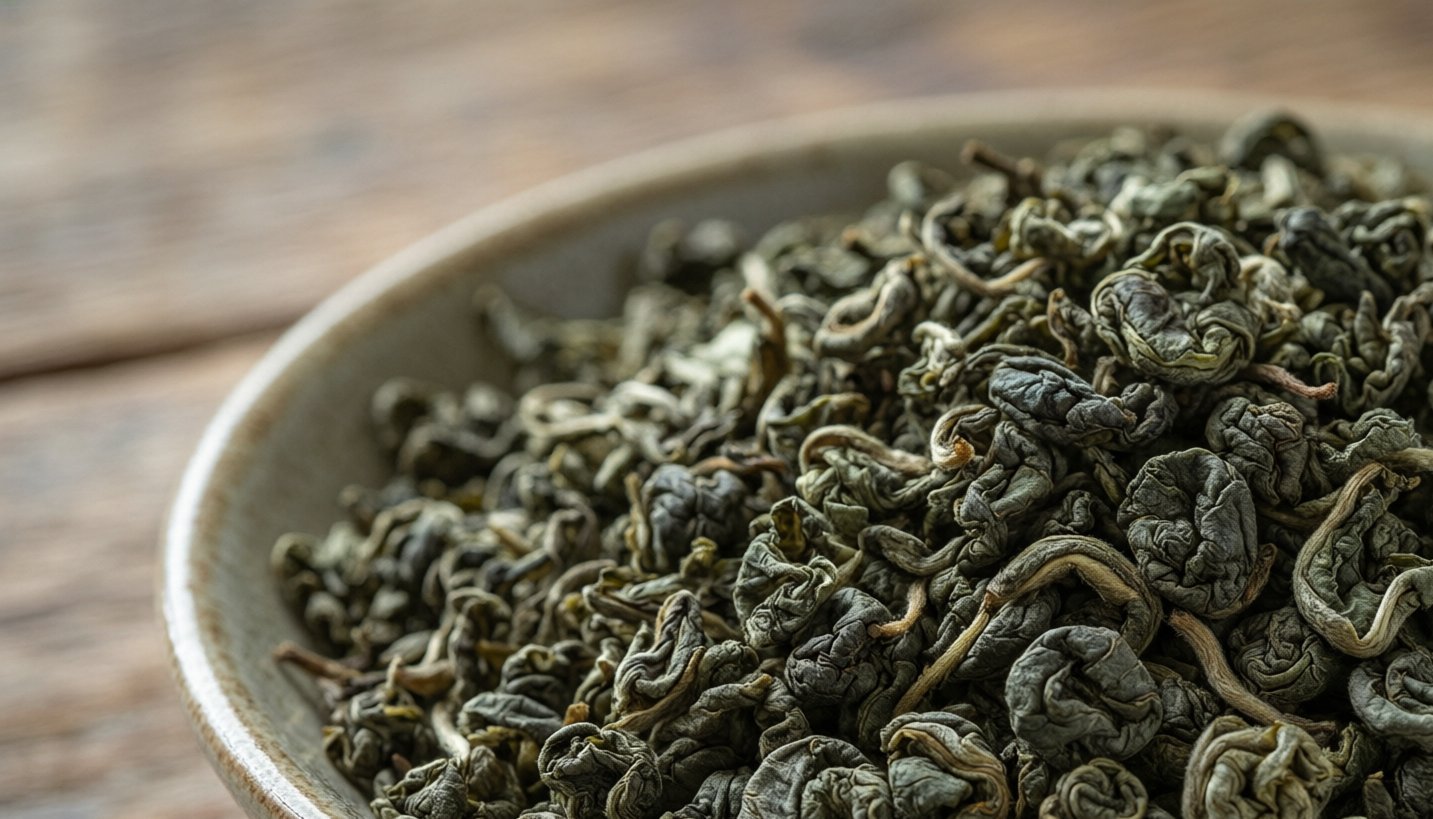
Hualaijian products are connected to Anhua dark tea, a tradition built around Hunan's mountainous tea-growing areas. The leaves are fixed, rolled, piled for microbial fermentation, dried, and often pressed into bricks or cylinders. Some products, especially fu zhuan bricks, undergo a controlled fermentation stage that can develop small golden yellow spots called golden flowers. These spots are associated with the fungus Eurotium cristatum, which is common in traditionally processed fu zhuan tea but is not present in every batch.
The processing method places this tea in the dark tea family, separate from black tea in the Western sense. Chinese black tea is fully oxidized but not microbially fermented in the same way. Hualaijian dark tea, like other Hunan dark teas, develops much of its depth through fermentation and aging rather than through oxidation alone.
Flavor Profile and What Makes It Different
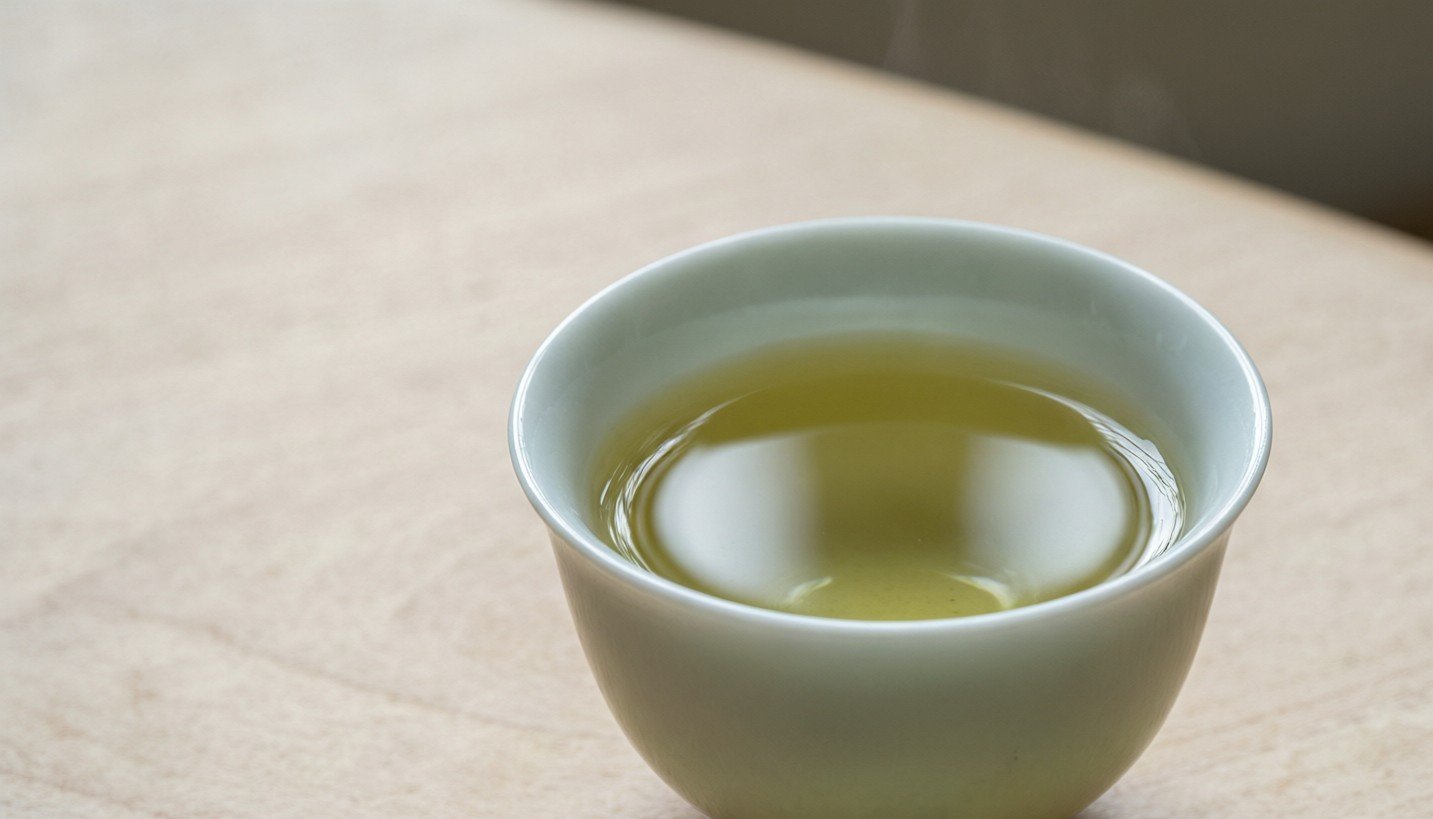
A well-stored Hualaijian dark tea usually produces a dark reddish brown to near black liquor. The taste tends to be earthy and smooth, often with notes of aged wood, dried fruit, and a mild sweetness that appears after the first sip. Compared with many young raw pu-erh teas, it can feel softer and less sharply astringent. Different batches vary, so a branded name alone does not guarantee the same cup.
The post-fermented character is the main difference from ordinary black tea. Where a black tea may be brisk and malt-driven, a Hunan dark tea tends to land deeper and rounder, especially after a few infusions. Buyers who expect the bright, fruity lift of a dianhong or the briskness of an Assam should prepare for a heavier, more grounded profile.
Common Formats and Grades
Hualaijian dark tea is not a single product. The most common forms include:
- Fu zhuan bricks, which may show golden flowers
- Hei zhuan bricks, often darker and more compressed
- Qianliang tea cylinders, traditionally large and dense
- Loose leaf dark tea, easier to sample and blend
There is no universal Hualaijian grading system that every seller follows. Labels such as premium, special grade, or aged are often brand-specific or marketing language. A useful buying conversation should replace those labels with objective points: exact product form, production date, harvest origin if stated, storage conditions, and whether the batch shows visible golden flowers. Sample evaluation still matters more than the printed grade.
How to Brew It for a Reliable Cup
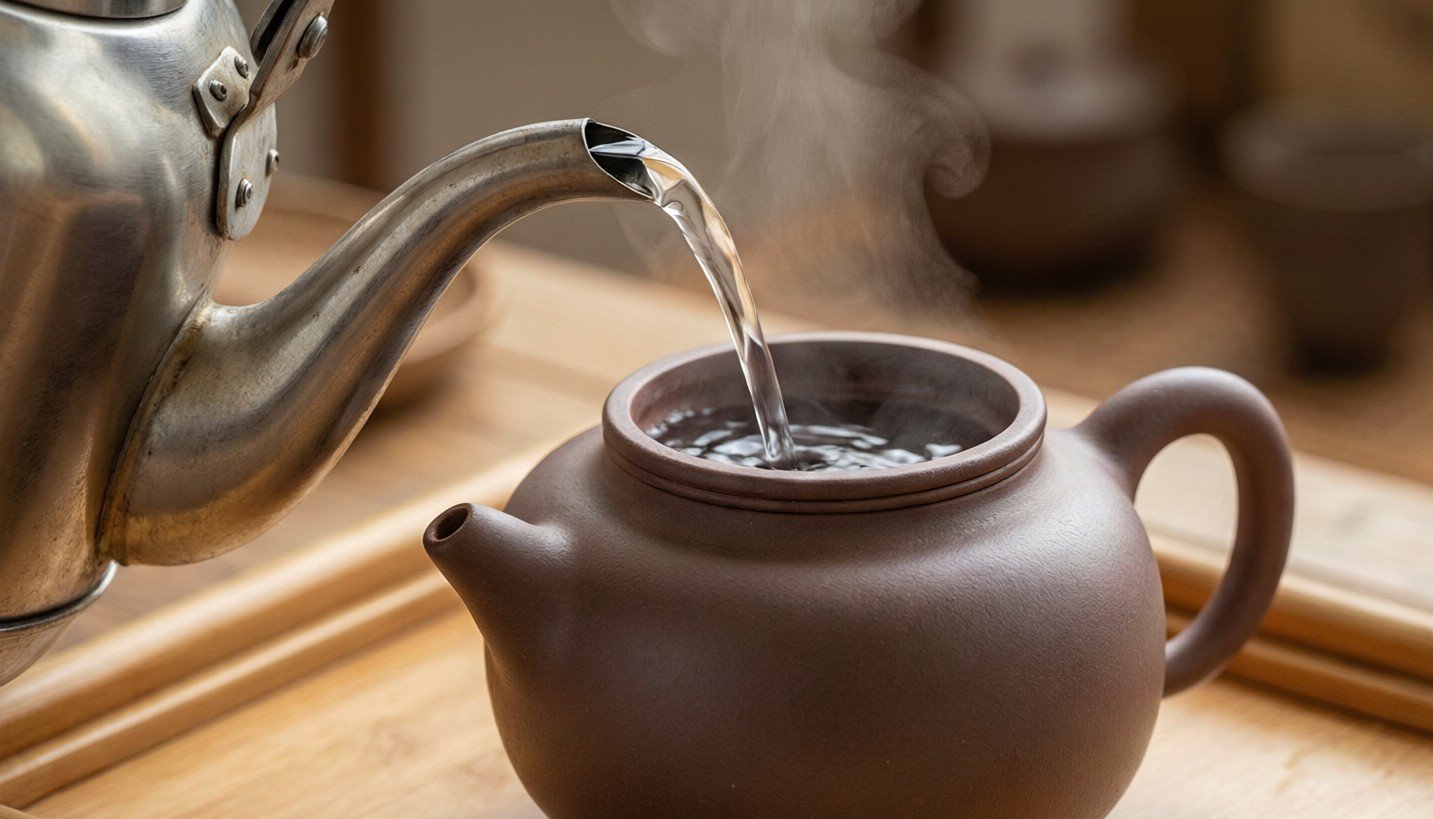
Hualaijian dark tea handles near-boiling water well. A practical starting point is 5 to 8 grams of tea for a 100 to 150 ml gaiwan or small teapot. Rinse the leaves briefly with hot water, discard the rinse, then steep with water just off the boil. The first infusion can run about 10 to 15 seconds, with later infusions gradually longer. Loose leaf often opens faster than tightly pressed brick pieces, so adjust by observation rather than by a fixed timer.
For larger pieces of brick or cylinder tea, a short boiling method also works: put the tea in water, bring it to a brief boil, and then draw the liquid back to a comfortable strength. This style suits aged or highly compressed dark tea and is common in border-style tea drinking. The goal is a clean, smooth liquor without stewed bitterness.
What Buyers Should Check Before Sourcing
Before buying Hualaijian dark tea in bulk, a buyer should evaluate the tea itself, not the brand story. Check the production form, age, storage signs, and aroma. A well-kept dark tea should smell clean and slightly sweet or woody, never musty, sour, or sharply chemical. The dry leaf should not crumble excessively or show visible mold apart from the distinct golden flowers on fu zhuan products.
A cupping session is the fastest way to move past labels. Brew the sample, check the liquor clarity and color, and taste the first three infusions. A tea that starts smooth and becomes sweet is usually more reliable than one that flashes strong flavor and then turns flat or harsh.

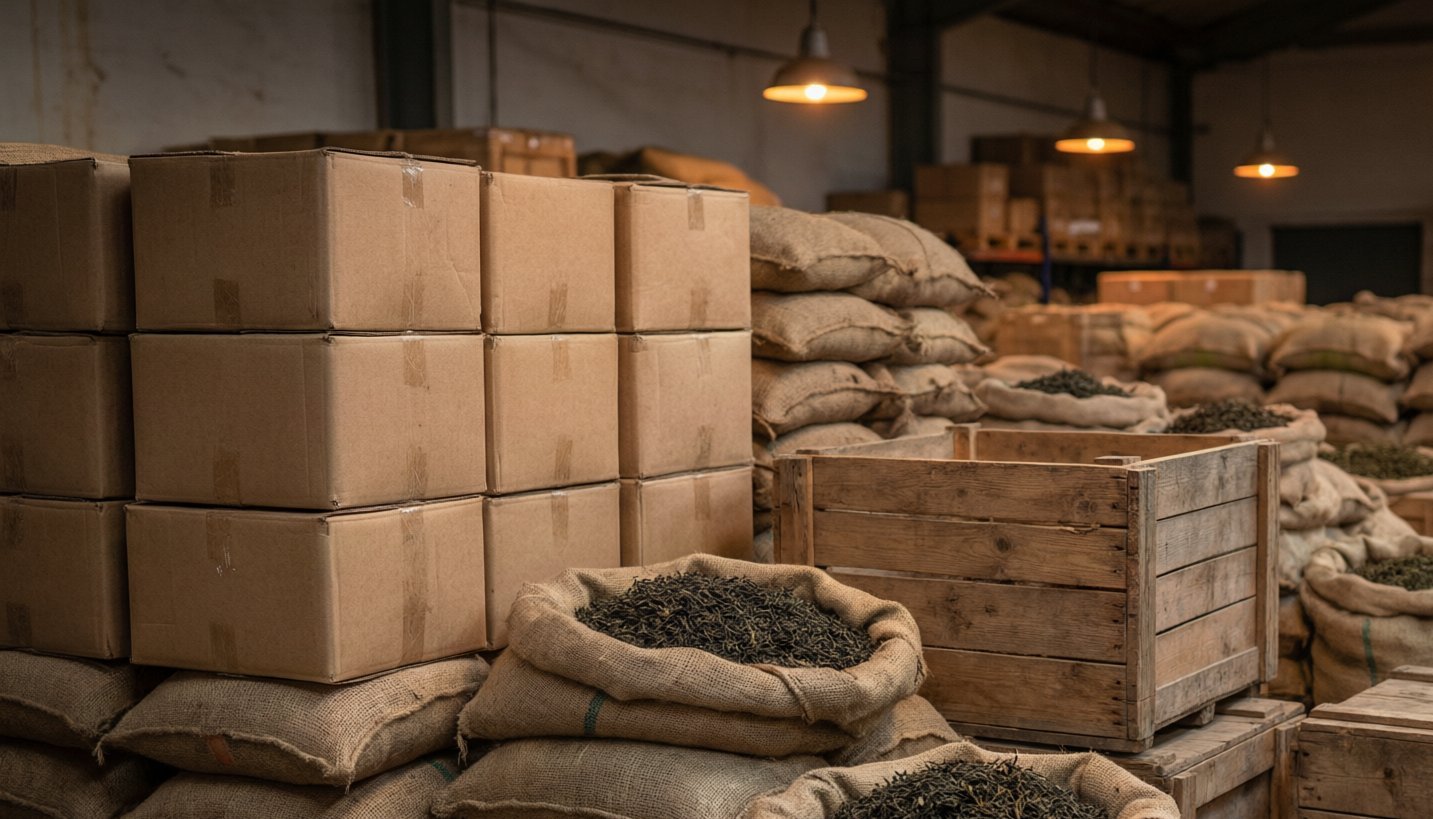
For wholesale orders, confirm the supplier can state the batch number, production date, packing method, and storage history. Dark tea is sensitive to moisture, so bulk cartons and compressed forms need clean, dry warehousing. If the product is marketed mainly on health benefits, treat those claims as commercial language rather than technical specifications. The safer buying case is built on flavor, condition, clarity of batch information, and consistency across samples.
Source Hualaijian Dark Tea with Clear Specifications
If you are comparing Hualaijian dark tea suppliers, send a specific request instead of a general inquiry. State the product form you want, the preferred production year, whether you require visible golden flowers, the target quantity, and whether you need bulk loose tea or pressed pieces. That information helps a supplier confirm the right batch and avoids a quote based on vague brand assumptions.
Contact Chinese tea suppliers at 427728483@qq.com with the tea form, quantity, and sample requirements for your market.
Frequently Asked Questions
Is Hualaijian a tea variety or a brand?
It is a brand used in the Hunan dark tea market, not a tea cultivar or an official origin classification. The underlying tea is usually Anhua dark tea from Hunan, but quality and style depend on the specific product form and batch.
Is Hualaijian dark tea the same as pu-erh?
No. Pu-erh comes from Yunnan and has its own processing and geographic conventions. Hualaijian is connected to Hunan dark tea, which can taste and age differently even though both are post-fermented dark teas.
Does Hualaijian dark tea improve with age?
Some forms can improve with age if storage is clean, dry, and stable, but aging is not automatic. A poorly stored brick can lose flavor or develop off notes. Buyers should evaluate the condition of the specific batch rather than assume age equals quality.
Should importers ask for golden flower tea specifically?
Only if golden flowers are relevant to the product and the market. Golden flower fu zhuan has a distinctive fungal fermentation character, but Hualaijian products include forms without visible flowers. Specify the requirement clearly so the supplier does not send the wrong batch.
No author description available.

白玉京