How Long Anhua Black Tea Keeps: Storage Rules That Work
Anhua black tea, also called Anhua dark tea or hei cha, does not have the same short shelf life as fresh green tea. Properly stored, compressed Anhua tea often stays drinkable for many years, while loose tea is usually better appreciated within a shorter window for aroma. The real question is not a single expiry date but whether storage conditions protect the tea from moisture, odor, light, and wide temperature swings.
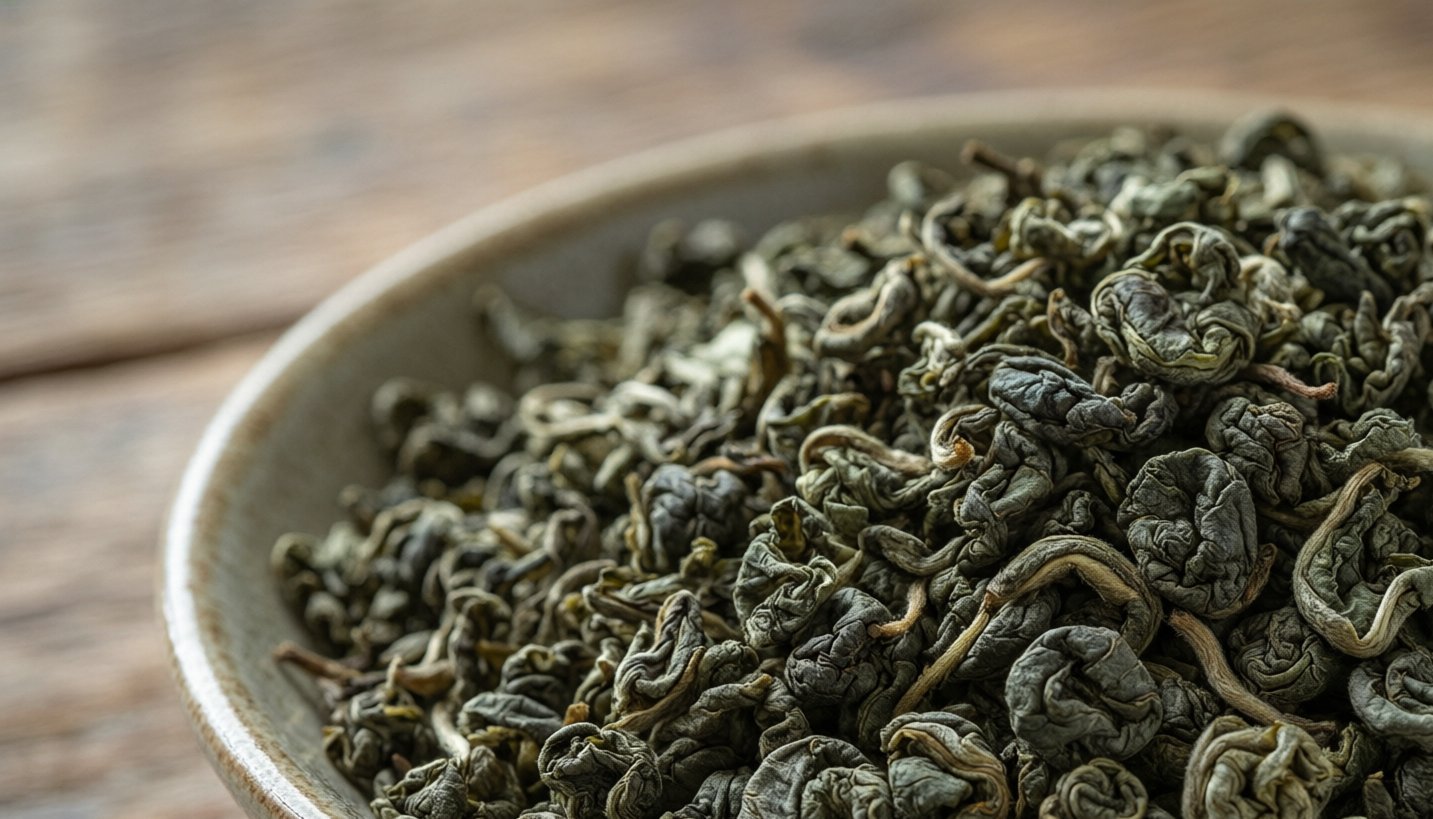
Anhua Black Tea Shelf Life Depends on Form and Processing
Anhua black tea is a family of post-fermented teas rather than one uniform product. Common forms include loose dark tea, pressed bricks and cakes, basket-wrapped tongs, and large Qianliang columns. Fu Zhuan is also part of the Anhua dark tea family and carries its own fermentation character.
Fermented tea does not become unsafe the moment a date passes, but its quality moves in two directions. Good storage lets harsh, smoky, or dry notes settle and deeper, smoother aromas develop. Poor storage adds mustiness, mold risk, or flatness long before the tea would technically expire. This is why the most useful answer separates food safety from drinking quality. A dry, clean, properly wrapped Anhua tea is still food-safe after years, but the flavor can change considerably.
Storage Variables That Decide Whether Anhua Tea Improves or Spoils
Three conditions matter more than any calendar date: humidity, temperature stability, and odor isolation. Anhua dark tea should remain dry enough that leaves do not clump or feel damp, but not so dry that the tea becomes brittle and loses its capacity to develop. Temperature should be stable and moderate. Frequent hot and cold cycles create condensation inside the packaging and encourage mold.
Odor control is easy to overlook. Dark tea absorbs surrounding smells quickly. Storing tea near spices, coffee, cleaning products, or a kitchen exhaust area can ruin a lot even when temperature and humidity appear acceptable.
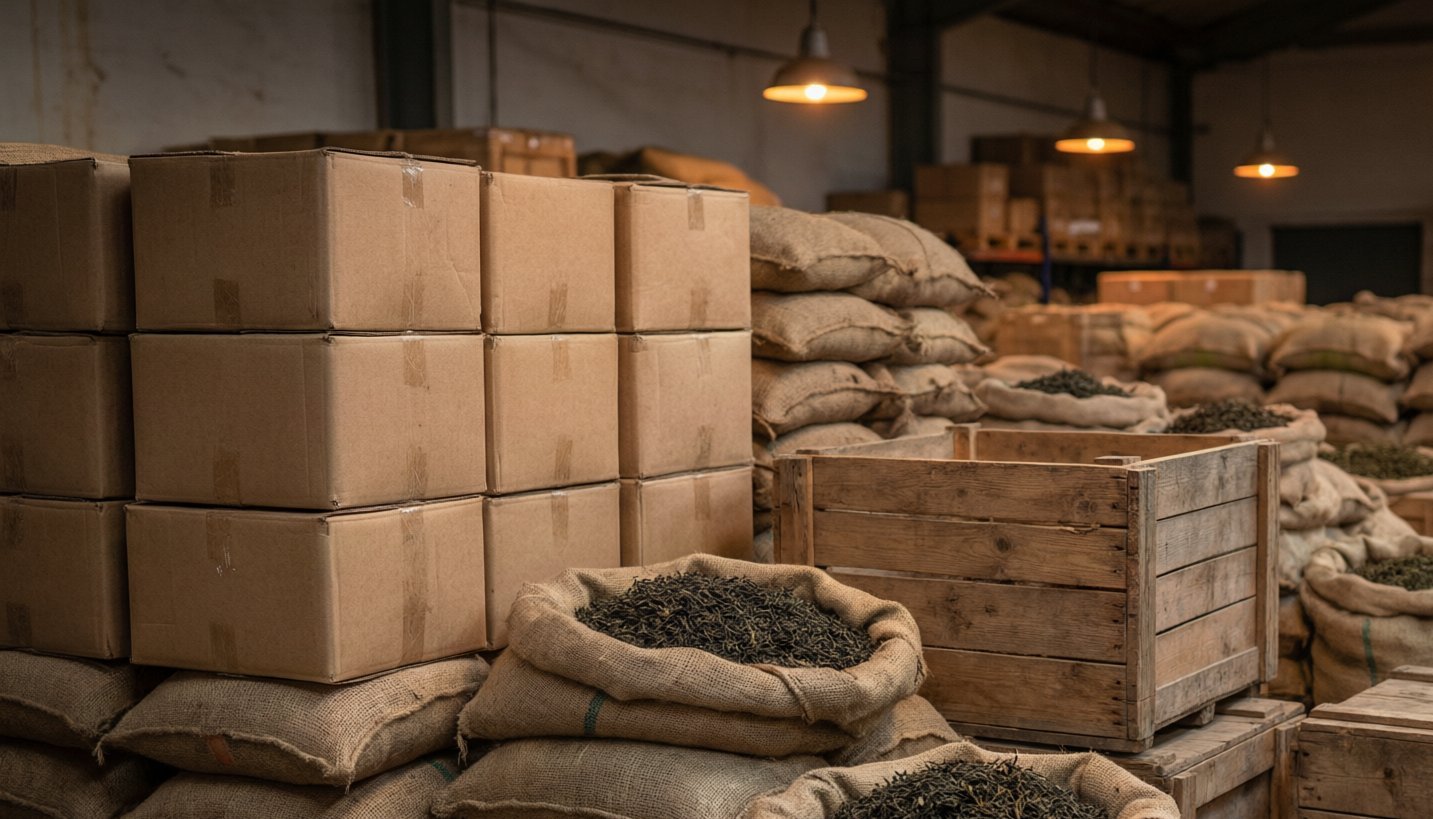
| Storage factor | What helps | What causes problems |
|---|---|---|
| Moisture | Dry leaves, moderate air movement, dry storage room | Damp walls, steam, direct floor contact, wet tools |
| Temperature | Cool, stable, room-temperature conditions | Sunlight, radiators, ovens, repeated hot and cold cycles |
| Light | Dark or shaded storage, paper or cloth wrapping | Direct sunlight, clear jars on bright shelves |
| Odor | Isolated tea storage, odor-free containers | Spices, smoke, coffee, cleaning chemicals, strong packaging |
| Container | Cotton wrap, paper box, clay jar, food-grade cardboard | Airtight plastic for long aging, scented wood, unclean jars |
A closed cabinet or dedicated tea room works better than a general warehouse shelf. If the tea is intended for long aging, the storage area should also allow slow air exchange without exposing the leaves to damp outdoor air.
Loose Anhua vs Pressed Anhua: Why There Are Two Answers
Loose Anhua black tea has far more leaf surface exposed to air. It can lose aroma more quickly after opening, especially when the bag is opened frequently. As a practical rule, use loose or broken Anhua tea within several months to about a year after opening for the most defined aroma. It may remain safe after that, but the fragrance is usually less vivid.
Pressed bricks, cakes, baskets, and Qianliang columns age more slowly. Their dense structure limits oxygen contact and protects the inner leaves. This is why collectors and importers often store pressed Anhua for years. The tradeoff is that internal moisture problems are harder to detect. A pressed tea can look dry outside while retaining too much moisture inside, so periodic inspection still matters.
A Working Storage Routine for Anhua Black Tea
Use a simple sequence rather than relying on one perfect container.
- Dry your hands and tools before touching the tea.
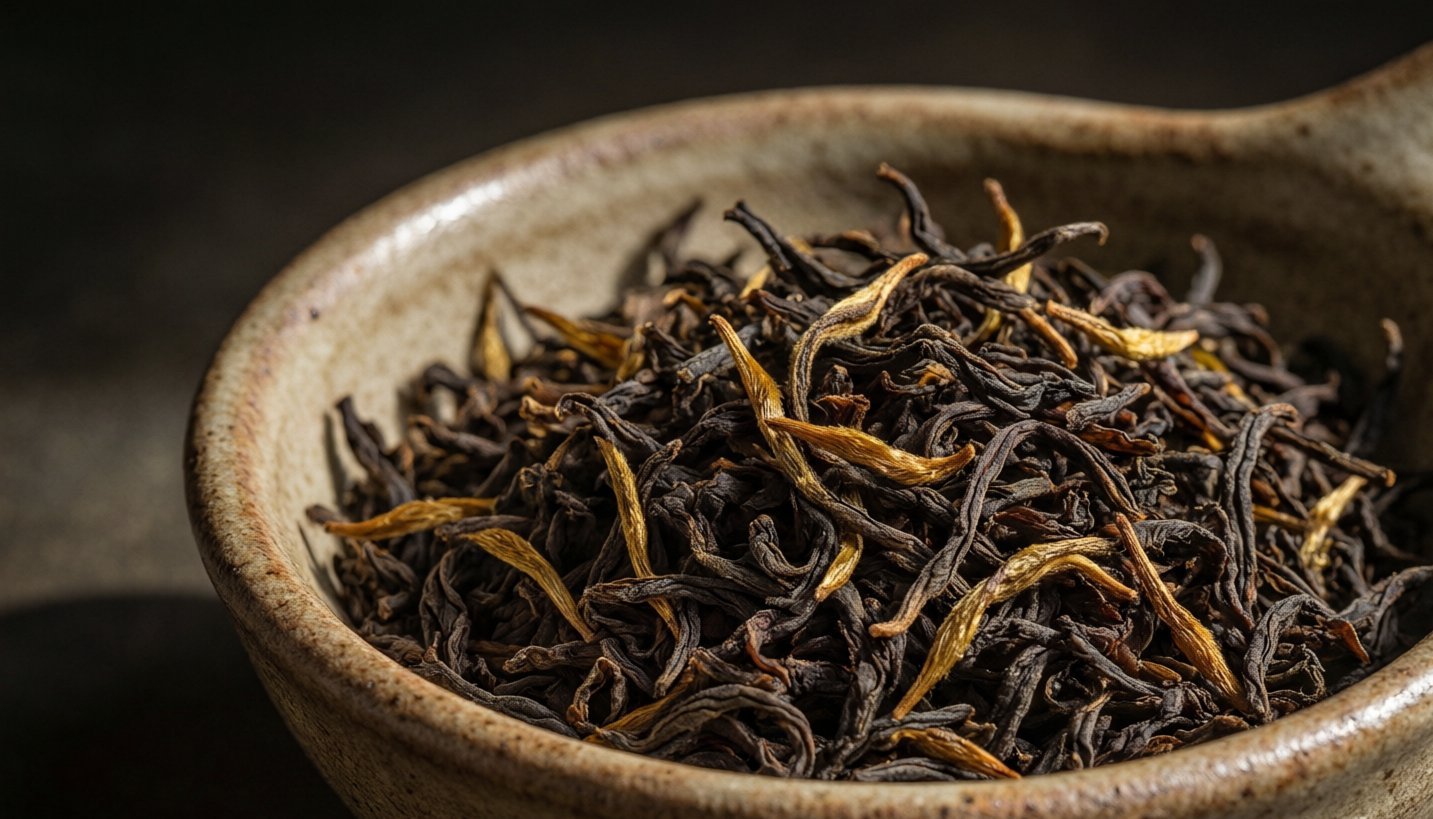
- Check the dry leaf. Good Anhua tea should feel dry, springy or firm, and not clump like damp soil.
- Choose a breathable container for long storage. Cotton wrap, paper boxes, food-grade cardboard, and clay jars are usually better than clear plastic or completely sealed bags.
- Keep the tea away from direct sunlight, kitchen heat, bathrooms, and strong odors.
- Inspect every few months. Smell the tea and the wrapper, look for fuzz or dark water marks, and feel for unusual dampness.
- If you live in a humid area, store the tea in a closed cabinet at a high shelf rather than near the floor, and consider a dry storage room rather than a cellar.
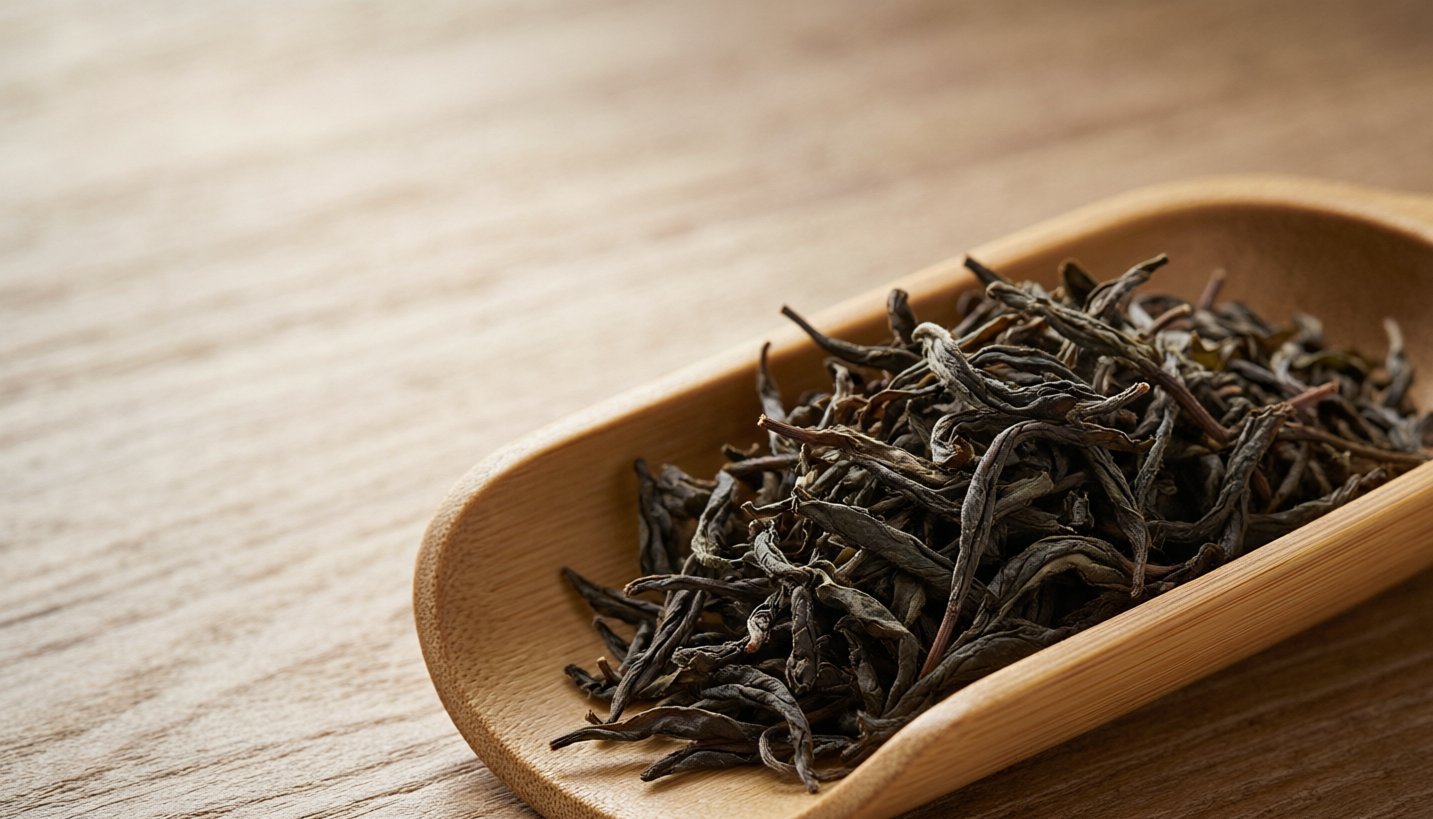
Short-term use and long-term aging are different tasks. For tea that will be sold or drunk soon, a clean sealed pouch opened briefly is practical. For tea intended to sit for years, the wrapper and room matter more than a tight seal.
When Anhua Black Tea Has Gone Wrong, and When It Is Only Aged
Aged Anhua tea often smells earthy, woody, or medicinal, but it should not smell sour, rotten, or unpleasantly musty. Yellow spots on Fu Zhuan are usually golden flowers, a sign of its fermentation rather than a defect. Fuzzy white, green, or black growth is different and should not be ignored. If mold appears or the tea smells sour or rancid, do not brew it.
Dry, flat, or faded tea is a quality problem, not usually a safety problem. It will not make the cup dangerous, but it may taste empty. The best check is a small brew test before committing a large batch or offering it to customers.
Source Anhua Black Tea That Arrives Ready for Stable Storage
The easiest way to protect shelf life is to start with tea that was dried and wrapped correctly before shipping. Confirm the tea format, wrapper, and pressing condition when you order rather than trying to rescue a damp lot later. Send your target Anhua black tea type and order size to Chinese tea suppliers at 427728483@qq.com, and we can recommend current lot options, packaging, and storage handling before you buy.
FAQ
Does Anhua black tea expire?
It does not expire like milk or fresh produce. A dry, clean, well-stored Anhua tea usually remains food-safe for years. The real limit is flavor: loose tea can fade more quickly after opening, while pressed tea can improve with time if storage remains stable.
Can I store Anhua black tea in the refrigerator?
Refrigeration is usually unnecessary and can create condensation when the tea is removed and returned. A cool, dark, dry, odor-free cabinet is simpler and safer for most Anhua black tea.
Why does my Anhua black tea have yellow spots?
Yellow or golden dots on Fu Zhuan tea are usually golden flowers from fermentation and are not mold. Fuzzy white, green, or black growth is different. If the tea also smells sour or musty, do not brew it.
How does aging change Anhua black tea?
Aging can soften smoky or rough edges and bring out deeper earthy, woody, or medicinal notes. The change depends on storage, pressing density, and air exposure. It is not a guarantee: poorly stored tea can become flat or moldy instead of improving.
Should I air out Anhua black tea?
Brief airing can help remove light warehouse odor in some cases, but long-term airing should be avoided. Slow, controlled air exchange through breathable wrapping is better than leaving the tea exposed in a damp or strongly scented room.
No author description available.

白玉京