Tanyang Gongfu Tea Origin: Fu’an, Fujian and the Real Story
Tanyang Gongfu tea comes from Tanyang Village in Fu'an, a tea-producing city in northeastern Fujian. The name is geographic first and a style descriptor second. That distinction matters for any buyer weighing an origin premium. The core area sits in Fujian's hilly eastern interior, where local tea bushes, cool nights and long-running Congou processing methods produce a black tea with a sweet, malty profile. A label alone, however, does not prove the leaf came from that village. The practical answer goes from village geography to production method to the documentation that makes an origin claim credible.
What Tanyang Gongfu Tea Actually Is
Tanyang Gongfu is a fully oxidized black tea, called red tea in Chinese classification. It belongs to the traditional Fujian Congou family and is commonly grouped with Bailin Gongfu and Zhenghe Gongfu as one of the best-known Fujian Gongfu black teas. The name Gongfu does not mean the tea must be brewed gongfu style. In this context it points to skilled, labor-intensive processing: withering, rolling, oxidation and drying carried out in repeated stages to form tight, even strips.
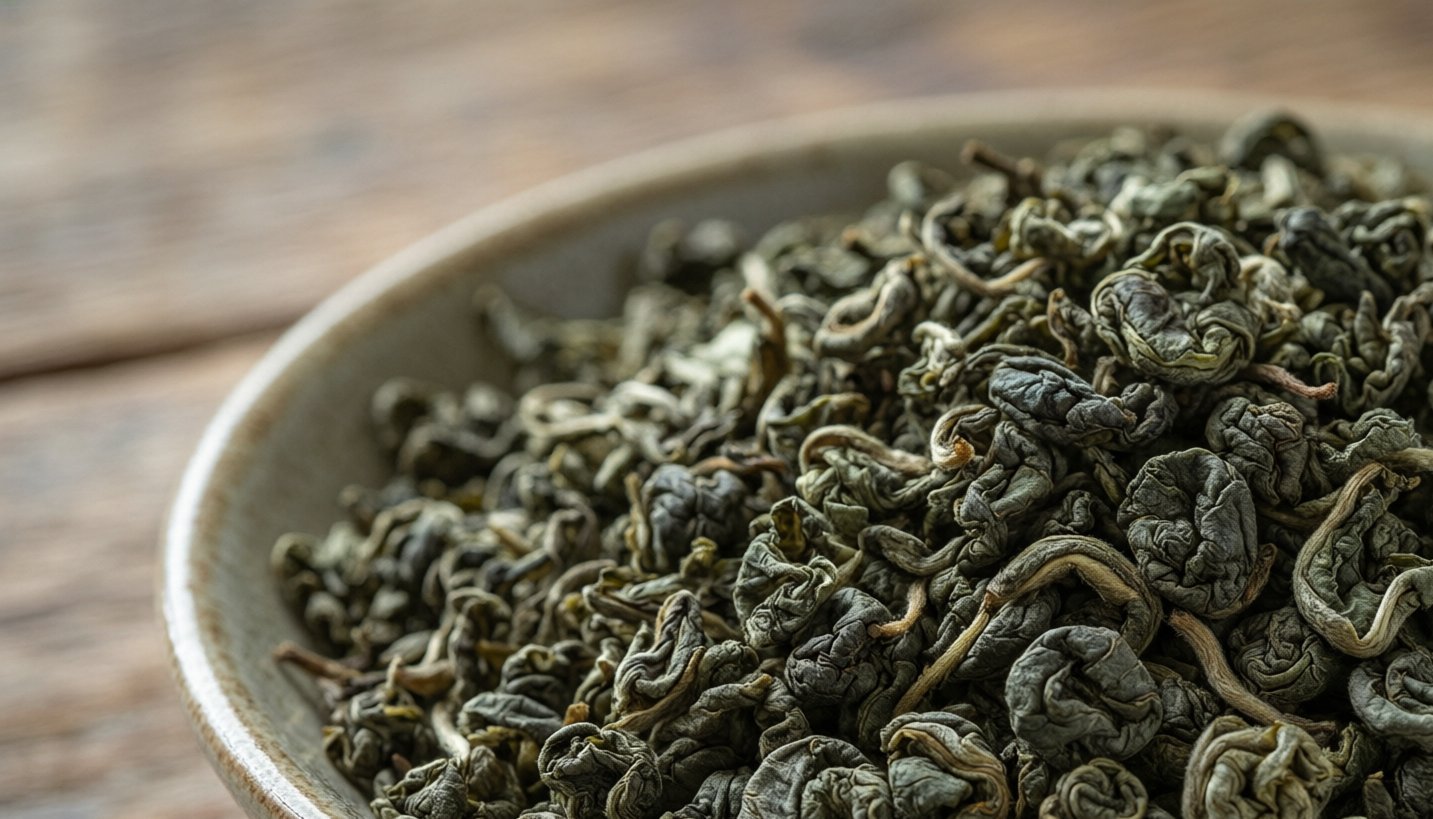
Where Tanyang Gongfu Tea Is Grown
The core growing area is Tanyang Village and the surrounding hill villages in Fu'an City, within the Ningde region of northeastern Fujian. This is not the coastal plain or the southern Anxi oolong belt. The landscape is steep, humid and well drained, with mineral soils, stream valleys and frequent fog. Tea gardens are often planted on slopes with mixed tree cover, which changes sun exposure and slows moisture loss. Buyers should remember that the name has a village anchor, but production can legally reach into nearby Fu'an townships unless a seller specifies the exact lot.
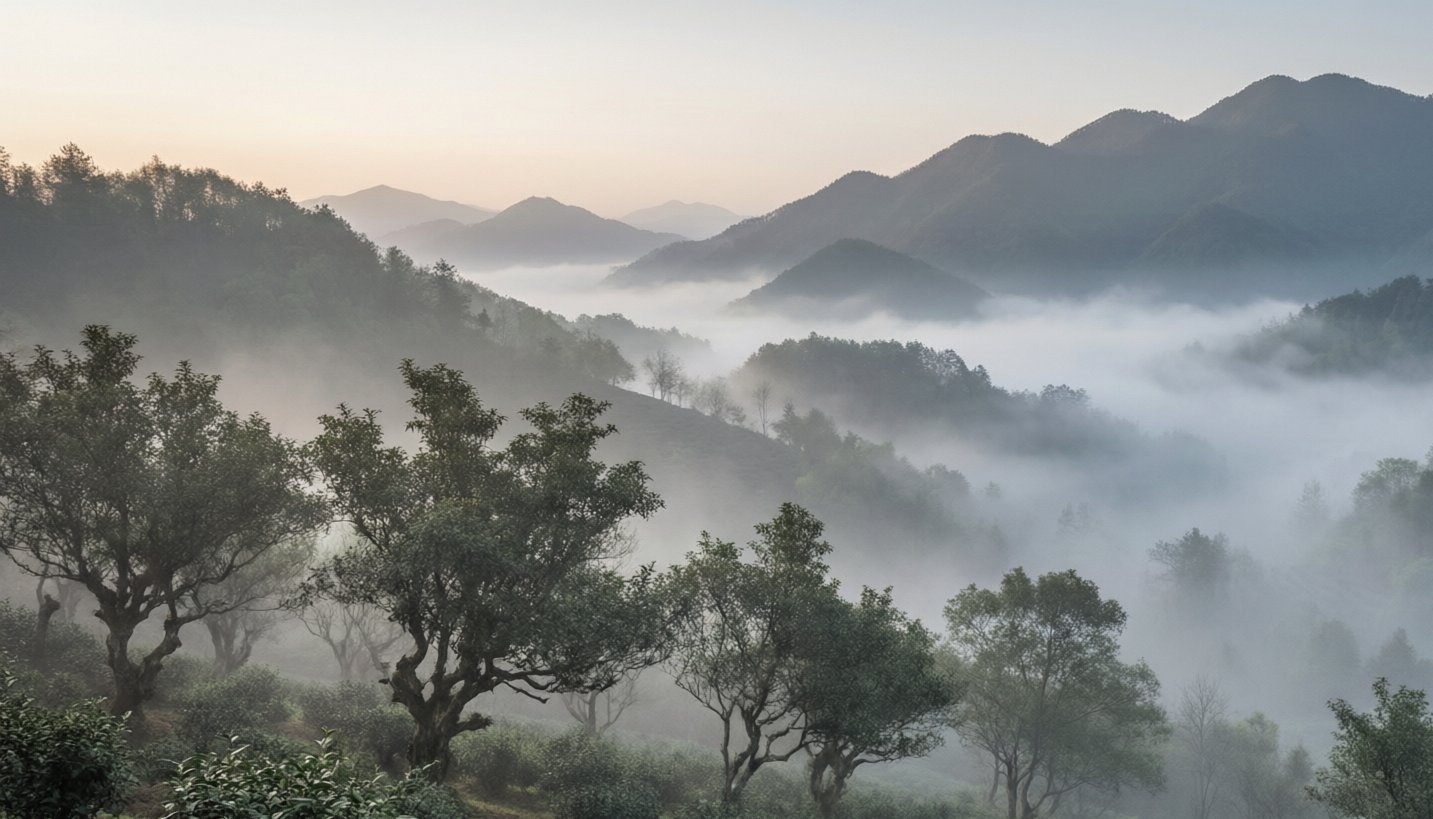
How the Local Environment Shapes the Flavor
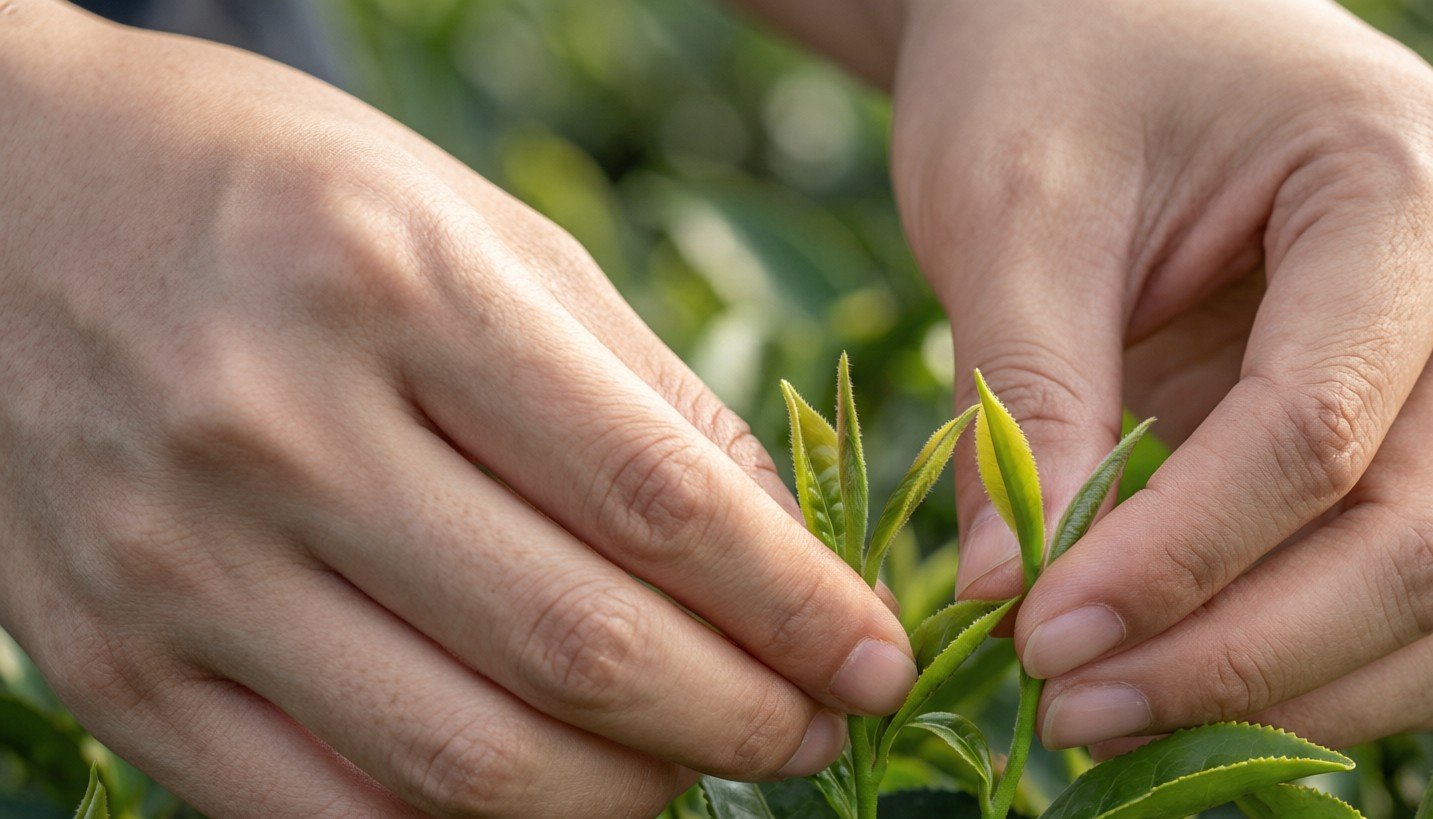
The sweet, smooth character associated with Tanyang Gongfu is not magic from the name. It comes from a set of conditions working together. Cloud cover and moderate temperatures slow leaf development, which tends to build sugars and aromatic compounds rather than forcing fast, woody growth. Sloped, well-draining ground prevents waterlogged roots and keeps the plant under mild controlled stress. Hand-plucking of the bud and first leaves gives a more even raw material for oxidation. After withering, the leaf is rolled into tight strips, oxidized and dried in stages. The shape is not decorative. Tight rolling evens water loss and helps the leaf hold up during storage and transport.
How Tanyang Gongfu Reached Export Markets
Fujian's black tea trade expanded in the 1840s as Fuzhou became a major treaty port. By the second half of the 1800s, demand for black tea from Europe and other export markets pushed many northern Fujian tea districts to refine their oxidized tea styles. Tanyang Gongfu's tight, low-moisture strips were practical for long sea transit, and the tea developed a reputation for a mellow, sweet cup rather than a harsh or smoky one. Historical accounts also mention recognition at international expositions, but the more useful sourcing lesson is that export infrastructure made Tanyang Gongfu a commercial tea, not a product fixed to one old processing date.
How to Recognize Authentic Tanyang Gongfu Tea
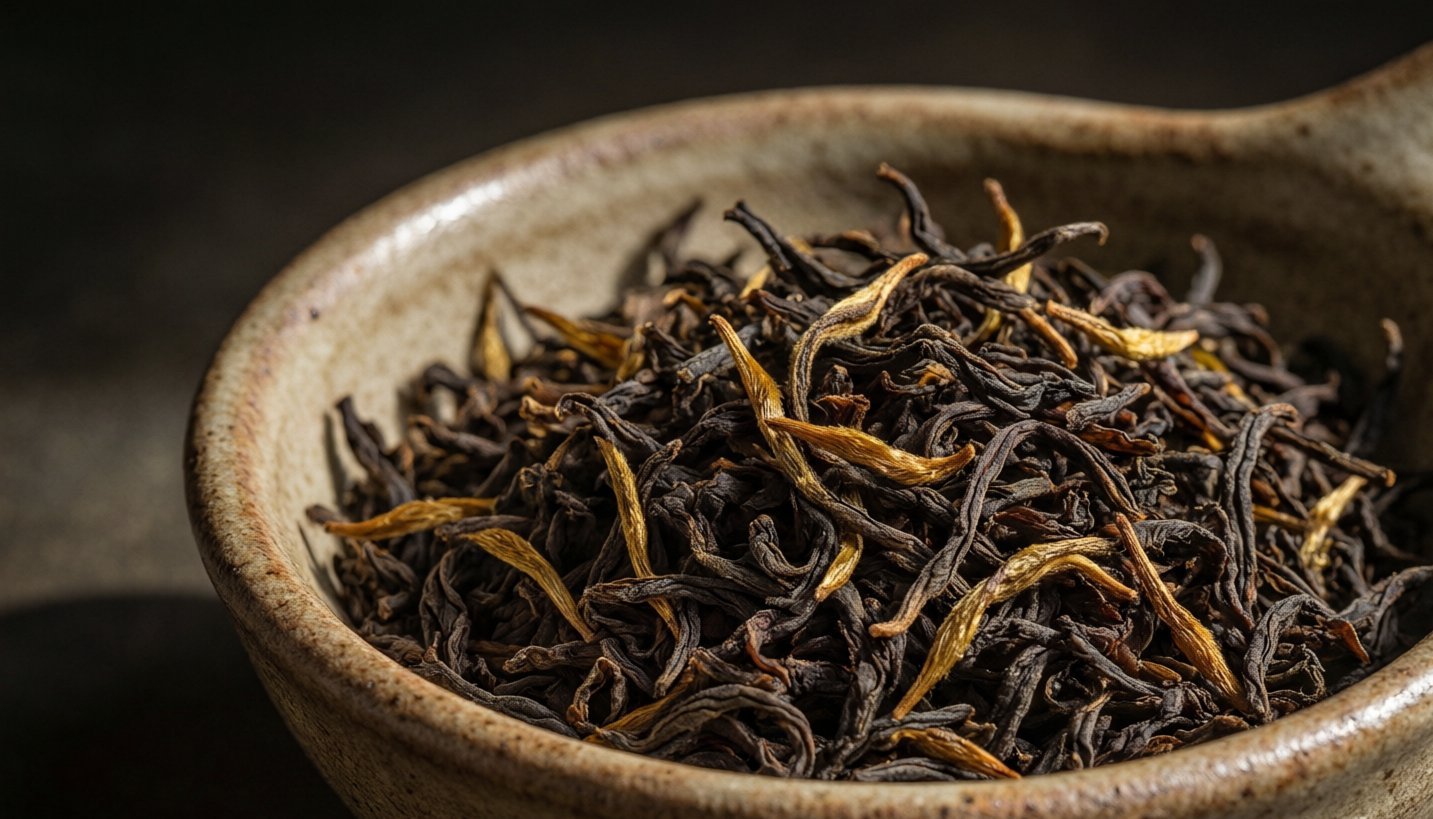
Authenticity has several layers: style, leaf grade, county, village and lot. A dark twisted leaf with golden tips is a styling signal, but it can be reproduced elsewhere. The following table separates useful observations from overreaching conclusions.
| Check | What it can indicate | What it cannot prove |
| Dry leaf | Tight, dark strips with golden tips suggest traditional Congou processing and careful sorting | Does not prove the leaf came from Tanyang Village |
| Dry aroma | Honey, dried fruit, malt and a light roast-sugar note support a well-made Fujian black tea | Aroma intensity is affected by freshness, roasting and storage, not origin alone |
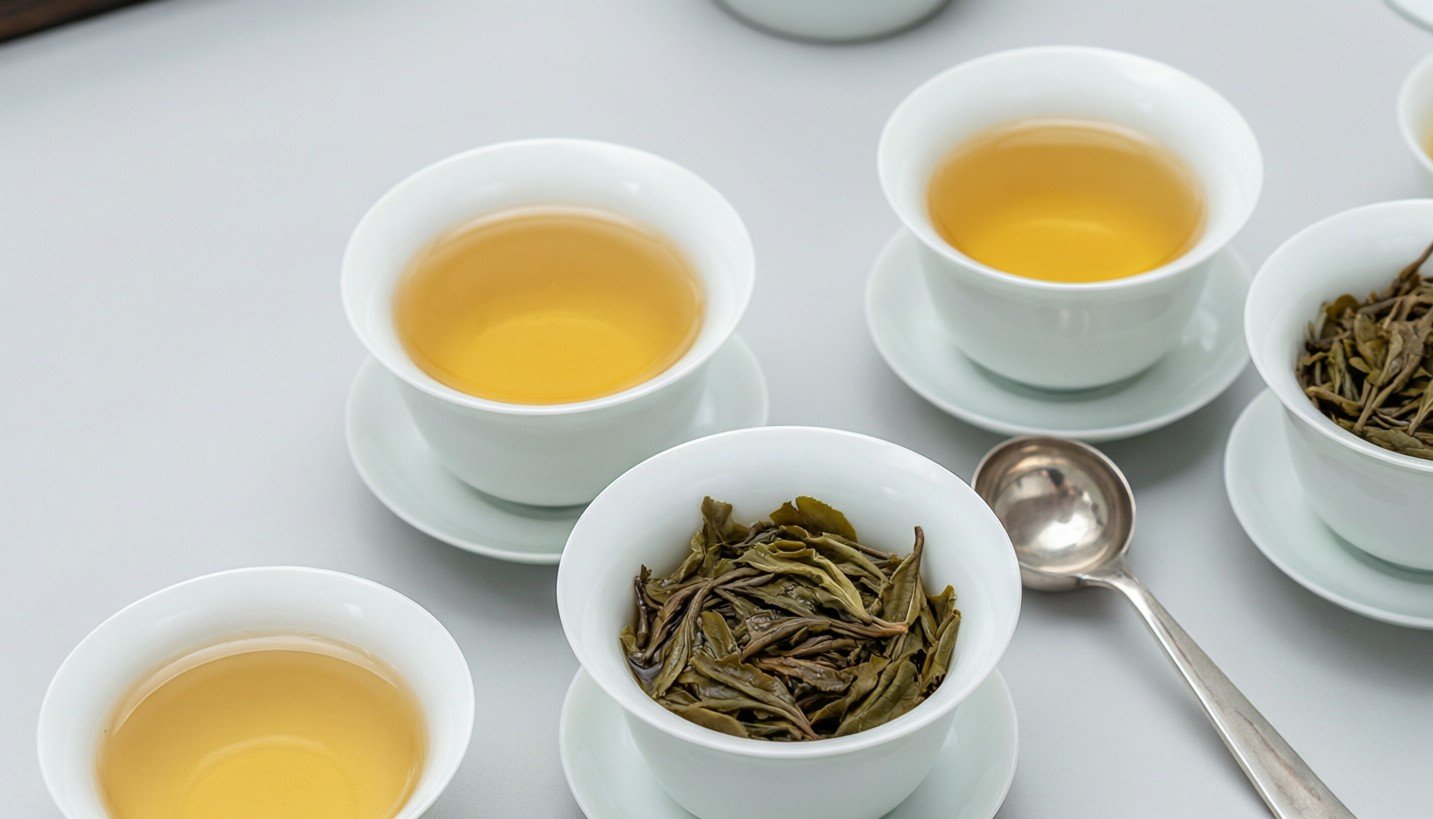
| Brewed liquor | Red-amber, clear, with a sweet malty finish and low astringency indicates good oxidation and leaf grade | Similar profiles can be produced with compatible cultivar elsewhere |
| Cup taste | Smooth, sweet, slightly fruity or baked-honey taste without harsh smoke | Taste is a grade and processing result, not a geographic test |
| Paper trail | Supplier name, lot code, harvest area and processing date make a claim auditable | Documents are only meaningful when they match the seller's named source |
Buyers should ask for a lot-specific origin statement, not just a marketing term. If the supplier can name the village, harvest season, cultivar or tea garden, grade and processing date, the price has a verifiable foundation. A reference sample from the same batch is more useful than a certificate shown at a trade show.
What Origin Means for Sourcing and Price
A true Tanyang village lot can command a premium because the area is limited and hand-finishing is labor-intensive. Not every price difference is origin, however. Grade, harvest season, tea bush age, processing care and seller reputation all move the price. Buyers should compare whether they are paying for authenticity or for a brand story. The most practical approach is to cup samples against a clear specification: dry leaf grade, aroma, liquor clarity, taste and aftertaste. If the supplier cannot explain the lot's origin, the safest decision is to pay only for the tea quality you can verify.
Sourcing Tanyang Gongfu Tea With Reliable Documentation
To source Tanyang Gongfu tea with more confidence, specify your target grade, harvest period, desired pack size, and whether you need village-level or lot-level documentation. Chinese tea suppliers can match your request against current Fu'an and broader Fujian black tea availability. Contact Chinese tea suppliers at 427728483@qq.com with your monthly volume, target price range, and sample requirements.
FAQ
Is Tanyang Gongfu the same as any Fujian black tea?
No. It is one of several Fujian black tea styles. Generic Fujian black tea may come from many counties and cultivars. Tanyang Gongfu specifically points to the Fu'an area, a tight twisted strip and the traditional Congou process. Without documentation, a tea labeled Tanyang style may be blended or made elsewhere.
Does Tanyang Gongfu have a protected origin label?
Protected regional certification is not consistently present across all Tanyang Gongfu tea sold in export markets. Buyers should treat Tanyang Gongfu as a named traditional style until the supplier shows a specific origin or certification document. That does not make the tea less real, but it makes paper verification more important.
What proof of origin should a buyer request?
Ask for a lot number, harvest year and season, village or garden name, tea cultivar, processing date, and photos of the lot or garden. Compare the dry leaf, aroma and taste with the described grade. Request a reference sample from the same batch before committing to larger volume. This evidence set is stronger than a certificate alone or a claim made at a distance.
How does Tanyang Gongfu differ from Bailin Gongfu?
Bailin Gongfu is another traditional Fujian Gongfu black tea from Fuding, near Fu'an. The two share tight strip processing and a sweet red tea profile, but they come from different towns and may use different local tea bush lines. Tanyang Gongfu is often described with a fuller honey and baked-fruit emphasis, while Bailin Gongfu can show brighter fruit and a lighter body. These are orientation notes, not quality rankings.
Why are some Tanyang Gongfu teas much cheaper than others?
Price gaps come from grade, harvest season, origin strength, tea bush age, processing care, and whether the tea is a small-batch village lot or a blended commercial style. Lower price does not automatically mean fake. It usually means younger leaf standards, later picking, a broader production area or less specific documentation. Matching price to grade and evidence is more useful than assuming higher price equals purer origin.
No author description available.

白玉京