Milanxiang Dancong Tea Prices: What Buyers Should Verify
Milanxiang Dancong tea prices are not set by the name alone. The same honey orchid label can cover different picking grades, altitudes, bush ages, and roast levels, so buyers pay for a combination of leaf material and processing rather than one standard product. A low quote usually means a different tea inside the same name, not a bargain. This guide explains the cost drivers and the quote checks that reveal what you are really buying.
What Milanxiang Actually Tells You
Milanxiang is a Fenghuang Dancong oolong associated with a honey orchid aroma, known in Chinese as Mi Lan Xiang. The term Dancong originally pointed to single-bush picking, but in today's market it functions more often as a style category. The name signals an aroma direction, not a fixed grade, origin, or bush age.
That gap between label and leaf is why quotes vary so widely. One supplier may sell a low-altitude, machine-picked, lightly roasted lot under the same name as another supplier's spring, hand-picked, high-mountain material. Both are technically Milanxiang Dancong, but they are not the same product.
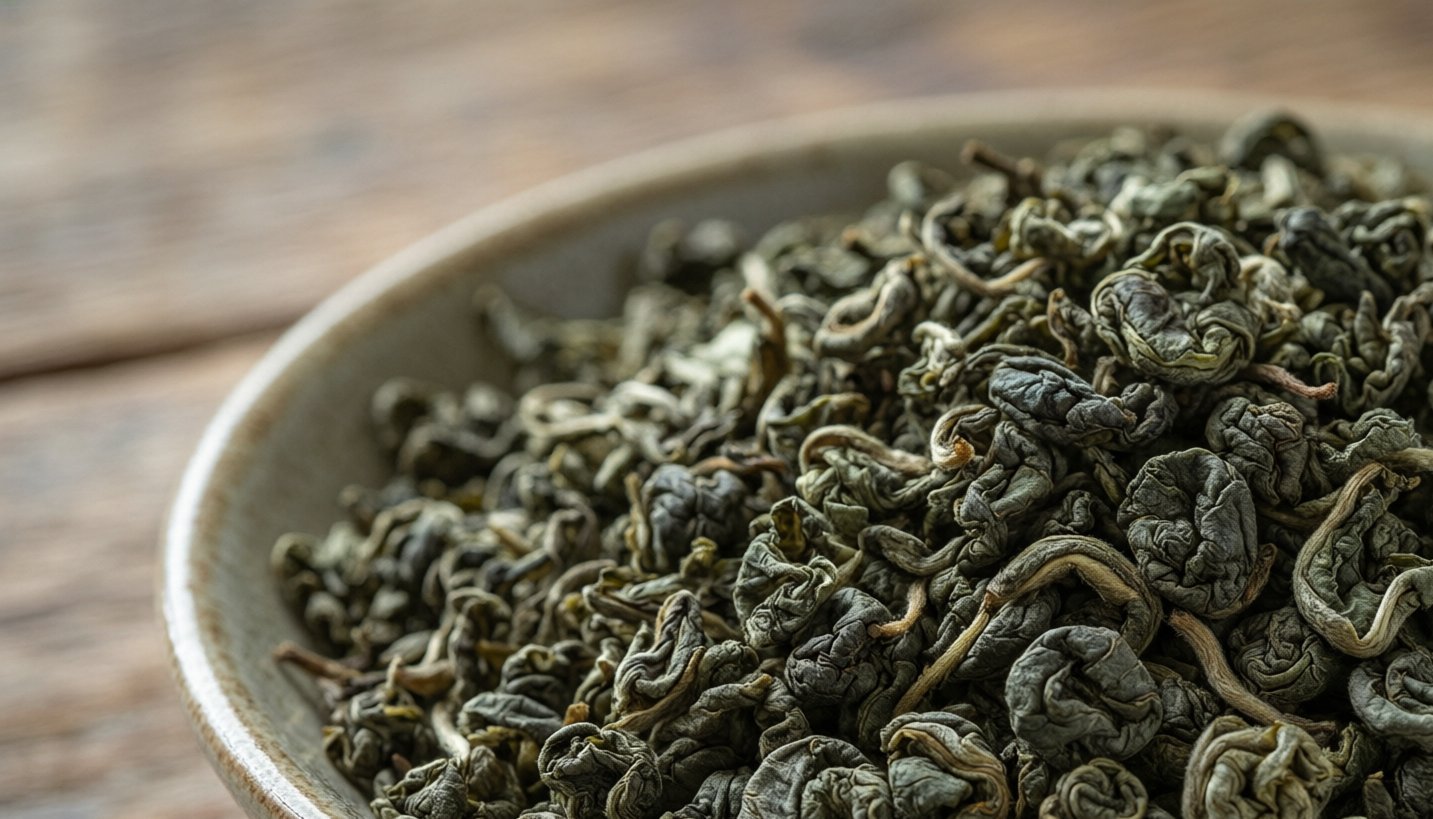
What Moves the Price Up or Down
The main price drivers are origin, harvest period, picking standard, bush age, and finishing. Each factor changes cost through yield, labor, or processing risk. When a quote lacks these details, the buyer cannot know which tea the number describes.
| Quote line | What to request | Why it matters |
|---|---|---|
| Aroma type | Confirm Milanxiang, not a generic Dancong label | Nearby Dancong aromas can carry different market positions |
| Origin and altitude | Village, mountain area, and altitude band | High-altitude Wudong material is slower to grow and smaller in yield |
| Harvest period | Spring, autumn, or winter batch | Spring leaf usually has stronger aroma density and higher labor cost |
| Picking standard | Bud-to-leaf ratio and hand-picked or machine-cut | Hand-picked whole leaf costs more and brews differently from broken strip |
| Bush age | Evidence for old-bush claims if made | Older bush lots are scarce and should not be accepted on label alone |
| Roast level | Light, medium, or heavy and charcoal or electric | Roast changes aroma expression and can mask lower-grade green leaf |
How Harvest Timing and Bush Age Change Cost
Spring Milanxiang tends to carry the most concentrated floral character because the leaf develops slowly after winter. That slower growth and the short spring picking window raise labor and material cost. Autumn material can be aromatic but often lighter in body. Later or broader pickings usually cost less because the leaf has grown faster and may include more stem.
Old-bush claims need proof rather than trust. A supplier should be able to name the village, the bush or batch source, and the age range. If the price rises sharply for an old-bush lot but the supplier cannot show origin or age evidence, the buyer is paying for a story.
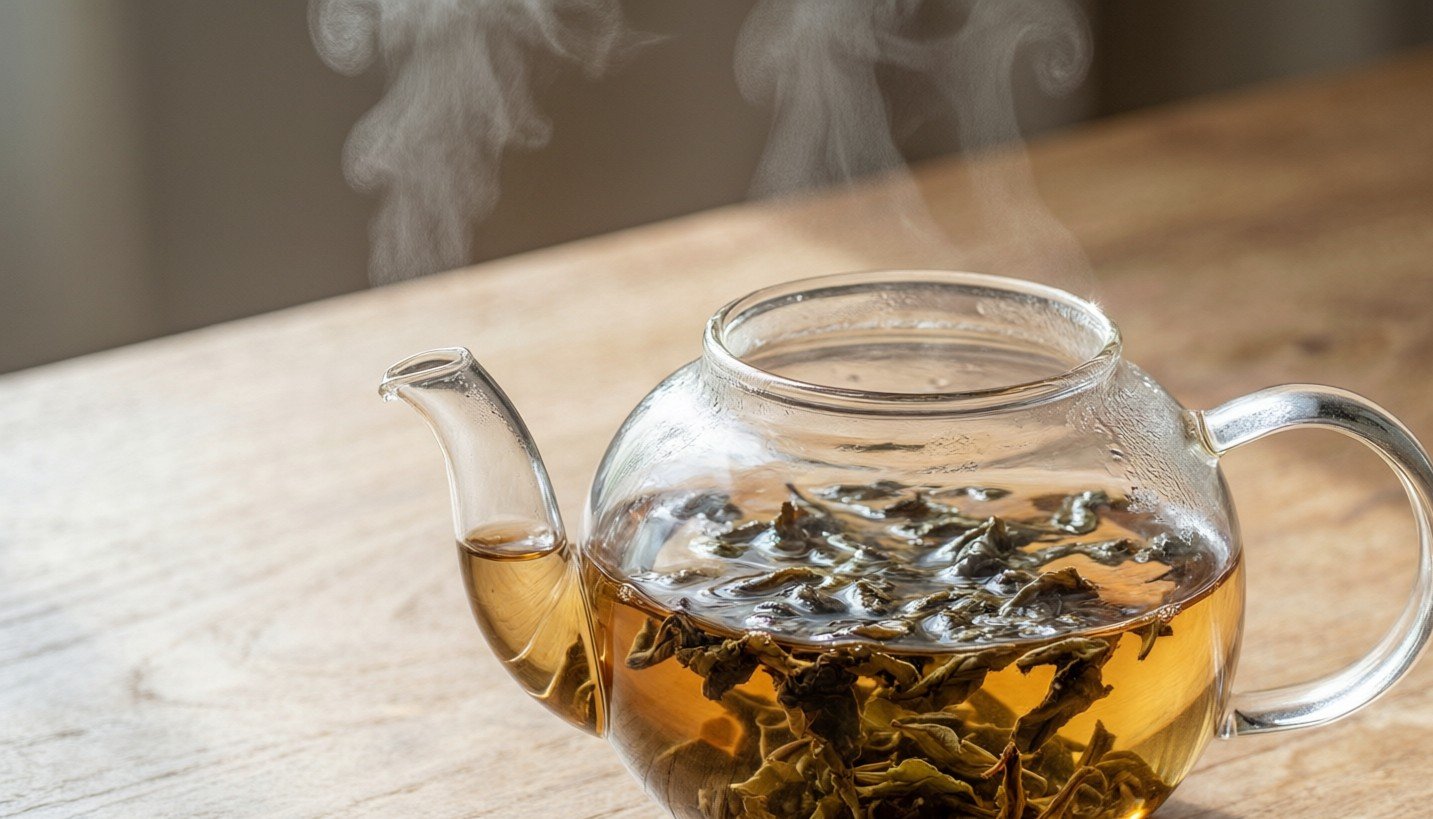
How Roast Level and Leaf Grade Hide Value
Roast is one of the easiest places for value to hide in Milanxiang Dancong. A light roast keeps the honey and orchid notes bright but leaves leaf flaws more visible. A heavier charcoal roast can smooth the texture and add warmth, yet it can also cover tired or lower-grade green leaf. Electric roasting is generally more consistent, while charcoal roasting is slower and usually raises cost.
Leaf grade works the same way. Whole, well-sorted leaf with a clear bud-to-leaf ratio costs more than broken strip or mixed grades. Buyers should ask for a photo of the dry leaf and a sample before accepting a grade description.
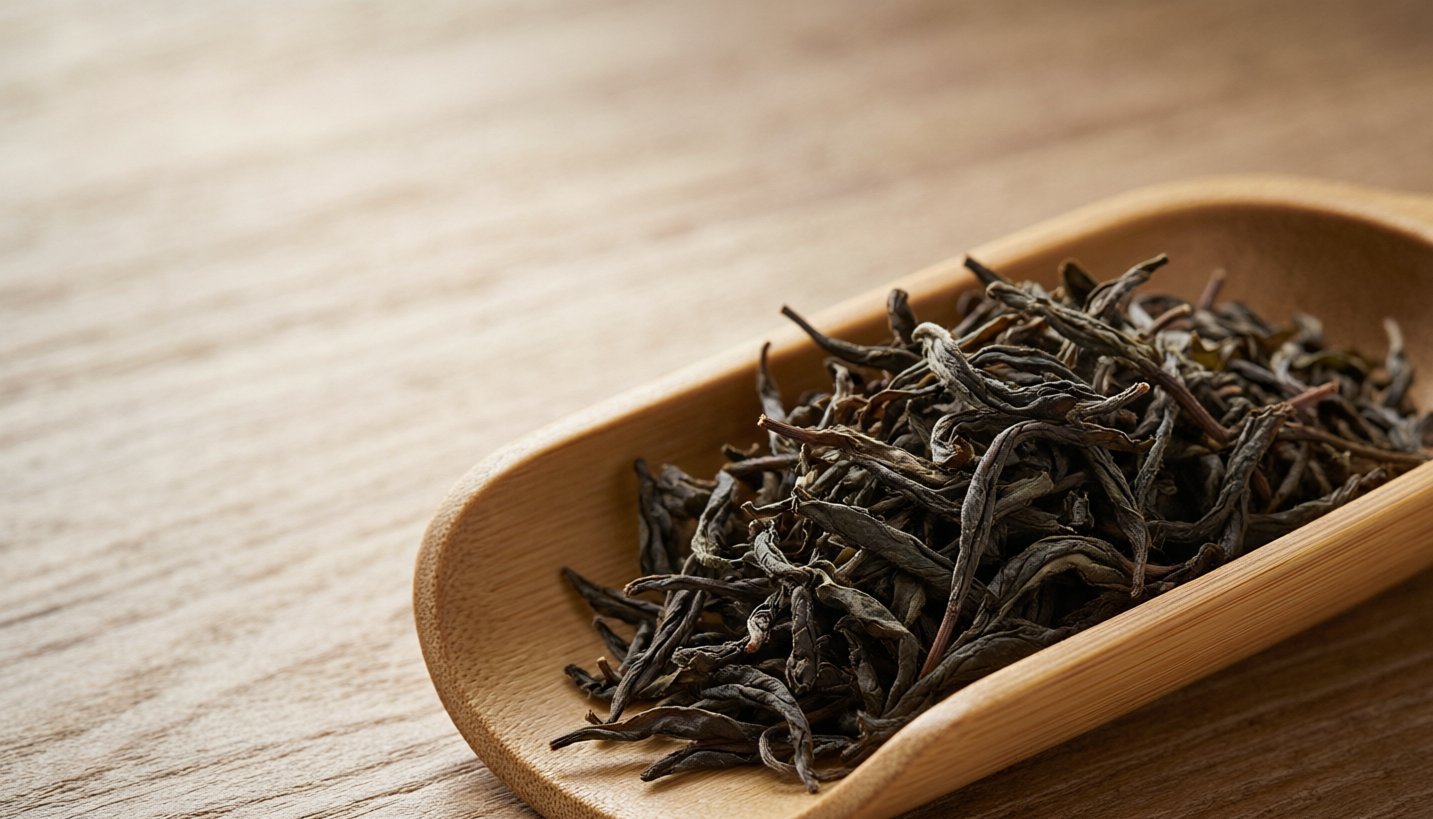
Buying Formats and Sample Discipline
Milanxiang Dancong moves in several formats: bulk loose leaf for food service or blending, vacuum-sealed retail packs, small sample portions, and gift boxes. Gift packaging adds cost without changing the tea. Bulk pricing should be compared per kilogram or per unit of leaf, not per box.
Sample discipline is the only reliable way to compare quotes. A pre-shipment sample from the actual production lot should be tasted side by side with the quote. If a supplier offers a sample but cannot later match the production lot, that mismatch is a pricing risk, not a minor service issue.
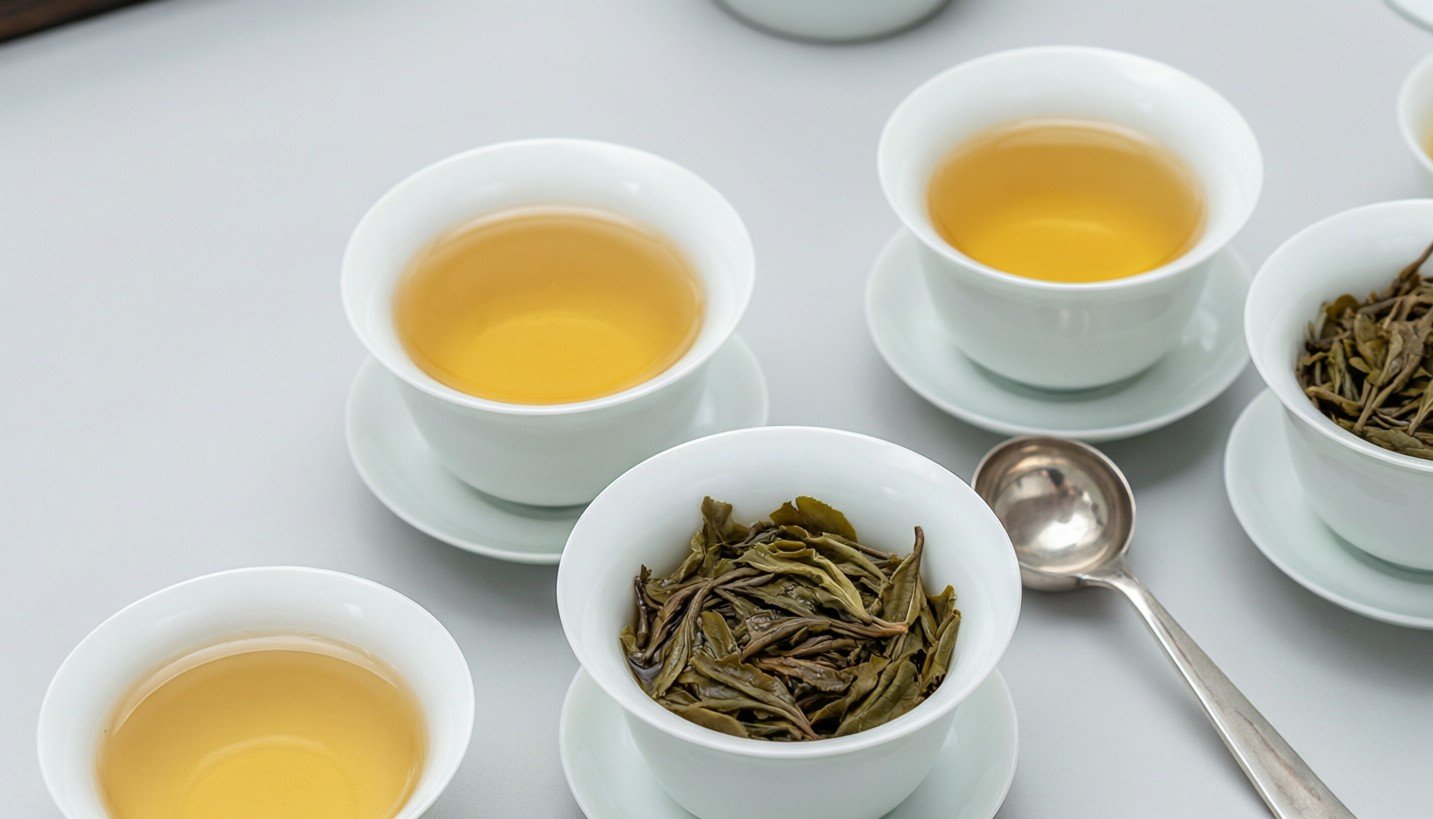
How to Compare Milanxiang Dancong Quotes
Compare quotes on the same basis: same harvest period, same leaf grade, same roast level, and same format. A lower price is meaningful only after those variables match.
Before deciding, request the dry leaf photo, the production lot sample, the roast date, and the origin details. Taste the sample for honey sweetness, orchid lift, texture, and whether the finish feels clean. If a quote is far below others with the same stated grade, ask which cost driver changed. Usually the answer is altitude, picking, or roast, not generosity.
Get a Milanxiang Dancong Quote Checked
To compare Milanxiang Dancong quotes properly, send the supplier your target volume and format, preferred harvest period, origin and bush-age requirements, roast level, and packaging details. Request a production lot sample before confirming any order. Email 427728483@qq.com with these details and ask for the sample, leaf photos, and lot information first.
FAQ
Does a heavier roast mean higher quality?
Not by itself. A heavier roast adds labor and can refine texture, but it can also cover weaker or lower-grade leaf. Judge quality by the clarity of aroma, texture, and finish after the roast, not by roast darkness alone.
Is older bush Milanxiang always worth the premium?
No. Old-bush material can offer deeper flavor and stronger mouthfeel, but the premium is only justified when the supplier can support the bush age and origin with clear information. Without that evidence, the higher price may simply reflect the label.
Why do two suppliers quote very different prices for the same name?
The name Milanxiang Dancong covers a wide range of leaf grades, altitudes, harvest periods, and roasting methods. The quotes are usually describing different teas. Ask for the same specification details and samples before treating the prices as comparable.
How should a buyer test a new Milanxiang Dancong lot?
Start with a production lot sample and a clear specification sheet. Taste it at the intended brewing strength, check the dry leaf and wet leaf, and compare it with any reference sample. Only after the sample passes should volume pricing and packaging be considered.
No author description available.

白玉京