Ziyang Maojian Tea: What Actually Sets It Apart
Ziyang Maojian tea is a pan-fired green tea from Ziyang County in Shaanxi, and it is not simply another version of Xinyang Maojian. The distinction matters for buyers and drinkers because the growing area, local picking standards, processing style and batch-level selenium variation change what ends up in the cup. Once you separate the Maojian name from the actual origin, Ziyang Maojian becomes easier to evaluate and source.
What Ziyang Maojian Tea Actually Is
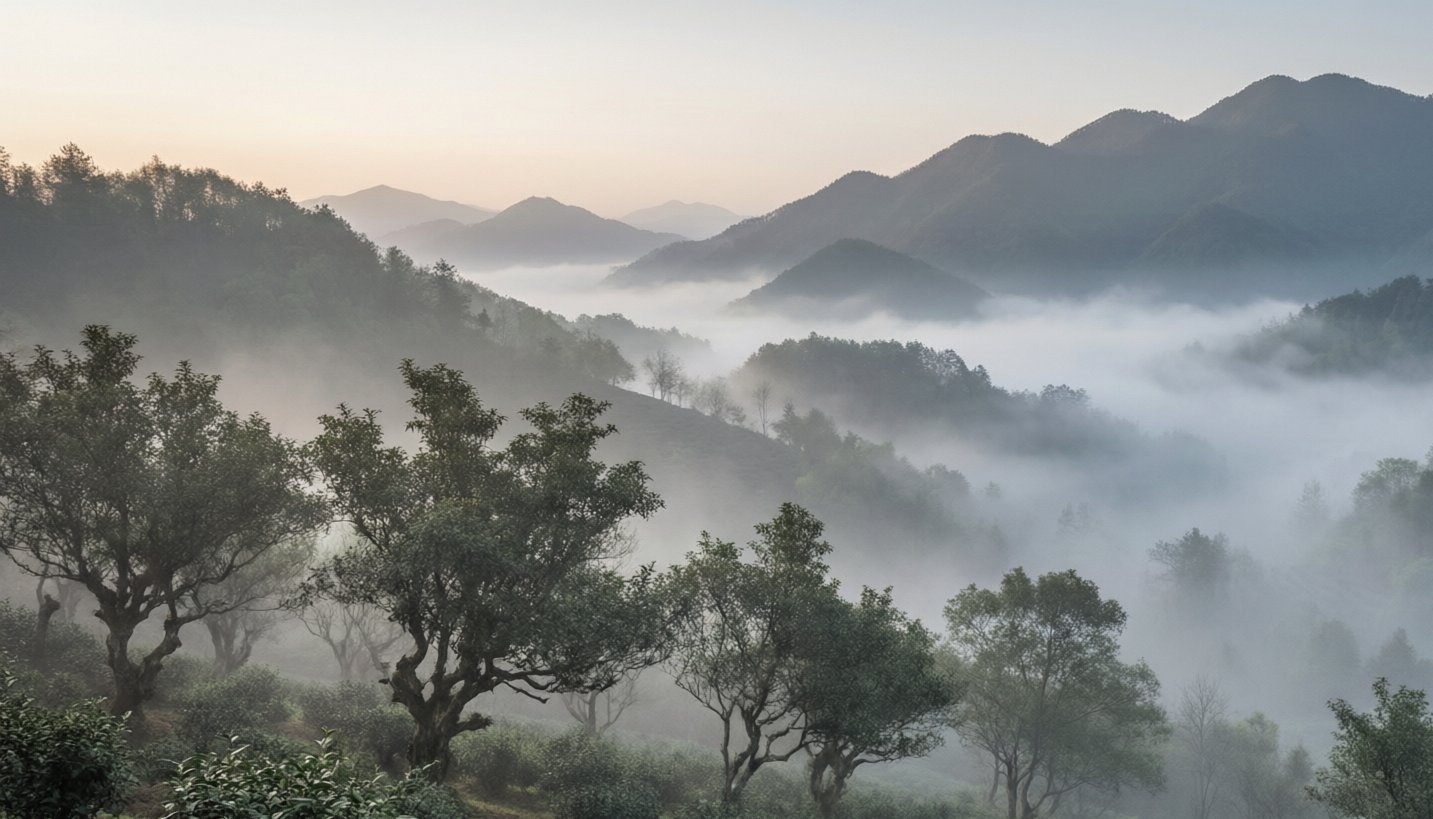
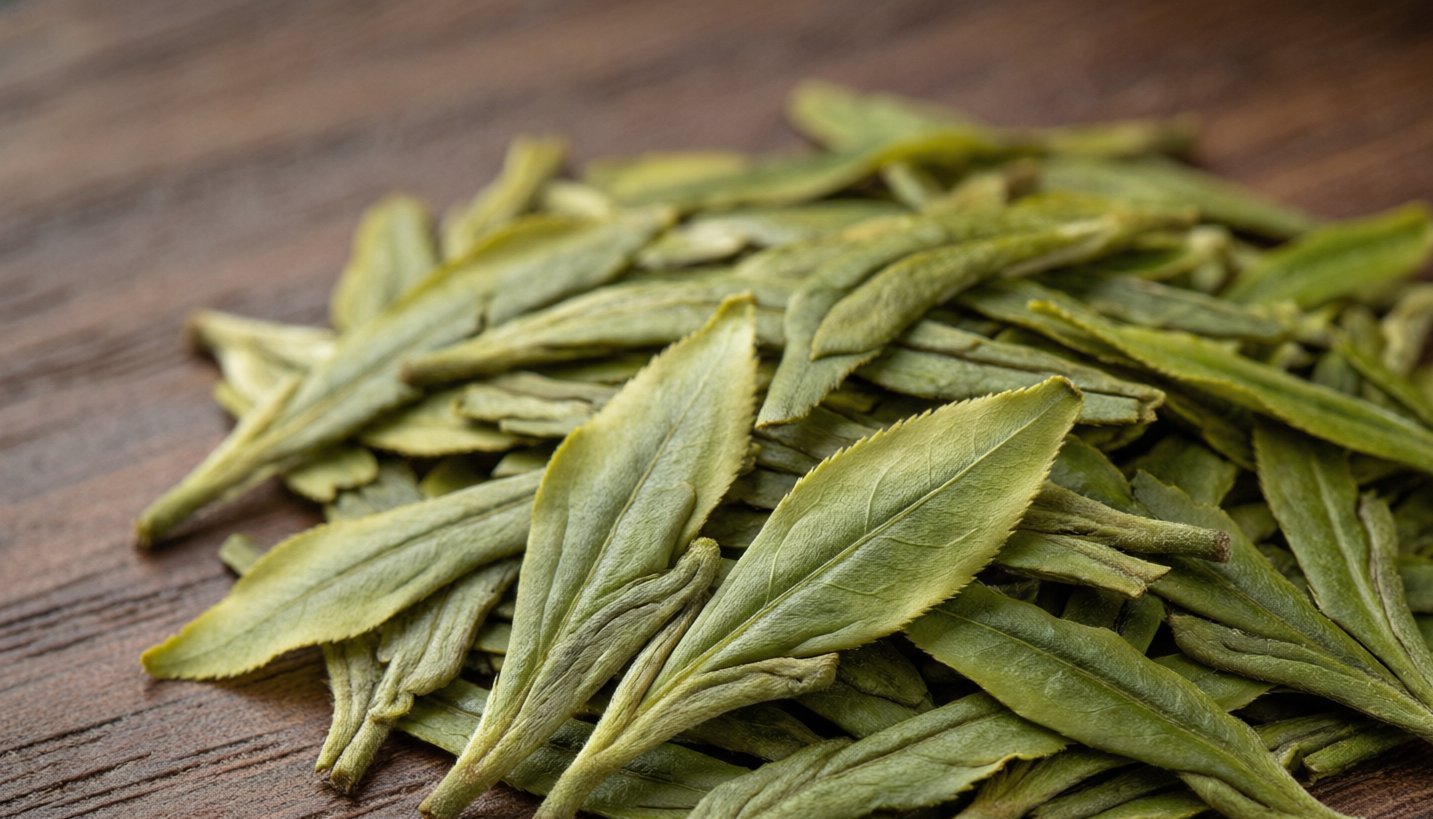
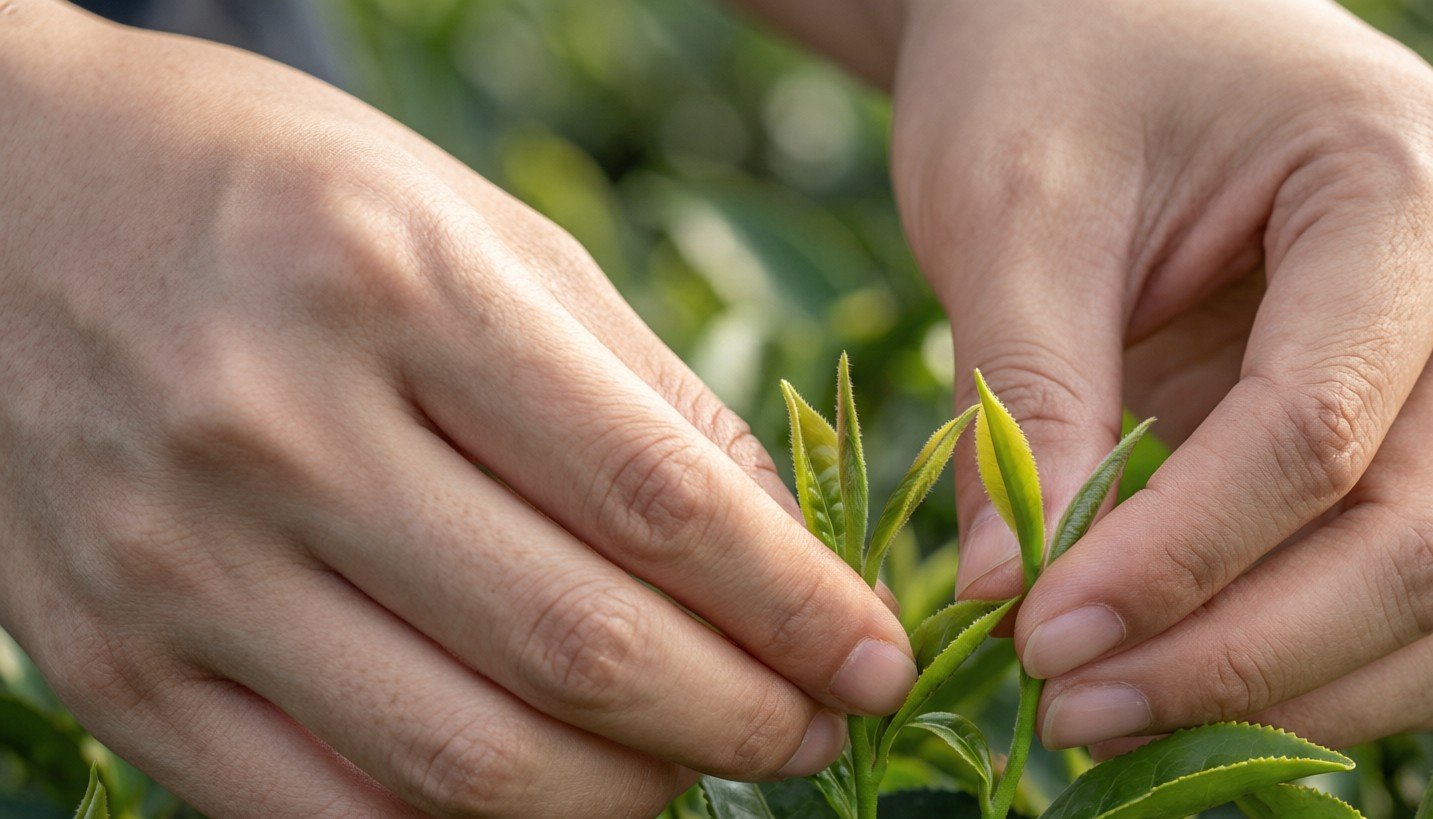
Ziyang County sits in the Qinba mountain area of Ankang, Shaanxi, along the Han River. The local tea style is a green tea made from tender spring shoots, usually one bud with one or two young leaves. It is called Maojian because the finished dry leaf is slender, slightly curled and downy.
That is important because Maojian is not one protected cultivar and not one uniform product. The name describes a leaf shape and a processing route more than a single origin. Ziyang Maojian therefore has a regional identity that other Maojian teas do not share. The tea should be judged by its specific origin, leaf material and firing, not by the Maojian label alone.
Ziyang County is one of the better-known selenium-rich tea districts in China. The surrounding geology matters to the tea's identity and to the claims buyers sometimes see. But origin reputation and batch evidence are two different things.
Why the Region Changes the Leaf
Ziyang County has a long-standing reputation for selenium-rich soils. Tea plants can take up trace selenium from the soil and move it into the young leaves. This is one reason some Ziyang Maojian lots are marketed with a selenium message.
The key point is that selenium content varies by field, cultivar, harvest date and processing batch. A bag labeled Ziyang Maojian does not automatically mean every sample from the county is equally selenium-rich. If you need a nutrition or health claim, ask for test data for the specific lot. A county-level reputation is useful for orientation, but it does not replace batch evidence.
This is where Ziyang Maojian differs from the assumption many buyers bring to the tea. The name tells you the general place and style. It does not tell you the exact soil conditions behind a particular lot.
Ziyang Maojian vs Other Maojian Green Teas
Maojian teas come from several provinces, and buyers sometimes treat them as interchangeable. The table below separates the common assumption from what the Ziyang version actually depends on.
| Comparison point | Ziyang Maojian | What buyers sometimes assume |
|---|---|---|
| Origin | Ziyang County, Shaanxi, in the Qinba area | A generic Maojian tea or another region's Maojian |
| Leaf material | Local spring shoots, pan-fired, slender and downy | Any small, fuzzy green leaf processed the same way |
| Region effect | Selenium-rich soils in many parts, but varying by lot | Every batch carries the same high selenium level |
| Flavor direction | Chestnut, cooked bean, fresh sweet, relatively soft | All Maojian green teas taste basically alike |
The comparison is useful because it changes the buyer's next question. Instead of asking for a generic Maojian, a buyer should ask which county, which harvest and which lot the tea comes from.
How to Judge a Good Ziyang Maojian Batch
A purchasing decision should start with the dry leaf and end with the brewed cup. These checks are simple to perform during sampling and help separate a careful batch from a rough one.
| Check | What to inspect | What it tells you |
|---|---|---|
| Origin detail | Specific Ziyang producing town, processor or lot number | Supports traceability and accountability |
| Dry leaf | Small tight twisted or curled pieces, even color, fine down | Picking standard and controlled firing |
| Dry aroma | Chestnut, cooked bean, fresh sweet note, no smoke or scorch | Correct drying and freshness |
| Liquor | Clear yellow-green color, smooth mouthfeel, mild sweet aftertaste | Leaf quality and processing balance |
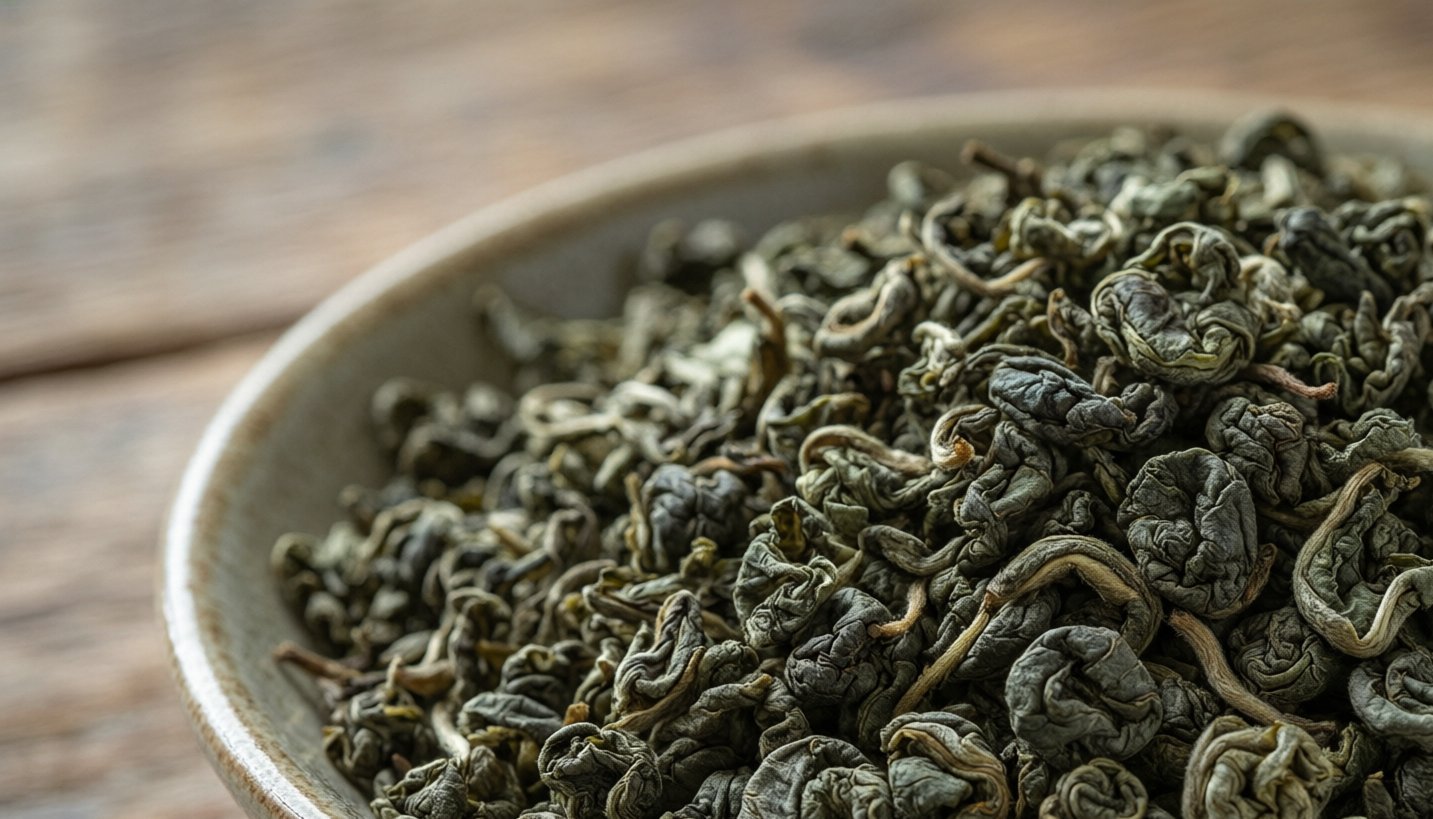
A strong chestnut or bean aroma is often the clearest sign of a well-fired Ziyang Maojian. A rough, grassy or scorched note usually points to poor leaf selection, excessive heat or stale storage.
Brewing Ziyang Maojian Without the Bitter Edge
Ziyang Maojian is best with gentle brewing. Use fresh soft water in a clean glass or porcelain vessel, around 80 to 85 degrees Celsius. A ratio of about 2 to 3 grams of leaf for 150 to 200 milliliters of water is a reliable starting point.
Keep the first steep short, roughly 30 to 60 seconds, then add 10 to 20 seconds for later infusions. Pour off the liquor completely between steeps so the leaves do not continue extracting. If the tea still turns harsh under those conditions, check the leaf quality, storage age or firing rather than treating bitterness as normal.
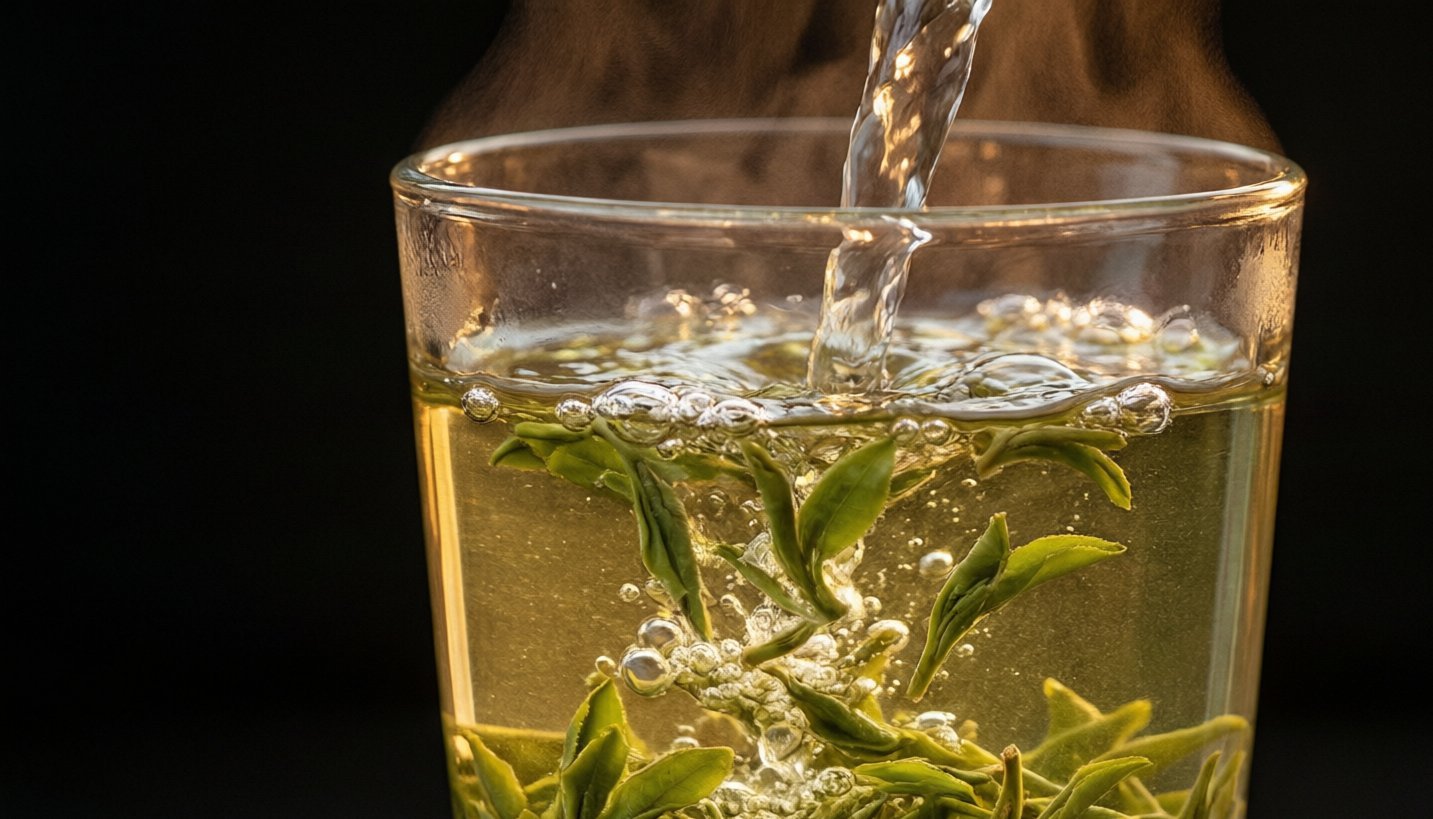
The goal is to bring out the tea's chestnut, bean and sweet aftertaste. Too much heat or time pushes the cup toward a rough, green bite that hides the style's softer character.
Sourcing and Storage Checks
For buyers, the important information sits in the lot details. Ask for the harvest date, production area, grade, processing date and whether the batch has a selenium or pesticide residue test when a claim is part of the sales argument.
Store Ziyang Maojian the way you would store any high-quality green tea: in a sealed, oxygen-barrier package away from light, heat, moisture and strong odors. Green tea is a fresh category, so plan to sell through within a year or two depending on packaging and storage conditions. Buy small enough to move through consistently rather than holding large amounts past its best window.
Sourcing Help for Ziyang Maojian Buyers
If you are buying Ziyang Maojian for resale, tell us your target grade, harvest season, lot size, packaging format and destination. If your market requires a selenium or residue test, include that requirement in the inquiry so the right batch information is checked first.
Contact Chinese tea suppliers at 427728483@qq.com with your Ziyang Maojian sourcing brief. The more clearly you define the harvest and test requirements, the easier it is to match the right lot before you commit to a full order.
FAQ
Is Ziyang Maojian the same as Xinyang Maojian?
No. Xinyang Maojian comes from Henan, while Ziyang Maojian comes from Shaanxi. Both are pan-fired green teas with slender, downy leaves, but their growing conditions, local cultivars and typical cup character are different.
Does every Ziyang Maojian contain high selenium?
Not necessarily. Ziyang is associated with selenium-rich soils, but selenium content varies by field, harvest and batch. If selenium is part of your buying reason, require test data for the specific lot rather than relying on the county name.
Is Ziyang Maojian supposed to be bitter?
No. A good batch should be fresh, soft and lightly sweet with chestnut or cooked bean notes. Bitterness usually comes from water that is too hot, steeping too long, stale leaf or rough processing.
How should I store Ziyang Maojian tea?
Keep it sealed away from light, heat, moisture and strong odors. Use an oxygen-barrier bag or airtight container and store it in a cool, dark place. Drink it within a year or two for the freshest cup, depending on packaging.
What should I ask a supplier before buying?
Ask for the harvest date, specific producing town or processor, grade, and whether the lot has selenium or pesticide residue data if a claim is being made. Always cup the sample against your accepted reference before confirming a purchase.
No author description available.

白玉京