Zhejiang White Tea Pricing Explained: 2026 Wholesale Rates
Most buyers enter the Zhejiang white tea category with one question: should I actually be buying it as a white tea? The answer shapes the price before the first quotation arrives. In Chinese trade, “Zhejiang white tea” almost always refers to Anji Baicha (Anji white tea) from Anji County in Huzhou, Zhejiang. It is made from the temperature-sensitive Bai Ye No. 1 cultivar, whose young spring shoots flush pale jade-white, but its processing follows green-tea methods: pluck, spread, fixation, shaping, and drying. It is therefore a green tea made from a pale-leaf cultivar, not a white tea in the Fuding or Zhenghe sense [1]. Buyers who ignore that distinction often pay a white-tea narrative without receiving white-tea processing.
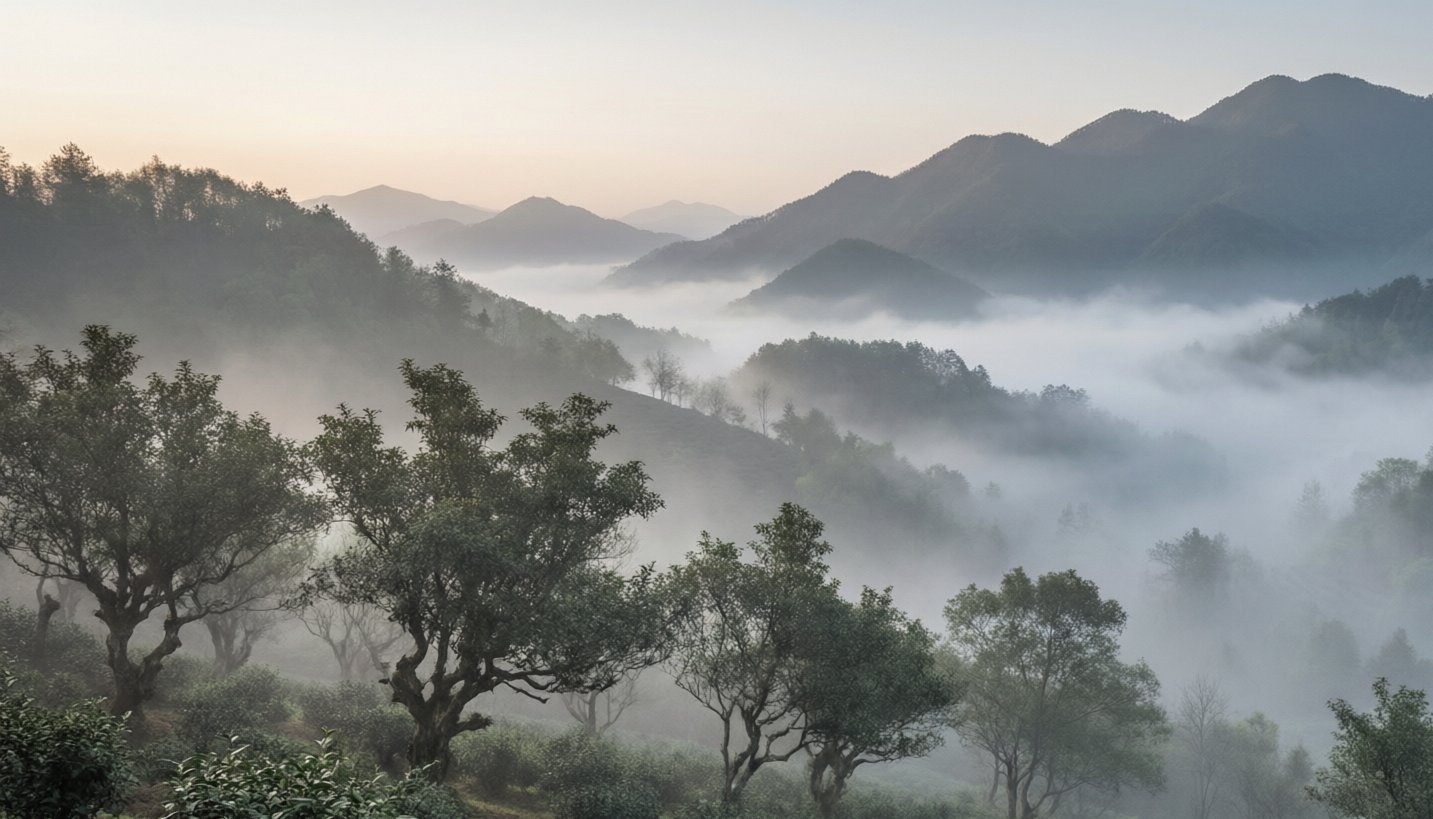
Zhejiang White Tea Is a Green Tea — and That Affects the Price
The word “white” here describes leaf color, not oxidation level. Anji Baicha’s Bai Ye No. 1 plants produce light, almost translucent young leaves in early spring, then turn greener as temperatures rise. The whiteness is temporary, tied to weather and harvest timing, which is why genuine early-spring lots command a premium. Under China’s geographical indication standard, authentic Anji Baicha is defined by cultivar, production area, and processing method [1]. Teas that merely look whitish but come from outside the protected area are not equivalent, even if they cost a third as much.
This matters for budgeting. If a supplier quotes “Zhejiang white tea” at a price that looks like Fuding Bai Hao Yin Zhen but ships a green-tea processed lot, the buyer is paying for the wrong benchmark. Conversely, if the price sits below the cost of real early-spring Anji Baicha, the lot is usually later-harvest, lower-grade, blended, or from outside the core area. Neither option is necessarily bad — but both should be priced honestly on the invoice.
What Actually Moves the Wholesale Price
Anji Baicha pricing is driven by five levers, in rough order of importance:
- Harvest window. The pre-Qingming (Mingqian) flush before early April is the most expensive. The window is short, yields are low, and bud tenderness is highest [2].
- Plucking standard. Single-bud and one-bud-one-leaf lots trade far above one-bud-two-leaf or mechanical picks.
- Core origin. High-altitude plots within Anji’s traditional villages, such as Xilong, Kunshan, and Shifo, are priced above flatland or neighboring-county material.
- Processing control. Low-temperature fixation, careful shaping, low moisture, and clean sorting protect the pale color and fresh aroma.
- Compliance and pack. Lab testing, EU/US MRL screening, vacuum cartons, and retail-ready packaging all add cost beyond the raw leaf.
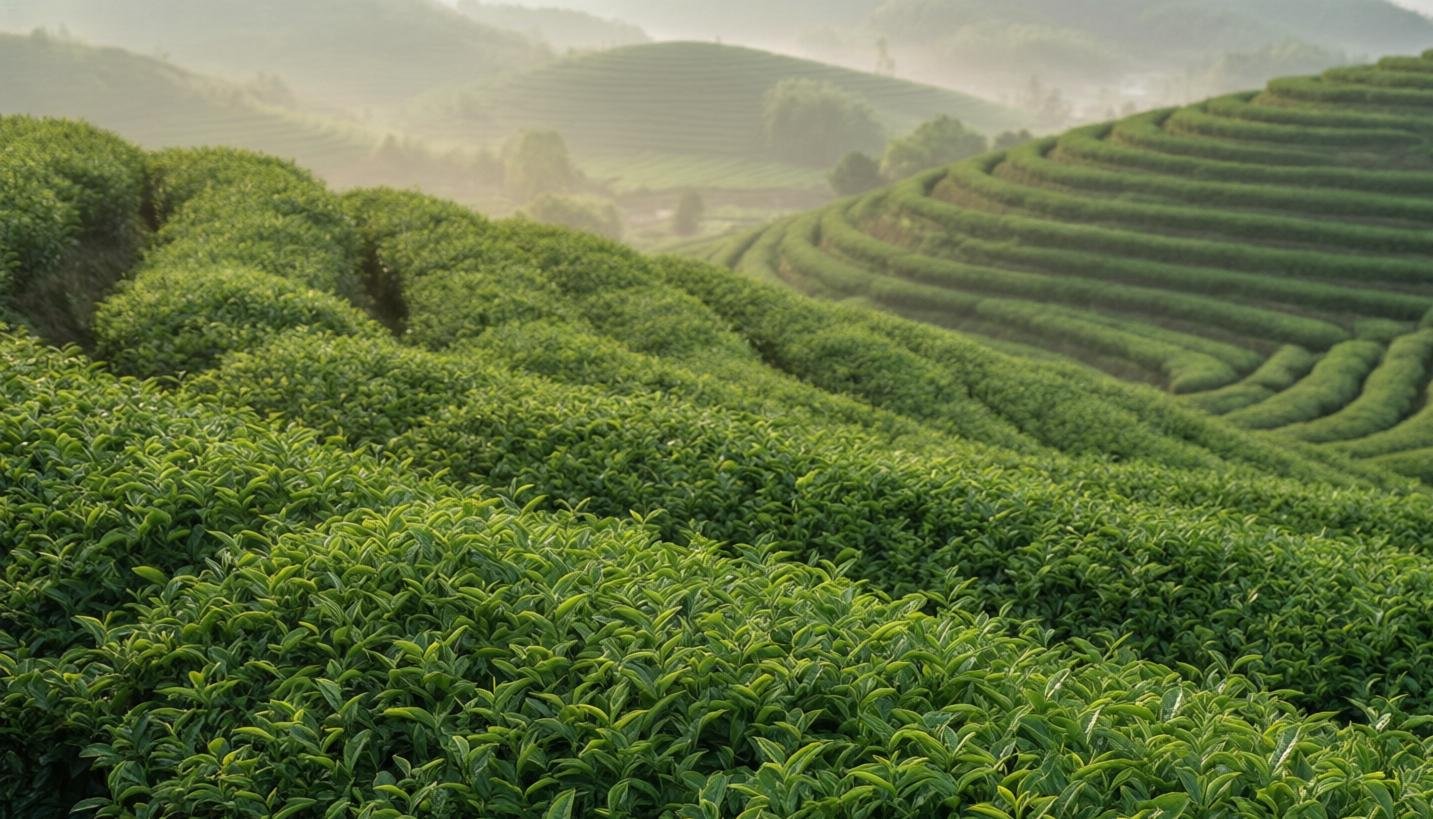
The combination of these factors means two lots can carry the same “Anji Baicha” name and differ by a factor of five or more. That is not necessarily a red flag; it is the structure of the market.
Indicative 2026 Wholesale Price Ranges
The table below is an indicative benchmark, not a fixed offer. It reflects common Anji Baicha export ranges compiled from supplier quotations, Zhejiang spring market briefs, and FAO tea market reporting [3][4]. Prices are FOB China and exclude ocean freight, duties, and destination handling.
| Grade / plucking standard | Harvest window | Indicative FOB wholesale range (USD/kg) | Typical lot format |
|---|---|---|---|
| Premium single bud / one bud one leaf, uniform pale flush | Late March–April 4 | $120–$260 | 5–25 kg vacuum-sealed cartons |
| High-grade one bud one/two leaves, clean sort | April 5–April 12 | $55–$120 | 10–50 kg |
| Rain-picked one bud two/three leaves | April 13–April 30 | $25–$55 | 25–100 kg |
| Later mechanical pick | June–July | $12–$28 | 50 kg+ |
Landed cost will run 15–35% higher depending on destination, freight mode, certificate requirements, and whether the buyer needs split packaging. The most useful number to request is not the market rate but the lot-specific FOB quote tied to a harvest date and grade claim.
Moving from a market range to a landed quote? Email 427728483@qq.com with your target grade, annual volume, and destination port. A Chinese tea suppliers specialist can return current Anji Baicha FOB/CIF options, harvest availability, and sample guidance.
Harvest Windows Create the Price Gaps
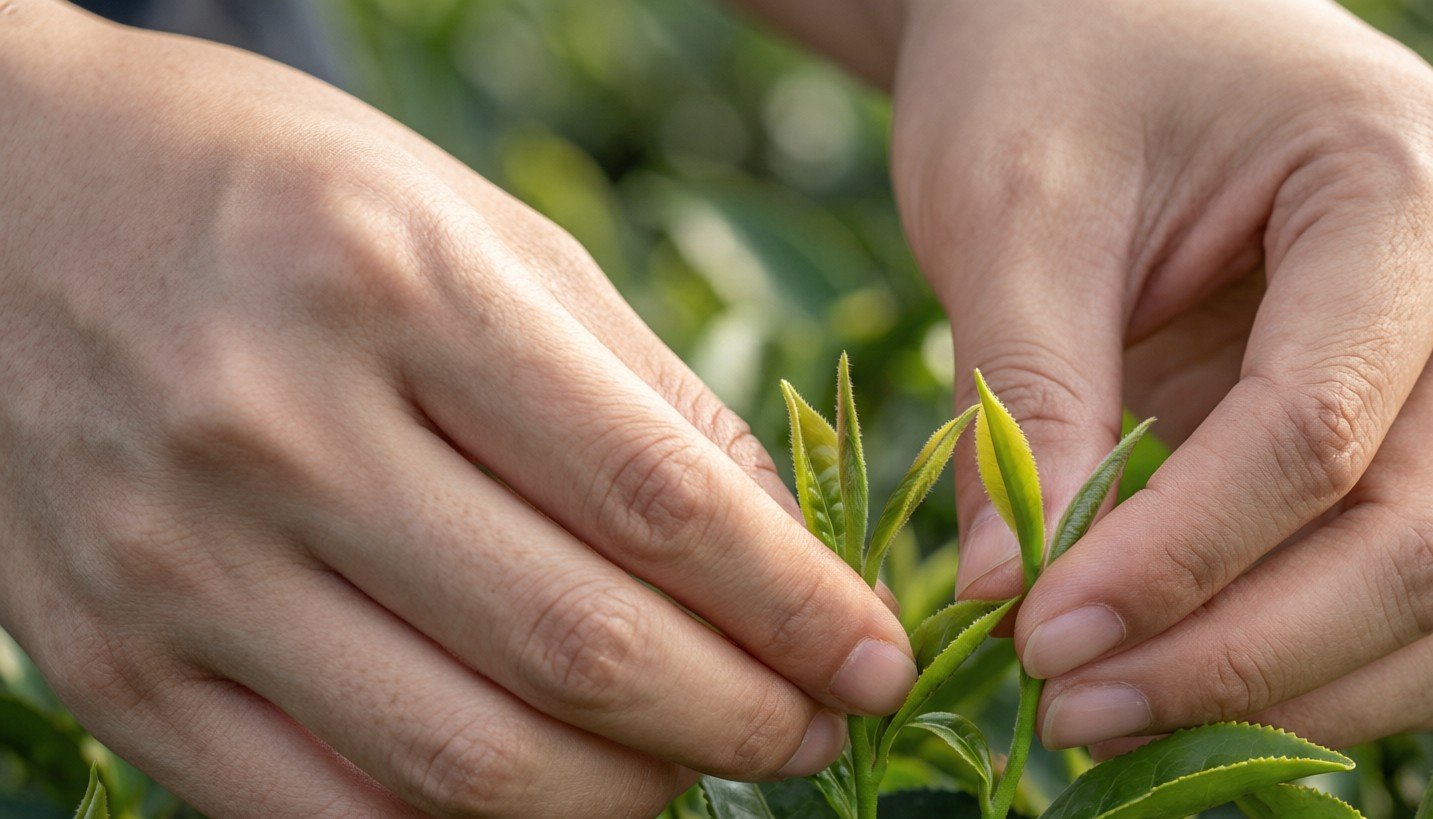
The price curve in Anji Baicha is almost entirely a harvest-date curve. Pre-Qingming lots are scarce because the plant’s pale flush is strongest when nights are still cool and growth is slow. After Qingming, warmer temperatures push the leaf greener, faster, and more abundant; quality remains good, but the visual signature that buyers pay for fades.
A practical split looks like this:
- Mingqian: best pale color, tender texture, strongest brand resale value; smallest yield.
- Yuqian: still spring-grade, greener leaf, fuller flavor, more volume.
- Gu Yu and later: lower cost, more astringent edge, better for blending or foodservice.
The right choice depends on the channel. A specialty retail line justifies the Mingqian premium. A café, RTD base, or private-label everyday green tea often performs better with a clean Yuqian lot at half the cost. At Chinese tea suppliers, we keep side-by-side Mingqian and Yuqian samples from the same garden because crop-year weather shifts that gap more than most buyers expect.
Grades and Labels: What to Check Before Paying a Premium
Anji Baicha quality is read from three places: dry leaf, brewed leaf, and liquor. High-grade lots show uniformly pale, fine, one-bud-one-leaf material with a soft orchid or chestnut-like aroma and a bright jade-green liquor. Lower grades show more broken leaf, greener or duller color, and flatter aroma. Moisture should be low enough that dry leaf snaps under gentle pressure rather than folding [1].
Label claims should include more than “top grade.” Serious suppliers can state the cultivar, harvest date range, plucking standard, village or mountain area, processing date, and production standard. A lot described only as “white tea” without GB/T 20354-2006 or a clear grade reference deserves a lower offer or a hard pass.
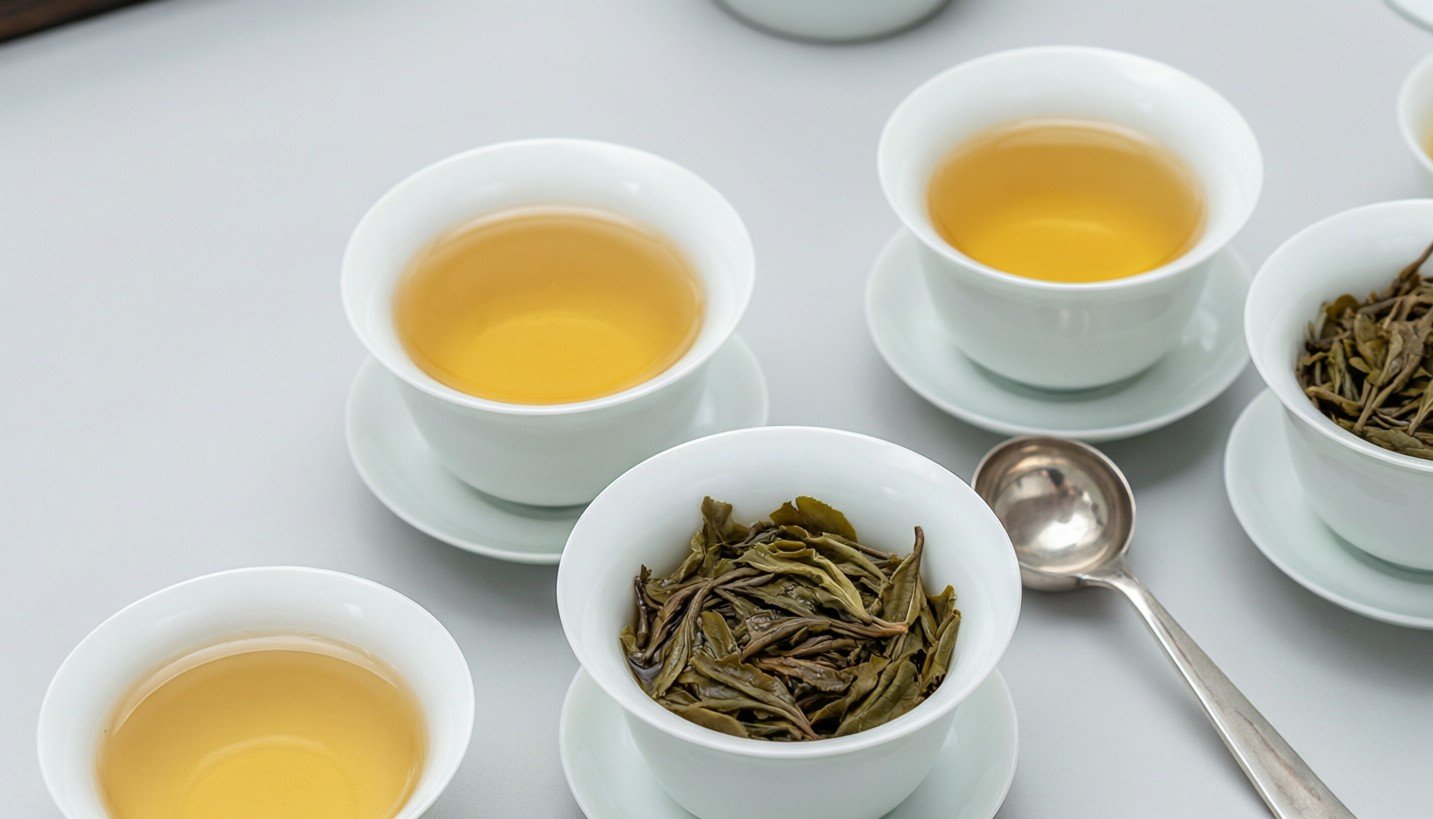
When cupping, watch for three common downgrades:
- Color over aroma. Pale leaf without freshness means the lot was harvested for looks but not processed well.
- Greenness in the liquor. A dull or olive liquor often signals later harvest or weaker fixation.
- Green aftertaste. Low-grade Anji Baicha can taste grassy or thin, a sign the bud count in the blend is low.
Request the supplier’s lot number and keep a reference sample. If the reorder cannot match the approved cup, the price is not the problem — the batch is.
How to Buy Without Overpaying: RFQ and Verification Checklist
A reliable Anji Baicha RFQ includes more than a target price. Before you ask for a discount, ask for these seven fields:
- Cultivar and whether it is Bai Ye No. 1.
- Harvest start and end dates for the specific lot.
- Plucking standard and grade claim.
- Village, township, or garden origin within Anji.
- Production standard used, such as GB/T 20354-2006.
- Pesticide residue test status and target market MRL gap.
- Moisture content and packaging spec.
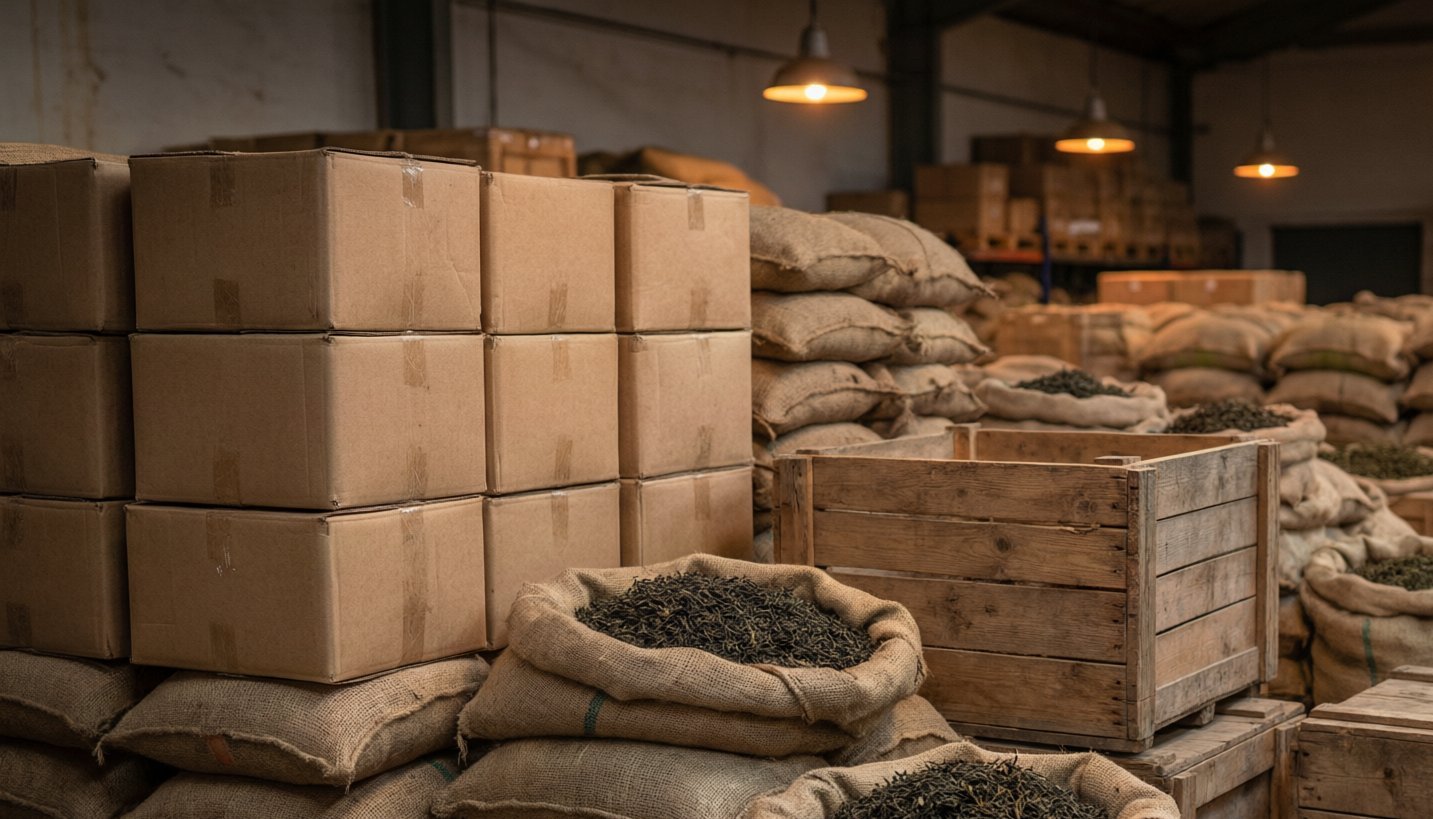
Then verify the quote against physical evidence: dry-leaf photos in daylight, brewed-leaf photos showing bud-to-leaf ratio, and a cupping sample if the order size justifies it. Compare spring and rain-picked lots from the same supplier, not two unrelated teas. China Tea Marketing Association price-index reports can help flag quotes that are structurally too low for the season, but they are a check, not a substitute for tasting [5].
Budgeting for 2026 Price Movement
Spring weather remains the biggest near-term variable. A cool, dry March extends the pale flush and supports premium pricing; sudden warmth or rain shortens the Mingqian window and pushes volume into lower tiers. On the demand side, specialty green tea continues to move into Western retail and direct-to-consumer private label, which competes for early-spring lots [4]. Buyers can blunt the volatility by:
- Pre-booking a higher-grade spring allocation early.
- Splitting volume between Mingqian and Yuqian lots.
- Locking a moisture and packaging spec that keeps the premium lot shelf-stable.
- Asking for CIF landed math instead of comparing FOB quotes without freight assumptions.
For budget planning, treat the top grade as a seasonal allocation, not a standing inventory item. The lower tiers should carry the year-round volume.
Need a fixed Zhejiang white tea quote for 2026 spring lots? Contact Chinese tea suppliers at 427728483@qq.com with your grade, annual volume, and destination. We will return current wholesale pricing, harvest availability, and sample options.
FAQ
Is Zhejiang white tea the same as Fuding white tea?
No. Zhejiang white tea in common trade use means Anji Baicha, a green tea made from the pale Bai Ye No. 1 cultivar. Fuding white tea is processed with withering and minimal fixation as a true white tea. They differ in oxidation, processing, flavor, and price benchmarks [1].
Why is it called “white” tea if it is a green tea?
The name comes from the pale jade-white color of the young spring leaves, not from white-tea processing. As temperatures rise, the leaves turn greener, which is why early harvest lots with the clearest pale color sell at a premium.
What wholesale price should I expect in 2026?
Based on current market benchmarking, Anji Baicha wholesale FOB ranges commonly fall from about $25–$55/kg for clean rain-picked lots to $120–$260/kg for premium Mingqian single-bud or one-bud-one-leaf lots [3][4]. Your actual quote depends on grade, harvest date, origin, lab testing, and packaging.
Does earlier harvest always mean better quality?
No. Earlier harvest usually means paler leaf, finer texture, and stronger retail positioning, but a well-processed Yuqian lot can taste better than a poorly processed Mingqian lot. Buy for the channel: early grade for premium retail, clean Yuqian for value-driven foodservice or blending.
What should I verify before paying for a premium lot?
Confirm the cultivar, harvest date range, plucking standard, village origin, production standard, pesticide test status, and moisture content. Ask for dry-leaf and brewed-leaf photos, and request a cupping sample before committing a large order [1][5].
References
[1] General Administration of Quality Supervision, Inspection and Quarantine of the People’s Republic of China, Product of geographical indication — Anji bai cha, GB/T 20354-2006.
[2] Anji County People’s Government, “Anji White Tea Harvest and Market Service Guide,” Anji, China. https://www.anji.gov.cn/
[3] Zhejiang Provincial Department of Agriculture and Rural Affairs, “Zhejiang Tea Market Brief, Spring 2025,” Hangzhou, China. https://nynct.zj.gov.cn/
[4] FAO Intergovernmental Group on Tea, “Tea Market Situation and Outlook,” Food and Agriculture Organization of the United Nations. https://www.fao.org/markets-and-trade/commodities/tea/en/
[5] China Tea Marketing Association, “Spring Tea Quality and Price Index Report,” Beijing, China. https://www.ctma.com.cn/
No author description available.

白玉京