Foshou Tea: What Makes It Different? An Honest Introduction
Foshou tea is one of the most distinctive oolong teas from Fujian, but buyers usually meet it through a confusing mix of names: Yongchun Foshou, Xiangyuan, Buddha’s Hand oolong, or simply “that citrus-scented oolong.” The honest short answer is that what makes Foshou different comes down to a specific tea cultivar, a defined growing region, and an unusually soft, aromatic cup that drinks gentler than many Wuyi or Anxi oolongs.
What Is Foshou Tea, Exactly?
Foshou tea is a semi-oxidized oolong made primarily from the Foshou cultivar, widely associated with Yongchun County in Quanzhou, Fujian Province. The name Foshou means “Buddha’s Hand,” a reference to the large, thick leaf shape that visually recalls the curled fingers of the Buddha’s hand citron. In some regional records, the same cultivar is called Xiangyuan because its natural aroma leans toward citron or pomelo peel.
This is not a flavored tea. The citrus-like note comes from the plant material and processing, not from added oils or peel. That distinction matters for buyers: Foshou should smell cleanly aromatic, never like a scented candle or artificial bergamot.
Foshou belongs to the oolong family, sharing the semi-oxidized category covered by Chinese national oolong tea standards [1]. But cultivar, origin, and processing push it away from the high-floral Anxi Tieguanyin profile and the mineral-driven Wuyi rock tea profile.

Why the Foshou Cultivar Stands Out
The biggest reason Foshou tastes different is biological. It is a large-leaf cultivar with thick, fleshy leaves and a naturally mild tannin structure. Compared with many oolong cultivars bred for high fragrance, Foshou leans toward a broader, sweeter, softer body.
Growers value two traits. First, the leaves tolerate a longer withering and gentle oxidation window, which lets makers build depth without pushing the tea into bitterness. Second, the finished leaf is visually distinctive: dark, tightly curled or strip-shaped strands that open into unusually large leaf fragments when brewed.
Regional conditions reinforce the difference. Yongchun sits in southern Fujian’s tea-growing belt, with high humidity, frequent cloud cover, and mineral-rich mountain soils. These conditions favor slow leaf development and a softer cup. The result is an oolong that often reads as mellow rather than sharp, even when roasted.
How Foshou Tea Is Made
Foshou can be finished in several ways. Most commercial Foshou follows the southern Fujian oolong method: plucking, withering, light shaking or tumbling for oxidation, a kill-green step to fix the leaf, rolling, and drying. Some batches receive a light charcoal roast; others are left closer to a green or medium style.
The heavy, fleshy leaves require patient withering. If rushed, the leaf retains excess vegetal water and loses the characteristic soft sweetness. Skilled makers often use a slightly longer oxidation window than for Tieguanyin, which helps explain why many Foshou teas have a rounder, more golden liquor.
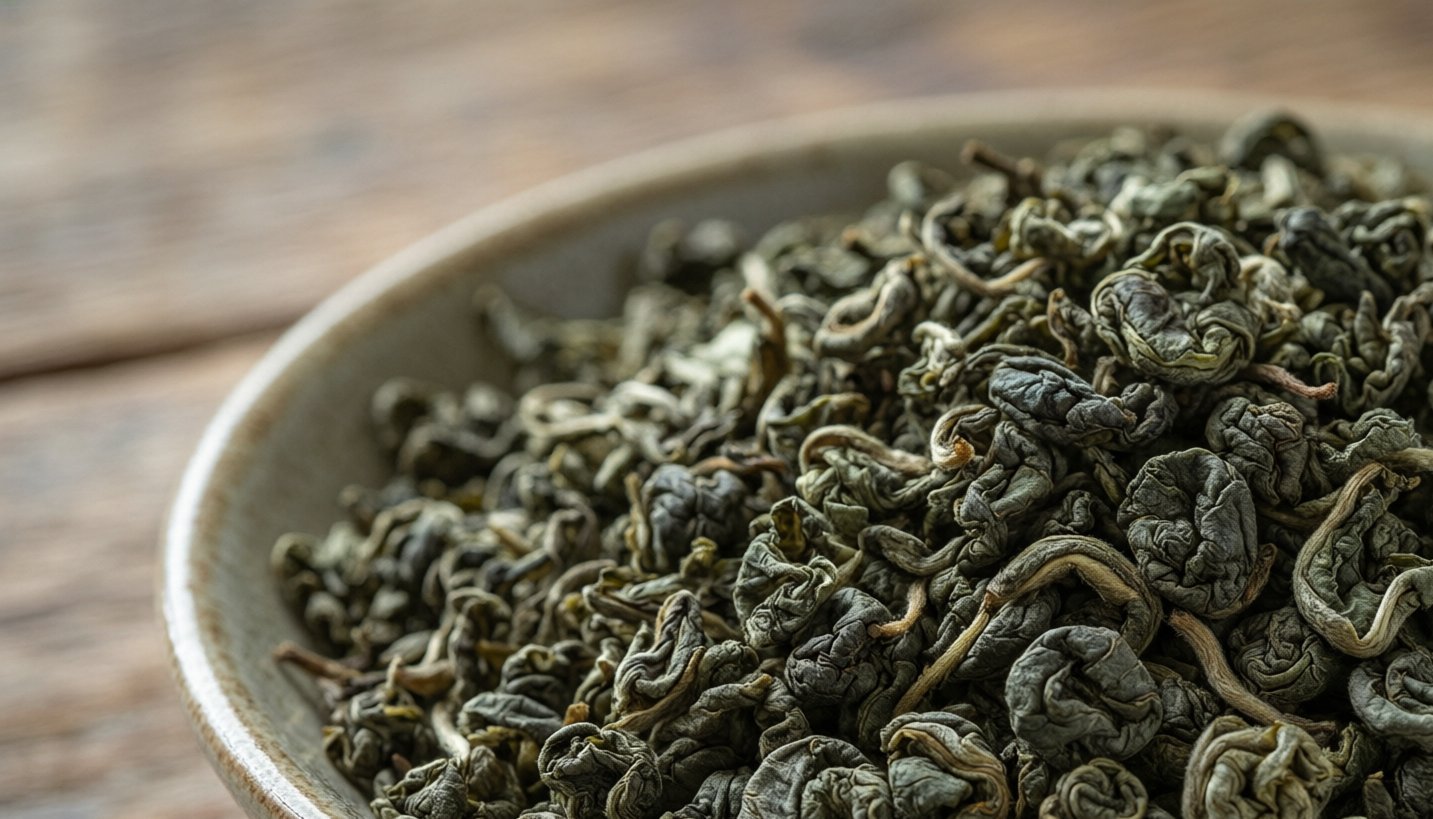
The final style changes what buyers should expect. Light-style Foshou emphasizes the natural citron-floral note and freshness. Medium-roast Foshou adds a toasty, nutty layer while keeping the texture soft. Heavy-roast or aged Foshou can develop dried fruit, honey, and mineral notes, though aged Foshou is less common than aged Tieguanyin.
Flavor Profile and Cup Character
A well-made Foshou is immediately identifiable by four traits:
- Aroma: citron, pomelo peel, mild orchid, and often a warm grain or toast note in roasted versions.
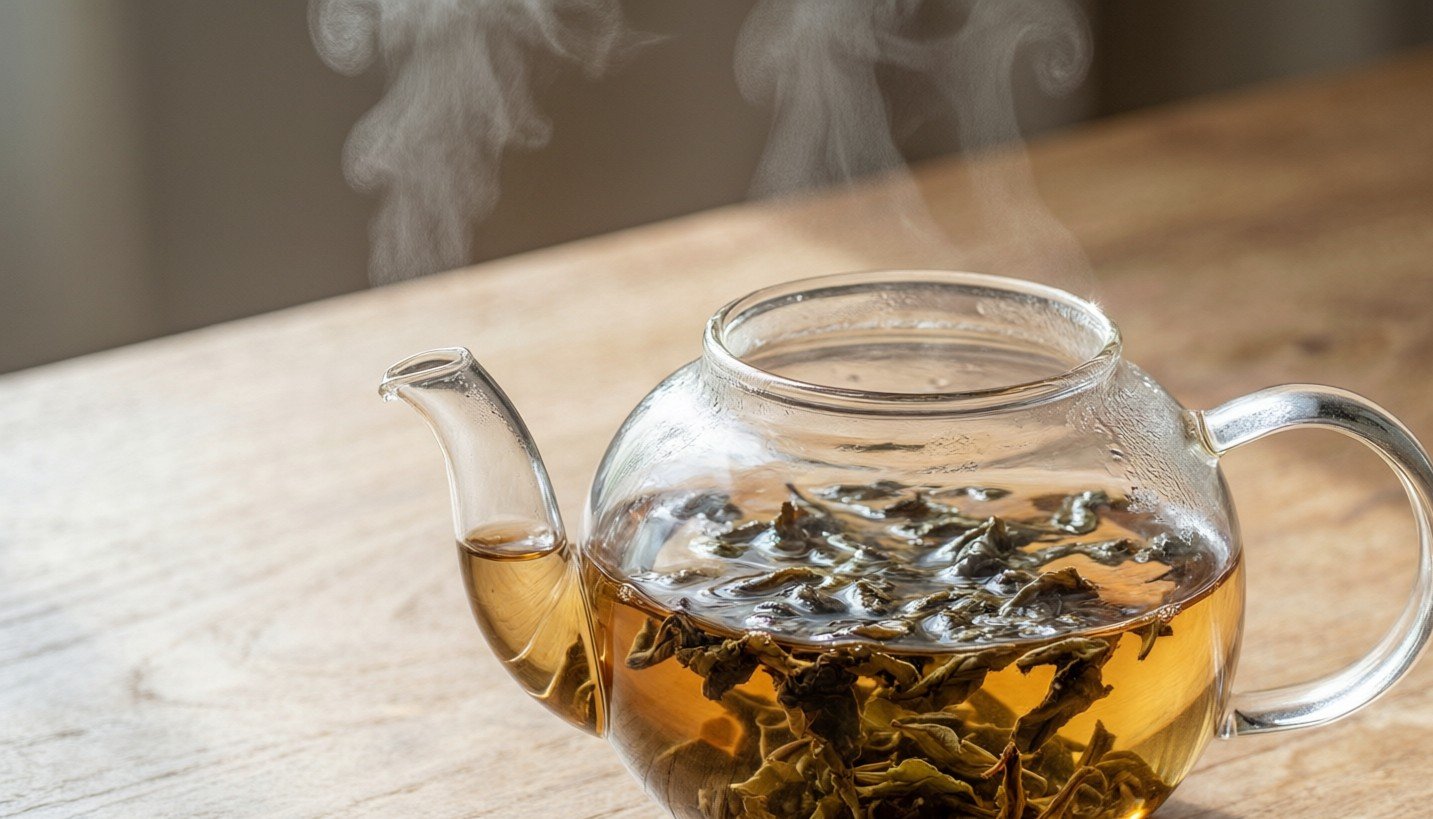
- Liquor: golden to amber, usually clear, with medium body.
- Taste: sweet on entry, low astringency, soft bitterness that fades quickly.
- Texture: smooth and slightly thick, without the metallic edge found in some green-style oolongs.
The finish is where Foshou wins over many drinkers. It lingers in the throat with a clean, almost cooling sweetness, sometimes described as “growing sweetness” or huigan. That aftertaste matters for retail buyers because it is the feature repeat customers remember.
For a practical comparison: Anxi Tieguanyin often leads with a sharp, high floral top note and can feel drying if brewed hard. Wuyi rock tea tends toward roasted minerality and a stronger spine. Foshou sits between them, closer to a plush, citrus-touched comfort tea. It is also more forgiving in brewing than many high-aroma oolongs, which makes it a safer recommendation for newcomers.
Is Foshou Tea Actually Good for You?
Foshou is real tea, so it contains the same broad family of compounds found in other Camellia sinensis teas: polyphenols, tea catechins, small amounts of caffeine, and amino acids. General tea research suggests that regular consumption of unsweetened tea may support hydration and is associated with favorable metabolic and cardiovascular outcomes in population studies, but the evidence is largely associative rather than proof of cause [2][3].
What honest sellers should not do is treat Foshou as a functional medicine. There are no strong Foshou-specific clinical trials that separate it from other oolong teas. Health claims tied to a single cultivar are usually marketing. Buyers should present Foshou as a low-risk daily tea with moderate caffeine, not as a treatment or a detox product.
Caffeine levels in Foshou vary by leaf grade, harvest, and brew method. A standard gongfu or western brew is generally in the moderate range for oolong tea. People managing caffeine intake or pregnancy should follow the same guidance they would for other oolong teas.
How to Judge Foshou Tea Quality
When evaluating a sample, the leaf, aroma, and cup must all agree. A quality Foshou should not rely on one dramatic trait.
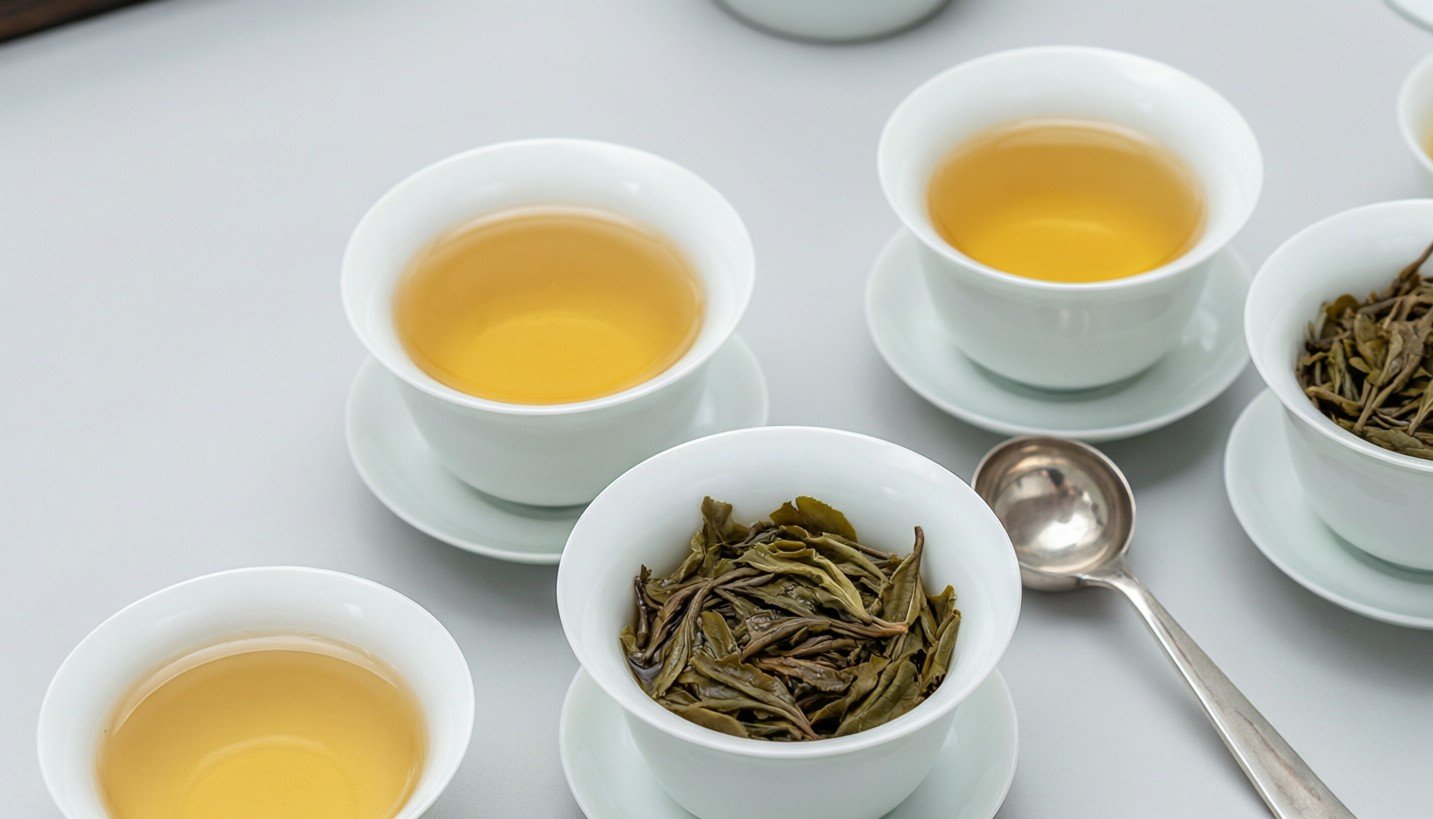
Look first at dry leaf. Larger, intact, well-twisted strands suggest careful handling. Broken leaf is not automatically bad for wholesale blends, but it should not be sold as premium.
Next, judge the dry and wet aroma. The nose should be clean and natural. Citron-like freshness is a plus, but any sour, burnt, or artificial note is a reason to reject the lot. After a quick rinse, the wet leaf should smell sweet and inviting, not grassy or damp.
Then cross-check the liquor. It should be clear, not cloudy, and the flavor should build through multiple infusions. Foshou is a tea that rewards re-steeping; if the lot falls flat after two infusions, the raw material or firing may be weak.
Finally, consider the leaf bottom. Look for even fermentation, limited red edges unless the style calls for them, and pliable leaves rather than brittle or scorched fragments.
For importers, the practical checkpoint is consistency. Ask the supplier for at least two production batches and cup them side by side. Foshou is a cultivar-driven tea, but batch variation remains real.
Need a dependable Foshou tea program? Our sourcing team works with Chinese tea suppliers on grade selection, packaging, and export compliance. Email 427728483@qq.com with your target specification, and we will come back with sampling options and a direct inquiry next step.
Brewing Foshou Tea Well
Foshou is forgiving, but a little attention changes the cup.
For gongfu brewing, use a small teapot or gaiwan, add enough leaf to cover the bottom comfortably, and use water just off boiling for medium or roasted styles. A slightly cooler pour suits green-style Foshou. Keep infusions short at first, around ten to twenty seconds, and extend as the leaves open.
For western-style brewing, start with about one teaspoon of leaf per cup and steep with hot water for two to three minutes. If the result tastes flat, add leaf rather than extending time; extra time often pulls bitterness before sweetness.
The big rules are simple. Do not brew Foshou with boiling water for too long, do not cover the teapot with a tightly sealed lid during long steeps, and do not judge the tea from one over-brewed first cup.
Sourcing Foshou Tea Wholesale
When buying Foshou in volume, do not stop at the word “Foshou” on a label. Ask for the exact origin, cultivar confirmation, harvest season, oxidation level, and whether the tea is roasted. These details change the cost and shelf behavior.
Spring-harvest Foshou tends toward softer, sweeter leaf and higher wholesale prices. Autumn material can be aromatic but often has less density in the cup. Light-style versions are more delicate and should move faster. Medium-roast versions usually hold their character longer, making them a safer choice for importers who need longer shelf life.
Request a specification sheet that names the grade, plucking standard, processing method, moisture content, and any pesticide testing results. Export buyers should also confirm the tea meets destination-market residue limits and packaging requirements before booking volume.
Bulk packaging is common for Foshou wholesale, from loose-leaf foil bags to vacuum-packed retail formats. Buyers can also consider private-label lines because the tea’s mild, citrus-friendly profile works across Western and specialty retail.
Work With Chinese Tea Suppliers
If you are building or refreshing a Foshou tea line, send us your target profile. We help buyers match grades, cup production batches, confirm export documentation, and structure sampler programs before large orders.
Send an inquiry with:
- Your target grade and roast level
- Order volume or MOQ expectation
- Packaging and private-label needs
- Destination market and certification requirements
- Timing or shipment window
Email: 427728483@qq.com
FAQ
Is Foshou tea the same as flavored Buddha’s Hand tea?
No. Foshou tea is a real tea made from the Foshou cultivar. The citrus note is natural. It should not contain added flavoring, peel, or oils.
What does Foshou tea taste like?
Most batches show citron or pomelo peel, light florals, gentle sweetness, and a smooth, low-astringency mouthfeel. Roasted versions add toast, nut, or honey notes without losing the soft base.
How much caffeine does Foshou tea have?
It falls in the moderate oolong range, but exact levels depend on harvest, leaf grade, and brew time. Do not treat any single number as universal.
Does Foshou tea improve with age?
Some roasted Foshou can soften and develop deeper dried-fruit notes with careful storage, but it is not a traditional long-aging category like pu-erh. Age should not automatically command a premium.
How is Foshou different from Tieguanyin?
Tieguanyin is generally more high-floral and can feel more astringent; Foshou is broader, softer, and more citrus-like in aroma. The cultivar and leaf thickness create the difference.
Is Foshou tea suitable for cold brewing?
Yes. The low bitterness and sweet finish make light-style Foshou a good candidate for cold brewing. Use more leaf and a longer cold extraction, then taste periodically rather than following a fixed time.
References
[1] GB/T 30357.1-2013, Oolong tea—Part 1: Basic requirements, Standardization Administration of China, 2013.
[2] N. Khan and H. Mukhtar, "Tea and health: Studies in humans," Current Pharmaceutical Design, vol. 19, no. 34, pp. 6141–6147, 2013.
[3] C. S. Yang and J. M. Landau, "Effects of tea consumption on nutrition and health," The Journal of Nutrition, vol. 130, no. 10, pp. 2409–2412, 2000.
No author description available.

白玉京