Liu Bao Dark Tea Pricing: What Buyers Really Pay in 2026
Liu Bao dark tea has moved from a regional Guangxi export to a line item on serious wholesale buying lists. The pricing is less intuitive than green or black tea because the same leaf grade can trade at very different levels depending on age, storage history, and documented provenance. This guide explains the price structure, the factors that move quotes, and how to write an RFQ that gets you comparable numbers instead of marketing noise.
What Liu Bao Dark Tea Pricing Actually Looks Like in 2026
Liu Bao is a post-fermented dark tea from the Wuzhou and Cangwu area of Guangxi, China. It is protected as a geographical indication product, which means origin and processing tradition are part of what buyers pay for [1].
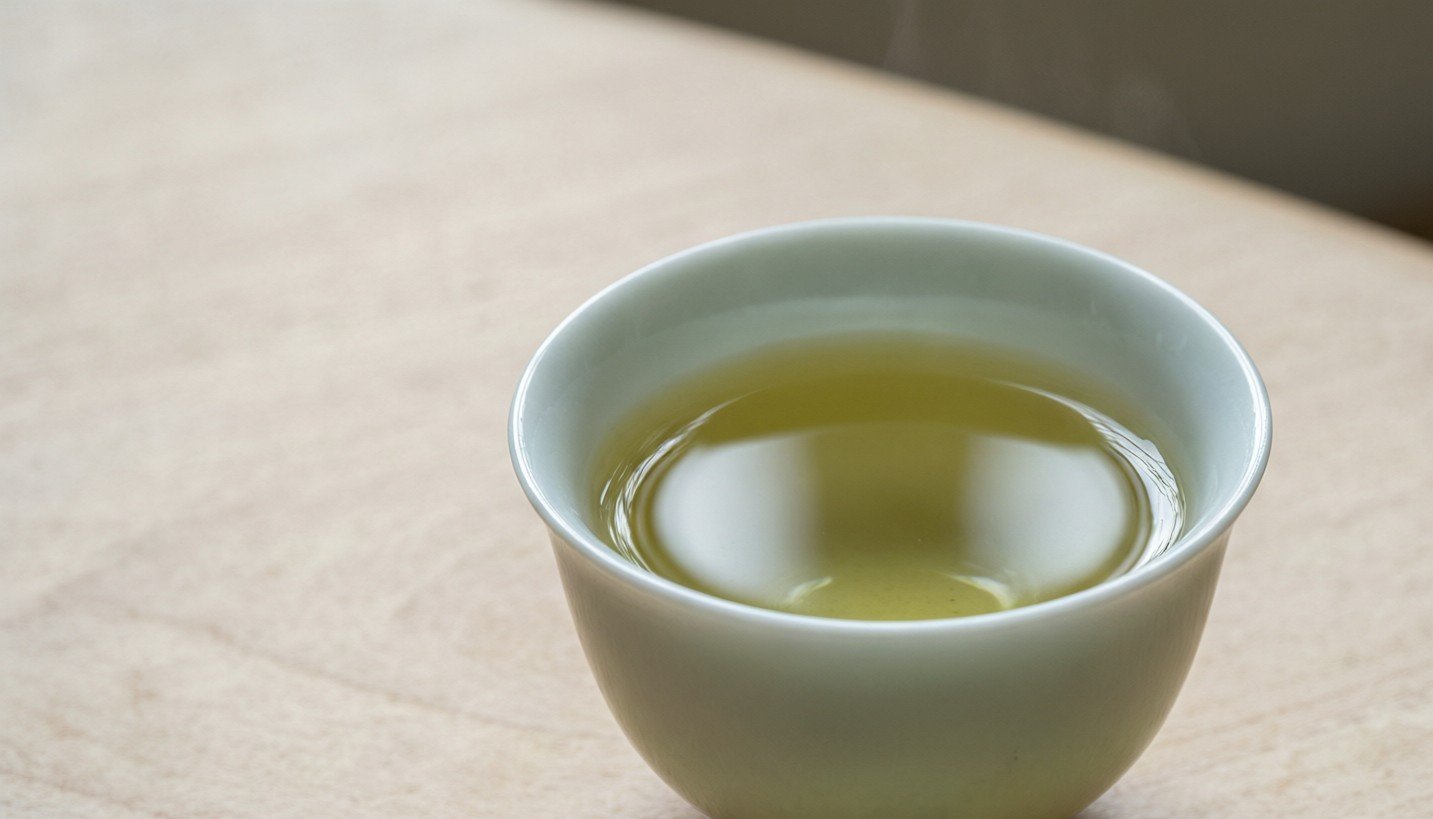
Most wholesale Liu Bao falls into three practical price bands. These are indicative FOB ranges based on recent trade reporting and should be treated as a starting point, not a fixed quote [2].
| Segment | Typical Format | Indicative FOB China (USD/kg) | What the Price Reflects |
|---|---|---|---|
| Everyday loose leaf | Bulk bags, young material | $4–8 | 1–3 years old, standard fermentation |
| Mid-tier aged | Basket, cake, or tuo | $10–25 | 5–10 years, cleaner storage, fuller body |
| Collectible aged | Limited baskets, private reserves | $25–80+ | 10+ years, documented storage, strong provenance |
The spread is normal because Liu Bao changes with time. A young tea priced at $20/kg should have something specific behind it: rare tea tree material, meticulous fermentation, or unusually clean leaf.
The Main Factors That Move Liu Bao Prices
Pricing is driven by five variables. If a supplier cannot explain all five, the quote is not ready for serious comparison.

Raw material origin. Cangwu and Wuzhou material generally commands a premium over blended material sourced from outside the protected area. Teas made from older tea trees or spring-harvest leaves also sit higher in the range [1].
Fermentation control. Liu Bao undergoes pile fermentation, but quality varies widely. Even fermentation without sour or charred edges is a marker of skilled processing. This is often invisible in a photo and must be confirmed by cupping.
Age and storage. Age alone does not create value. A 10-year-old tea stored too wet can taste fatigued or musty. Natural Guangxi storage with moderate humidity tends to preserve complexity, while dry storage preserves clarity. Buyers pay for the result, not the calendar year [3].
Format and compression. Loose leaf is easier to inspect but more exposed to air. Basket, cake, and tuo formats protect the tea and are linked to traditional Liu Bao aesthetics, which affects price per kilogram.
Market demand. Liu Bao has strong recognition in Malaysia, Singapore, and parts of Southeast Asia. Increasing interest from Western specialty tea importers has narrowed the gap between ordinary and aged grades [2].
Grades and Age: Why Two Teas Look Alike but Cost Differently
Two Liu Bao teas can look similar in a photo and cupping can reveal a large gap. The usual grading conversation blends leaf grade, fermentation level, and age.
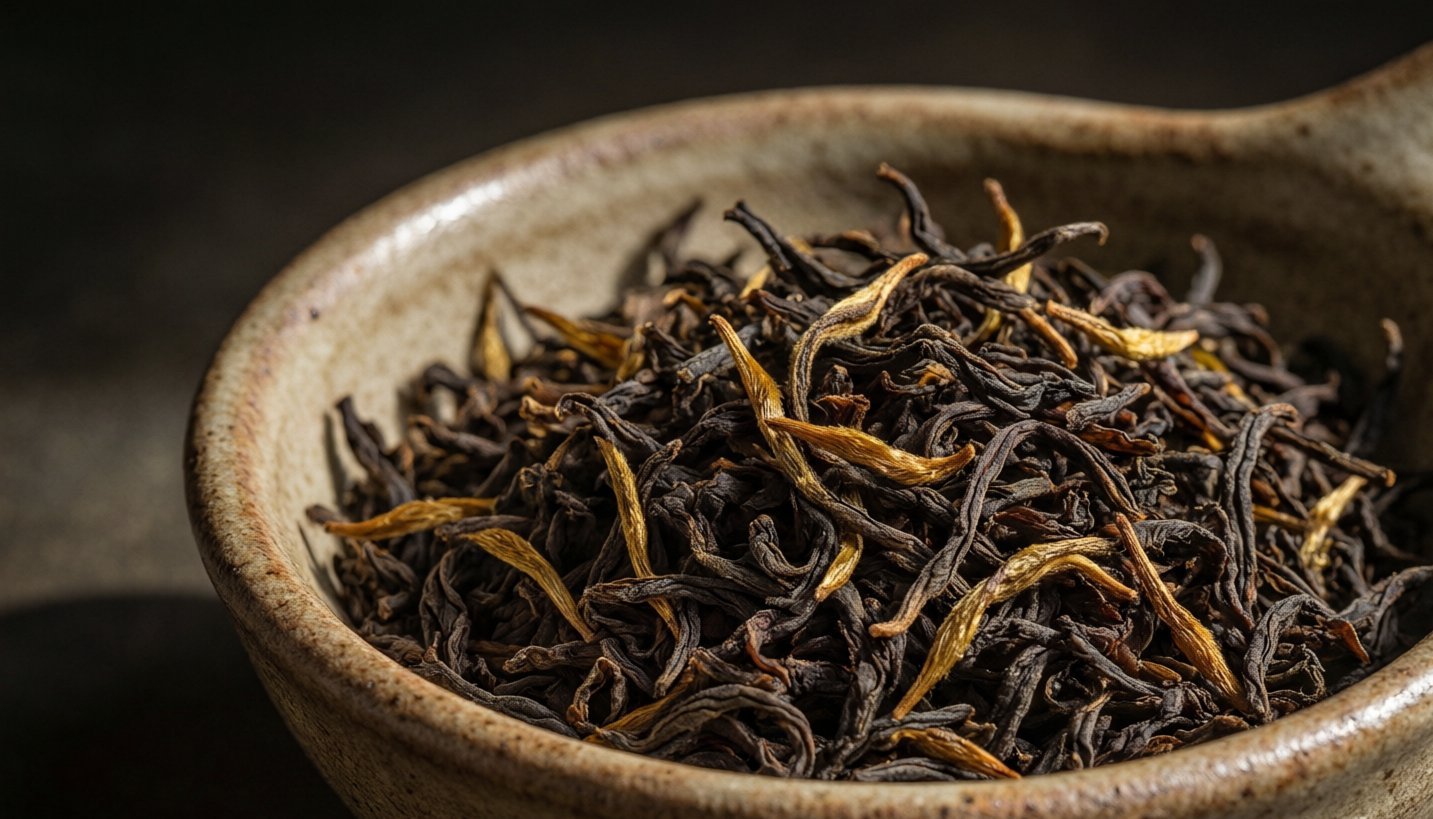
| Grade Marker | Young Liu Bao | Aged Liu Bao |
|---|---|---|
| Liquor color | Amber to reddish brown | Deep red to near-black, often clear |
| Aroma | Fermented, slightly green edge | Earthy, herbal, sometimes betel or camphor nuance |
| Taste | Rounded but still active | Thick, smooth, long finish |
| Aftertaste | Short to moderate | Sweet or cooling return in throat |
The classification of Liu Bao as a dark tea follows the standard Chinese tea category system, which separates it from black tea despite the visual darkness of the liquor [4]. For buying, ask the supplier to cup aged teas blind against a control sample whenever possible.
Chapter 3 of the Guangxi industry briefing notes that aged Liu Bao with unbroken storage records and regular sensory checks appreciates more consistently than anonymous loose tea [3].
How to Compare Liu Bao Quotes Without Overpaying
Most bad purchases come from comparing two quotes that describe different products. Before you negotiate price, make every quote answer the same questions.
Request a standardized spec sheet. Ask for harvest year, production area, tea tree type, fermentation batch, storage location, and whether the tea has moved between regions. A missing item should be treated as a discount risk, not a bonus.
Price by normalized age. Divide the offer not by leaf weight alone but by age-adjusted value. A $14/kg five-year tea may be a better deal than a $9/kg two-year tea if its storage record is clean and the cup confirms the age.
Request a wet sample and dry leaf photo by batch. The dry leaf should look even, with no foreign matter. The wet cup should be stable across infusions. Ask for a second infusion at a longer steep if the first tastes too rounded.
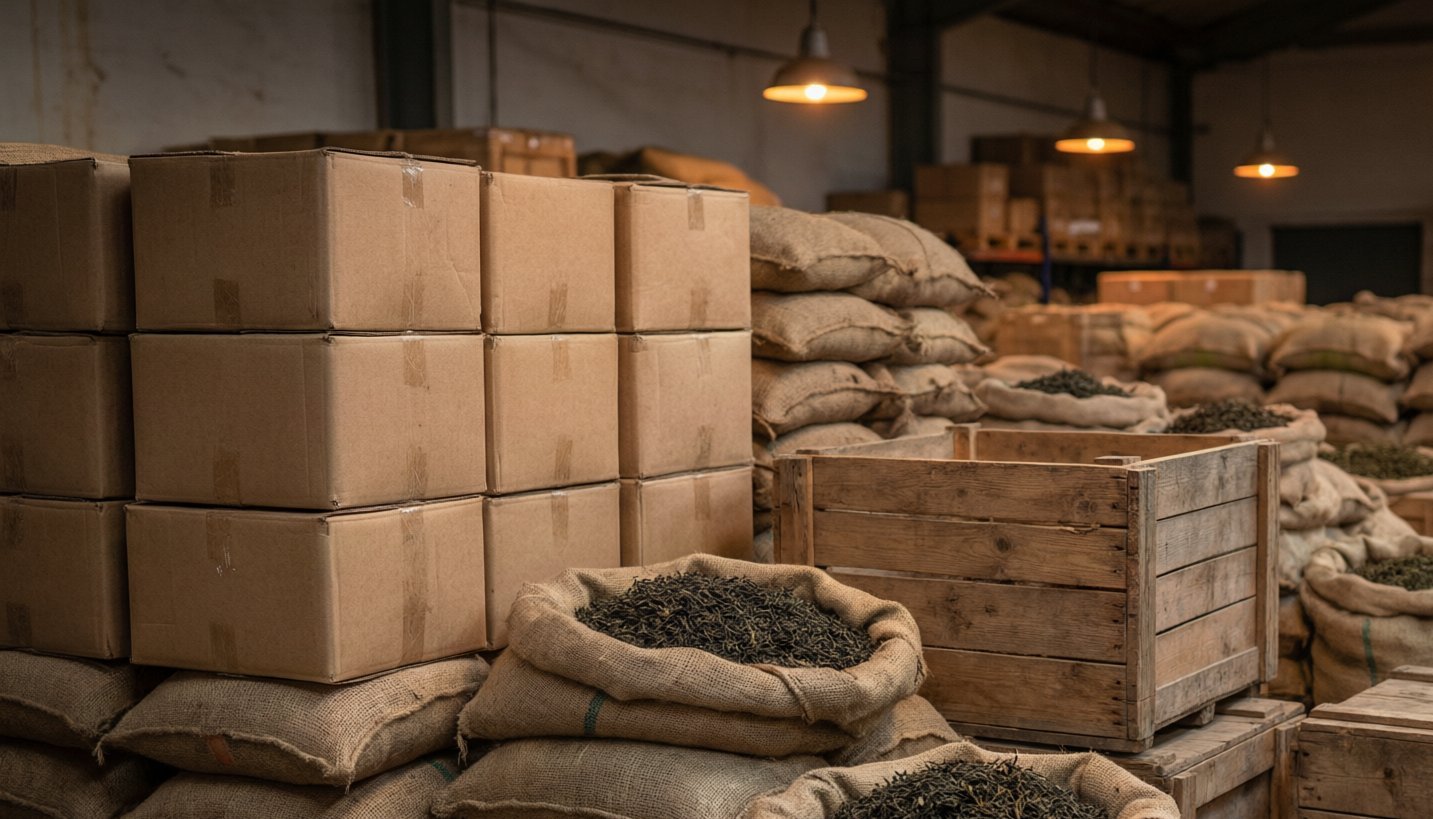
If you are building a private-label Liu Bao line, a lot code with storage logs is worth more than a marketing story. Ask for batch traceability early, because retroactive documentation is rarely complete.
Send a focused inquiry. To get comparable pricing, email 427728483@qq.com with the age range, format, target FOB, and annual volume. Specify whether you need basket, loose, or tuo packaging, and ask for landed-cost guidance with freight and duty separated.
Source Liu Bao Dark Tea with Confidence
We help tea importers and wholesalers source Liu Bao from Guangxi with batch-level traceability, cupping notes, and realistic storage records. Whether you need young everyday material, mid-tier aged baskets, or private-label packaging, start with a clear RFQ.
Email 427728483@qq.com with the following:
- Age range and storage profile you can sell
- Preferred format: loose leaf, basket, cake, or tuo
- Annual volume and target FOB
- Destination country for freight and duty estimates
Frequently Asked Questions
Is Liu Bao the same as pu-erh?
No. Both are post-fermented dark teas, but Liu Bao comes from Guangxi and has its own protected origin, pile-fermentation tradition, and storage culture. It is usually rounder and less aggressively earthy than young shou pu-erh [1][4].
Why is aged Liu Bao more expensive than new Liu Bao?
Aged Liu Bao costs more because capital is tied up in storage, inventory risk is higher, and properly stored tea improves in smoothness and depth. Age only justifies the premium when storage records and cupping quality support it [3].
What should importers put in an RFQ for Liu Bao?
Include harvest year, origin, leaf grade, fermentation batch, storage location, format, moisture content, and pesticide residue test status. Also ask for the reorder lot number so future pricing can be compared like-for-like.
How can I verify an age claim?
Look for a continuous chain: production date, batch code, storage logs, and sensory changes over time. Cross-check the liquor depth, the smoothness of the ferment taste, and the absence of harsh wet-storage mustiness. When in doubt, request a blind sample.
What price should a first-time buyer expect?
A first-time buyer should generally budget $6–15/kg for credible young to mid-aged Liu Bao at wholesale volume, excluding freight and duty. Insist on a landed-cost quote rather than comparing FOB numbers alone [2][5].
References
[1] Wuzhou Municipal People’s Government. Liu Pao Tea Geographical Indication Protection. Wuzhou, 2023.
[2] China Tea Marketing Association. 2025 China Tea Market Annual Report. Beijing, 2025.
[3] Guangxi Zhuang Autonomous Region Department of Agriculture and Rural Affairs. Liu Bao Tea Industry Development Briefing. Nanning, 2024.
[4] ISO 20715:2019. Tea — Classification of tea types. International Organization for Standardization, Geneva, 2019.
[5] General Administration of Customs of the People’s Republic of China. Tea export statistics by HS code 0902. Beijing, 2025.
No author description available.

白玉京