How Aging Changes Wuyi Mountain Black Tea: A Taster’s Timeline
Wuyi Mountain is better known for rock oolong, but the same protected geography also produces fully oxidized black teas—most famously the pine-smoked Tongmu style, alongside clean, high-fired village leaf sold simply as Wuyi black tea. When buyers ask whether this tea improves with age, the useful answer is narrower than the pu-erh story: black tea is not built for multi-decade maturation, but it does change, and the first changes can be exactly what a taster wants to notice.
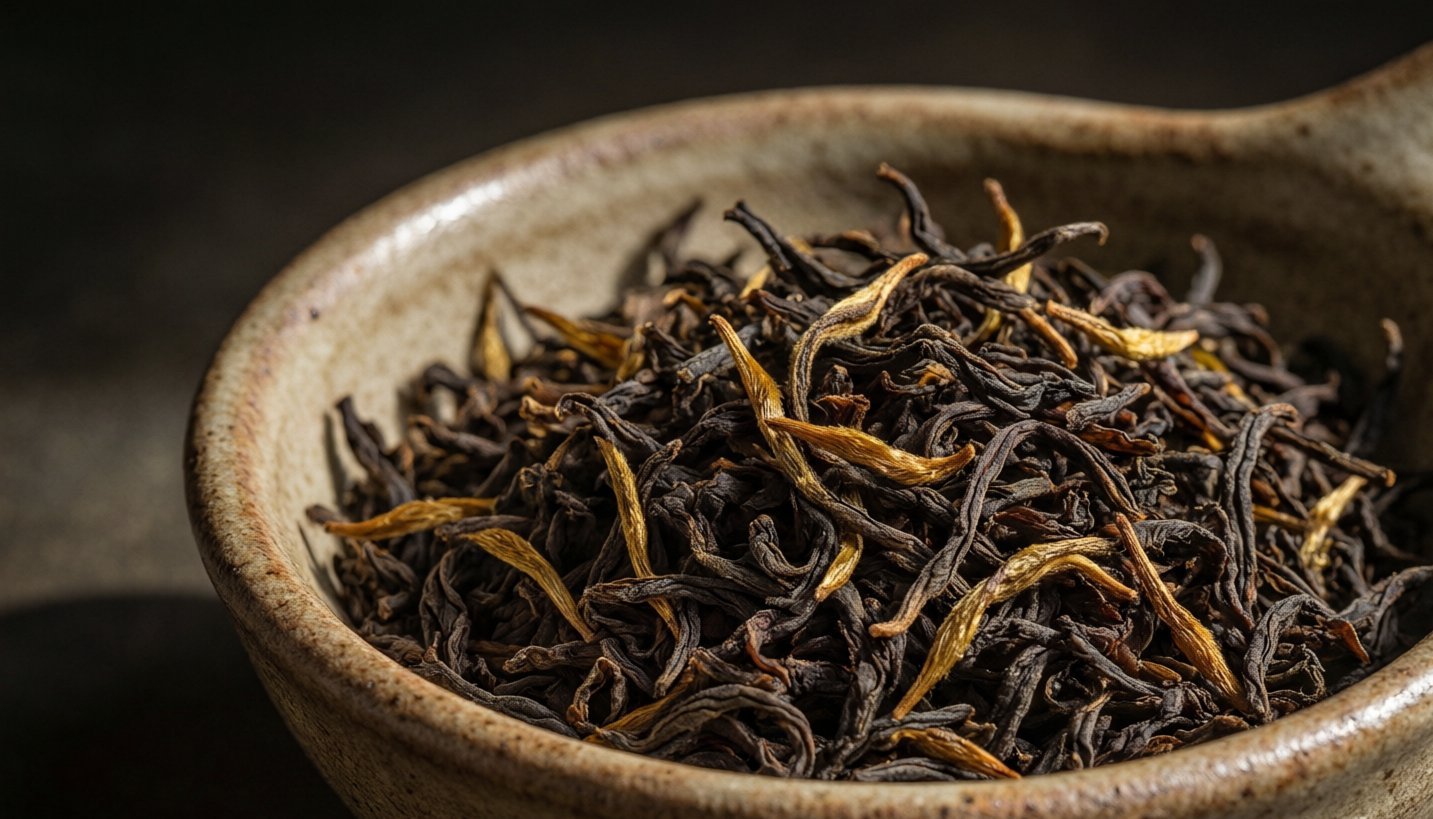
What Aging Means for Wuyi Mountain Black Tea
Black tea is fully oxidized during manufacture, which is why it falls under the black tea, or hongcha, category in Chinese classification [1]. That step separates black tea from raw pu-erh, which changes through slow post-fermentation, and from Wuyi oolong, which is only partially oxidized and often roasted.
For Wuyi Mountain black tea, post-production aging is mainly a settling process. Volatile aromatics that give fresh leaf its high, sharp edge fade first. The body tends to round out, astringency becomes less pronounced, and the smoke note—if the tea was smoked—softens from a direct campfire character toward something closer to warm pine resin and dried longan [2].
The practical point for tasters is that aging changes balance, not category. A black tea that was thin or flat when young will not become deep or complex later; it will simply become softer and less interesting.
The Three Stages of Change in the Cup
New and Newly Settled
In the first stage, the tea keeps its most distinctive aromatic profile. Pine smoke, honey, malt, or chocolate notes—depending on the lot—are clear and separated. The brew can feel brisk, with a slight tingle on the tongue and a dry finish.
The Middle Phase
After the tea has rested and begun to settle, the high-end aromatics shrink. The brew becomes a little darker and smoother. The taster often notices more unified flavor: the smoke no longer sits on top, the malt moves from front to middle, and the finish softens. This is the stage where many buyers consider the tea at its most drinkable.
Mature and Mellowed
With further time, the tea becomes round and quiet. The flavor is mellow, warm, and sometimes a little woody or raisined. The liquor can look deeper, but the nose is much less aromatic than in the first stage. This can read as elegant to one taster and as faded to another, which is why age statements by themselves do not guarantee quality.
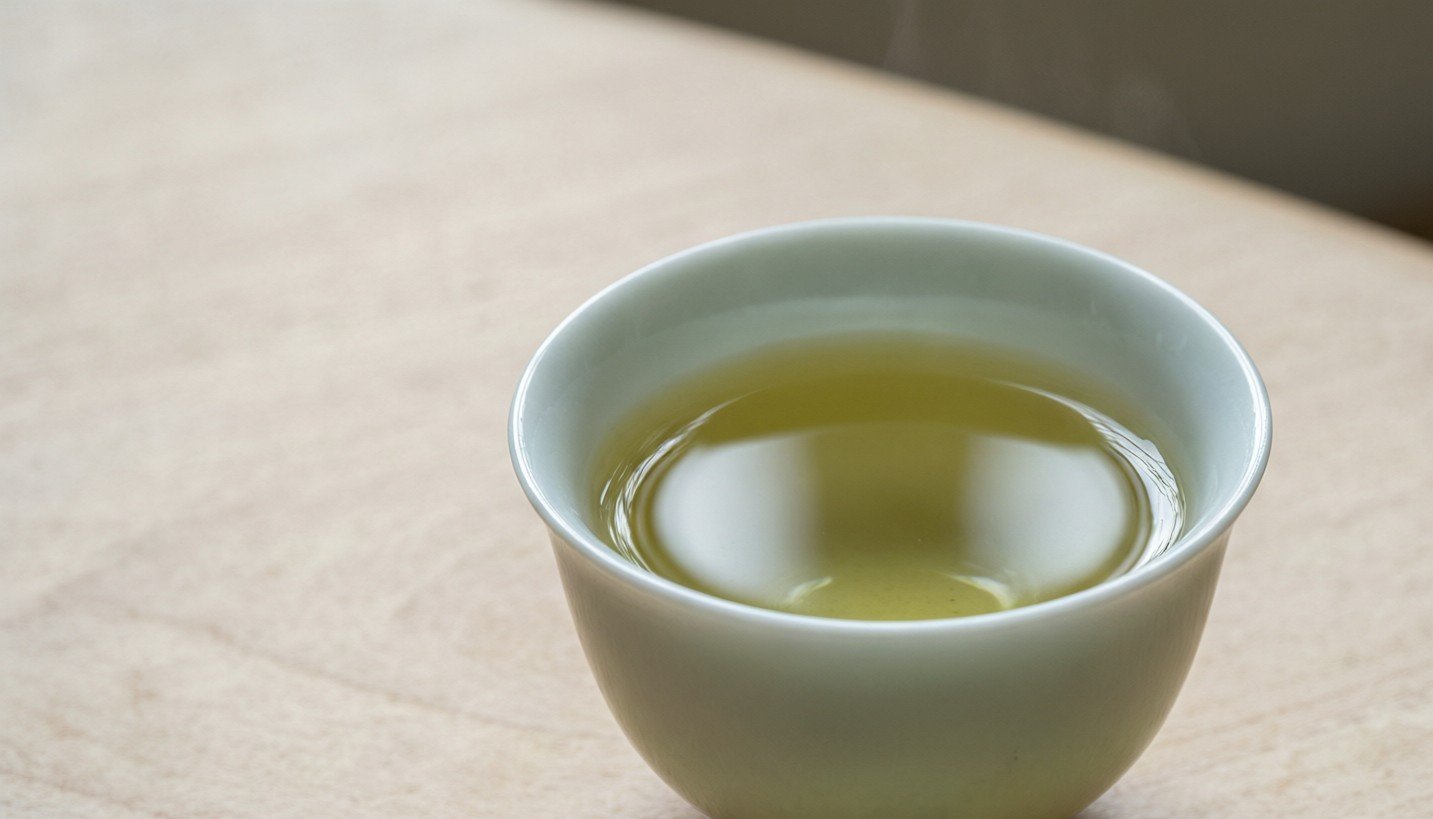
Why Storage Decides Whether Aging Is Improvement
Aging is only beneficial when the leaf is kept whole, dry, dark, and sealed away from strong odors. Black tea is especially vulnerable to moisture and oxygen because it has already lost the green-tea freshness that would otherwise provide a reference point. Once moisture enters, the tea does not soften gracefully; it turns papery, sour, or musty.
The most reliable approach is to buy from lots that were stored in bulk or in sealed retail packaging from the start, not sitting in an open canister near a window. A stable, cool, dry room is enough for short-to-medium holding; no specialist pu-erh cellar is required [3].
For wholesale buyers, this is the single most important question to ask a supplier: how was the tea held between production and sale? A good answer includes the lot date and storage condition, not just the year. You can reach Chinese tea suppliers at xuansc2144@gmail.com for sample sets and lot-level storage details when comparing aged Wuyi black tea.
How to Taste Aged Wuyi Black Tea Against a Fresh Lot
The most dependable way to know whether a given lot has benefited from age is to cup it against a younger sample from the same producer or the same style. Taste both at the same time, with the same leaf-to-water ratio and the same water temperature.
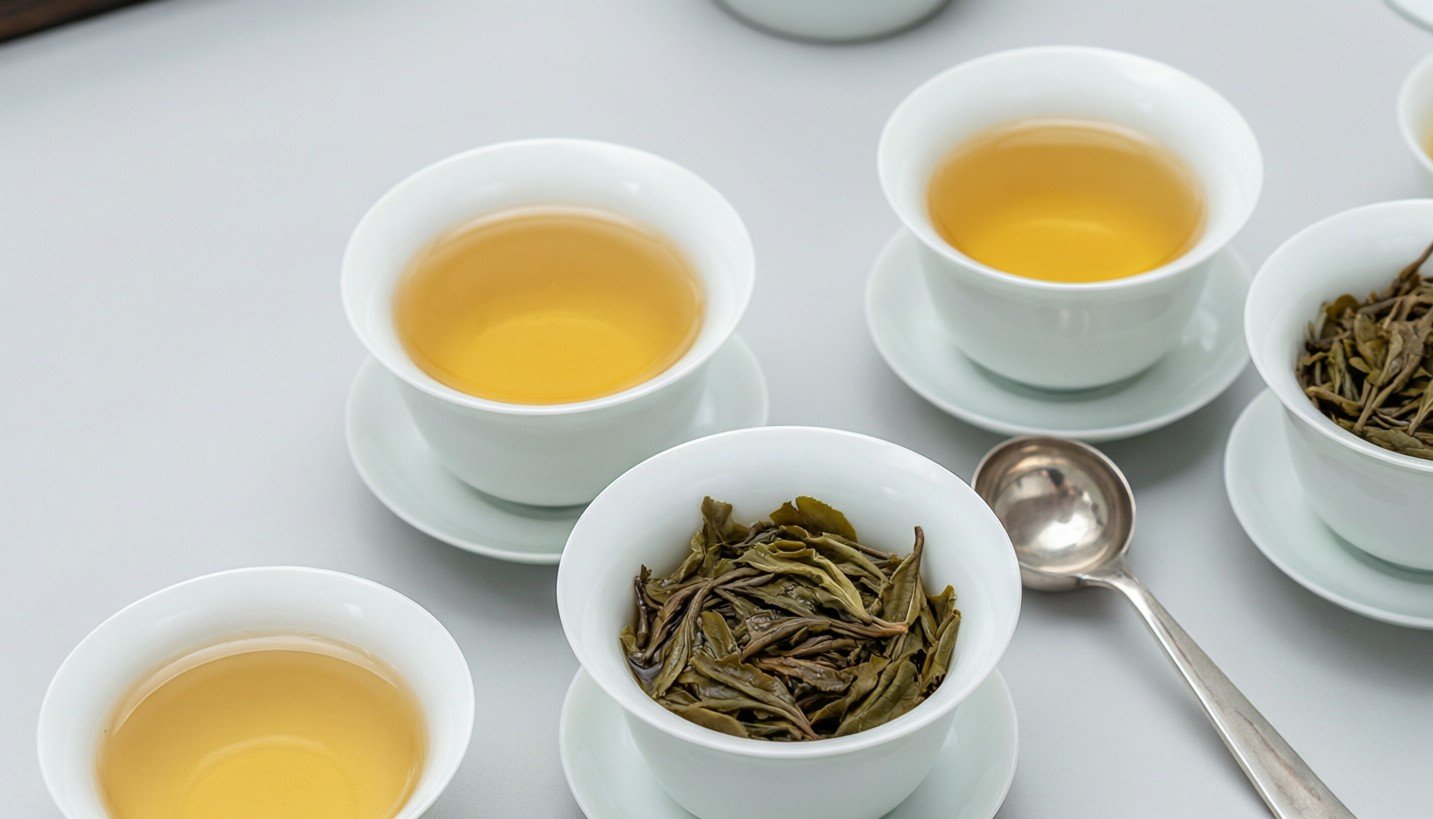
Look at the liquor first: aged lots often pour a shade deeper, with a more amber or mahogany edge. Smell the cup before tasting; the aged sample will usually have a quieter, warmer nose. Then compare the texture. If the aged tea feels smoother and lasts at least as long in the mouth, the aging has helped. If it feels hollow or the finish collapses quickly, the tea has simply begun to fade.
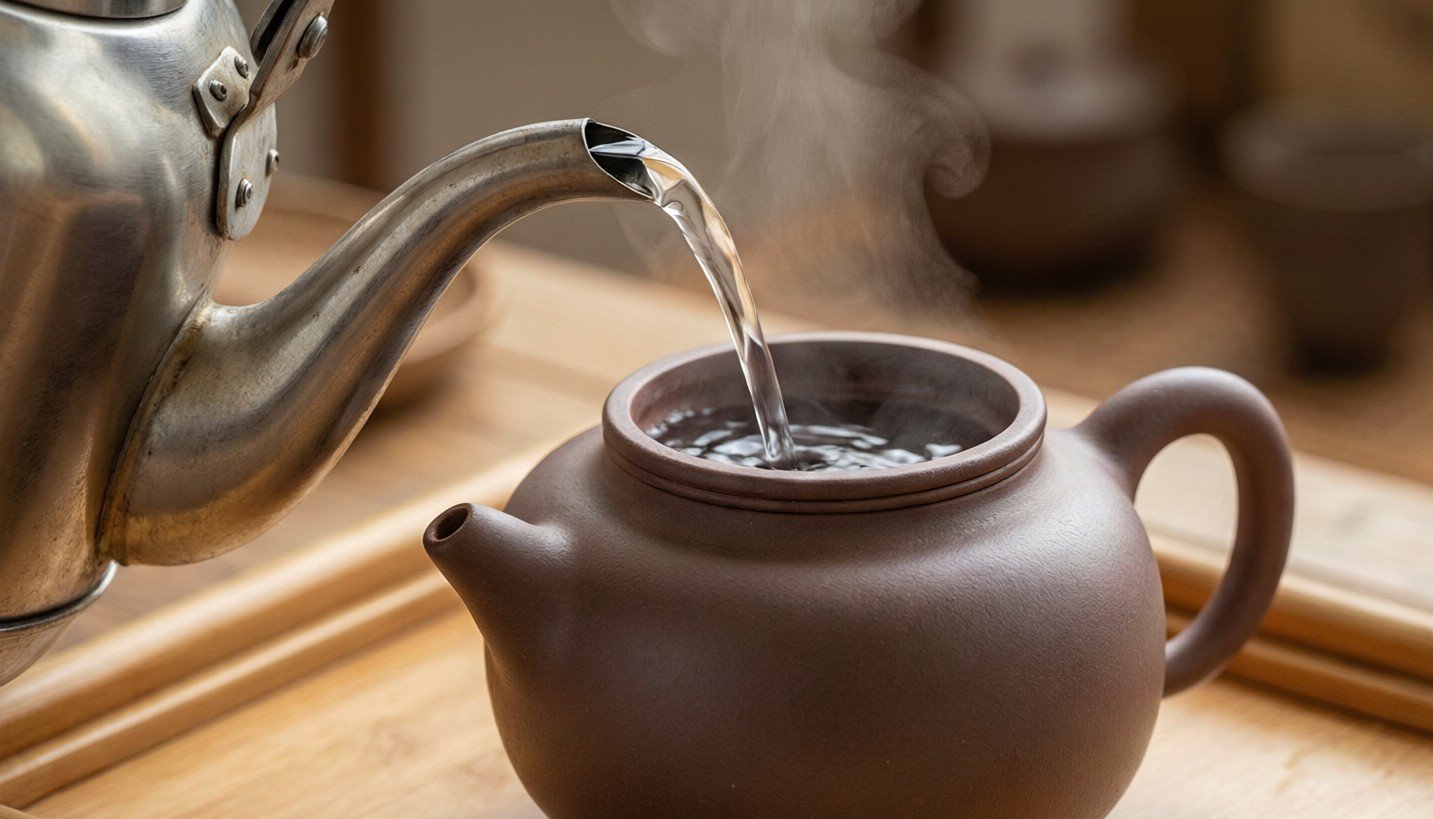
Use short steeps for the comparison. An aged Wuyi black tea that has become mellow can easily be brewed too softly, but a shorter, hotter gongfu-style steep often reveals the remaining structure better than a long Western brew. This is not a rule for every lot—older, softer leaf may prefer slightly longer contact—but it is a useful starting point.
A Practical Take on Deliberate Aging
It is possible to hold Wuyi Mountain black tea for a short period, especially if the tea is clean, fully dried, and sealed. But black tea is not an investment-grade aging category in the way raw pu-erh is. The goal is mellowing, not transformation.
A sensible strategy for buyers and sellers is to treat age as a selection feature rather than a promise. One lot may peak after several months, another may still be pleasant after a few years because it began with dense, low-fired material and was stored exceptionally well. Tasting is the most reliable way to distinguish the two [3].
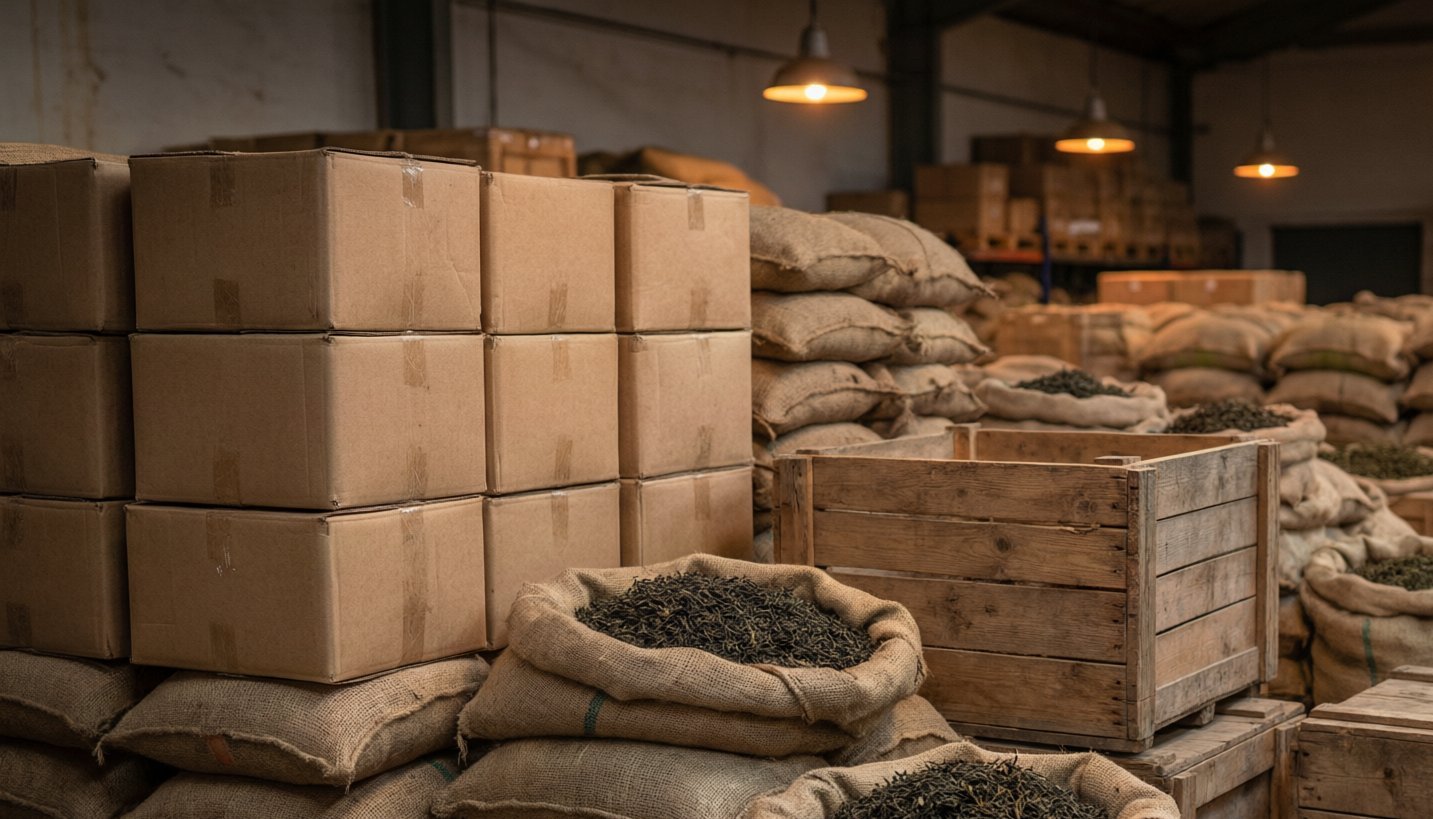
If you are building a retail or wholesale program around aged Wuyi black tea, stock small, rotate the lots, and offer a younger reference sample next to the aged one. The side-by-side story is what makes the age meaningful to a customer.
Source Aged Wuyi Mountain Black Tea with Confidence
When you are ready to compare aged lots for a store, e-commerce line, or private label, Chinese tea suppliers can provide current samples, lot dates, and storage information. Contact xuansc2144@gmail.com with your target flavor profile—smoked or clean, mellow or still structured—and we will match you with suitable Wuyi Mountain black tea lots.
FAQ: Aged Wuyi Mountain Black Tea
What is considered Wuyi Mountain black tea?
Wuyi Mountain black tea generally refers to fully oxidized black teas produced in the Wuyi area, including the pine-smoked Tongmu style and clean, high-fired black tea from nearby villages. It is not the same as Wuyi rock oolong, which is partially oxidized and often roasted.
Does all Wuyi Mountain black tea improve with age?
Not all. Age softens the edges, but it cannot create body or depth that was not already present. The best results come from clean, whole-leaf, well-dried material stored in a stable environment.
How long can Wuyi Mountain black tea be aged?
The useful window is much shorter than for pu-erh or white tea. Many lots taste best within the first few years, and some are most aromatic in the first year. Tasting against a younger sample is the best way to judge a specific lot.
What should I notice when an aged lot has been stored well?
Well-stored aged black tea still has a clean, warm aroma without mustiness. The brew is smooth but not hollow, and the finish holds. Poorly stored tea smells papery, sour, or stale.
Is smoked Wuyi black tea different when it ages?
Yes. The smoke tends to soften and integrate with the malt and fruit notes. Newly smoked tea can feel sharply campfire-like; aged smoked tea often becomes rounder, with a sweeter, resinous character.
References
[1] GB/T 13738.1-2017, Black tea (Hongcha), Part 1: Gongfu black tea, Standardization Administration of China.
[2] GB/T 13738.3-2008, Black tea (Hongcha), Part 3: Souchong black tea, Standardization Administration of China.
[3] ISO 3720:2011, Black tea — Definition and basic requirements, International Organization for Standardization.
No author description available.

白玉京