Hunan Tea Price Guide: What Wholesale Buyers Really Pay in 2026
What “Hunan Tea” Means for Wholesale Pricing
Hunan is not a single tea price. It is a cluster of tea economies: Anhua dark tea, Junshan Yinzhen yellow tea, Hunan black tea, and lower-profile green teas all trade on different curves. Buyers who treat Hunan as one line often overpay on commodity grades or under-bid on ageable dark tea.
The province’s tea value spread is wide. A clean, machine-finished Hunan black tea may be priced as a high-volume foodservice item, while a pressed Anhua dark tea lot with verified origin and a 2018 production date can trade like a collectible. In between sit everyday dark tea bricks, loose-leaf green tea, and mid-tier black tea for retail blending.

The practical question is not “What is the Hunan price?” but “Which Hunan category, which grade, which harvest, and which evidence set am I paying for?”
Six Pricing Levers Buyers Need to Track
1. Material grade and leaf standard
Hunan tea pricing follows leaf grade more than most buyers expect. A one-bud-one-leaf Anhua dark tea material costs more than coarse-border-market leaf, even when both are pressed into visually similar forms. Green and black teas follow the same logic: early spring fine-picking commands a premium, while summer machine-harvest material is priced for volume. [1]
2. Labor cost and harvest timing
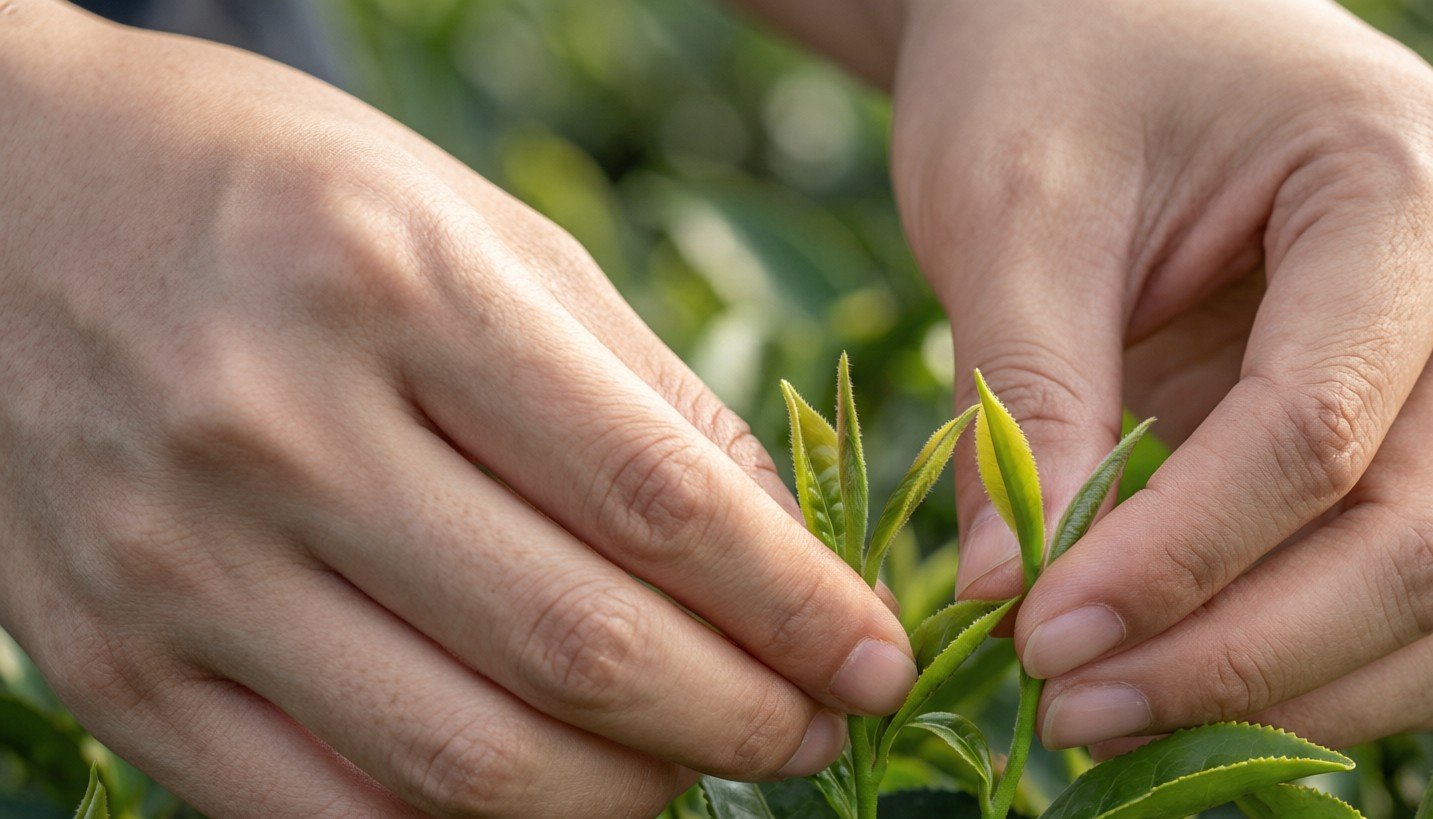
Spring tea remains the high point of the Hunan tea calendar, but spring is no longer cheap. Picking wages in China’s tea provinces have risen steadily, and Hunan’s mountainous terrain limits mechanization on premium garden plots. Pre-Qingming material in green tea categories sells at a visible step-up over late-April material, mostly because of yield and hand-sorting cost. [2]
3. Processing and pressing
For dark tea, processing is a cost amplifier. Anhua dark tea often goes through kill-green, rolling, piling, drying, and, for many forms, compression. Qianliang and hei zhuan formats involve additional labor, bamboo or basket material, and longer drying. Fu brick tea adds controlled fermentation and golden-flower development. These steps explain why two dark tea lots of similar leaf grade can differ meaningfully on FOB quotes. [3]
4. Origin verification and GI protection
Anhua dark tea is a geographically protected style, and buyers now face a growing gap between verified GI-region production and generic Hunan dark tea. Verified-origin lots usually include processing-factory records, lot codes, and sometimes batch traceability; that documentation has a price. It also reduces downstream compliance work, so the premium is not always a net cost. [2]
5. Exchange rates and freight
Hunan tea FOB quotes are usually settled in USD or CNY. Even a stable tea price can move several percentage points on a busy import timeline because of currency adjustments. Sea freight has moderated from pandemic peaks, but smaller LCL shipments and climate-controlled containers still push per-kilogram landed cost higher. [1]
6. Compliance testing
Buyers selling into the EU, US, or Japan now routinely include pesticide residue testing in the sourcing budget. Hunan factories with current MRL test reports or export-oriented quality systems can quote above local-market material, but they reduce rejection risk. Price cannot be read separately from the testing package. [4]
Need a real landed-cost model instead of a rough FOB guess? Chinese tea suppliers works with Hunan processors on FOB and CIF quotes for green, black, and Anhua dark tea. Send your target grade, volume, destination port, and testing requirements to xuansc2144@gmail.com, and ask for current lot-level pricing rather than a generic price list.
Wholesale Benchmark Ranges by Category
Use these as planning bands, not final quotes. They reflect mid-2025 wholesale FOB patterns for export-grade Hunan tea; verified origin, organic certification, or aged dark tea will exceed the top of the range.
| Category | Typical wholesale character | Price pattern |
|---|---|---|
| Hunan black tea | Foodservice and retail-blend engine | Volume-friendly; price tracks leaf grade and sorting |
| Hunan green tea | Early-spring premium vs late-spring volume | Steep spring-to-summer step-down |
| Anhua dark tea, new pressings | Everyday bricks, fu bricks, loose hei cha | Moderate base with wide grade spread |
| Anhua dark tea, aged or GI-verified | Qianliang, hei zhuan, stored lots | Sharp premium as age and provenance improve |
| Junshan Yinzhen yellow tea | Bud-heavy specialty | High per-kilo price, small lot size |
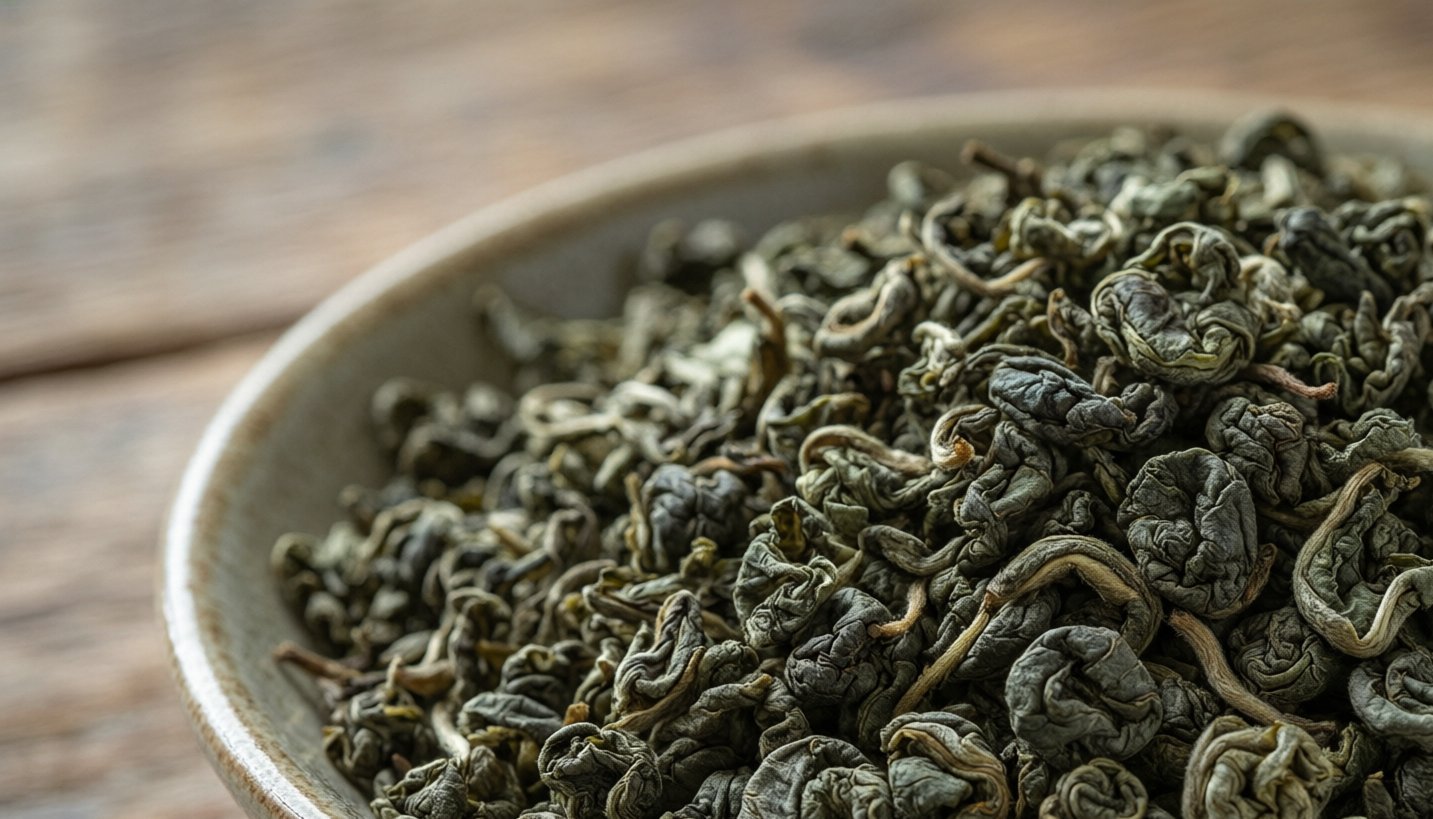
The single most important comparison is not between categories, but inside the same category. A random Anhua dark tea brick and a lot with factory traceability, GI registration, and a documented production date are different products wearing similar packaging.
FOB Price vs Landed Cost
FOB is the visible number. Landed cost is the one that determines margin. For a Hunan tea shipment, the practical landed-cost chain looks like this:
- FOB unit price × volume
- Freight, fuel and port charges
- Insurance
- Import duty and destination-country taxes
- Inspection, testing, and warehousing
- Shrinkage, repacking, or damage allowance
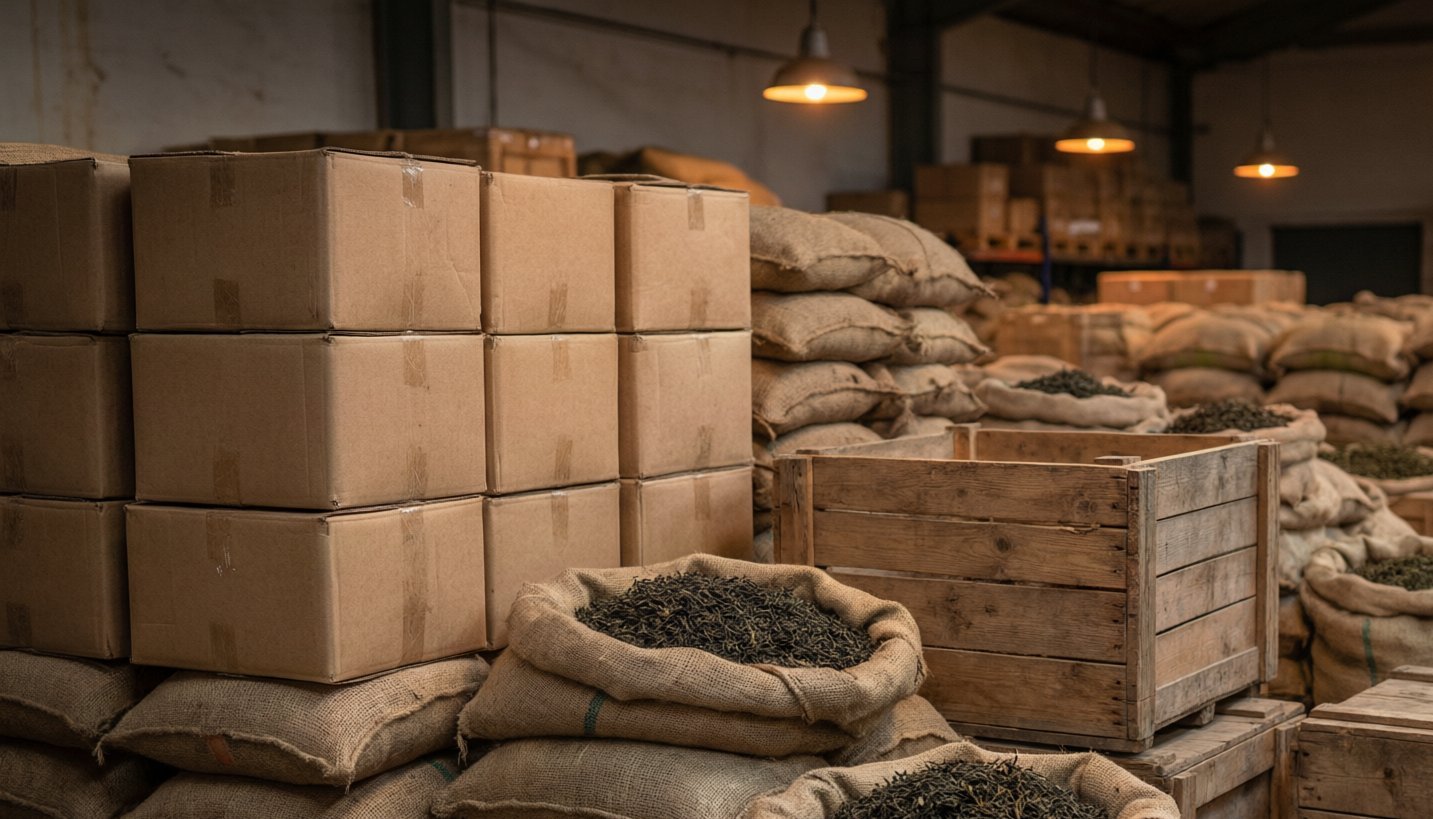
Small shipments fail here most often. A low FOB price on an LCL pallet can be higher on a per-cup or per-unit basis after freight, testing, and handling are spread over fewer kilograms. For high-volume Hunan black tea, the gain comes from container efficiency; for aged Anhua dark tea, storage condition and documentation often matter more than a few cents of freight per kilogram.
How to Compare Hunan Tea Quotes Without Losing Margin
Strip the quote to the same unit
Compare CNY/kg, USD/kg, and per-cake or per-brick quotes only after converting to a single landed unit. A 100g mini-brick price cannot be read against a 25kg loose-lot price without conversion.
Align the testing basis
Ask whether the quote includes the current EU or US MRL testing set, which laboratory is used, and whether the lot is from one production batch. Low quotes without test reports are often local-market material repriced for export.
Confirm the product spec first
Dark tea is especially easy to mis-compare: fermentation level, pressing density, leaf grade, and production year all move price. A “2019 Anhua dark tea” can be a clean stored lot or a poorly kept brick; the second should not command the first’s price.
Check the age claim
Age only adds value when storage and source are verifiable. A new tea with a 2015 wrapper is not a 2015 tea. Require production date, storage location, and batch records before paying an age premium. [2][3]
Buy the evidence
On high-value lots, shift the question from “Is this cheap enough?” to “Is this verified enough?” Documentation, factory access, and repeatable quality beat decorative pricing stories over a multi-year importing program. [4]
A practical first step is to compare two or three Hunan lots on the same spec sheet: grade, harvest, processing, testing, packaging, and port. Chinese tea suppliers can help buyers structure that comparison across Hunan green, black, and Anhua dark tea lines. Contact xuansc2144@gmail.com with your target category and destination; the most useful response is a like-for-like quote, not a headline number.
Work With a Hunan Tea Sourcing Partner
Before you commit to a Hunan tea program, get clarity on the variables that actually set your landed price:
- Target category and leaf grade
- Harvest window and production year
- FOB or CIF preference
- Destination port and order volume
- Required residue testing and documentation
- Dark tea storage history and traceability expectations
Chinese tea suppliers provides buyer-side clarity on Hunan tea sourcing, from benchmark pricing and spec alignment to factory documentation and shipment support.
Contact: xuansc2144@gmail.com
FAQ
Why is Anhua dark tea more expensive than other Hunan teas?
Anhua dark tea usually carries more processing, compression, and provenance-related cost than Hunan green or black tea. Fermentation, drying, pressing, and often longer storage add labor and time. When origin verification, GI registration, or aging enters the picture, price moves further above commodity Hunan tea.
Do older Hunan dark teas always cost more?
No. Age only adds value when the tea was stored correctly and the age is verifiable. A poorly stored or undocumented old lot can be worth less than a clean new pressing from a known factory. Age is a premium factor only with storage records and batch evidence.
What affects Hunan tea FOB pricing the most?
For a given category, the largest pricing levers are leaf grade, harvest timing, processing complexity, and whether the lot includes export testing and documentation. Exchange rates and freight then shift the landed number after FOB is set.
How should buyers verify Hunan tea pricing claims?
Compare quotes on a common unit and spec basis, request current MRL testing reports, confirm production year and storage records, and ask for factory or lot traceability on premium dark tea. A credible quote explains why the price is set; it does not rely on vague rarity language.
References
[1] FAO Intergovernmental Group on Tea, World Tea Production and Trade: 2024 Update, Food and Agriculture Organization of the United Nations, Rome, 2024.
[2] China Tea Marketing Association, China Tea Price Index and Market Report 2024–2025, CTMA, Beijing, 2025.
[3] Hunan Provincial Bureau of Statistics, Hunan Statistical Yearbook 2024, Hunan Statistics Press, Changsha, 2024.
[4] United Nations Comtrade, HS 0902 Tea Trade Data, United Nations Statistics Division, 2024.
No author description available.

白玉京