Zhangping Shuixian Tea: What Makes This Fujian Oolong Different
Zhangping Shuixian is an oolong [1] produced in Zhangping, a mountainous county-level city in southwestern Fujian [2]. It is part of a broader Shuixian family, but it has quietly become a specialty item in global oolong sourcing rather than just another regional tea [3]. The first thing most people notice is not the name or the cultivar—it is the shape.
What Zhangping Shuixian Actually Is
Zhangping Shuixian is a semi-oxidized oolong made from the Shuixian tea cultivar. It shares the Shuixian name with other Fujian teas, especially Wuyi Shuixian, but the finished tea looks and tastes different from most loose-leaf oolongs [2].

Historically, Zhangping developed its own tea-making identity around compression. Local producers took an oolong base and pressed it into small, neat squares. That choice was not cosmetic: it changed how the tea stores, ages, and releases flavor during brewing [2].
The tea is protected and promoted as a regional specialty in Fujian [5]. For buyers, that protection is a practical signal—it points to a defined production area and local processing standards rather than a generic product name.
The Detail That Sets It Apart: The Square Cake
Most oolongs are sold as loose twisted leaves, tightly rolled balls, or strips. Zhangping Shuixian is different because it is usually sold as a compressed square cake. A typical piece is small enough to fit in the palm, wrapped in paper, and intended to be brewed whole or lightly broken apart [2].
This format has several consequences.
First, compression slows oxidation and moisture exchange, which helps the tea retain fragrance during storage. Second, the square shape affects brewing: the leaves open gradually over multiple infusions instead of releasing everything at once. Third, the paper wrapping gives buyers a convenient place to see batch markings, origin notes, and production dates.
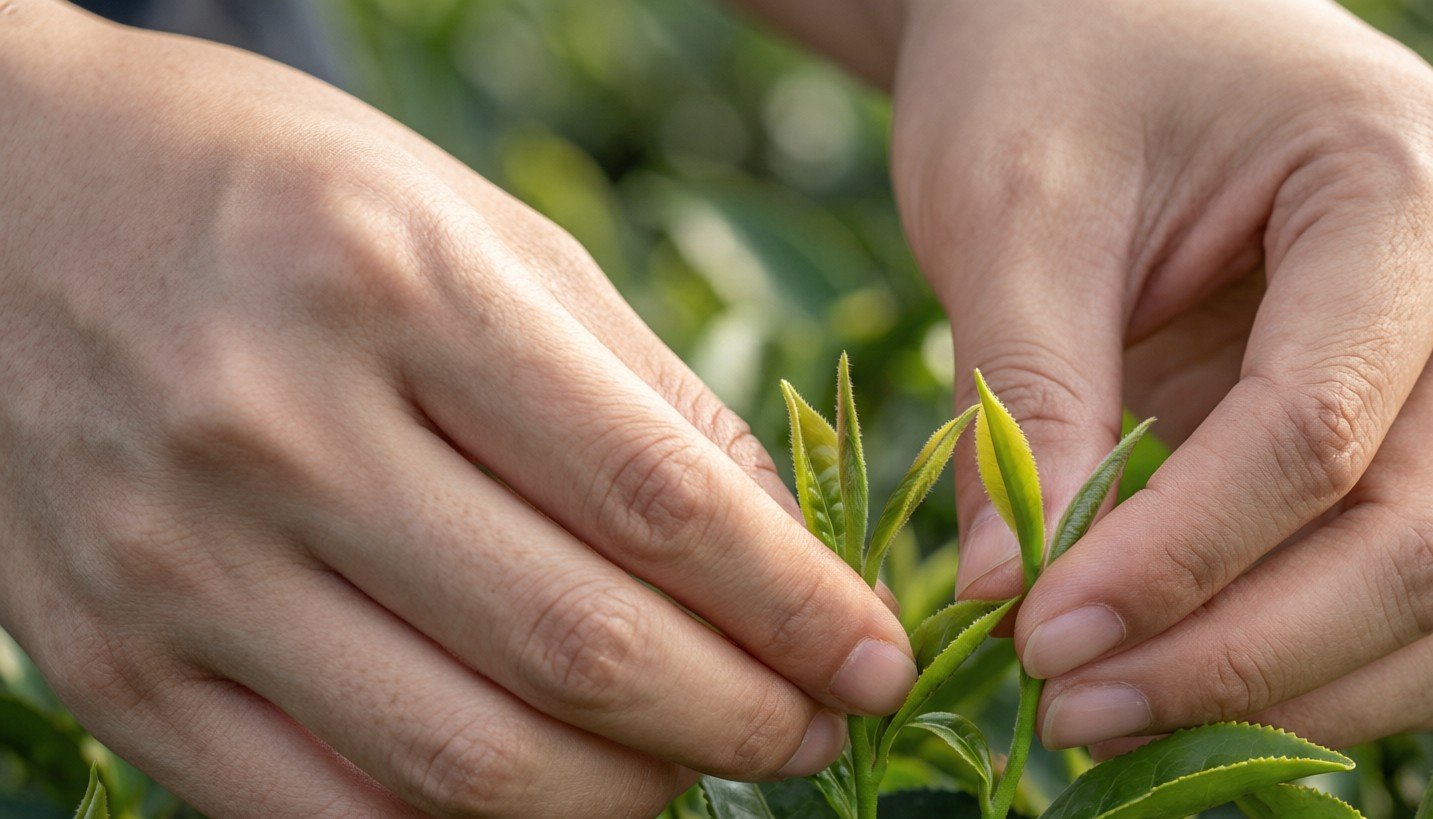
If you are evaluating Zhangping Shuixian, start with the cake itself. A well-made piece should be compact but not rock-hard, with visible leaf structure and a clean paper wrapper. Break one open and the dry leaf should smell warm and floral, never musty or sour.
Cultivar and Place
Shuixian is a late-sprouting, large-leaf cultivar that has been grown in Fujian for generations [4]. It is the same cultivar name used in the Wuyi Mountains, but tea cultivars do not produce identical flavor everywhere. Soil, elevation, humidity, and local processing decisions all shape the final cup [4][5].
Zhangping sits in a humid, hilly part of Fujian. Tea gardens are spread across small plots rather than uniform plantations, which means the raw leaf can vary from village to village. Producers manage that variation through careful withering and repeated turning, which is typical of oolong craftsmanship [1][2].
The result is a tea that is less roasted than many Wuyi Shuixian examples and less tightly green than a light Tieguanyin. It occupies an in-between space: floral but not perfumy, soft but not flat.
How It Is Made
Zhangping Shuixian follows the general oolong production sequence: withering, turning and bruising to encourage partial oxidation, pan-firing to fix the leaf, rolling, shaping, and drying [1]. What makes it distinctive is the shaping stage.
After the leaves are rolled into a loose oolong base, they are packed into wooden molds and pressed into squares. The pressed cakes are then wrapped in paper and dried slowly. This step is closer to traditional compressed tea methods than to modern loose-oolong finishing, and it gives Zhangping Shuixian a different physical structure [2].
That structure matters during storage. Loose oolong loses aroma quickly if exposed to air, but the compressed format helps the tea hold its character longer. At the same time, Zhangping Shuixian is not a post-fermented tea like pu-erh. It should still be stored as a fresh aromatic oolong, not as an actively aging dark tea.
Flavor Profile and Brewing
A well-made Zhangping Shuixian is usually described as orchid-like, honeyed, and creamy, with a soft mineral finish. Some cakes lean more floral; others show a light roasted sweetness depending on the batch and the producer's finishing style [2].
Because the leaves are compressed, Zhangping Shuixian benefits from a gongfu-style approach. Use fully boiling water or water just off the boil, and give the leaf a quick rinse first. Keep early infusions short—often only a few seconds—then extend the time as the cake opens. One square cake can comfortably handle many infusions before the flavor drops away.
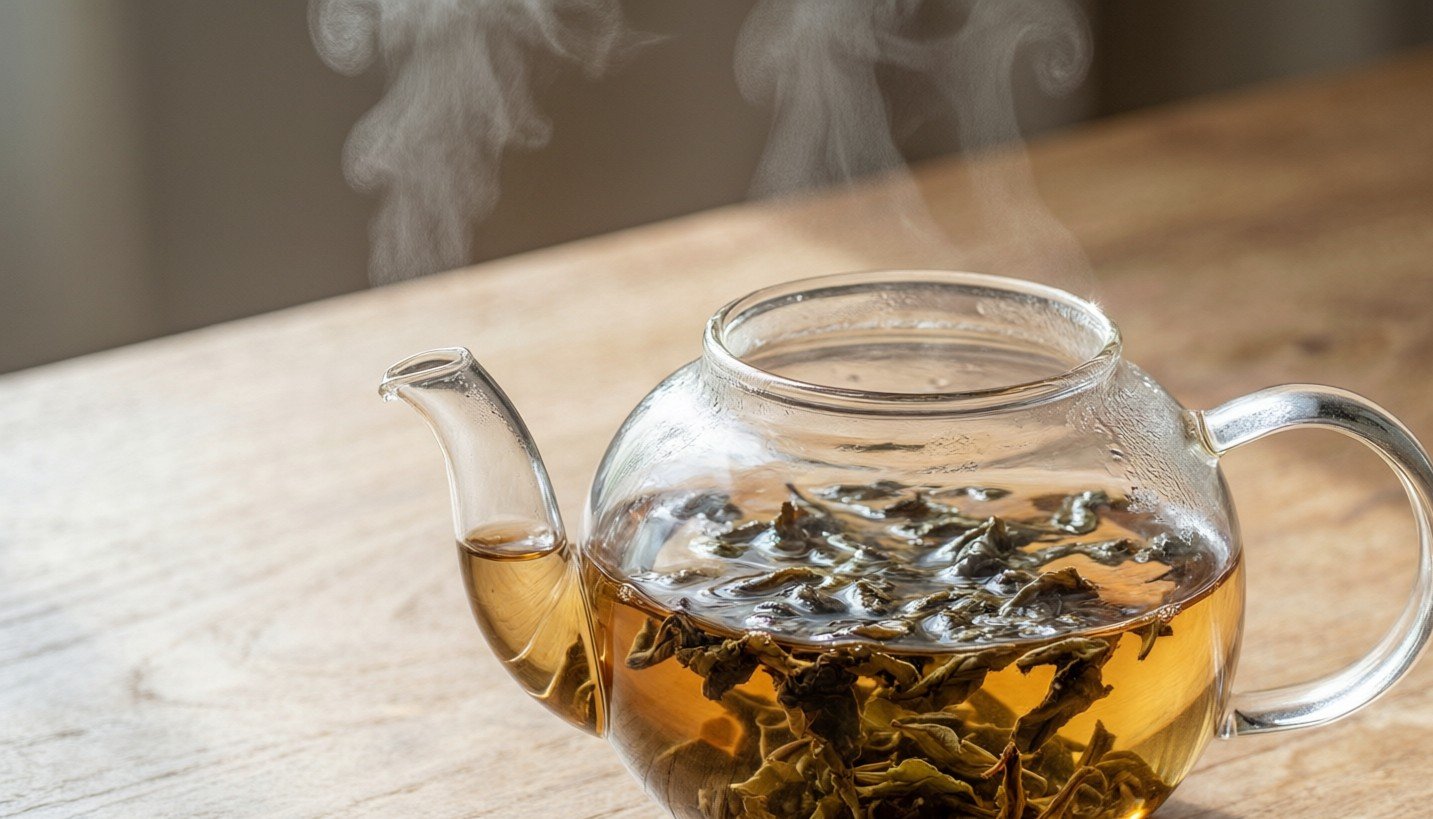
The liquor is usually pale golden to light amber. It tends to feel smooth rather than aggressive, which makes it approachable even for drinkers who find heavily roasted rock oolong too intense.
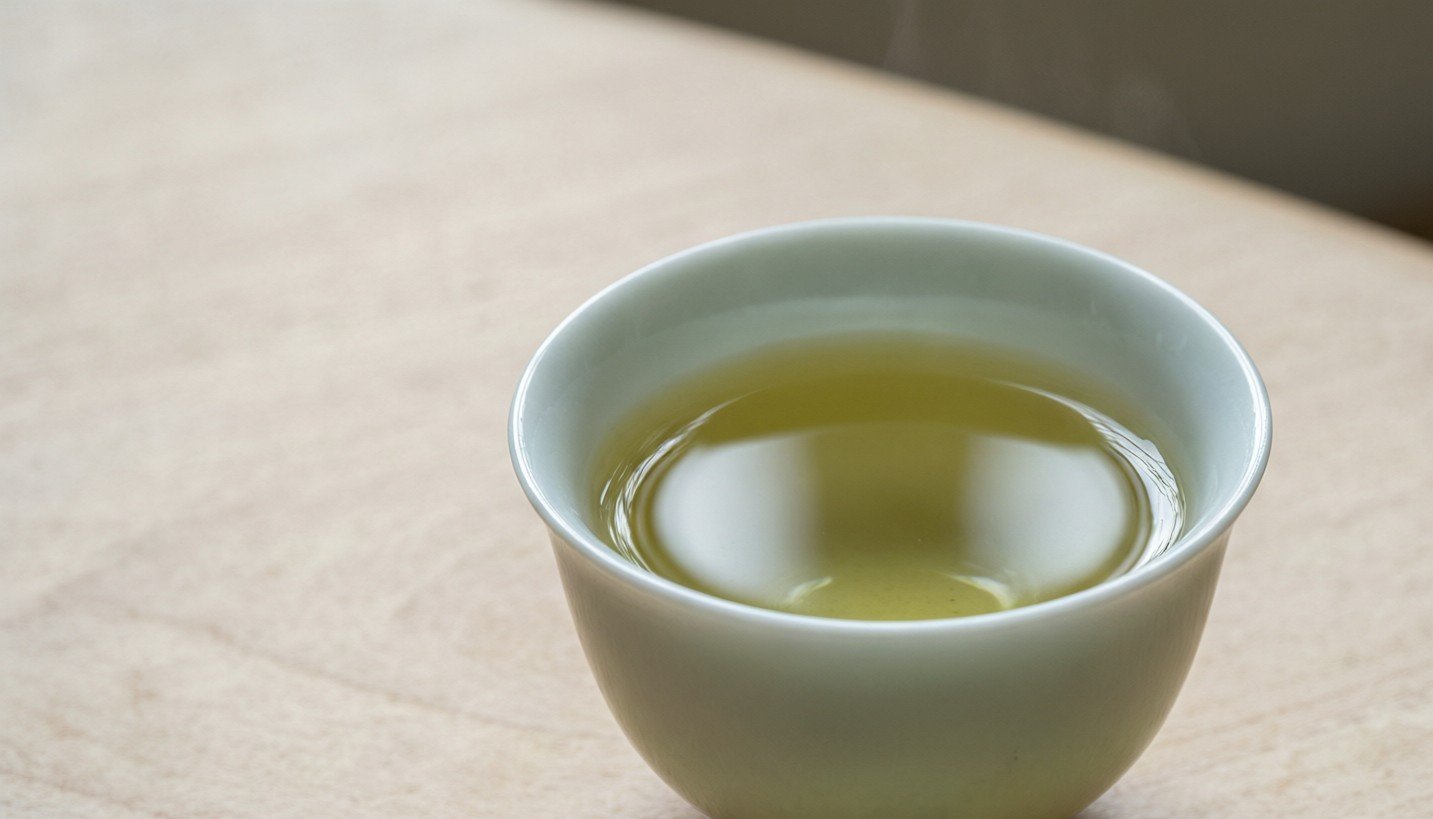
If your first cup tastes thin, the usual cause is not enough leaf or water that is too cool. Because the leaves are pressed tight, they need enough heat and enough time to expand before the tea shows its full range.
How It Compares to Other Shuixian and Oolongs
The table below summarizes the main differences buyers notice.
| Style | Leaf Form | Roast Level | Typical Aroma | Mouthfeel |
|---|---|---|---|---|
| Zhangping Shuixian | Compressed square cake | Light to medium | Orchid, honey, cream | Soft, rounded |
| Wuyi Shuixian | Loose twisted strips | Medium to heavy roast | Mineral, roasted fruit, deep floral | Stronger, more structured |
| Anxi Tieguanyin | Tightly rolled balls | Light to medium | Fresh floral, green, milky | Crisp, bright |
The comparison is useful because "Shuixian" alone does not tell you what to expect. Zhangping Shuixian is less roasted than many Wuyi Shuixian examples and less green than the lighter end of Tieguanyin. It is a middle path with its own texture.
For wholesale buyers, that also means you should not substitute one Shuixian for another without cupping. The production format, roast, and regional style all affect how the tea will be received by your customers.
What to Look For When Buying
When you evaluate samples, focus on the condition of the cake, the clarity of the wrapper markings, and the consistency across pieces in the same batch. Good Zhangping Shuixian should have a clean, warm floral aroma before and after rinsing. The wet leaf should be intact and oily rather than broken and dull.
Be cautious with very old or unmarked cakes sold as if they were rare collectibles. Zhangping Shuixian can develop a mellow aged character, but age is not automatically a sign of quality. Storage conditions matter more than the number on the wrapper.
If you are sourcing this tea in volume, request full square cakes rather than loose fragments, and ask for batch traceability from the producing area. To discuss current lots and sample terms, contact Chinese tea suppliers at 427728483@qq.com.
Source Zhangping Shuixian with Confidence
Zhangping Shuixian works well for buyers who want a recognizable Fujian oolong with a clear point of difference. The square-cake format gives it visual identity, while the softer flavor profile makes it easy to introduce to specialty retail and hospitality customers.
For wholesale inquiries, samples, or current availability, email 427728483@qq.com. Ask for the cultivar, production season, wrapper batch information, and recommended storage conditions for each lot.
Frequently Asked Questions About Zhangping Shuixian
Is Zhangping Shuixian the same as Wuyi Shuixian?
No. They share the Shuixian cultivar, but they come from different producing areas and are finished differently. Zhangping Shuixian is typically compressed into square cakes and lightly to moderately roasted, while Wuyi Shuixian is usually sold as loose twisted strips with a stronger roast and rock-tea character.
Why is Zhangping Shuixian compressed into cakes?
The square-cake format helps preserve aroma during storage and gives the tea a different brewing rhythm. It is a local traditional method, not a marketing gimmick. Compression also makes the tea easier to wrap, label, and transport in consistent portions.
How much caffeine does Zhangping Shuixian contain?
It has a moderate caffeine level, typical for an oolong. The exact amount varies by leaf grade, brewing time, and leaf-to-water ratio, but it is generally less intense than a strong cup of coffee.
How should I store Zhangping Shuixian?
Store it in a clean, dry, odor-free container away from direct light and moisture. It is an aromatic oolong, not a post-fermented tea, so do not treat it like raw pu-erh. Sealed packaging and stable room temperature will help keep the fragrance intact.
Can one square cake be re-steeped?
Yes. Because the tea is compressed, it opens gradually. Using a gaiwan or a small teapot, one cake can usually provide many infusions. Keep early infusions short and increase the time once the leaf has fully expanded.
Does Zhangping Shuixian improve with age?
Some cakes mellow and become softer with careful storage, but there is no guarantee that every aged cake will improve. Fresh Zhangping Shuixian is valued for its floral, honeyed character, and poorly stored older tea can simply turn flat or musty.
References
[1] National Standard of the People's Republic of China. Oolong tea — Part 1: Basic requirements. GB/T 30357.1-2013.
[2] Zhangping Municipal People's Government. Zhangping Shuixian tea: production, characteristics, and regional protection. Zhangping, Fujian.
[3] Food and Agriculture Organization of the United Nations. Tea: production, trade, and consumption. Rome: FAO; 2023.
[4] Tea Research Institute, Chinese Academy of Agricultural Sciences. China tea cultivars: Shuixian group. Hangzhou, Zhejiang.
[5] Fujian Provincial Administration for Market Regulation. Geographical indication protection and product specification for Zhangping Shuixian tea. Fuzhou, Fujian.
No author description available.

白玉京