Which Yunnan Pu-erh Tea Brands Are Actually Worth Your Money?
Yunnan pu-erh is one of the few teas where a higher price does not reliably signal better value. Age, storage, compression, batch consistency, and brand reputation all compete for a buyer’s attention. This ranking separates brands that justify their price from labels that lean mainly on storytelling.
What “Worth the Money” Really Means for Pu-erh
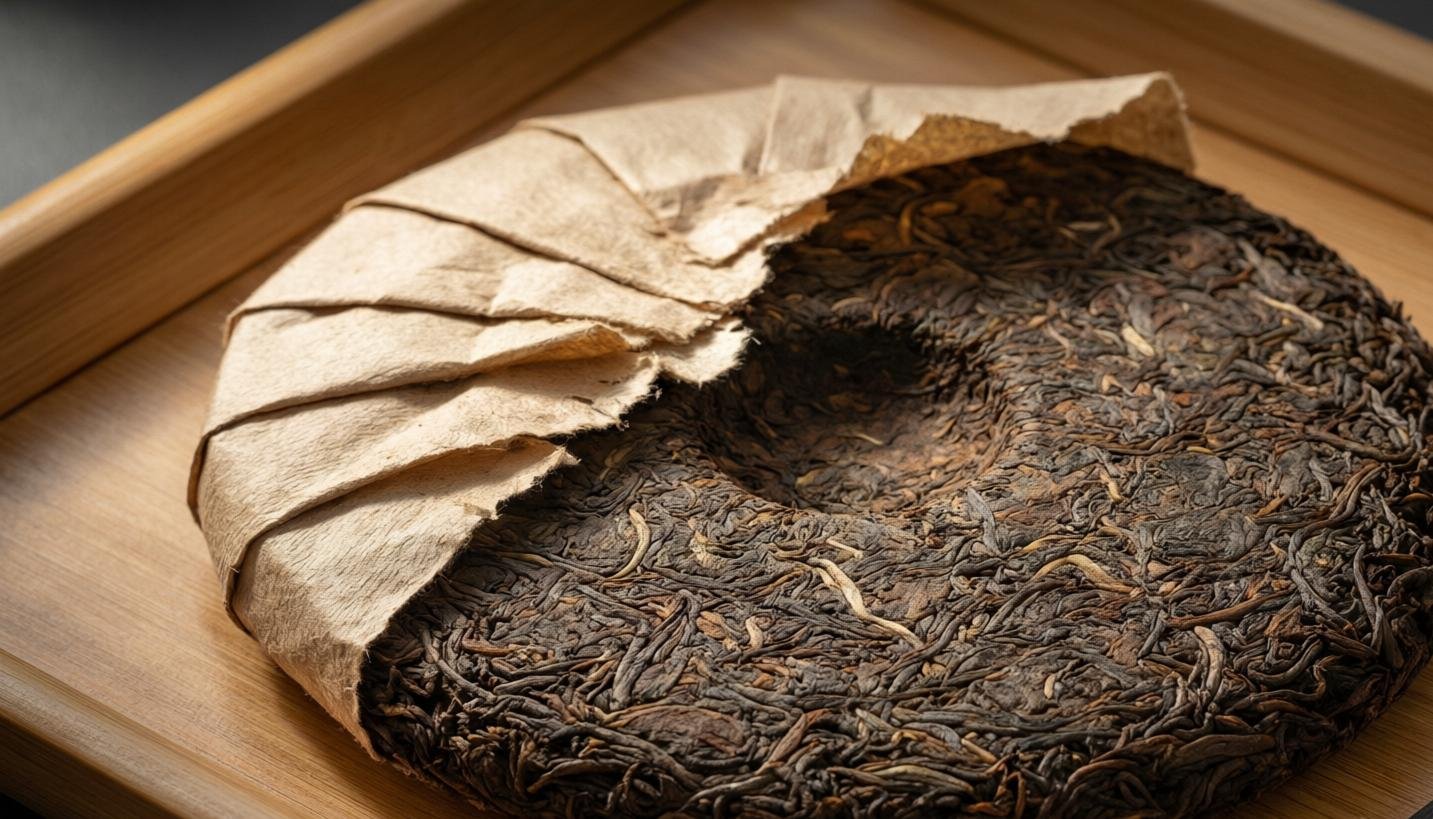
With pu-erh, value is not the same as “cheap.” A low-priced cake can be a smart buy if the material is clean and the storage is sound. A high-priced cake can be worth the money if its batch is consistent, its aging trajectory is clear, and its price is supported by the underlying quality rather than the packaging.
Three factors matter most when judging value:
- Leaf grade and origin — spring-picked, sun-dried Yunnan large-leaf material generally forms the base of age-worthy pu-erh.
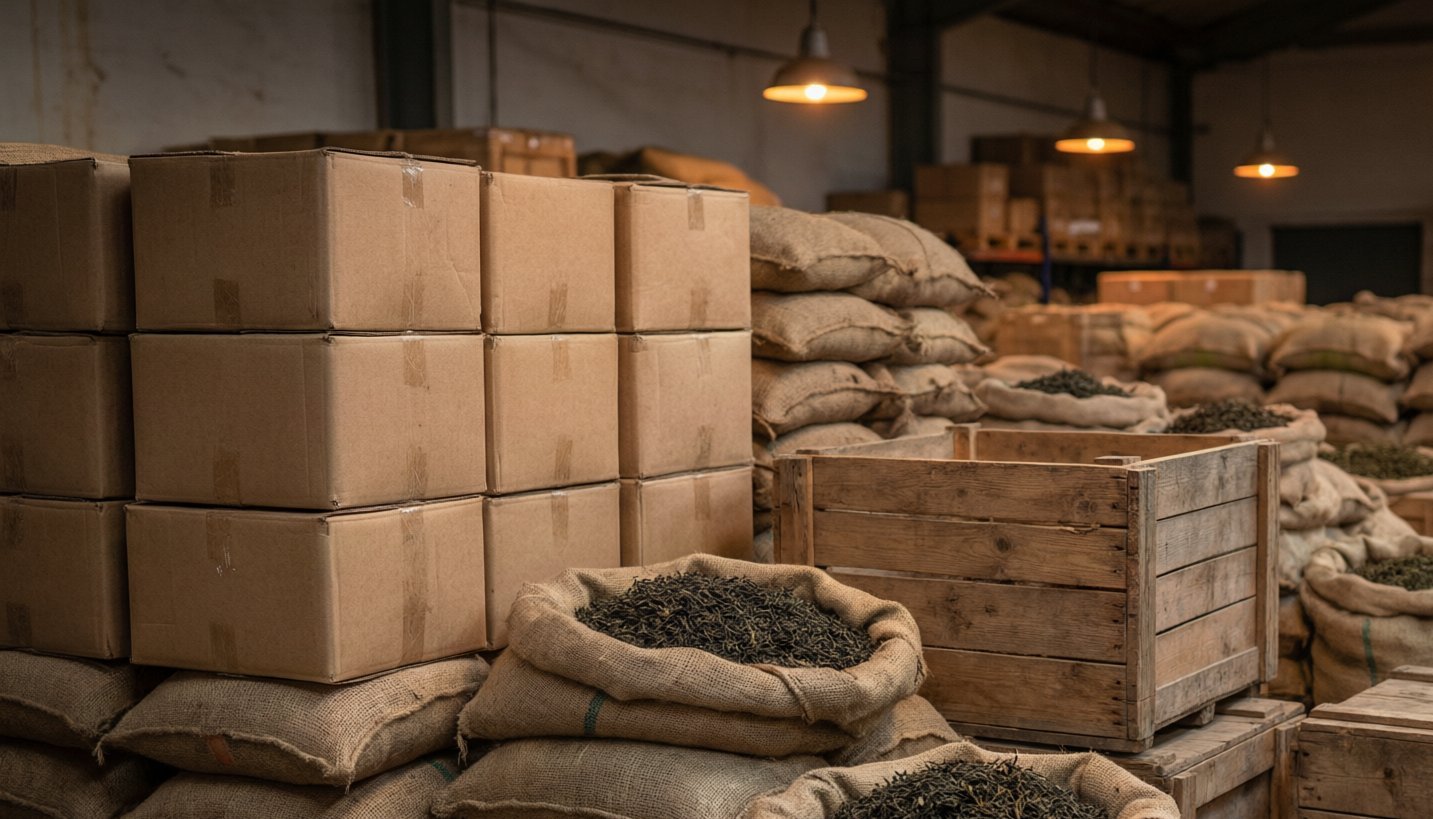
- Storage history — dry, controlled storage preserves flavor and supports long-term value; humid or broken storage damages it.
- Batch transparency — cakes with clear production dates, factory codes, and compression records are easier to verify than vague "aged" labels.
Under the Chinese national standard GB/T 22111, pu-erh tea must come from Yunnan large-leaf cultivars and follow defined fermentation or sun-drying routes.[1] That standard is the baseline — but it does not guarantee that a brand’s price is fair.
The Three-Tier Brand Map of Yunnan Pu-erh
Yunnan pu-erh brands generally fall into three tiers: benchmark factory brands, mid-market specialty labels, and place-based small-batch producers.

Benchmark Factory Brands: Dayi, Xiaguan, CNNP
Dayi, Xiaguan, and CNNP remain the most widely recognized factory names in pu-erh. Their value comes less from romance than from repeatability.
- Dayi is the benchmark for consistent raw and ripe pu-erh. Numbered batches and clearly documented production runs make it easier to compare prices across sellers.
- Xiaguan is known for tightly compressed tuos and long production experience. Its value depends heavily on the specific production period and storage type.
- CNNP products vary by era and factory code. The CNNP name alone is not a shortcut; buyers need to check the exact factory, year, and storage before paying a premium.
These brands are not automatically “worth the money,” but their recognizable batches make verification easier than with obscure labels.
Mid-Market Specialty Brands
Mid-market specialty brands often fill the space between factory standardization and single-origin scarcity. Their strength is usually a clear regional focus — Menghai, Lincang, or Yiwu material — combined with more accessible pricing than top-tier village marks.
The key question is whether the brand discloses its actual source and production date. A mid-market cake with vague sourcing is often a worse value than a factory cake at the same price. A mid-market cake with transparent source information and clean storage can be a strong buy.
Micro-Batch and Single-Origin Producers
Names such as Laobanzhang, Bingdao, Xigui, and Yiwu are not brands in the normal sense. They are place-based marks. Their value depends almost entirely on authenticity, harvest season, and processing quality.
Micro-batch pu-erh can be worth the money when the buyer can verify:
- the specific village or garden area,
- the season of harvest,
- the processing method, and
- the storage history.
Without that traceability, a high price is mainly a risk premium.
How to Evaluate a Pu-erh Brand Before You Pay
The most reliable way to judge a pu-erh brand is to treat it like a quality-control exercise, not a story.
Check the Batch, Not Just the Brand
Ask for the production batch, factory code, compression date, and storage location. For factory teas, the batch number is the strongest verification tool. For single-origin material, the village name and harvest season matter more than the seller’s label.
Read the Leaf and Liquor
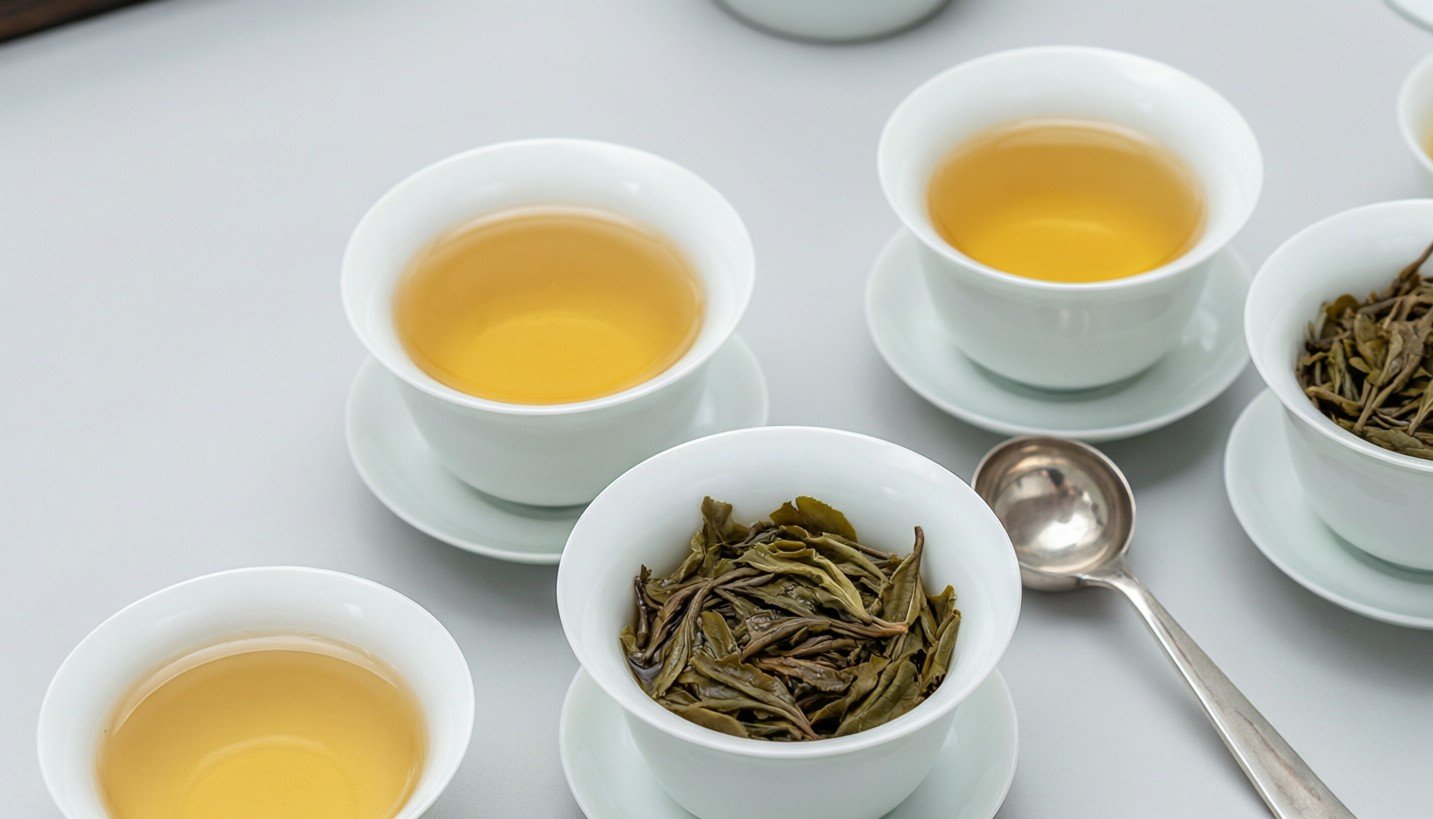
High-quality pu-erh should show intact, whole leaves rather than dust or broken fragments. The liquor should be clear, not muddy. Raw pu-erh should have a lively astringency that softens; ripe pu-erh should be smooth without a flat, lifeless body.
Use International Classification as a Check
ISO 20715 provides a neutral framework for classifying tea types, which helps when suppliers use loose labels such as “dark tea” or “post-fermented tea” without clarity.[2] If a seller cannot state whether the tea is raw or ripe pu-erh and how it was processed, the price should not be accepted at face value.
Buying note: If you are comparing wholesale lots or need a second read on batch codes, our team at Chinese tea suppliers can help. Send lot photos, asking prices, and storage details to 427728483@qq.com and we will point out common red flags before you commit.
Brand Value Rankings: Where the Money Goes
Value rankings are not fixed, but certain patterns repeat across markets.
- Best standard value for long-term storage — Dayi raw cakes with documented dry storage. Their batch numbers make resale and quality comparison easier.
- Best value for ripe pu-erh drinkers — factory ripe pu-erh from established producers tends to be more consistent than unbranded “aged” shou. The value comes from clean wet-piling and clear production dates.
- Best value for origin-focused buyers — transparent small-batch cakes from single villages, provided the buyer can verify the village, season, and storage.
- Worst value — heavily packaged gift cakes with no batch code, no storage record, and no leaf-grade disclosure.
The ranking principle is simple: money should follow verifiable information, not the appearance of scarcity.
Common Overpricing Traps to Avoid
Several traps make buyers pay more than a tea is worth.
- Ancient tree language without evidence — the term “gushu” or “ancient tree” is often used loosely. Without leaf age verification, it is not a value signal.
- Age claims without storage proof — a cake is not automatically better because it is old. Humid storage can damage the tea and reduce its value.
- Gift packaging as a substitute — decorative boxes can hide mediocre leaf. The value should be in the tea, not the box.
- Vague batch descriptions — labels such as “Yunnan aged pu-erh” without a factory, year, or storage note rarely justify a premium.
A useful rule is to refuse any price that rests mainly on a story. If the seller cannot answer batch, season, and storage questions, the price is not supported by quality data.
A Practical Value Checklist for First-Time Buyers
Run any pu-erh purchase through this checklist before paying.
- Is the tea clearly raw or ripe pu-erh?
- Can the seller provide the production date and batch or factory code?
- Is the storage history stated as dry, natural, or humid?
- Does the leaf look whole and clean, not broken or dusty?
- Is the price comparable to similar batches from other sellers?
- Is the tea labeled under GB/T 22111, and does the packaging support the claim?[1]
- Does the flavor match the description, without relying on vague “smooth” or “sweet” language alone?
If the answer to any core question is unclear, the tea may not be worth the money regardless of brand recognition.
Need sourcing help? Chinese tea suppliers can verify batch details, compare wholesale pricing, and arrange tasting samples. Contact 427728483@qq.com for direct guidance.
FAQ
Which Yunnan pu-erh brand gives the best value for beginners?
Factory raw pu-erh from Dayi is often the safest starting point because batch numbers make it easier to compare prices and verify storage. The goal is consistency first, rarity later.
Is an older pu-erh always worth more?
No. Age only adds value when the leaf was good to begin with and the storage was clean. A poorly stored old cake can be worth less than a well-stored younger cake.
What is the difference between a brand and a village label?
A brand is a producer or seller with repeatable batches. A village label such as Bingdao or Laobanzhang refers to origin. Village labels can be valuable, but their price depends on authenticity and harvest verification.
How can I check whether a Dayi cake is authentic?
Match the batch number, production date, and packaging against publicly documented runs. The most useful check is batch consistency, not the outer wrapper alone.
What matters more for value: factory brand or storage?
Storage often matters more. A clean, well-stored mid-tier cake can outperform a famous brand that was stored in humid or inconsistent conditions.
References
[1] GB/T 22111-2008, General Requirements for Pu-erh Tea, Standardization Administration of the People’s Republic of China.
[2] ISO 20715:2023, Tea — Classification of tea types, International Organization for Standardization.
[3] FAO Intergovernmental Group on Tea, World Tea Market Report, 2024.
[4] Food and Agriculture Organization of the United Nations, Post-harvest handling and quality maintenance of tea, FAO technical guidance, 2023.
No author description available.

白玉京