Best Teas for a Sore Throat: 6 Soothing Brews
A sore throat can make swallowing, speaking, and even resting uncomfortable. Warm tea will not cure the underlying infection, allergy, or reflux, but the right brew may temporarily coat irritated tissue, keep the throat moist, and make symptoms easier to manage. Below are six tea options with the strongest practical case for soothing a sore throat, plus what to limit and when to seek care.
How Warm Tea Helps a Sore Throat
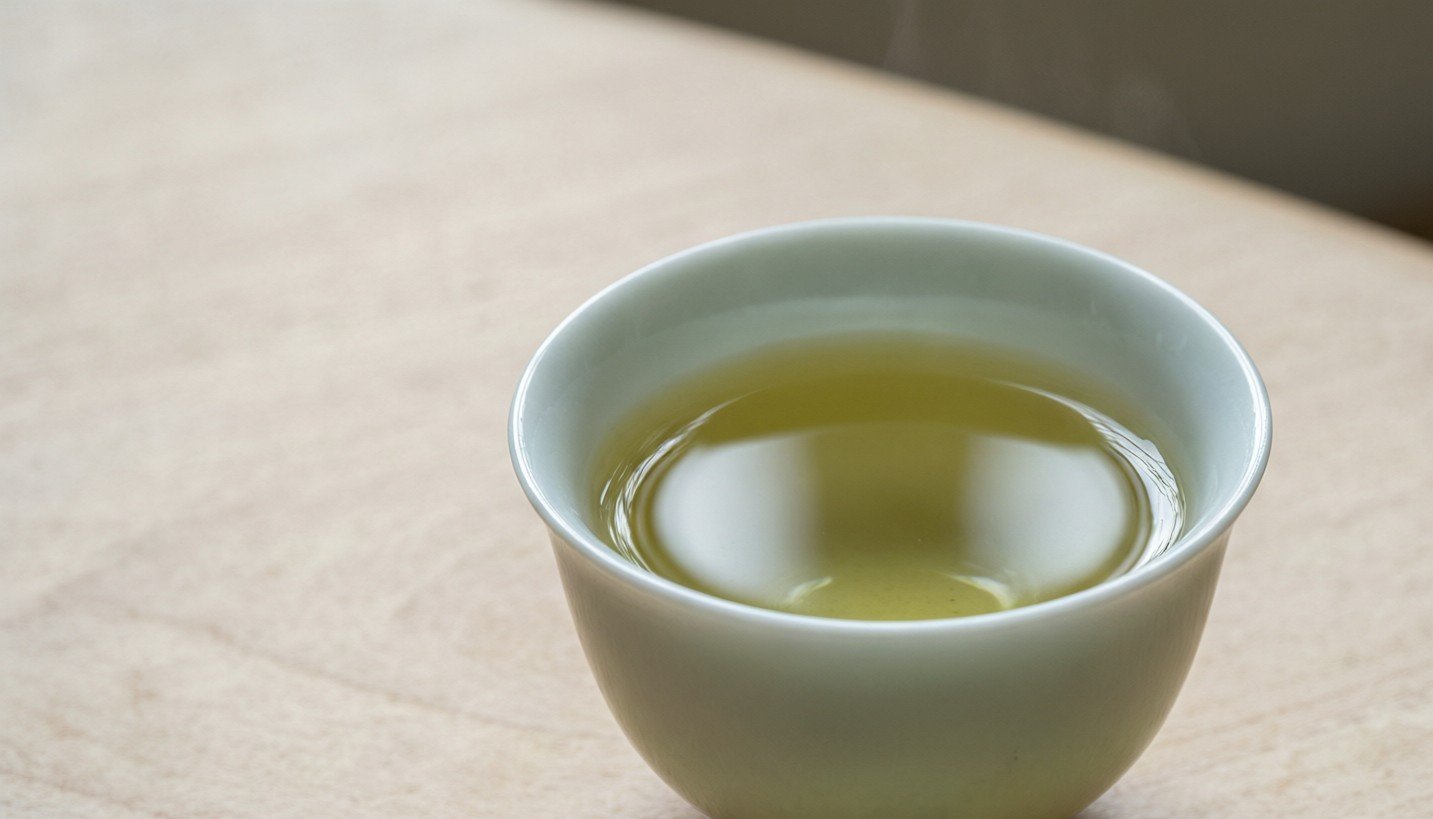
Most sore throats are caused by viral infections, postnasal drip, dry air, allergies, or vocal strain. Warm liquid offers short-term comfort: heat stimulates local blood flow, steam adds moisture, and repeated swallowing keeps mucosal surfaces hydrated. Some teas go further. Green tea contains catechins such as epigallocatechin gallate that show anti-inflammatory and antimicrobial activity in laboratory research [1]. Herbal options such as marshmallow root and slippery elm release mucilage, a gel-like fiber that forms a temporary protective film over irritated tissue. The clinical evidence for brewed tea as a sore-throat treatment is still limited, so these recommendations combine traditional use, mechanism-based research, and small trials rather than making cure claims.
6 Teas Worth Trying for Sore Throat Relief
| Tea | Why people use it | Practical note |
|---|---|---|
| Green tea | Lab studies show catechins may reduce inflammation and inhibit some viruses [1]. | Steep at 160–175°F (70–80°C); avoid over-steeping to limit bitterness. |
| Chamomile | Traditional mild anti-inflammatory and calming herb [2]. | Caffeine-free; check for ragweed or daisy allergy. |
| Licorice root | Coats the throat; small trial found a gargle reduced post-operative sore throat [4]. | Use short term; caution with high blood pressure [3]. |
| Marshmallow root | Mucilage forms a slippery film over mucous membranes [5]. | Cold-infuse in room-temperature water to draw out mucilage. |
| Slippery elm | Traditional demulcent made from inner bark [6]. | Mix powder with warm water into a thin, slick drink. |
| Ginger | Warming and anti-inflammatory; better evidence for nausea than sore throat [7]. | Use thin fresh slices; combine with honey and a little lemon if tolerated. |
Green tea
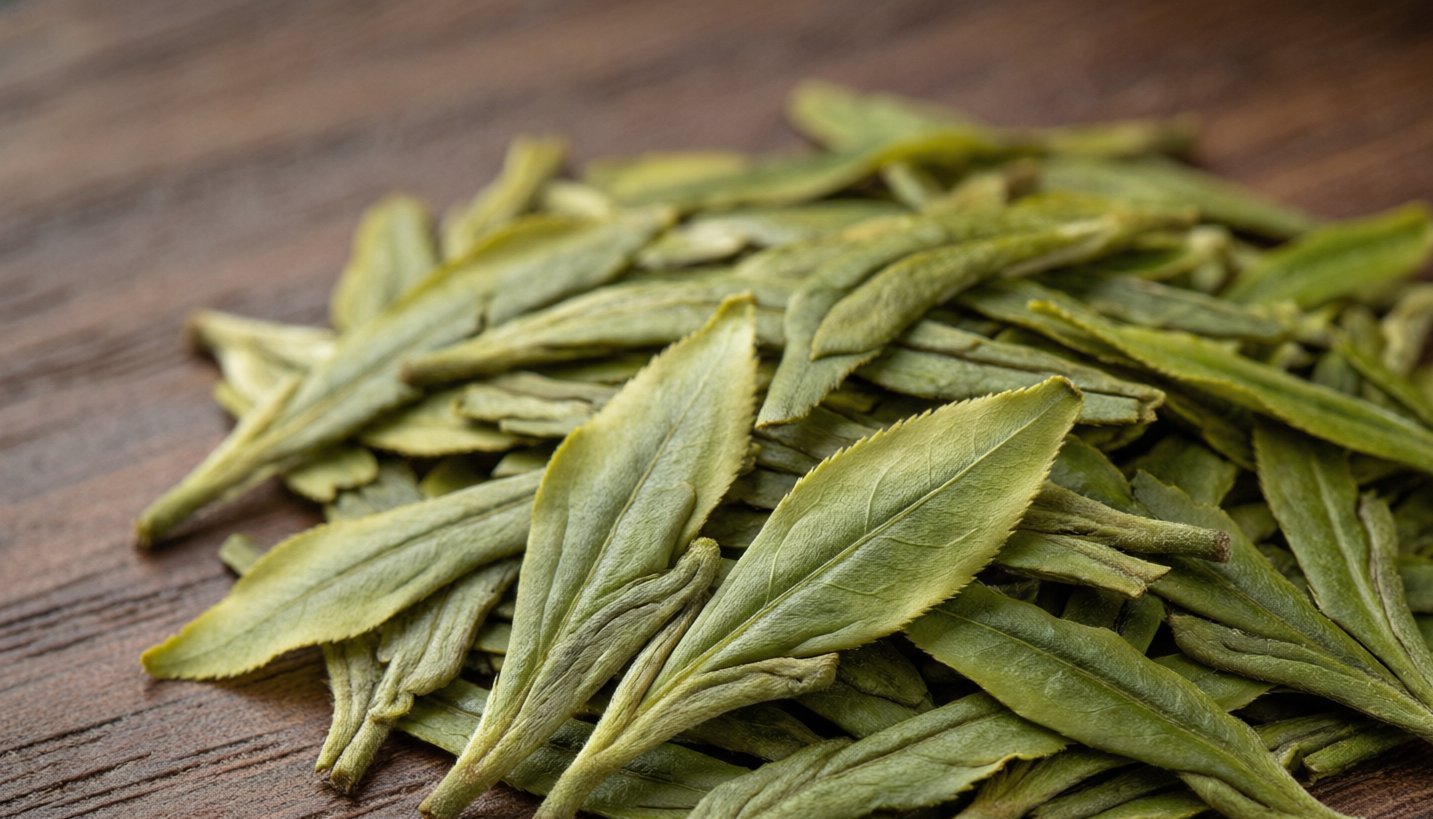
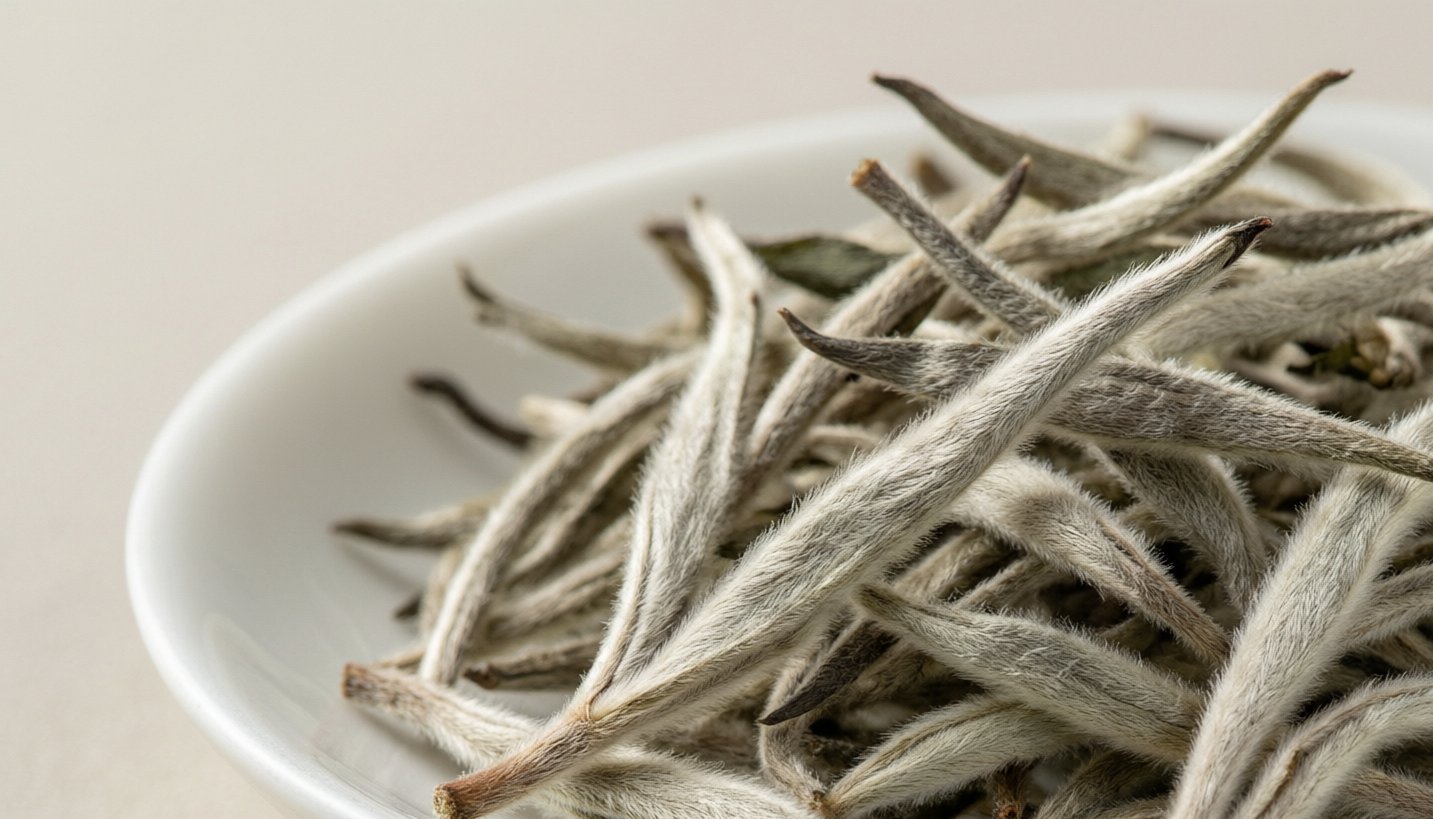
Green tea is the most studied true tea for inflammation-related symptoms. Its catechins have antiviral and anti-inflammatory activity in laboratory and animal models, but human data specifically on sore throat are limited [1]. Use a mild first brew and let it cool to a comfortable temperature. If caffeine is a concern in the evening, choose a second or third infusion, which is lower in caffeine. White tea, such as silver needle, is a lower-caffeine alternative with a softer mouthfeel, though there is no trial evidence that it works better for throat pain.
Chamomile
Chamomile is one of the most widely used caffeine-free herbal teas for mild throat and mouth irritation. The National Center for Complementary and Integrative Health notes that short-term use is generally safe for most adults, although people allergic to ragweed, chrysanthemums, or daisies may react [2]. Its value for sore throat is mostly traditional and comfort-based rather than proven by large clinical trials.
Licorice root
Licorice root contains glycyrrhizin, a compound that can feel soothing but may raise blood pressure at high doses or with long-term use [3]. A small single-blind trial found that a licorice gargle reduced post-operative sore throat better than plain water [4]. For tea, licorice root blends are usually acceptable for several days, but anyone with hypertension, kidney disease, or low potassium should check with a clinician first.
Marshmallow root
Marshmallow root releases mucilage, a polysaccharide that forms a gel-like coating on irritated throat tissues. In two small randomized trials, a marshmallow root extract was linked to reduced cough frequency and improved symptom scores in people with irritative cough [5]. This is supportive but not proof of benefit for every sore throat.
Slippery elm
Slippery elm bark is a traditional North American remedy that works in a similar way to marshmallow root: when mixed with warm water it forms a slick, protective mass. Direct clinical evidence is sparse [6], so it is best viewed as a traditional comfort option rather than a verified treatment.
Ginger
Ginger adds warmth and may ease mild throat irritation, and it has stronger evidence for nausea and general anti-inflammatory activity than for sore throat specifically [7]. A few thin slices steeped in hot water are usually enough; highly concentrated ginger can feel sharp on a raw throat.
Brewing for a Throat-Soothing Cup
Brewing method matters when the goal is comfort. True teas such as green tea should be made with water below boiling and steeped for 2–3 minutes to limit astringency. Herbal roots and barks benefit from longer steeping, and marshmallow root is traditionally cold-infused for 1–2 hours to extract the most mucilage. Let the cup cool until it is comfortably warm rather than scalding. Add honey only after the tea has cooled slightly and never to a child under 12 months because of infant botulism risk [8].

Need consistent, lab-tested green tea and herbal tea ingredients for sore-throat-friendly retail products or private-label SKUs? Contact 427728483@qq.com with the format you need—loose leaf, pyramid bags, or RTD extract—along with your annual volume range and any certification requirements. We will send a shortlist of supplier-matched options with cupping notes and compliance documentation.
What to Limit When Your Throat Hurts
Not every warming drink is helpful. Very hot liquid can add irritation. Strongly acidic additions such as undiluted lemon juice, hibiscus, or vinegar blends may sting eroded mucosa. Alcohol and heavily caffeinated or sugary drinks can be drying for some people. Honey should never be given to infants under 12 months because of the risk of infant botulism [8].
When to See a Clinician
Most sore throats from colds improve within 3–5 days. Seek care for difficulty swallowing or breathing, a muffled voice, one-sided throat swelling, fever above 101°F (38.3°C), rash, blood in saliva, or symptoms lasting more than a week. These may indicate bacterial infection such as strep throat, which requires testing and possibly antibiotics [10].
Need a reliable Chinese tea supplier for sore-throat-friendly green tea, white tea, and herbal blends? Email 427728483@qq.com with: (1) requested format, (2) annual volume, (3) target market, and (4) certification needs such as EU organic, USDA organic, or ISO 22000. We will return pricing tiers, sourcing options, and supporting lab documentation.
Frequently Asked Questions
Does warm tea cure a sore throat?
No. Tea can temporarily soothe symptoms and support hydration, but it does not treat the infection or condition causing the pain. If symptoms worsen or persist, see a clinician.
Which tea is best for a viral sore throat?
There is no single verified best choice. Green tea offers mild catechin support [1], while demulcent options such as marshmallow root or slippery elm provide a coating effect [5], [6]. Choose one you can drink comfortably, and add honey if you are older than 1 year and do not have glycemic concerns.
Can I add honey and lemon to tea?
Honey may help reduce nighttime cough, based on a Cochrane review [9], and it adds a soothing texture. Lemon adds flavor, but its acidity can sting if the throat is raw. Start with a small squeeze and stop if it hurts.
Is licorice root tea safe for everyone?
No. Licorice contains glycyrrhizin, which can raise blood pressure, lower potassium, and cause fluid retention at high doses or with prolonged use [3]. People with hypertension, kidney disease, or heart conditions should avoid regular use unless a clinician approves it.
References
[1] National Center for Complementary and Integrative Health, "Green tea," U.S. Department of Health and Human Services. [Online]. Available: https://www.nccih.nih.gov/health/green-tea. [Accessed: 2026].
[2] National Center for Complementary and Integrative Health, "Chamomile," U.S. Department of Health and Human Services. [Online]. Available: https://www.nccih.nih.gov/health/chamomile. [Accessed: 2026].
[3] National Center for Complementary and Integrative Health, "Licorice root," U.S. Department of Health and Human Services. [Online]. Available: https://www.nccih.nih.gov/health/licorice-root. [Accessed: 2026].
[4] A. Agarwal et al., "An evaluation of the efficacy of licorice gargle for attenuating postoperative sore throat: a prospective, randomized, single-blind study," Anesthesia & Analgesia, vol. 109, no. 1, pp. 77–81, 2009.
[5] C. Fink et al., "Marshmallow root extract for the treatment of irritative cough: two randomised, placebo-controlled, double-blind cross-over trials," Complementary Medicine Research, vol. 25, no. 5, pp. 299–305, 2018.
[6] U.S. National Library of Medicine, "Slippery elm," MedlinePlus. [Online]. Available: https://medlineplus.gov/druginfo/natural/978.html. [Accessed: 2026].
[7] National Center for Complementary and Integrative Health, "Ginger," U.S. Department of Health and Human Services. [Online]. Available: https://www.nccih.nih.gov/health/ginger. [Accessed: 2026].
[8] Centers for Disease Control and Prevention, "Botulism: Prevention." [Online]. Available: https://www.cdc.gov/botulism/prevention/. [Accessed: 2026].
[9] O. Oduwole, E. E. Udoh, A. Oyo-Ita, and M. M. Meremikwu, "Honey for acute cough in children," Cochrane Database of Systematic Reviews, vol. 4, Art. no. CD007094, 2018.
[10] Centers for Disease Control and Prevention, "Sore throat basics." [Online]. Available: https://www.cdc.gov/sore-throat/about/. [Accessed: 2026].
No author description available.

白玉京