Yunnan Ancient Tree Tea: What Buyers Need to Know in 2026
Yunnan ancient tree tea, or gushu cha (古树茶), is one of the most discussed—and least consistently defined—categories in the Chinese tea trade. Buyers encounter it in loose maocha, compressed pu-erh cakes, and specialty black or white tea. This guide breaks down what the term means, where it comes from, how it is made, and how procurement teams can verify it before buying.
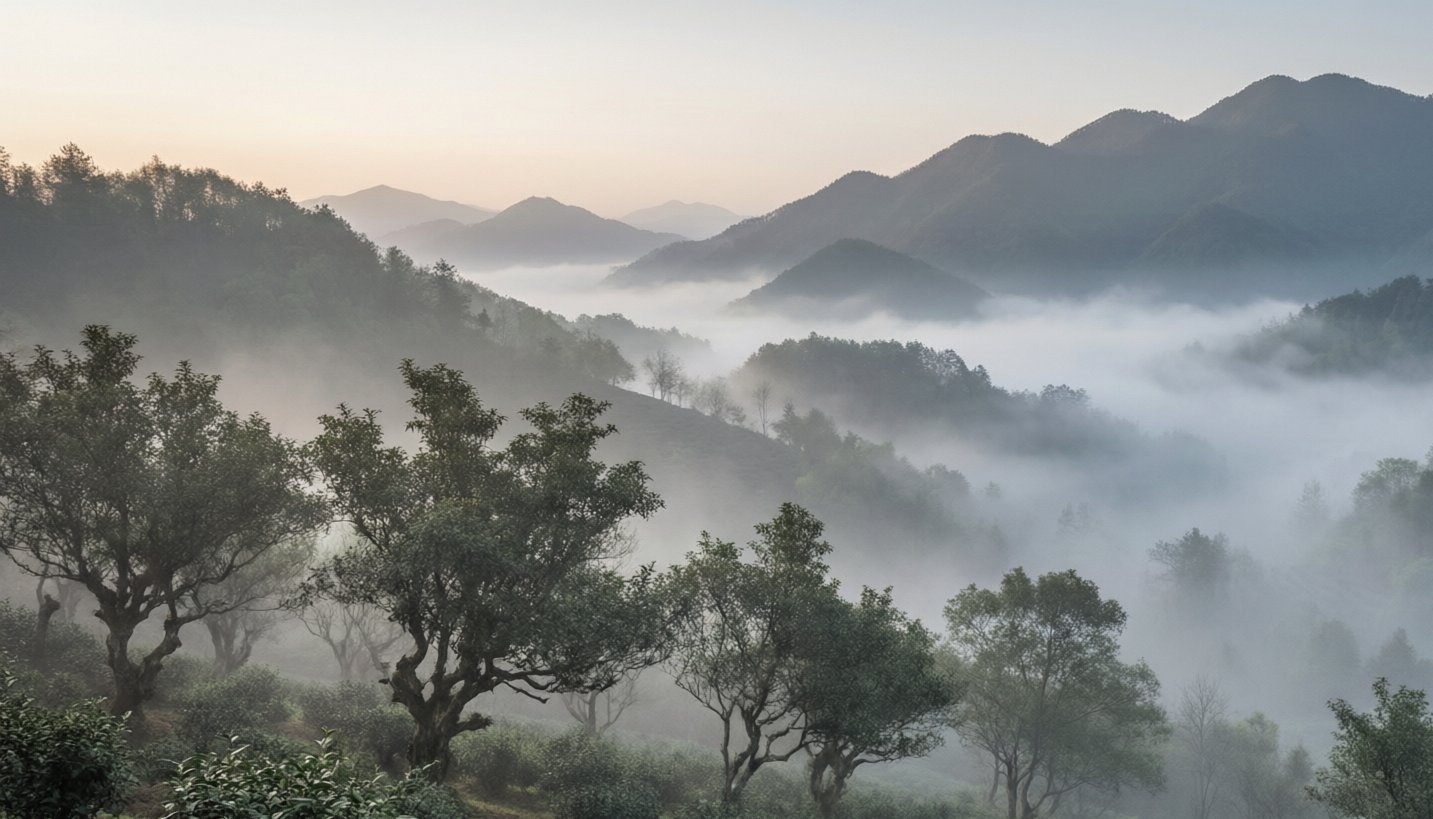
What Is Yunnan Ancient Tree Tea?
Yunnan ancient tree tea refers to tea made from mature Camellia sinensis var. assamica, the large-leaf tea plant native to southwest China, growing in old-growth tea gardens rather than row-planted plantations. It is not a processing category by itself. Most ancient tree tea is finished as sun-dried maocha and then either sold loose, pressed into cakes, or fermented into ripe pu-erh, but black tea, white tea, and lightly oxidized oolong can also come from the same tree populations.
China’s pu-erh standard defines Pu’er tea as the product of Yunnan large-leaf sun-dried green tea made within the protected geographical area, shaped and then aged or not [1]. Under this framework, ancient tree pu-erh is a raw-material designation, not a separate tea type.
The vocabulary is loose. In common trade use:
- Old tree (老树 / dashu): roughly 100 years and older, often with a clear trunk and deeper root system.
- Ancient tree (古树 / gushu): frequently 200–300 years and older, though sellers may use the term more freely.
- Plantation or terrace tea: bushes pruned to waist height, densely planted, harvested every year for yield.
Local regulations increasingly define and protect ancient tea trees, but buyer-facing standards still vary, so age claims need evidence rather than trust [2].
Where Does Yunnan Ancient Tree Tea Come From?
The most recognized ancient tree producing zones fall into three tea regions:
- Lincang: Bingdao, Xigui, Mengku, and surrounding villages are high-priced micro-origins.
- Xishuangbanna: Menghai, Yiwu, Bulang, and smaller mountain villages dominate traditional pu-erh areas.
- Pu’er/Simao: Jingmai and nearby forest gardens are known for old-growth, often biodiverse tea gardens.
Altitude, soil, canopy cover, and surrounding vegetation shape the final material. Ancient tree gardens tend to be lower-yielding than terraced plantations because the trees are spaced widely and often grow among forest species. That ecological setting is one reason buyers see different cup character from gushu compared with plantation leaf from the same county.
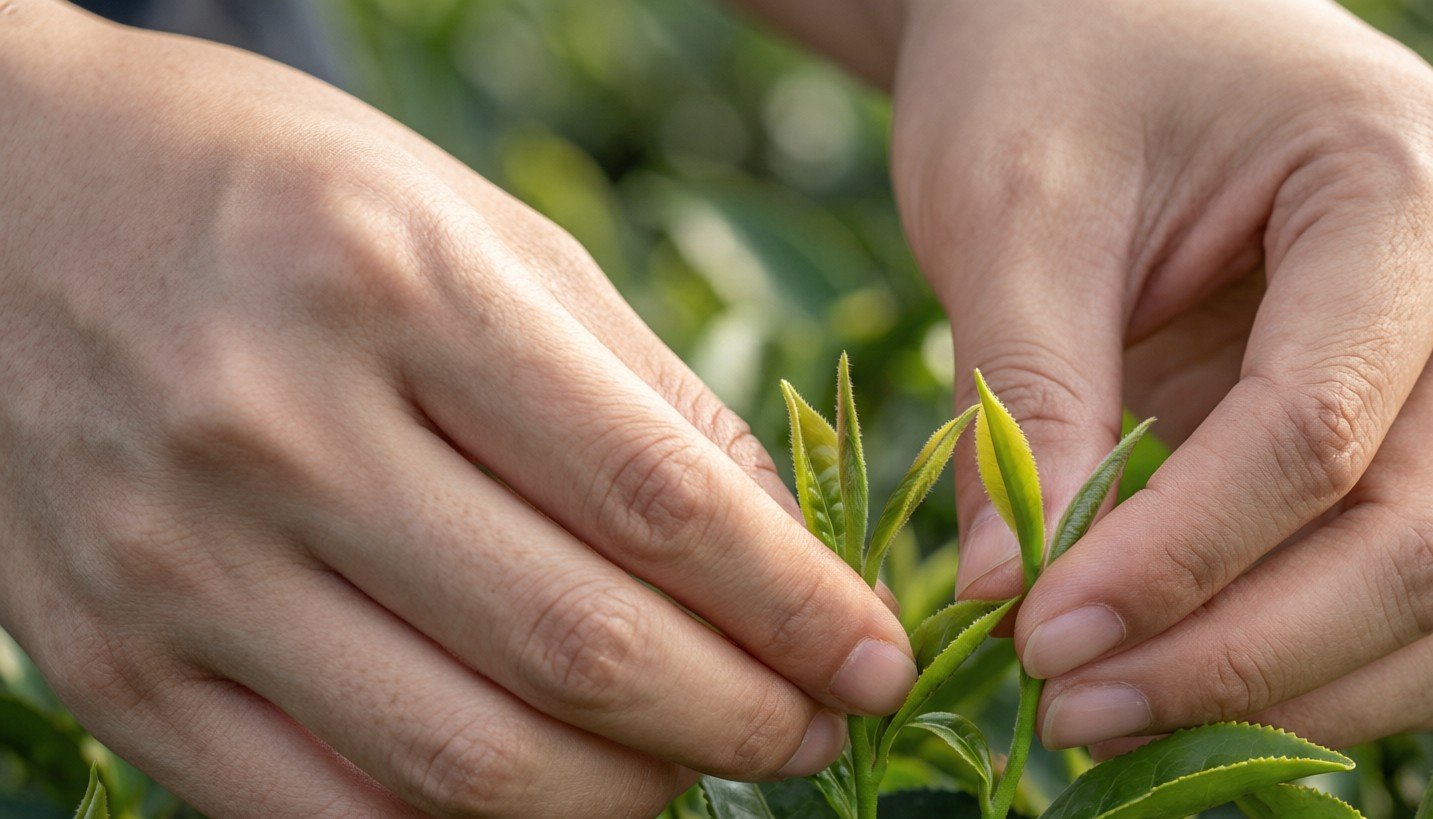
Ancient Tree vs Old Tree vs Plantation: Why the Distinction Matters
| Category | Typical age | Plant form | Yield and cost |
|---|---|---|---|
| Plantation tea | Under 50 years | Pruned bushes, dense rows | Higher yield, lower unit cost |
| Old tree | ~100+ years | Single trunk or branching, taller | Moderate yield, mid-to-high cost |
| Ancient tree | ~200–300+ years | Large canopy, deep roots | Low yield, premium cost |
These bands are not law. In some markets, “old tree” material overlaps with “ancient tree,” and some sellers use tree-age claims to raise prices without a matching change in cup quality. For a buyer, age matters only to the extent it trades into intensity, endurance, aftertaste, and limited volume.
Picking and Processing
Ancient tree leaves are commonly picked in spring and autumn. Spring material is usually the most expensive because the plant’s sap is concentrated after winter dormancy, and first-harvest leaf tends to deliver more aromatic detail. Autumn picking can still be good, with more direct sweetness and softer top notes, at a lower cost.
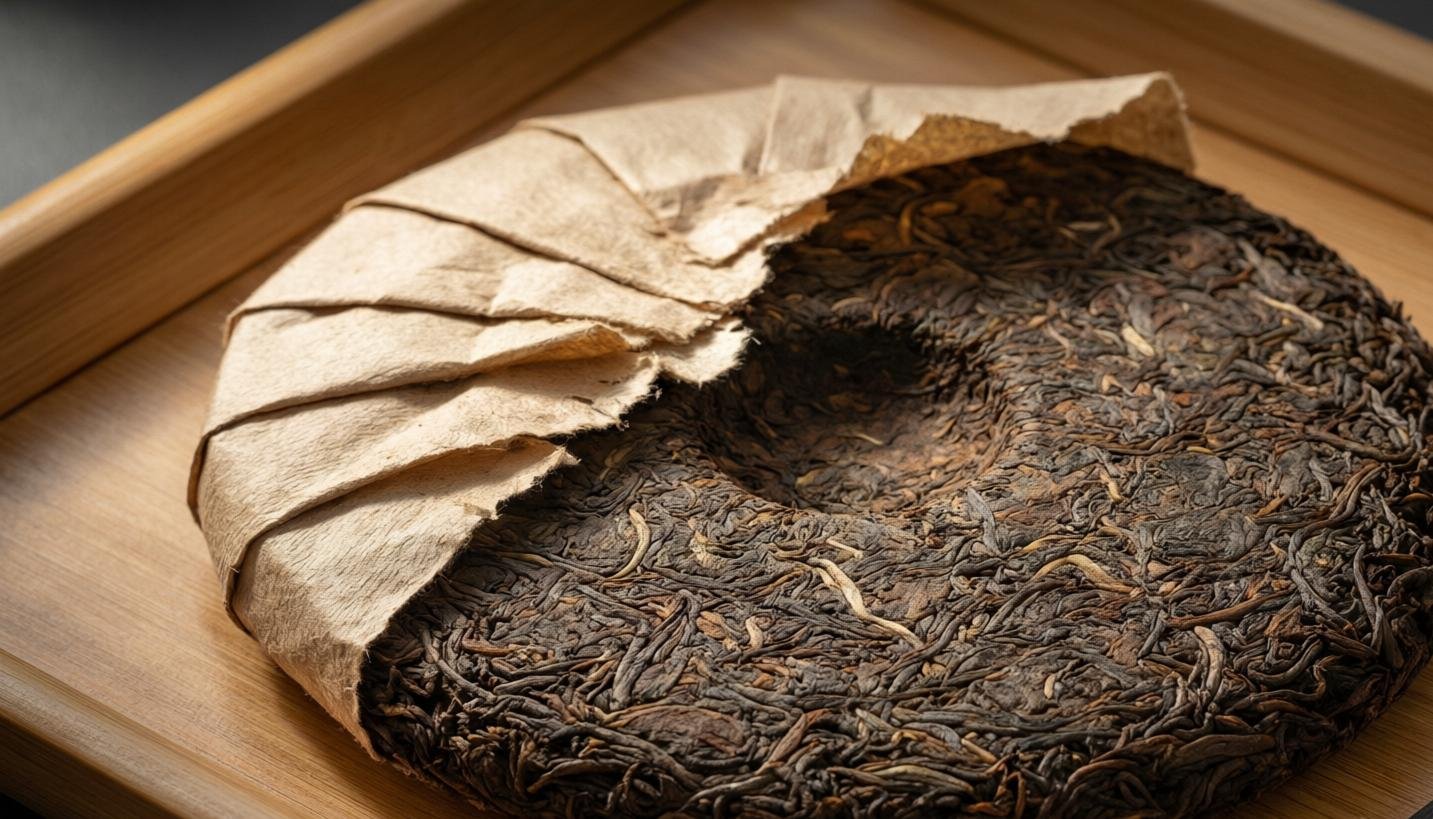
After picking, the typical path to sheng pu-erh is:
- Withering to soften leaves.
- Pan-firing to stop oxidation.
- Rolling to break cell walls and shape the leaf.
- Sun-drying into maocha.
- Sorting by grade and purity.
- Pressing into cakes, bricks, or tuo cha, or leaving as loose maocha.
For ancient tree white tea or black tea, producers can divert the same fresh leaf into white tea or black tea processing lines. That means the final flavor depends on processing choices as much as on tree age.
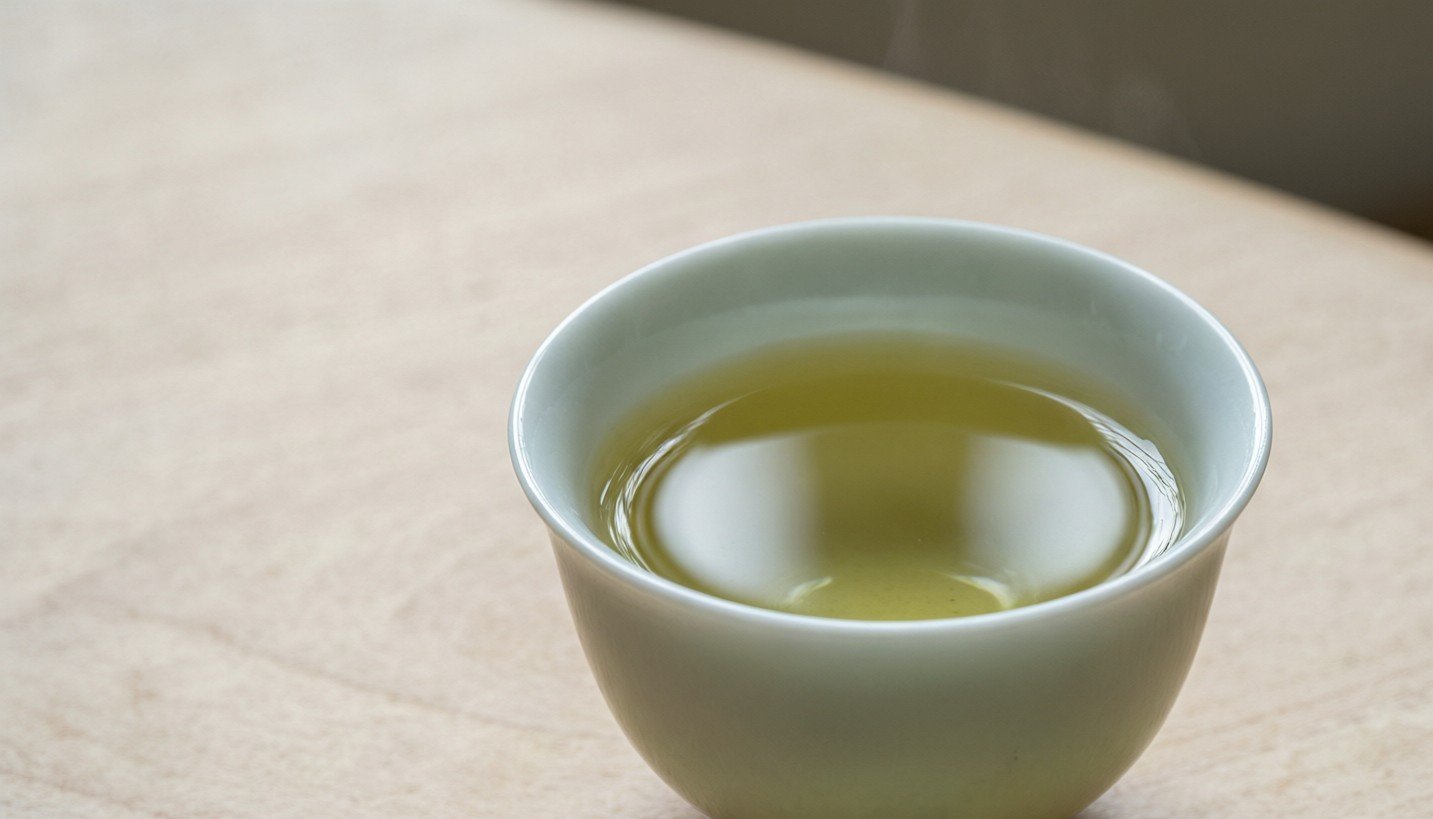
Flavor, Texture, and Brewing Endurance
Good Yunnan ancient tree tea tends to be less about an immediate bold hit and more about layered structure. Buyers commonly describe:
- thicker body and a mineral underpinning from deep-rooted trees;
- lower blunt astringency than young plantation sheng;
- pronounced huigan, the returning sweetness that rises minutes after swallowing;
- a soft but persistent finish, sometimes with a cooling or camphor-like note;
- endurance across many infusions—ten or more steeps are common.
These are sensory generalities, not guarantees. Processing defects, storage mistakes, or blended material can erase them. Cupping in a controlled session is the best way to compare a gushu sample against a plantation sample from the same region and harvest.
Price Drivers and Market Reality in 2026
Ancient tree tea prices rise with:
- Origin fame. Micro-terroirs such as Bingdao and Xigui trade far above less famous villages because of demand, not because the leaf is dramatically different in chemical composition.
- Single-village purity. A named single-origin lot usually costs more than a blended lot.
- Spring vs autumn picking.
- Tree-age band and documented garden location.
- Lot size. Small clean lots can command premiums; large homogeneous lots are harder to source.
Buyers should be wary of low-priced “ancient tree” labels. If the price is close to plantation sheng, the claim is usually diluted, blended, or false. Conversely, high price alone does not prove age: brand, packaging, and market cycles also push prices. The practical move is to compare samples and documentation across three or more suppliers.
Quick Sourcing Note
Need a reliable Yunnan gushu supply line? Email 427728483@qq.com with your target origin, age band, spring or autumn harvest, quantity in kilograms, and packaging format. We reply with available lots, lab-test parameters, and current FOB/CIF pricing.
Sourcing Checklist and Authenticity Guardrails
Before committing to a purchase, request:
- Garden or village documentation, not just a region claim.
- Harvest year and season.
- Pesticide test results aligned with EU or destination MRLs.
- Visual evidence: trunk size, growth environment, picking style.
- Physical sample for cupping against a reference plantation sample.
- Clear batch numbers and lot traceability.
- Third-party authentication when buying famous micro-origin tea.
Age verification is the hardest part. There is no laboratory test that directly confirms tree age from finished leaves. Genetic, chemical, and visual evidence can support sourcing claims, but the strongest proof usually comes from onsite inspection, long-term supplier relationships, and batch documentation that links the lot to a specific garden or cooperative.
Get a Yunnan Ancient Tree Sourcing Plan
Chinese tea suppliers maintains a Yunnan origin network across Lincang, Pu’er/Simao, and Xishuangbanna. Tell us your requirement: exact village or broader region, tree-age band, harvest, loose maocha or pressed cake, quantity, and target pesticide limits. Email 427728483@qq.com and we will send a no-obligation sourcing shortlist with current harvest data, cup notes, and pricing.
Frequently Asked Questions
How old does a tea tree need to be to count as “ancient tree”?
There is no single enforced cutoff. Old tree is commonly understood as around 100 years and older, while ancient tree is often reserved for trees roughly 200–300 years and older. Sellers may use looser terms, so buyers should confirm the claimed age band and supporting documentation.
Is Yunnan ancient tree tea always pu-erh?
No. Most ancient tree leaf enters the pu-erh system as sun-dried maocha, but the same leaf can be finished into black tea, white tea, or oolong. Buyers should specify the processing path, not just the tree source.
Why is ancient tree tea more expensive than plantation tea?
Lower yield, slower growth, hand-picking cost, remote garden locations, single-origin demand, and market reputation all contribute. Famous micro-terroirs add a further price layer that may not correspond to a measurable quality gap.
How can buyers verify age claims?
Finished leaves cannot be sent to a lab for a simple age test. The strongest verification combines garden location, visual evidence of tree form, harvest records, batch traceability, pesticide results, and cupping against a known plantation sample. Onsite audits provide the most confidence.
How much ancient tree maocha should I order first?
A standard practice is to start with small cupping lots—commonly a few hundred grams to one kilogram per origin—before negotiating a commercial order. This lets your team compare flavor, re-steep performance, and documentation across suppliers without committing capital to unproven claims.
References
[1] Standardization Administration of China. GB/T 22111-2008: Product of geographical indication—Pu'er tea. Beijing: SAC, 2008.
[2] Yunnan Provincial People’s Congress. Regulations of Yunnan Province on the Protection of Ancient Tea Trees. Kunming, 2023.
[3] Yunnan Academy of Agricultural Sciences, Tea Research Institute. Yunnan Tea Industry 2025: Production and Market Review. Kunming, 2025.
[4] FAO. Tea Genetic Resources in Asia: Conservation and Use. Rome: Food and Agriculture Organization of the United Nations, 2021.
[5] Meegahakumbura, M.K., et al. “Domestication origin and breeding history of the tea plant (Camellia sinensis) based on nuclear microsatellites.” PLoS ONE, 2016.
No author description available.

白玉京