Roasted Green Tea: What It Actually Is (and Isn’t)
Most tea drinkers know green tea as a fresh, grassy cup. Roasted green tea flips that image: the leaves are toasty, nutty, and warm. But the term “roasted green tea” creates confusion. Is it a separate tea category? Is it just Japanese hojicha? Does roasting destroy the health benefits?
This article separates what roasted green tea really is from what it isn’t, with evidence and sourcing notes to help buyers and drinkers make sharper decisions.
What Roasted Green Tea Actually Is
Green tea is defined by how oxidation is stopped, not by a specific leaf or region. The International Organization for Standardization defines green tea as tea produced without fermentation that has been subjected to heat treatment to inactivate enzymes [1]. That heat step is often called “fixation” or “kill-green.”
Roasting is one of the main fixation and finishing methods. Chinese green tea makers may pan-fire leaves in a hot wok during fixation, then dry or finish them with a lighter roast. Some teas receive an additional charcoal or hot-air roast near the end to develop a deeper toasty character [2].
Because the oxidation was stopped early, roasted green tea remains true green tea. Roasting does not turn it into oolong or black tea. Those categories require significant oxidation or fermentation before drying. A heavily roasted green tea can look brown and taste almost like a dark oolong, but it is still in the green tea family.
How Roasting Changes Flavor and Aroma
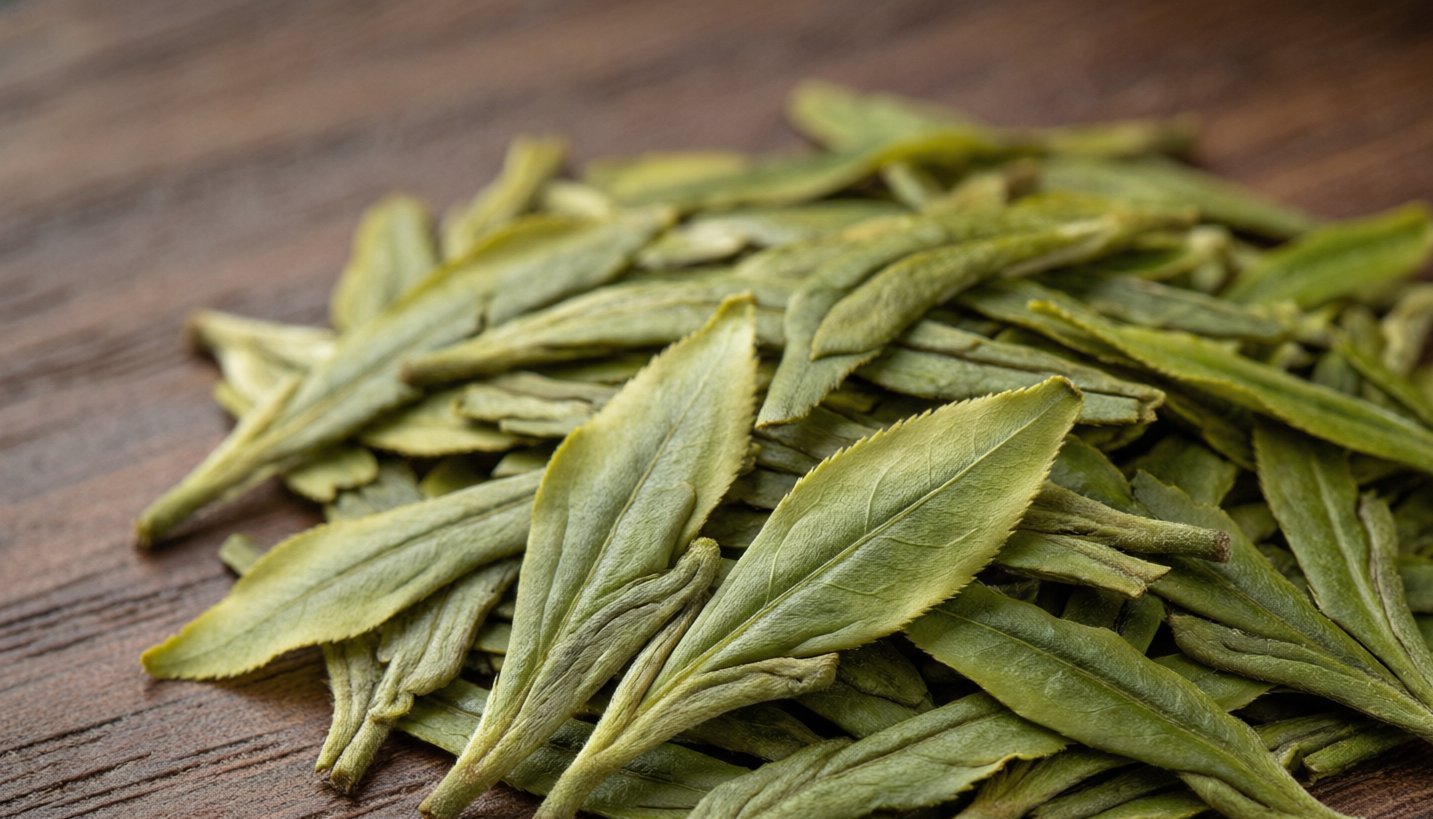
Roasting transforms green tea’s volatile compounds. Fresh green teas often carry grassy, vegetal, or floral notes. Roasting drives off some of those lighter aromatics and creates nutty, sweet, caramelized, and sometimes slightly smoky notes through Maillard reactions and other heat-driven changes [2].
A light roast can shift a tea from “vegetal” to “gentle cereal.” A heavier roast can produce cocoa, toasted grain, or even coffee-like depth. Because roasting softens some of the sharp catechins and bitter-tasting compounds, many people perceive roasted green tea as smoother and less astringent than its unroasted counterpart.
That does not mean all roasted green teas taste smoky. Smoke only appears when leaves are exposed to smoke or fired very aggressively. Many roasted green teas taste clean, sweet, and nutty with no campfire character at all.
Roasted Green Tea vs Hojicha: A Common Mix-Up
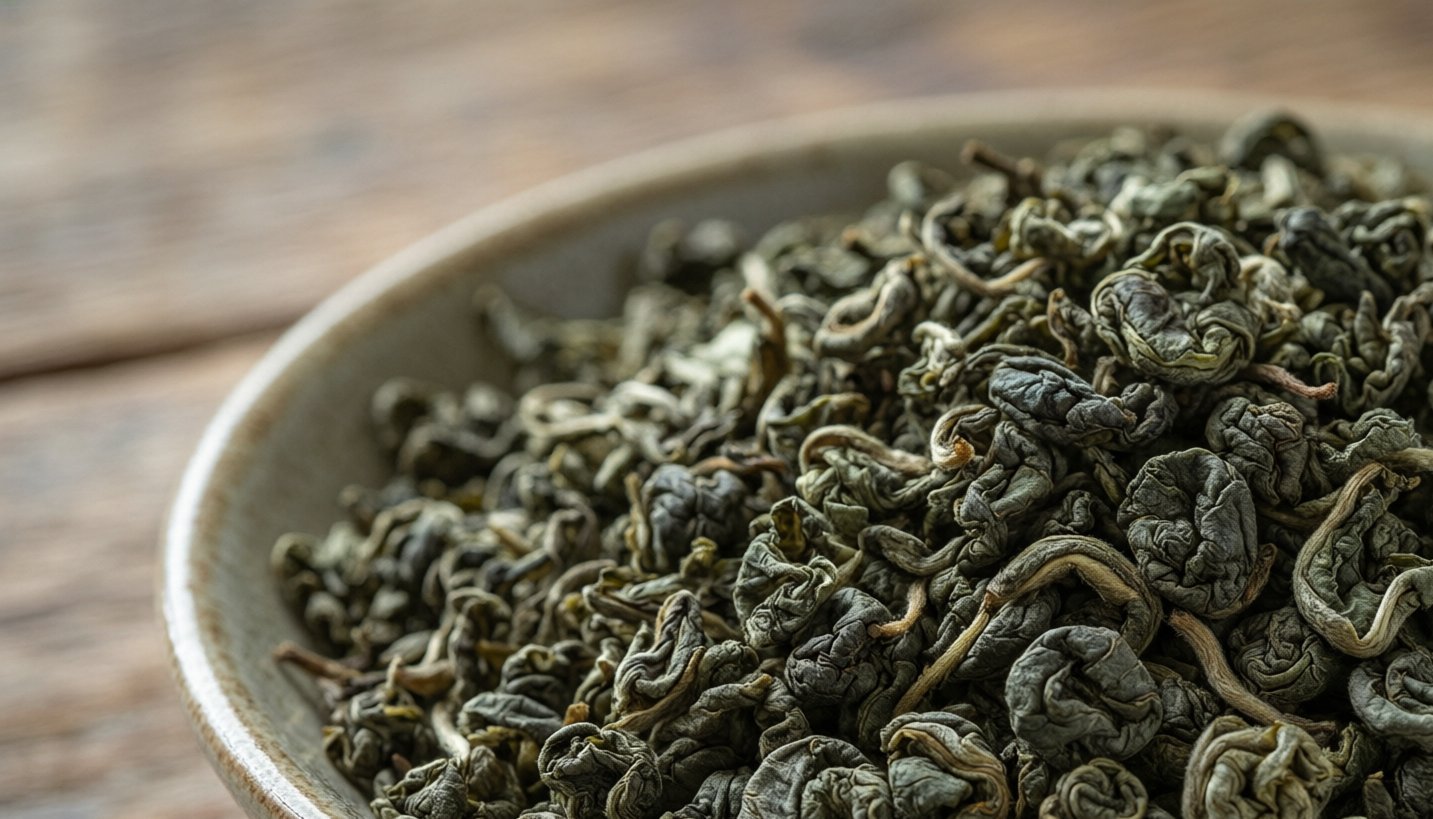
Hojicha is a well-known Japanese roasted green tea. It is usually made from steamed green tea leaves, stems, or twigs that are roasted after processing, which gives it a distinctive brown color, low bitterness, and warm aroma.
Chinese roasted green tea is broader and different in style. Many famous Chinese green teas use pan-firing or roasting as part of the kill-green step itself, not only as a final flavoring step. The base leaf, cultivar, harvest time, and firing method create a wider range of flavor profiles than hojicha alone. Calling every roasted green tea “hojicha” is incorrect.
For buyers, the distinction matters. A Japanese hojicha and a heavily roasted Chinese green tea may look similar in the bag but brew very differently. Ask the supplier how the tea was fixed, what roast degree was used, and whether the roast happened during fixation, finishing, or both.
The Health Claims: Evidence vs Hype
Green tea has been studied extensively for its catechins, caffeine, and L-theanine. A widely cited review found that green tea polyphenols show antioxidant and potentially beneficial effects in laboratory and observational studies, but the evidence for strong disease-prevention claims remains inconsistent [3].
Roasting changes the chemical profile. High heat can reduce certain catechin levels, particularly epigallocatechin gallate (EGCG), while leaving caffeine largely intact [2][4]. Some roasted green teas may therefore deliver a gentler, less bitter cup than unroasted green tea but with similar caffeine unless stems are added or the leaves are heavily roasted.
Avoid absolute marketing claims. Green tea is not a proven cure for cancer, obesity, or heart disease. The U.S. National Center for Complementary and Integrative Health states that green tea may be safe in moderate amounts but is not a substitute for medical treatment [5]. The honest position: roasted green tea is a pleasant beverage with a useful polyphenol content, not a functional medicine.
Buying and Brewing Roasted Green Tea
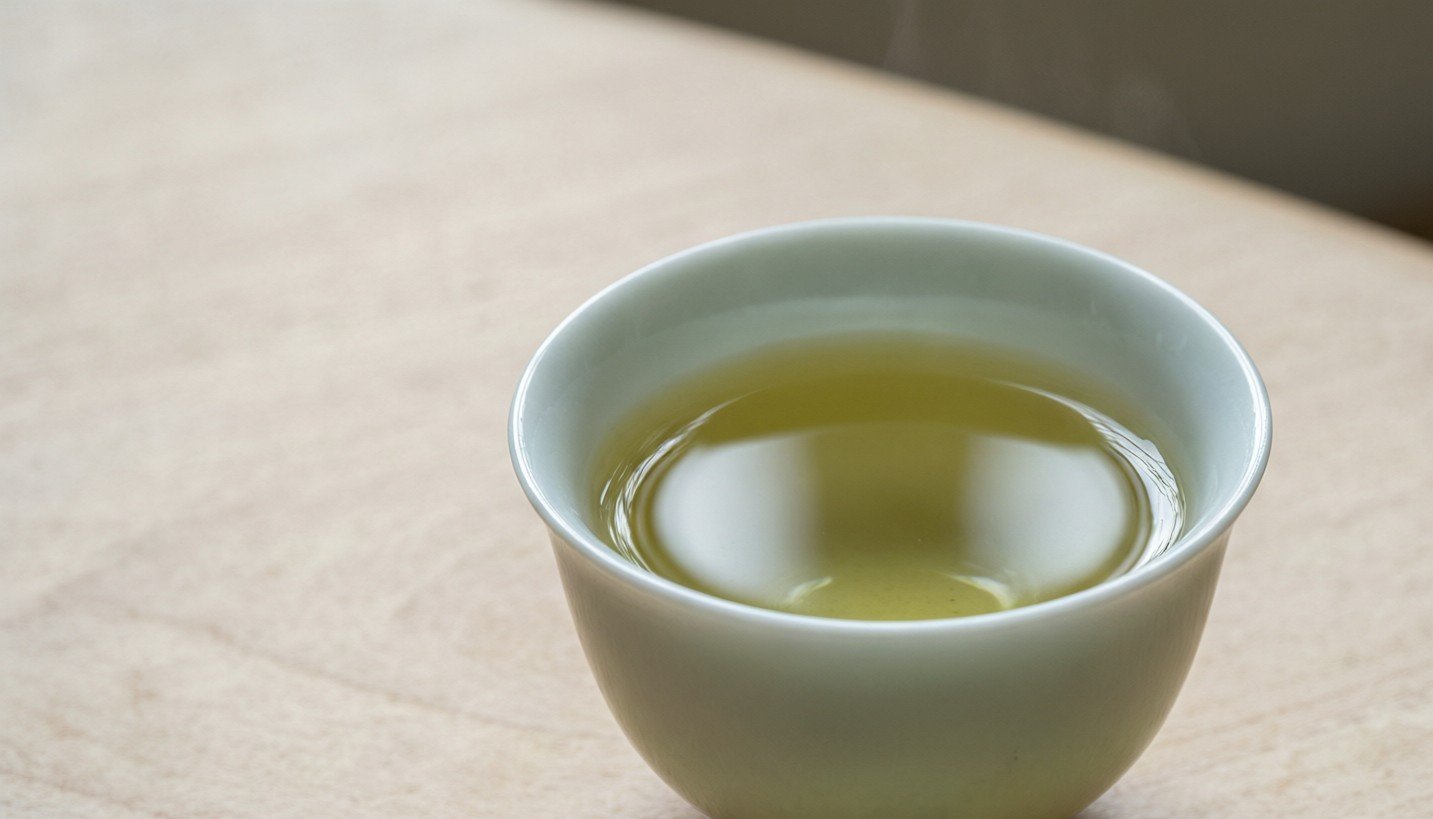
High-quality roasted green tea should smell warm, clean, and sweet—never burnt or ashy. The dry leaf may range from green-brown to deep brown depending on roast level. Brew with slightly cooler water than you might use for black tea: about 80–85°C (176–185°F) works well, with a short first steep of one to two minutes. Overheating or oversteeping pushes roasted green tea toward bitterness.
When sourcing for retail or wholesale, ask for the roast date and degree, harvest season, pesticide test reports, and a fresh lot sample. Roasted green tea can mellow after roasting, so a tea that smells good dry but tastes flat when brewed may be old or poorly stored.
If you are sourcing roasted green tea for your business, compare at least three roast levels from the same origin before committing. Contact Chinese tea suppliers at 427728483@qq.com to request current lot samples and specification sheets.
Ready to Source Roasted Green Tea?
For importers and retailers, roasted green tea offers a useful point of difference against standard grassy green teas. It is forgiving to brew, pairs well with milk or sweet flavors, and often appeals to coffee drinkers looking for a lower-acid warm cup.
Before you order, prepare an inquiry list so suppliers respond with comparable offers:
- Origin and cultivar
- Harvest date and roast date
- Roast method and roast degree
- Pesticide and heavy metal test reports
- Minimum order quantity and packing format
- Sample availability and shelf life after roasting
Contact Chinese tea suppliers at 427728483@qq.com to begin sampling.
Frequently Asked Questions
Is roasted green tea a different type from green tea?
No. Roasted green tea is still green tea. Roasting is a heating step during fixation or finishing, not a separate tea category. The leaves remain unoxidized by definition [1].
Does roasting remove the caffeine?
Usually not significantly. Roasting mainly changes volatile aroma and flavor compounds. Caffeine is heat-stable at normal roasting temperatures, so roasted green tea generally retains caffeine unless it contains a high proportion of stems or is blended with other ingredients [4].
Is roasted green tea healthier than regular green tea?
There is no strong evidence that roasted green tea is healthier than unroasted green tea. Roasting may reduce some catechins but the overall health profile remains similar for a brewed cup [2][3]. Choose it for flavor and tolerance, not for a medical benefit.
Can I brew roasted green tea like any green tea?
Yes, with minor adjustments. Use water around 80–85°C and a shorter first steep. Roasted green tea can become bitter if the water is boiling or the leaves sit too long. A second steep usually works well.
How do I tell if roasted green tea is high quality?
Smell the dry leaf first: it should be warm, sweet, and clean, with no burnt or stale odor. The brewed liquor should be clear and aromatic. High-quality lots come from a known harvest, have a recent roast date, and include lab test results.
Does roasted green tea expire?
Tea does not spoil like fresh food, but aroma fades. Roasted green tea is best consumed within 6–12 months of roasting if stored in an airtight container away from light, heat, and moisture. Some teas hold longer, but freshness is the safest buying rule.
References
[1] International Organization for Standardization, ISO 11287:2011, Green tea — Definition and basic requirements, 2011.
[2] K. Willson and M. Clifford, Eds., Tea: Cultivation to Consumption. London, U.K.: Chapman & Hall, 1992.
[3] C. Cabrera, R. Artacho, and R. Giménez, “Beneficial effects of green tea—a review,” Journal of the American College of Nutrition, vol. 25, no. 2, pp. 79–99, 2006.
[4] U.S. Department of Agriculture, Agricultural Research Service, FoodData Central: Green tea, brewed, accessed 2026. [Online]. Available: https://fdc.nal.usda.gov/
[5] National Center for Complementary and Integrative Health, Green Tea, NCCIH Fact Sheet, 2020. [Online]. Available: https://www.nccih.nih.gov/health/green-tea
No author description available.

白玉京