How to Design a Tea Menu for a Cafe: A Profit-First Guide
A cafe tea menu usually fails because it is treated as a coffee add-on: a few generic bags, one green tea, one Earl Grey, no clear pricing logic, no training. That is a margin leak. The fix is to treat tea like a food-service category: planned around brew method, cup cost, and customer flow.
Start With the Service Style Before Choosing Teas
Tea is not a single category with one brew button. A cafe should start with customer flow and equipment, not a supplier catalog. Keep the ISO 20715 tea-type vocabulary as your training backbone so staff stop confusing black, dark, and oolong processing [1].
The menu should change depending on how tea is served.
- Grab-and-go iced tea needs large-format cold brew, fast dispense, and a short list that will not slow the line.
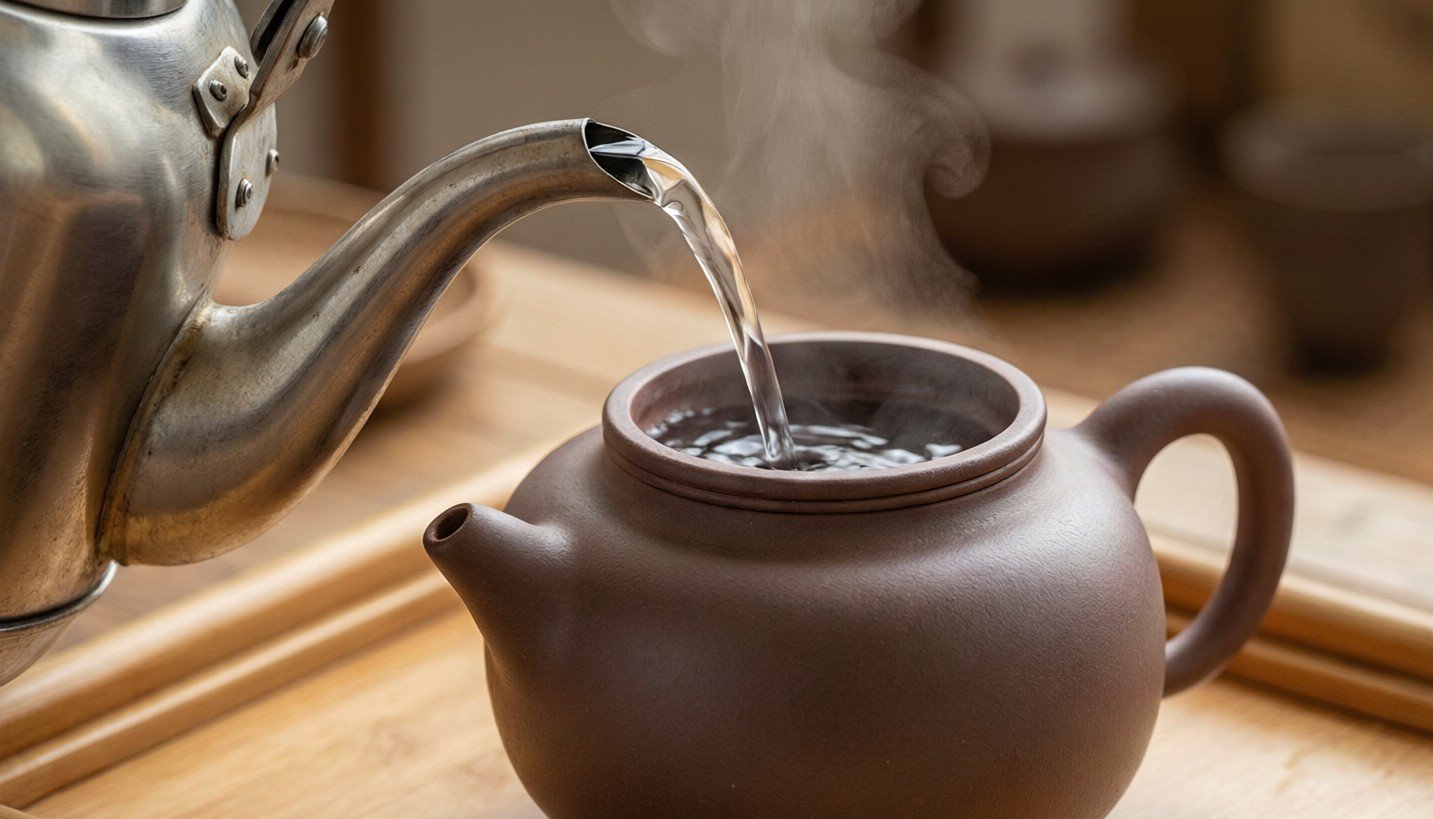
- Full-service loose-leaf tea needs hot water control, teapots or infusers, and a reason for the customer to sit.
- Milk tea and bubble tea need strong base teas, consistent extraction, and color stability.
- A specialty tea bar can support gongfu service, rare teas, and higher tickets, but only if staff can execute it under pressure.
Decide which of these modes your cafe can actually operate before adding teas. It is better to run four teas well than twelve teas inconsistently.
Choose a Compact Core Menu, Then Layer
A practical cafe tea menu has a spine of six categories, even if you do not launch with all of them. This structure keeps the menu teachable and reduces ordering confusion.
| Category | Bar role | Example styles | Menu angle |
|---|---|---|---|
| Black tea | Espresso-like base, milk tea, iced tea | Keemun, Dianhong, Ceylon-style | Familiar, strong, reliable |
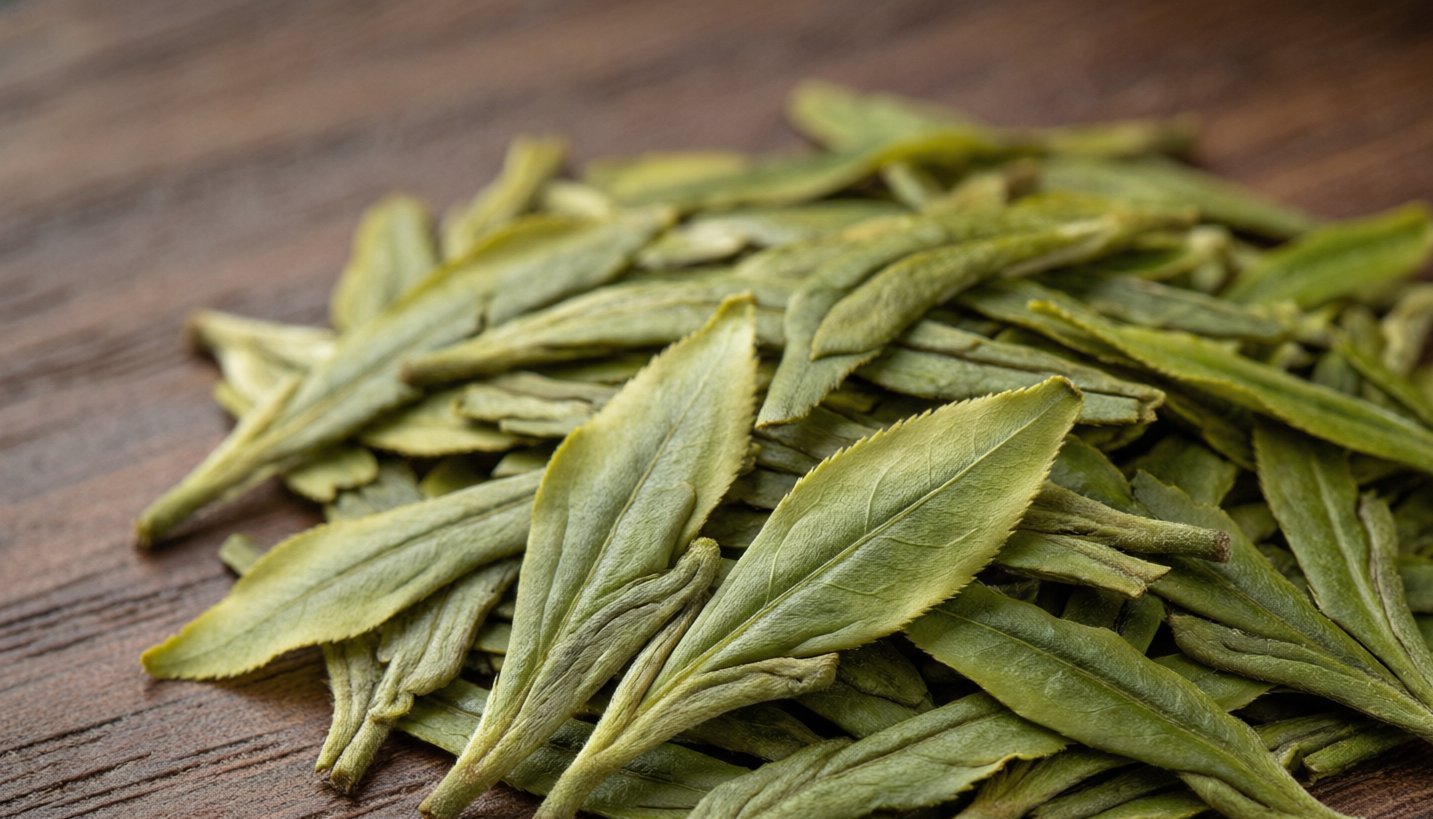
| Green tea | Hot, iced, wellness | Longjing, Biluochun, Sencha-style | Fresh, light, low bitterness |
| Oolong | Hot, signature, re-steep | Tieguanyin, Wuyi rock, Dancong | Aromatic, premium, talkable |
| White tea | Light hot, premium iced | Silver Needle, White Peony | Delicate, low caffeine |
| Dark/fermented tea | Aged, digestive, unique | Ripe pu-erh, shou pu-erh | Story-driven, memorable |
| Herbal/floral | Caffeine-free, evening | Chrysanthemum, mint, rooibos | Inclusive, calming |
Do not list every origin from day one. Choose one or two styles per category, name them clearly, and rotate seasonally.
Price by Cup Cost, Not by Coffee's Rules
Tea pricing fails when the cafe copies coffee margin habits without knowing tea cost. Go back to the arithmetic for each drink.
- How many grams of dry leaf go into each serving?
- What is your cost per gram for that tea?
- What is the cup, lid, milk, sweetener, and labor cost?
- Does the tea allow a second or third re-steep, and is that built into the price?
Set the menu price from the target contribution margin for each tier. Entry iced tea can be priced aggressively because it moves volume. A single-origin gongfu service can carry a higher ticket because the guest is buying time and skill, not just a beverage.
If the menu later makes a nutrition claim—"zero sugar," "caffeine-free"—the wording becomes a labeling and inspection issue, so have a manager review the claim against FDA food labeling guidance before printing [2].
Sourcing the right leaf matters here. If you are building a cafe tea menu and need Chinese loose-leaf tea matched to your target cup cost, write to 427728483@qq.com with your menu draft, service volume, and package size. A consistent supply lot makes pricing more predictable than rotating through random retail bags.
Write Names and Descriptions That Sell
Customers buy tea with their eyes and imagination first. A tea name should teach something about taste in three seconds.
The Tea Association of the U.S.A. tea fact sheets note that consumer familiarity with specialty tea language has grown, but taste descriptions still outperform processing jargon on menus [3]. "Honey Orchid Dancong" outperforms "Oolong No. 4." "Smoked Pine Keemun" sells better than "Black Tea B."
Use a two-line structure on the menu:
- Line one: tea name and origin.
- Line two: two or three tasting notes, such as "peach pit, orchid, roasted sugar."
Do not fill the menu with harvest dates, elevation, and cultivar codes unless the service style supports that depth. The goal is to help a customer choose quickly, not to prove how much the buyer knows.

Set Brewing and Training Standards
Tea quality at the bar depends on small, repeatable controls.
- Pre-weigh or pre-pack each serving so baristas do not guess.
- Use a dedicated tea timer, not the espresso timer.
- Calibrate hot water by category: green and white lower, black and dark higher.
- Use a printed brewing guide, such as the U.K. Tea & Infusions Association category chart, as the training default [4].
- Rinse teapots and infusers between strongly scented teas, especially smoked or heavily fermented styles.
Write the final brew parameters into a one-page bar card. Train staff on the three most profitable teas first. If a team can brew the high-margin oolong consistently, it will outsell a generic green tea that tastes bitter because the water was too hot.
Avoid These Menu Mistakes
Most weak tea menus share the same failure patterns.
- Too many teas and no clear bestseller to guide the uncertain customer.
- Hard-to-pronounce names with no flavor cue nearby.
- Flat pricing that ignores different leaf costs and re-steep value.
- No iced tea or signature drink, leaving tea to compete only as a hot beverage.
- Pre-brewed tea held too long until it becomes bitter or cloudy.
- Training only coffee drinks, so tea becomes the drink staff avoid recommending.
Treat tea as its own station, even if it shares a counter with coffee.
Build the Menu and Test It Before Launch
Before printing, test the menu with three questions: Can a new barista make every drink consistently? Can a customer choose in under ten seconds? Does each category contribute to profit instead of just taking up space?
If the answer to any question is no, cut or simplify. A smaller menu with clear training and honest costing will outperform a long list of teas nobody orders twice.
Ready to source cafe-grade Chinese tea for your menu? Send your menu draft, target cup cost, and required package formats to 427728483@qq.com. Include the number of daily tea beverages you expect, your launch date, and whether you need bulk, retail, or private-label packaging.
Frequently Asked Questions
How many teas should a small cafe menu include?
Start with six to ten teas across three or four categories. You can expand later, but only after the initial list has a clear bestseller and consistent brewing.
Should a cafe use loose-leaf tea or tea bags?
Loose-leaf usually supports a higher price and better re-steeping, but bags or pre-portioned sachets are easier during rush hours. Many cafes use sachets for speed and offer one loose-leaf tier for a premium experience.
What tea categories sell best in a cafe?
Black tea, green tea, and oolong tend to be the workhorses because they work hot, iced, and with milk. Herbal and floral teas cover caffeine-free customers. Dark or fermented tea can be a signature item if you are willing to train staff on it.
How do I keep tea fresh behind the bar?
Store tea away from heat, light, coffee odors, and moisture. Use sealed containers, date open packages, and order in sizes you can use before the tea dulls.
Can I use the same tea for hot and iced drinks?
Often yes, but the brew recipe changes. Iced tea usually needs more leaf or a longer cold steep because chilling mutes sweetness and aroma. Test each tea chilled before putting it on the menu.
How should I price tea compared with coffee?
Price from the tea's own cup cost, not by matching the coffee board. Use the same contribution margin framework, but let premium loose-leaf and re-steepable teas support higher prices, while basic iced tea can be the low-price volume item.
References
[1] International Organization for Standardization. ISO 20715:2023, Tea — Vocabulary. Geneva: ISO, 2023.
[2] U.S. Food and Drug Administration. Food Labeling Guide. Washington, D.C.: FDA, 2024.
[3] Tea Association of the U.S.A. Tea Fact Sheet. New York: TAUSA, 2025.
[4] U.K. Tea & Infusions Association. Tea Preparation and Brewing Guide. London: UKTIA, 2024.
No author description available.

白玉京