Pu-erh Tea CNNP: What the Zhongcha Label Actually Means
Most buyers meet CNNP pu-erh through a familiar green-and-red “Zhongcha” wrapper, an old tea cake in a Hong Kong warehouse, or a numbered recipe such as 7542 or 7581. The common assumption is that CNNP was one tea factory, or that every CNNP wrapper points to a single garden, and that the older the wrapper looks, the older and better the tea must be. The reality is more layered.
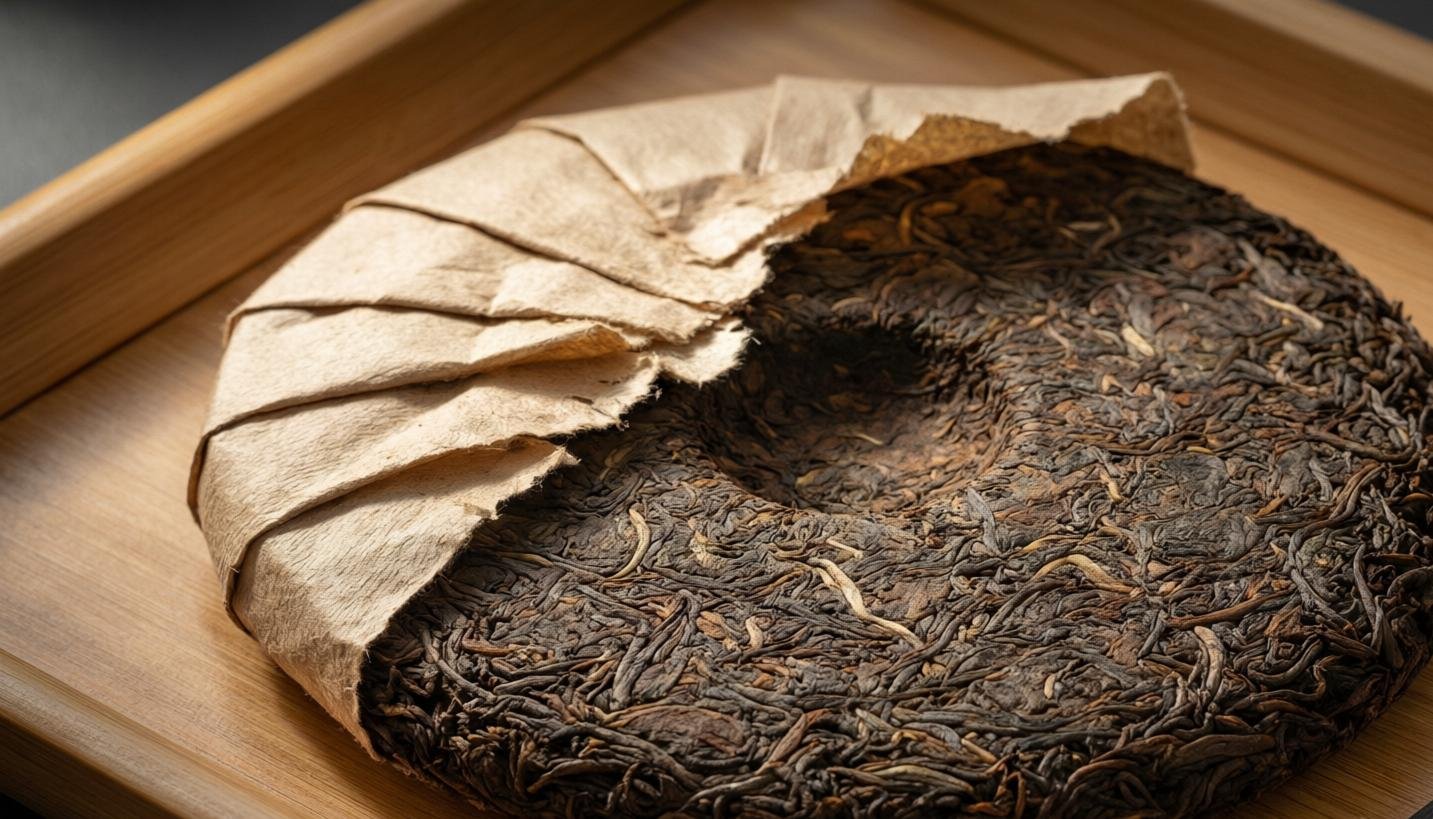
CNNP, or China National Native Produce and Animal By-Products Import and Export Corporation, functioned primarily as a state-owned export and procurement organization rather than a single tea factory. During the era of centralized tea commerce, it commissioned, blended, packed, and exported tea from many regional facilities, especially in Yunnan, but it did not itself grow or process every lot. Jinghong Zhang’s work on puer tea traces how this state trade structure shaped the teas that reached Hong Kong, Southeast Asia, and eventually Western collectors [1].
That structural detail matters. A CNNP mark is not a farm name, a factory seal, or a storage guarantee. It is a commercial and bureaucratic identity that sat above production. Some cakes were pressed at Menghai, some bricks at Kunming, and some tuos at Xiaguan, but many of them moved through CNNP channels and shared similar wrappers. Buyers who understand this stop treating “CNNP” as a place and start treating it as a distribution legacy.
What “CNNP” Actually Means in Pu-erh Tea
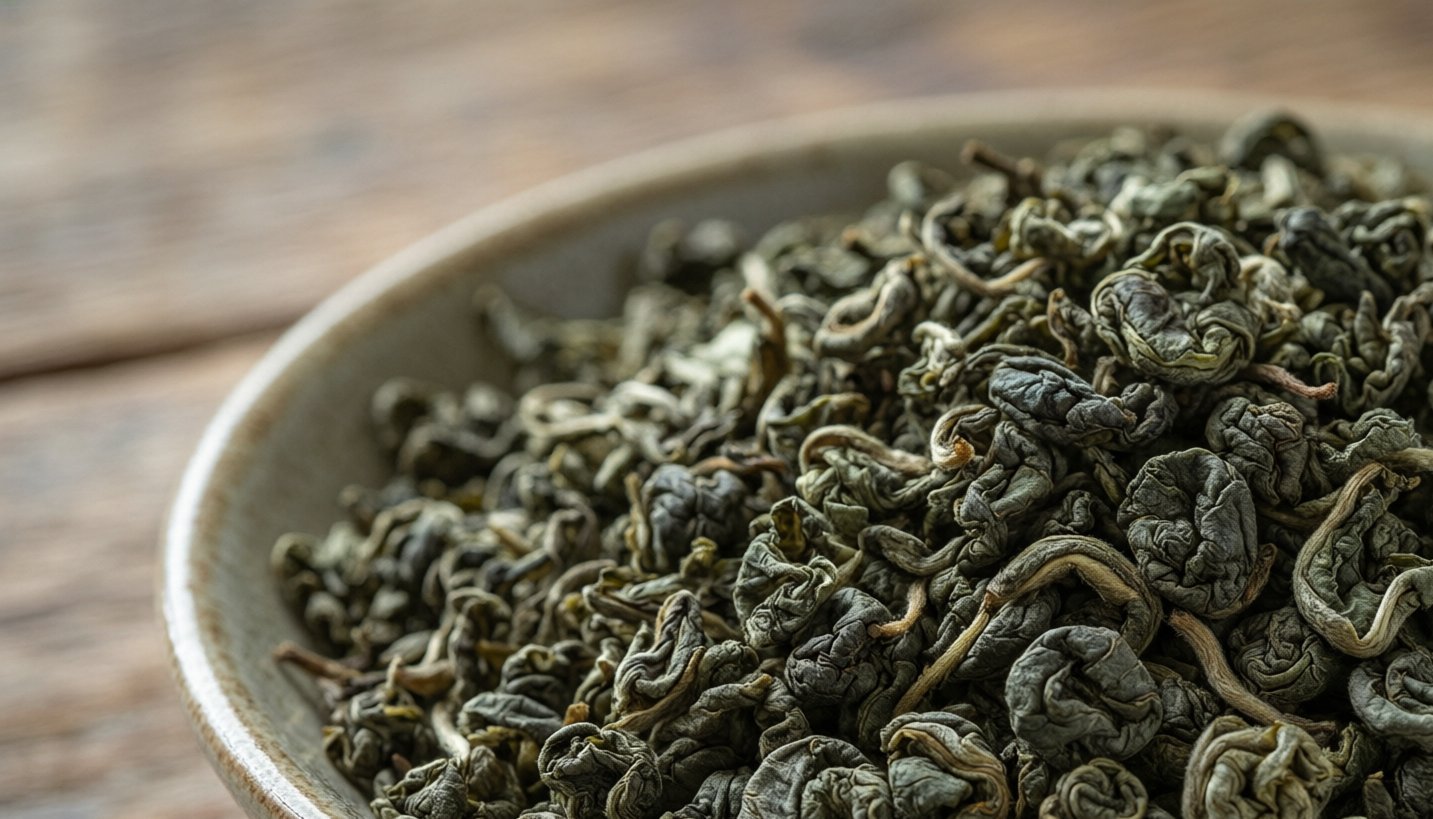
Pu-erh tea is a post-fermented tea made in Yunnan Province from the large-leaf variety of Camellia sinensis var. assamica. Under China’s geographical indication standard, the product must originate from designated areas in Yunnan and follow defined processing methods [2]. That regulatory framework helps explain why CNNP pu-erh is still discussed as a category even though CNNP was an export corporation rather than a producing region.
In broad terms, CNNP operated as a buyer and exporter. It set grades, purchased maocha, or unfinished leaf, from counties and factories, blended batches for consistency, and sold them under state-owned brands such as Zhongcha. The Chinese phrase “Zhongcha” translates as “China Tea,” and many collectors use “CNNP” and “Zhongcha” almost interchangeably, though the two are not perfectly synonymous. CNNP was the corporate body; Zhongcha was the commercial mark applied to tea sold through that system.
This is why two CNNP-labeled cakes from the same decade can differ sharply in leaf origin, pressing style, and aging path. One may be a raw Menghai recipe stored dry in Kunming, while another may be a wet-stored Hong Kong cake with a very different aroma. The wrapper alone cannot carry that information.
The CNNP Label vs. Factory-Made Pu-erh
The numbered recipes on CNNP wrappers are often misread as vintage dates or garden identifiers. They are production formulas. The first two digits traditionally refer to the year a recipe was first formulated, the third digit often indicates the average leaf grade, and the fourth identifies the factory or specific production line under the CNNP system. A 7542, for example, is linked to a raw recipe associated with Menghai Tea Factory, while a 7581 is more closely associated with ripe tea bricks from the Kunming area.
Those recipe numbers were repeated across years. A 7542 from the 1980s is a very different tea from a 7542 produced twenty years later, even if the wrapper design resembles it. The number identifies a style and processing lineage, not a harvest date.
For wholesale buyers, this distinction has practical consequences. “CNNP 7542” describes a recipe family, not a specific tea. A supplier should be expected to specify the production period, factory, storage location, and whether the tea is raw or ripe. If those details are missing, the CNNP mark is doing most of the selling.
How CNNP Pu-erh Differed in the Export Era
Understanding CNNP also requires understanding why its teas were made the way they were. Before China’s tea market opened, CNNP served export markets that wanted standardized, repeatable products. That meant less farm-to-cup storytelling and more focus on blend stability, compression format, and shipping durability.
The overseas puer trade, particularly through Hong Kong, shaped how those teas aged. Cakes and bricks bought through CNNP often spent time in humid commercial storage before being resold. That storage produced the heavy, earthy, often sweet profile many collectors now call “traditional Hong Kong storage.” Later mainland dry storage produced cleaner, brighter, and more slowly aging examples. Neither is automatically better; they are different aging styles.
Encyclopaedia Britannica describes puer tea as a fermented or post-fermented tea that can change with microbial action during long storage [3]. That process is not controlled by the CNNP mark. It is controlled by leaf material, compression density, storage temperature, humidity, and airflow. A CNNP wrapper records who helped bring the tea to market, not what happened to it after it left the warehouse.
Modern CNNP-Labeled Pu-erh: What Buyers Get Today
Today, the term CNNP has become a brand and a category more than a single state export agency. Teapots, wrappers, recipes, and even cake designs once used by CNNP remain common in the market. Some modern teas legitimately continue the numbered recipes under brands that acquired the rights to the marks. Others use nostalgic packaging with little connection to the historical tea inside.
Because brand names and recipes can be licensed, modern CNNP-labeled tea ranges from inexpensive, simple-format bricks to carefully selected, controlled-storage productions. The label does not by itself signal premium quality. A buyer should judge leaf grade, compression, clarity of the liquor, wet-leaf integrity, and storage record before assigning value.
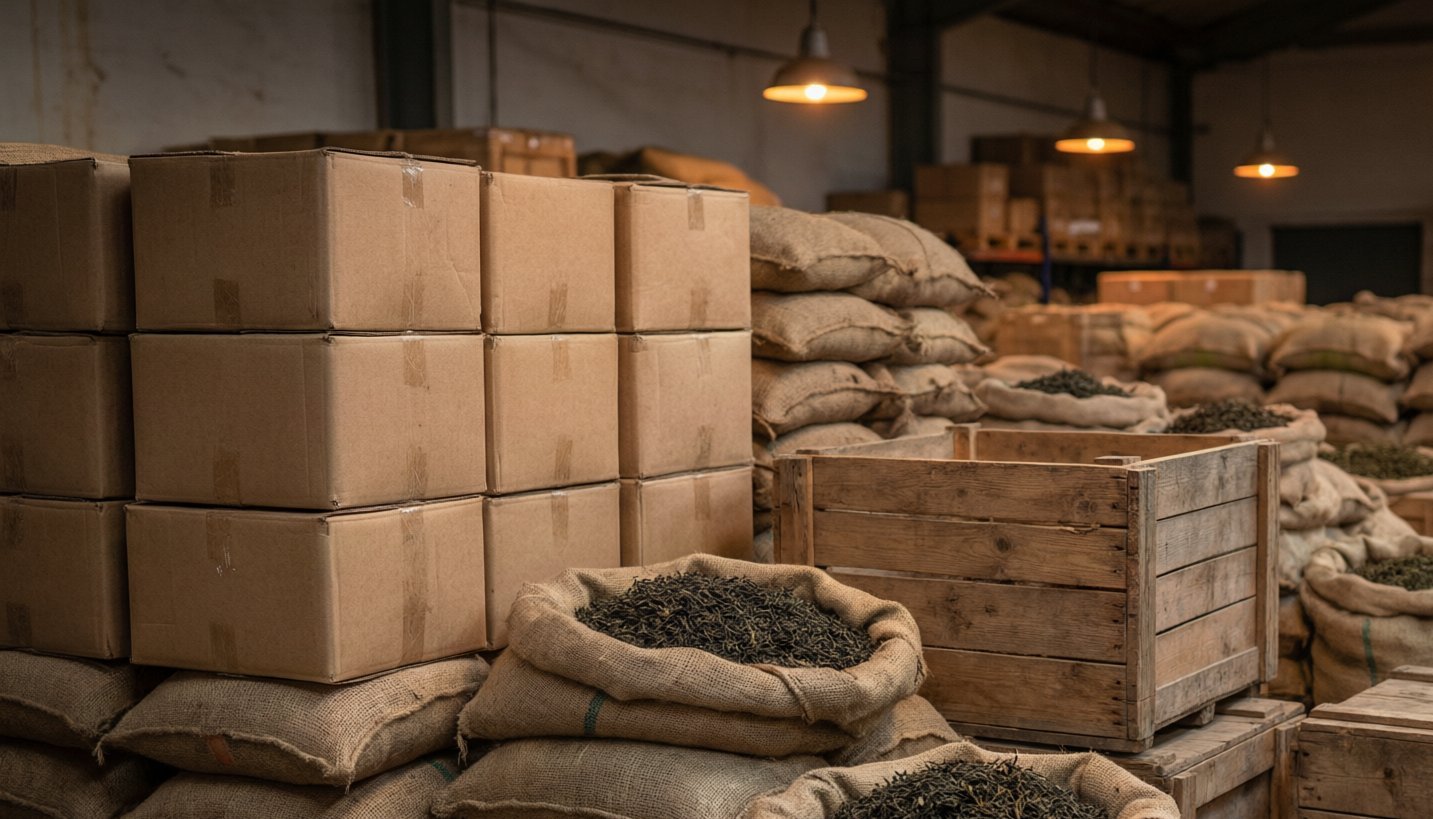
For importers, the most useful question is rarely “Is this real CNNP?” but “Can the supplier document the recipe, factory, harvest period, and storage route?” A strong supplier answer will include batch-level detail, photos of the interior ticket, the neifei, and often the original carton marks. A weak answer stops at the wrapper.
Wholesale sourcing note: If you are comparing CNNP-labeled puer lots for import, send the wrapper photos, neifei images, and target recipe numbers to 427728483@qq.com. Our team at Chinese tea suppliers can trace the lot characteristics and quote by grade, storage history, and order volume.
Common Misconceptions About CNNP Pu-erh
Several assumptions push buyers toward expensive mistakes. The first is that CNNP equals factory. It does not; it was an export and procurement umbrella that worked above multiple factories. The second is that the older a wrapper looks, the older the tea is. Wrappers can be aged artificially, swapped, or reused, and loose wrappers are widely available.
The third misconception is that all CNNP pu-erh is raw. In reality, both raw and ripe productions moved through CNNP channels, especially after ripe technology developed in the 1970s. A buyer should never assume the processing type from the brand name alone.
Another myth is that the Zhongcha mark guarantees Yunnan origin. While puer tea is defined as a Yunnan product under the geographical indication standard [2], the mark itself does not make the tea puer. Leaf origin and processing remain the tests. The standard defines the category; the wrapper does not.
Finally, many buyers believe that CNNP tea always improves with age. Some productions were designed for long storage, but poor raw material, excessive moisture, or bad warehouse conditions can damage any tea. Age alone is not quality.
What Matters More Than the CNNP Mark
When evaluating a CNNP-labeled puer cake, focus on verifiable characteristics. First, check the wrapper against documented versions for the recipe and period. Small differences in paper texture, font, and register can be meaningful, though no single detail is decisive.
Second, examine the compressed tea itself. The neifei, or embedded ticket, should match the recipe and factory story. Leaf grade should be consistent with the recipe claim. The cake’s compression density should feel appropriate for the claimed period and format.
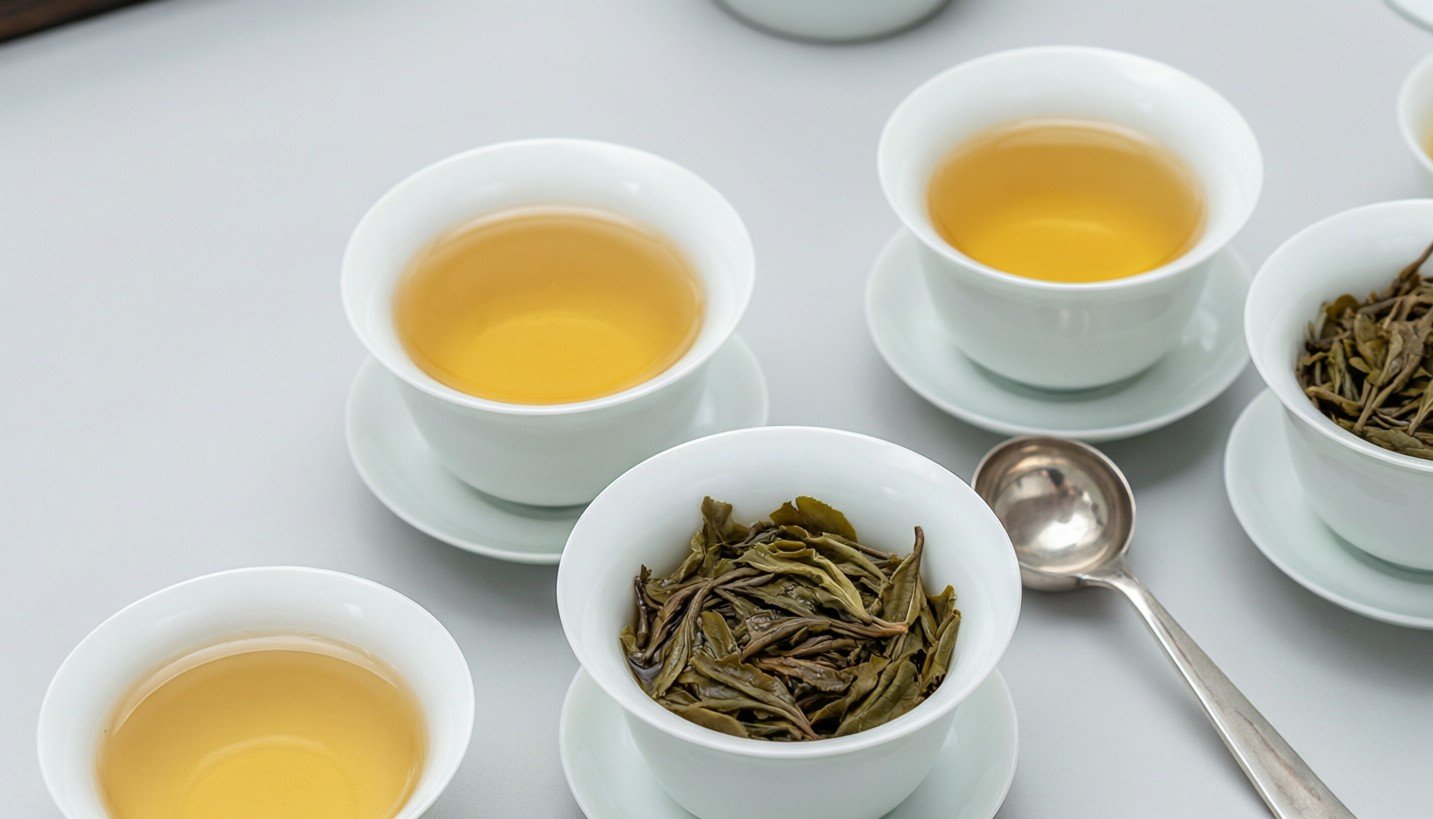
Third, cup the tea. Use the standard professional approach: dry-leaf aroma, wet-leaf character, liquor color, taste, texture, and aftertaste. A supposed aged cake that tastes thin, sour, or flat is not saved by an impressive wrapper.
Fourth, request the storage record. Where was the tea stored, for how long, and under what conditions? A honest storage history is more valuable than vague age claims. Finally, for commercial purchases, require batch-level food safety testing, especially for imports, and verify that the tea meets the relevant standards for the destination market.
Get a Verified CNNP Pu-erh Quotation
If you are sourcing CNNP pu-erh for wholesale, avoid buying the story alone. Supply your target recipe code, quantity, storage preference, and destination market to 427728483@qq.com. Chinese tea suppliers can provide batch information, photos, and pricing based on real stock.
Frequently Asked Questions
Is CNNP a tea factory?
No. CNNP was historically a state-owned export and procurement corporation rather than a single tea factory. It sourced, blended, packed, and exported tea from multiple production facilities, and its teas often carried the Zhongcha mark.
Is CNNP the same as Zhongcha?
Not exactly. CNNP was the corporate body, while Zhongcha was the brand or mark applied to tea sold through that system. The two terms are commonly linked, but they are not identical in every period or product.
What does the number on a CNNP recipe mean?
Recipe numbers are production codes rather than dates. They usually identify the year a recipe was first formulated, the average leaf grade, and the associated factory or production line. A 7542 and a 7581 are different styles from different production lineages.
Does CNNP pu-erh improve with age?
It can, but age alone does not guarantee improvement. Leaf quality, processing, compression, and storage conditions all determine whether the tea develops well. Some teas fade or become flat with age, while others gain depth.
How can I tell a genuine aged CNNP pu-erh from a re-wrapped cake?
Compare the wrapper, neifei, leaf appearance, compression, and batch marks against documented examples for the claimed period. Cup the tea and ask for the storage record. A single old-looking wrapper is not by itself proof of age or authenticity.
Should wholesale buyers prioritize CNNP labels over factory names?
Usually not. The factory, recipe, period, and storage history are more directly tied to quality than the label alone. CNNP helps identify a distribution legacy, but it does not replace batch-level verification.
References
[1] J. Zhang, Puer Tea: Ancient Caravans and Urban Chic. Seattle, WA, USA: University of Washington Press, 2014.
[2] GB/T 22111-2008, Product of Geographical Indication—Pu’er Tea, Standardization Administration of China, 2008.
[3] “Pu’er tea,” Encyclopaedia Britannica, accessed 2026. [Online]. Available: https://www.britannica.com/topic/puer-tea
No author description available.

白玉京