What Is Bama Tea? A Buyer’s Guide to the Guangxi Black Tea
Bama tea is not a single branded product, and it is not the same as Bama mineral water. In sourcing conversations, “Bama tea” usually means black tea produced in Bama Yao Autonomous County, part of Hechi in northwestern Guangxi, China. Some lots are sold as “Bama black tea,” while smaller volumes of green or white tea also appear locally. For importers, the practical question is origin: tea grown and processed around Bama, or tea merely repacked under a Bama story? This guide covers what the tea is, how it is produced, what it should taste like, and how to buy it without overpaying for the longevity label.
What Is Bama Tea?
Bama tea is a regional tea category rather than a single cultivar or registered brand. In wholesale practice, most lots classified as Bama tea are black tea, or hong cha in Chinese. They are typically produced in the gongfu black tea style: withered, rolled, fully oxidized, and dried. A smaller spring harvest may be processed as green tea, but black tea dominates export-oriented volumes.
What makes the tea commercially interesting is not one famous bush variety. It is the convergence of karst mountain terrain, subtropical humidity, and a marketable origin story. That means buyers should treat “Bama tea” as an origin claim first and a flavor category second. If a supplier cannot tell you the cultivar, harvest period, or processing date, the lot may simply be blended tea carrying a Bama name.
Where Bama Tea Is Grown and Why It Matters
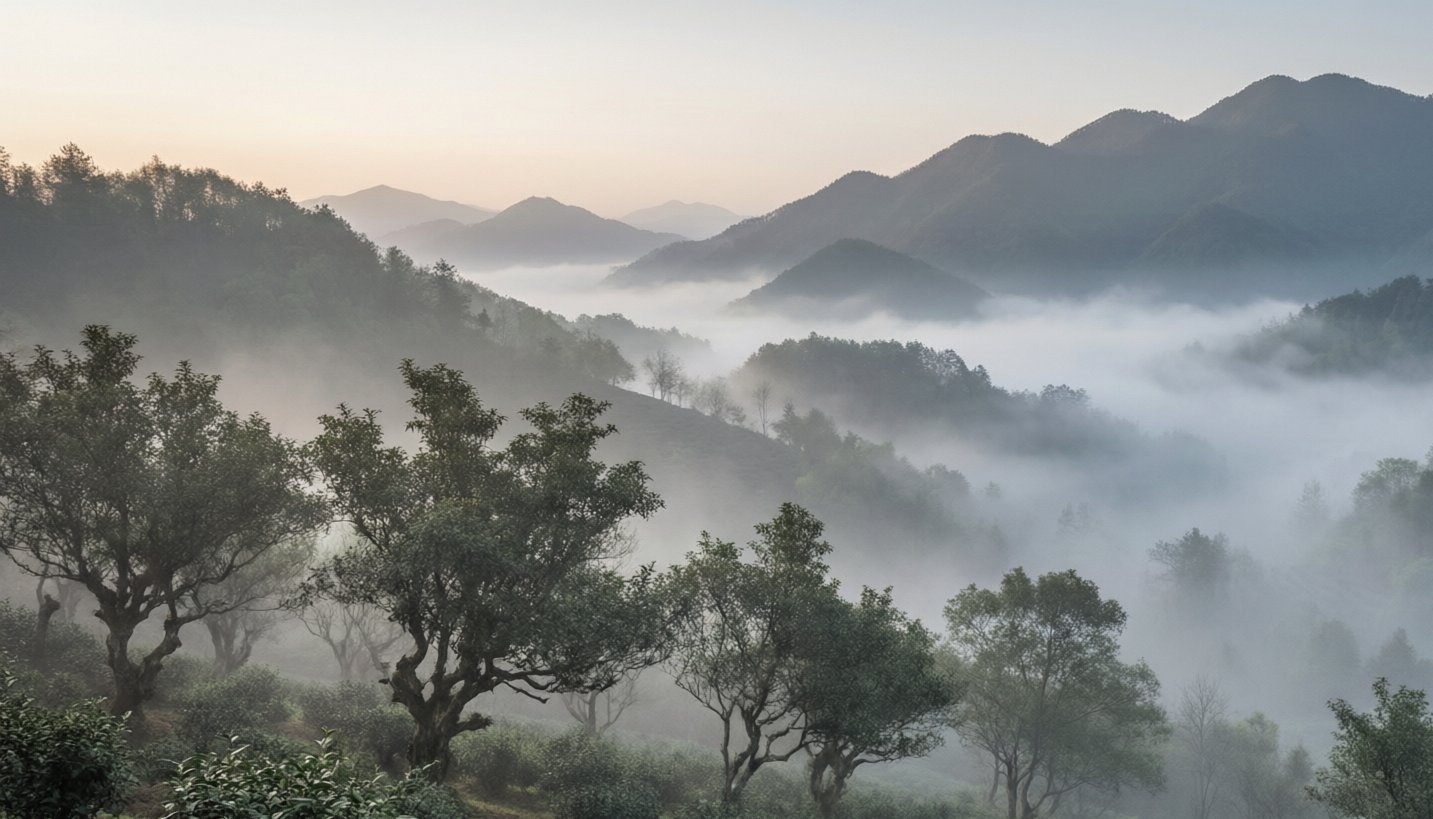
Bama Yao Autonomous County sits in northwestern Guangxi, near the border with Guizhou. The landscape is karst limestone, with steep hills, narrow valleys, persistent humidity, and frequent cloud cover. Tea gardens are scattered rather than planted in vast monoculture blocks, and many are cultivated at moderate elevation.
Those conditions matter for cup character. Cloud cover and temperature differences between day and night slow leaf growth slightly, which tends to preserve more amino acids and aromatic compounds than fast-growing lowland leaf. The red and mineral-rich soils also contribute to a softer, less aggressively astringent profile than some hotter, drier black tea regions.
For buyers, origin matters for another reason: smallholder cultivation can create batch variation. Two lots labeled “Bama black tea” from different villages may cup differently even when the same processing method is used.
How Bama Tea Is Made
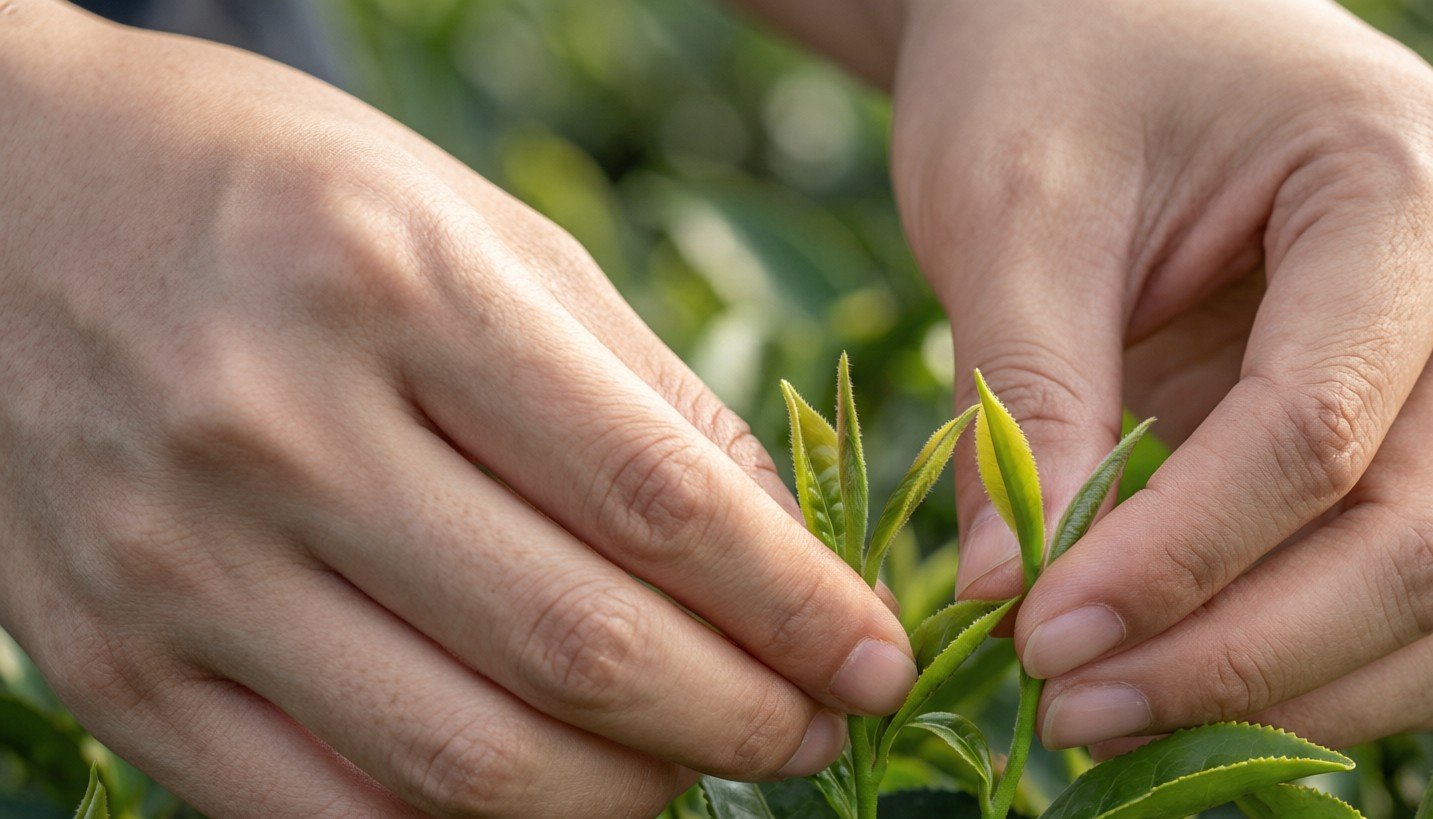
Most Bama black tea follows a familiar path: picking, withering, rolling, oxidation, and drying. The pick standard is usually one bud and two leaves, though late-season lots may be coarser. Withering is often done indoors or on bamboo trays, after which rolling breaks the leaf cells and initiates oxidation. The tea is then fired or baked to lock in the aroma and reduce moisture for storage.
In quality terms, the key variables are oxidation control and drying temperature. Under-oxidized tea can taste thin and grassy; over-oxidized tea can turn flat and dull. Bama black tea that enters mainstream Chinese wholesale channels should at least meet the general requirements for Gongfu black tea under GB/T 13738.2-2017 [1]. That standard does not guarantee flavor, but it gives a baseline for leaf classification and basic quality limits.
For tea described as handmade or early spring, ask for harvest date and batch photos. Machine-assisted production is normal at volume, and it should not be presented as a defect.
What Bama Tea Tastes Like
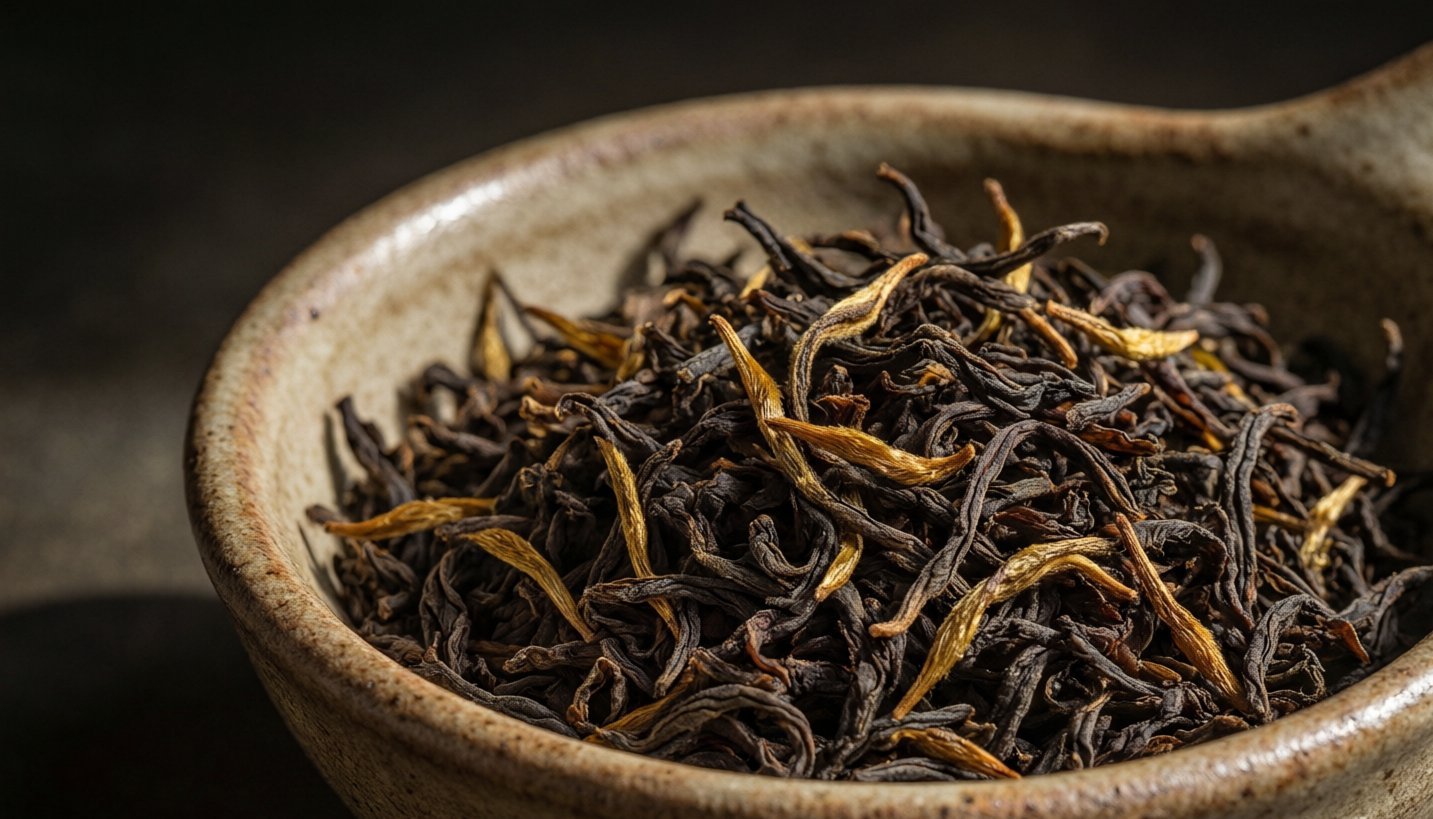
Bama black tea generally sits on the smooth, sweet side of the black tea spectrum. A clean lot often carries notes of honey, dried longan, cocoa, or baked sweet potato, with a soft mouthfeel and low-to-medium astringency. The liquor tends toward amber-orange or reddish-orange rather than pale yellow or extremely dark brown. Aroma should be clean, not smoky, musty, or sour.
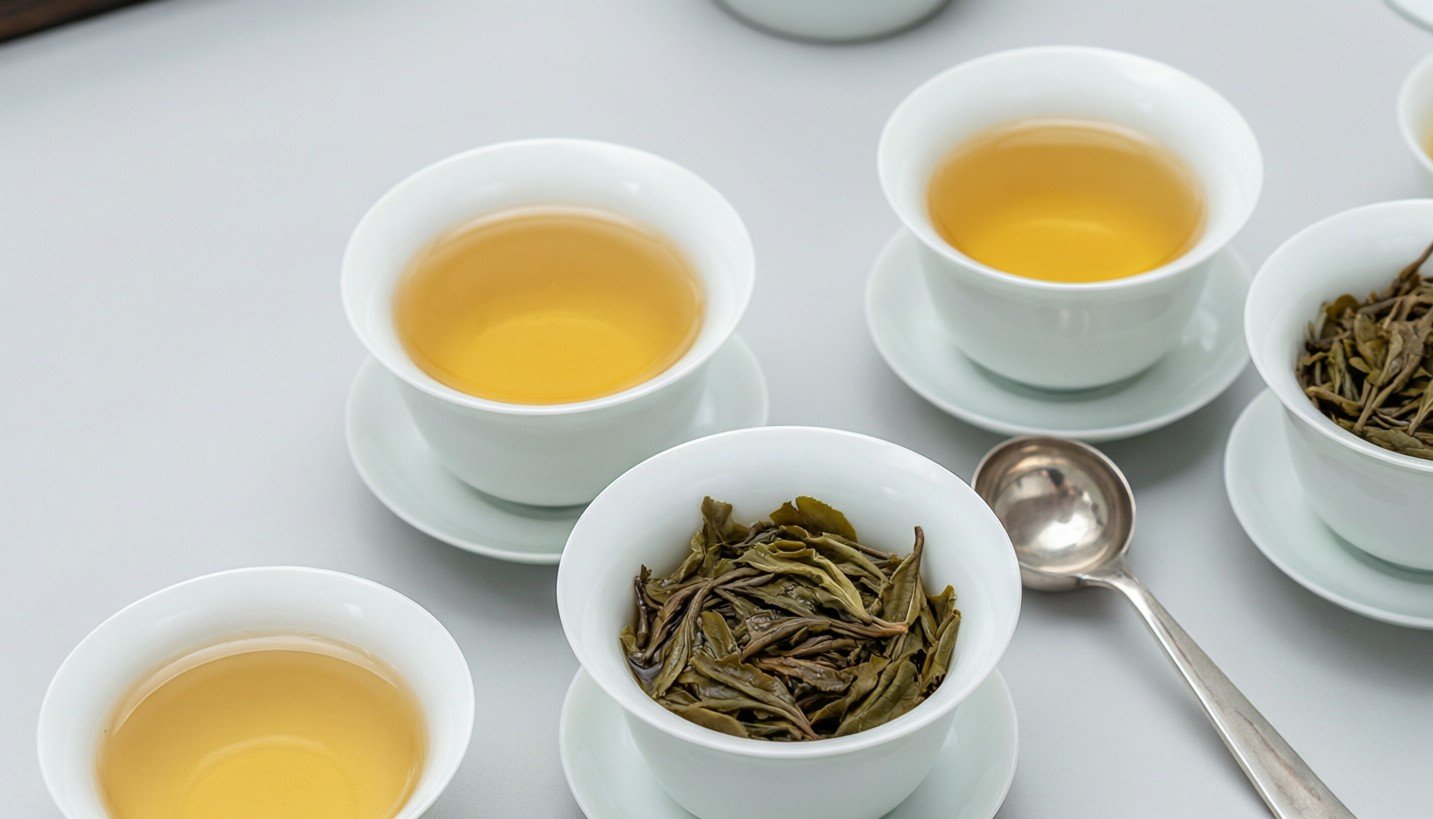
That said, sensory language can drift into marketing. Trained cupping vocabulary under GB/T 14487-2017 helps buyers use consistent terms for appearance, aroma, liquor color, and infused leaf [2]. If you are comparing multiple Bama lots, cup them blind and score sweetness, briskness, body, and aftertaste separately rather than relying on seller descriptions.
A smoky edge is not automatically wrong, but it should be intentional and consistent. A sharp charred or acidic note usually points to drying problems or stale leaf.
Bama Tea vs Liu Bao and Other Guangxi Teas
Bama tea is sometimes confused with Liu Bao dark tea because both come from Guangxi. They are different categories.
| Tea | Category | Processing | Typical character | Wholesale positioning |
|---|---|---|---|---|
| Bama black tea | Black tea | Full oxidation | Honey, dried fruit, soft body | Everyday-to-premium regional black |
| Liu Bao tea | Dark tea | Post-fermentation, often basket-aged | Earthy, woody, camphor, aged notes | Aged dark tea, strong regional identity |
| Generic Guangxi green tea | Green tea | Fixed early, little oxidation | Fresh, nutty, sometimes chestnut | Seasonal value |
The practical takeaway is simple: do not buy Liu Bao thinking you are buying Bama black tea, and do not assume every Guangxi black tea with a nice story is automatically premium. Cup first, then compare origin claims.
Grades and Quality Markers
Bama black tea is usually graded by leaf tenderness, uniformity, and processing cleanliness rather than by a universal numbered system. High marks go to tight, even strips, visible golden tips, minimal broken leaf, and a glossy dry-leaf surface. Lower commercial grades may contain more broken pieces, stems, or dust, but they can still produce an acceptable clean liquor.
Three checks matter for wholesale:
- Dry leaf inspection for uniformity and foreign matter
- Cupping for aroma, sweetness, astringency, and persistence
- Lab reports for pesticide residues, aligned with GB 2763-2021 limits [3]
A lot with attractive golden tips but weak or stale aroma should be treated as lower value, not premium. In the wholesale market, appearance can sometimes outpace cup quality, and that mismatch is where buyers overpay.
How to Source Bama Tea Wholesale
Start with the origin, not the label. Request the producing village or township, the cultivar if known, the harvest season, and the processing date. Then request a small cupping set before committing to volume.
A reliable sourcing sequence looks like this:
- Ask for origin documentation and batch identification.
- Request samples from at least two villages or suppliers.
- Cup blind against a reference tea.
- Request pesticide residue and moisture reports.
- Confirm packaging format, MOQ, and shipping terms.
Also compare prices against nearby Guangxi black teas. If one supplier’s Bama tea is priced far above comparable lots without a clear grade or harvest explanation, ask what justifies the premium.
Start a Sourcing Conversation
If you are evaluating Bama black tea for your wholesale line, send us your target grade, monthly volume, and destination market. Our sourcing team can arrange cupping samples, batch quotations, and documentation review. Email 427728483@qq.com with your specifications.
Frequently Asked Questions About Bama Tea
Is Bama tea a black tea or herbal tea?
Most commercial Bama tea is black tea. It is not an herbal blend made from longevity herbs. Some sellers use the Bama name on health-oriented herbal mixes, so confirm the botanical material before buying.
Does Bama tea come from the same place as Bama mineral water?
Yes. Both come from Bama Yao Autonomous County in Guangxi. However, tea is an agricultural product. The wellness reputation of Bama mineral water does not automatically transfer to every tea lot carrying the county name.
Is Bama tea the same as Liu Bao tea?
No. Bama black tea is fully oxidized, while Liu Bao is a post-fermented dark tea. They differ in processing, aging behavior, flavor, and typical wholesale pricing.
How should I store Bama tea?
Store Bama black tea in sealed, food-grade packaging away from light, heat, moisture, and strong odors. For long-term wholesale storage, keep the warehouse cool and dry, and monitor humidity during shipping and storage. Black tea does not require the same aging environment as pu-erh or Liu Bao.
What should I check before buying Bama tea in bulk?
Check the origin documentation, harvest date, dry leaf appearance, liquor clarity, aroma, aftertaste, and pesticide residue report. If the supplier cannot provide a clean origin trail, sample the tea and compare it against other Guangxi black teas before committing to volume.
References
[1] GB/T 13738.2-2017, Black tea—Part 2: Gongfu black tea, China National Standard.
[2] GB/T 14487-2017, Tea vocabulary of sensory evaluation, China National Standard.
[3] GB 2763-2021, National Food Safety Standard—Maximum Residue Limits for Pesticides in Food, China National Standard.
No author description available.

白玉京