Pan-Fired Green Tea & Age: Does It Improve? What the Evidence Shows
Pan-fired green tea is built for freshness, not for cellaring. Unlike raw pu-erh or aged white tea, which are intentionally held for microbial or enzymatic transformation, pan-fired green tea is heated early in processing to stop oxidation. That fixation step locks in the bright, spring-like character—and it also means that most changes after packaging are slow quality losses rather than improvements.
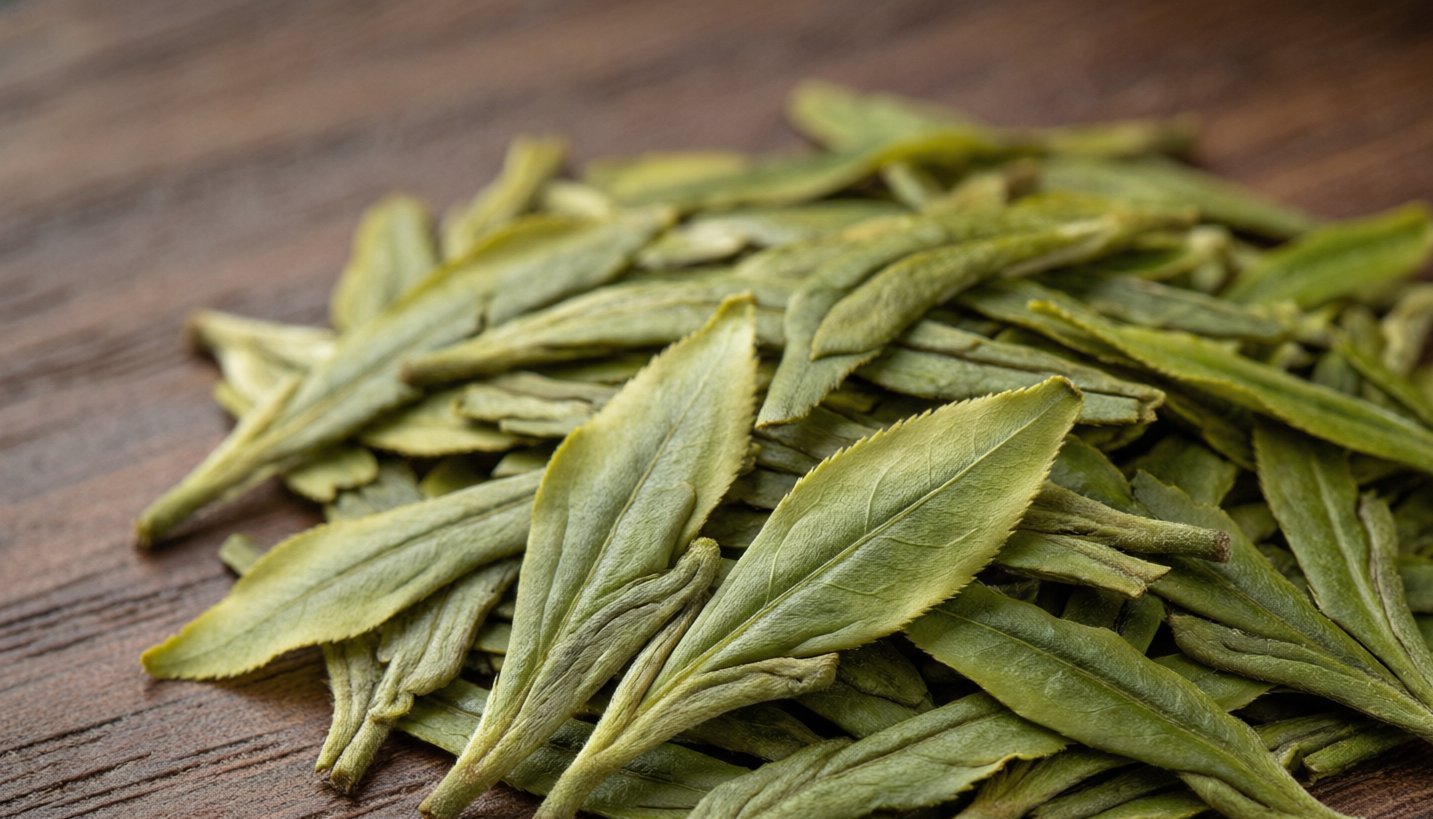
The honest answer to whether pan-fired green tea improves with age is no, with one narrow exception. A short resting period after firing can make the tea easier to drink, but the kind of multi-year aging that deepens a pu-erh cake does not do the same thing for pan-fired green tea. What changes over months is predictable: aroma fades, color dulls, and the tea tastes progressively flatter.
What "Aging" Means for Pan-Fired Green Tea
Green tea is an unoxidized category. In pan-fired styles such as Longjing, Biluochun, and many Chinese green teas, fresh leaves are heated in a wok or drum shortly after picking. That firing step, called fixation or "kill-green," inactivates the enzymes that would otherwise turn the leaf brown and change its chemistry into oolong or black tea [1].
Because those enzymes are largely deactivated, pan-fired green tea cannot undergo the deliberate, controlled transformation that defines aged tea. Once the leaf is fixed and dried, the main long-term reactions are physical and chemical degradation driven by oxygen, moisture, heat, and light—not the kind of fermentation that improves pu-erh or certain white teas over decades.
This distinction matters for buyers. A ten-year-old raw pu-erh may be more interesting than a young one. A two-year-old pan-fired green tea is usually less interesting than the same tea was at six months.
What Actually Happens as Pan-Fired Green Tea Ages
The sensory changes are sequential and fairly consistent across storage studies and producer guidance.
Aroma is the first to go. The fresh, vegetal, floral, and roasted notes that give pan-fired green tea its identity come largely from volatile compounds. These evaporate or oxidize during storage, especially if the package has been opened or is permeable to air [2]. What remains is often described as stale, papery, or flat.
Color shifts from bright green toward yellow-brown. The chlorophyll that gives dry leaf and liquor their vibrant green color degrades over time. Liquor clarity may remain acceptable, but the visual freshness signal weakens.
Catechins and vitamin C decline. Green tea catechins, including EGCG, are valued for their antioxidant and health-related properties, but they are not indefinitely stable. Vitamin C in particular is highly sensitive to storage conditions and is sometimes used as a freshness indicator [2]. As these compounds degrade, the tea does not become more beneficial with age—it loses some of the very compounds that made it desirable.
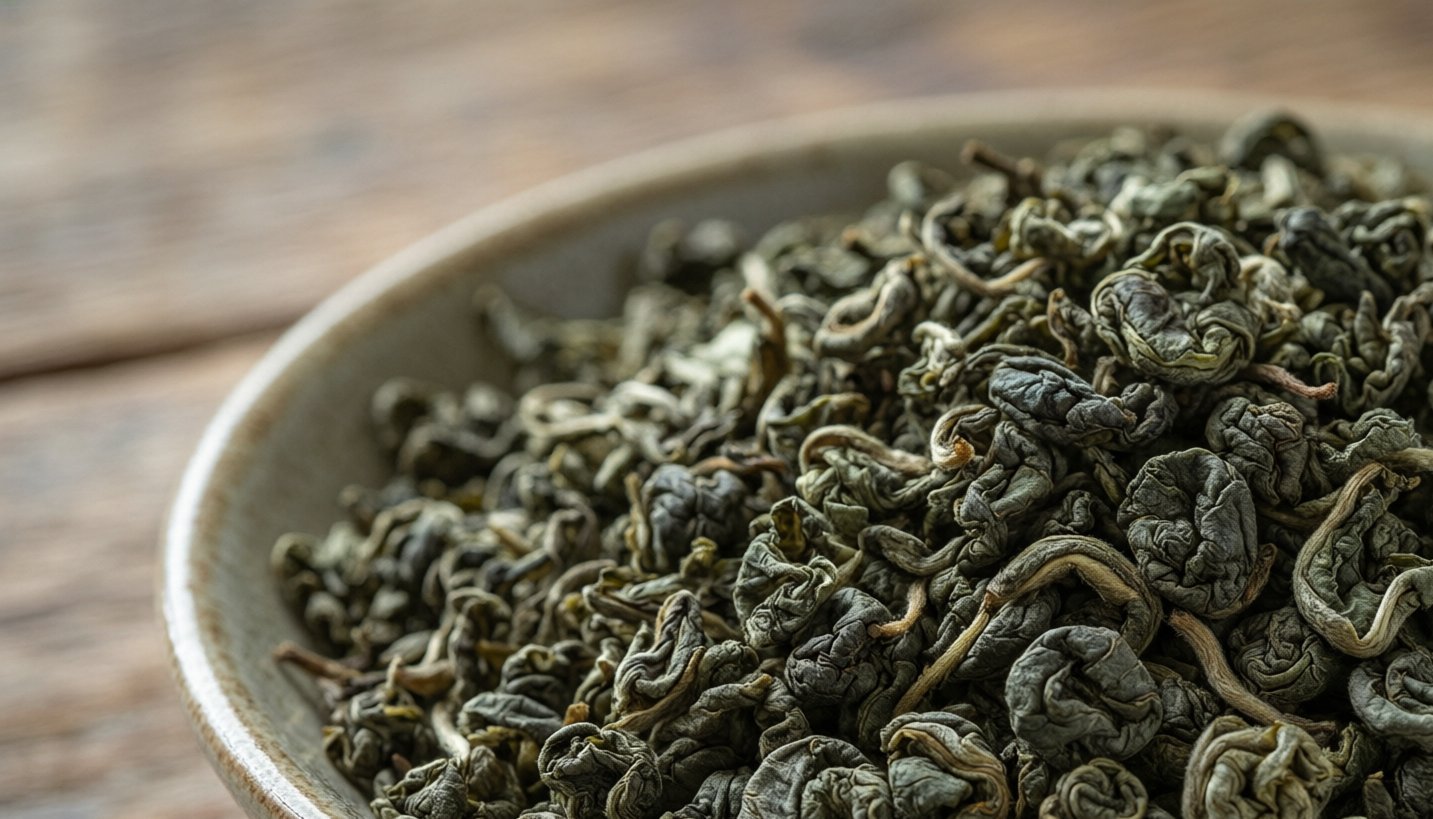
Taste loses definition. Aged green tea rarely becomes complex in a positive way. Instead, the top notes fade, body thins, and the finish can turn dull or slightly sour if moisture entered the package. A tea that was crisp and sweet at harvest can taste generic within a year of poor storage.
The One Exception: Resting, Not Aging
Freshly fired green tea can taste sharp, smoky, or overly "hot" in the first days after processing. This is a known effect of the pan-firing stage. In practice, many producers and experienced drinkers let pan-fired green tea rest for a short period—commonly a few weeks—before it is considered ready to drink.
That resting period is not aging in the collector's sense. It is a short stabilization window. During that time, some residual fire taste mellows and the tea becomes rounder. Once that window closes, continued storage moves the tea away from peak quality rather than toward it.
The practical takeaway is simple: buy fresh, drink fresh, and do not expect cellaring to reward you.
How to Store Pan-Fired Green Tea to Preserve Freshness
Storage cannot improve pan-fired green tea, but it can dramatically slow the decline. The most effective approach is to limit the same factors that drive quality loss: oxygen, moisture, heat, and light.

Unopened retail or bulk packages should be kept cool, dry, and dark. Once opened, the tea should be sealed tightly after each use and consumed within a short window. Refrigeration can help in hot or humid climates, but only if the tea is sealed well enough to avoid condensation and odor pickup. A package moved repeatedly between cold and room temperature can develop moisture problems that accelerate aging.
For wholesale and long-term buying, the most valuable controls happen upstream: proper drying before packing, vacuum or nitrogen-flushed packaging, opaque materials, and storage conditions that stay cool and stable from factory to warehouse.
Source Pan-Fried Green Tea by Firing Date
If you are buying in volume, do not treat pan-fired green tea as an inventory item that can sit. Ask for the harvest year, the firing date, the packaging type, and the current moisture content. Even a well-packaged tea from last spring is not the same product as this spring's batch. Our sourcing desk can arrange current-harvest samples and side-by-side evaluations against older stock. For sample requests or firing-date verification, contact 427728483@qq.com.
What Buyers Should Check Before Importing Pan-Fired Green Tea
Commercial buyers can protect themselves with a short verification routine before ordering.
Confirm harvest season and firing date. Pan-fired green tea is a seasonal product. The closer the shipment is to harvest, the more of its intended character remains.
Check packaging and storage history. Vacuum-sealed or nitrogen-flushed packaging is a strong signal. Ask whether the tea has been held in temperature-controlled conditions and whether any repacking occurred.
Request a current sample, not a library sample. A sample drawn from an old open bag will not predict the shipment you receive. Ask for a sealed sample pulled from the actual lot.
Look at dry leaf, aroma, and liquor. Fresh pan-fired green tea should still show a lively green tone, a clean aroma, and a clear liquor. A faded, brownish leaf or a flat, stale smell is evidence of age and poor handling.
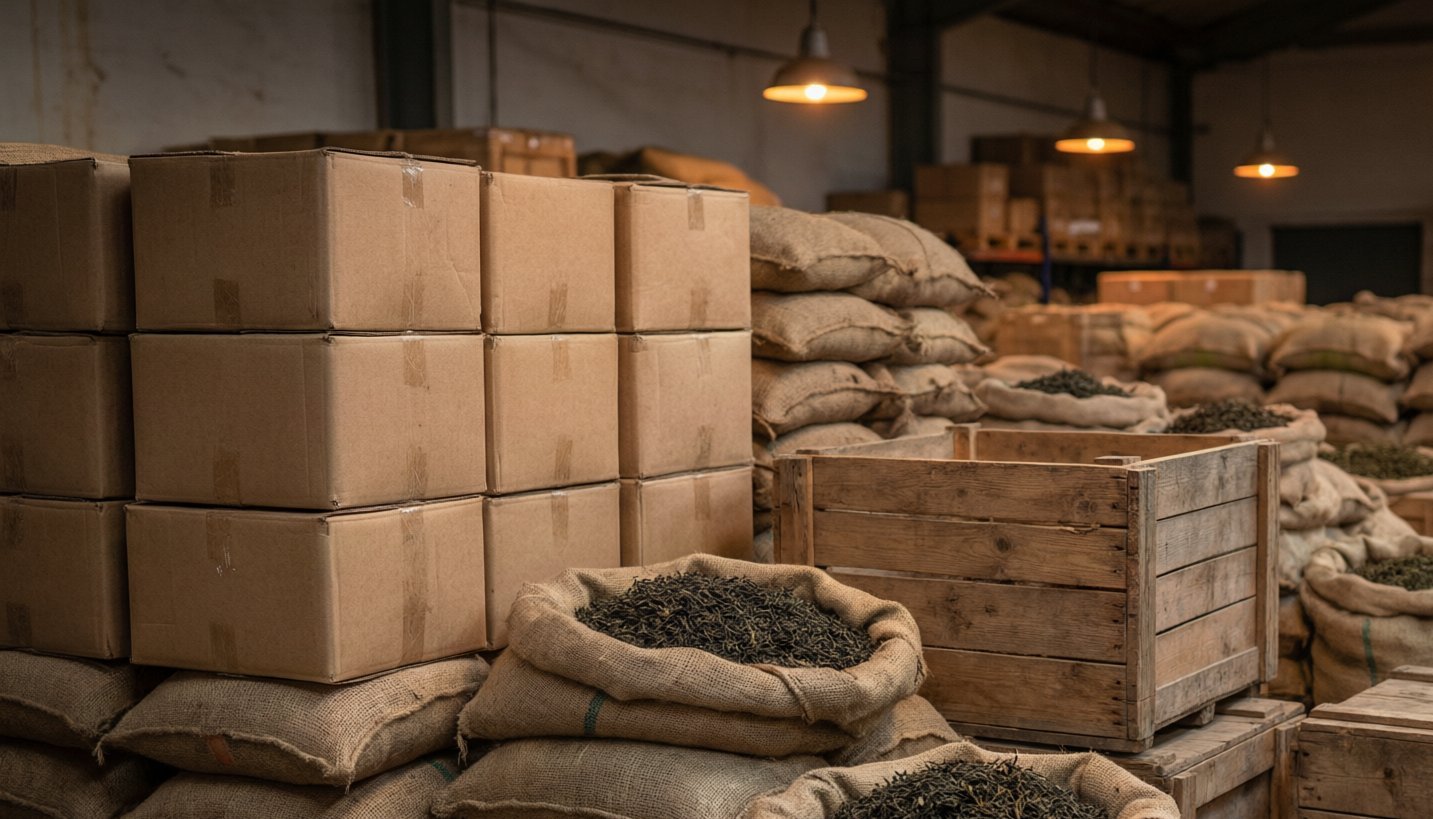
For importers, freshness is not a romantic preference—it is a quality control issue. Green tea loses value as it ages, and pricing should reflect harvest year, packaging, and storage history.
Request a Freshness-Verified Pan-Fired Green Tea Quote
Chinese tea suppliers can provide pan-fired green tea from current harvests with documented firing dates, sealed packaging, and pre-shipment samples. Tell us your target grade, quantity, and destination market, and we will return a quote with freshness parameters included.
Email 427728483@qq.com with your specification, and we will advise on packaging options, moisture targets, and shipping timing for your market.
FAQ
Does pan-fired green tea improve with age like pu-erh?
No. Pan-fired green tea is fixed during processing to stop enzymatic change, while pu-erh is intended for post-fermentation. After the short post-firing rest period, pan-fired green tea generally declines in aroma, color, and freshness rather than improving.
How long does pan-fired green tea stay fresh?
Unopened and properly stored, most pan-fired green tea is at its best within the first several months to about one year of harvest. After that, quality drops steadily even if the tea is still safe to drink. The label shelf life is a maximum storage period, not a freshness guarantee.
What happens to flavor as pan-fired green tea ages?
Fresh, floral, vegetal, and roasted notes fade first. The tea often becomes flat or stale, and if moisture has entered the package, it can develop a sour or papery edge. The liquor may also darken from bright green to yellow-brown.
Does refrigeration help pan-fired green tea?
It can, but only when the tea is tightly sealed. In hot or humid climates, cold storage slows aroma and catechin loss. The risk is condensation if the package is repeatedly opened or moved between temperatures, so refrigeration must be managed carefully.
How can wholesale buyers verify freshness?
Check the harvest year and firing date, packaging type, storage history, and moisture content. Request a sealed sample from the actual shipment lot and evaluate dry leaf color, aroma, and liquor before committing.
Are there any pan-fired green teas that benefit from long aging?
Very few. A short resting period after firing can soften a sharp or smoky finish, but multi-year storage is not a recognized quality strategy for pan-fired green tea. Aged green tea is best treated as past-peak stock, not as a collectible.
References
[1] Standardization Administration of China, "Green tea—Part 1: Basic requirements," GB/T 14456.1-2017.
[2] U.S. National Center for Biotechnology Information, "Camellia sinensis (tea) polyphenols and related compounds," PubChem Compound Summary. Available: https://pubchem.ncbi.nlm.nih.gov/
[3] Food and Agriculture Organization of the United Nations, "Tea: Processing, Quality and Storage," FAO Commodity and Trade Policy Research Working Paper Series. Available: https://www.fao.org/
No author description available.

白玉京