Que She Tea Safety: Is It Safe for Everyone? A Practical Guide
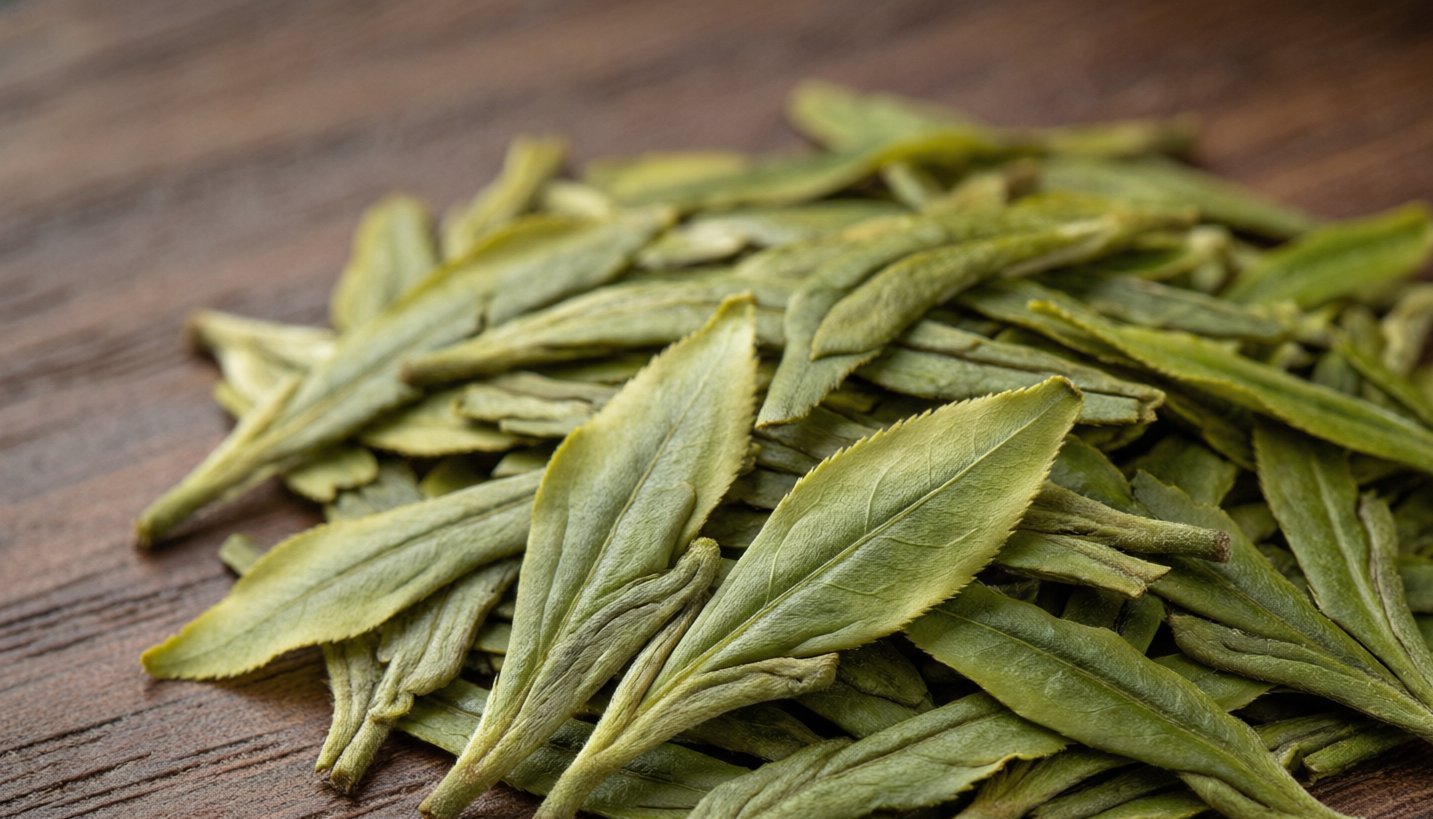
Que She tea—often sold as Sparrow Tongue—is a delicate early-spring green tea with narrow buds that resemble a small bird’s tongue. It contains the same core compounds as other green teas: caffeine, L-theanine, and a group of polyphenols called catechins. For most healthy adults, that profile is generally well tolerated. But “green tea is healthy” is not the same as “green tea is right for everyone in every situation.” The real answer depends on how much you drink, when you drink it, and what is going on with your own body.
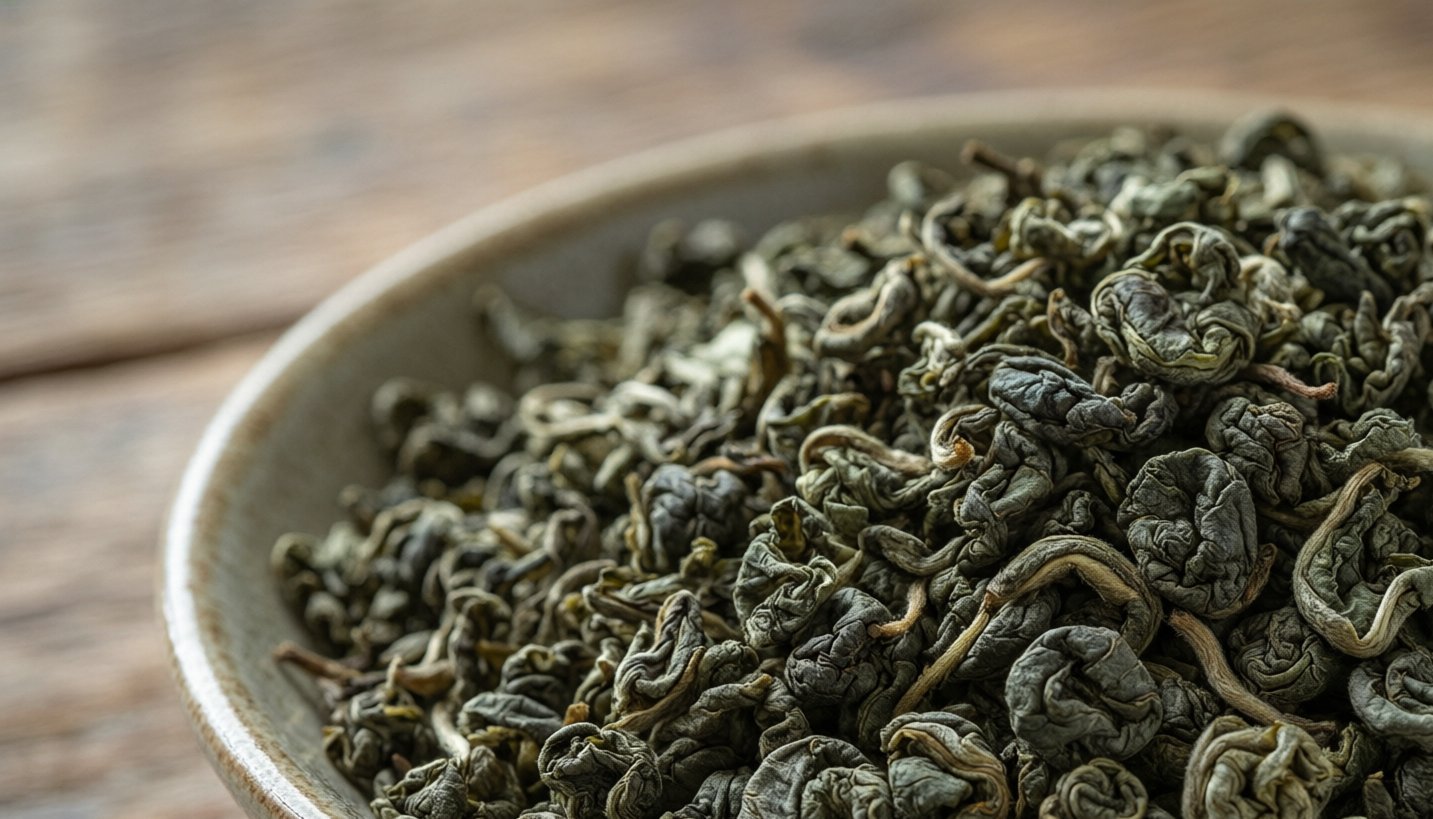
What You’re Actually Drinking When You Brew Que She Tea
Que She tea is a true tea made from Camellia sinensis leaves, not an herbal tisane. That matters because it naturally contains caffeine. A standard 8-ounce cup (about 240 mL) of brewed green tea contains roughly 28 mg of caffeine, with typical cups falling somewhere between about 20 mg and 50 mg depending on leaf amount, water temperature, and steep time [2][3]. It is less than coffee, but it still adds up if you drink several cups or consume other caffeine sources.
The tea also contains catechins such as epigallocatechin gallate, plus tannins and L-theanine. These compounds contribute to its flavor and much of the research interest around tea, but tannins can also affect how your body absorbs certain minerals.
Who Should Be More Cautious With Que She Tea
People sensitive to caffeine
If you already know that coffee, cola, or energy drinks make you jittery, anxious, or sleepless, Que She tea can do the same. Caffeine can temporarily raise heart rate and blood pressure, so people with uncontrolled high blood pressure or certain heart rhythm conditions may need to keep their intake moderate and pay attention to how they feel [1][2].
Pregnant and breastfeeding people
Pregnancy does not require completely avoiding green tea, but caffeine does cross the placenta. Health authorities such as EFSA support keeping caffeine intake at or below about 200 mg per day during pregnancy [1]. A cup of Que She tea is a modest source of caffeine, but it should be counted alongside coffee, chocolate, soft drinks, and other tea. Anyone with a high-risk pregnancy should confirm a personal limit with their clinician.
People taking certain medications
Caffeine can interact with some stimulant medications, certain antibiotics, and drugs with a narrow safety margin. Tea polyphenols may also interfere with how the body handles some medicines [5]. This does not mean tea is automatically unsafe, but if you take daily prescription medication, it is worth asking a pharmacist whether caffeine or tea polyphenols are relevant for your specific drug.
People with iron-deficiency anemia
Tea polyphenols can reduce the absorption of non-heme iron—the type found in plants, fortified foods, and some supplements—when tea is consumed at the same time as an iron-rich meal [4]. For most people this is not a problem, but for someone with low iron stores, the timing matters. Drinking Que She tea between meals rather than during meals is a simple, practical adjustment [4].
People with acid reflux, gastritis, or stomach ulcers
Green tea can stimulate stomach acid and may worsen reflux or epigastric discomfort in some people, especially when consumed on an empty stomach. If you have frequent heartburn, a sensitive stomach, or a diagnosed ulcer, start with a small cup and avoid drinking Que She tea first thing in the morning before food.
People with existing liver conditions
Ordinary brewed green tea is not the same as concentrated green tea extract. Rare reports of liver injury have been linked mainly to high-dose green tea extract products, not to normal tea drinking [5][6]. Still, anyone with an existing liver condition should discuss daily high intake or supplement use with a healthcare provider.
How Much Que She Tea Is Reasonable per Day?
For most healthy adults, two to four 8-ounce cups of Que She tea per day is a moderate and generally safe amount. Four cups would supply roughly 100–200 mg of caffeine, which remains well below the 400 mg daily level that FDA describes as not generally associated with dangerous effects for healthy adults [2][3]. Pregnant people should instead fit tea into a lower 200 mg daily caffeine budget [1].
The key is to count the whole day, not just the tea. If you also drink coffee, matcha, or caffeinated soft drinks, reduce the number of tea cups accordingly. If you notice poor sleep, a racing heart, or anxiety after drinking Que She tea, the simplest first step is to drink less, steep it shorter, and avoid late-day cups.
Brewing Que She Tea for a Smoother Cup
Que She tea is best brewed gently. Water around 80–85°C (about 176–185°F) and a short first steep tend to extract a cleaner, softer cup with less astringency. A longer steep at near-boiling temperature can pull out more tannins and caffeine, which may make the tea feel harsher on an empty stomach and increase the bitter edge.
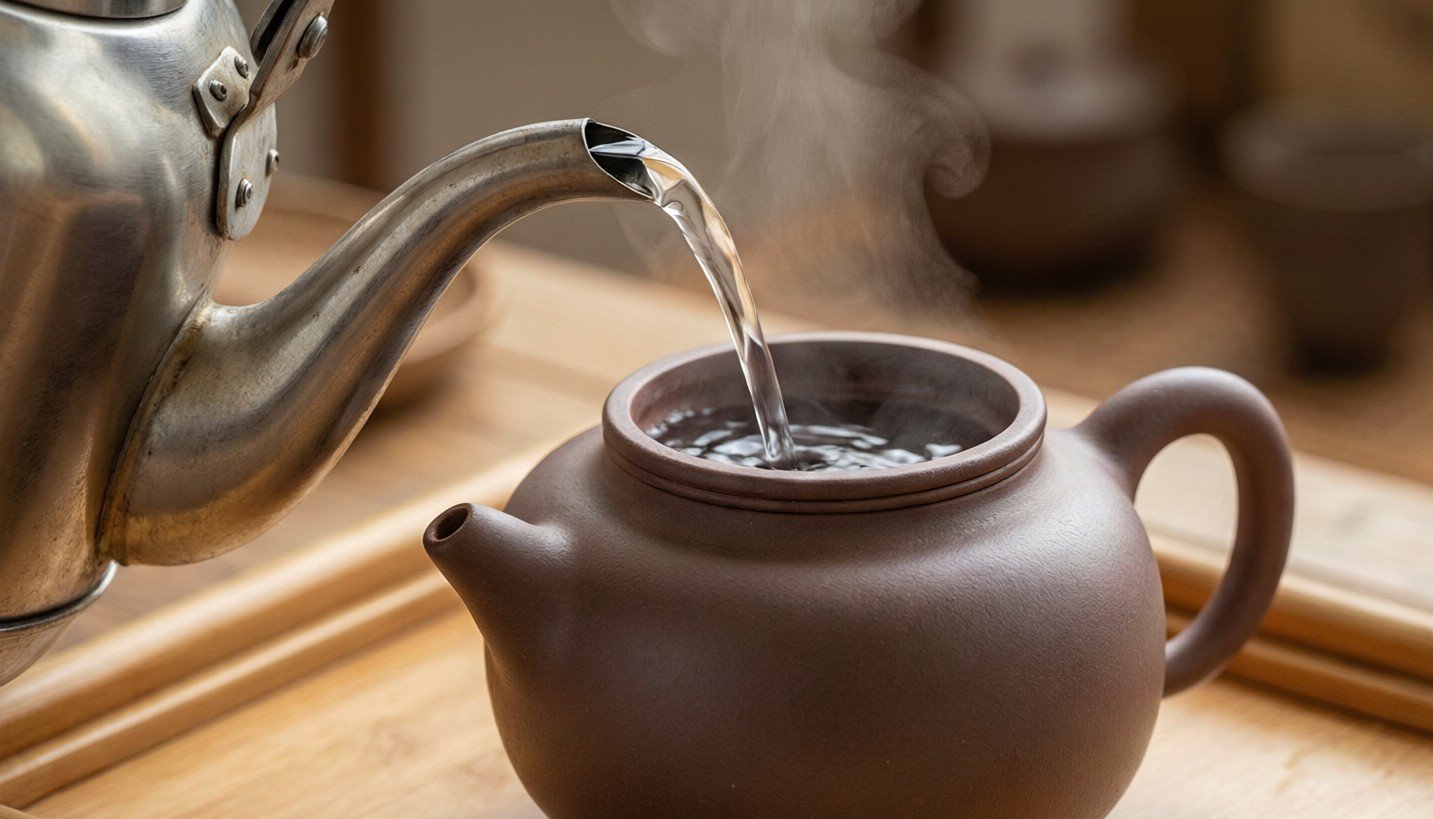
Practical habits that can reduce irritation include drinking tea with food, choosing a lighter leaf-to-water ratio, and keeping high-consumption days to a few cups rather than continuous re-steeping from morning to night.
When to Stop and Talk to a Clinician
Stop drinking Que She tea and seek medical advice if you repeatedly notice any of the following after drinking it: rapid or irregular heartbeat, dizziness, persistent insomnia, nausea, unusual fatigue, or worsening reflux that does not settle with food. These reactions are not common, but they are signals to take seriously—especially if you have a pre-existing condition or take daily medication.
A Sourcing Note for Que She Tea Buyers
Safety also depends on the leaf itself: growing region, pesticide residue control, heavy metal screening, and honest lot documentation all matter. If you are buying Que She tea for a store, a tea program, or regular household use at volume, ask the supplier for current batch test results before you commit. A supplier that can show test data makes the safety conversation much easier.
If you are sourcing Que She green tea and want to compare documented lots, contact Chinese tea suppliers at 427728483@qq.com and request leaf samples along with residue, heavy metal, and caffeine test reports.
Frequently Asked Questions
Is Que She tea safe to drink every day?
For most healthy adults, yes—two to four cups a day is moderate and generally well tolerated. The main limits are total caffeine intake, timing around meals, and individual sensitivity to caffeine or acid.
How much caffeine is in Que She tea?
Que She tea is a green tea, so its caffeine level is similar to other brewed green teas. A typical 8-ounce cup contains roughly 28 mg of caffeine, with a common range of about 20–50 mg depending on leaf amount and steep time [2][3].
Can Que She tea upset the stomach if drunk on an empty stomach?
It can. The tannins and caffeine in green tea may stimulate stomach acid and cause discomfort in some people when the stomach is empty. Drinking it with food, using cooler water, and shortening the first steep can help reduce this effect.
Should pregnant people avoid Que She tea?
Pregnant people do not necessarily need to avoid it, but they should count its caffeine toward the recommended daily limit of about 200 mg during pregnancy [1]. A clinician can help set a personal limit, especially for high-risk pregnancies.
Does Que She tea block iron absorption?
Tea polyphenols can reduce absorption of non-heme iron—the type found in plant foods and many supplements—when tea is drunk at the same time as an iron-rich meal [4]. Drinking tea between meals is a practical way to minimize this effect.
References
[1] European Food Safety Authority, “Scientific Opinion on the Safety of Caffeine,” EFSA Journal, vol. 13, no. 5, 2015. https://doi.org/10.2903/j.efsa.2015.4102
[2] U.S. Food & Drug Administration, “Spilling the Beans: How Much Caffeine Is Too Much?,” updated December 2023. https://www.fda.gov/consumers/consumer-updates/spilling-beans-how-much-caffeine-too-much
[3] U.S. Department of Agriculture, Agricultural Research Service, FoodData Central, “Beverages, tea, green, brewed,” accessed 2026. https://fdc.nal.usda.gov/
[4] National Institutes of Health, Office of Dietary Supplements, “Iron: Fact Sheet for Health Professionals,” updated August 2023. https://ods.od.nih.gov/factsheets/Iron-HealthProfessional/
[5] National Center for Complementary and Integrative Health, “Green Tea,” accessed 2026. https://www.nccih.nih.gov/health/green-tea
[6] National Institute of Diabetes and Digestive and Kidney Diseases, LiverTox: Clinical and Research Information on Drug-Induced Liver Injury, “Green Tea,” accessed 2026. https://www.ncbi.nlm.nih.gov/books/NBK547852/
No author description available.

白玉京