Yunnan Dianhong Tea: How Different People Should Drink It
Yunnan Dianhong tea is a malty, full-bodied black tea from Yunnan, China, with a smooth honey finish and very little of the astringency that puts some drinkers off black tea. The right way to drink it depends on the person holding the cup. A first-time black tea drinker may want a short, cooler steep, while a strong tea drinker may want more leaf and a longer extraction. Matching the brew to the drinker matters more than following one fixed recipe. This guide separates the choices by taste preference, caffeine sensitivity, stomach tolerance, and serving style.

What Yunnan Dianhong Tea Tastes Like Before You Brew
Yunnan Dianhong is a black tea built around malt, cacao, and dark honey rather than smoke or sharp bitterness. The better whole-bud grades often show golden tips and a soft dried-fruit sweetness, while more broken leaf grades produce a stronger, quicker cup with more body. It is generally more forgiving than heavily roasted or heavily oxidized teas, but it can still become bitter if the first steep is too hot or too long. Knowing that baseline helps when adjusting the cup for different people.
Brewing Parameters That Matter More Than the Teapot
Water temperature, leaf amount, and steep time change Yunnan Dianhong more than the shape of the teapot. A cooler short infusion keeps the honey notes clear. Hotter water and a longer steep bring out more malt and strength, but also more tannin. The table below gives a workable starting point for common drinker types.
| Drinker profile | Leaf amount per 150 ml | Water temperature | First steep | Result to expect |
|---|---|---|---|---|
| First-time black tea drinker | 2 g | 88 to 90 °C | 60 to 90 seconds | Light, sweet, low bitterness |
| Everyday mug drinker | 2.5 to 3 g | 90 to 95 °C | 2 to 3 minutes | Rounded, malty, familiar strength |
| Gongfu-style drinker | 4 to 5 g | 90 to 95 °C | 5 to 15 seconds | Concentrated, layered, repeated steeps |
| Iced tea drinker | 5 g | 90 °C | 3 to 4 minutes | Strong base that holds up over ice |
| Sensitive stomach drinker | 2 g | 85 to 88 °C | 45 to 60 seconds | Softer cup with less tannin |
| Office tumbler drinker | 2.5 g | 88 to 90 °C | 90 seconds, then remove leaves | Balanced cup that is not oversteeped |
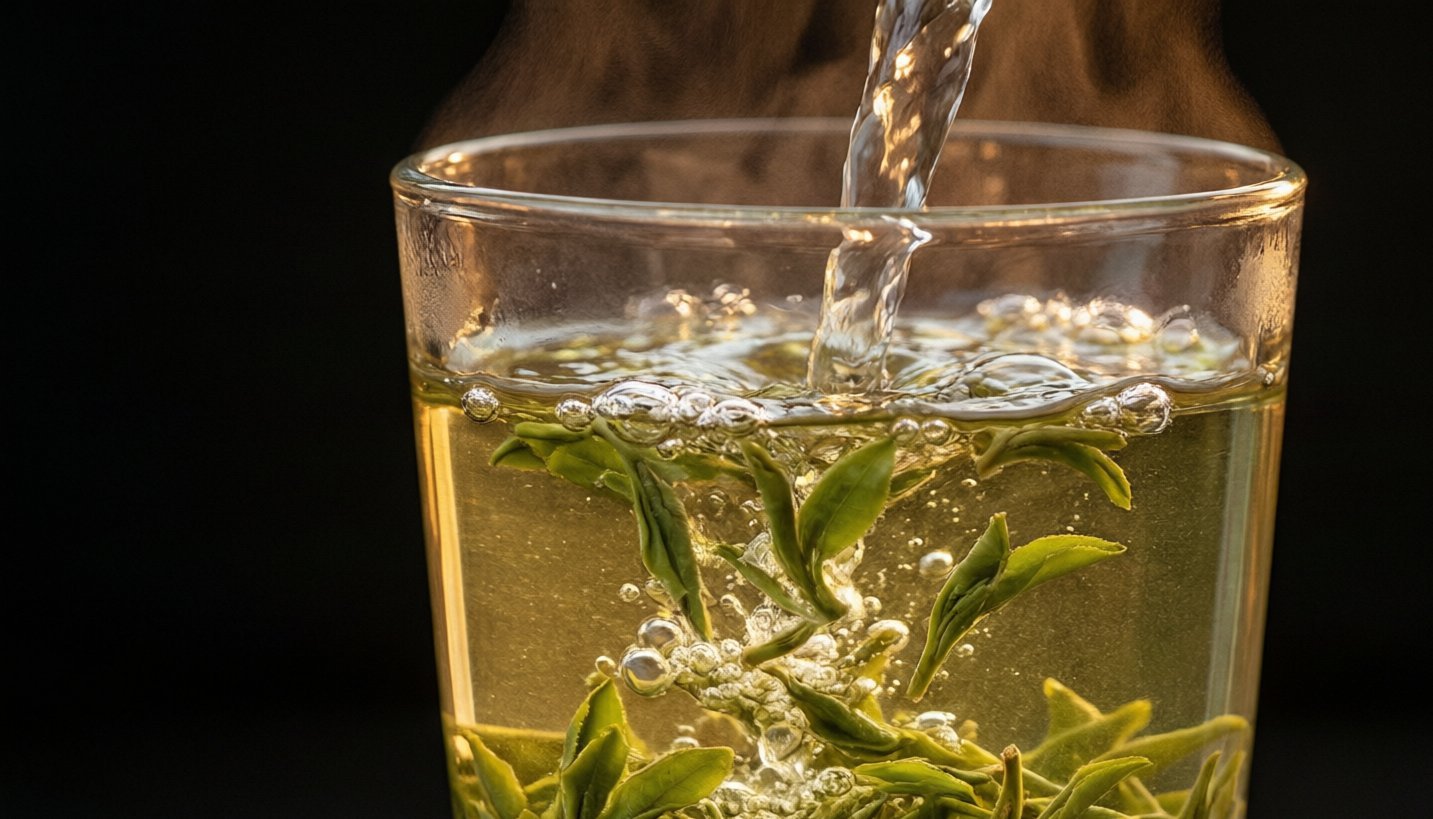
These are starting points, not fixed rules. After the first cup, adjust one variable at a time. If the tea is too bitter, lower the temperature or shorten the steep before reducing the leaf.
How to Adjust Flavor and Strength for Different Drinkers
Strength can be changed without making the tea unpleasant. For someone who wants a gentler cup, use fewer leaves and a slightly cooler first pour. For someone who wants more body, add leaf rather than oversteeping the same leaves for several minutes, because extra time tends to add dryness more than flavor.
Milk, honey, sugar, or a slice of lemon each change the cup differently. Milk softens the edge and works well with a slightly stronger brew. Honey brings the malt and dried-fruit character forward. Lemon brightens the cup but can make the tea feel thinner, so use it only with a more concentrated base. The best approach is to prepare the plain tea first, then let each person adjust the cup rather than serving everyone the same pre-sweetened version.
When to Drink Yunnan Dianhong Based on Caffeine Sensitivity
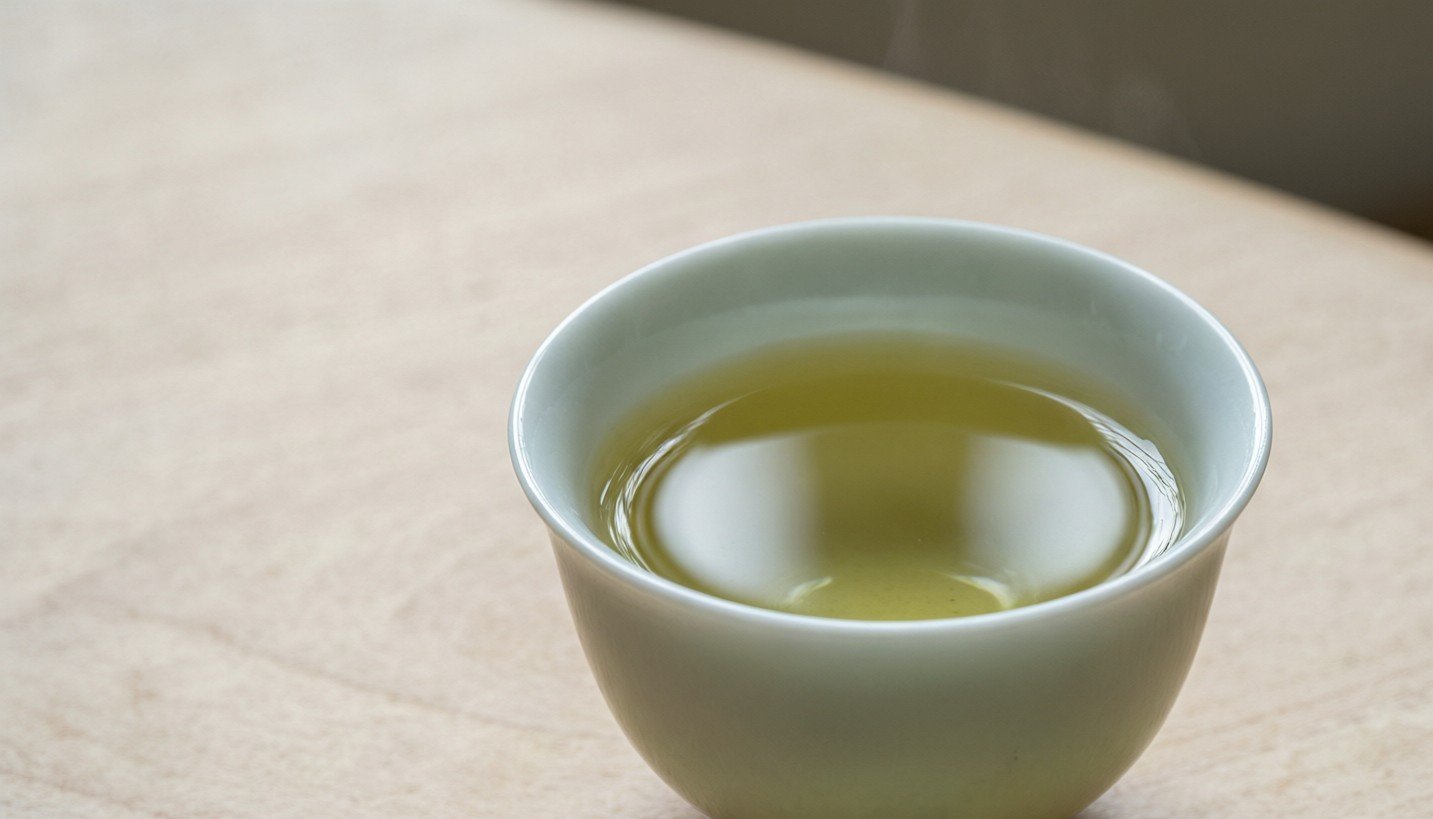
Yunnan Dianhong contains enough caffeine to be noticeable, but the exact amount varies with leaf grade, water temperature, and steep time. Most people can drink it comfortably in the morning or early afternoon. People who are sensitive to caffeine should treat late afternoon as a natural cutoff and avoid keeping the leaves in the cup for repeated long steeps.
For a lower-caffeine approach, use slightly cooler water and a shorter first infusion, then pour off the tea instead of letting the leaves sit. This does not remove all caffeine, but it keeps the cup easier to finish without the jittery edge some drinkers dislike. Timing the tea around food also helps maintain steady energy rather than a quick lift.
Choosing the Grade and Leaf Form for Different Drinkers
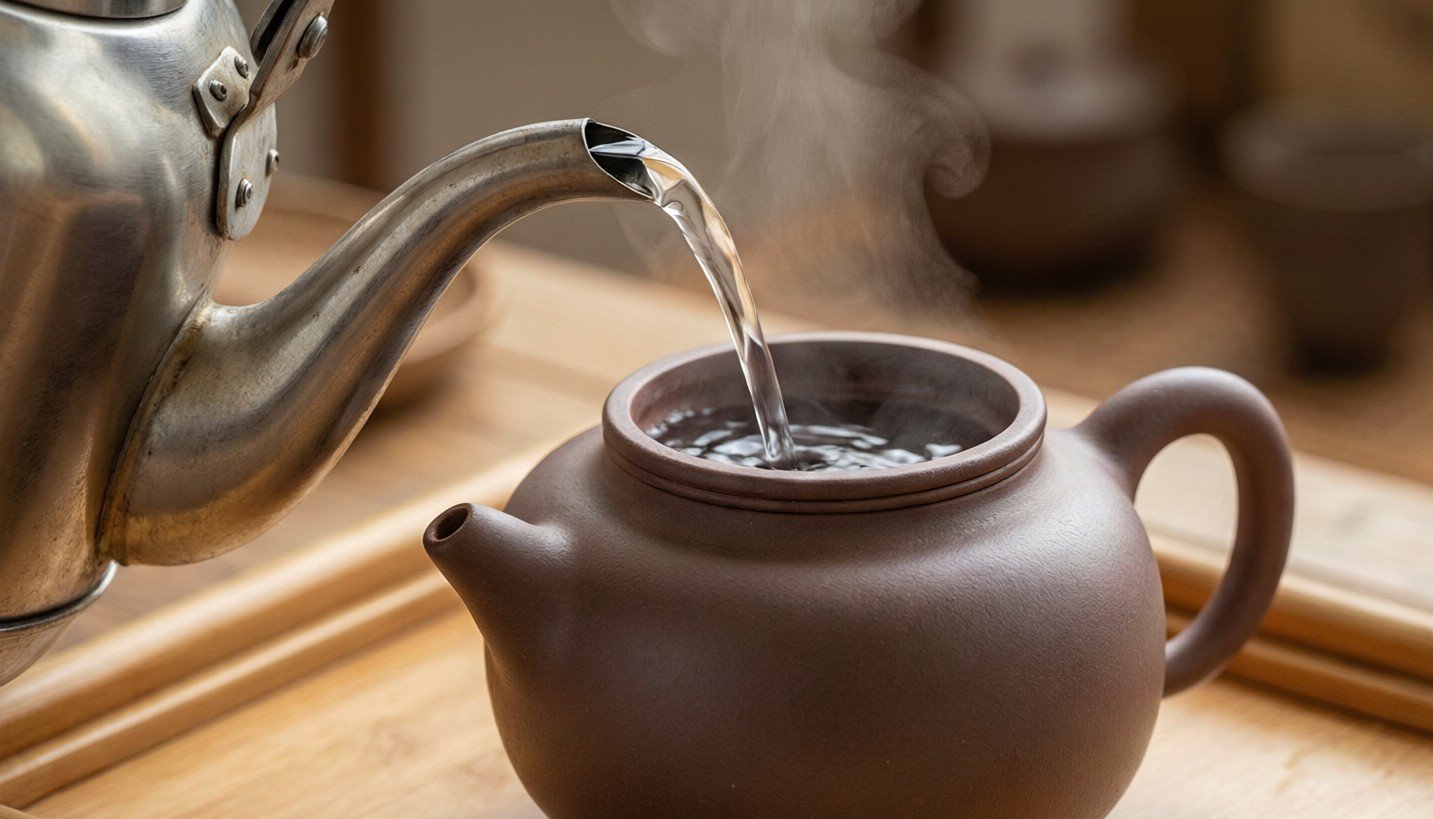
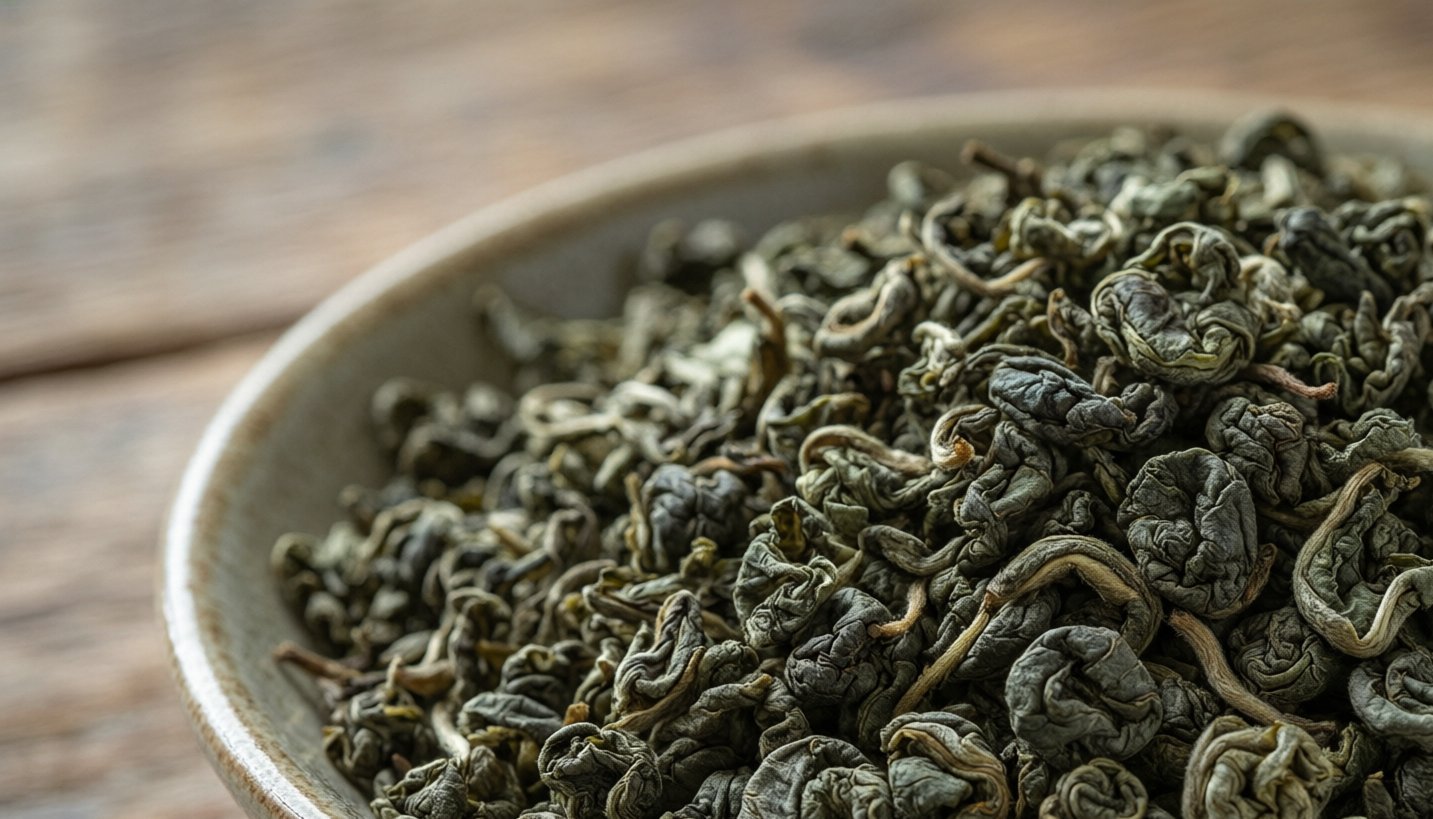
Dianhong is sold in several forms, and the form changes the drinking experience. Whole-bud or high-tip grades are usually more aromatic and gentle, suited to drinkers who prefer delicate honey notes. Broken-leaf grades extract faster and make a bolder everyday cup, useful for mugs, milk tea, and office brewing. CTC-style Dianhong is stronger again and works well in blends or iced tea.
Chinese tea suppliers often stock multiple grades, so the practical step is to ask for a sample of the specific leaf form before committing to a bulk order. The label alone does not tell you enough about how the tea will taste to a particular drinker. Check whether the sample is whole leaf, broken leaf, or CTC-style, and brew it the way the intended person will actually drink it.
When to Keep Yunnan Dianhong Moderate
Most people can enjoy Yunnan Dianhong regularly, but a few situations call for restraint. On an empty stomach, the tannins can make some people feel unsettled even though others notice nothing. Drinking it after a meal or with a small snack usually solves this. Anyone with reflux or a sensitive digestive system should start with a short, cooler brew and avoid a very strong first cup.
During pregnancy or breastfeeding, caffeine limits are individual. Ask a prenatal clinician for a personal daily limit, and count tea together with other caffeine sources rather than treating it separately. People with anxiety, sleep problems, or caffeine-related heart palpitations should also keep the cup moderate and avoid late-day servings. Yunnan Dianhong is not a problem for most people; it simply rewards attention to timing and strength.
Sample Yunnan Dianhong for Your Specific Drinkers
Before buying a large amount, clarify who will drink it and how. Decide whether you need a gentle whole-bud grade, a strong broken-leaf grade, or a neutral everyday lot. Note the preferred strength, cup size, and whether most drinks will be plain, iced, or mixed with milk. Email Chinese tea suppliers at 427728483@qq.com with that drinker profile. A specific sample request leads to a more useful answer than a general price inquiry.
FAQ
Is Yunnan Dianhong tea high in caffeine?
Yunnan Dianhong is a black tea, so it contains enough caffeine to be noticeable for most drinkers. It is generally lighter than a comparable serving of coffee, but the actual amount depends on leaf grade, water temperature, and how long the leaves steep. If you are sensitive, use a shorter first infusion and avoid drinking it late in the day.
Can I drink Yunnan Dianhong tea on an empty stomach?
Some people drink it on an empty stomach without any issue. Others find that the tannins make them feel slightly unsettled. If you are in the second group, drink it after food or with a small snack, and keep the first steep short and not too hot. This usually removes the discomfort without losing the flavor.
Is Yunnan Dianhong tea safe during pregnancy?
Moderate tea consumption can be part of a normal diet, but caffeine limits during pregnancy should be set by the person's clinician. Count tea together with coffee, chocolate, and other caffeine sources. If the clinician recommends reducing caffeine, a shorter steep with fewer leaves will produce a lighter cup.
Does milk work with Yunnan Dianhong tea?
Yes, Yunnan Dianhong takes milk well because its malt and honey notes remain clear. Use a slightly stronger base than you would drink plain, since milk softens both sweetness and astringency. Add the milk in small amounts and let each person adjust the strength, so the tea does not turn thin.
No author description available.

白玉京