Why Mengku Pu-erh Costs So Much: The Economics Behind It
Mengku Pu-erh costs more than a generic Yunnan pu-erh because the better lots sit at the narrow end of several supply and demand forces at once. The most valued material comes from a small, mountainous area in Lincang, often from low-yielding older tea trees picked by hand only a few times a year, processed in small batches, and then held as compressed cakes that tie up capital for years. Collector demand, gift buying, and specialty retail pricing add another layer on top of production cost. That does not mean every high Mengku quotation is justified. For a buyer, the practical question is which part of the premium is traceable and which part is storytelling.
What Mengku Pu-erh Actually Covers
Mengku is not a single garden, grade, or leaf age. It is a tea-producing area in Shuangjiang County, Lincang, in the recognized Pu-erh production region of Yunnan. The name covers multiple mountains, villages, and elevations, including highly marketed micro-origins as well as ordinary plantation production. A tea labeled only as Mengku may be an inexpensive blended raw material or a small, expensive single-village lot.
The first pricing fault line is therefore precision. When a seller gives only the regional name rather than the village, mountain, harvest season, or tree source, the buyer has less information about what is actually in the package. The regional label establishes origin but not grade.
What Makes the Supply Side Expensive
Part of the price comes from physical limits on supply. Many of the most valued Mengku lots come from older tea trees or semi-wild arbor plants rather than densely planted terrace bushes. Older trees produce fewer usable leaves per plant and are often scattered across slopes, so picking is slower and more labor intensive. A spring harvest may be the main commercial picking window, and weather, altitude, and terrain can narrow the usable volume in any year.
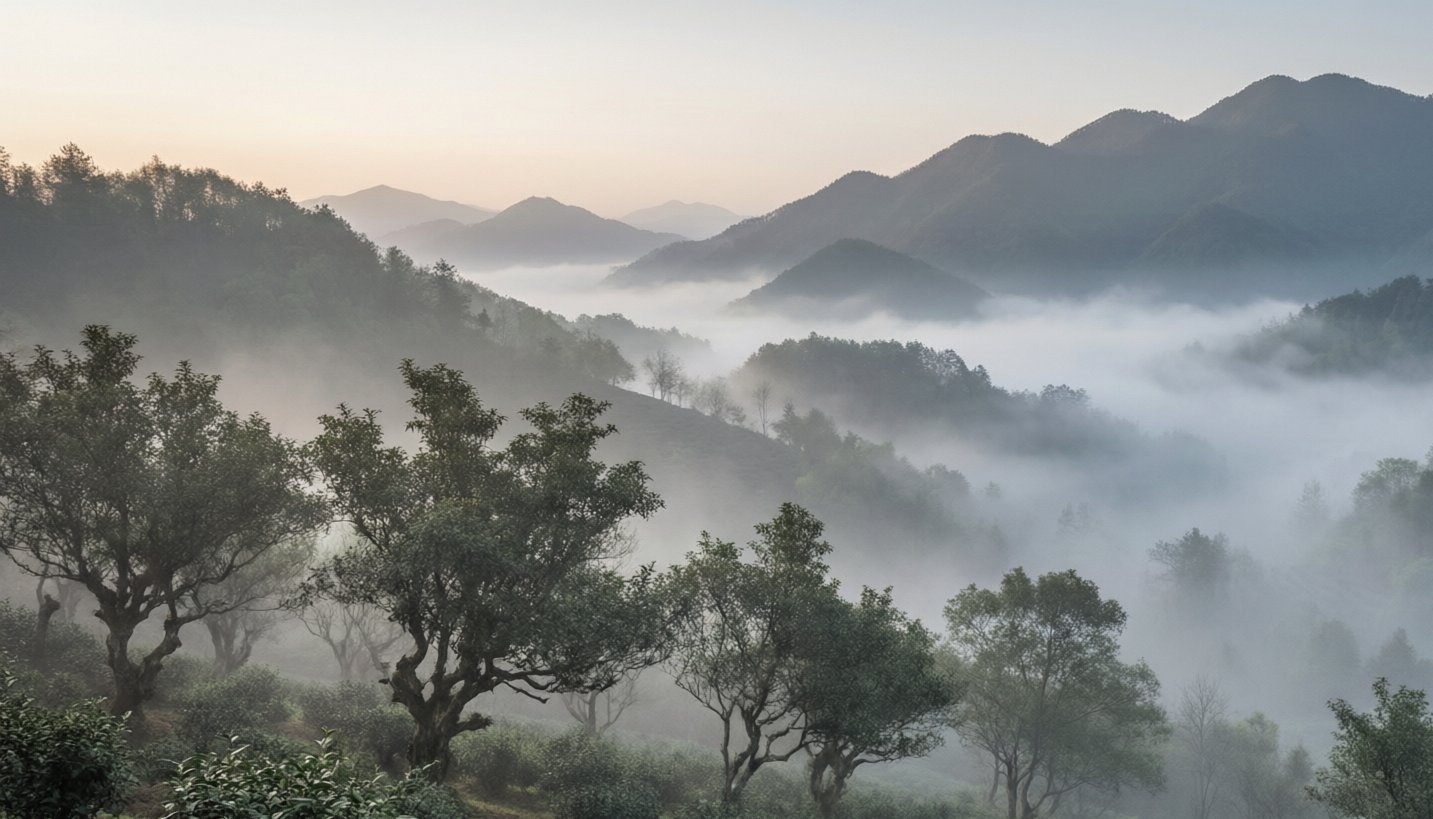
Labor is a real cost, but it is also a mixed signal. Hand picking can improve leaf consistency, yet hand picking alone does not make tea taste better if the raw material is weak or the processing is uneven. Buyers should treat labor and tree age as cost factors, not as automatic quality guarantees.
Processing, Pressing, and the Cost of Time
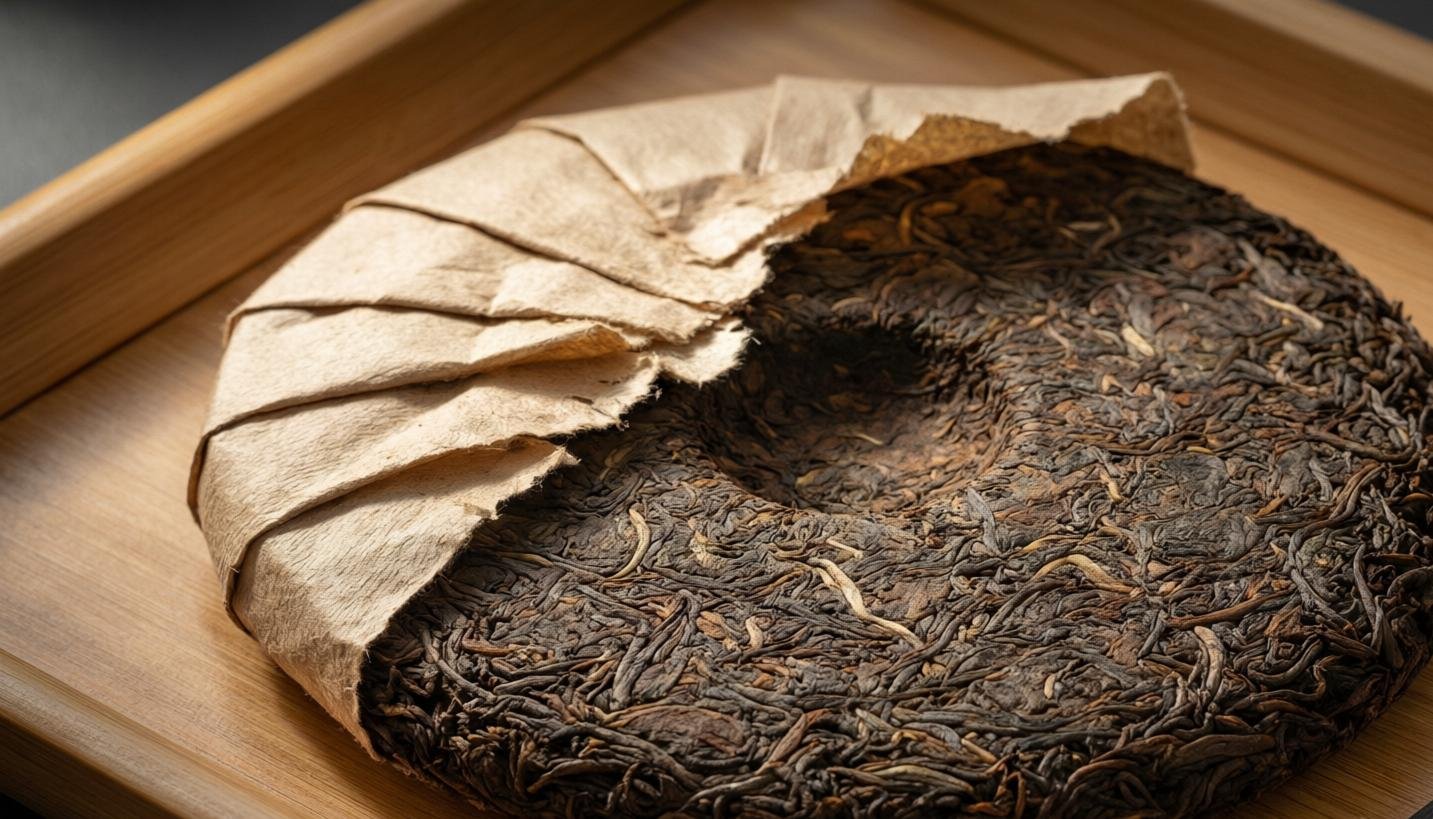
After picking, sheng Pu-erh requires careful kill-green, rolling, sun drying, and grading before it can be sold loose or pressed. Each step can add labor and loss. Pressing into cakes, bricks, or tuo forms adds wrapping, compression, and handling cost, and the cake format also makes the tea easier to hold and trade as an aging product.
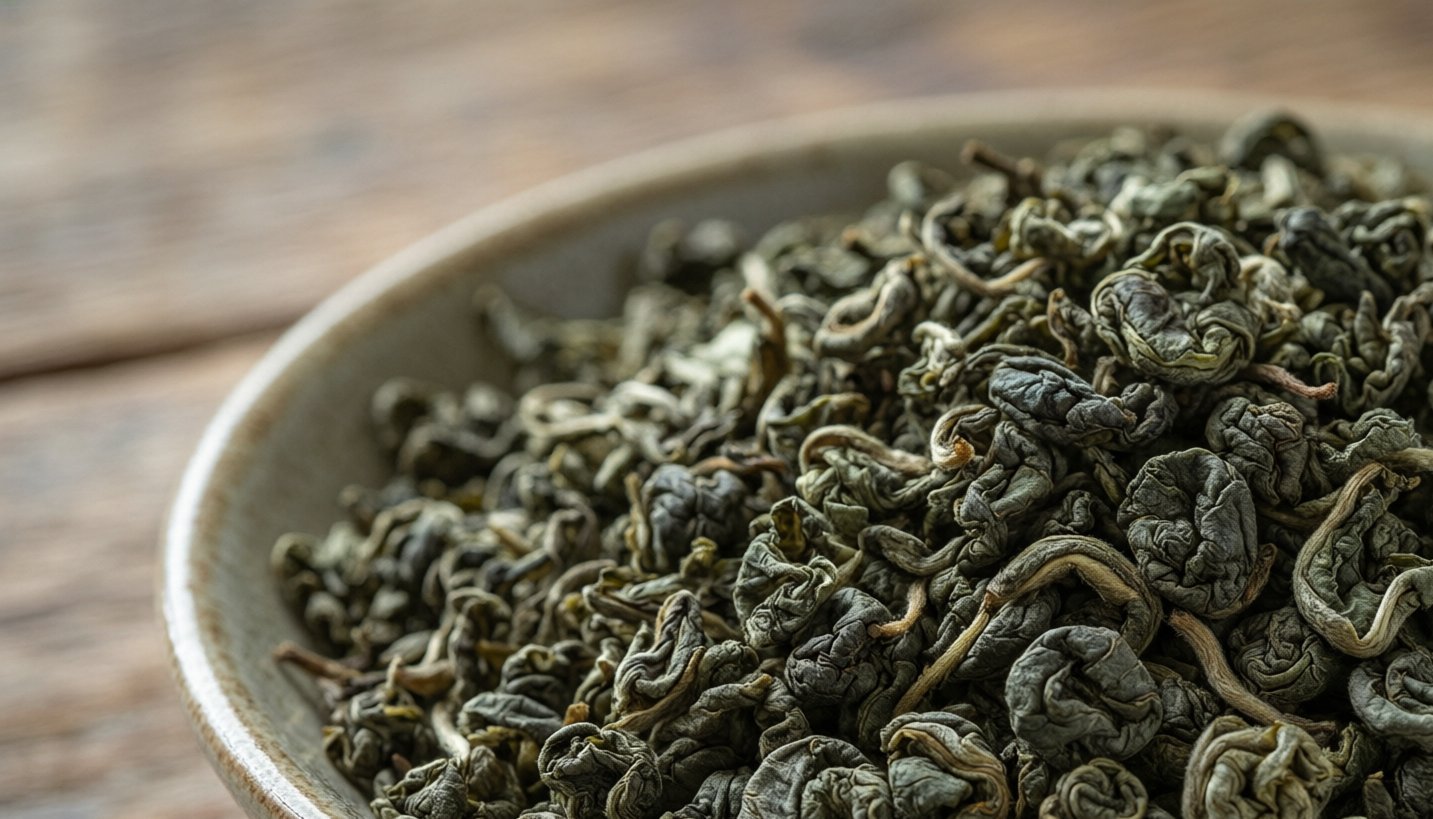
Aging changes the economics further. Raw Mengku cakes may be stored for years before being offered at a higher price, and the seller is carrying inventory, warehouse risk, and the chance that a batch does not develop well. That holding cost is real, but it also means price can drift away from what the tea currently tastes like and toward what the seller expects it to become.
How the Market Adds Its Own Layer
Beyond production cost, Mengku pricing is shaped by village reputation, brand power, batch scarcity, and speculation. A named village can command a sharp premium even when the actual leaf grade is moderate. Collectors may buy specific years or batches, and gift buyers sometimes pay for packaging and rarity more than for cup quality. The result is a wide price range under the same regional name.
| Price driver | What it actually changes | Buyer risk if ignored |
|---|---|---|
| Origin precision | Whether the tea is a specific village or a regional blend | Paying a named-village price for generic Mengku |
| Tree age and source | Yield, picking cost, and possible leaf character | Assuming old tree always means better tea |
| Harvest season | Flavor concentration and market availability | Paying a spring price for a summer or autumn lot |
| Processing consistency | Whether kill-green, rolling, and drying are even | Overlooking defects hidden by a strong origin story |
| Storage history | How the tea has developed or declined | Paying an aged-tea price for poorly stored material |
| Brand and batch | Reputation, documentation, and collectability | Chasing a name without checking the lot |
Each row points to a separate decision. A buyer can accept a high price for a documented single-village spring lot while rejecting a high price for an undated regional blend. The economics only make sense when the quotation is read against these distinctions.
What to Verify Before You Accept a Premium
A defensible buying process starts with asking for the details that justify the price difference. For any Mengku lot positioned as premium, request the following before committing.
- The specific village or mountain, not only the regional name.
- The tree source category: plantation, old tree, ancient tree, single estate, or blend.
- The harvest season and year.
- The leaf grade or picking standard, expressed as bud and leaf ratio or its equivalent.
- The processing date, factory or producer, compression format, and net weight.
- The storage history, including storage city, aging method, and any known off notes.
- A physical or brewed sample for comparison.
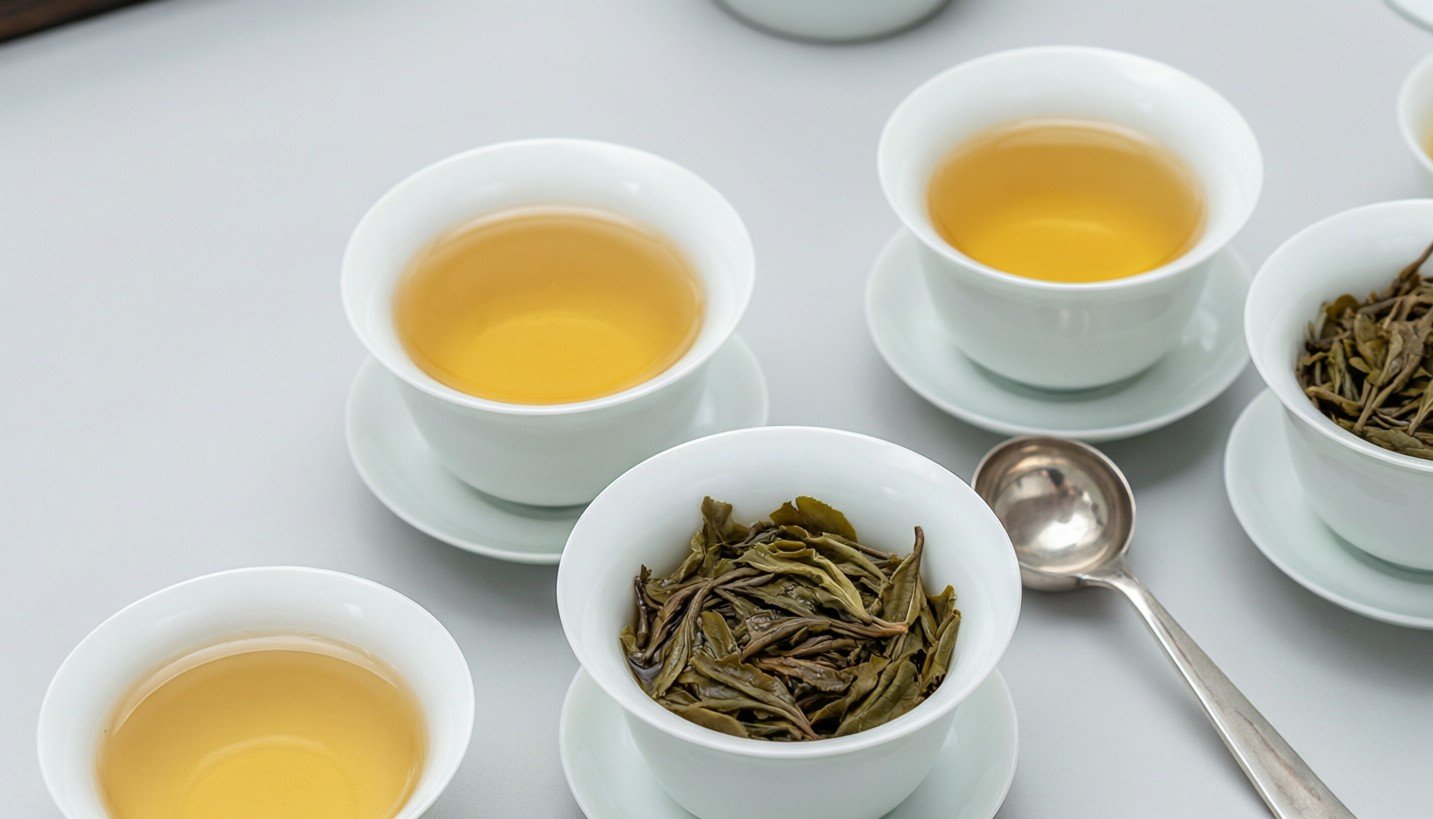
Taste the sample against a lower-priced Mengku tea or a comparable Yunnan lot. Check the dry leaf, liquor clarity, aroma, bitterness, texture, and aftertaste. A premium price should correspond to a clear difference in the cup or in documented scarcity, not only to a more famous label.
When the Mengku Premium Is Worth Paying
The premium is easiest to justify when the tea is intended for a use that depends on origin, aging potential, or a specific village character: a specialty retail program, a collector's offer, a gift line, or a private label built on a single source. In those cases, precise documentation and a strong sample are part of the value.
The premium is harder to justify when Mengku is being bought as a commercial base for consistent blending, a value private label, or a product where price stability matters more than origin. A well-processed plantation spring lot that cups cleanly may be a better commercial purchase than an expensive old-tree lot with weak documentation. The right choice depends on what the buyer needs the tea to do, not on a universal ranking of grades.
Sourcing Mengku Pu-erh with Clearer Evidence
Before paying a village or old-tree premium, ask for the lot, harvest, storage, and leaf-grade details listed above, then taste the sample against a less expensive reference point. If you need help structuring that comparison or checking a supplier's documentation, contact Chinese tea suppliers at 427728483@qq.com.
FAQ
Does all Mengku Pu-erh cost a lot?
No. Mengku covers a wide range of production, from modest plantation raw material to small, highly publicized single-village lots. The premium applies to specific combinations of origin, tree source, harvest, processing, and market demand, not to the regional name by itself.
Why can two Mengku teas with the same label be priced differently?
The label may be the same, but the lots can differ in village, tree age, harvest season, leaf grade, processing quality, storage history, and batch reputation. A comparison of those details, plus a side-by-side tasting, is more useful than comparing prices alone.
Does old-tree tea always taste better?
Not necessarily. Older trees can produce deeper or more complex material, but the final tea also depends on harvest timing, leaf condition, processing, and storage. A plantation tea that is carefully processed may be cleaner and more pleasant than an old-tree lot that was poorly handled.
How can I tell if a Mengku premium is real?
Check whether the seller can specify the village or mountain, harvest season, tree source, leaf grade, and storage history. If those details are missing, the premium has not been proven. A sample tasted against a less expensive reference lot is the final check.
No author description available.

白玉京