Guizhou Tea Prices in 2026: What Wholesale Buyers Pay
There is no single Guizhou tea price in 2026. Wholesale costs move with leaf grade, picking date, growing area, processing method, and order size. Budget machine-picked green tea can cost only a few dollars per kilogram, while early spring single-bud lots can exceed $100 per kilogram. The practical price for most importers sits between those extremes and changes with the specification you actually ask for. A clear quote depends less on the phrase "Guizhou tea" and more on harvest window, leaf standard, lot size, and destination terms.
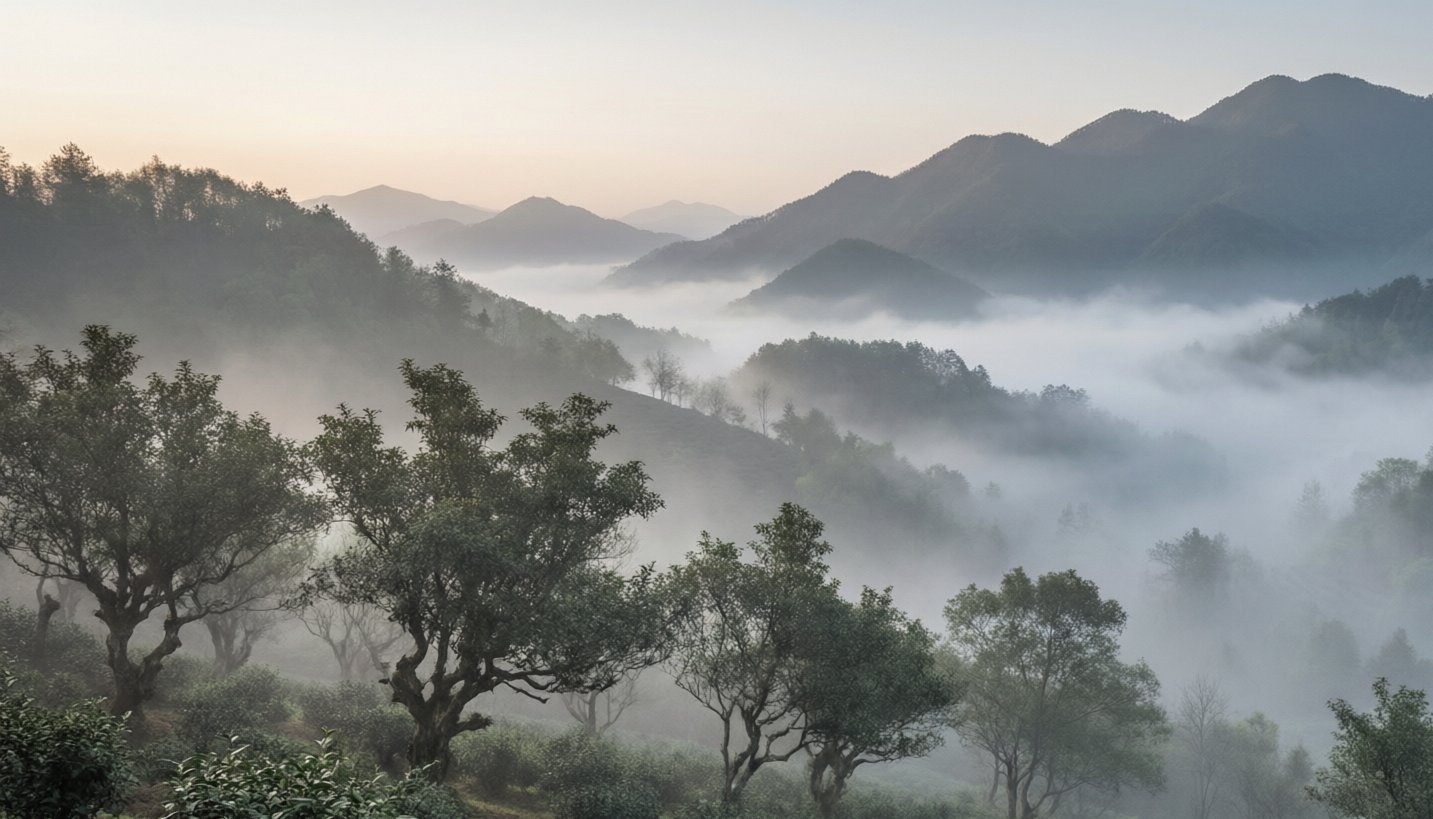
What Determines Guizhou Tea Prices in 2026
Guizhou tea pricing is driven by the same production costs that shape tea prices across China, but the province's mix of high-altitude gardens, newer processing infrastructure, and regional tea types creates its own pattern. The main factors are picking standard, harvest date, plantation location, processing quality, and supply chain efficiency.
Higher altitude often slows leaf growth and produces more concentrated flavor, but it does not automatically make tea better. Buyers pay more for gardens with healthy bushes, careful plucking, and adequate withering or firing facilities. A high-mountain label without a specific garden, harvest date, or grade is not enough to justify a premium.
Most Guizhou tea falls into three broad categories: green tea, black tea, and white tea. Green tea remains the largest volume segment, black tea from areas such as Zunyi and Meitan has gained export attention, and Guizhou white tea is still a smaller but growing specialty category. Each category has a different cost structure because the leaf standard and processing time differ.
Guizhou Tea Types and Wholesale Planning Ranges
The table below gives indicative wholesale planning ranges, not fixed market statistics. Use them to screen quotes, but request a current price for your exact grade, moisture limit, packaging, and order quantity. Freight, customs, and certification costs are separate.
| Tea category | Indicative wholesale planning range | Main cost drivers |
|---|---|---|
| Budget green tea | $4 to $12 per kg | machine picking, later harvest, large lots |
| Standard green tea | $12 to $35 per kg | spring leaf, one bud two leaves, cleaner sorting |
| Premium bud tea | $45 to $120 per kg | early spring, hand picking, single bud or one bud one leaf |
| Guizhou black tea | $10 to $70 per kg | leaf grade, withering, oxidation, origin |
| Guizhou white tea | $20 to $110 per kg | bud share, drying control, age and clarity |
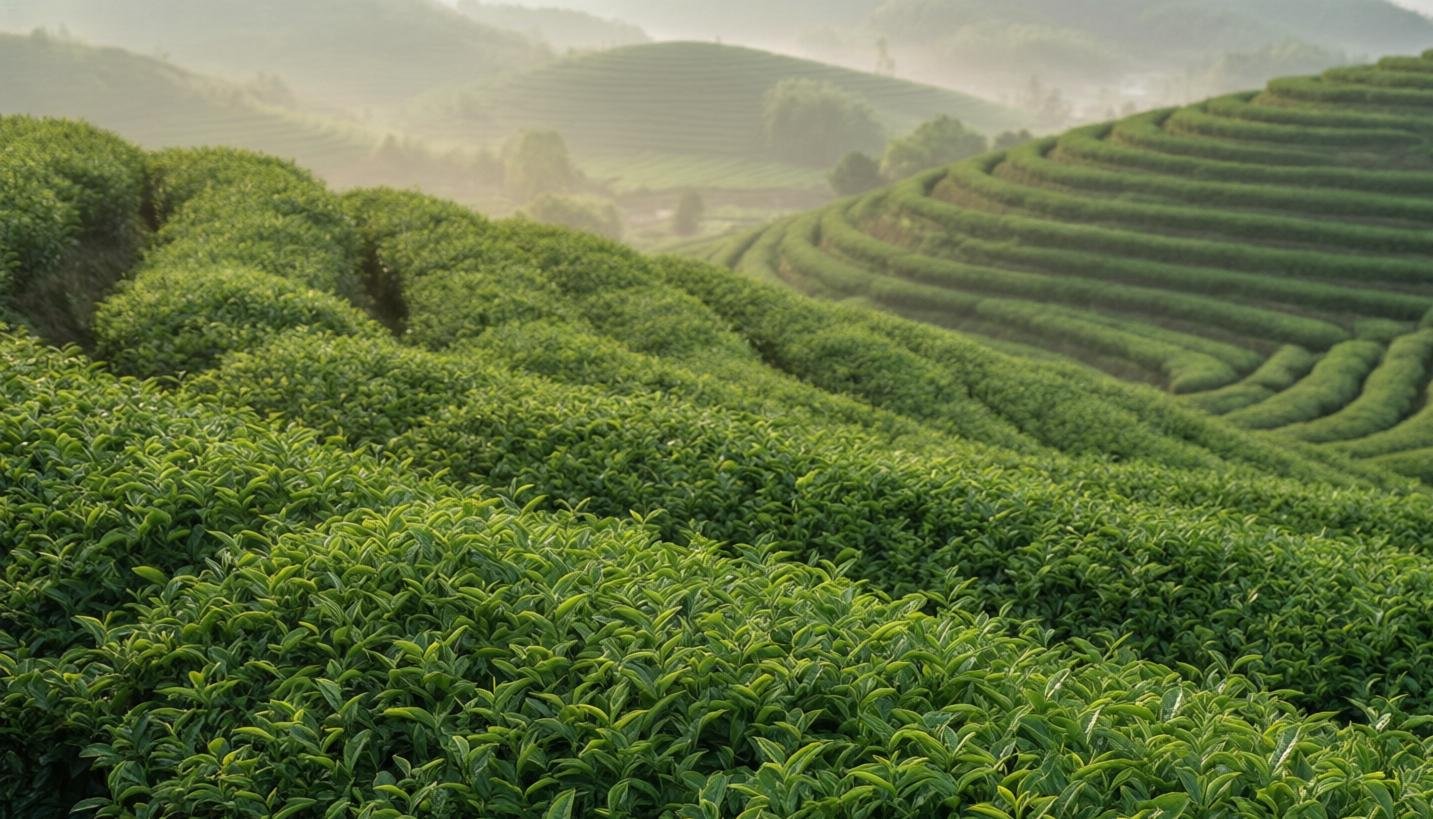
A $10 per kg quote and a $60 per kg quote may describe completely different products. One may be late-summer machine-picked leaf with broken pieces and basic sorting; the other may be early spring leaf with uniform shape, low moisture, and clean aroma. Always compare the specification before comparing the number.
Why Harvest Timing Changes the Price
Harvest timing is one of the strongest price levers for Guizhou tea. Early spring tea is more expensive because the tender buds are scarce, plucking is slower, and buyers compete for the first stable production lots. Later spring and summer tea is more affordable because there is more leaf available and machine harvesting becomes practical.
The main distinction is between pre-Qingming tea, picked before the traditional April festival, and later spring or summer tea. Pre-Qingming Guizhou green tea often commands two to five times the price of late-spring leaf, but the premium is only justified when the leaf quality, aroma, and clean processing are visible. A cheap pre-Qingming claim should be checked against the harvest date and appearance.
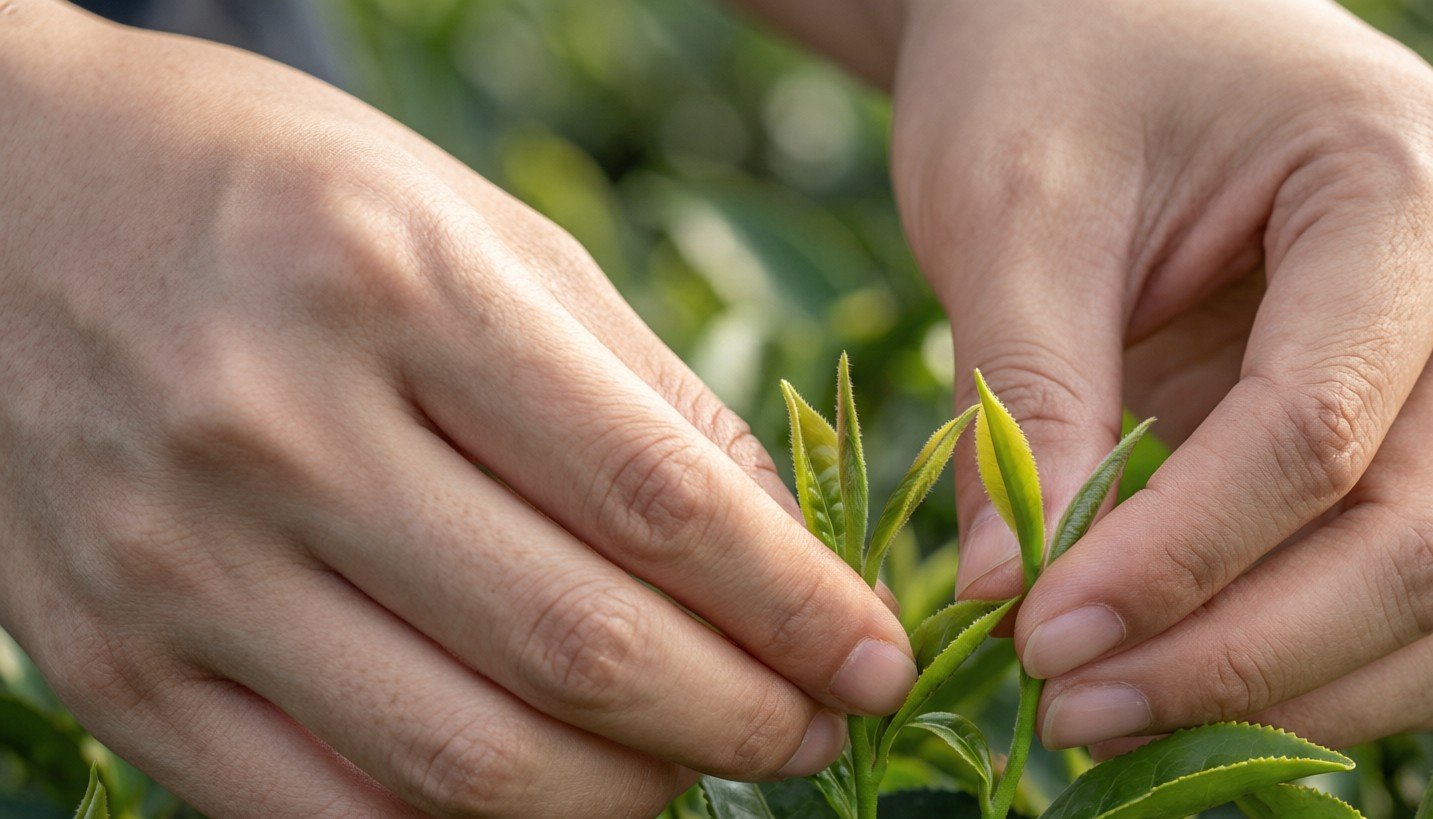
For importers, the best value is usually a mid-spring lot with one bud two leaves or one bud one leaf, purchased after the early price spike has settled. Early spring tea is suitable for high-end retail and gift lines; later spring tea works better for foodservice, blending, or private-label products that need stable margin.
How Region and Grade Shift the Quote
Region affects Guizhou tea prices because soil, altitude, and local processing tradition influence leaf character. Zunyi and Meitan are strong green and black tea areas, Duyun Maojian has a more defined premium market, and other counties supply larger volumes of everyday tea. A named county or garden can lift the price when the origin is real and traceable, but it should not replace grade.
Grade is the more reliable pricing signal. The Chinese tea trade generally values tender buds above open leaf, one bud one leaf above one bud two leaves, and intact uniform leaf above broken or mixed material. Processing adds the next layer: even firing, low moisture, clear leaf shape, and clean aroma all support a higher quote.
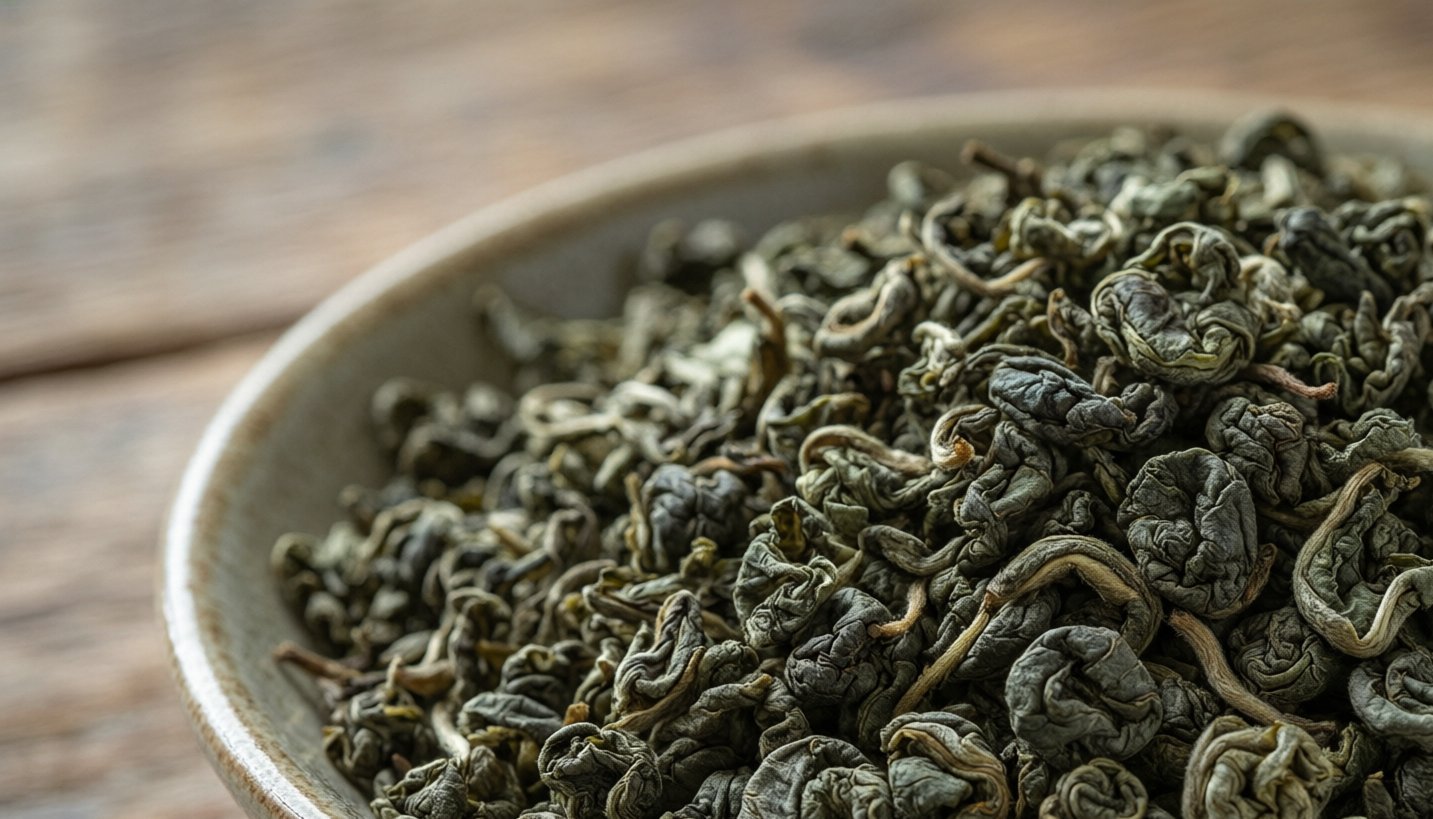
Do not pay a premium for a regional name alone. Ask for photos, the plucking standard, the harvest window, and the processing date. A clear lot description helps you judge whether the price reflects the actual leaf in the sample.
Wholesale, Bulk, and Retail Price Differences
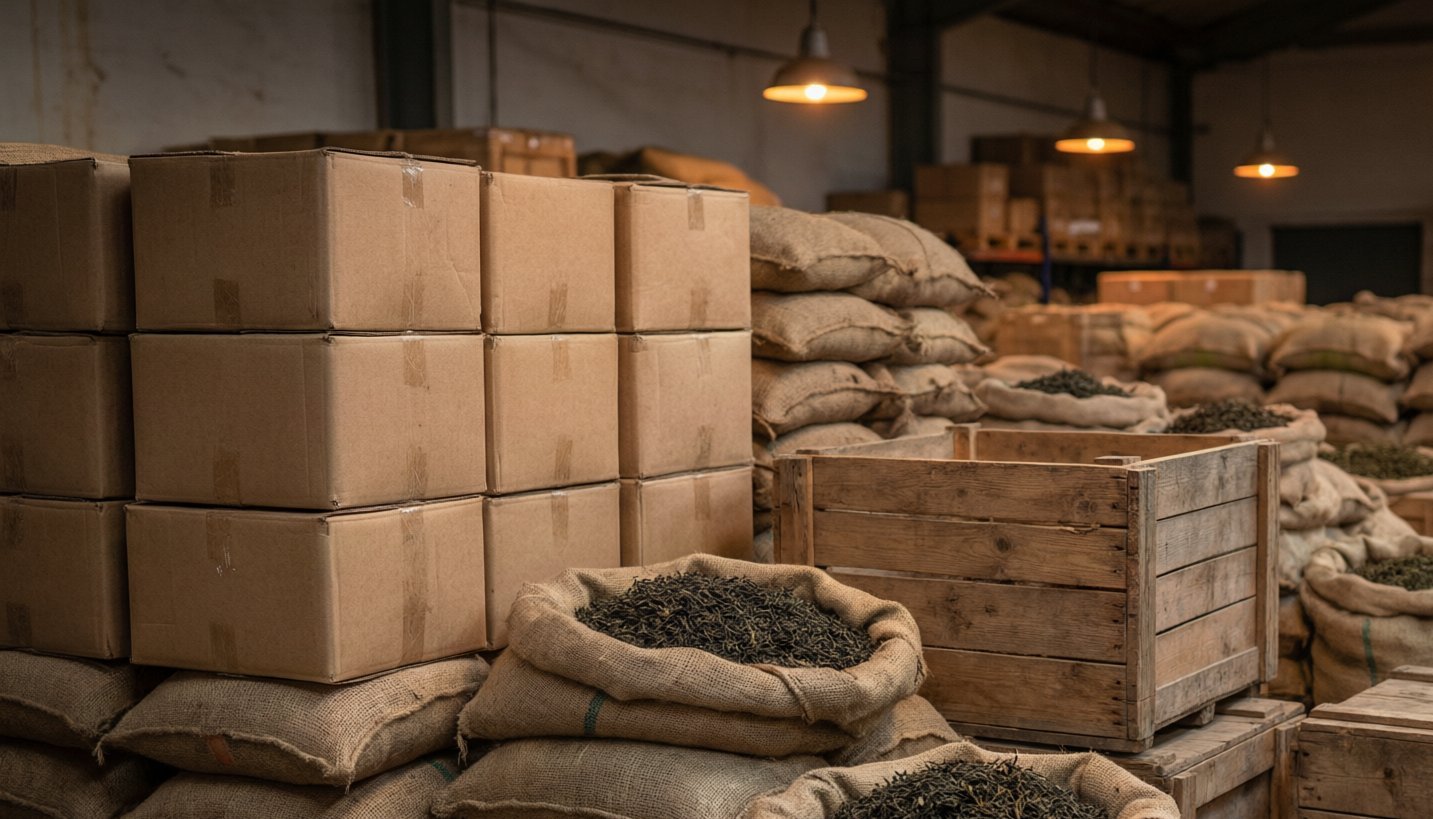
Wholesale Guizhou tea prices depend heavily on order size. A 10 kg sample order usually costs more per kilogram than a 100 kg trial lot, and a full container order can bring the unit cost down further, but only when the supplier can maintain the same leaf grade across the entire volume.
Bulk tea is cheaper to produce per kilogram because sorting and packing are more efficient, but it also carries inventory risk. You pay less for the tea and more for storage, quality checks, and the possibility that some bags do not match the approved sample. Small-lot buying gives more control but less margin.
Retail and private-label prices are usually two to four times the wholesale price or more, depending on packaging, brand positioning, and distribution. For importers, the relevant comparison is not the final retail shelf price but the landed cost after freight, duties, testing, and repacking.
How to Compare Guizhou Tea Supplier Quotes
Start by sending the same specification to every supplier. A useful inquiry names the tea type, plucking standard, harvest window, processing style, moisture limit, order quantity, packaging, testing requirements, and destination port. Without that detail, two quotes cannot be compared.
When the quotes return, compare these points together:
- Price per kilogram and the exact grade it covers.
- Payment terms and whether the price includes VAT, export packing, and domestic freight.
- Lead time and whether the supplier has the lot in stock or must buy it after your deposit.
- Sample approval process and what happens if the bulk lot differs from the sample.
- Testing support for pesticide residue, moisture, and any importer-specific limits.
A price far below the planning range can mean lower leaf grade, older stock, or hidden freight costs. A price far above it can be justified only by clear evidence: real early spring leaf, a traceable garden, clean processing, or a difficult specification. Ask for a sample, a lot photo, and written confirmation before paying a deposit.
Send Your Guizhou Tea Sourcing Requirements
Tell Chinese tea suppliers your tea type, target grade, harvest window, order quantity, packaging, testing needs, and destination port. A specific inquiry returns a usable current quote faster than a general request for "Guizhou tea prices." Contact us at 427728483@qq.com with your specification and quantity.
Guizhou Tea Price FAQ
Is Guizhou tea cheaper than Fujian or Zhejiang tea?
It can be, but the comparison only works within the same grade and harvest window. Everyday Guizhou green and black tea is often lower priced than famous Fujian or Zhejiang specialties with similar leaf standards. Premium Guizhou lots are not automatically cheap, especially early spring bud tea. Compare the leaf, not the province name.
What is a realistic first order budget for imported Guizhou tea?
A small test lot of 20 to 50 kg of budget or standard green tea may cost a few hundred dollars before freight and duties. Premium early spring bud tea at the same weight can cost several thousand dollars. The safer first order is a sample lot first, then a larger trial order once the leaf and supplier are approved.
Does higher altitude always mean higher tea quality?
No. Altitude can influence aroma and leaf thickness, but quality also depends on bush management, plucking, weather, and processing. A high-mountain label should be supported by a specific garden or village, a harvest date, and a sample. Otherwise it is a marketing term rather than a grade.
How do I know whether a Guizhou tea quote is inflated?
Compare the grade and harvest window before the price. Ask for a photo, plucking standard, moisture level, and processing date. Request a sample and check whether the aroma, leaf shape, and color match the quote. If a supplier cannot explain why the price is higher, treat the premium as unproven.
Should I buy early spring tea or save with a later harvest?
Buy early spring tea when you sell high-end retail, gift sets, or customers who want delicate aroma and will accept a higher price. Choose later spring or summer tea for foodservice, blending, and everyday private-label products where stable margin matters more than the most tender leaf.
No author description available.

白玉京