Guizhou Tea Prices 2026: What Wholesale Buyers Actually Pay
Guizhou tea prices in 2026 are set by grade, harvest, processing and order terms, not by a single public market price. For wholesale buyers, the practical benchmark is that clean export-grade Guizhou green and black tea often costs less than comparable material from more famous coastal regions, with the gap narrowing as you move into bud-heavy spring grades and certified lots. The quote only becomes meaningful when the leaf standard, harvest date, moisture content, packaging and testing are fixed. This guide explains how Guizhou tea is priced, why two quotes for the same tea can differ widely, and how to request quotes that can be compared line by line.
What Drives Guizhou Tea Pricing
Guizhou's price structure starts with fresh leaf cost. The province has a large planting base and less competition from high-end domestic label buyers than Fujian or Zhejiang, which keeps mid-grade leaf prices moderate. Picking standard is the largest variable. A bud-only spring pick requires more labor and yields less weight than a bud-and-two-leaves or machine-picked lot, so the same garden can produce very different prices.
Spring Harvest Commands the Premium
The earliest spring buds cost the most because the picking window is short, the yield is low, and the tender leaf requires careful fixation and drying. Later spring and summer growth produce more weight per hectare at a lower cost, though the cup can be thinner and more astringent. Autumn material sits between the two seasons, often offering a useful balance for buyers who want aroma and a moderate price.
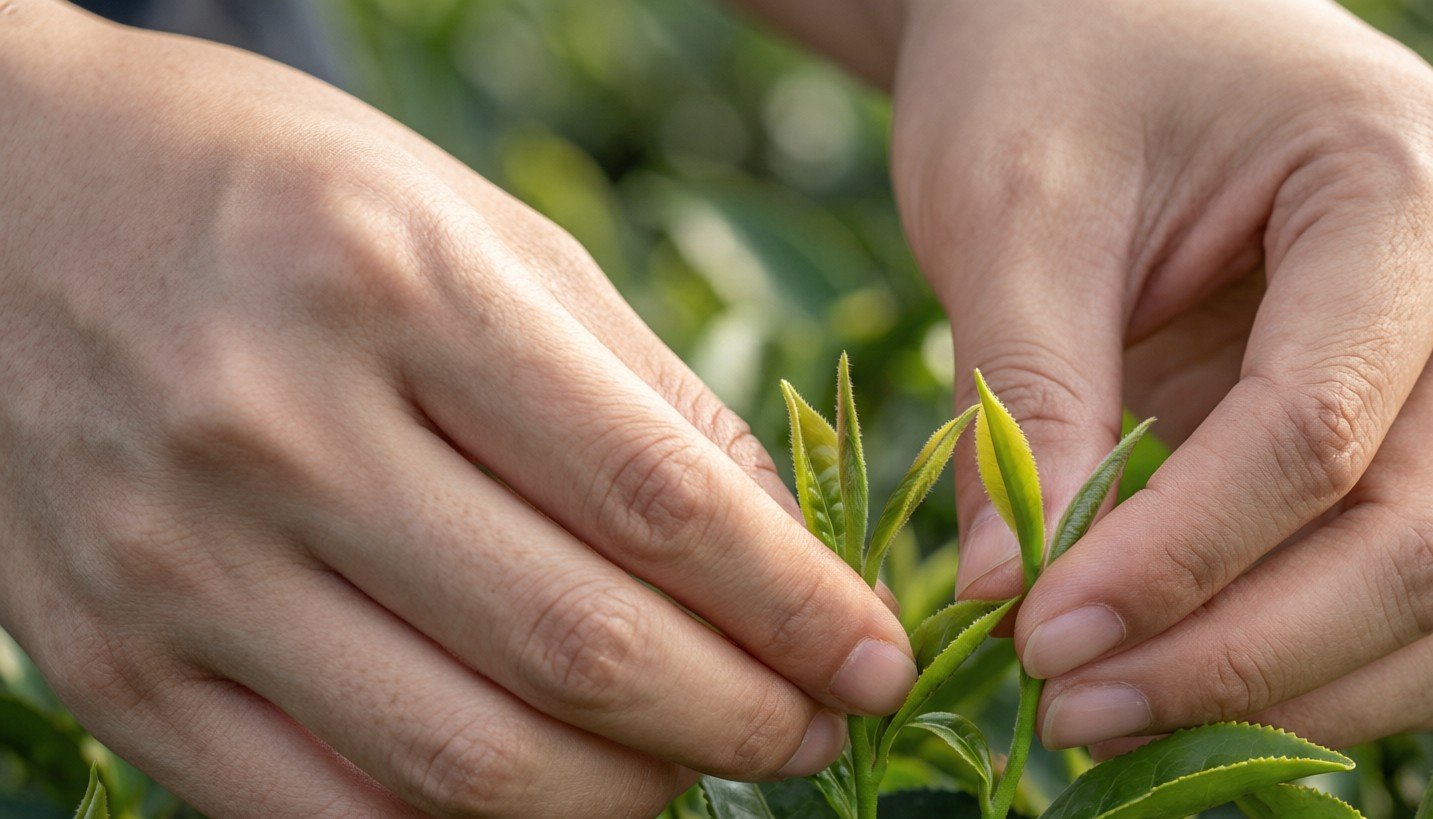
Processing adds further cost: green tea needs rapid fixation and careful drying; black tea adds withering and oxidation; white tea appears simpler but demands careful withering and low-moisture finishing if it is to survive export. Altitude and garden location also affect cost. High-altitude Guizhou material often produces more concentrated aroma and higher bud density, but lower yields and steeper transport from garden to factory raise the per-kilogram price. This does not mean high-altitude tea is automatically better for every buyer; it means it should be judged against a different specification.

Where Guizhou Tea Sits in the 2026 Market
Many importers first consider Guizhou because it offers a cost advantage over more famous regions. That advantage is real for clean commercial grades, but it is not uniform. A well-made Guizhou spring green from a named garden can cost as much as an equivalent mid-tier Zhejiang green once leaf grade and testing are matched. The reputation gap is what creates the opportunity: prices are often lower relative to cup quality, especially for black tea and autumn material, because the origin has less name recognition in Western markets.
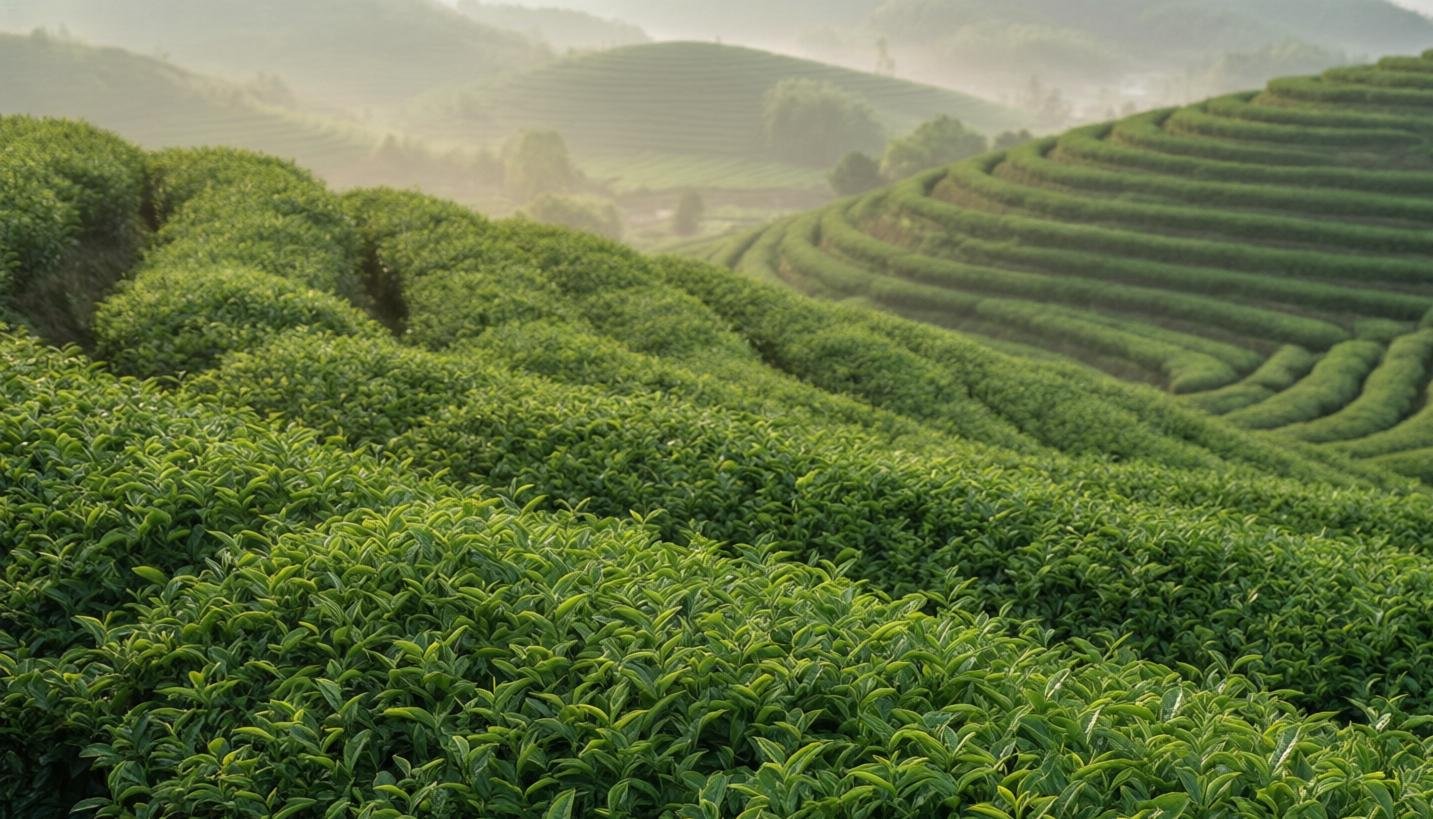
Buyers should treat Guizhou as a sourcing region with several distinct tea types rather than one homogenous commodity. Guizhou green tea includes early spring bud sets, everyday maofeng-style tea and roasted styles; Guizhou black tea ranges from sweet, floral red tea to more robust broken-leaf grades; Guizhou white and dark teas are smaller categories with wider seasonal price swings. Each category follows a different demand cycle, so comparing a Guizhou green quote with a Guizhou black quote without separating category and grade will mislead the buying decision.
Why Two Quotes for the Same Guizhou Tea Are Never the Same
Even when two suppliers use the same name, the underlying lot may differ in measurable ways. Moisture content changes net weight and shelf life. Sorting accuracy changes cup cleanliness and the percentage of broken leaf. Harvest date changes flavor intensity. A quote that appears cheaper may simply be based on a later harvest, a lower picking standard, a higher moisture content, a simpler sort or a lower grade called by a misleading name.
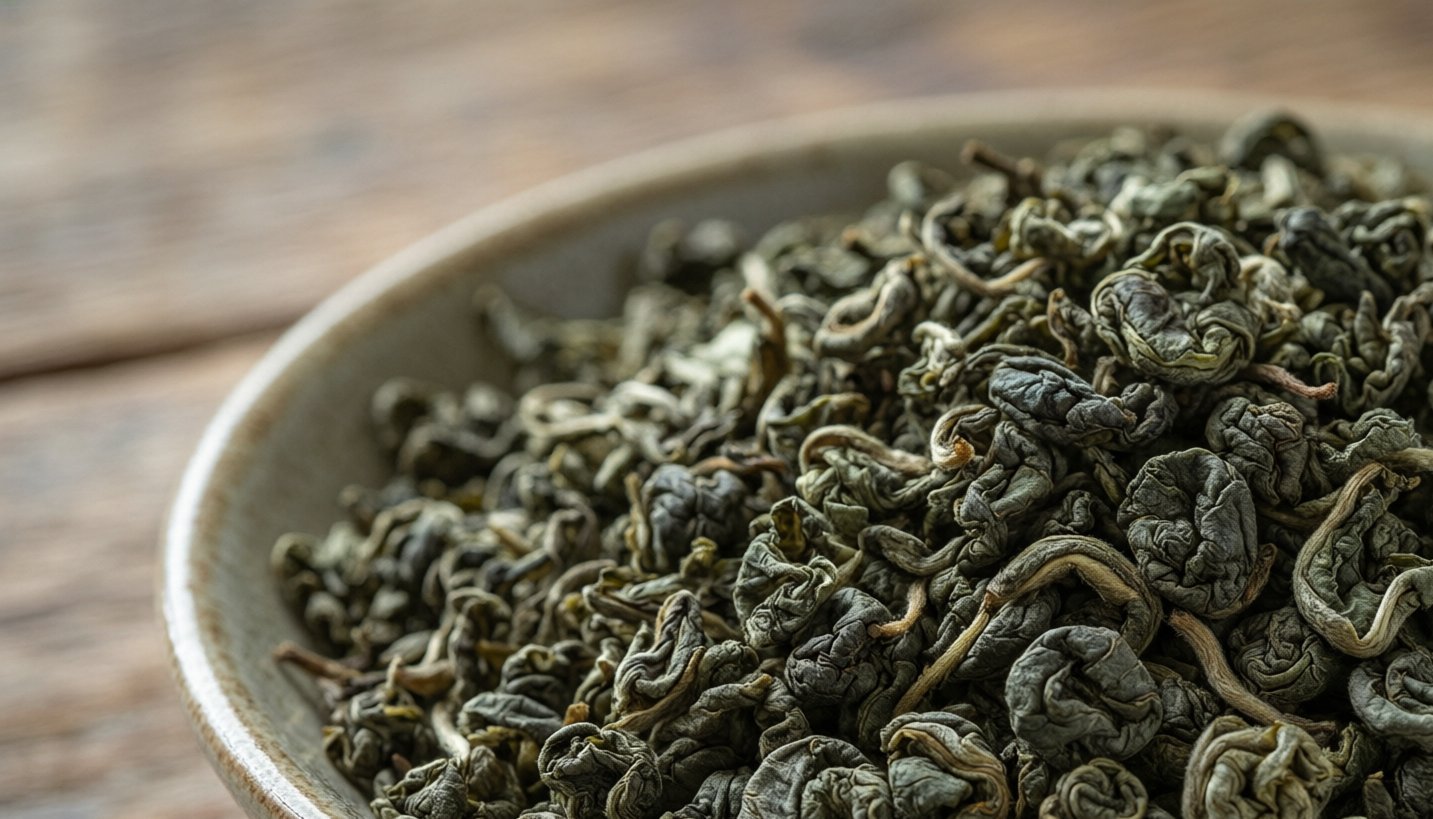
To compare, ask each supplier to fix the same specification: tea type, origin, harvest period, picking standard, grade, moisture limit, sorting standard, packaging and testing. Otherwise price differences reflect specification differences rather than supplier efficiency.
What a Price Quote Can and Cannot Prove
Suppliers often send photos, grade names and test reports alongside a price. Each type of evidence supports a specific conclusion, but none proves the whole lot by itself. The table below separates what a record can reasonably establish from what buyers should not infer.
| Record | Method context | Responsible use | Do not infer |
|---|---|---|---|
| Factory price list | Stated FOB price for a named grade and period | Compare relative price levels | The price is guaranteed or includes testing and freight |
| Leaf grade label | Supplier's claimed picking standard and harvest | Narrow the sample selection | The whole lot is uniform |
| Dry leaf photos | Visual appearance of the offered sample | Screen color, shape, tip content and cleanliness | Flavor, moisture or pesticide compliance |
| Third-party test report | Tested sample, method and date | Confirm the specified parameter on that sample | The entire shipment is compliant or free of other risks |
A price list belongs to the supplier and often covers a specific lot, period and grade. It is useful for comparing relative price levels, but it is not a promise that future lots will remain at the same price or that testing, freight and packaging are included. Test reports are easier to over-read: a report supports only the tested sample, the test method and the date shown. Do not treat a single clean lab report as proof that an entire shipment is compliant.
Hidden Costs That Change Your Landed Price
The FOB quote is not the final cost. Freight depends on whether you buy a pallet, an LCL shipment or a full container, and on the destination port. Packaging changes both unit cost and volume; retail-ready pouches cost more than bulk cartons and can reduce the weight that fits in a carton. Import duties, customs brokerage, local handling, warehousing and financing all appear after the supplier invoice. If you compare an FOB quote from one supplier with a CIF quote from another, you are not comparing the same thing.
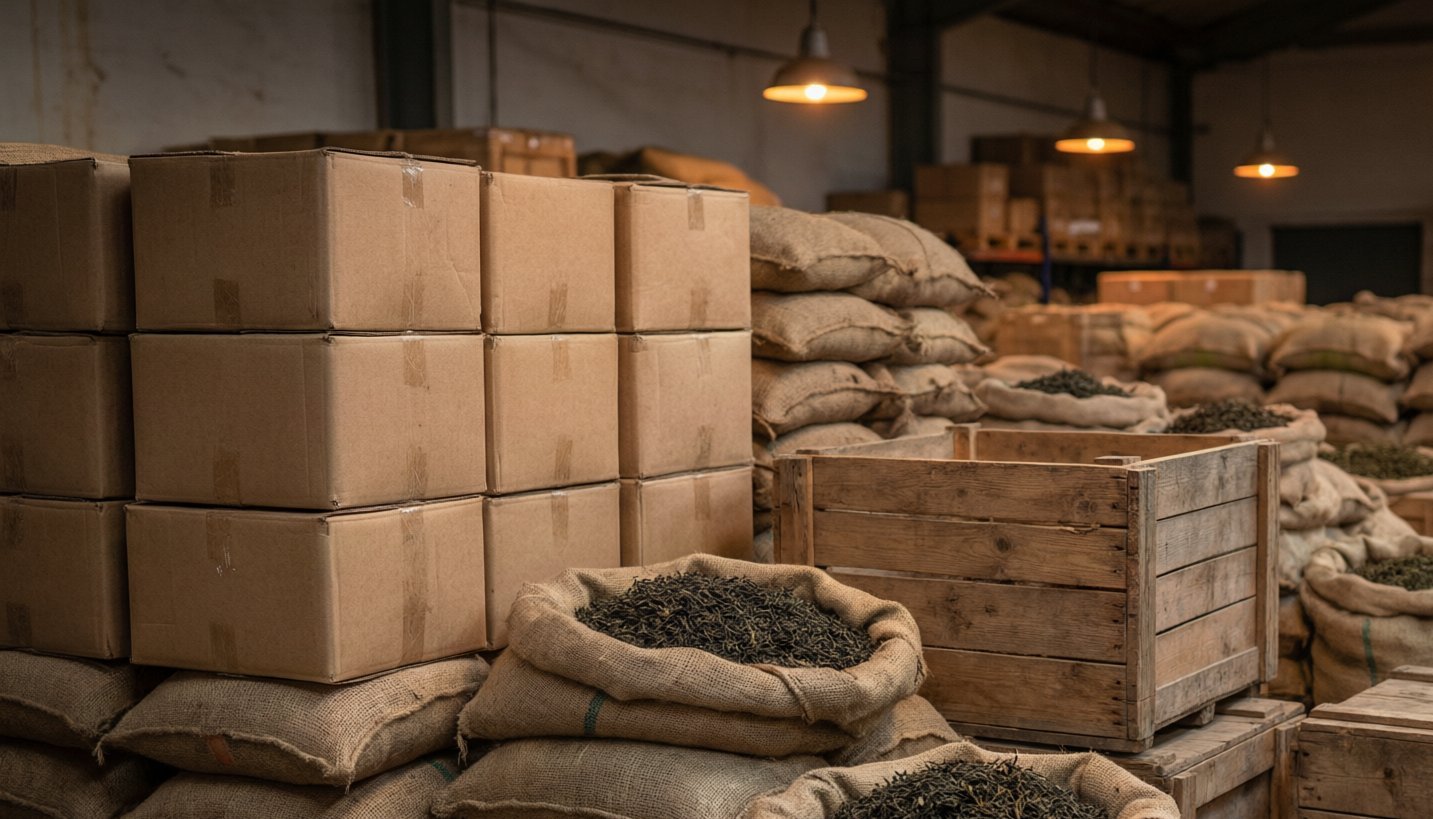
Ask for quotes on the same Incoterm and the same packaging. Then calculate the landed cost per kilogram separately: FOB price plus freight per kilogram plus insurance plus duty plus local handling. A slightly higher FOB price can still produce a lower landed cost when the lot is better sorted, drier and more compact to ship.
How to Request Guizhou Tea Quotes That Compare
The most useful inquiry names the specification rather than asking for a general price. A complete request reduces the chance that a supplier returns a low number based on an easier grade or a smaller package. The fields below are the minimum for a comparable quote.
| RFQ field | What to specify | Why it matters |
|---|---|---|
| Tea type and origin | Guizhou green, black, white or dark; county or garden if relevant | Different categories sit in different price bands and processing costs |
| Picking standard and harvest | Spring or autumn; bud-only, bud-and-leaf or machine-picked | Spring bud-only is the most expensive; later picks lower the price |
| Grade and sorting | Grade name, stem and dust limits, broken-leaf percentage | Vague words such as premium hide different sorting quality |
| Packaging | Bulk carton, vacuum-sealed foil or retail-ready format | Packaging changes unit price and freight volume |
| Volume and delivery | Trial lot or full container, Incoterm, destination port, lead time | Price per kilogram falls with volume and freight efficiency |
| Testing and documents | EU or US MRL, organic certification, lab reports | Compliance costs are often separate and vary by market |
After you receive quotes, compare them line by line. Do not accept the lowest number until the specification, term, pack size and lead time match. If a quote is materially lower, ask what changed in the specification rather than assuming the supplier is more efficient.
Request a Guizhou Tea Quote
To get a current Guizhou tea price for your target specification, send a concise inquiry with the tea type, grade, harvest period, volume, destination port and required testing. A precise request returns quotes that can be compared rather than a list of attractive numbers. For a current Guizhou tea quotation, contact Chinese tea suppliers at 427728483@qq.com with your specification and order window.
FAQ
Is Guizhou tea cheaper because it is lower quality?
No. Guizhou's lower prices mainly reflect a smaller reputation premium and a large production base. Quality depends on grade, picking and processing, not origin alone. A clean early spring Guizhou green can exceed a low-grade famous-region tea in cup quality.
What affects the price more, harvest or grade?
Both. A bud-only spring lot costs more than a later bud-and-leaf lot of the same tea. Within the same harvest, sorting and leaf integrity separate commercial, premium and specialty grades.
Can I get a fixed 2026 price list?
Most suppliers prefer quote-based pricing because fresh leaf cost, exchange rates and testing requirements move during the year. Ask for a quote with a validity period tied to the current harvest or order window.
What should I order first if I am new to Guizhou tea?
Start with a small trial lot across two or three grades, then cup and inspect each lot against the same specification. This lets you calibrate price to quality before committing to a larger production order.
No author description available.

白玉京