Da Hong Pao Black Tea: How Different People Should Drink It
Da Hong Pao black tea rewards a careful drinker more than a rushed one. Although the dark rolled leaves are sometimes listed with black teas in export catalogs, Da Hong Pao is a roasted Wuyi rock oolong, and its thick texture, mineral finish, and char-like sweetness change with water temperature, steeping time, and drinker sensitivity. The right way to drink it depends on what you want from the cup: a structured morning cup, an after-meal reset, or a slow tasting session. This guide separates the brewing choices that matter for different people from the habits that only change the label.
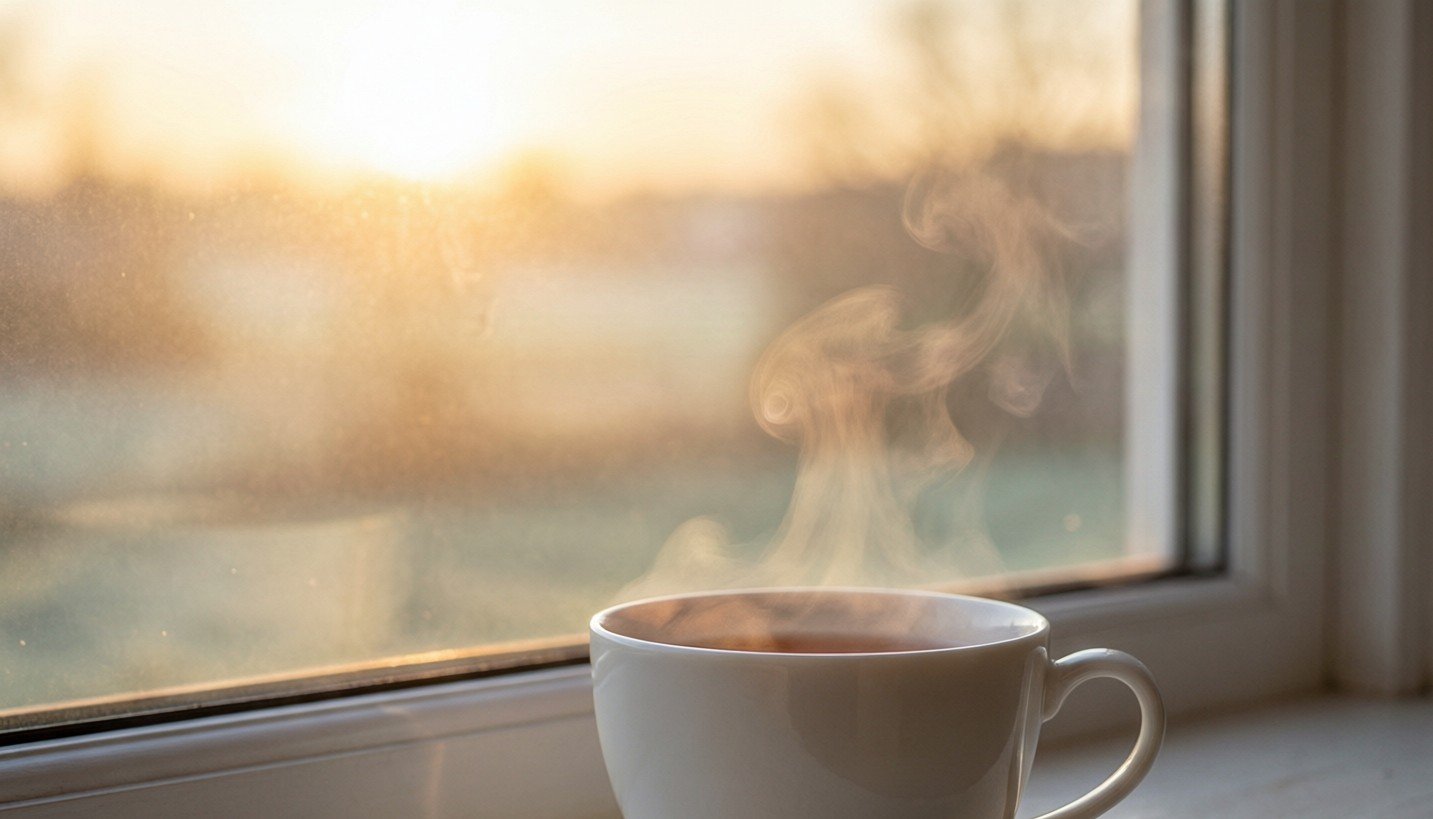
What Da Hong Pao Black Tea Is
Da Hong Pao comes from the Wuyi Mountains in Fujian, where rocky soils and shaded valleys produce a heavily processed oolong with a roasted edge. The name is used broadly in export markets, so the cup can range from a bright amber tea with floral lift to a dark, almost chocolate-like roast. That range is not always a sign of quality. It is a sign of blending, roast level, and leaf grade. Before adjusting the brew, it helps to identify which expression is in the cup. A lighter baked version usually shows more orchid and stone fruit notes. A heavier roast carries more charcoal, toasted grain, and a drying mineral finish. Neither is the single correct version, but each suits a different drinker.
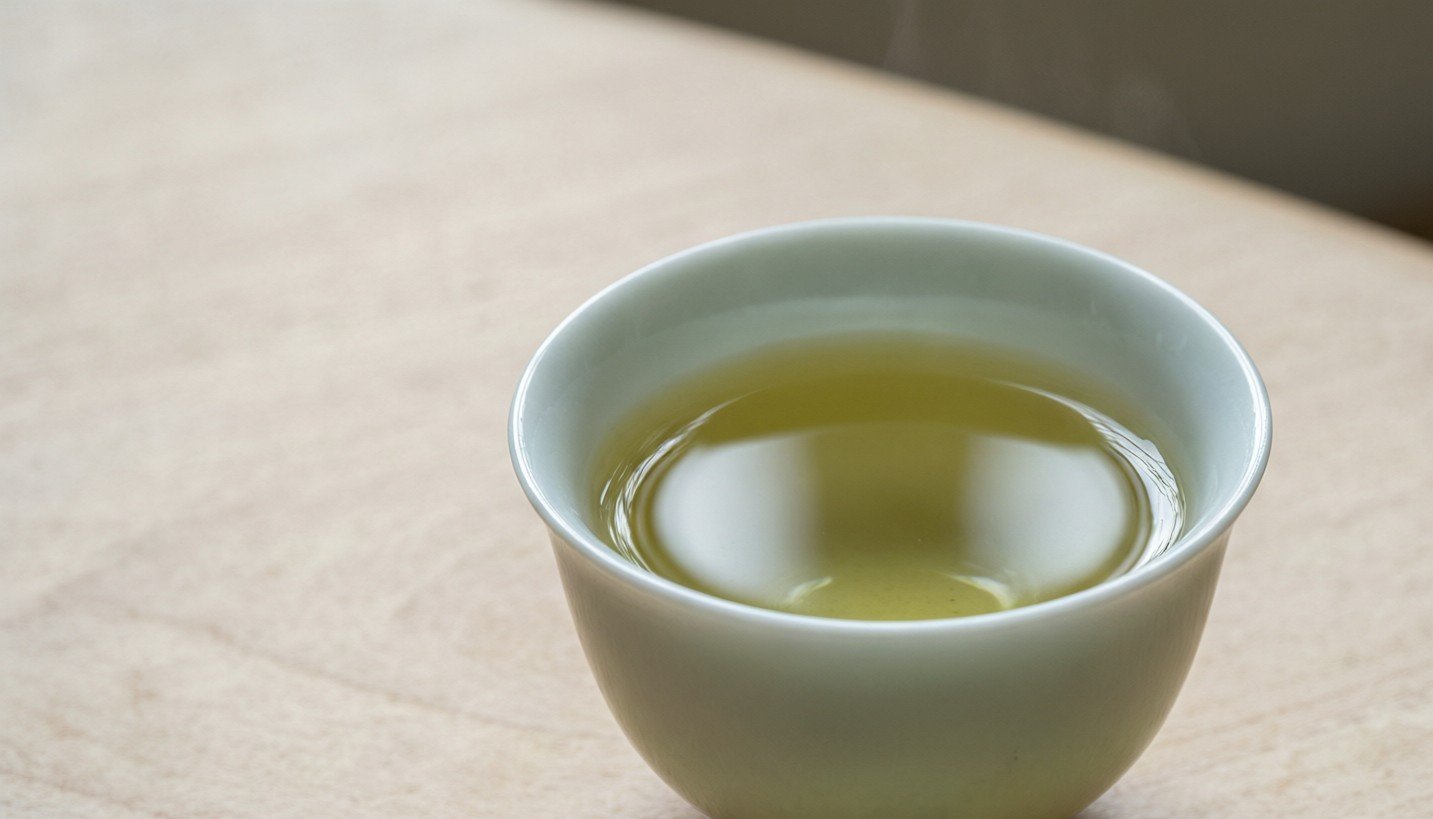
How Roast Level Shapes the Cup
Roast level changes the tea more than most brewing adjustments do. A low or medium roast keeps the floral and fruity top notes open, while a high roast closes some of those aromas and replaces them with roasted nuts, dark caramel, and a longer finish. People who find green or floral oolongs too pointed often prefer the deeper roast. People who want the tea to hold up against a heavy meal usually want the same. The tradeoff is that a heavy roast can hide thin or flat material. A buyer should ask for a sample before ordering a large quantity.
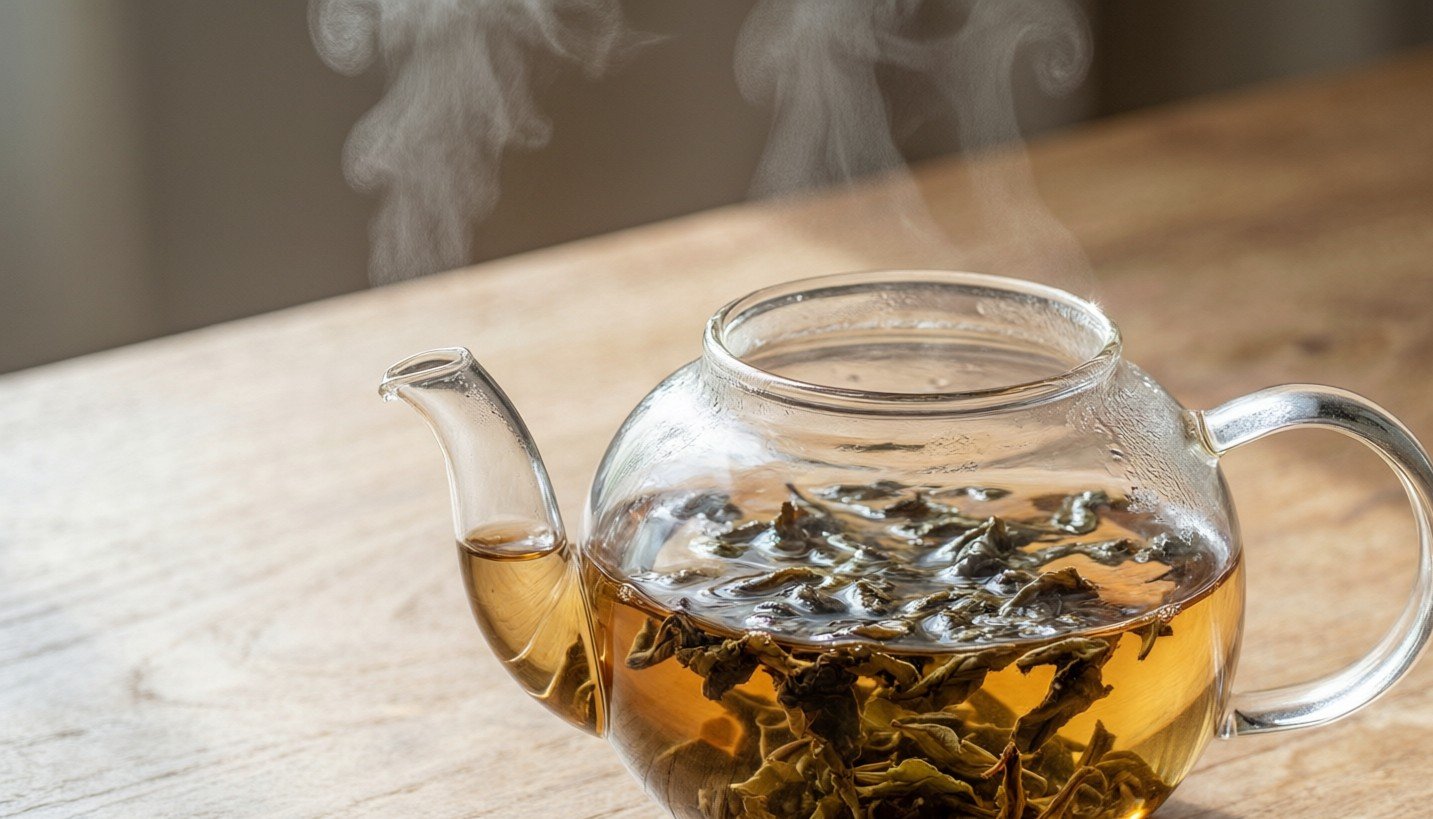
How Different Drinkers Can Adjust the Brew
Da Hong Pao is forgiving enough for a mug, but the best cup comes when the method matches the drinker. The table below separates the most useful adjustments from the ones that only add ceremony.
| Drinker situation | What often goes wrong | Better approach | Why it helps |
|---|---|---|---|
| New to roasted oolong | The first steep feels bitter and drying | Use fewer leaves and a shorter first steep | Limits early astringency while still showing body |
| Coffee drinker switching | The tea feels too thin | Increase the leaf to water ratio and use hotter water | Builds the roasted texture coffee drinkers expect |
| Sensitive to caffeine or an empty stomach | The cup feels strong or heavy | Use a smaller cup and drink after food | Keeps the roasted intensity pleasant rather than overwhelming |
| Drinking after a rich meal | The tea becomes too much | Use a slightly lighter leaf ratio and shorter steeps | Refreshes without adding heaviness |
| Gongfu-style taster | Flavors blur together | Use a gaiwan and flash steeps for the first rounds | Separates the aroma, roast, and mineral finish |
| Office mug drinker | The last half of the mug turns harsh | Brew in a basket and remove the leaves while the liquor is still amber | Stops the tea from oversteeping in the cup |
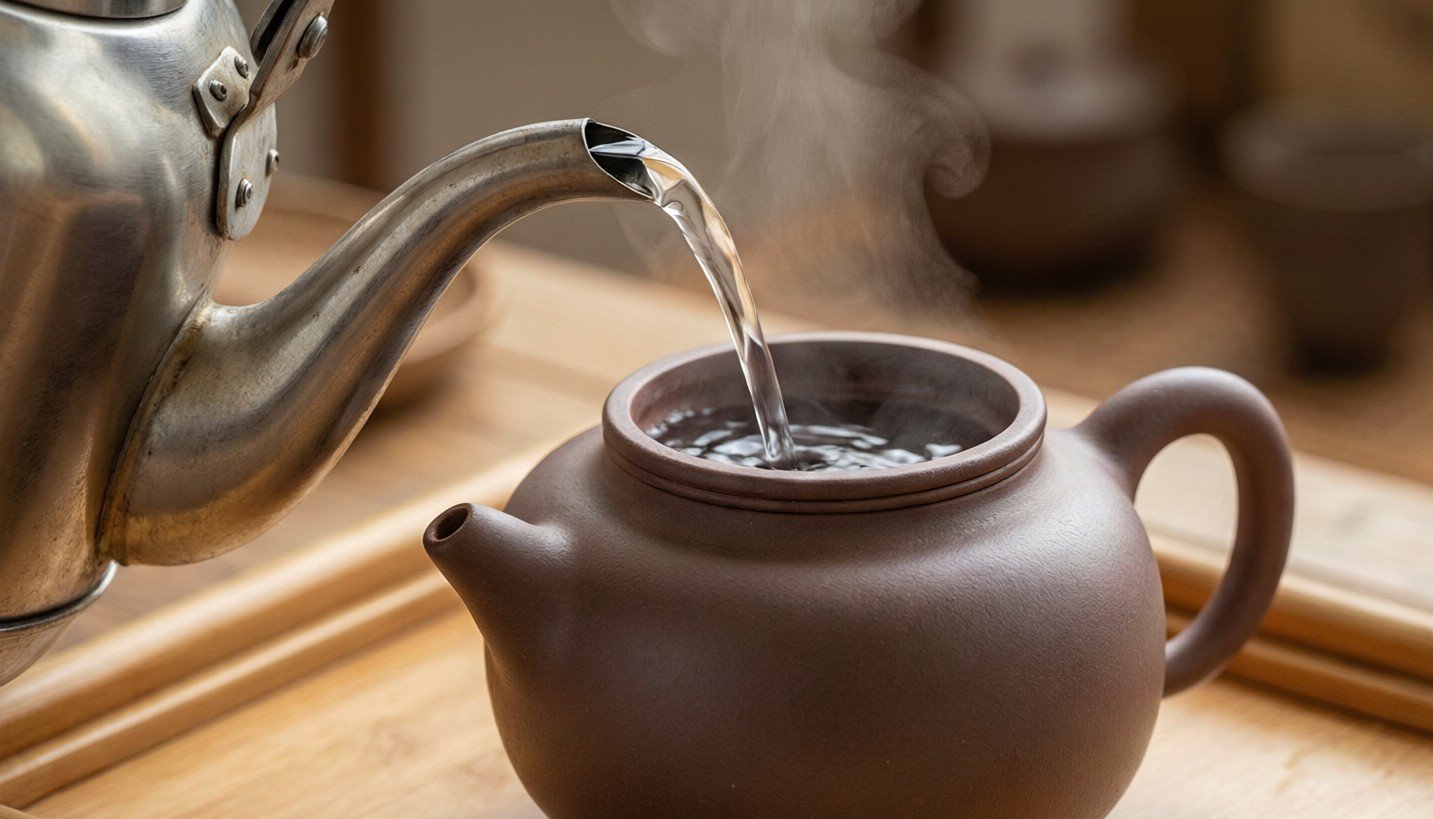
Daily Drinking Without Oversteeping
Most disappointment with Da Hong Pao comes from leaving the leaves in contact with water too long. The first steep can be rich, but a mug brewed for several minutes turns bitter and loses the mineral clarity. The simplest daily method is to use a brewing basket or a small teapot, pour water just off a boil, and decant or remove the leaves while the color is a deep golden amber. If the tea is a darker roast, the color will look more copper. Color alone is less important than stopping the steep before the liquor turns harsh. The leaves can usually be steeped several times, and later steeps often show more sweetness than the first.
What Buyers Should Check Before Ordering
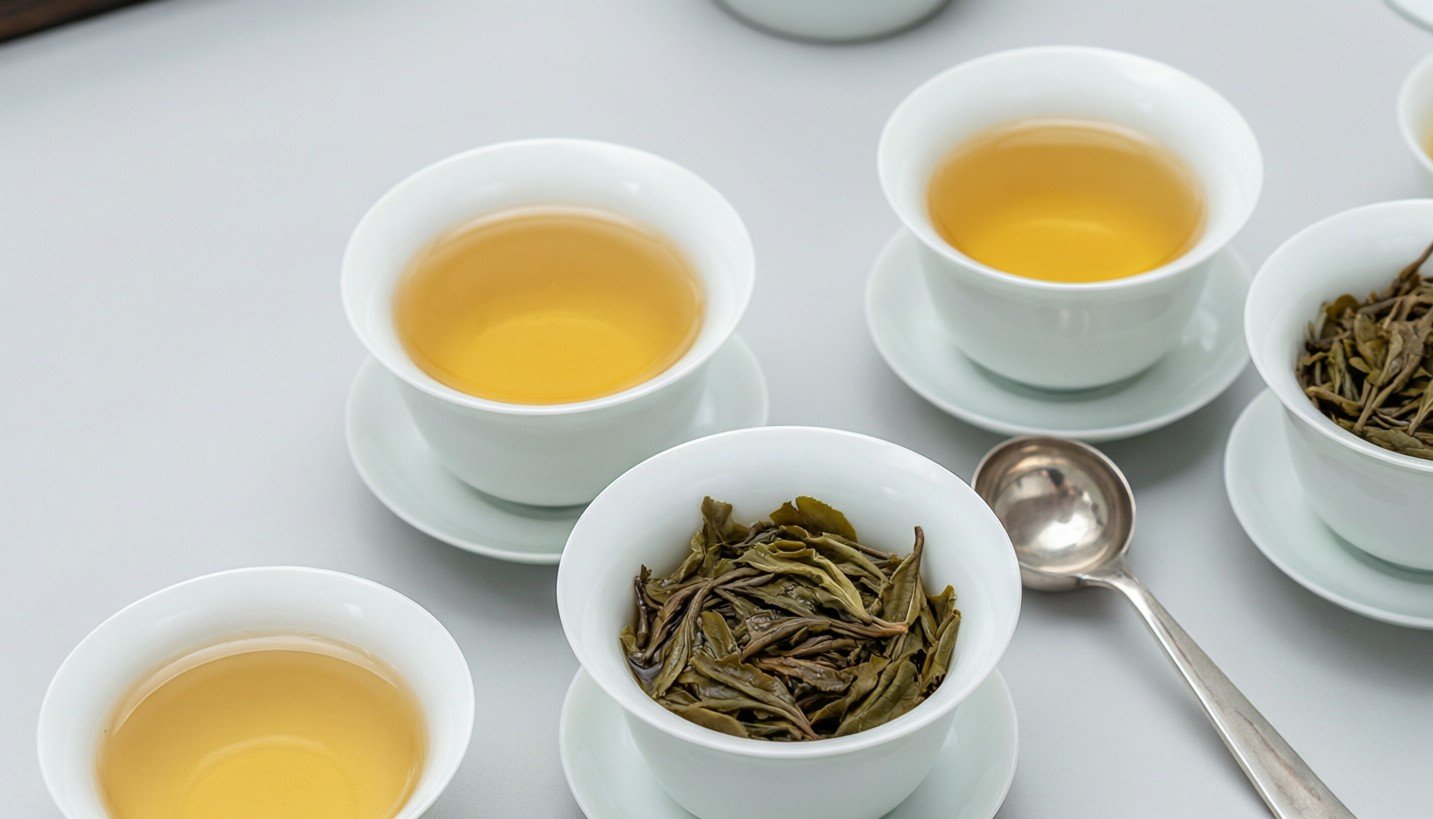
Because Da Hong Pao is a widely used trade name, two samples with the same label can brew very differently. Before ordering, ask for the origin, roast level, harvest information, and leaf grade. Look at the dry leaf: it should be tightly rolled or strip-shaped depending on the style, dark but not charred, with a warm roasted aroma rather than a flat burnt smell. The wet leaf should unfurl into supple leaves with red edges and a greenish center in many traditional versions, though heavy roasting can darken the leaf. A buyer should also taste the rinse and the second steep, since the first may carry surface roast while the second reveals the underlying material.
Why Storage Changes the Drinking Window
Storage matters because roast character fades after the pack is opened. Keep Da Hong Pao in an odor-free sealed container away from heat, light, and moisture. A moderate roast is often at its most expressive within the first year after opening, while a heavier roast can soften and become smoother for a while but loses its edge if stored too long. Do not store it in a damp cellar or a kitchen cabinet above the stove. If a sample has lost its roasted aroma and tastes flat, it is not a brewing failure; the tea has simply moved past its best window.
Plan a Da Hong Pao Order Around How Your Customers Drink
Different customers need different expressions. A cafe serving mugs may want a medium-heavy roast that stays pleasant when brewed strong. A tea house running gongfu service may want a roast and leaf grade that opens across several infusions. A retail buyer may want a balanced version that is easy to explain. Send the intended brewing method, cup size, and the drinker profile you are selling to, and we can recommend a sample set. Email Chinese tea suppliers at 427728483@qq.com with your market and use case.
Frequently Asked Questions
Is Da Hong Pao a black tea or an oolong?
Da Hong Pao is a Wuyi rock oolong. Export listings sometimes call it black tea because of its dark roasted leaves and amber-brown liquor, but it is not made like a fully oxidized black tea. The roasting creates the dark color and much of the body.
How long should the first steep be?
The first steep should be short enough to keep the liquor balanced. In a gaiwan, that often means pouring off very quickly after the water is added. In a mug with a brewing basket, remove the leaves while the color is still rich amber. The exact timing matters less than stopping before the taste turns harsh.
Can I brew Da Hong Pao in a mug instead of a teapot?
Yes. Use a brewing basket or a paper filter bag, add fewer leaves than a teapot would use, and remove the leaves before the liquor darkens too much. The tea will be less layered than a gaiwan session, but it can still be clean and pleasant.
Does a heavier roast mean lower quality?
Not by itself. A heavy roast can be a style choice that suits coffee drinkers and after-meal drinking. The question is whether the roast covers flat or thin material. Taste the second steep: if the body disappears and only roast remains, the base leaf is weak.
How should I store an opened pack?
Keep the leaves in an odor-free sealed container away from heat, light, and moisture. Do not refrigerate tea that you are opening and closing often. Use a clean, dry spoon, and keep the container in a cool cabinet, not above a stove or beside a window.
No author description available.

白玉京