Pu-erh Tea Health Benefits: What Current Evidence Shows
Pu-erh tea health benefits sit in a difficult position: the tea contains genuinely interesting fermentation compounds, but human proof is thinner than most product pages suggest. The most defensible view is not that pu-erh is a cure. It is that pu-erh is a low-calorie, low-sugar beverage with biologically active compounds and some promising but preliminary trial signals. This article separates what the current evidence can support from what it cannot, so you can choose and buy without treating a tea label as a prescription.
How Pu-erh Tea Differs From Other Tea
Pu-erh is a post-fermented tea from Yunnan. Raw pu-erh, often called sheng, changes slowly through microbial activity and oxidation over years. Ripe pu-erh, called shou, goes through pile fermentation, in which heat, moisture, and controlled microbial action transform the leaf quickly. That fermentation step matters for health discussions because it changes the starting polyphenol profile and creates compounds that unfermented green tea does not contain at meaningful levels.
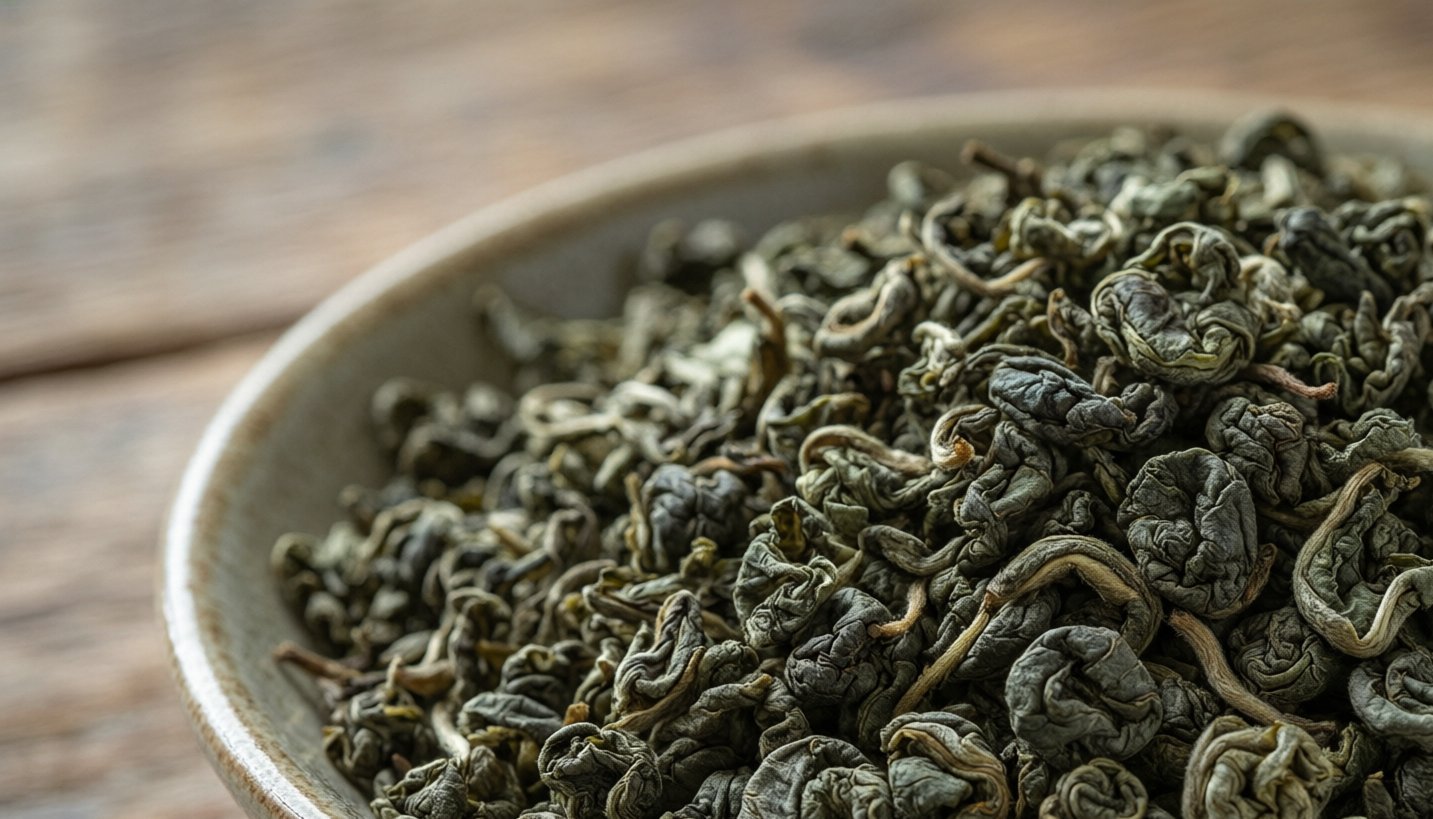
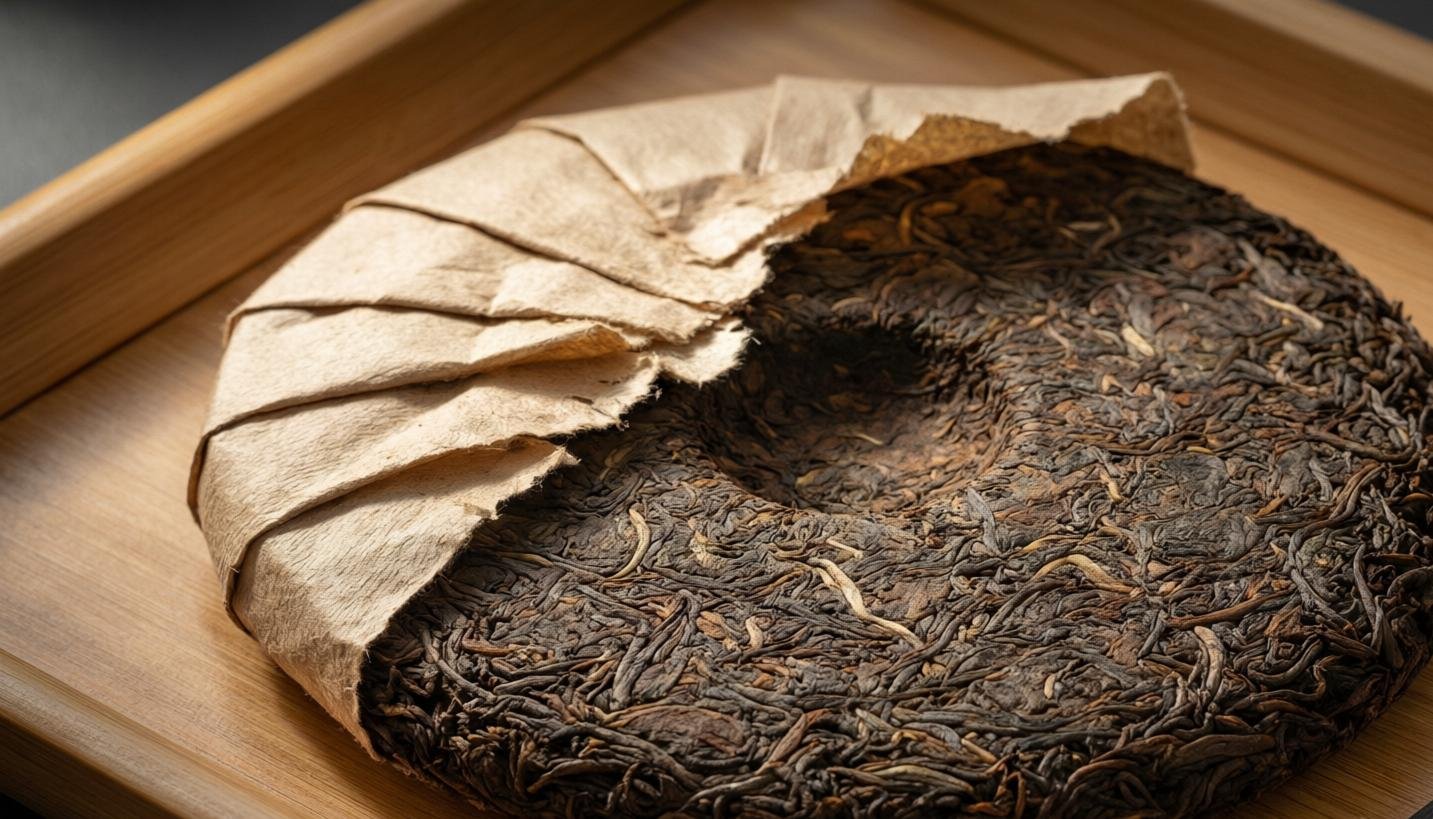
Compressed forms such as cakes and tuos change how the tea ages and how much surface area is exposed to air and microbes, but shape alone says little about health. A young raw cake, a wet-stored raw cake, and a ripe cake can deliver different compounds even when all carry the same pu-erh name.
Fermentation and Gut Health Evidence
The most active area of pu-erh research concerns gut microbiota. Fermentation can reduce simple catechins while increasing microbial metabolites, small phenolic acids, and dark pigments such as theabrownins. In laboratory and animal models, these compounds are associated with changes in gut bacteria and bile acid metabolism. Human evidence is smaller and shorter, so the reasonable conclusion is that pu-erh may influence the gut environment, but the size and durability of that effect in everyday drinkers is still unclear.
| Health claim | Evidence type | What it can support | Do not infer |
|---|---|---|---|
| Gut microbiota changes | Small human trials, animal models | Fermented pu-erh may alter gut bacteria in short-term studies | That it reliably improves digestion or immunity in every drinker |
| Cholesterol and lipid markers | Mixed human trials | Some trials report modest changes under controlled intake | That it replaces medication or offsets a poor diet |
| Weight and fat loss | Limited trials, observational data | Pu-erh can replace higher-calorie beverages | That it independently causes meaningful fat loss |
| Antioxidant capacity | Lab assays, short-term human work | Pu-erh compounds show antioxidant activity in laboratory tests | That every antioxidant claim is a proven health benefit |
Metabolic and Cardiovascular Effects in Human Studies
Several small human trials have measured lipid profiles, body weight, or glucose markers after regular pu-erh intake. Results are mixed. Some report modest changes, while others show no meaningful difference once diet and baseline health are accounted for. This does not make pu-erh useless. It means the strongest research-backed statement is that pu-erh can fit into a pattern of lower-sugar beverage choices, not that it produces a measurable metabolic effect on its own.
Caffeine, Energy, and Who Should Be Careful
Pu-erh contains caffeine. The amount varies by leaf grade, brewing time, water temperature, and whether the tea is raw or ripe. Cup strength cannot be read from the tea's dark color alone. For most adults, moderate consumption is well tolerated. People who are pregnant, sensitive to stimulants, low in iron, or taking medications that interact with caffeine or blood clotting should be more careful, because tea can affect iron absorption and some tea compounds may interact with certain drugs.

How to Assess a Pu-erh Health Claim Before You Buy
Ask what the claim is actually based on. Antioxidant activity in a laboratory assay is not the same as a health outcome in people. An animal dose is not a human cup. A phrase such as "supports digestion" is not the same as a clinical result. The practical checks are simpler. Buy from suppliers that can provide batch information and, where relevant, lab screening for pesticide residues and microbial contaminants. Pu-erh's fermentation history also makes storage hygiene important. A badly stored tea may carry mold or off odors that have nothing to do with health benefits.
Sourcing Pu-erh for Your Market
If you are buying pu-erh for retail, food service, or private label, the most useful next step is to define the fermentation style, age, target market, packaging, and any lab documentation you need. We can help narrow suitable lots and arrange samples. Contact Chinese tea suppliers at 427728483@qq.com.
FAQ
Does pu-erh tea contain caffeine?
Yes, but the amount varies. Dark color is not a reliable guide. A shorter steep, cooler water, or a lower leaf-to-water ratio generally reduces caffeine extraction.
Is raw or ripe pu-erh healthier?
Neither is automatically healthier. Raw and ripe pu-erh have different compound profiles and may feel different to the stomach. The better choice is the one you tolerate well and will drink consistently.
Can pu-erh tea help with weight loss?
It can support a lower-calorie beverage habit, but evidence that pu-erh independently causes meaningful fat loss is limited. Treat it as a replacement for sugary drinks, not as a treatment.
How much pu-erh is safe to drink?
For most healthy adults, a few cups a day is generally accepted, but the right amount depends on caffeine tolerance and medication use. If you are pregnant, sensitive to stimulants, or taking medication, ask a clinician before making pu-erh a daily habit.
What should I check when buying pu-erh for health reasons?
Check batch information, storage conditions, and any available lab screening. A clean, well-stored tea is the first requirement. Health benefits cannot compensate for mold, off odors, or contamination.
No author description available.

白玉京