How to Verify Authentic Meitan Cuiya Tea
Meitan Cuiya is a green tea made primarily from tender spring buds in Meitan County, Guizhou. Authenticity is not decided by one green color or a printed origin label. A reliable check combines origin information, dry leaf quality, brewed leaf behavior, and supplier documentation. This guide gives buyers a sequence of checks they can perform before accepting a lot, and it explains what each check can and cannot prove.
Check the Origin Before You Check the Leaf
Start by reading the label for a specific production area in Meitan County, Zunyi, Guizhou, not just a generic Guizhou or China marking. A lot that names the township, processing factory, harvest date, and grade is easier to verify. A label that only says green tea or Cuiya style carries less information and should be treated as unverified until the physical tea supports it.
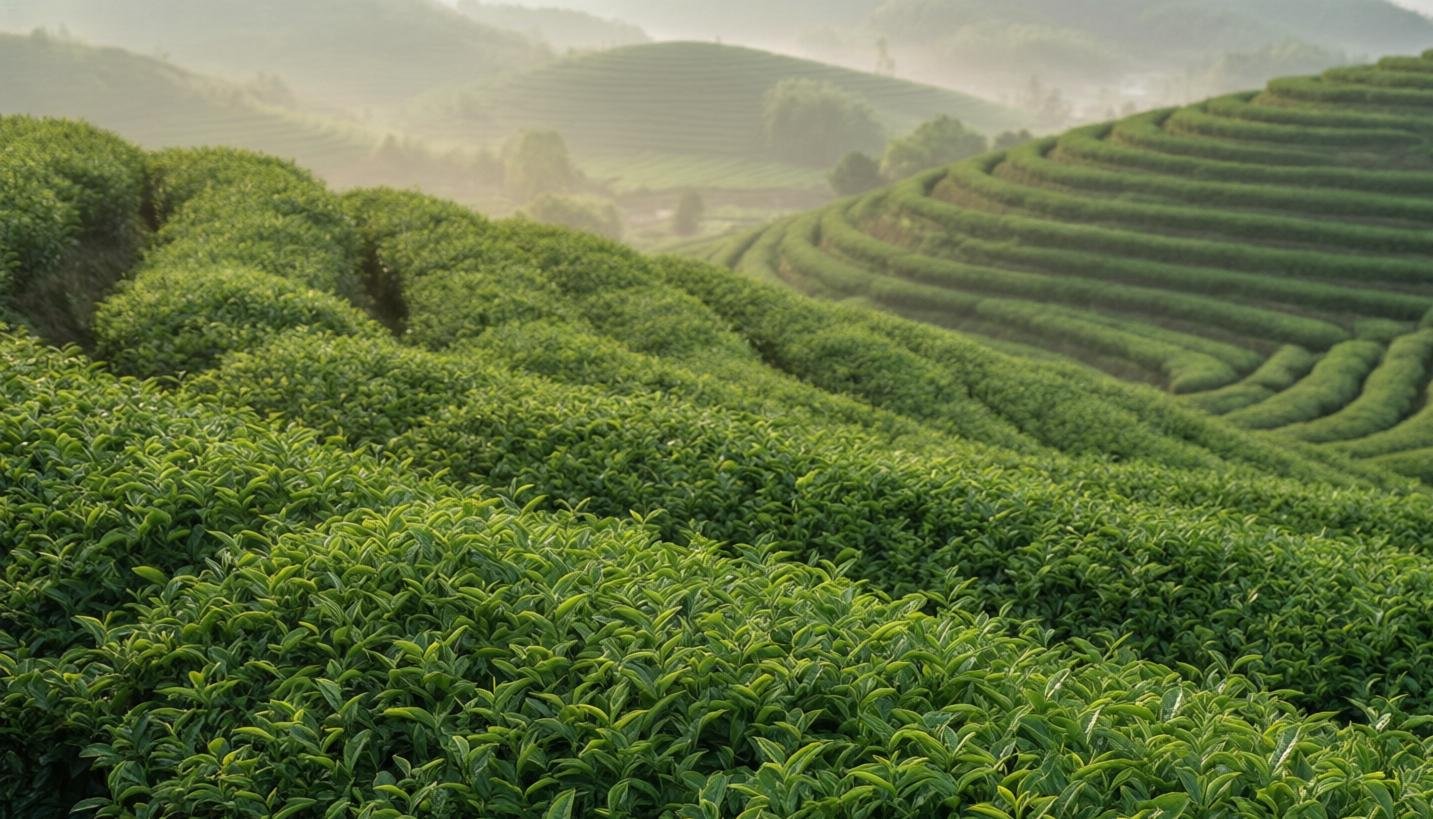
Origin information matters because Meitan Cuiya has value partly from its regional leaf source and spring harvest window. A vague label does not automatically mean the tea is fake, but it means the buyer must rely more heavily on dry leaf, wet leaf, and supplier records. The strongest check is when the label, the offered lot, and the supplier's batch record all point to the same harvest and processing location.
What the Dry Leaf Should Look Like
Meitan Cuiya is usually a bud-dominant green tea. The dry leaves are often straight, even, and bright jade green, with a clean fresh fragrance that can include a light chestnut or bean-like note. Off lots tend to be broken, dull, or mixed in size, and they may carry a flat, toasty, or tired aroma.
| Observation | What it supports | What to ask next |
|---|---|---|
| Bright green, mostly intact buds | Fresh spring material and careful sorting | Confirm harvest date and grade |
| Broken or mixed leaf sizes | Rough handling or lower grade material | Ask for grade specification and sample comparison |
| Dull, gray-green or yellow-brown leaves | Age, heat exposure, summer material, or poor storage | Check harvest year and storage conditions |
| Strong toasted or smoky smell | Over-firing or masking of weak aroma | Ask for processing date and firing method |
| Thin, flat fragrance | Weak material or long storage | Compare with a fresh reference sample |
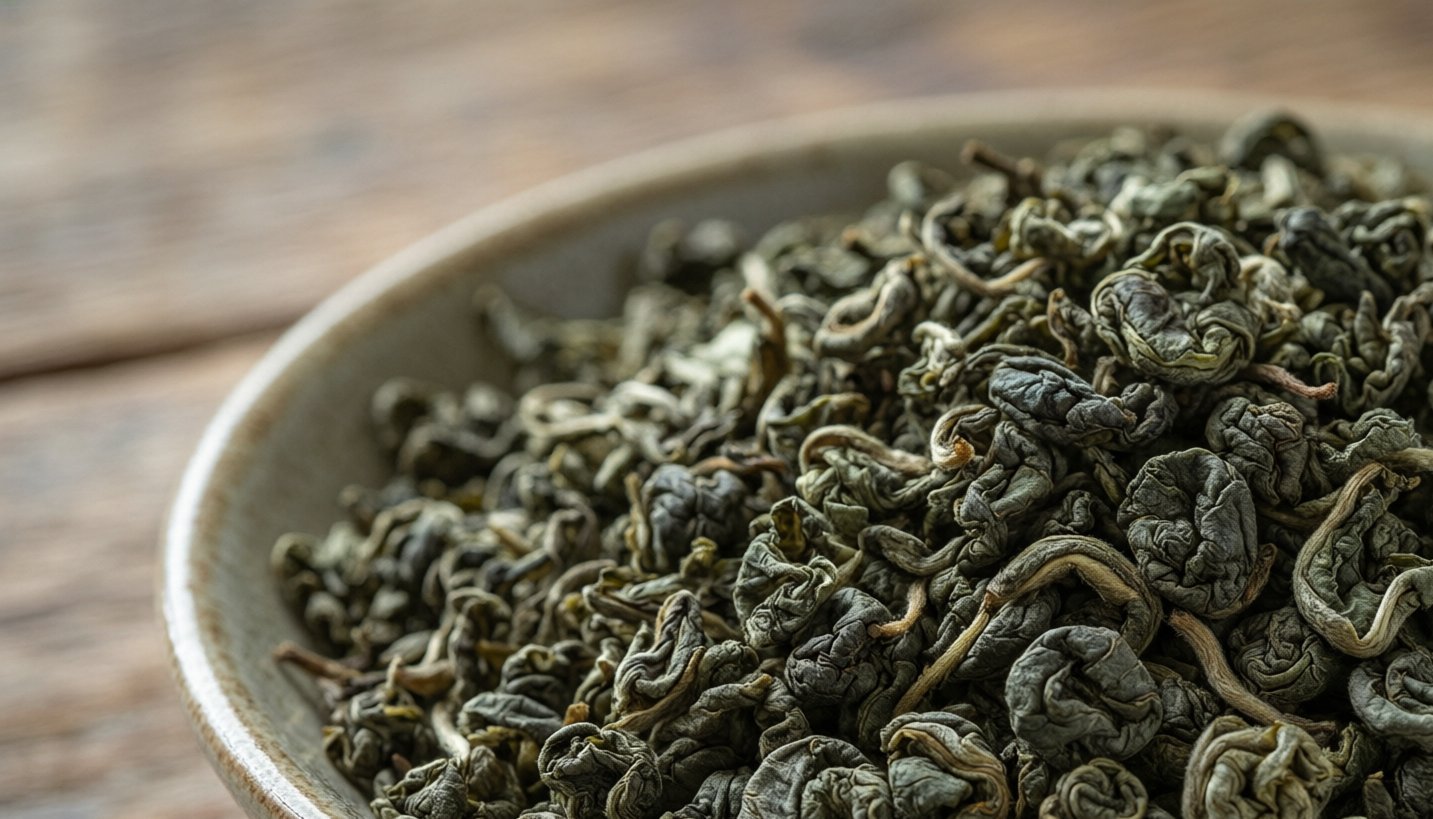
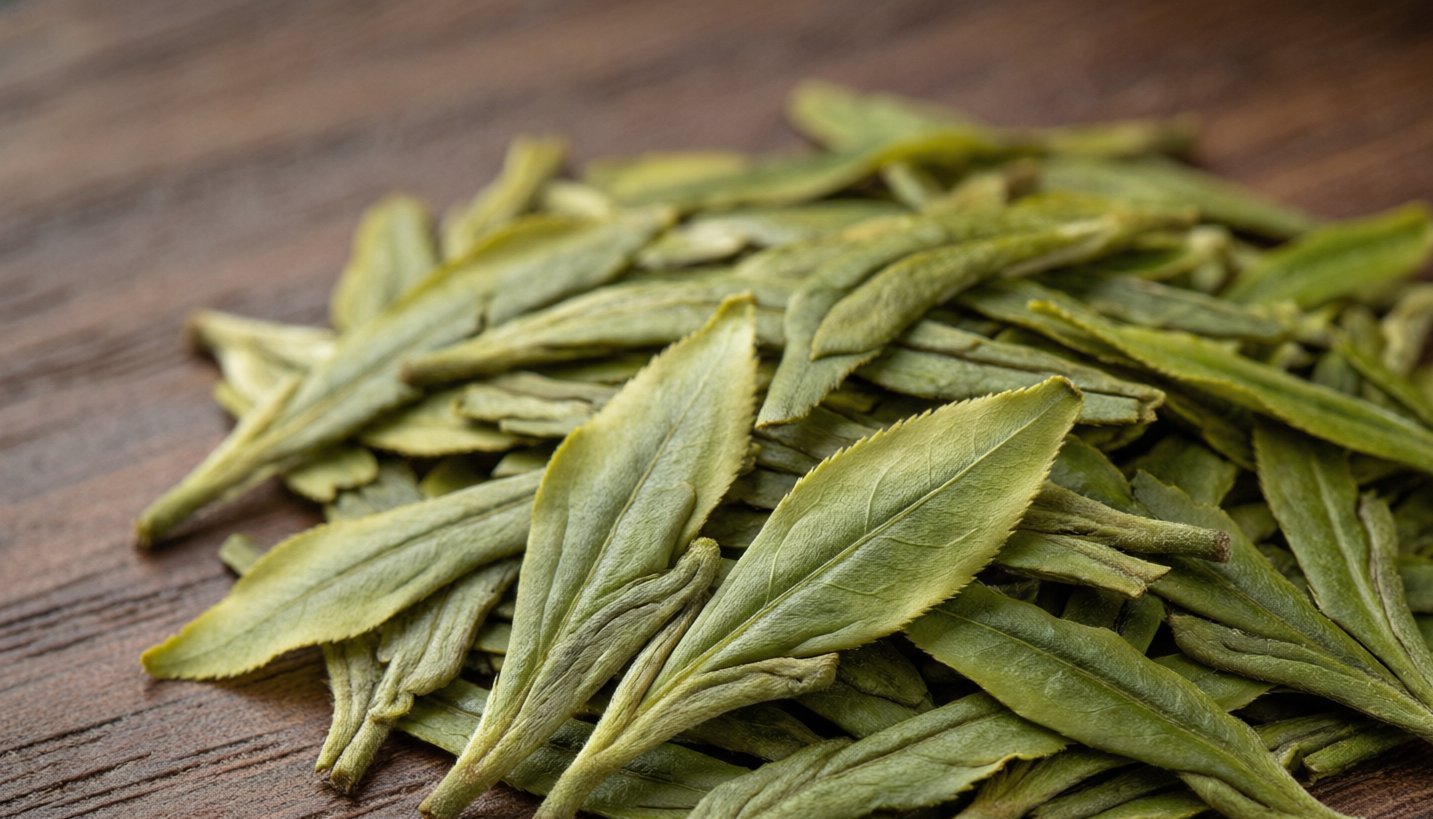
A single observation is not enough to reject a lot. A dull color can come from storage conditions rather than substitution, and a bright color can be produced by careful sorting of lower-value leaf. Use the dry leaf check as an early screen, then move to the brewed leaf for stronger evidence.
Brew It and Watch the Wet Leaf
Use a neutral glass or cupping set so the color and wet leaf are easy to see. Brew about 3 grams of tea in a 150 ml cup at 80 to 85 degrees Celsius for two to three minutes. The buds should soften and open gradually. The liquor should be clear and pale green to yellow-green, with a fresh aroma and a clean finish.
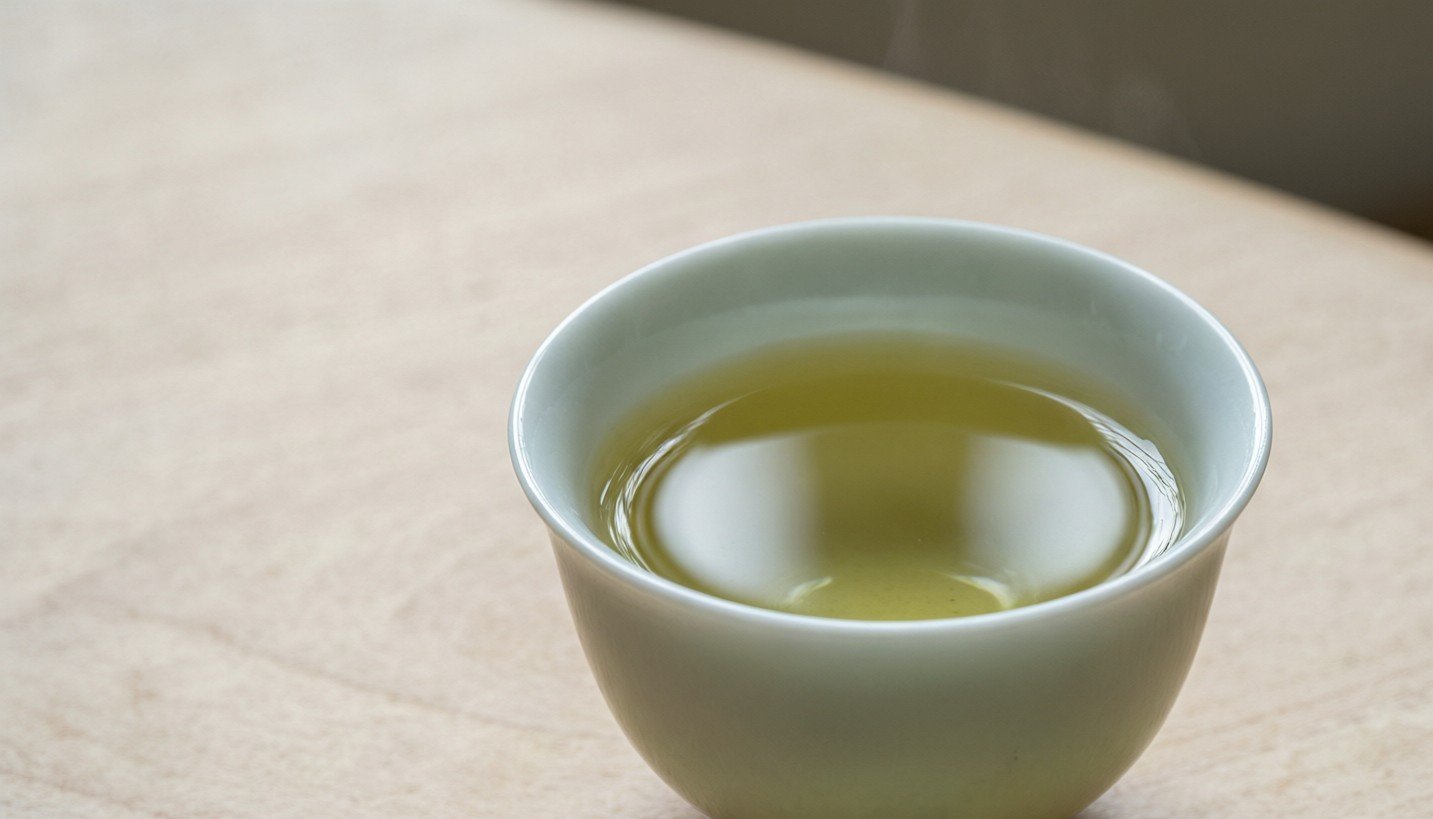
If the wet leaves stay stiff, vary sharply in size, or contain many coarse pieces, the lot may be older material, summer leaf, or a different cultivar. Cloudy liquor, immediate harsh bitterness, or an aroma that disappears after one infusion are also warning signs. A clean liquor and soft, uniform wet buds are stronger evidence that the tea matches a high-grade Meitan Cuiya profile, but they still need supporting documents.
Use a Buyer-Level Cupping Check
Place the offered sample beside a known reference sample of the same grade. Compare dry color, dry aroma, wet leaf, liquor color, body, aftertaste, and second-infusion stamina. Authenticity checking is mainly a consistency test. Small lot-to-lot variation is normal, but a large gap between the claimed grade and the reference sample should stop the purchase until the supplier can explain it.
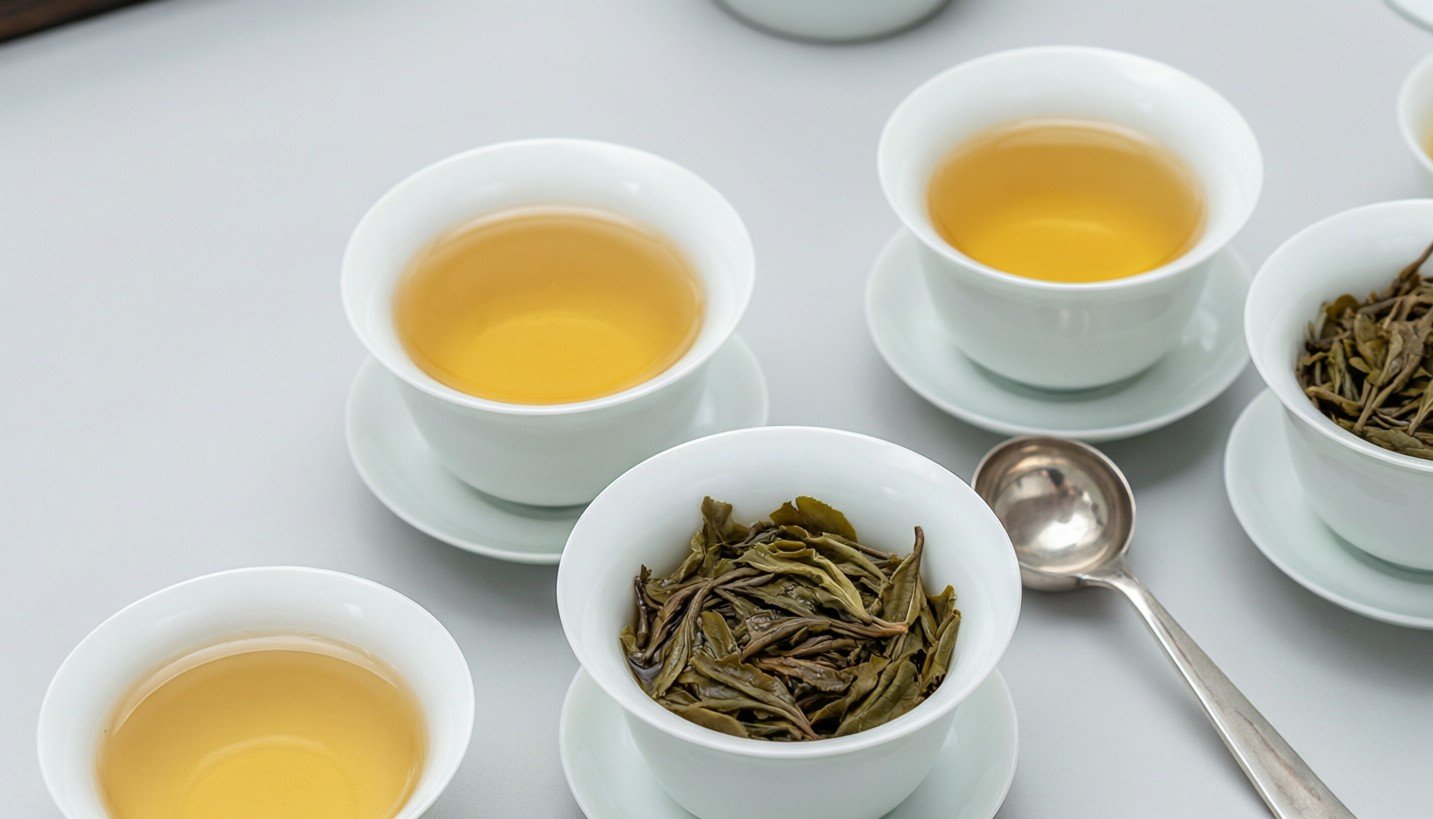
Do not let one attractive feature overpower the rest. A bright dry leaf is not enough if the wet leaf is stiff and the broth is thin. Likewise, a fragrant first infusion is less useful if the tea has no aftertaste and the wet leaf shows uneven material. Judge the whole cupping record, not a single moment.
Paperwork and Supplier Checks That Catch Substitutes
Ask the supplier for a batch harvest record, processing date, and any available pesticide or food safety test report. Check that the batch number on the packaging matches the supplied record. Then compare the physical tea with those documents. A paper certificate proves that a document exists. It does not prove that the leaves in the bag came from that batch or that production area.
The most useful suppliers can answer simple questions consistently: which township or processing site produced the lot, when it was picked, and what grade it was sorted to. If the answer changes or stays vague, treat the lot as unverified even if the tea looks acceptable. Document support and physical inspection work together, and neither should replace the other.
When Low Price and Vague Origin Are the Real Warning
Early spring bud material costs more to pick and sort than summer or autumn leaf. A very low price for a claimed early spring Meitan Cuiya grade should trigger closer checks. The risk is not always counterfeit tea; it may be lower-season material from the same region or fresh leaf from outside Meitan sold under a familiar name.
Price is not proof by itself. High prices can also be attached to weak tea, so do not use cost as a substitute for physical inspection and traceability. The practical rule is to compare the claimed grade, the leaf appearance, the wet leaf behavior, and the supplier documentation at the same time.
Get a Batch-Level Authenticity Check
A photo and a short note are enough to start. Send us a picture of the dry leaf, the brewed leaf, and the label or batch number from the package. That allows a comparison of leaf shape, color, and origin information against the lot you were offered. Contact Chinese tea suppliers at 427728483@qq.com.
FAQ
Can an origin certificate prove the tea is authentic?
No. A certificate supports the claim but needs cross-checking with the physical tea and the batch number. A certificate can be outdated, mismatched, or valid for a different lot. Use it as one piece of evidence, not as final proof.
Does a higher price mean the tea is more likely to be authentic?
Price alone does not prove origin. A high price can reflect true spring material or strong marketing. Check the leaf, wet leaf, and supplier records before accepting a lot.
Is machine-picked Meitan Cuiya automatically fake?
No. Harvest method affects grade and cost more than authenticity. However, high-grade bud material usually depends on selective picking. Ask for the harvest method, grade, and a sample so the price matches the tea.
What if the dry leaf looks right but the liquor is thin and bitter?
That can signal older leaf, summer material, or a different cultivar. Compare the wet leaf, liquor clarity, aftertaste, and second infusion against a reference sample. Thin broth with stiff mixed leaves is a stronger warning than one imperfect dry leaf sign.
Is vacuum-sealed packaging enough protection and proof?
No. Packaging protects freshness but does not prove authenticity. An unlabeled or resealed pack can still contain substituted leaf. The label, batch number, harvest date, and supplier record should all agree.
No author description available.

白玉京